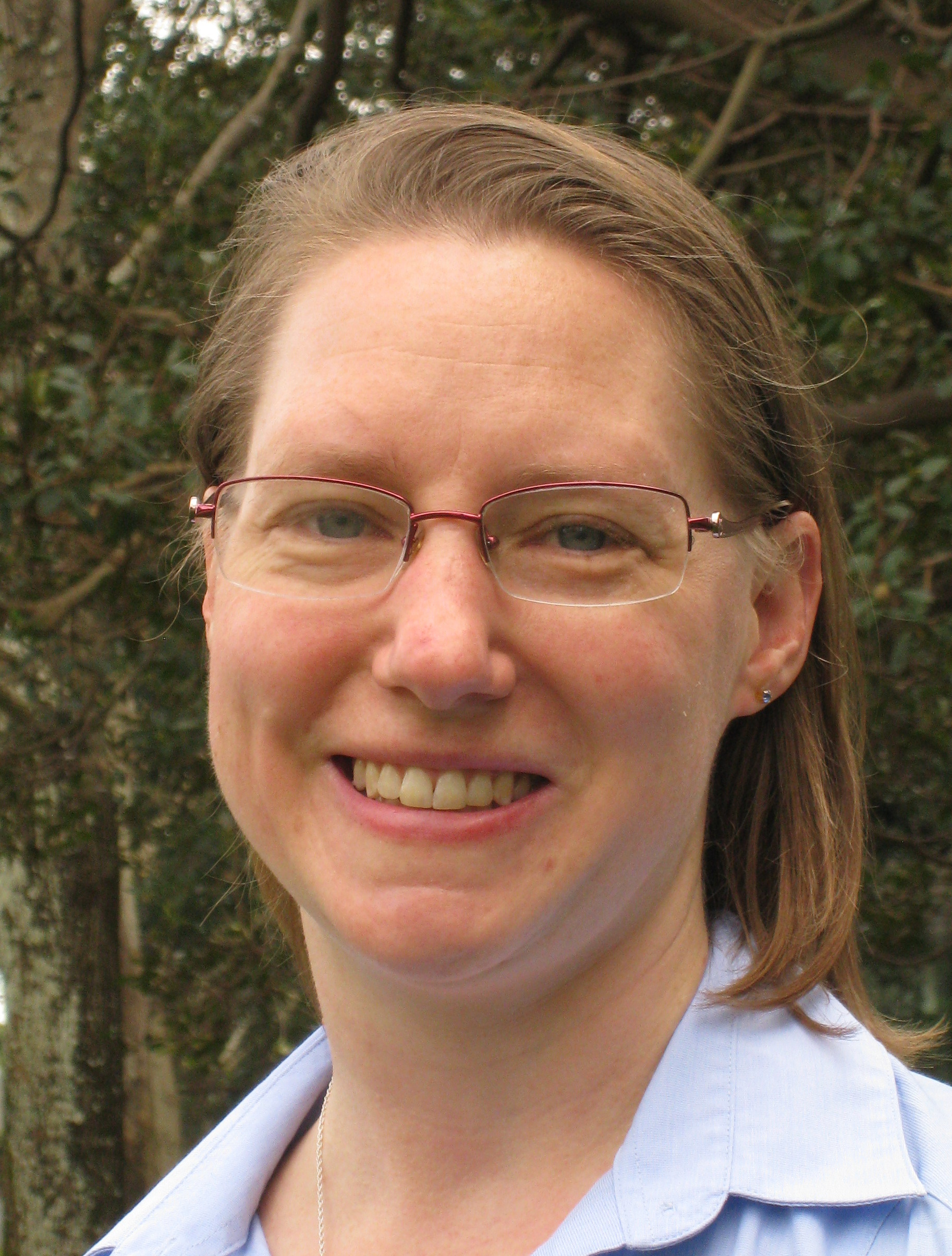
Regina Ragan is a Professor in the Department of Materials Science and Engineering at the Samueli School of Engineering, University of California, Irvine. Her research focuses on nanomaterials, self-assembly, and surface-enhanced Raman scattering (SERS) for applications in optical communication, energy systems, and biomedical diagnostics. Education: Ph.D. in Applied Physics, California Institute of Technology, 2002 M.S. in Applied Physics, California Institute of Technology, 1998 B.S. in Materials Science and Engineering, University of California, Los Angeles, 1996 Her work integrates scanning probe microscopy and first-principles calculations to study thermodynamic driving forces in self-assembly and structure-function relationships. Recent publications highlight applications in antimicrobial susceptibility testing, environmental monitoring, and plasmonic device fabrication. The Ragan group develops low-cost diagnostic tools using SERS for telemedicine applications. Current lab members include graduate students and postdoctoral researchers working on nanoscale systems from atomic to mesoscale. Scientific Awards: NSF CAREER Award for fundamental studies of biological/inorganic interfaces Research Trends: Recent articles show a focus on SERS-based diagnostics, plasmonic nanoantennas, machine learning-assisted spectral analysis, and scalable synthesis of 3D graphene architectures. Subfields span quantum plasmonics, stress-activated materials, and biofilm monitoring.
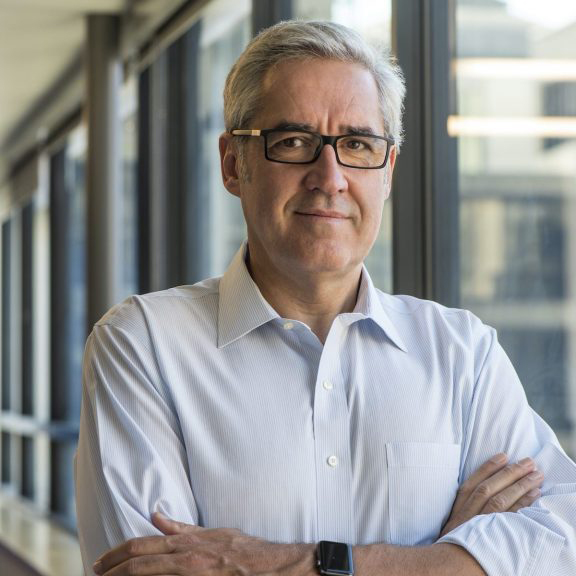
Jaime Peraire is the H.N. Slater Professor of Aeronautics and Astronautics at MIT, affiliated with the School of Engineering. He leads research in computational mechanics, aerodynamics, and numerical methods for partial differential equations, with key roles as former Department Head (2011-2018) and Director of the Aerospace Computational Design Lab (1993-2011). His expertise spans finite element methods, shock capturing algorithms, and high-order numerical techniques applied to hypersonic flows, space weather, and metamaterials. Education includes a Ph.D. from the University of Wales (1986) and engineering degrees from the University of Barcelona (1983, 1987). He holds prestigious awards like the T.J. Hughes Medal (2015) and the Ildefons Cerdá Medal (2015). His work bridges computational science and engineering, with contributions to discontinuous Galerkin methods, mesh adaptivity, and GPU-accelerated simulations. Research interests emphasize high-fidelity modeling of compressible flows, plasma dynamics, and terahertz spectroscopy. Notable projects include MIT’s space weather modeling initiative and metamaterial fabrication using atomic layer lithography. His labs collaborate across MIT’s Schwarzman College of Computing, IDSS, and CCSE to advance computational tools for aerospace and environmental systems. Awards: Over 10 major prizes, including NASA Exceptional Achievement (1997) and IACM Young Researchers Award (1998). Grants/Advising: Led NSF-funded space weather projects and advised numerous PhD students in computational engineering. Labs: Aerospace Computational Design Lab, MIT Schwarzman College of Computing collaborations.
Professor Paul Sellin is a Professor of Physics at the University of Surrey's School of Mathematics and Physics, with visiting roles at UCL and the University of Wollongong. He holds a PhD in Nuclear Physics from the University of Edinburgh (1992) and a BSc (Hons) in Physics from the University of Birmingham (1988). His research focuses on radiation detector materials, including perovskites, semiconductors, and scintillators, with applications in medical imaging, nuclear security, and high-energy physics. Key interests include perovskite semiconductor development, neutron/gamma detection, and radiation-hard materials. His group collaborates internationally on projects like the DTRA Interaction of Ionizing Radiation with Matter (IIRM) University Research Alliance. Publications highlight advancements in X-ray detection using perovskite nanocomposites, Cu-doped crystals, and organic semiconductors. His work emphasizes material synthesis, charge transport optimization, and device fabrication for low-dose imaging and high-sensitivity detection. Professor Sellin has supervised over 30 postgraduate students, many contributing to seminal studies on perovskite detectors, plastic scintillators, and semiconductor characterization. His contributions span academic networks like the Nuclear Threat Reduction Network (NTR-net) and the STFC NuSec program.
Essa Yacoub is a Professor in the Department of Radiology at the University of Minnesota, affiliated with the PhD Program in Medical Physics and the Center for Magnetic Resonance Research. His work focuses on advancing MRI and fMRI technologies, particularly at ultrahigh magnetic fields (e.g., 10.5 T), to achieve unprecedented spatial and temporal resolution in brain imaging. He leads projects in RF coil design, noise reduction algorithms, and developmental neuroimaging. Roles: Professor, Medical Physics Program Faculty Affiliations: Center for Magnetic Resonance Research, Department of Radiology Research emphasizes high-resolution fMRI applications, including layer-specific brain mapping, pediatric neurodevelopment studies (e.g., Baby Connectome Project), and translational tools like BIBSNet for infant brain segmentation. His innovations bridge hardware engineering (RF coils) and software (denoising pipelines) to tackle challenges in mesoscopic-scale imaging. Key contributions include optimizing imaging protocols at 7T/10.5T, developing NORDIC denoising for submillimeter data, and advancing understanding of brain networks in aging and neurological disorders. His work is foundational for large-scale initiatives like the Human Connectome Project and non-human primate neuroimaging collaborations. Grants and collaborations focus on translational imaging technologies, while educational contributions include training through the Medical Physics PhD Program. Ongoing efforts aim to refine ultra-high field MRI applications for clinical and basic neuroscience research.
Zhi-Pei Liang is the Franklin W. Woeltge Professor in the Department of Electrical and Computer Engineering at the University of Illinois at Urbana-Champaign, with joint appointments in the Department of Bioengineering, Beckman Institute for Advanced Science and Technology, and Coordinated Science Laboratory. His research spans biomedical engineering, medical imaging, and signal processing with a focus on advancing magnetic resonance imaging and spectroscopy technologies. His educational background includes a Ph.D. in Biomedical Engineering from Case Western Reserve University (1989) and a B.S. in Electrical Engineering from South-China University of Technology (1982), followed by postdoctoral training at UIUC (1989-1991). Professor Liang's research interests center on magnetic resonance imaging and spectroscopy , with particular emphasis on ultrafast imaging techniques , model-based reconstruction methods , and the integration of physics-based modeling with machine learning . His pioneering work on SPICE (SPectroscopic Imaging by exploiting spatiospectral CorrElation) has revolutionized high-resolution metabolic brain imaging by enabling label-free molecular imaging through the marriage of spin physics and machine learning. His research spans pattern recognition, parameter estimation, image formation theory, and algorithms for medical imaging applications. Analysis of his recent publications reveals a strong focus on high-resolution metabolic imaging , particularly using SPICE methodology to map brain metabolism with unprecedented detail. His work bridges fundamental physics of magnetic resonance with advanced computational methods to overcome traditional limitations in imaging speed and resolution. Current research directions include J-resolved spectroscopic imaging, deuterium-based metabolic mapping, and multimodal integration of PET and MRSI for studying neurological disorders. Elected to International Academy of Medical and Biological Engineering (2012) Gold Medal, International Society for Magnetic Resonance in Medicine (2022) Technical Achievement Award, IEEE Engineering in Medicine and Biology Society (2014) Fellow, National Academy of Inventors (2021) Author of influential book 'Principles of Magnetic Resonance Imaging' (1999) President of IEEE Engineering in Medicine and Biology Society (2011-2012) Professor Liang has advised numerous students and postdocs in biomedical imaging research and has received multiple teaching honors including the Ronald W. Pratt Outstanding Teaching Award (2005) and multiple listings among UIUC's Excellent Teachers. His research has been supported by various grants from NIH, NSF, and other funding agencies. He leads the SPICE (Spectroscopic Imaging by exploiting spatiospectral Correlation) research group which focuses on developing novel imaging techniques that combine physics-based modeling with machine learning for ultrafast metabolic imaging. His laboratory, part of the Beckman Institute's Integrative Imaging Theme, collaborates extensively with clinical researchers at Carle Illinois College of Medicine and other institutions to translate advanced imaging techniques into clinical applications for neurological disorders, cancer, and metabolic diseases. Current projects focus on high-resolution mapping of brain metabolism in Alzheimer's disease, stroke, and brain tumors using novel MR spectroscopic imaging techniques.
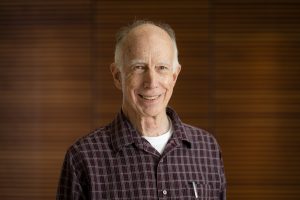
Dan McCammon is a Professor in the Department of Physics at the University of Wisconsin-Madison, affiliated with the College of Letters & Science. His research focuses on X-ray astronomy, including studies of the diffuse X-ray background, interstellar and intergalactic media, and the development of advanced X-ray instrumentation. He is a key contributor to the XRISM (X-ray Imaging and Spectroscopy Mission) satellite, leading efforts in high-resolution X-ray spectroscopy and mission operations. McCammon's work emphasizes understanding cosmic plasma dynamics, galaxy cluster physics, and supernova remnant evolution through cutting-edge observational techniques and detector technology. His research interests span multiple subfields, including the thermodynamic properties of galactic clusters, charge-exchange processes in astrophysical plasmas, and the design of cryogenic microcalorimeters for space-based observatories. He has pioneered advancements in transition-edge sensors (TES) and superconducting detectors, enhancing the precision of X-ray spectral measurements. McCammon has contributed to numerous sounding rocket missions, such as Micro-X, and has been instrumental in the development of the Line Emission Mapper (LEM) probe concept, aimed at mapping the soft X-ray sky with unprecedented resolution. His work on the Hitomi (ASTRO-H) satellite demonstrated breakthroughs in resolving the thermal and dynamic properties of cosmic plasmas, such as the Perseus galaxy cluster and the Crab Nebula. His publications highlight a focus on high-resolution X-ray spectroscopy of cosmic sources, including galaxy clusters, active galactic nuclei, and supernova remnants. He has explored topics like non-thermal pressure contributions in cluster cores, ionized plasma diagnostics, and the role of charge-exchange emissions in interpreting diffuse X-ray backgrounds. McCammon's instrumentation innovations have enabled breakthroughs in measuring spectral features with sub-eV resolution, advancing our understanding of astrophysical processes. Despite the absence of explicitly listed awards or grants in the provided text, his leadership in major space missions and pioneering detector technologies underscores his contributions to the field. His research team collaborates on international projects, such as XRISM and LEM, reflecting a commitment to advancing observational astrophysics through interdisciplinary collaboration.
Xiaoqing Pan is a Professor and Henry Samueli Endowed Chair in Engineering at the University of California, Irvine, with dual appointments in the Department of Materials Science and Engineering and the Department of Physics and Astronomy. He serves as Director of the Irvine Materials Research Institute (IMRI) and the Center for Complex and Active Materials (NSF MRSEC). A renowned electron microscopy expert, Pan has developed advanced transmission electron microscopy (TEM) techniques for atomic-scale material characterization. Ph.D., Universität des Saarlandes, Germany (1991) His research focuses on atomic-scale structure-property relationships in oxide heterostructures, ferroelectrics, nanocatalysts, and 2D functional materials. Pan leads development of novel 4D-STEM and momentum-resolved vibrational electron microscopy methods to study single-atom catalysts and complex oxides. With over 400 high-impact publications in Nature , Science , and Nature Materials , his work has been recognized by major fellowships and awards from the American Ceramic Society, American Physical Society, and National Science Foundation. Pan's recent work includes: Atomic-scale analysis of grain boundary phonon anisotropy Advances in FeSe/SrTiO 3 interface electron-phonon coupling Plastic waste upcycling through carbon intermediate interception Control of metal-support interactions in photocatalysts Strain engineering in high-entropy oxide films His laboratory at UCI represents the forefront of materials characterization technology development.
Associate Professor Judy Hart is a materials scientist at the School of Materials Science & Engineering, UNSW Sydney , specializing in the development of semiconducting materials for renewable energy applications. Her work integrates computational (DFT) and experimental approaches to understand composition-property relationships in systems like solid solutions , heterostructures , and doped materials for photocatalysis and solar cells . She leads projects funded by ARC Discovery and Linkage grants , including work on photo-electro-catalysis systems and stabilizing ceramic materials . Education: PhD in Materials Engineering (Monash University, 2007), BEng (Materials) (Monash, 2002) Professional Experience: Senior Lecturer (UNSW, 2017–), Lecturer (UNSW, 2013–2017), University of Bristol (2007–2012) Research Interests Her research focuses on designing materials for renewable energy , particularly photoelectrochemical water splitting and organic oxidation reactions . Key areas include Density Functional Theory (DFT) , defect engineering , band gap tuning , and nanostructured materials . She investigates ferroelectric polarization effects , metal oxide heterostructures , and stability of battery components , with applications in hydrogen production , CO2 conversion , and advanced battery materials . Scientific Awards Ramsay Memorial Fellowship (University of Bristol, 2007–2009) Teaching Contributions She is co-author of the 1st Australian & New Zealand edition of "Materials Science and Engineering: An Introduction" , and teaches courses on computational materials science , corrosion-resistant surfaces , mechanical behavior of metals , and materials design .
Charles C. Davis is a Professor of Organismic and Evolutionary Biology at Harvard University and Curator of Vascular Plants in the Harvard University Herbaria. He leads the Davis Lab, focusing on plant diversity through integrative research in systematics, paleobiology, ecology, and molecular biology. His work emphasizes phylogenetic theory, biogeography, and the application of herbarium collections to address global change challenges. Davis is particularly noted for leveraging herbarium specimens to study plant responses to climate change, phenology, and biodiversity patterns. Research interests include plant-insect interactions, genome architecture evolution in parasitic plants, and the ethical use of herbarium specimens. His lab has pioneered high-throughput phylogenomic pipelines (e.g., PhyloHerb) and explored the future of herbaria in the digital age. Collaborations span global institutions, emphasizing digitization, spectral imaging, and AI-driven analysis of biodiversity data. Recent work highlights the impact of anthropogenic change on plant communities, the role of phenology in species survival, and strategies to mitigate collecting biases in herbaria. Davis teaches courses on plant systematics and evolution, and his lab actively participates in public engagement through exhibits like the HMNH’s *In Search of Thoreau’s Flowers*. His research has been featured in *Trends in Ecology & Evolution*, *Molecular Phylogenetics and Evolution*, and *Current Biology*, with a focus on advancing methodologies for biodiversity science while addressing ethical challenges in specimen sampling.
R. Kenneth Marcus serves as the Robert Adger Bowen Professor of Chemistry in Clemson University's College of Science Department of Chemistry, where he has maintained an active research program for 38 years. His work bridges analytical instrumentation development and advanced separation science with applications spanning nuclear safeguards to biomedical diagnostics. His academic foundation includes dual Bachelor of Science degrees in Chemistry (with honors) and Physics from Longwood College (1982), followed by a Ph.D. in Chemistry from the University of Virginia (1986). This multidisciplinary training underpins his innovative research approach. Dr. Marcus's research focuses on two synergistic thrusts: (1) plasma-based atomic spectrochemical techniques using glow discharge sources, particularly the liquid sampling-atmospheric pressure glow discharge (LS-APGD) microplasma for optical emission and mass spectrometry; and (2) capillary-channeled polymer (C-CP) fiber stationary phases for high-speed protein and extracellular vesicle separations. Current efforts target field-deployable nuclear safeguards instrumentation and exosome isolation platforms for clinical applications, leveraging commodity polymers like polypropylene and nylon. His 2024-2025 publications reveal a strategic convergence where LS-APGD mass spectrometry enables ultra-high-resolution isotopic analysis for nuclear applications, while C-CP fiber chromatography advances exosome purification across diverse biological matrices. This dual focus positions his work at the intersection of national security needs and emerging biomedical diagnostics. His distinguished recognition includes: Fellow of the Royal Society of Chemistry (2010) Fellow of the American Association for the Advancement of Science (2012) Fellow of the Society for Applied Spectroscopy (2016) Fellow of the National Academy of Inventors (2018) Clemson University Researcher of the Year (2019) South Carolina Governor’s Award for Excellence in Science Research (2001) Dr. Marcus has mentored 44 Ph.D. and 17 M.S. students to completion. His research receives sustained support from the National Nuclear Security Administration (NNSA) through Oak Ridge National Laboratory for nuclear safeguards instrumentation, the National Science Foundation (NSF) for chromatography development, and the Advanced Mammalian Biomanufacturing Innovation Center (AMBIC) for metal speciation studies in bioreactors. His laboratory occupies dedicated spaces (BRC 102, 102A, and 106) within Clemson's AG Biotech/Biosystems Research Complex, housing specialized instrumentation for plasma source development, mass spectrometry coupling, and high-throughput fiber chromatography systems that support collaborative work with nuclear security agencies and biomedical researchers.
João F. Mano is a Full Professor at the Department of Chemistry, University of Aveiro, and Director of the Doctoral Program on Biotechnology. He leads the COMPASS Research Group and serves as Vice-Director at CICECO - Aveiro Institute of Materials. His academic appointments include Invited Professor at University of Lorraine (France), Visiting Professor at KAIST (South Korea), and Adjunct Professor at Ajou University (South Korea). Education: PhD in Chemistry (1996, Technical University of Lisbon); D.Sc. in Tissue Engineering, Regenerative Medicine and Stem Cells (2012, University of Minho) Research Interests focus on Biomaterials for Regenerative Medicine , integrating Nanotechnology , Microtechnology , and Biofabrication . His group develops Bioinspired Materials using polymer chemistry, Decellularized Extracellular Matrix , and 3D Bioprinting to engineer Cell Microenvironments for therapeutic applications. Recent Publications highlight advancements in Human-Derived Hydrogels , Photopolymerizable Scaffolds , Magneto-Responsive Biomaterials , and Programmable Bioinks . Trends show emphasis on Organ-on-a-Chip integration, Smart Living Materials , and Green Bioprinting methodologies. Scientific Awards include: European Research Council Advanced Grants (2015, 2020) Fellow at IUPAC, European Academy of Sciences, and American Institute of Medical and Biological Engineering ERC Proof of Concept Grants Doctor Honoris Causa from University of Lorraine and Utrecht UNESCO Chair on Biomaterials George Winter Award (European Society for Biomaterials) Supervisions & Collaborations encompass 74+ MSc, 26+ PhD students, and 40+ postdocs. He co-founded METATISSUE and CELLULARIS Biomodels , and serves as Editor-in-Chief of Materials Today Bio .
Mohammed Hassan is an Associate Professor of Physics at the University of Arizona, specializing in ultrafast electron microscopy and attosecond science. His research focuses on developing 'Attomicroscopy' to capture electronic and atomic motion with attosecond temporal resolution. He holds primary faculty classification and operates a lab at the University of Arizona (https://hassan.lab.arizona.edu). Education: Ph.D. in Physics (2013), Max-Planck Institute for Quantum Optics & Ludwig Maximilian University of Munich. Research Interests: Hassan's work bridges atomic physics, quantum optics, and materials science. His innovations include attosecond electron pulse generation and their application in imaging ultrafast processes in solids and liquids. Key projects involve tracking electron dynamics in graphene, probing light-matter interactions at sub-femtosecond timescales, and advancing 4D electron microscopy techniques. Awards: Recipient of the 2019 Air Force Young Investigator Award and 2018 Gordon and Betty Moore Foundation Grant. Previously a Max-Plank Research Fellow (2009). Publications: Over 30 peer-reviewed articles, including foundational works in Nature Photonics , Science , and Nature . Recent trends emphasize attosecond-scale imaging applications in quantum materials and lightwave electronics. Labs/Teams: Leads the Hassan Lab at the University of Arizona, pioneering novel instrumentation for attosecond science applications.
Benedikt Günther is a research scientist at the Technical University of Munich (TUM) working within the Chair of Biomedical Physics led by Prof. Dr. Franz Pfeiffer. His research focuses on the Munich Compact Light Source (MuCLS), a laboratory-scale inverse Compton X-ray source that provides synchrotron-like radiation for biomedical applications. Günther plays a key role in developing, optimizing, and characterizing this innovative technology, contributing to both its fundamental physics and practical medical applications. His primary research interests center around X-ray physics and imaging techniques, particularly laser enhancement cavities for inverse Compton X-ray sources, X-ray microscopy, dynamic phase-contrast imaging, and X-ray spectroscopy. Günther's work bridges fundamental physics with practical medical applications, developing instrumentation that brings synchrotron-quality imaging to conventional laboratory settings. His research has significant implications for improving medical diagnostics while making advanced imaging techniques more accessible. Analysis of Günther's publication record reveals a consistent focus on advancing compact X-ray source technology and its applications. His work demonstrates expertise in both theoretical modeling and experimental implementation, with publications spanning instrument development, imaging techniques, and specific medical applications. The research shows progression from fundamental source characterization to increasingly sophisticated biomedical applications, particularly in breast imaging, dental diagnostics, and materials science. 2019 Best Poster Award at the combined meeting of the 68th Denver X-ray Conference (DXC) & 25th International Congress on X-ray Optics and Microanalysis (ICXOM) for 'Full-Field Structured Illumination Super-Resolution X-ray Transmission Microscopy' Günther regularly presents his work at major international conferences including the International Particle Accelerator Conference, High-Brightness Sources and Light-driven Interactions Congress, and specialized X-ray imaging meetings. His research is conducted within the Munich Compact Light Source facility, a collaborative project involving physicists, engineers, and medical researchers working to develop laboratory-scale synchrotron technology for widespread biomedical use.
Carsten Rott is a Professor in the Department of Physics & Astronomy at the University of Utah and holds the Jack W. Keuffel Memorial Chair until December 2025. His academic journey began with a Ph.D. in Physics from Purdue University (2004), preceded by undergraduate studies at the Universität Hannover. Rott has held academic positions at institutions including The Ohio State University (CCAPP Senior Fellow 2009-2013), Penn State University (postdoc 2005-2008), and Sungkyunkwan University in South Korea (Assistant Professor 2013-2017, Associate Professor 2017-2025). He has been a member of the IceCube Neutrino Telescope collaboration since 2005 and serves on committees like the IceCube-Gen2 Coordination Committee and JSNS2 Speakers Board. His research spans Particle Physics , Neutrino Astronomy , and Dark Matter Detection . Key projects include analyzing IceCube data for sterile neutrino signatures, studying cosmic-ray anisotropy, and investigating terrestrial gamma-ray flashes. Notable achievements include the Bruno Rossi Prize (2021) for high-energy astrophysics contributions. Rott's work involves multimessenger observations (neutrinos, gamma-rays, radio signals) and detector calibration innovations, such as those for the JSNS2 experiment. Recent publications focus on atmospheric neutrino oscillation parameters, TGF spectroscopy, and dark matter constraints. He employs machine learning techniques (CNNs) for event reconstruction and leads initiatives like the IceCube Master Class for student engagement. Grants include funding for IceCube upgrades (2024-2026) and Hyper-Kamiokande collaborations (2023-2026). As department chair since 2023, Rott continues to bridge experimental particle physics with astrophysical discoveries.
Dag Hanstorp is a Professor at the Department of Physics, University of Gothenburg. His office is located at Fysikgränd 3, Göteborg (Room F8032), and he can be contacted via email or telephone. His research focuses on experimental atomic/molecular physics and laser applications, including: Quantum phenomena in levitated droplets Ultraprecise spectroscopy of radioactive molecules (e.g., radium monofluoride) Laser-induced dynamics in fuels and aerosols Electron affinity measurements of alkali metals Vacuum laser particle acceleration techniques Spin Hall nano-oscillator characterization Recent publications (2023-2025) demonstrate interdisciplinary work combining atomic physics, fluid dynamics, quantum optics, and nanotechnology. Common themes include advanced laser spectroscopy, quantum system control, and novel imaging techniques applied to fundamental physical processes.