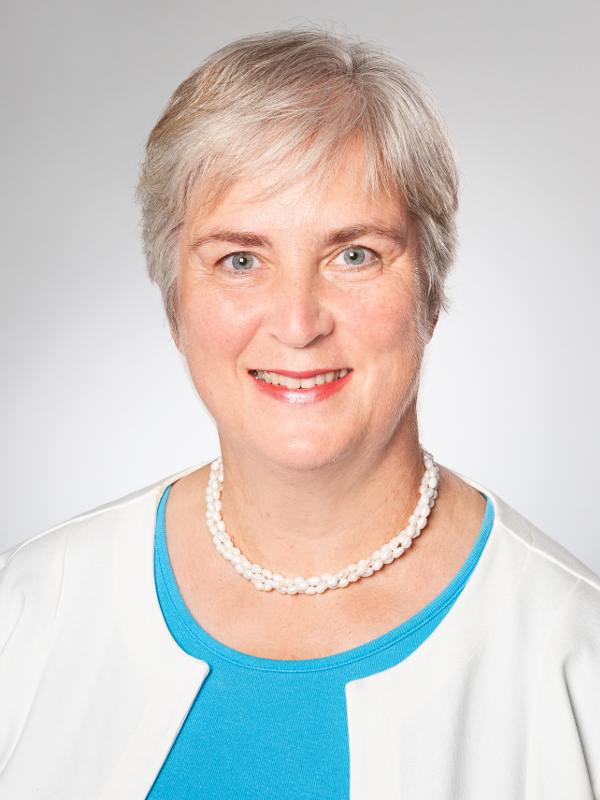
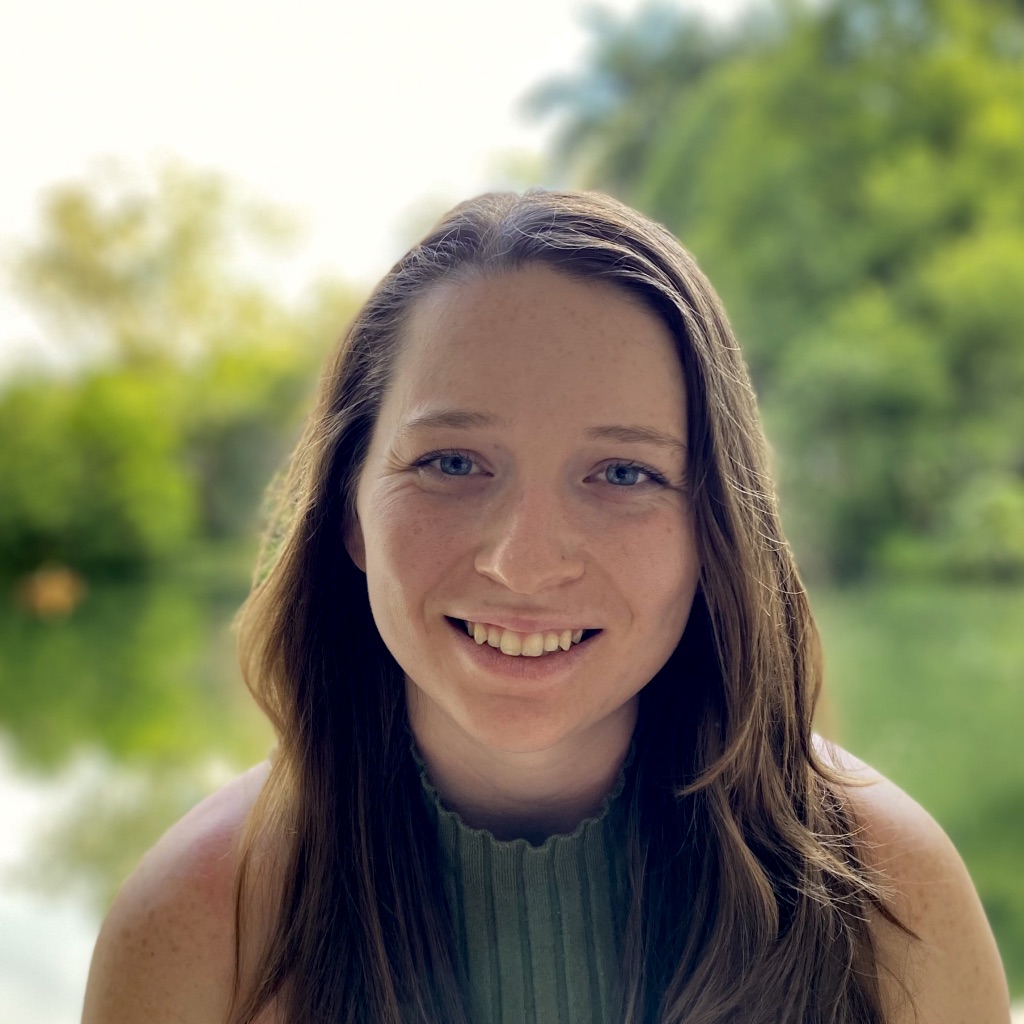
Prof. Dr. Karsten Niehaus serves as Head of the Proteome and Metabolome Research Group at the Center for Biotechnology (CeBiTec) and Faculty of Biology, University of Bielefeld. His research focuses on proteomics and metabolomics applications in plant-microbe interactions, bacterial stress responses, and disease model systems. His laboratory employs advanced mass spectrometry imaging and cell phenotyping technologies to investigate molecular responses in crops like sugar beet and grapevines under abiotic stress conditions, as well as in cancer models where differentiation therapy impacts tumor malignancy. The group also explores microbial biotechnology through Xanthomonas campestris studies on xanthan production and stress adaptation. Selected publications highlight innovations in 3D microfluidics for biomarker detection and bioinformatics platforms like MetHoS for metabolomics data analysis. His work appears in journals covering Frontiers in Plant Science , Scientific Reports , and Journal of Experimental Botany . Contact: kniehaus@cebitec.uni-bielefeld.de | Office: UHG W7-117
Kara Gibson serves as an Assistant Clinical Professor in the Department of Anesthesia at McMaster University. Despite her primary academic appointment in anesthesia, her scholarly activity is overwhelmingly concentrated in ophthalmology, with 20+ publications (2023-2025) focused on diabetic macular edema (DME) therapeutics and retinal imaging analysis. Her research centers on evaluating faricimab—a dual Ang-2/VEGF-A inhibitor—in phase 3 clinical trials (YOSEMITE, RHINE, ALTIMETER) and real-world studies. Key interests include quantitative analysis of retinal fluid dynamics, hyperreflective foci, and hard exudates using optical coherence tomography (OCT), with emphasis on comparative efficacy against aflibercept and potential for extended dosing intervals. A secondary focus involves obstetric anesthesia, evidenced by her 2023 publication on COVID-19 ethical challenges in parturient care. Analysis of her 15 most recent publications reveals consistent themes: faricimab demonstrates superior anatomical control (reduced intraretinal fluid, hyperreflective foci, and macular leakage) and durability compared to aflibercept, enabling extended dosing (Q16-20W). Her work bridges clinical trial data with real-world applicability, predominantly published in high-impact ophthalmology journals including Investigative Ophthalmology and Visual Science and Clinical and Experimental Ophthalmology . Dr. Gibson maintains active collaborations with retinal research teams, evidenced by her contributions to multi-center trials. Her scholarly impact is reflected in Mendeley readership (27-53 readers per recent publication) and media coverage, though no formal awards or student mentorship details are documented.
KC Coffey, MD, MPH is an Assistant Professor in the Department of Epidemiology and Public Health at the University of Maryland School of Medicine and serves as Associate Hospital Epidemiologist at the Veterans Affairs Maryland Healthcare System, with board certification in Infectious Diseases, Medical Microbiology, and Internal Medicine. Her educational background includes: Boston University, BA in English, 2003 Tulane University School of Public Health and Tropical Medicine, MPH in International Health and Development, 2006 Tulane University School of Medicine, MD, 2012 University of Virginia School of Medicine, Residency in Internal Medicine, 2015 Massachusetts General Hospital, Fellowship in Infectious Disease, 2017 Massachusetts General Hospital, Fellowship in Medical Microbiology, 2018 Dr. Coffey's research centers on antimicrobial stewardship, diagnostic stewardship, and prevention of healthcare-associated infections, with specialized focus on Clostridoides difficile infection and hospital epidemiology. She served as Subject Matter Expert for the VA Incident Command during the COVID-19 pandemic, contributing critical insights on transmission dynamics and infection control. Her publication record (2012-2021) reveals evolving expertise from diagnostic case studies to pandemic response, with recent work analyzing SARS-CoV-2 transmission in congregate settings, antibiotic use during COVID-19, and nursing home safety protocols. Key themes include optimizing diagnostic pathways, reducing unnecessary antibiotic exposure, and developing evidence-based infection prevention strategies across healthcare environments. Scientific Awards: No awards documented in source material. Dr. Coffey's leadership roles include VA hospital epidemiology oversight and multi-institutional collaborative research, though student mentorship details are unreported. Her work with the SHEA Research Committee shaped national healthcare epidemiology priorities during the pandemic. She operates within the Division of Genomic Epidemiology and Clinical Outcomes, leveraging partnerships between the University of Maryland School of Medicine and VA Maryland Healthcare System to address real-world infection control challenges through translational research.
Dr. Ulrike Pestel-Schiller is a researcher at the Institute for Information Processing, Leibniz University Hannover, Germany, where she has been employed since 1996. Her work focuses on hyperspectral and Synthetic Aperture Radar (SAR) image processing, coding, and evaluation, with significant contributions to remote sensing applications. She actively supervises bachelor's and master's theses in these fields. Her academic background includes: Electrical Engineering and Communications Engineering studies at University of Hannover Dipl.-Ing. (Master's equivalent) awarded in 1989 Dr.-Ing. (Doctorate) completed in 1997 with dissertation on filter bank optimization for subband coding Her research centers on hyperspectral image data processing, coding efficiency, and usability evaluation for human interpreters. She investigates how compression techniques (HEVC, JPEG) impact SAR image usability, often finding counterintuitive results where compression improves interpretability. Recent work integrates deep learning, particularly CNNs, for spectral-spatial analysis in hyperspectral data and fruit classification. Her early career focused on HDTV video coding standards development. Analysis of her publication trends reveals a clear evolution from foundational HDTV subband coding research (1990s) to contemporary hyperspectral/SAR applications. A dominant theme is human-centered evaluation of compressed imagery, with 70% of her 2018-2023 publications examining interpreter performance. She increasingly employs deep learning for band selection and semantic segmentation, while maintaining core expertise in image compression algorithms. No scientific awards were documented in the source material. Dr. Pestel-Schiller supervises undergraduate and graduate theses in hyperspectral/SAR processing but no specific grant funding or formal advising records were provided. Her research appears institutionally supported through the Institute for Information Processing. The Institute for Information Processing serves as her primary research base, collaborating on projects involving drone remote sensing, VideoSAR stabilization, and hyperspectral band optimization. Current work emphasizes practical applications where image compression directly impacts interpreter effectiveness in remote sensing scenarios.
Juan Domingo Torrejon Rodriguez is a Permanent Professor in Public International Law and International Relations at the University of Cádiz since 2014. He is affiliated with the Faculty of Social Sciences and Communication and the Institute for Sustainable Social Development (INDESS). His research focuses on the European Parliament's role in the Western Sahara conflict, Spanish-Moroccan relations, EU-Morocco relations, and international crisis management. He has contributed to studies on human rights, decolonization, and self-determination. Education: PhD from the University of Cádiz (2013) Predoctoral Fellow (UCA UGR, 2001-2005) Fellow at Gibraltar/Campo de Gibraltar University Classroom (2011) Research Trends: His 15 most recent articles (2016-2020) address the Western Sahara conflict, EU foreign policy, UN peacekeeping operations (MINURSO), human rights monitoring, self-determination, resource exploitation in disputed territories, and bilateral Spain-Morocco mechanisms. Key subfields include diplomatic negotiations, security policy, and post-colonial law. Scientific Awards: VIII Andalusian Prize for Research on European Integration (2014) for 'The European Parliament and the conflict in Western Sahara' Teaching & Coordination: He coordinated the 12th European Community Law Course and the 4th Course on Spain and the European Union. He taught in multiple master's programs including International Relations and Migration Policy, and Peace, Conflict, and Human Rights Education. Research Groups: Member of the SEJ-572 Research Group 'Center for International and European Studies of the Strait Area' directed by Dr. Alejandro del Valle-Galvez. Participated in projects like 'Spain, Security and European External Borders in the Strait Area' (2015-2019).
Dr. Sharmila Anandasabapathy is a Professor of Medicine in Gastroenterology and Vice President & Senior Associate Dean of Global Programs at Baylor College of Medicine in Houston, Texas. She also serves as Director of Baylor Global Initiatives and the Baylor Global Innovation Center, overseeing Baylor's global health programs and affiliations. Her work focuses on developing innovative technologies for cancer screening and diagnosis in low-resource settings worldwide. Dr. Anandasabapathy's educational background includes: BA in English Literature from Yale University MD with distinction in Research, Molecular Biology from Albert Einstein College of Medicine Internship & Residency at New York-Presbyterian Hospital/Cornell Medical Center Gastroenterology Fellowship at Mount Sinai Medical Center Dr. Anandasabapathy is an advanced gastrointestinal endoscopist whose research focuses on developing and validating novel technologies for early gastrointestinal cancer diagnosis. Her primary areas of interest include Barrett's Esophagus, Esophageal Cancer, Gastric Cancer, and advanced endoscopic techniques including Confocal Microendoscopy, Fluorescent Imaging, and Magnification Endoscopy. She specializes in creating low-cost, portable diagnostic solutions for resource-limited settings. Her work bridges clinical gastroenterology with biomedical engineering, focusing on practical applications of advanced imaging technologies for cancer screening in global contexts. She has particular expertise in developing battery-operated, portable endoscopic devices suitable for use in low-resource environments across Africa, Central America, and Asia. Dr. Anandasabapathy's publication record demonstrates a consistent focus on high-resolution microendoscopy for gastrointestinal cancer detection, particularly in resource-limited settings. Her research spans technological development, clinical validation, and cost-effectiveness analysis across multiple international contexts. A significant portion of her recent work examines implementation strategies for low-cost endoscopic screening in diverse global populations, with particular attention to esophageal and colorectal cancers. Her collaborative approach is evident in the multidisciplinary nature of her publications, which frequently involve partnerships with engineers, public health experts, and international research teams. The evolution of her work shows increasing emphasis on practical implementation of screening technologies in real-world settings across multiple continents. Dr. Anandasabapathy has received numerous honors throughout her career: Zelig A. Rosen Award for Excellence in Cardiology (1996) Medical Society of the State of NY Award for Outstanding Community Service (1997) AMSA/National Health Service Corps Award for Community Service Project (1998) Ciba-Geigy Award for Outstanding Community Service by a Medical Student (1999) Physicians for Social Responsibility National Broadstreet Pump Award in Public Health (1999) David E. Rogers Memorial Research Award Finalist (2001) Chief fellow in Gastroenterology, Mount Sinai Medical Center (2003-2004) FOCDD Database Development Award Recipient (2004) Gulf Coast Digestive Disease Center Pilot Project Award (2008) Global Directory of Who's Who "Top Doctors" (2013) Dr. Anandasabapathy serves as Principal Investigator on multiple NIH-funded grants focused on developing innovative technologies for gastrointestinal cancer screening. Her current portfolio includes three NIH/NCI grants: "High Resolution Microendoscopy for the Management of Esophageal Neoplasia" (CA181275), "Low Cost Tethered Capsule Endoscope for Barrett's Esophagus Screening" (CA252245), and "The Effectiveness of High Resolution Microendoscopy in High Grade Intraepithelial Lesions Diagnosis for People Living with HIV" (CA232890). She also leads eight clinical trials testing portable endoscopic technologies across the United States, Africa, China, Mexico, and Honduras. Her research program involves extensive collaborations with academic institutions including Mount Sinai School of Medicine, Rice University, and Harvard University, as well as partnerships with NGOs and foundations focused on global health innovation. Through these collaborations, she has developed tablet-based reporting platforms, training modules for sedation/anesthesia, and environmentally appropriate innovations for chronic disease management in low-resource settings. Dr. Anandasabapathy directs the Baylor Global Innovation Center, which focuses on developing novel, environmentally appropriate technologies for addressing global disease burden. Her team works on creating mobile and portable solutions for clinical care and cancer screening, point-of-care diagnostic technologies, and low-cost devices for managing chronic non-communicable diseases worldwide. The center maintains active collaborations with academic centers, NGOs, and foundations to implement these innovations in regions including West Africa (The Gambia), India, China, and Central America.
Jelena Dj. Trifkovic serves as Full Professor in the Department of Analytical Chemistry at the Faculty of Chemistry, University of Belgrade, where she was promoted from Assistant Trainee (2003) through Associate Professor (2019) to her current position (2024). She concurrently holds leadership roles as Vice-Dean for Teaching and Secretary of the Serbian Chemical Society since 2020. Her academic foundation includes undergraduate (1995-2001), Master's (2003-2006), and Doctoral studies (2011-2013) in Chemical Sciences, all completed at the University of Belgrade's Faculty of Chemistry. Trifkovic's research centers on chromatographic separation techniques and chemometrics for food authenticity verification, particularly focusing on bee products like honey and propolis. Her methodology integrates advanced analytical instrumentation with multivariate data analysis to establish quality control protocols and detect adulteration, significantly contributing to food safety standards in the Balkan region. Analysis of her publication record reveals consistent innovation in HPTLC image analysis and multi-technique approaches (GC, LC, electrochemical methods) for natural product authentication. Her work demonstrates increasing international collaboration, with recent publications emphasizing standardized protocols for regulatory compliance and health benefit validation of food components. She actively secures competitive research funding, including Horizon Europe's PFAStwin project (2022-2025) and UNDP-funded valorization initiatives (2023-2024), alongside leadership in bilateral projects on bee product authentication with Croatian and Slovenian institutions. Trifkovic maintains strong laboratory networks through her affiliation with Slovenia's National Chemical Institute Food Chemistry Laboratory and coordinates multiple university committees focused on curriculum development and quality assurance in chemical education.
Prof. Wolfgang Rheinheimer is a Professor and Institute Director at the Institute for Ceramic Materials and Technologies , University of Stuttgart, since 2023. Previously, he held academic positions at RWTH Aachen (2022-2023), Forschungszentrum Jülich (Emmy Noether Group Leader, 2020-2022), TU Darmstadt (2020), and Karlsruhe Institute of Technology (2010-2017). Academic Rank: Full Professor Research Focus: Advanced sintering technologies, grain boundary engineering, defect chemistry, conductivity in ceramics, and microstructure evolution His research spans experimental and computational approaches to ceramic materials, with emphasis on field-assisted processing (electric/magnetic), grain boundary properties , and solid-state electrolytes . He has pioneered studies on flash sintering , cold sintering , and blacklight sintering mechanisms. Scientific Awards : Emmy Noether Fellowship (2020-2022) for establishing his independent research group His work integrates phase-field modeling with experimental characterization to optimize ceramic properties for energy applications (solid-state batteries, fuel cells) and structural uses. Collaborations include Robert Bosch GmbH and Purdue University (2018-2019 Visiting Professorship).
Dr. Lauren E. Gillespie is an Assistant Professor in the Department of Geospatial Data Sciences at the University of Michigan, specializing in AI-integrated approaches for large-scale ecosystem monitoring. With a background in computer science and biology, her research focuses on developing foundation models to analyze noisy environmental data from remote sensing and citizen science platforms, aiming to enhance ecological forecasting under rapid climate change. PhD : Computer Science, Stanford University BS : Computer Science & Chemistry, Southwestern University Her work bridges machine learning , global ecology , and remote sensing , with recent publications on biodiversity mapping using deep learning, domain adaptation in citizen science datasets, and genetic diversity loss in the Anthropocene. She actively explores ethical frameworks for scalable environmental AI applications. Key scientific awards include the Best Paper Award at AAAI 2025, Fulbright Program support (2024), and NSF Graduate Research Fellowship (2019). Her projects have received grants such as the Climate Change AI Innovation Grant for ForestBench (2022) and the Ethics, Society and Technology Hub grant for Scenes from the Anthropocene (2022).
Mallar Chakravarty is an Associate Professor in the Department of Psychiatry at McGill University's Faculty of Medicine and an Associate Member of the Department of Biomedical Engineering. He serves as Director of the Brain Imaging Centre at the Douglas Research Centre and leads the Computational Brain Anatomy (CoBrA) Laboratory. His work bridges computational neuroscience, psychiatry, and biomedical engineering to advance understanding of brain structure and function. Dr. Chakravarty received his Bachelor's Degree in Electrical Engineering from the University of Waterloo and his PhD in Biomedical Engineering from McGill University. He completed postdoctoral fellowships in Aarhus, Denmark and jointly at the Rotman Research Institute, Mouse Imaging Centre (MICe), and Hospital Sick Children in Toronto, Canada. Between fellowships, he worked at the Allen Institute for Brain Science in Seattle, WA, USA. His research focuses on computational neuroanatomy, specifically examining how brain anatomy changes through development, aging, and in illness. The CoBrA Lab investigates brain maturation through adolescence, the normal aging process, and alterations in brain anatomy related to neurodegenerative disorders such as Alzheimer's and Parkinson's disease, as well as neurodevelopmental disorders like schizophrenia. The lab develops sophisticated computational techniques to automatically analyze the geometric complexity of brain anatomy using MRI and other imaging modalities. Analysis of Dr. Chakravarty's recent publications reveals a strong emphasis on hippocampal and striatal morphology, brain development across the lifespan, and computational methods for neuroanatomical analysis. His work consistently bridges basic neuroscience with clinical applications, particularly in psychiatric and neurodegenerative disorders. The publications demonstrate expertise in multi-atlas segmentation, high-resolution MRI atlas development, and longitudinal neuroimaging analysis. Fonds de recherche du Québec – Santé (FRQS) Research Scholar, Junior 2 Fonds de Recherche Santé Québec – Young Investigator Award Junior 1 Sertuener Award for best scientific work in pain research in Germany 2016 CCNP Young Investigator Award 2023 Member to the College of New Scholars, Artists, and Scientists Dr. Chakravarty actively mentors a diverse team of researchers including neuroscientists, computer scientists, engineers, and physicists. His lab has secured significant funding from multiple sources including FRQS, CIHR, and private foundations such as the TD Ready Commitment for Digital Mental Health research. The lab is known for its commitment to open science, publicly disseminating algorithms and atlases to promote reproducible research. The Computational Brain Anatomy (CoBrA) Laboratory operates within the Cerebral Imaging Centre at the Douglas Mental Health University Institute. The lab's multi-disciplinary approach combines expertise from neuroscience, computer science, engineering, and physics to understand brain structure-function relationships through health and illness. Their work has contributed significantly to the field of computational neuroanatomy and its applications in mental health research.
Yanxiang Deng is an Assistant Professor in the Department of Pathology and Laboratory Medicine at the Perelman School of Medicine, University of Pennsylvania. His research pioneers spatial omics technologies to decode tissue architecture in development and disease, with seminal contributions including spatial-CUT&Tag and spatial-ATAC-seq for epigenetic mapping. His educational background includes a PhD from Rensselaer Polytechnic Institute (2018) followed by postdoctoral training at Yale University (2018-2022). Key appointments span Cell and Molecular Biology and Genomics and Computational Biology graduate groups. Deng's lab focuses on developing microfluidic platforms for spatial multi-omics, enabling pixel-level profiling of histone modifications, chromatin accessibility, and proteome-transcriptome interactions. His work bridges engineering and biomedicine to address cancer mechanisms and neurodegenerative disorders, with technologies allowing unprecedented resolution of cell-type-specific epigenetic landscapes in intact tissues. Analysis of his 15 most recent publications (2023-2025) reveals accelerating innovation in multimodal spatial mapping, particularly FFPE tissue compatibility, DNA methylation-transcriptome co-profiling, and neuroscience applications. His methods increasingly integrate chromatin features with proteomic data, expanding from foundational 2022 Science and Nature papers to clinical translation in depression and cancer. Major recognitions include: Blavatnik Awards for Young Scientists, Regional Laureate in Life Sciences (2023) Founders Award of Excellence, Rensselaer Polytechnic Institute (2015) National Scholarship (2008) He actively mentors 8 trainees including 6 graduate students and 2 postdocs, with research supported by NIH grants and institutional funding. His lab's deterministic barcoding approach (DBiT-seq), highlighted as Nature Methods' "Method of the Year," underpins multiple high-impact collaborations in immunology and neuroscience. The Deng Lab operates from Stellar Chance Laboratories, employing interdisciplinary teams to develop next-generation tools for spatial multi-omics. Current projects include Spatial-DMT for DNA methylation mapping and spatial-Mux-seq for quadruple-modality profiling, leveraging microfluidics expertise to unlock archival tissue repositories for disease research.
John van Duynhoven is a Professor of Biophysics at Wageningen University and Research. His work bridges advanced imaging techniques and food science, focusing on lipid oxidation, protein processing, and emulsion structure. Affiliation: Wageningen University and Research Academic Rank: Professor Research Interests: He investigates food structure and stability using NMR spectroscopy, super-resolution microscopy, and magnetic resonance imaging. Key areas include lipid oxidation pathways, plant-protein extrusion, and granular flow dynamics. Scientific Contributions: Supervised multiple PhD projects on multiscale protein modeling, emulsion oxidation, and infant nutrition protein digestion. His recent articles highlight innovations in quantifying anisotropic food structures and oxidation products. Collaborations: Partnerships span imaging techniques, X-ray scattering, and food technology. Active projects include lipid oxidation mapping and protein extrusion modeling.
Dr. Bogdan Roman is a Senior Researcher in the Centre for Mathematical Imaging in Healthcare at the Pure Mathematics department and a Visiting Research Fellow at the Computer Science and Technology department, both at the University of Cambridge. He chairs the Computer Science Admissions Test (CSAT) and coordinates the Cambridge Imaging Clinic. Research Areas : Compressed Sensing, Signal Processing, Sampling Theory, Inverse Problems, Computational Mathematics, Medical Imaging, Wireless Networks His work on compressed sensing has driven advancements in MRI resolution and sub-50nm Scanning Helium Microscopy (SHeM), funded by EPSRC. Collaborations include Siemens (MRI validation), Cambridge Radiology, and industrial partners. He has contributed to breaking the coherence barrier in imaging and developed scalable wireless access control systems. Scientific Awards : Rosetrees Interdisciplinary Prize 2016 nomination, 2nd Place at Microsoft Research Workshop 2007 He lectures Part IA Numerical Analysis and co-lectures Part III courses on Sampling and Compressed Sensing. His tools include a high-speed C++ MEX Hadamard transform and MacOH stress-testing software. His publications span mathematics, physics, and computer science disciplines.
Satu-Pia Reinikainen is a tenured Professor in Computational Engineering at the Lappeenranta-Lahti University of Technology (LUT) School of Engineering Sciences . With expertise in chemometrics and multivariate analysis, her work bridges statistical modeling, spectroscopy, and environmental monitoring. Research Focus Development of advanced kernel-based methods for process control Application of hyperspectral imaging in material and environmental analysis Microplastic pollution dynamics in aquatic systems Integration of spectroscopic techniques for real-time monitoring Conservation of geological and heritage materials through data-driven approaches Her research combines chemometric algorithms, environmental data analysis, and industrial process monitoring to solve complex analytical challenges.
Dr. Roberto Puch-Solis is a Principal Investigator at the Leverhulme Research Centre for Forensic Science , affiliated with the University of Dundee . His work focuses on probabilistic decision support systems, forensic statistics, and computational methods in forensic analysis. Expertise: Forensic genetics, DNA profiling, gas chromatography-mass spectrometry (GCMS), convolutional neural networks (CNNs), and Y-STR mutation modeling. Key Contributions: Development of open-access software ( MUCalc ), segmentation datasets for firearm analysis, and ground truth datasets for drug profiling. Collaborations: Active in interdisciplinary networks, with partnerships in digital forensics, analytical chemistry, and machine learning. Research Trends: Recent work integrates deep learning for forensic image analysis (e.g., shoeprint matching, cartridge case segmentation) and statistical frameworks for DNA evidence interpretation. Applications span firearms identification, drug quantification, and crime scene reconstruction. Activities: Delivered invited talks on probabilistic systems, served as an external examiner, and participated in neural network training workshops.