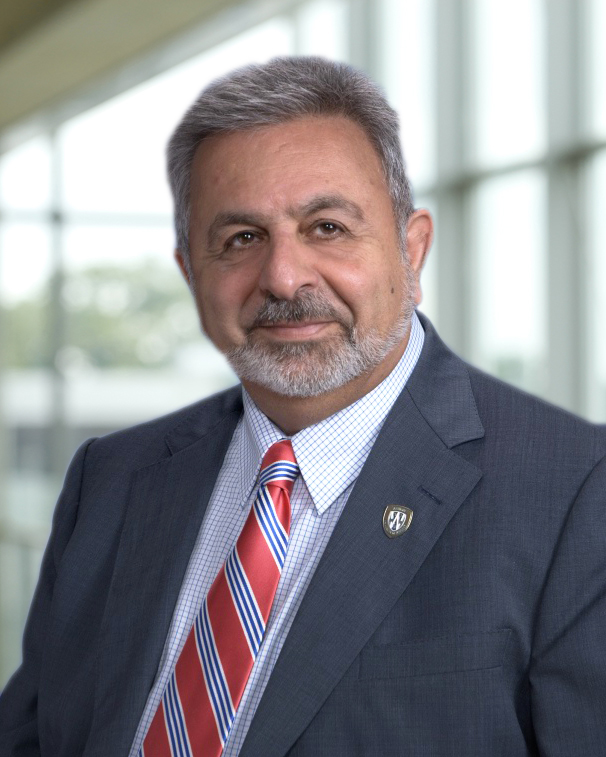
Timothy B RoweView profile
Professor
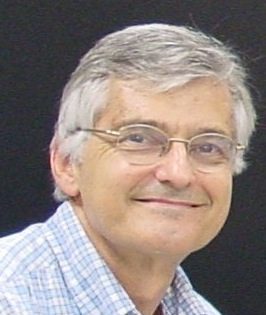
Timothy B. Rowe is a Professor (retired) at the Jackson School of Geosciences, University of Texas at Austin, affiliated with the Department of Earth and Planetary Sciences. He holds the J. Nalle Gregory Regents Professor title and has led the Vertebrate Paleontology Laboratory since 1998. His research focuses on vertebrate skeletal evolution, phylogenetic systematics, and high-resolution X-ray computed tomography (CT) applications for fossil analysis. Collaborations span global institutions, particularly in scanning significant fossils and developing digital morphology databases like DigiMorph.org. Education: Ph.D., Paleontology, University of California, Berkeley (1986) M.S., Anatomy, University of Chicago (1981) B.A., Geology, Occidental College (1975) Research Interests: Dr. Rowe’s work integrates evolutionary biology with cutting-edge imaging technologies. Key areas include mammalian and dinosaurian skeletal evolution, developmental patterns, and CT-based 3D morphological analysis. His fieldwork focuses on Mesozoic terrestrial sediments in Texas and the Southwest, uncovering critical fossil records. He pioneered open-access digital repositories for morphological data, revolutionizing paleontological research accessibility. Awards: Scientific American ‘World’s 50 Best Websites’ (2004) for DigiMorph.org UT Innovative Use of Instructional Technology Gold Award (2003) National Science Foundation Presidential Young Investigator Award (1989–1994) Advising & Grants: Supervised over 20 students (Ph.D., M.S., undergrad) and postdocs. Secured NSF grants for CT technology development, digital libraries, and fossil studies. Notable grants include the ‘Digital Library of Vertebrate Morphology’ (2002–2007) and ‘Acquisition of a High-Resolution Micro-CT Scanner’ (2007–2008). Labs & Collaborations: Directs the Vertebrate Paleontology Laboratory and co-founded DigiMorph.org. Active in field paleontology and international collaborations, particularly in Africa, South America, and Asia. His team’s work bridges traditional paleontology with digital informatics, emphasizing open data sharing.