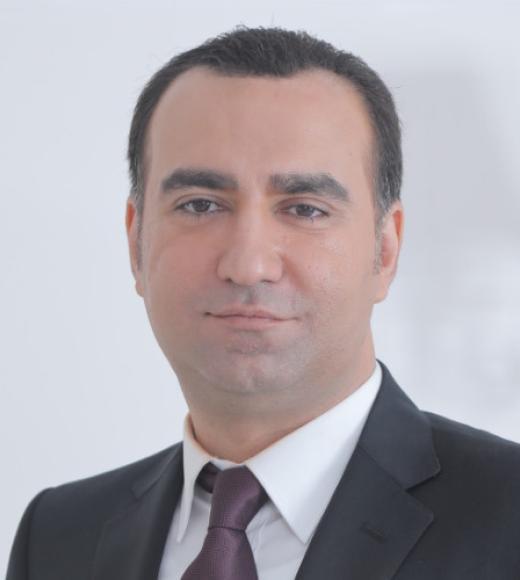
Buyung Kosasih is a Professor in the School of Mechanical, Materials, Mechatronic and Biomedical Engineering at the University of Wollongong. He has held this position since 2000 and focuses on teaching and research in mechanical engineering, including Machine Dynamics, Finite Element Methods, and Renewable Energy Technology. His research spans fluid dynamics in industrial processes, renewable energy systems, and aqueous lubrication. Key projects include 3D-printed surfboard fin optimization and steel coating dynamics. Research interests emphasize experimental and computational fluid dynamics, particularly in renewable energy turbines and tribological systems. Notable awards include the 2013 Outstanding Contribution to Teaching and Learning Award. He has supervised numerous students and led over 20 funded projects, including ARC grants for steel innovation and renewable energy. Collaborative work includes the Steel Research Hub and HVAC/cool roof efficiency studies.
Mohsen Habibi is an Assistant Professor at the University of California, Davis, leading the Advanced Manufacturing Lab (AML). His research focuses on Additive Manufacturing (AM), particularly pioneering Direct Sound Printing (DSP), an ultrasound-based technique for 3D printing via sonochemistry and thermochemistry. His work has been recognized with the David Dornfeld Manufacturing Vision Award (2024), NSF Blue Sky Competition win, and inclusion in Quebec Science magazine's top 10 discoveries of 2022. Before academia, Dr. Habibi worked as a senior manufacturing engineer at General Motors and mechanical designer at MDA (a space technology firm). He held roles as a research associate at Concordia University and a postdoctoral fellow at the University of British Columbia, collaborating with industries like Pratt & Whitney and MAL Inc. His research bridges acoustic physics, materials science, and biomedical engineering, emphasizing non-invasive applications such as in-situ tissue printing and remote polymerization. Research Highlights: His lab explores holographic DSP for complex patterns, minimally invasive medical applications, and sustainable 3D printing systems for underserved regions. Key areas include metamaterials, acoustic holography, and energy-efficient manufacturing. Awards & Recognition: David Dornfeld Manufacturing Vision Award (2024) NSF Blue Sky Competition Winner Quebec Science Magazine's Top 10 Discoveries (2022) Altmetric 99th percentile for DSP publication impact Lab Activities: The AML develops technologies like Remote Distance Printing (RDP) for inaccessible locations and Holographic DSP (HDSP) for multi-pattern fabrication. Projects include acoustic-matter interaction studies and CAD/CAM process optimization.
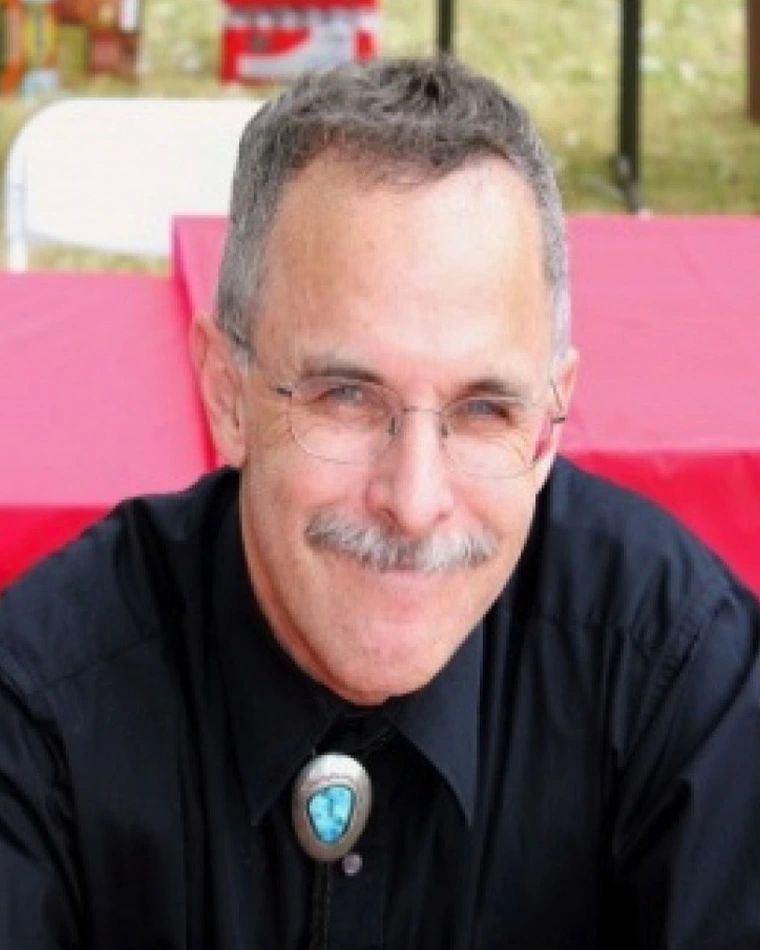
Douglas A. Loy is a full Professor at the University of Arizona with joint appointments in the Department of Materials Science and Engineering and the Department of Chemistry and Biochemistry, and additional affiliations with the BIO5 Institute and the School of Mining and Mineral Resources. A fifth-generation Arizonan, he earned his BS in Chemistry from the University of Arizona (1983), MS in Chemistry from Northern Arizona University (1986), and PhD in Organic Chemistry from the University of California, Irvine (1991). Before returning to academia he spent 14 years at Sandia National Laboratories and then led the Polymer and Nanomaterials Synthesis Team at Los Alamos National Laboratory. Research Interests Sol-gel & polysilsesquioxane chemistry: fundamental studies and unconventional routes to hybrid organic-inorganic materials. Tetrazine polymer chemistry: synthesis, click modification, and application in antioxidant foams and UV-stable sunscreens. 3-D printing of glasses & ceramics: additive manufacturing of micro-optics, multi-refractive-index glass objects, and transparent devices using silica and silsesquioxane resins. Energy & biomaterials: new materials for energy storage, polymer-ceramic bone scaffolds, and smart packaging films. Across more than 70 recent publications (2012-2025), the dominant themes are advanced additive manufacturing of specialty glasses and ceramics, design of photochemically stable sunscreen systems, and development of multifunctional polymer-ceramic composites for biomedical and energy applications. The work integrates molecular-level organic synthesis with macro-scale materials processing, enabling applications ranging from holographic micro-optics to lunar in-situ resource utilization. Scientific Awards & Recognition While specific honors are not listed in the provided text, Loy is described as a “distinguished member of technical staff” at Sandia National Laboratories, indicating prior recognition for his research achievements. Funding & Collaborative Teams At the University of Arizona his group pursues federally and industrially funded projects spanning NSF, DOE, and NASA programs, particularly in advanced manufacturing and energy materials. He collaborates closely with the BIO5 Institute for biomedical applications and with the School of Mining and Mineral Resources for resource-based materials research. No explicit student lists are included in the text. Laboratory & Facilities Loy’s laboratories are located in Mines and Metallurgy 338B at the University of Arizona, equipped for sol-gel synthesis, polymer processing, and state-of-the-art 3-D printing instrumentation including multi-photon lithography systems for micro-optics fabrication.
Michel Versluis is a Full Professor at the University of Twente, Netherlands, specializing in Physical and Medical Acoustics within the Physics of Fluids group. His work focuses on microbubbles and microdroplets for medical imaging and therapy, as well as microfluidic applications in medicine and nanotechnology. University of Twente, Physics of Fluids group His research bridges physics and biomedical engineering, with publications in high-impact journals like PNAS and IEEE Transactions. Recent work emphasizes ultrasound-driven microbubble dynamics, additive manufacturing of flow phantoms, and deep learning for super-resolution imaging. 2025 publications: vascular phantoms, PROTEUS simulator, acoustic microbubble control 2024 innovations: 3D-printed medical devices, immunogenic cell death optimization Contact: m.versluis@utwente.nl
Wai Pang Ng is a Professor and Head of the Department of Mathematics, Physics and Electrical Engineering at Northumbria University. He holds a BEng (Hons) in Communications and Electronic Engineering from the University of Northumbria and a PhD in Electronic Engineering from the University of Wales, Swansea. His research focuses on radio-over-fiber systems, distributed fiber sensing, high-speed optical communications, and adaptive signal processing. Ng has held leadership roles in IEEE chapters and conferences, including chairing the IEEE UK&RI Communications Chapter (2011–2015) and serving as publicity chair for IEEE ICC 2015 and 2016. His research interests include innovative fiber optic sensor designs, acoustic wave devices for biomedical applications, and hybrid communication systems combining radio-over-fiber and free-space optics. Recent work emphasizes ultra-sensitive pressure/temperature sensors using microstructured fibers and acoustofluidic platforms for lab-on-a-chip applications. Ng has supervised seven PhD/MSc projects and actively contributes to standards development in optical communication systems. Ng’s publications span advanced sensor technologies, nonlinear compensation in optical systems, and turbulence-resistant free-space optical links. His work bridges academic research with practical applications in telecommunications, environmental monitoring, and healthcare diagnostics. Professional affiliations include IEEE technical committees (SPCE, TCGCC, ONTC) and guest editorships for IET Communications.
Professor Sylvia Urban is a distinguished academic at RMIT University, serving as a Professor of Chemistry in the School of Science. She leads the Marine and Terrestrial Natural Product (MATNAP) research group and is the Program Manager for the Bachelor of Science degree, the largest and flagship program in the School of Science. Professor Urban also holds significant leadership roles including Reconciliation and Responsible Practice Facilitator in the School of Science (STEM College) and member of the Nugulu Committee at RMIT University. Her expertise spans natural products chemistry and separation science, with particular focus on chromatography for purification and instrumental analysis for structural characterisation and elucidation. Professor Urban's research interests encompass natural product chemistry isolation and structural elucidation, NMR spectroscopy and mass spectrometry for characterisation of natural products, High Performance/Pressure Liquid Chromatography (HPLC) and other chromatographic techniques for natural product purification, hyphenated spectroscopic techniques such as HPLC-NMR and HPLC-MS for natural product profiling, and biological evaluation of natural products for drug discovery applications. Her work primarily focuses on exploring the biodiversity of Australian marine and terrestrial organisms including plants, fungi, sponges, and algae to discover new compounds with therapeutic potential. She has developed various dereplication and chemical profiling strategies to expedite the discovery process. Professor Urban's publication record demonstrates a strong focus on natural products derived from Australian flora and marine organisms, with particular emphasis on their chemical characterisation and biological evaluation. Her research spans ethnobotanical studies of Indigenous Australian medicinal plants, phytochemical profiling of Australian species, anthelmintic and antimicrobial assessments of natural compounds, and development of analytical methodologies for natural product research. The interdisciplinary nature of her work connects chemistry with pharmacology, ethnobotany, and sustainable development goals related to health, education, and gender equality. STEM College Learning & Teaching Award (Award for Values in Action) 2024 STEM College Athena Swan Award 2023 Top STEM College Media Star 2022 School of Science Reconciliation Champion Award for 2021 School of Science Associate Dean's Impact Award (Applied Chemistry) for 2021 STEM Female Educator of the Year Award in the STEM College in 2021 Fellow of the Royal Australian Chemical Institute (RACI) in 2020 2019 Australian Award for University Teaching (AAUT) Citation for Outstanding Contributions to Student Learning Professor Urban actively supervises Masters and PhD students, with recent projects focusing on nanoparticle synthesis, natural product evaluation from Australian plants and marine organisms, food science applications, and biomedical imaging agents. She has received numerous teaching grants including the SteLR Grant 2017 for Pen-enabled, Real-time Student Engagement for Teaching in STEM Subjects, SteLR Plus Learning and Teaching Grant 2016 for Contextualizing Learning Chemistry, and Global Learning by Design (GLbD) Learning and Teaching Grant 2014. As the leader of the MATNAP research group, Professor Urban oversees a team focused on exploring Australian biodiversity for drug discovery. She has been instrumental in establishing the VICS Molecular Resolution Facility (chromatography node at RMIT University) as part of "The Pipeline – An Integrated Approach to Drug Design and Development." Her research involves collaborations both within and external to RMIT University, including Australian and international university and industry partners.
Dr. Joseph Dumpler is a Lecturer at the Department of Health Sciences and Technology at ETH Zürich, specializing in Sustainable Food Processing. He holds a PhD in Dairy Science and Technology from the Technical University of Munich, Weihenstephan, with a focus on UHT treatment of concentrated milk. His work emphasizes advancing food processing technologies, particularly in protein refinement, non-thermal methods, and membrane filtration. Educations: PhD in Dairy Science and Technology, Technical University of Munich, Weihenstephan (2017) MSc Food Engineering, Technical University of Munich, Weihenstephan His research interests include Natural Deep Eutectic Solvents (NADES) for plant protein extraction, microwave vacuum drying of dairy products, and membrane filtration optimization for microalgae and dairy systems. He has pioneered methods to refine rapeseed and pea proteins while minimizing antinutrients, and his work on microfiltration of milk products addresses emerging microbial risks. Key contributions span kinetic modeling of heat-induced protein aggregation, sustainable food processing , and non-thermal concentration techniques . His articles reflect a focus on bridging lab-scale innovations with industrial applications. Awards: J.T.M. Wouters Young Scientist Award Julius Maggi Research Award (2018) Best PhD Thesis Award from the Association of Dairy, Food and Biotechnologists (Weihenstephan) Dr. Dumpler collaborates with industry partners to translate research into scalable processes, such as NADES-based protein extraction and microwave drying systems. His current role at ETH Zürich’s Sustainable Food Processing Lab (Prof. Mathys) focuses on plant-based meat analogs and novel protein refining concepts .
Jørgen Arendt Jensen is a Professor of Biomedical Signal Processing at the Technical University of Denmark (DTU), with dual affiliations in the Department of Health Technology and the Department of Electrical Engineering (DTU Elektro). He leads the Center for Fast Ultrasound Imaging (CFU), a collaborative initiative involving DTU, BK Medical, Rigshospitalet, and DTU Nanotech. His research focuses on advanced medical ultrasound technologies, including synthetic aperture imaging, vector flow imaging, and ultrasound simulation, aiming to improve clinical image acquisition efficiency and accuracy. He teaches medical imaging courses and co-initiated the joint biomedical engineering program between DTU and the University of Copenhagen. Jensen’s work contributes to UN Sustainable Development Goals related to health and innovation. His research interests span algorithm development for fast ultrasound imaging, blood velocity characterization, and simulation of ultrasound systems. He supervises multiple PhD students and collaborates on projects involving transducer design, real-time imaging systems, and microvascular pathology analysis. Recent publications emphasize advancements in super-resolution ultrasound imaging, transducer optimization, and pressure gradient estimation. His lab, CFU, develops cutting-edge imaging solutions for clinical applications. Jensen’s contributions include patents on ultrasound imaging techniques and collaborative ventures to enhance diagnostic capabilities through interdisciplinary engineering.
Terese Løvås serves as Vice Dean of Research and Innovation at the Faculty of Engineering, Norwegian University of Science and Technology (NTNU), where she leads strategic development of research and innovation activities. She concurrently holds the position of Professor of Combustion and Thermodynamics within the Department of Energy and Process Engineering. Her leadership responsibilities include oversight of Centers of Excellence, Horizon Europe projects, and PhD researcher training. Her research focuses on combustion engineering and alternative fuel technologies , particularly investigating ammonia and hydrogen combustion for zero-emission engines, biomass gasification processes, and reactive multiphase flow modeling. She heads the Engine Lab at NTNU and teaches Thermodynamics, Heat, and Combustion courses. Her work bridges theoretical modeling with experimental validation in sustainable energy systems. Løvås actively contributes to major research initiatives including LowEmission (SFI center), ACTIVATE (ammonia-powered agricultural vehicles), AMAZE (ammonia zero-emission), and CAHEMA (marine ammonia/hydrogen engines). Her publications reveal strong trends in ammonia combustion chemistry , emissions reduction , and advanced computational modeling for sustainable fuel systems, with increasing focus on nitrogen oxide formation mechanisms and dual-fuel strategies. Member of the Board of Directors, Combustion Institute (2022–present) Joint Editor, Proceedings of the Combustion Institute (2019–present) Alumni Fellow in Engineering, Churchill College, Cambridge University As Vice Dean, she manages NTNU's Research and Innovation Committee and represents the faculty in NTNU's Research and Innovation Committee. She supervises multiple PhD candidates and leads international collaborations through projects funded by the Norwegian Research Council, Nordic Energy Research, and EU programs. Her laboratory work focuses on optical engine diagnostics and advanced combustion testing. Løvås maintains active industry engagement through her leadership in the ComKin Research Group and membership in the Institute of Physics and Scandinavian-Nordic Section of the Combustion Institute. Her current work emphasizes practical implementation of ammonia-fueled engine technologies for marine and agricultural applications.
Menachem Elimelech is a Professor in the Department of Chemical and Environmental Engineering and holds a secondary appointment at the School of the Environment at Yale University. He is a leading researcher in membrane-based water purification technologies, with a strong focus on desalination, wastewater recycling, and colloidal processes in aquatic systems. Department: Chemical and Environmental Engineering School: School of the Environment University: Yale University Email: menachem.elimelech@yale.edu His research spans fundamental and applied aspects of environmental engineering, particularly in developing advanced membranes for water treatment. Key areas include reverse osmosis, electrodialysis, solar-thermal desalination, and molecular-level understanding of transport phenomena in polyamide membranes. The recent publications (2025) demonstrate a strong trend toward molecular simulations, nanostructured membranes, and innovative materials like ceramic-carbon Janus membranes. His work integrates experimental and computational approaches to unravel ion and solute transport mechanisms, aiming to enhance efficiency and selectivity in water purification systems. Colloidal Processes in Aquatic Environments (2008–Present) Environmental Technology and Education (2008–Present) Recycling of Wastewater (2008–Present) Dr. Elimelech is actively involved in interdisciplinary research and collaborates with experts such as John Fortner and Matthew Eckelman. He contributes to the Yale Superfund Research Center and continues to publish in high-impact journals including Science Advances , Nature Communications , and Environmental Science & Technology .
Nadia Shardt is an Associate Professor in the Department of Chemical Engineering at the Norwegian University of Science and Technology (NTNU). Her research focuses on interfacial thermodynamics, particularly in systems with nanoscale curvature, with applications spanning atmospheric science, biomedical cryopreservation, and industrial process optimization. She contributes to teaching courses such as TKP4580 - Chemical Engineering Specialization Project and KP3100 - Chemical Engineering . PhD in Chemical Engineering (University of Alberta, 2019) BSc in Chemical Engineering (University of Alberta, 2015) Postdoctoral researcher at ETH Zurich (2020-2022) Her work addresses fundamental challenges in phase behavior under curvature constraints, combining microfluidic experimentation , Gibbsian thermodynamic modeling , and machine learning techniques to study systems like CO 2 storage media, cloud microphysics, and food emulsions. Recent publications emphasize surface tension modeling for complex multi-component systems and cryoprotectant loading efficiency. Scientific awards include the ETH Postdoctoral Fellowship Natural Sciences and Engineering Research Council of Canada (NSERC) Postdoctoral Fellowship Outstanding Academic Fellows Programme 2024-2028
Sheryl Grace is an Associate Professor of Mechanical Engineering at Boston University, leading the Unsteady Fluid Mechanics & Acoustics Laboratory (UFMAL). Her primary appointment is in the Department of Mechanical Engineering within the College of Engineering. She holds a PhD from the University of Notre Dame. Her research focuses on unsteady aerodynamics, aeroacoustics, and fluid-structure interactions, with applications in aerospace systems, propulsion technologies, and biological acoustics. Notable projects include NASA-funded work on quieter vertical lift vehicles and computational modeling of gerbil hearing mechanics. Professor Grace’s research interests span aerodynamics, fluid dynamics, and acoustics. She develops analytical and computational models to predict sound and vibration generated by unsteady flows interacting with solid structures. Recent studies include noise reduction in aircraft wings, turbine blade fatigue analysis, and acoustic scattering in gerbil ears. Her work bridges theoretical models with practical engineering solutions, emphasizing cost-effective predictive tools for next-generation systems. Her publications highlight advancements in shock-droplet interactions, cavitation modeling, and machine learning applications in aeroacoustics. Collaborative projects include multi-institutional efforts to address urban air vehicle noise challenges. While no explicit awards are listed, her contributions to computational acoustics and fluid dynamics are recognized through extensive peer-reviewed output. Advising and grants: Professor Grace leads the UFMAL lab and has secured funding from agencies like NASA. Her research integrates fluid mechanics, acoustics, and computational methods to address industrial and environmental noise issues. She collaborates across disciplines, including mechanical engineering, aerospace, and biomedical acoustics.
Marjo Yliperttula is a Professor at the Department of Pharmaceutical Biosciences, Faculty of Pharmacy, University of Helsinki. She serves as a supervisor in the Doctoral Programmes in Biomedicine, Drug Research, and Materials Research and Nanosciences, with expertise in biomaterials and pharmaceutical technology. Her research focuses on nanofibrillated cellulose (NFC) hydrogels for wound healing and drug delivery, extracellular vesicle (EV) engineering for therapeutic applications, and freeze-drying technologies for biomaterial preservation. Key contributions include NFC-based wound dressings that enhance platelet-rich plasma release (2024), Raman spectroscopy methods for monitoring freeze-drying-induced mutarotation (2024), and tandem chromatography techniques for high-purity EV isolation (2023). Her work bridges pharmaceutical sciences with regenerative medicine, emphasizing translational applications in chronic wound treatment and targeted drug delivery. Recent publications (2022-2025) reveal three dominant trends: (1) Optimization of NFC hydrogels for controlled drug release and tissue regeneration, (2) Advanced characterization of EV phenotypes under hypoxic conditions for improved therapeutic efficacy, and (3) Development of analytical methods (Raman spectroscopy, chromatography) to address manufacturing challenges in biopharmaceuticals. These themes reflect her group's commitment to solving critical problems in biomaterial stability, EV-based delivery, and precision wound care. Professor Yliperttula has supervised 10 doctoral theses, including recent work on NFC for skin substitutes (Elle Koivunotko), freeze-drying of hydrogels (Arto Merivaara), and mesenchymal stromal cells for wound healing (Jasmi Snirvi). She currently leads the Academy of Finland-funded GeneCellNa project (2024-2026) on gene/cell/nanotherapy for chronic diseases and a Finnish Red Cross project (2023-2024) on NFC for blood products, with cumulative project funding spanning 18 initiatives since 2005. She heads the Biopharmaceuticals Group within the Drug Research Program, fostering collaborations across pharmaceutical biosciences, materials science, and clinical medicine to advance next-generation therapeutic platforms.
Dr. Zhe Cheng is an Associate Professor in the Department of Mechanical Engineering at Colorado State University, part of the Walter Scott, Jr. College of Engineering. Prior to this, he held tenured positions at Florida International University (2013–2024) and was a research investigator at DuPont (2008–2013). His research focuses on advanced ceramic materials for energy applications, including solid oxide fuel cells (SOFCs), photovoltaics, and high-temperature ceramics. He holds a Ph.D. (2008), M.S. (2004), and B.S. (2001) in Materials Science & Engineering from Georgia Tech and Tsinghua University. Education: Ph.D., Materials Science & Engineering, Georgia Institute of Technology (2008) M.S., Materials Science & Engineering, Georgia Institute of Technology (2004) B.S., Materials Science & Engineering, Tsinghua University (2001) Research Interests: Dr. Cheng specializes in novel synthesis and processing of high-temperature ceramics, including high-entropy nitrides, and their applications in energy conversion systems. His work emphasizes in situ characterization techniques to understand material behavior under operational conditions. Key areas include SOFC cathodes, proton-conducting electrolytes, and wearable sensor technologies. Publications & Awards: With over 5,284 citations and an h-index of 27, his work spans 44 peer-reviewed articles. Notable awards include the NSF CAREER Award (2019) and the American Ceramic Society Ross Coffin Purdy Award (2010). His research has been funded by NSF, DOE, and NASA. Advising & Grants: Dr. Cheng has advised numerous graduate students and secured $2.3 million in research funding. Key grants include DOE projects on additive manufacturing for plasma-facing materials and NSF support for SOFC hydrogen electrode fundamentals. Labs & Teams: He leads research in advanced ceramics and electrochemical systems at CSU, fostering interdisciplinary collaborations in materials science and energy engineering.
Neal Sullivan is a Professor of Mechanical Engineering at the Colorado School of Mines (CSM), leading experimental research at the Colorado Fuel Cell Center as its director. His expertise lies in electrochemical ceramics, with a focus on fuel cells, electrolyzers, and membrane reactors for energy conversion and storage. Sullivan’s work spans from materials development to large-scale system integration, addressing applications such as hydrogen production, CO₂-to-fuels processes, and geothermic fuel cell systems for unconventional oil recovery. His research is supported by grants from the U.S. Department of Energy (DOE), NASA, and industry partners, totaling over $15M. Notable projects include the development of proton-conducting ceramic electrolyzers for water splitting, high-efficiency hybrid SOFC-IC engine systems, and Mars-based CO₂ methanation. Sullivan has led collaborative efforts with global leaders in electrochemistry, emphasizing scalability and durability in energy systems. Key contributions include innovations in protonic ceramic fabrication, catalyst integration, and multi-stack system design. His lab focuses on bridging early-stage materials research with full-scale demonstrations, achieving power outputs up to 100 kW. Sullivan’s work has been published in top journals like Nature Energy and International Journal of Hydrogen Energy , with a strong emphasis on practical applications and renewable energy solutions. Labs/Teams: Director of the Colorado Fuel Cell Center. Grants/Advising: PI/co-PI on multiple DOE and NASA grants, including $5M for hybrid SOFC systems and $1.5M for geothermic fuel cells. Advises on advanced materials and system integration for energy storage and conversion.