California State University, Long BeachUnited States
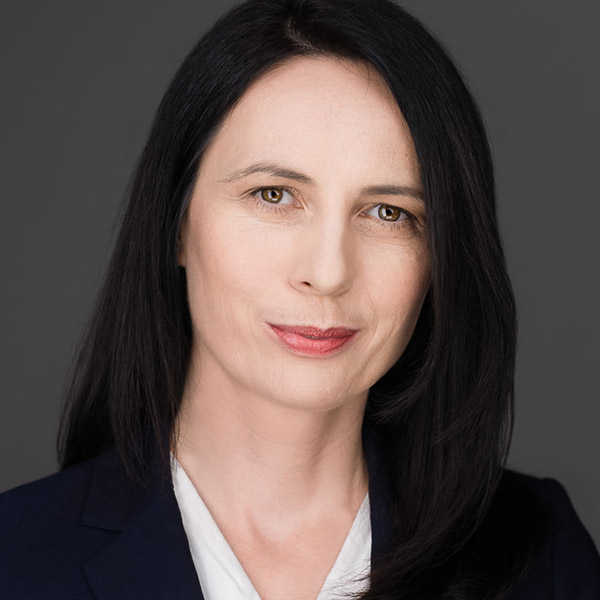
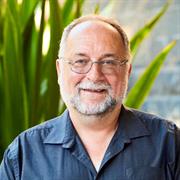
Vesna Terzic is a Professor in the Department of Civil Engineering and Construction Engineering Management at California State University Long Beach's College of Engineering. Her research specializes in seismic performance assessment, infrastructure resilience, and probabilistic risk analysis of structures. Education includes a PhD in Structural Engineering from UC Berkeley, MS in Earthquake Engineering from Ss. Cyril and Methodius University, and BS in Structural Engineering from University of Belgrade. Research focuses on developing advanced computational frameworks for evaluating post-earthquake functionality of buildings and bridges. Her work integrates performance-based engineering with resilience quantification, emphasizing practical applications for seismic design and retrofitting. Recent publications demonstrate consistent focus on functional recovery modeling, structural health monitoring, and optimization of protective systems. Research trends show progression from component-level analysis to regional recovery simulation frameworks. Major awards: ACI Chester Paul Siess Award for Excellence in Structural Research (2017) Popert Fellowship, UC Berkeley (2009) Professional service includes membership on FEMA P-58 project committees and contributions to OpenSees development. Current projects investigate soil-structure interaction effects on tall buildings and recovery-based design methodologies.
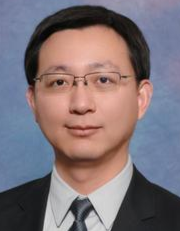
Dr. Jurgen Becque is an Associate Professor in Structural Engineering at the University of Cambridge's Department of Engineering. He specializes in cold-formed steel structures, stainless steel structural behavior, and stability analysis, with a focus on local-overall buckling interaction and innovative design methodologies. His work bridges experimental investigations with computational modeling and machine learning applications. Research Interests: Cold-formed steel structural systems Stainless steel column stability Local and overall buckling interaction Mechanics-based design optimization Machine learning for structural behavior prediction Recent publications demonstrate expertise in cross-sectional stability, connection mechanics, and composite systems like UHPC-confined stainless steel columns. His work addresses both monotonic and cyclic loading scenarios, contributing to Eurocode 3 design standards.
University of Illinois Urbana-ChampaignUnited States
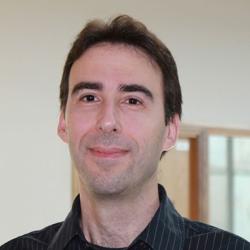
Paolo Gardoni is the Alfredo H. Ang Family Professor and an Excellence Faculty Scholar in the Department of Civil and Environmental Engineering at the University of Illinois Urbana-Champaign, with additional professorial appointments in Industrial & Enterprise Systems Engineering and Biomedical & Translational Sciences. He also serves as Director of the MAE Center and Editor-in-Chief of Reliability Engineering & System Safety. Education Ph.D. in Civil Engineering, University of California, Berkeley (2002) M.A. in Statistics, University of California, Berkeley (2001) M.Eng. in Structural Engineering, University of Tokyo (1997) Laurea (BS+MS equivalent) in Structural Engineering, Politecnico di Milano (1997) Research Interests Gardoni’s scholarship integrates probabilistic methods with large-scale infrastructure systems to advance reliability, risk, and life-cycle analysis. His work quantifies the performance of deteriorating systems under natural and anthropogenic hazards, models societal impacts of disasters, and develops decision frameworks for sustainable and resilient infrastructure. He also examines ethical, social, and legal dimensions of risk, and investigates optimal strategies for hazard mitigation, disaster recovery, and climate adaptation. Across more than 250 refereed journal papers, he has advanced sub-fields ranging from probabilistic mechanics and earthquake engineering to catastrophe bond pricing and engineering ethics, leveraging tools such as stochastic differential equations, Bayesian networks, and physics-informed machine learning. Awards & Honors Alfredo Ang Award on Risk Analysis and Management of Civil Infrastructure (ASCE, 2021) Best Paper Awards in ASCE Journal of Sustainable Water in the Built Environment (2019) and Geotechnical Research (2018 Telford Premium Prize) Fellowships and named professorships: Alfredo H. Ang Family Professor, Excellence Faculty Scholar, and courtesy or honorary professorships at Tsinghua, IIT Guwahati, Tongji, Jianghan, and Loughborough universities. Research Leadership & Funding Gardoni has secured over $58 million in research funding from NSF, DHS, NIST, USAID, Qatar National Research Fund, and other agencies. He directs the MAE Center—formerly an NSF Engineering Research Center—focused on multi-hazard engineering approaches, and is Editor-in-Chief of Reliability Engineering & System Safety (Elsevier, IF 9.4). He founded and formerly led the journal Sustainable and Resilient Infrastructure (Taylor & Francis) and serves on editorial boards of nine additional journals. Advising & Mentorship He has graduated 27 PhD and 35 Master’s students, many of whom now hold faculty positions worldwide. His group maintains an active pipeline of doctoral and post-doctoral researchers working on resilience analytics, infrastructure monitoring, and risk-informed decision-making. Laboratories & Collaborations He leads the MAE Center and is affiliated with the Critical Infrastructure Resilience Institute (CIRI) and the Biomedical and Translational Sciences group. International collaborations span the UK (Loughborough), India (IIT Guwahati), and China (Tsinghua, Tongji, Jianghan), fostering cross-disciplinary research in reliability and resilience engineering.
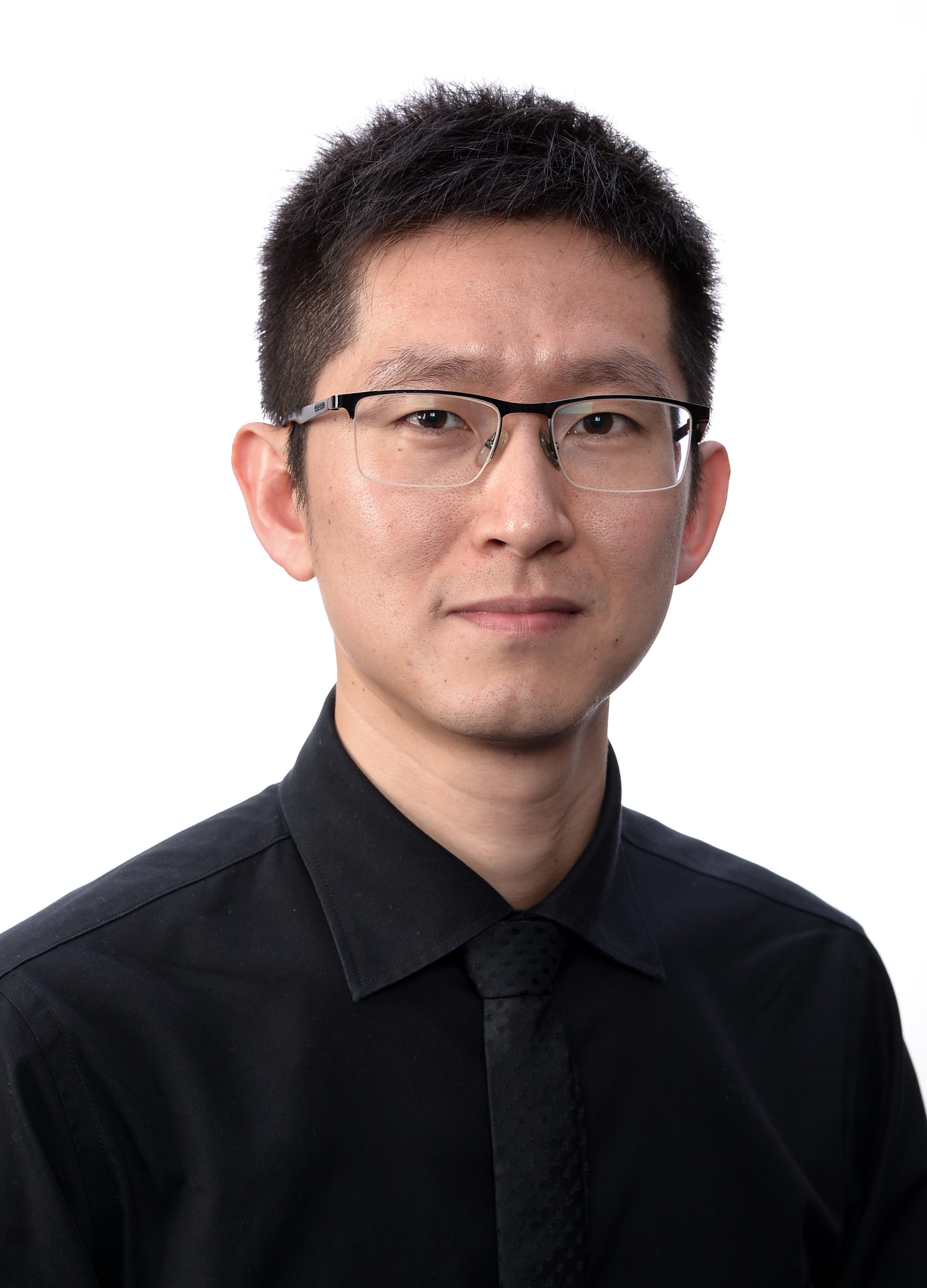
Dr. Geng Guoqing is an Assistant Professor in the Department of Civil and Environmental Engineering at the National University of Singapore (NUS). He holds concurrent roles as East Asian Regional Convener for RILEM and board member of ACI-Singapore Chapter. His research focuses on sustainable construction materials, particularly durability, microstructural characterization, and waste material utilization. Geng earned his PhD from UC Berkeley (2017), followed by postdoctoral research at the Paul Scherrer Institute (Switzerland). He has authored over 50 papers and leads multiple projects funded by Singapore’s Ministry of Education, Energy Center, and National Research Foundation. Education: Bachelor of Engineering, Southeast University, China (2010) Master of Science, UC Berkeley, USA (2013) PhD, UC Berkeley, USA (2017) Research interests center on sustainable construction materials, multi-scale characterization, and material durability . Key themes include recycling low-grade materials, mitigating degradation in concrete, and developing high-performance binders like LC3. His work employs advanced techniques like molecular modeling, X-ray diffraction, and NMR. Recent articles explore hydration kinetics, CSH matrix mechanics, and waste clay applications. Awards include the 2023 RILEM Medal and multiple teaching excellence recognitions. Current projects address CO 2 absorption, sustainable cement blends, and resilient façade materials. Professional service includes editorial roles at Cleaner Materials and Frontiers in Materials , plus organizing the 2022 EASEC Conference. His lab focuses on bridging microstructural insights with macro-scale material performance.
Micah Hale is a Professor and Department Head of Civil Engineering at the University of Arkansas, Fayetteville, and holds the Twenty First Century Endowed Leadership Chair in Civil Engineering. His work focuses on concrete materials, structural performance, and sustainable construction practices. Education: Ph.D., M.S., and B.S. in Civil Engineering from the University of Oklahoma. Dr. Hale’s research explores High-Performance Concrete , Bond Behavior of Prestressing Strands , and Mitigation of Alkali-Silica Reaction (ASR) . He also investigates Thermal Energy Storage applications for solar power systems and sustainable ultra-high-performance concrete (UHPC) development. His publications highlight advancements in concrete durability, prestressed girder analysis, and environmentally conscious material design. Recent studies emphasize calcium oxychloride formation , prestress transfer modeling , and self-consolidating concrete optimization. His scholarly output spans structural mechanics, chemical durability, and material sustainability. Awards: Twenty First Century Endowed Leadership Chair in Civil Engineering As an educator, Dr. Hale teaches Reinforced Concrete Design , Prestressed Concrete Design , and Concrete Materials and Mixture Proportioning . His contributions to engineering ethics education and student engagement further underscore his academic leadership.
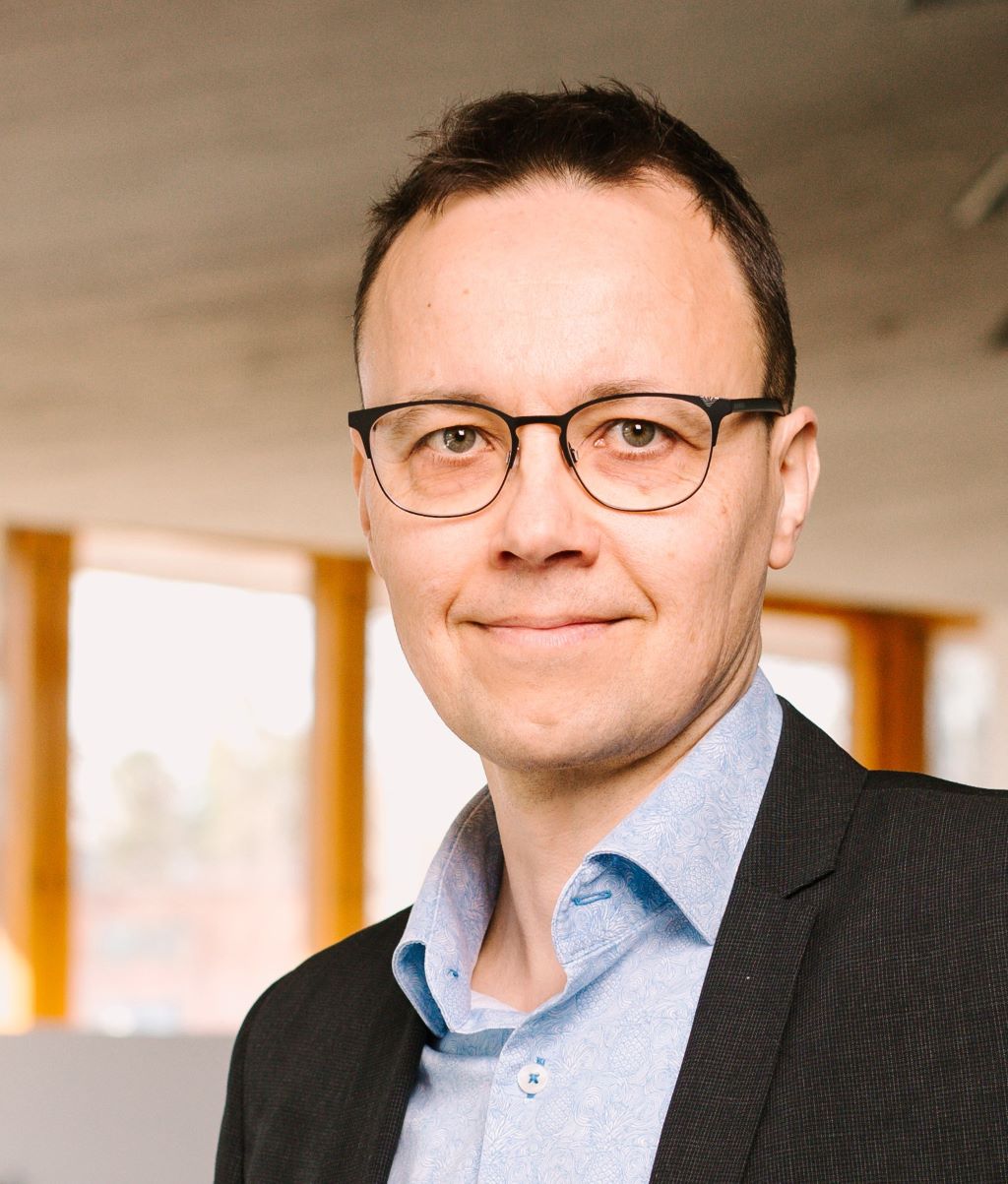
Simo Hostikka is a Professor in the Department of Civil Engineering at Aalto University's School of Engineering. His research focuses on fire safety engineering , utilizing numerical fire simulations to address critical challenges in building and infrastructure safety. Key Expertise: Fire Dynamics Simulator (FDS) development, thermal radiation heat transfer, pyrolysis modeling, fire toxicity calculations, and probabilistic risk analysis. Leadership: Supervises advanced fire safety research and contributes to international fire safety standards. Research Trends: Recent publications emphasize fire toxicity modeling , hydrogen fire safety , radiation heat transfer , and fire retardancy of polymeric materials . His work bridges computational methods with real-world fire safety applications. Scientific Awards: Philip Thomas Medal of Excellence (2008, 2005) Sjölin Award (2012) Interflam Trophy (2007) Harmathy Award (2020, 2019) Dean’s Award for Best MSc Thesis (2020) Best Paper in Rakenteiden Mekaniikka (2009) Advising: Supervised Topi Sikanen, who received the Young Talent Award from the International Water Mist Association.
Dr. Tam Chat Tim is an Honorary Fellow at the National University of Singapore's Department of Civil Engineering, continuing research in concrete materials and construction. He holds a BE (Hons) and ME from the University of Adelaide, Australia, and a PhD in Materials Science from the University of Calgary, Canada. Previously, he served as Head of the Department of Civil Engineering at the University of Malaya and Vice-Dean at the National University of Singapore before retiring in 1996. His career spans roles in academia, consultancy, and industry, with notable contributions to tropical concrete applications, sustainable construction, and high-performance materials. He is a Chartered Engineer in the UK and registered in Malaysia and Singapore. Awards include the ASEAN Outstanding Engineering Achievement Award (2021) and multiple national recognitions for standardization and concrete innovation. Research focuses on optimizing concrete for tropical environments, recycling technologies, and durability. Professional activities include leadership in ASTM and ACI committees, proficiency testing, and building standards. His teaching emphasized concrete materials and construction practices.
Jari Puttonen is a Professor of Structural Engineering at Aalto University's Department of Civil Engineering, School of Engineering. His research focuses on structural analysis, fire safety, materials science, and nuclear infrastructure safety. He has held roles as Principal Investigator in projects related to nuclear waste repository concrete modeling and aging management of NPP infrastructure. He has advised over 20 academic visitors and served in doctoral thesis committees. Education: Doctoral degree (1987), Licentiate (1984), and Master's degree (1979) in Engineering and Technology from Helsinki University of Technology (now part of Aalto University). Research Interests: Steel and composite materials behavior under extreme conditions Fire resistance of structural systems Long-term performance of concrete in nuclear facilities Non-destructive testing of construction materials Seismic resilience of critical infrastructure Awards: Recipient of the Knight, First Class of the Order of the White Rose of Finland (2020), PUUPalkinto 2010, and Schweighofer Prize 2011 for innovative energy facade research. Grants & Projects: Led 13 research projects including PERCO2_2023 (nuclear waste repository modeling) and CONAGE2022 (NPP concrete aging). Active in EU-funded initiatives and industry collaborations. Labs & Teams: Core member of Aalto's Structural Engineering Research Group, collaborating with Chalmers University and Technical University of Munich on advanced materials testing.
Prof. Ivan Cole is an Adjunct Professor at RMIT University's School of Engineering, specializing in rapid materials discovery for corrosion protection, nanostructures, and additive manufacturing. His work integrates computational modeling with high-throughput experimentation, focusing on corrosion inhibitors, biocompatible surfaces, and additive manufacturing process optimization. With over 30 years of experience across academia and industry (including leadership roles at CSIRO and Centro-Svilluppo Materiali), he leads the Rapid Discovery & Fabrication Team (RDF) to advance these research areas. Research Interests: Corrosion science, microbially induced corrosion (MIC), additive manufacturing surfaces, nanostructure sensing, multiscale modeling, and green materials discovery. His team addresses challenges in corrosion protection, biomedical implants, and environmental remediation through innovative methodologies. Awards: 2019 Australian Corrosion Medal 2016 CSIRO Lifetime Achievement Award 2013 Best Paper in NACE Corrosion Supervision & Projects: Active in mentoring PhD/Master’s students across corrosion inhibition, additive manufacturing, and nanostructure design. Notable projects include developing quorum sensing inhibitors for biofilm control, in-situ monitoring for metal AM, and eco-friendly corrosion inhibitors. Labs & Collaborations: Leads the Rapid Discovery & Fabrication Team and collaborates with industry partners to translate research into practical solutions for materials durability and sustainability.
Dr. Farhad Aslani is an Associate Professor in the Department of Civil, Environmental and Mining Engineering at the University of Western Australia (UWA), serving as Director of the Materials and Structures Innovation Group. He leads the $250M Australian Composites Manufacturing CRC and co-leads UWA's Engineering Materials Research Cluster. His research focuses on innovative construction materials, including self-sensing concrete, 3D-printed composites, and fire-resistant materials. He has secured over $20M in CRC funding and holds leadership roles in national/international conferences. Key awards include the 2024 Concrete Institute WA Rising Star Award and multiple citation milestones. His work aligns with sustainable development goals, emphasizing eco-friendly materials and infrastructure resilience. Education: PhD in Structural Engineering, University of Technology Sydney (2014) Certificates in Leadership, Research Commercialization, Public Policy, and Project Management from Curtin University, Queensland University of Technology, RMIT, and UTS. Research Interests: Smart materials, sustainable concrete technologies, additive manufacturing, blast/fire resistance, and composites for infrastructure. His lab develops self-sensing concretes, lightweight engineered composites, and electromagnetic shielding materials. Grants & Projects: $4.3M ACM CRC project on composite repairs ARC grants for nanocomposite coatings and fire facilities Main Roads WA funding for timber bridge strengthening Expertise: Structural design, composite materials, and industrial collaborations (e.g., Woodside, Holcim). He advises on major projects like the Morley Ellenbrook Rail Line and Forrestfield Airport Link. Awards: 2024 Concrete Institute WA Rising Star Highly Cited Scholar (ScholarGPS, 2024) Most Cited Paper Awards (2018–2020)
Prof. Dr. Ercan Yüksel is a full Professor in the Department of Civil Engineering at Istanbul Technical University (ITU), College of Engineering. He has been a faculty member at ITU since 1990, progressing from Assistant Professor to Professor in 2017. His research focuses on earthquake engineering, structural dynamics, and numerical modeling, with applications in seismic design, energy dissipation, and structural health monitoring. PhD, Civil Engineering, Istanbul Technical University MS, Structural Engineering (with thesis), Istanbul Technical University BS, Civil Engineering, Istanbul Technical University His research interests are centered on earthquake engineering , particularly seismic input energy analysis , energy dissipation systems , reinforced and precast concrete structures , and seismic isolation . He actively investigates the dynamic behavior of structures under earthquake loads and develops innovative solutions for improving structural resilience. His work integrates advanced numerical modeling with experimental validation. Recent publications (2023–2025) highlight a strong focus on energy-based seismic design, performance of mechanical couplers, damping systems for high-voltage insulators, and fatigue behavior of railway tracks. These works are closely tied to real-world seismic events like the 2023 Kahramanmaraş earthquake, demonstrating applied and impactful research. His scientific recognition includes: Notable Work Award, Turkish Academy of Sciences (TÜBA), 2012 Golden Beam Award, Turkish Prefabricated Association, 2011 Prof. Yüksel is an active Principal Investigator on multiple research projects funded by ITU’s BAP program, covering topics such as smart sleepers for railway monitoring, novel seismic input energy spectra, and earthquake isolation for racking systems. He has supervised numerous theses and is involved in professional organizations including UNESCO-IPRED and the Turkish Earthquake Foundation. He leads research on structural health monitoring of ballasted railway lines using smart sleeper technology and is developing earthquake isolation systems for industrial storage racks. His lab integrates experimental testing with numerical simulation to validate new structural components under cyclic and biaxial loading.
Kamal H. Khayat serves as the Jones Professor of Civil Engineering at Missouri University of Science and Technology and directs the Center for Infrastructure Engineering Studies (CIES), focusing on advancing concrete technology for sustainable infrastructure development. His research spans high-performance concrete (HPC), ultra-high-performance concrete (UHPC), self-consolidating concrete (SCC), and concrete rheology, with specialized expertise in 3D printing applications, fiber reinforcement systems, and shrinkage mitigation techniques. He investigates innovative materials like superabsorbent polymers and alternative binders to enhance durability and sustainability in concrete infrastructure. Analysis of his recent publications reveals dominant trends in digital fabrication of concrete, particularly 3D printing optimization and rheological modeling for structural build-up. His work increasingly integrates machine learning for material property prediction while emphasizing eco-friendly formulations using recycled aggregates and carbon-mineralization techniques. As Director of CIES, Khayat leads multidisciplinary research initiatives in infrastructure materials engineering, overseeing projects related to concrete rehabilitation, sustainable construction methods, and advanced material characterization techniques for civil infrastructure systems.
Kuanshi Zhong is an Assistant Professor in the Department of Civil and Architectural Engineering and Construction Management at the University of Cincinnati. He holds a PhD from Stanford University (2021) in Civil and Environmental Engineering, with prior degrees from Stanford (Master, 2017) and Tongji University (Bachelor, 2015). His research focuses on earthquake engineering, structural resilience, and advanced computational methods for infrastructure safety. Key research interests include seismic design of tall buildings, probabilistic modeling of structural response (e.g., using Probabilistic Learning on Manifolds), and material failure mechanisms in reinforced concrete. He also explores multi-hazard resilience, regional risk assessment, and software tools for disaster simulation (e.g., R2DTool and EE-UQ). Dr. Zhong has secured grant funding as PI/Co-PI, including a National Science Foundation grant (2023-2026) for equitable building decarbonization strategies and a Concrete Reinforcing Steel Institute grant (2024-2025) for bar performance improvements. He teaches graduate/undergraduate courses on concrete design and structural mechanics. His work spans collaborations with institutions like Stanford University and the SimCenter, contributing to open-source tools for regional loss assessments and hurricane impact modeling. Current projects address cascading hazards, steel reinforcement durability, and high-resolution seismic risk evaluation.
Dr. Alastair Key serves as Director of Studies in Archaeology and Official Fellow in Archaeology at Queens' College, University of Cambridge. His research bridges Paleolithic archaeology, stone tool technology, and hominin behavioral evolution through experimental and computational approaches. Director of Studies and Official Fellow at Queens' College, Cambridge Specializes in Paleolithic stone tool analysis, Acheulean technology, and hominin adaptation Conducts experimental archaeology and computational modelling to assess tool functionality Key's research focuses on Acheulean handaxe production , lithic microwear patterns , and ergonomic constraints in prehistoric tool use . He has extensively published on topics including glacial-stage hominin occupations , Oldowan toolmakers , and machine learning applications to archaeological analysis . His recent publications (2025-2023) span diverse subfields: Acheulean chronology , hominin tool use biomechanics , experimental projectile testing , and computational morphometric methods . The work often integrates multidisciplinary datasets and open-source analytical tools to address fundamental questions about human technological evolution. Current research directions include stone tool sharpness quantification , handaxe social signaling potential , and cross-species tool use comparisons through primate studies.
Prof. Dr. Hakkı Polat Gülkan is a Professor at Başkent University's Civil Engineering Department. With a PhD (1971) and Master's (1968) from the University of Illinois in Civil Engineering and a Bachelor's (1966) from METU, his career spans over five decades in earthquake engineering, structural dynamics, and disaster management. PhD: University of Illinois, Civil Engineering (1971) Master's: University of Illinois, Civil Engineering (1968) Bachelor's: Middle East Technical University, Civil Engineering (1966) His research focuses on seismic risk assessment, structural behavior under extreme loads, and disaster mitigation strategies. Key contributions include earthquake simulator development, ground motion analysis, and retrofitting techniques for masonry and reinforced concrete structures. He has published extensively on deformation limits, response spectra, and historical building preservation. Recent work includes 15+ articles from 2024-2012 analyzing Istanbul's seismic hazards, Marmara region dynamics, and post-earthquake structural integrity. Conference papers address Turkey's endemic building vulnerabilities and deformation thresholds for seismic isolation systems. Scientific Achievements: Elected to U.S. National Academy of Engineering (2023) As an active journal reviewer for 13+ publications (2023-2024), he contributes to advancing earthquake engineering discourse. His teaching portfolio includes advanced structural analysis, concrete mechanics, and seismic design courses.