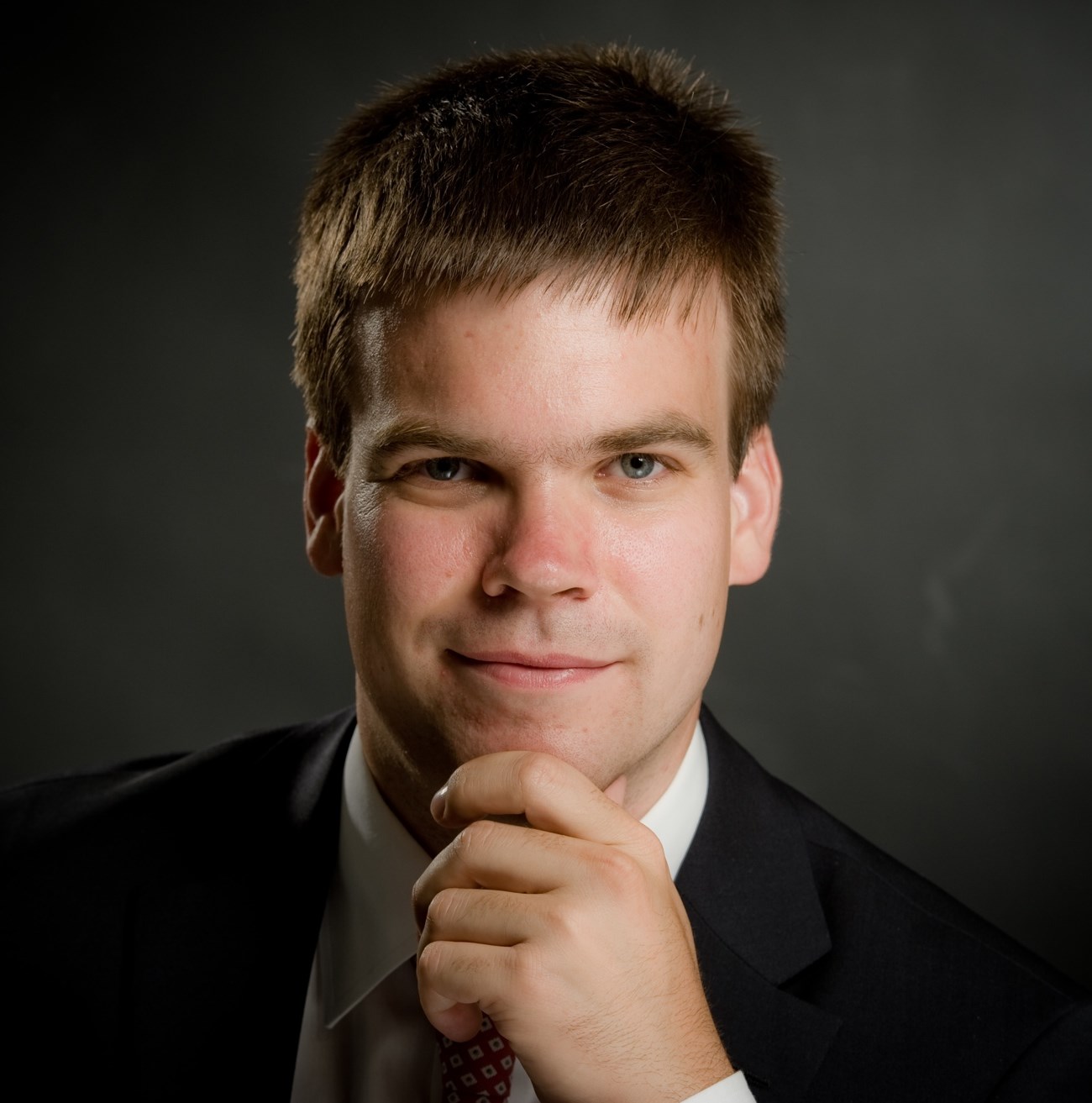
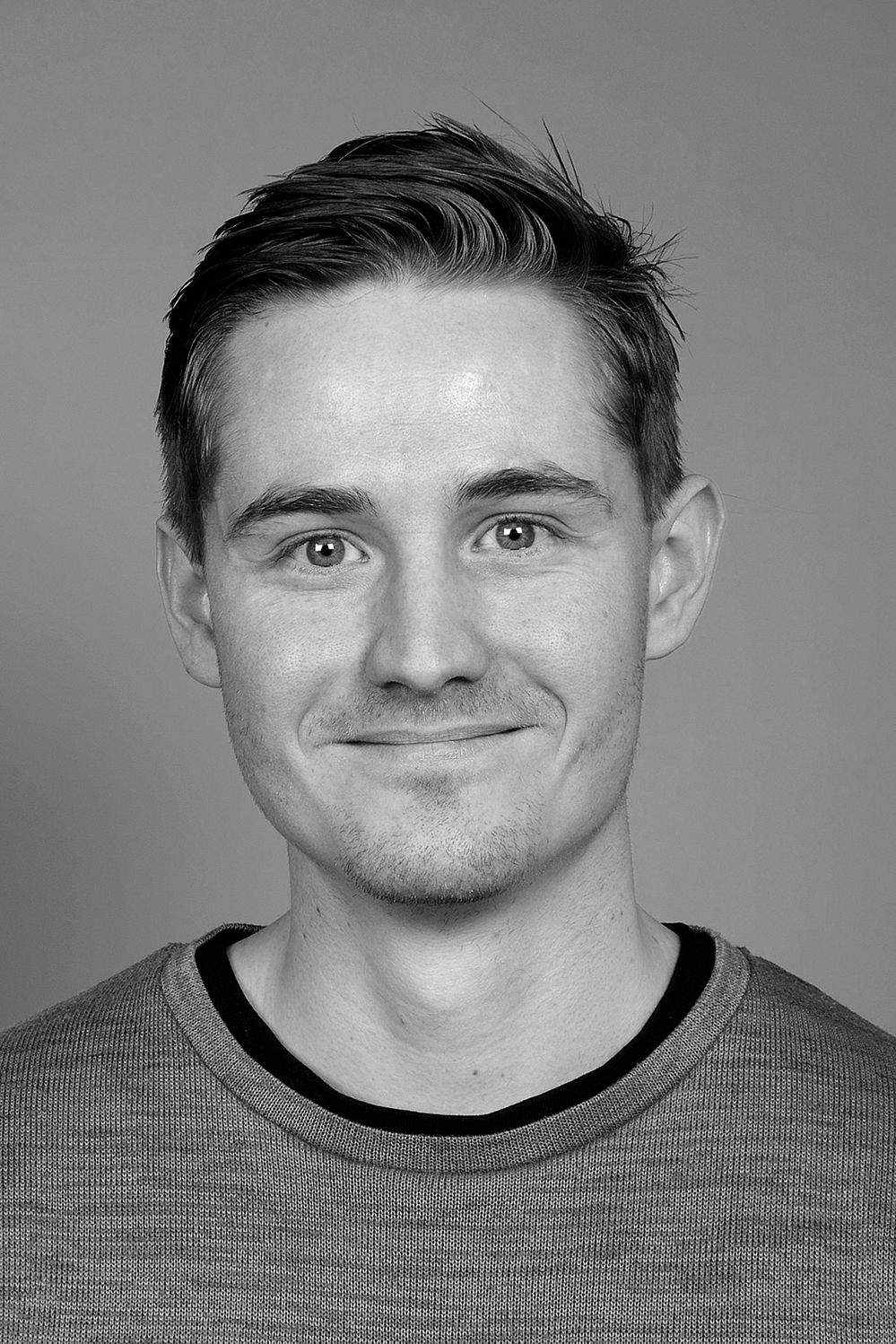
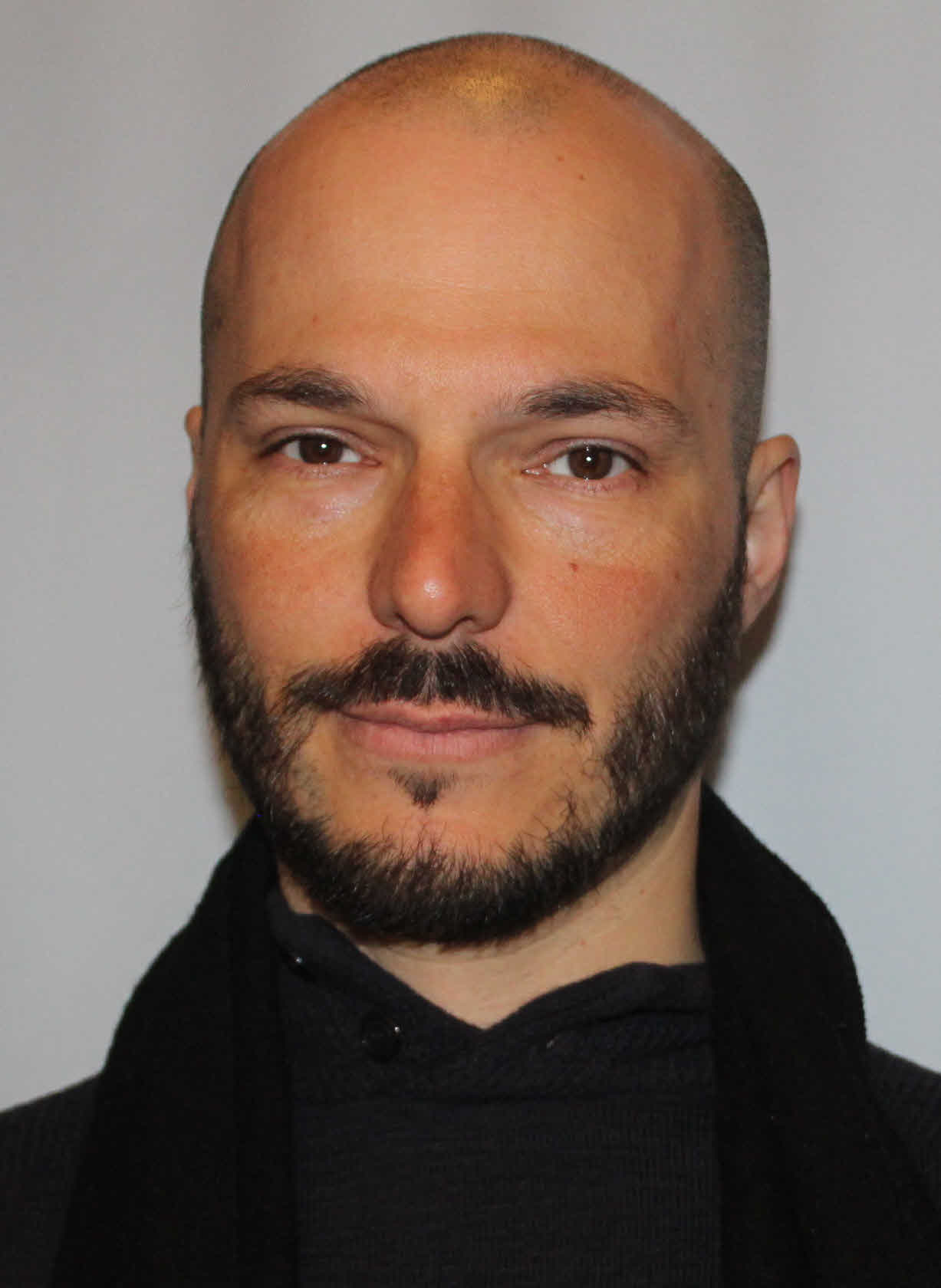
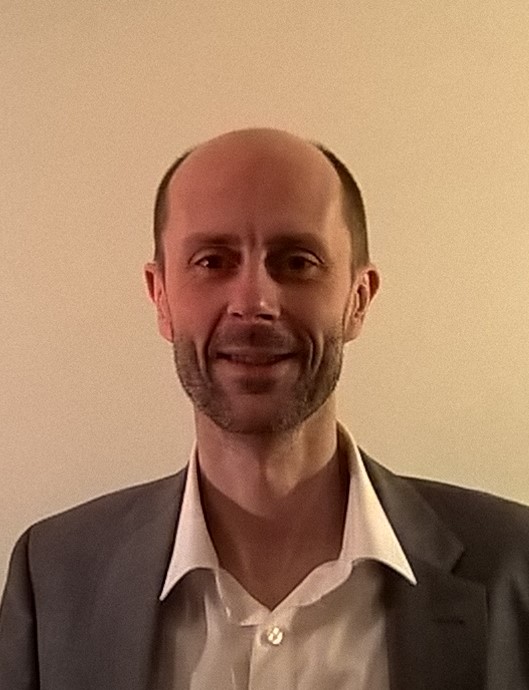
Ole Jørgen Nydal is a Professor at the Department of Energy and Process Engineering, Norwegian University of Science and Technology (NTNU). He holds a Dr.Scient in fluid mechanics from the University of Oslo and a physics background from NTNU. His research focuses on multiphase flows, solar thermal energy systems, and thermal energy storage for cooking applications. He established a multiphase flow laboratory at NTNU and collaborates with African universities under Norad programs to develop renewable energy solutions. His work includes experimental and computational studies on solar heat storage systems, particularly for Sub-Saharan Africa, addressing clean cooking transitions. Key projects involve solar concentrators, rock bed storage, and energy-efficient cooking units. Nydal has contributed to educational programs in renewable energy and authored numerous publications on multiphase flow dynamics, thermal storage materials, and solar engineering. Research interests span solar thermal technologies, fluid mechanics in pipelines, and optimization of concentrating solar systems. Collaborations emphasize sustainable energy solutions for developing regions. His lab focuses on experimental validation and numerical modeling to advance energy storage and transmission efficiency.
Trygve Kristiansen is a Professor in the Department of Marine Technology at the Norwegian University of Science and Technology (NTNU). His research focuses on marine hydrodynamics, numerical methods, and experimental studies. Key areas include wave-structure interactions, aquaculture systems, and offshore renewable energy. He holds a PhD in Marine Hydrodynamics from NTNU (2009) and a MSc in Numerical Mathematics from NTNU (2002). Research interests span moonpool resonance, nonlinear wave loads on offshore structures, hydrodynamic loads on subsea modules, and floating solar islands. His work integrates computational fluid dynamics with experimental validation, addressing challenges in fluid-structure interaction and environmental applications. Recent publications highlight advancements in modeling marine vegetation effects, hydrodynamic interactions between structures, and statistical wave force analysis. He has contributed to understanding monopile ringing, bilge keel damping, and subsea module hydrodynamics. Collaborations include SINTEF and international institutions, emphasizing applied marine technology solutions. His advising and grant activities reflect a commitment to advancing offshore engineering and sustainable marine systems. Key projects include studies on floating modular structures and environmental impacts of aquaculture.
Håkon Kvale Stensland is an Associate Professor in the Department of Networks and Distributed Systems at the University of Oslo (UiO), affiliated with Simula Research Laboratory. His work focuses on multimedia systems, machine learning applications in medical imaging and sports analytics, distributed computing, and GPU optimization. He has contributed to projects like HyperKvasir (a gastrointestinal dataset) and SmartIO (PCIe networking for device sharing). Key research areas include real-time video processing, 3D convolutional neural networks for event detection in soccer, and energy-efficient multimedia workloads. He has co-authored over 50 publications in venues like ACM Multimedia, IEEE Transactions, and Nature Communications. His tools and datasets, such as Saga and Bagadus, emphasize collaborative machine learning and real-time sports analytics. Recent work (2024-2025) explores prompt generation for medical segmentation and multi-host device sharing in high-performance clusters. His research bridges theoretical computer science with practical applications in healthcare, sports, and distributed systems.
Ladislav Hovan is a Researcher at the University of Oslo's NCMBM, affiliated with the Marieke Kuijjer Group in Computational Biology and Systems Medicine. He earned his PhD from University College London (UCL) in 2020 and completed a postdoctoral position at the University of Geneva (2020-2022) before joining NCMBM in 2022. His educational background includes: PhD from University College London (UCL), 2020 Hovan's research focuses on bioinformatics tool development for gene regulatory network inference, particularly through spatial transcriptomic data analysis. He leads the development of STOAT (a gene regulatory network generator) and SPONGE (a prior network creator), leveraging expertise in Python, C++, and high-performance computing. His work emphasizes software quality, demonstrated through active participation in weekly code review seminars and collaborative development practices within the research group. His sole 2024 publication examines collaborative approaches to enhancing bioinformatics software reliability, highlighting how structured teamwork and code reviews address critical challenges in research tool development. This work aligns with broader trends in computational biology toward reproducible and maintainable software engineering. Notable recognition includes: Scientia fellowship (2022-2024) UiO:Life Science internationalization support grant (awarded twice in 2024) Hovan has secured international collaboration funding, including a planned two-month visit to the University of Helsinki in autumn 2025 to work with Anniina Färkkilä on ovarian cancer data analysis using GeoMx and tCycIF techniques. This grant supports his ongoing research into applying network tools to complex cancer datasets. He is an integral member of the Marieke Kuijjer Group at NCMBM, contributing to a collaborative environment focused on computational approaches to biological systems and medical research through regular software quality initiatives and tool development.
Kristian Gundersen is a Professor in the Section for Physiology and Cell Biology at the Department of Biosciences, University of Oslo. His research focuses on skeletal muscle physiology, particularly the mechanisms of muscle atrophy, hypertrophy, and the concept of 'muscle memory'—the persistence of myonuclei after training or steroid use, enabling faster re-growth later. He has published extensively in top journals like Nature Communications , Journal of Physiology , and PNAS , often collaborating with researchers such as Jo C. Bruusgaard and Ingrid Marie Egner. His recent work (2024) investigates muscle fiber adaptation following immobilization due to Achilles tendon rupture, while 2022 studies explore juvenile exercise-induced muscle memory and vascular effects of anabolic steroids. Earlier studies (2003–2016) address nuclear dynamics, gene regulation by electrical activity, and implications for doping policies, including collaborations with Atlantis Medisinske Høgskole. He has supervised PhD students like Einar Eftestøl and Ingrid Marie Egner , and his lab’s findings on nuclear retention have influenced debates on WADA’s doping exclusion policies. Media resources, including press releases and high-resolution images, accompany his research.
Knut Erik Teigen Giljarhus is an Associate Professor at the University of Stavanger's Faculty of Science and Technology within the Department of Mechanical and Structural Engineering and Materials Science. Appointed to a full-time faculty position in 2018 after transitioning from industry roles, he currently serves as Study Program Leader for Mechanical Engineering programs since 2020. Education: PhD from the Norwegian University of Science and Technology (NTNU) Research Interests: His primary expertise lies in Computational Fluid Dynamics (CFD) , with significant contributions to multiphase flow systems (oil/water separation, annular displacements), urban aerodynamics (pedestrian wind comfort, building interactions), and biomedical fluid applications (blood pumps, vascular flow). He employs advanced numerical methods including lattice Boltzmann modeling, large eddy simulations, and machine learning integration for rapid wind prediction. Publication Trends: Analysis of his 2024-2025 output reveals strategic expansion into ML-enhanced CFD for urban wind assessment while maintaining core multiphase flow research. Key themes include non-Newtonian fluid behavior in medical contexts, density-unstable displacement mechanisms, and aerodynamic optimization for sports engineering—all published in high-impact journals like Physics of Fluids and Building and Environment . Scientific Awards: No awards or fellowships were documented in the provided materials Advising and Grants: Formal advisees are not listed in the source material No research grants or funding sources are explicitly mentioned Labs and Teams: As Study Program Leader, he directs mechanical engineering curriculum development at the University of Stavanger. His research leverages the Department's computational facilities and collaborates with SINTEF Energy Research (evidenced in publications) alongside international partners in biomedical engineering and urban wind studies.
Rebekka Olsson Omslandseter is an Associate Professor in the Department of Information and Communication Technology at the University of Agder (UiA). She joined UiA in 2014 and completed her bachelor's degree in Electronics (2017), master's degree in Information and Communication Technology (2020), and doctoral degree in Artificial Intelligence (2023) at the same institution. Her research integrates machine learning with telecommunications, focusing on reinforcement learning algorithms for data grouping in dynamic environments. Her core research interests include: Development of hierarchical learning automata for efficient data partitioning Reinforcement learning optimizations for wireless networks Stochastic grouping algorithms with applications in mobile communications Signal processing calibration for broadcast systems Her publications demonstrate a consistent focus on enhancing learning automata efficiency, with recent work exploring applications in 5G NOMA systems and hierarchical decision-making frameworks. The research consistently bridges theoretical machine learning with telecommunications engineering.
Michael Haahr is a Doctoral Research Fellow at the Rosseland Centre for Solar Physics, affiliated with the University of Oslo and the Faculty of Mathematics and Natural Sciences. Education: M.Sc. in Computational Physics (University of Oslo, 2019-2021), B.Sc. in Computer Science (2017-2019), and B.Sc. in Physics (2014-2017). His research focuses on computational astrophysics, particularly solar flares and plasma physics, utilizing high-performance computing and simulations. He has developed a PIC-MHD hybrid code in DISPATCH for realistic solar flare modeling. Haahr has participated in international HPC summer schools and workshops on coronal loops, Docker/Singularity, and computational statistics. As a teaching assistant, he has supported courses in astrophysics, discrete mathematics, programming languages, and algorithms at the University of Oslo and Copenhagen. Laboratory & Teams: Rosseland Centre for Solar Physics (University of Oslo).
Tore Brox-Larsen is an Associate Professor in the Department of Informatics at UiT The Arctic University of Norway. His work centers on distributed computing, high-performance systems, and large-scale visualization technologies. He is actively engaged in research involving sensor networks, Arctic observatories, and remote visualization of scientific data. His research interests span distributed shared memory systems, MPI performance, tiled display walls, and networked visualization. He has made significant contributions to improving communication efficiency in cluster computing and enabling scalable interactive visualization environments. His work bridges computer systems engineering with applications in genomics and environmental monitoring. The most recent publications reflect a strong trend toward real-world deployment of large-scale systems, particularly in Arctic observation and healthcare informatics. His work emphasizes practical system design, latency optimization, and cross-platform interoperability in distributed environments. Tore Brox-Larsen has collaborated extensively with researchers such as Otto Anshus, John Markus Bjørndalen, and Brian Vinter. While no formal advising or grant history is listed, his sustained publication record indicates active research leadership and team-based scientific inquiry. He has contributed to major projects including the development of a large-scale Arctic observatory sensor system and interactive tiled display walls. His work supports both academic research and societal applications in health and environmental science.
Enrico Riccardi is an Associate Professor in Computational Engineering at the Department of Energy Resources, Faculty of Science and Technology, University of Stavanger (UIS), Norway. His work bridges computational chemistry, machine learning, and multi-scale modeling, with applications in energy, environmental science, and biophysics. Research Interests: His core expertise lies in molecular dynamics , rare event simulation methods (e.g., reaction kinetics and adsorption), and multi-scale modeling from molecular to continuum levels. He is a key developer of path sampling methodologies and software such as PyRETIS and PyVisA , enabling the study of slow and rare processes in complex systems. His research spans interfacial phenomena in emulsions, membrane permeation, atmospheric chemistry, and data-driven discovery of reaction pathways using machine learning. Recent Publication Trends: Over the past decade, Riccardi has consistently published in high-impact journals such as Journal of Chemical Physics , Physical Chemistry Chemical Physics , and Nature Machine Intelligence . His recent work (2023–2025) shows an expanded scope into educational technology , environmental science , and open-source tool development (e.g., GeoSight), reflecting a growing interdisciplinary impact. The publications reveal a strong focus on algorithmic innovation in simulation methods and their application across chemistry, biology, and engineering. Scientific Contributions: Lead and co-developer of PyRETIS, a widely used open-source library for rare event simulations. Contributor to immuneML, a machine learning ecosystem for immune repertoire analysis published in Nature Machine Intelligence . Active in promoting open science, data sharing, and academic integrity through public commentary and educational initiatives. Advising and Grants: While no formal students are listed in the provided text, Riccardi has mentored or collaborated with numerous early-career researchers and PhD candidates, particularly within the van Erp group. He has contributed to multiple collaborative research projects, likely funded by Norwegian and European research councils, though specific grants are not mentioned. His outreach on postdoctoral challenges suggests engagement with academic policy and mentorship. Labs and Teams: Riccardi is part of a vibrant computational research group at UIS, closely collaborating with Prof. Titus Sebastiaan van Erp and colleagues in the Department of Energy Resources. His work is embedded in a team focused on advanced simulation techniques, with strong ties to international networks in computational chemistry and soft matter physics.
Ingunn Størksen is a Professor in the Norwegian Centre for Learning Environment and Behavioral Research in Education at the Faculty of Arts and Education , University of Stavanger. Her research focuses on Early Childhood Education and Care (ECEC) , Child Development , Self-Regulation , and Social Development , with specialized interests in parental divorce impacts and the application of Q Methodology . Størksen leads major projects such as SELMA (2021–2025), examining social-emotional learning in ECEC, and the Agder Project (2014–2019), which developed play-based curricula. Her work integrates Quantitative Research Methods to assess educational interventions and child outcomes, including the Ani Banani Math Test and School Readiness studies. Recent publications highlight the role of Executive Functions in academic achievement and the impact of Parental Socioeconomic Status on child development. She supervises PhD candidates studying topics like social competence, optimism, and classroom quality assessments. Størksen has authored books on playful learning and child wellbeing, including Livsmestring og livsglede i barnehagen and Lekbasert læring .
Mahmoud Khalifeh is a Professor of Drilling and Well Technology at the University of Stavanger, Faculty of Science and Technology, Department of Energy and Petroleum Technology. His work bridges petroleum engineering and sustainable materials science, focusing on next-generation well construction and abandonment technologies. His research primarily centers on geopolymers derived from granite and other rock sources as sustainable, low-carbon alternatives to conventional Portland cement in oil and gas wells, geothermal systems, and carbon capture and storage (CCS) applications. His expertise spans well integrity, zonal isolation, plug and abandonment (P&A), rheology of cement slurries, durability under downhole conditions, and the utilization of industrial waste (e.g., silicon manganese slag, waste glass) in construction materials. He investigates the mechanical, hydro-mechanical, and microstructural behavior of these materials under extreme environments, including high temperature, CO₂ exposure, and brine conditions. The trends in his recent publications (2022–2025) show a strong focus on developing one-part geopolymers for practical field deployment, enhancing early strength, controlling expansion, ensuring compatibility with drilling fluids via optimized spacer systems, and evaluating long-term performance. His work increasingly addresses environmental sustainability and circular economy principles in the energy sector. He frequently publishes in top journals such as SPE Journal, Cement and Concrete Research, and Geoenergy Science and Engineering, and presents at major conferences including SPE/IADC and OTC. Scientific Awards: No awards listed in the provided text. Advising and Grants: While specific student names and grant details are not listed in the text, the extensive collaborative nature of his publications (with over 30 co-authors across recent works) and leadership in emerging research areas like sustainable well cementing and CCS integrity suggest active supervision of graduate students and involvement in funded research projects, likely supported by Norwegian and international energy research programs. Labs and Teams: Although specific lab names are not mentioned, Dr. Khalifeh is clearly part of a robust research team at the University of Stavanger focused on energy and petroleum technology. His frequent collaborations with researchers such as Arild Saasen, Reinier Van Noort, Mohamed Omran, and Madhan Nur Agista indicate leadership in a multidisciplinary group working on advanced materials for well integrity and sustainability.
Alf Kristian Gjerstad is an Associate Professor in the Department of Energy and Petroleum Engineering at the University of Stavanger, Faculty of Science and Technology. His research focuses on automated drilling systems, optimization of drilling parameters (such as rate of penetration and tripping speed), and computational modeling for real-time hazard detection (e.g., kicks, losses, differential sticking). He is based in Stavanger, Norway, and can be reached at alf.k.gjerstad@uis.no. His research interests span automated drilling , drilling fluid rheology , mechanical and flow modeling , multiphase flow , and geothermal drilling . He emphasizes practical simulation tools for real-time applications, particularly in high-pressure, high-temperature (HPHT) environments. His work bridges petroleum engineering, fluid dynamics, and control systems, promoting interdisciplinary collaboration. The recent publications (2012–2024) highlight a strong trend in modeling non-Newtonian and multiphase flows in drilling, with applications in surge/swab pressure prediction, gas kick simulation, and real-time optimization. His work frequently appears in SPE journals and ASME/IEEE conferences, indicating a focus on both theoretical and applied aspects of drilling engineering. Scientific Awards: No scientific awards mentioned in the provided text. Advising and Grants: While specific students and grant details are not listed, Dr. Gjerstad has co-authored research with academic and industry collaborators, suggesting involvement in funded projects and student supervision. His publications in optimization and control systems imply engagement in research teams and potential advising of graduate students in petroleum and mechanical engineering. Labs and Teams: Though not explicitly mentioned, his research in real-time modeling and automated drilling suggests affiliation with simulation labs or drilling automation research groups at the University of Stavanger, possibly involved in digital oilfield or smart drilling initiatives.
Bernt Sigve Aadnøy is a Professor in the Department of Energy and Petroleum Engineering at the University of Stavanger, Faculty of Science and Technology. His work bridges theoretical and applied petroleum engineering, with a strong emphasis on drilling operations, well design, and geomechanics. His research focuses on drilling optimization, wellbore stability, drilling fluids, and smart well systems. He has extensively studied the use of nanoparticles in drilling fluids, rate of penetration modeling, torque and drag in 3D wells, and closed-loop drilling optimization. His work integrates computational modeling, laboratory experiments, and field case studies. The recent publications highlight a consistent trend in applying advanced modeling techniques—including machine learning, finite element analysis, and stochastic optimization—to solve complex drilling challenges. Topics include nanoparticle-enhanced fluids, real-time mechanical specific energy minimization, and autonomous downhole control systems, reflecting a strong interdisciplinary approach combining petroleum engineering with data science and control theory. Bernt Sigve Aadnøy has collaborated with numerous researchers and students, contributing to advancements in drilling safety, efficiency, and sustainability, particularly in challenging environments such as the Arctic and deep-water reservoirs.
Aleksandr Malyshev is Professor of Mathematics at the University of Bergen. His research integrates numerical linear algebra, stability theory, optimisation-based control, and image-processing algorithms, yielding a portfolio of more than 60 peer-reviewed articles and conference contributions. Education & affiliations: Professor, Department of Mathematics, University of Bergen, Norway (present) Previous research and teaching engagements in informatics and applied mathematics at the same university Research interests: Malyshev’s core interest is the theoretical and algorithmic analysis of matrix problems arising in stability, control and imaging. He develops numerically reliable tools for assessing the distance to instability of dynamical systems, constructs preconditioners that accelerate optimisation solvers in real-time model predictive control, and designs variational models for 3-D reconstruction and image denoising. His work frequently combines spectral theory of matrix polynomials with practical issues such as high-performance implementation and medical-image quantification. Across the last decade his articles reveal three dominant strands: (i) stability and perturbation of time-delay and periodic systems, (ii) preconditioned iterative solvers for interior-point and MPC formulations, and (iii) variational and learning-based approaches to depth estimation, surface reconstruction and glenoid-bone assessment. These themes are unified by a common mathematical substrate—exploitation of matrix structure to obtain computationally efficient, numerically trustworthy solutions. Scientific awards & recognition: Regular invited speaker at international workshops on numerical linear algebra and control (e.g., SK Godunov conference 2009, IFAC 2018) Funded principal investigator / co-investigator on Research Council of Norway and EU Horizon Europe grants Advising & grants: Malyshev has supervised numerous MSc and PhD candidates in numerical analysis and scientific computing and currently advises graduate researchers on projects ranging from 3-D machine-vision algorithms to Krylov-subspace preconditioning. Recent grant participation includes EU project 101373 (3-D quantification of glenoid bone loss) and the Norwegian Research Council project 262203 on perfusion-flow simulation. Labs & collaboration: He collaborates closely with the Group for Numerical Methods and Applications at UiB, the Visual Computing cluster at the Department of Informatics, and maintains international partnerships with the Universities of Brest, Lübeck, and several US institutions. These joint efforts feed cross-disciplinary projects combining rigorous matrix analysis with real-world applications in biomechanics, process control, and computer vision.