Maximilian SchusterView profile
Researcher
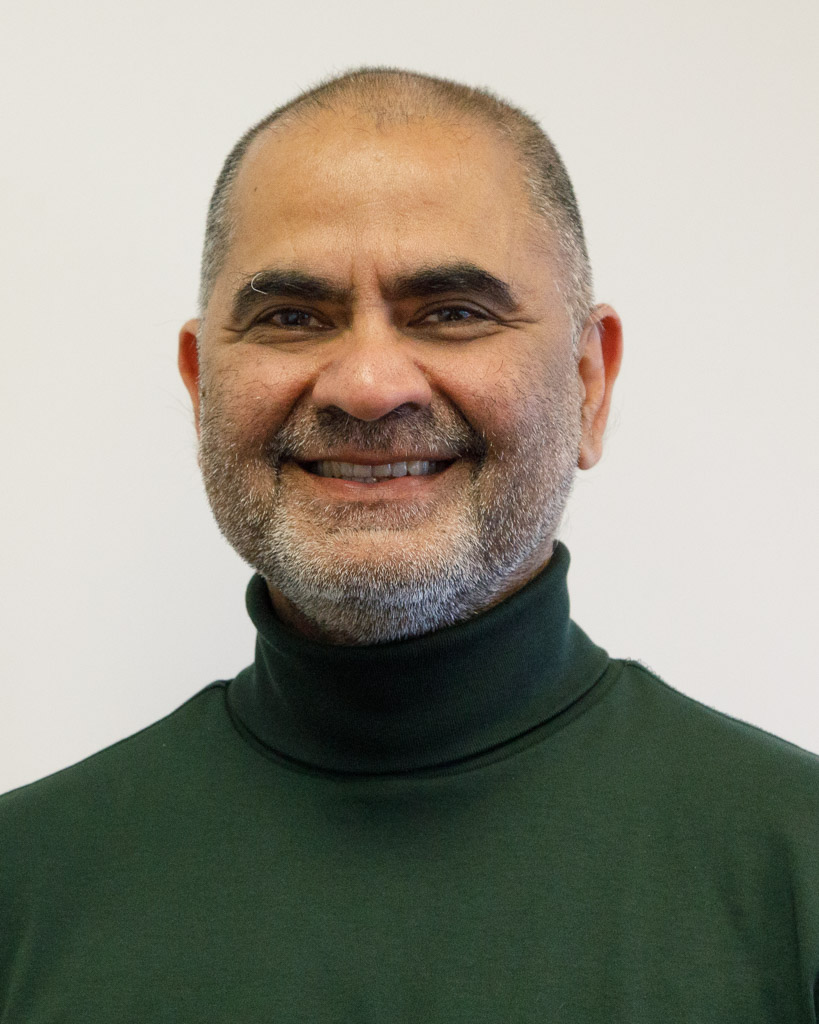
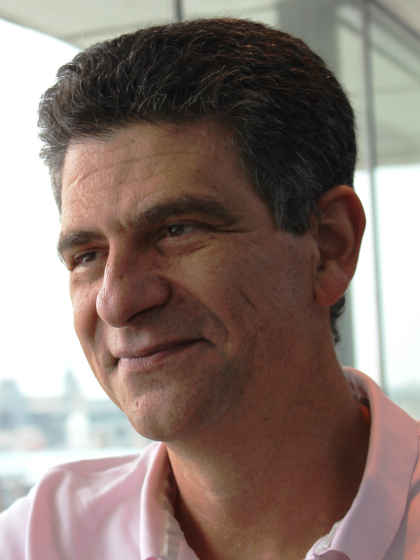
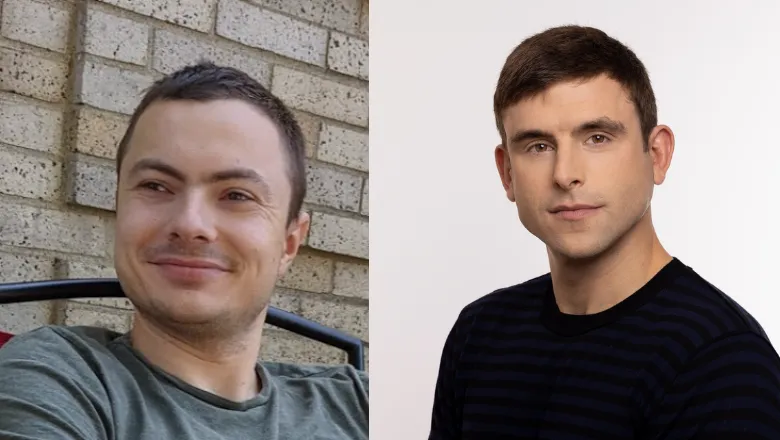
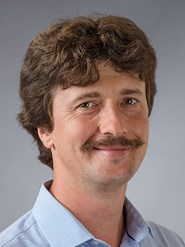
Maximilian Schuster is a Research Associate at the Chair for Computational Analysis of Technical Systems (CATS) at RWTH Aachen University, Germany, a position held since May 2019. His work focuses on computational modeling of biomedical systems, particularly cardiovascular applications involving mechanical circulatory support devices. Education: Master of Science in Mechanical Engineering, Technical University, Berlin (2016-2019) Study Abroad as Fulbright Fellow at University of Southern California (2017-2018) Bachelor of Science in Mechanical Engineering, University of Applied Sciences, Berlin (2013-2016) Dr. Schuster's research centers on simulating human cardiac physiology with implanted left ventricular assist devices (LVADs), investigating blood flow stagnation and fluid-structure interactions in the left ventricle. His methodological expertise spans Finite Element Method (FEM) implementations, High Performance Computing (HPC), and reduced-order modeling for complex biomedical systems. Current work extends to dynamic ventricular movement modeling to capture device-heart interactions. His 2021-2024 publications demonstrate consistent focus on LVAD hemodynamics, employing computational techniques to analyze washout efficiency, pulsatility effects, and mesh deformation strategies. Key contributions include stabilized FEM formulations, radial basis function interpolation for ventricular motion, and reduced-order modeling of blood flow dynamics. Scientific Awards: Fulbright Fellowship Dr. Schuster has supervised two theses: Nico Dirkes' seminar research on FEM-ODE coupling and Farshid Farroknezhad's master's investigation of LVAD flow patterns. His research is supported through CATS institutional funding and likely biomedical engineering grants focused on computational biomechanics and device optimization. As part of CATS' fluid-structure interaction work group within RWTH Aachen's Center for Computational Engineering Science, he collaborates on interdisciplinary projects advancing numerical methods for technical systems with emphasis on cardiovascular applications and medical device integration.