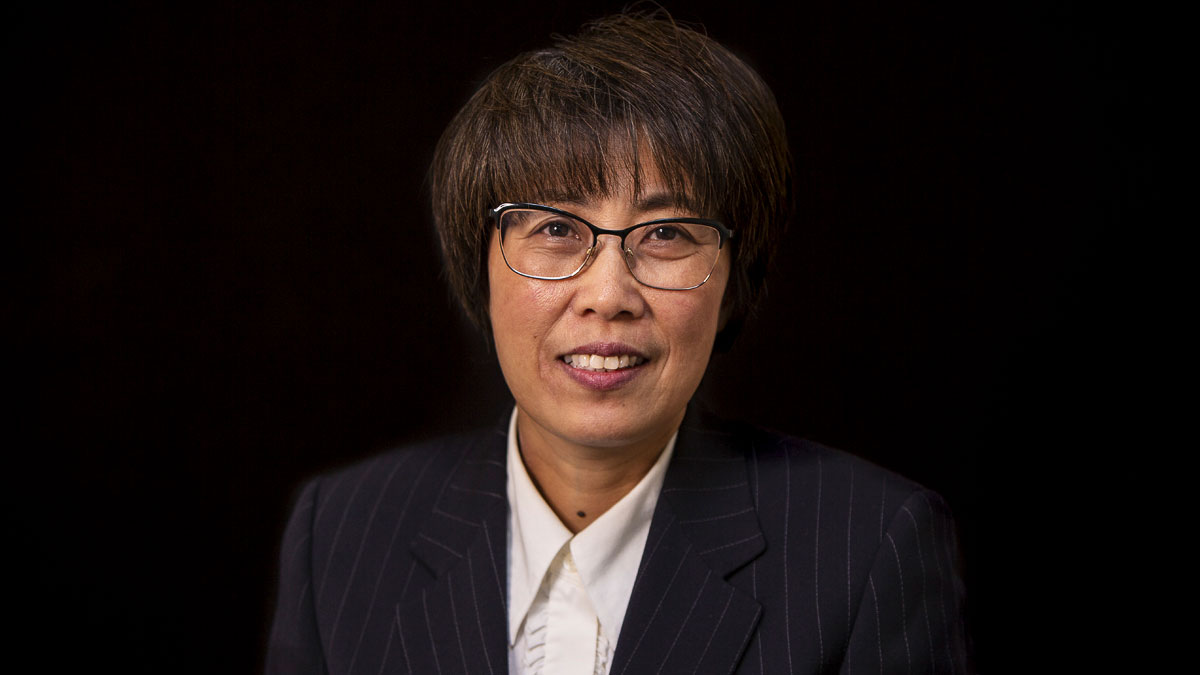
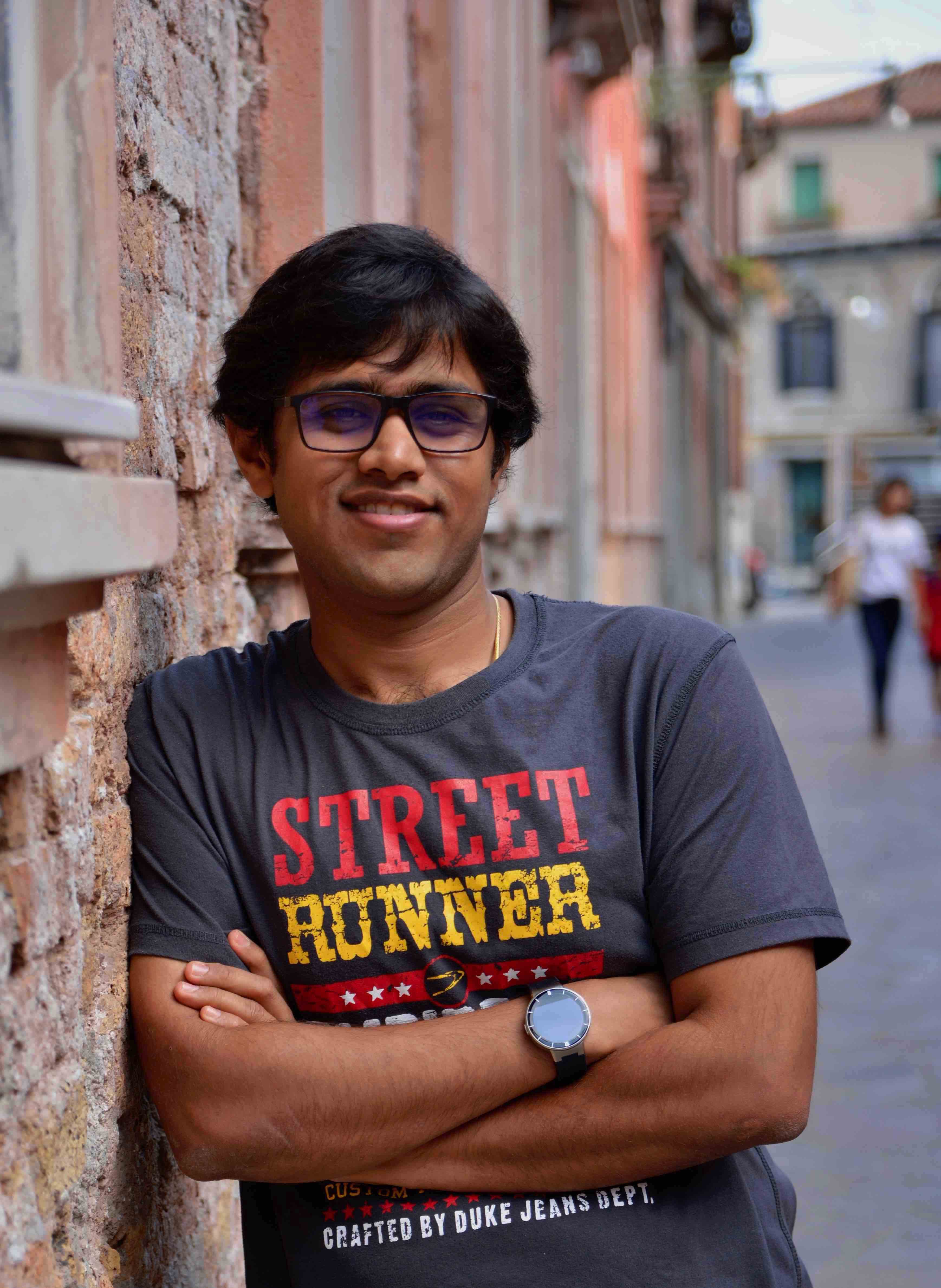
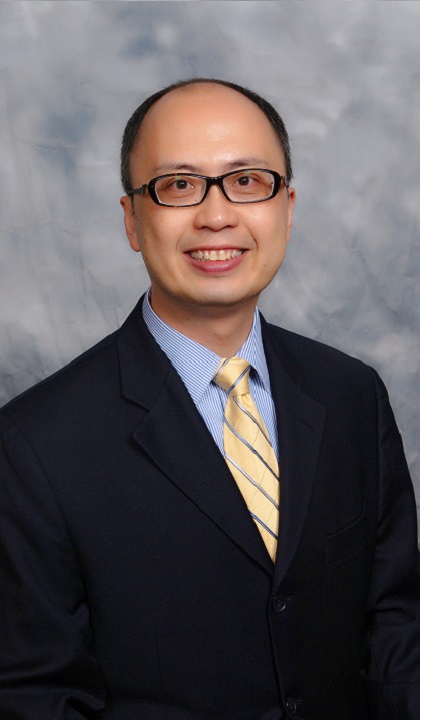
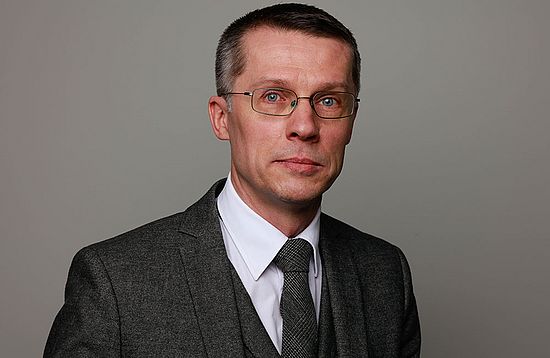
Nicola Calabretta is a Full Professor in Electro-Optical Communication Systems and Senior Research Fellow at Eindhoven University of Technology (TU/e). His work focuses on smart optical networks, high-speed electronics, FPGA implementations for scheduling algorithms, and photonic integrated circuits. He holds a PhD from TU/e (2004) and previously conducted research at DTU Fotonik and the Sant'Anna School of Advanced Studies. His expertise spans optical signal processing, multi-level modulation formats, and applications in data center and metro networks. Key research areas include optical switching architectures (e.g., SOA-based switches), WDM systems, and low-latency interconnect networks. He has led projects like ADAPTOR (resource optimization), SmartTWO (future telecom technologies), and 5G-MOBIX (cross-border mobility). His courses include 'Optical Fibre Communication Technology' and 'Optical Interconnection Networks.' Collaborations involve institutions globally, with recent work emphasizing photonic integration for neural networks, ultra-fast switching, and edge computing. His contributions align with UN SDGs through sustainable telecom infrastructure advancements.
Ina Sarcevic is a Professor of Physics and Astronomy at the University of Arizona, holding the title of Primary Faculty. Her research focuses on particle astrophysics, dark matter, neutrinos, and collider physics. She has made significant contributions to the DUNE (Deep Underground Neutrino Experiment) collaboration, leading efforts in detector design, software development, and theoretical modeling. Her work bridges experimental and theoretical particle physics, addressing fundamental questions in astrophysics and cosmology. Education: Ph.D. in Physics from the University of Minnesota (1986), B.S. in Physics from the University of Sarajevo (1981), with notable fellowships including the Humboldt Fellowship (1989-1991) and a Doctoral Dissertation Fellowship (1985-1986). Research Interests: Dark matter detection via neutrinos, neutrino interactions at extreme energies, and the role of particle physics in cosmological phenomena. She explores theoretical frameworks for secret interactions of sterile neutrinos and their implications for the diffuse supernova neutrino background. Her work on detector technology for DUNE includes optimizing liquid argon time-projection chambers (TPCs) and developing algorithms for neutrino interaction reconstruction. Selected Honors: 2006 Fellow of the American Physical Society, recipient of the British Council Fellowship for Young Scientists (1980-1981), and Summa cum laude distinction at the University of Sarajevo. Grants and Collaborations: Principal investigator in DUNE-related projects, including detector design, software computing, and data analysis. Involved in international collaborations such as the LHC’s Forward Physics Facility and ProtoDUNE beam tests at CERN. Labs/Teams: Active member of the DUNE Collaboration, focusing on neutrino oscillation physics, supernova neutrino detection, and dark matter signatures in neutrino telescopes. Her group collaborates on developing advanced machine learning techniques for particle identification in large-scale detectors.
Professor Runming Yao is a leading academic in building and urban sustainability at the University of Reading's School of Construction Management and Engineering. He holds roles as Director of Design and Management of Sustainable Built Environments and Module Convenor for Sustainable Design and Management Principles. His research focuses on energy efficiency, urban microclimates, indoor environmental quality, and thermal comfort, with particular emphasis on UK and China contexts. Yao is an EPSRC College member and serves on editorial boards for journals like the Journal of Building Engineering and Renewable Energy . He has led numerous high-impact projects funded by bodies like the European Commission, EPSRC, and the Chinese government, addressing topics such as low-carbon cities, green building technologies, and climate-resilient urban design. His professional memberships include Fellowships of CIBSE, the Chartered Institute of Building, and FHEA. Yao’s work bridges engineering, policy, and environmental science, with contributions to international standards and guidelines for sustainable construction. Education and Qualifications: BSc, MSc, PhD Research Interests: Yao’s research integrates technical innovation with societal needs, exploring: - Energy-efficient building systems and urban-scale simulations, - Impact of climate change on building design, - Sensor technology for smart building management, - Health implications of indoor/outdoor environmental quality. His work emphasizes cross-disciplinary solutions for sustainable urban development and climate resilience. Projects and Grants: Recent initiatives include: - LoHCool (EPSRC-funded low-carbon heating/cooling of cities), - REELCOOP (EU-funded renewable energy cooperation), - Halton Foundation-funded studies on school ventilation. He has secured over £10M in research funding, spanning academic and industry partnerships. Awards and Recognition: While no formal awards are listed, Yao’s leadership in global sustainability networks and his role in shaping policy frameworks reflect his significant influence in the field. Labs and Collaborations: He leads the Energy and Environmental Research Group and collaborates internationally with institutions like Chongqing University, Cambridge University, and the China Green Building Council. His work frequently involves cross-border initiatives to address climate challenges in rapidly urbanizing regions.
David J. Connell is a Professor at the University of Northern British Columbia (UNBC), affiliated with the School of Environmental Planning. His work bridges environmental planning, agricultural policy, and community sustainability, with a strong emphasis on farmland protection, local food systems, and the conservation of British Columbia’s inland rainforest ecosystems. He has led national and provincial research initiatives and is recognized for excellence in both research and teaching. University: University of Northern British Columbia School: School of Environmental Planning Academic Rank: Professor Email: david.connell@unbc.ca Education and Professional Background: While specific educational credentials are not detailed in the provided texts, Dr. Connell’s extensive research, publications, and leadership in policy-oriented projects indicate a strong academic foundation in environmental planning, community development, and policy analysis. His professional experience includes work in business development, economic development, and nonprofit management, which he integrates into his teaching and research. Research Interests: Dr. Connell’s research centers on agricultural land use planning, farmland protection, and the socio-economic dynamics of local food systems. He investigates how legislative frameworks at local, regional, provincial, and federal levels influence farmland conservation. He also explores the role of farmers markets in community economic development and the non-timber values of ancient cedar ecosystems in BC’s inland rainforest. His interdisciplinary approach combines social science, policy analysis, and environmental studies to promote sustainable community development. Publication Trends: His recent publications focus on evaluating the strength of legislative frameworks for farmland protection across Canadian jurisdictions, analyzing federal policy roles, and assessing the quality of agricultural planning. He also contributes to understanding ecotourism, forest values, and the business models of farmers markets. His work is published in high-impact journals such as the Journal of Planning Education and Research , Canadian Planning and Policy , and Society and Natural Resources , reflecting a consistent scholarly trajectory in environmental and planning policy. Scientific Awards: UNBC Award of Excellence in Research (2017) UNBC Award of Excellence in Teaching (2014) Advising and Grants: Dr. Connell has supervised numerous graduate students in the Natural Resources and Environmental Studies program, focusing on topics such as farmland protection, food sovereignty, ecotourism, and beginner farming. His research has been supported by major funding bodies including SSHRC (Insight Grant), Agriculture and Agri-Food Canada, and the Investment Agriculture Foundation of British Columbia. He has led projects on farmland policy integration, farmers market impacts, and the conservation of ancient forests, demonstrating strong grant acquisition and project management capabilities. Labs and Research Teams: While no formal lab is mentioned, Dr. Connell leads a research program on Agricultural Land Use Planning and Farmland Protection, including collaborative work with the BC Association of Farmers Markets and government agencies. His work involves interdisciplinary teams and knowledge mobilization through workshops and policy briefs, contributing to practical outcomes in community planning and sustainability.
Lee S Friedman, PhD , is a Research Professor in the Department of Environmental and Occupational Health Sciences at the School of Public Health, University of Illinois at Chicago (UIC). His research is centered on three principal areas: injury prevention in the workplace, violence across the lifespan, and the role of conflicts of interest in public health research. He employs advanced methodologies, specializing in the analysis of large population-based datasets, longitudinal cohorts, and data linkage from multi-center projects. His work on injury prevention uniquely integrates risk factors from the environment, home/community, and workplace, recognizing their interconnected impact. His current research projects, funded by NIOSH-CDC, focus on improving workplace hazard reporting for precarious workers, identifying risk factors for civilian injuries during law enforcement contact, understanding the health needs of people experiencing homelessness, and examining the opioid epidemic's impact on high-risk groups. His recent publications (2023-2025) reveal a strong trend in applying epidemiological methods to pressing public health crises. Key themes include the opioid epidemic's disparities and trends, the health and safety of vulnerable workers (e.g., coal miners, farmworkers, rideshare drivers), the intersection of community violence and public health, and the refinement of surveillance systems for occupational and environmental diseases. Dr. Friedman is the Principal Investigator of the Illinois Occupational Surveillance Program, a significant NIOSH-CDC grant, highlighting his leadership in federally funded research. His research team actively investigates a broad range of issues, including occupational injury prevention and surveillance, the long-term impact of injuries on both documented and undocumented workers, the role of social support in preventing elder neglect, and the influence of financial conflicts of interest on research in environmental and occupational health.
Arpan Gujarati is a Sessional Lecturer in the Department of Computer Science at the University of British Columbia (UBC), affiliated with the Systopia Lab. He teaches graduate and undergraduate courses such as CPSC 538G (Distributed Systems), CPSC 416 (Operating Systems), and CPEN 432 (Real-Time System Design). He holds a PhD from the Max Planck Institute for Software Systems and TU Kaiserslautern, where he was supervised by Björn B. Brandenburg. PhD: Max Planck Institute for Software Systems & TU Kaiserslautern (2020) Undergraduate: Birla Institute of Technology and Science (BITS Pilani) Postdoctoral Researcher: MPI-SWS Research Associate: UBC Software Development Engineer: Citrix R&D, India His research focuses on real-time and distributed systems, with applications in cyber-physical systems, fault tolerance, and machine learning reliability. He investigates scheduling algorithms, reliability analysis, and the integration of learning-enabled components into safety-critical systems. His work combines theoretical analysis with practical system implementations, often involving real-world testbeds and open-source tools. His recent publications span top-tier venues including RTSS, OSDI, ECRTS, DSN, and Middleware, with a strong emphasis on performance predictability, resilience of ML systems, and real-time communication. His work frequently addresses challenges in timing guarantees, fault tolerance, and system reliability in both cloud and embedded environments. SIGBED Paul Caspi Memorial Dissertation Award Best Paper Award at RTSS 2022 Distinguished Artifact Award at OSDI 2020 Best Student Paper Award at Middleware 2017 Outstanding Paper Award at RTCSA 2025 He advises several PhD students and undergraduate researchers at UBC, including Heng Zhao, Aida Aminian, Zainab Saeed Wattoo, and Philip Schowitz. He has led multiple research projects involving robotic arms, NVIDIA Holoscan, FreeRTOS, and distributed key-value stores. His lab work emphasizes reproducibility, open datasets, and practical system building. He has served on program committees for RTSS, RTAS, ECRTS, and Middleware, and contributes to journals such as Real-Time Systems and JSys.
Sinisa Krajnovic is a Professor of Computational Fluid Dynamics and Head of the Department of Mechanics and Maritime Sciences at Chalmers University of Technology. His research focuses on vehicle aerodynamics, bluff-body flows, and time-dependent numerical simulations, particularly in ground vehicle flows (trains, cars, buses) and high-speed train dynamics. He leads studies on flow control mechanisms, bi-stable wake phenomena, and turbulence modeling using advanced CFD techniques like LES and PANS. Recent work emphasizes active flow control optimization, snow-resistance performance of bogies, and aerodynamic interactions in platoons. His 247+ publications span topics including high-speed train aerodynamics, ship airflow control, and bluff-body wake dynamics. Collaborations involve experimental validation and industrial applications in rail and marine transportation.
Echu Liu is a Professor in the Department of Health Management and Policy at the College for Public Health and Social Justice, Saint Louis University. He also serves as the Director of the Ph.D. in Public Health Studies program, contributing significantly to academic leadership and public health education. Education: Ph.D. in Economics, University of Southern California, 2006 M.B.A. in Finance, California State University, Los Angeles, 2000 M.A. in Economics, National Taiwan University/University of Southern California, 1995/2003 B.A. in Economics, National Taiwan University, 1994 Dr. Liu's research focuses on health policy, health economics, data analytics, and health insurance literacy . His work examines how socioeconomic factors, health literacy, and insurance understanding influence healthcare access, financial burden, and health outcomes across diverse populations, including international students, older adults, and racial minorities. His interdisciplinary approach integrates economics, public health, and biostatistics to inform policy and improve health equity. His recent publications (2009–2025) reflect a consistent trajectory in health economics and policy analysis , with a strong emphasis on health insurance literacy, medical debt, pandemic behavior, and global health disparities . The studies employ rigorous econometric and statistical methods, often using large national surveys from the U.S., China, and India. Key themes include the impact of policy interventions, socioeconomic determinants of health, and behavioral responses to healthcare systems. Professional Service: Associate Editor, Health Economics Section, Frontiers in Public Health Dr. Liu teaches Biostatistics, Health Care Economics, and Healthcare Financial Management , equipping students with analytical and financial tools for public health leadership. While specific advisees are not listed, his role as Ph.D. program director and frequent collaboration with researchers suggests active mentorship. His research has been supported by institutional and likely external funding, though specific grants are not detailed. He maintains an active scholarly presence through high-impact journal publications and editorial contributions. Laboratory and Research Teams: While no formal lab is mentioned, Dr. Liu leads and collaborates with interdisciplinary research teams focused on health policy analysis, data-driven public health, and socioeconomic determinants of health. His work often involves partnerships with public health scholars, economists, and data scientists.
Dietmar Maringer is Professor of Computational Economics and Finance at the University of Basel's Faculty of Business and Economics (WWZ), where he leads research at the intersection of finance, computational methods, and artificial intelligence. His work focuses on risk management, portfolio optimization, algorithmic trading, and financial simulations. His research interests span computational finance, artificial intelligence in finance, data analysis, risk management, portfolio optimization, algorithmic and high-frequency trading, financial networks, complex adaptive systems, and market simulations. He applies advanced computational and heuristic optimization techniques to solve real-world financial problems, contributing significantly to quantitative finance and financial engineering. His recent publications demonstrate a consistent focus on applying evolutionary algorithms, reinforcement learning, and numerical optimization to portfolio management, market impact modeling, and financial forecasting. The research integrates econometrics, machine learning, and financial theory, emphasizing practical implementation and robust risk-aware decision-making. Several best-paper awards Maringer has served as Chair of the Portfolio Optimization Section of the IEEE Computational Economics and Finance Technical Committee from 2008 to 2018 and is frequently involved in organizing and program committees of international conferences. He has advised or collaborated with numerous researchers, though specific student names are not listed. His research has been supported through academic affiliations and likely institutional or conference-based grants, though explicit funding sources are not detailed. He is affiliated with several research groups, including IEEE Computational Economics and Finance TC, COMISEF, ERCIM, Centre for Innovative Finance, and the European Financial Management Association, reflecting a broad collaborative network in computational finance and economics.
Dr. Kim O'Sullivan is a Senior Research Fellow and head of the Translational Kidney Therapies Group at the Centre for Inflammatory Diseases (CID), Monash Health Translational Precinct, affiliated with Monash University’s Faculty of Medicine, Nursing and Health Sciences. She holds a PhD in Immunology from Monash University and completed her undergraduate and Master’s studies in Anatomy and Structural Biology at the University of Otago, New Zealand. Her work is centered on developing novel therapies for autoimmune kidney diseases, particularly ANCA-associated vasculitis (AAV), glomerulonephritis, and lupus nephritis. Her research focuses on: Neutrophil Extracellular Traps (NETs) and their role in inflammation Gene therapy using adeno-associated viral vectors to deliver DNase I Therapeutic potential of bacterial exosomes Gut microbiome interactions, especially Muribaculaceae and SCFAs Immune tolerance and host defense preservation Her recent publications (2023–2024) reflect a strong trend in translational immunology, with emphasis on microbiome-immune crosstalk, novel biologics, and gene-based interventions. She has published in high-impact journals such as Frontiers in Immunology , International Journal of Molecular Sciences , and Journal of Immunology . Her scientific contributions have been recognized through several awards: Australian and New Zealand Society of Nephrology Young Investigator Award (Winner, 2016) ANZSN Basic Science Award (Finalist, 2020) Multiple ANZSN Travel Awards (2014, 2016, 2017) Kim O'Sullivan actively supervises Honours and PhD students and leads multiple research projects funded by NHMRC and MRFF. She serves on the ANZSN Scientific Programme and Awards Committee (SPARC), is a Review Editor for Frontiers in Immunology , and sits on the editorial boards of International Journal of Molecular Sciences and Journal of Integrated Medicine in Nephrology and Andrology . She is also a peer reviewer for top journals including Journal of Clinical Investigation and Kidney International . She leads the CID weekly seminar series and chaired the ImmuMON21 symposium. Her commitment to equity in STEM includes mentoring through BrainSTEM and past involvement in the ANZSN Equity, Diversity and Inclusion Committee.
Ariadne Justi Bertolin is a Lecturer in the Department of Mechanical Engineering at the University of Bath, affiliated with the Centre for Sustainable Energy Systems (SES) and The Foundry: Centre for Digital, Manufacturing & Design. She is actively involved in research and is currently accepting doctoral students. Her research focuses on control theory, particularly in the areas of nonlinear systems, robust control, and stability analysis. Key topics include Lur'e systems, output feedback, Zames-Falb multipliers, and LMI-based design methods. She applies these theories to autonomous systems, energy systems, transportation, and industrial automation. The recent publications show a strong trend in developing LMI-based algorithms for stability and control synthesis of both continuous-time and discrete-time nonlinear systems. Her work emphasizes robustness, performance guarantees (e.g., ℒ2-gain), and practical implementation using finite impulse response and noncausal multipliers. She has been the Principal Investigator on a project titled 'Improving stability and control synthesis conditions for nonlinear systems,' indicating leadership in her research domain. While no formal awards are listed, her publications in IEEE and IFAC journals reflect high-quality contributions to control engineering. Dr. Bertolin advises doctoral students and is engaged in collaborative research, particularly with scholars like G. Valmorbida, R. C. L. F. Oliveira, and P. L. D. Peres. Her work is supported by ongoing research projects and contributes to the theoretical foundations of modern control systems. She is affiliated with key research centers at Bath, including the Centre for Sustainable Energy Systems and The Foundry, which focus on digital manufacturing, sustainable energy, and design innovation.
Cameron A. Myhrvold is an Assistant Professor of Molecular Biology at Princeton University, leading the Myhrvold Lab. His research focuses on CRISPR-based technologies to study viral and host RNA, with applications in detecting and combating RNA viruses like SARS-CoV-2. He specializes in developing Cas13-based tools for multiplexed nucleic acid detection, host-pathogen interaction analysis, and RNA perturbation. Education: A.B. in Molecular Biology from Princeton University (undergraduate), Ph.D. in Systems Biology from Harvard University. His postdoctoral work at Harvard involved pioneering CRISPR-Cas13 technologies, leading to innovations like CARMEN, CARVER, and SHINE. Research interests include: CRISPR-based RNA editing, quantitative nucleic acid detection, systems biology of viral infections, and translating technologies for global health. His lab emphasizes deploying diagnostics in resource-limited settings and studying viral dynamics across diverse tissues and infection conditions. Notable achievements: Named NEBEC Emerging Young Investigator. His work has advanced field-deployable viral diagnostics and multiplexed RNA analysis tools. Collaborates with institutions like the Broad Institute and the CDC on pandemic response initiatives. Current projects include developing quantitative CARMEN variants for gene expression analysis, high-throughput screening of Cas13-virus interactions, and applying CRISPR tools to study influenza and SARS-CoV-2 in animal models.
Omar Hegazy is a Professor in Electrical Engineering and Power Electronics at Vrije Universiteit Brussel (VUB), affiliated with the MOBI - Electromobility Research Centre. He leads research in power electronics systems, electric vehicle drivetrains, and energy management. His work focuses on reliability, WBG semiconductors, and sustainable transportation systems. Education details are not explicitly provided, but his extensive publication record and project leadership imply advanced academic qualifications. Research interests include power electronics, battery management systems, hybrid/fuel cell vehicles, and V2X technologies. His projects address challenges in electric vehicle infrastructure, grid integration, and renewable energy systems. Key trends in his articles include digital twin development for electric trucks, advanced thermal management of SiC devices, and optimization of DC charging systems. His work emphasizes practical applications like modular converters, fault-tolerant drives, and interoperable charging solutions. Awarded Best Master Thesis (2019), Best Paper (2024), and Optimal Design Recognition (2016) Supervised over 49 theses, including master's and doctoral studies in power electronics and EV systems Secured funding for projects like HiPower 5.0, HARPOONERS, and FLEXMCS Labs/Teams: Active in MOBI's Electromobility Research Centre, collaborating on advanced power electronics and e-mobility solutions. Involved in interdisciplinary teams for microgrid design and DC charging infrastructure.
Chr. Kavousianos is an Assistant Professor in the Department of Informatics at the University of Ioannina, Greece. He is actively engaged in research and teaching in the fields of VLSI design, testability, and low-power testing. He has been involved in major national and international research programs such as Heracleitus II, Pythagoras, and NSF-SRC (USA). Research Interests: His research focuses on advanced techniques in built-in self-test (BIST), test data compression, scan-based testing, fault tolerance, and embedded control architectures. He explores methods to reduce test data volume, power consumption during testing, and improve defect coverage in integrated circuits. Publication Trends: His recent publications (2004–2011) show a strong trend toward defect-aware testing, power-efficient test compression, and multicore SoC testing. He frequently collaborates with leading researchers, including Prof. Krishnendu Chakrabarty (Duke University). His work on multilevel Huffman coding and reseeding techniques has been highly influential, with one paper among the most accessed in 2004. Special Distinction for Excellent Academic Performance from TEE, 1996 Doctoral Scholarship 'In Memory of Professor Maritsa', 1999 Postdoctoral Scholarship from IKY, 2002 Advising and Grants: He has supervised multiple postdoctoral researchers, PhD candidates (e.g., Vasilis Tenentes, Emmanouil Kalligeros), and master’s students. He has led research projects such as 'Embedded Control Architectures' (Heracleitus II) and 'Design Techniques for Embedded Self-Control Circuits' (Pythagoras II). His international collaboration with Duke University included a postdoctoral research role in 2009. Labs and Teams: He leads a research group at the University of Ioannina with postdocs, PhD students, and visiting professors, including Prof. Krishnendu Chakrabarty. His team works on cutting-edge VLSI testing and design methodologies.
Martin J. Head is a Distinguished Professor in the Department of Earth Sciences at Brock University, where he has been a faculty member since 2005. He holds affiliations with the University of Cambridge, where he is a Life Member of Wolfson College, and maintains a status-level professorship at the University of Toronto. His research focuses on palynology and stratigraphy, particularly marine dinoflagellate cysts and the formal subdivision of the Quaternary Period. His research interests include the deep-sea record from ODP and DSDP sites, Eemian and Plio-Pleistocene palynology in the North Atlantic and Mediterranean regions, high-latitude Cenozoic palynology, and the morphology, taxonomy, and nomenclature of dinoflagellates. He is deeply involved in international stratigraphic initiatives, contributing to the definition of geological boundaries such as the Quaternary base and the Early–Middle Pleistocene transition. His recent publications demonstrate a strong trend in formal stratigraphic definitions, paleoenvironmental reconstructions using dinoflagellate cysts, and Anthropocene research. His work spans biostratigraphy, paleoclimatology, and taxonomic systematics, with a focus on integrating biological and geological data for chronostratigraphic precision. Chair, ICS Subcommission on Quaternary Stratigraphy (2012–present) Chair, Canadian Stratigraphy Commission (2010–present) Associate Editor, Journal of Paleontology (2004–present) Editorial Board Member, Palynology , Palaeogeography, Palaeoclimatology, Palaeoecology , and Boreas Professor Head has supervised numerous graduate students at Brock University, the University of Cambridge, and the University of Toronto, including PhD and MSc candidates working on dinoflagellate cysts, Quaternary stratigraphy, and paleoenvironmental analysis. His research has been supported by international collaborations and contributions to major stratigraphic working groups. He leads research activities within the Quaternary Palaeoenvironments Group at the University of Cambridge and maintains active laboratory and field-based research in marine sediment analysis, contributing to global paleoenvironmental databases and taxonomic standards.