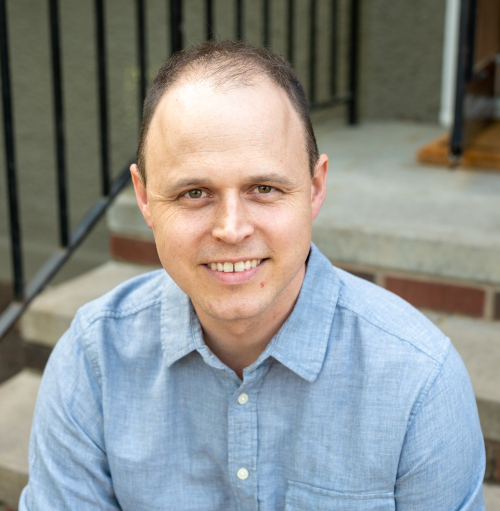
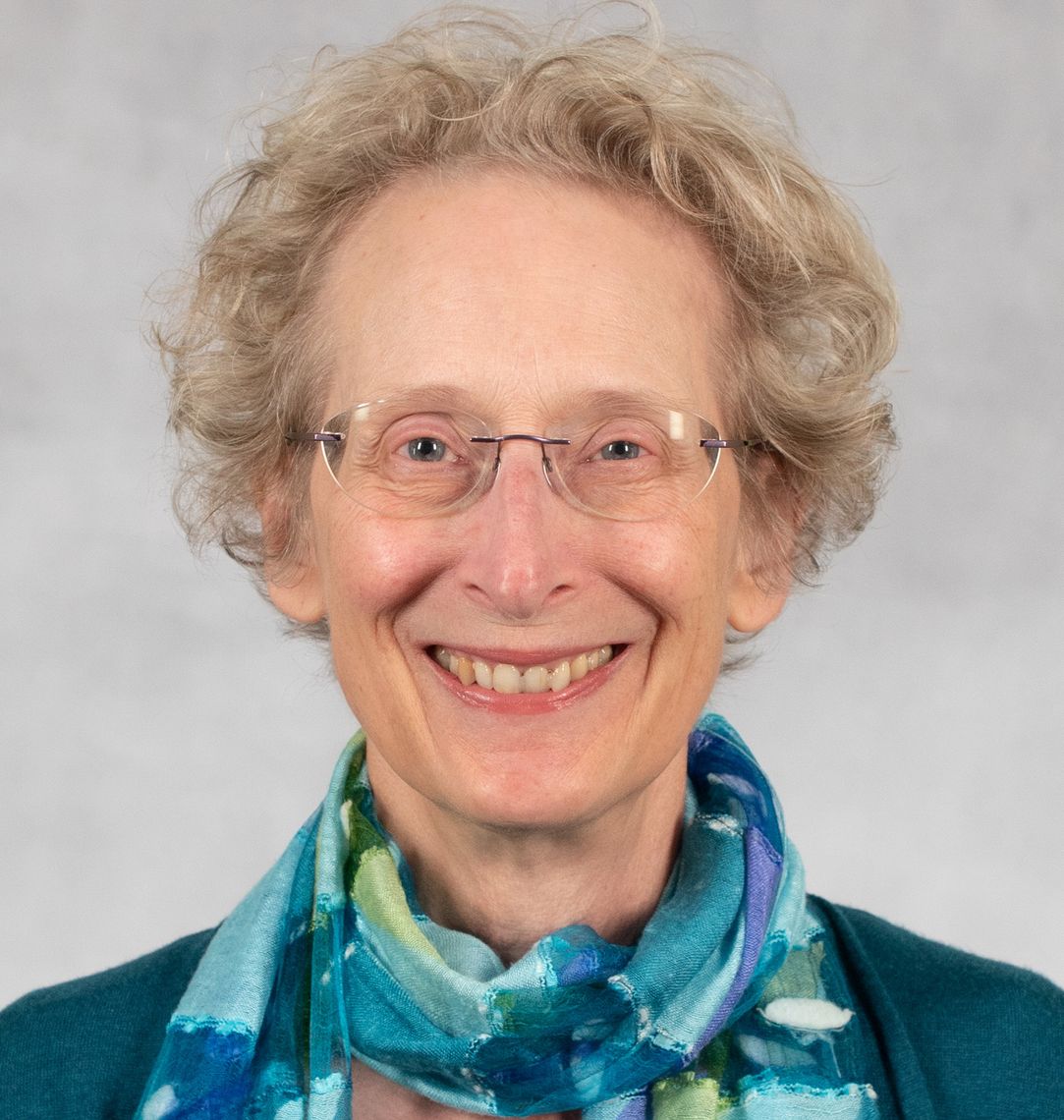
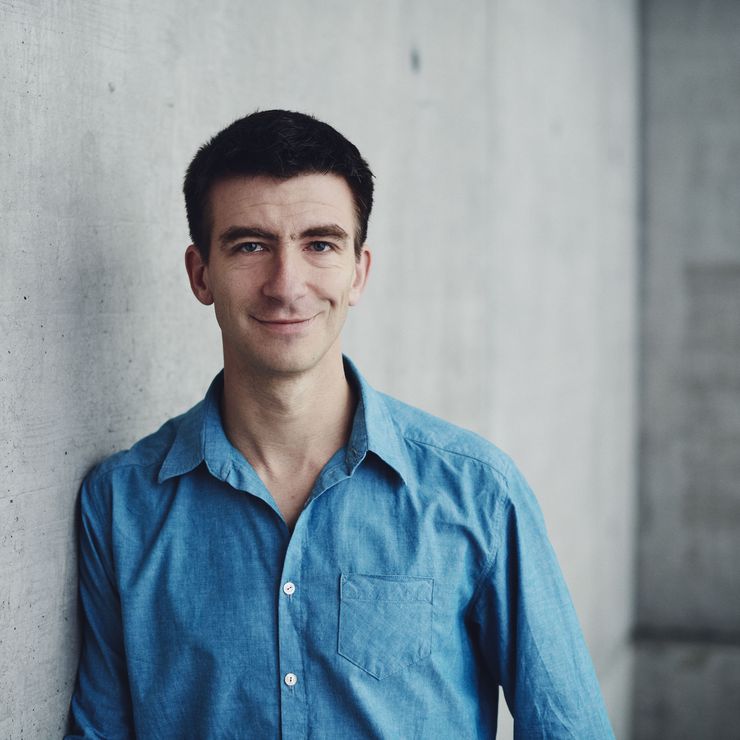
Steve Petruzza is a Research Fellow at the Scientific Computing and Imaging Institute (SCI Institute) of the University of Utah. His work focuses on high-performance computing, data management, and visualization, particularly in dynamic runtime systems, high-performance I/O, and data streaming infrastructures. Research Themes : Neuroscience, material science, biomechanics, climate modeling, and exascale computing. Technical Expertise : Leading software engineering projects for Uintah, FEBio, and other simulation tools. Collaborations : Industry-academia partnerships in energy production, cardiovascular modeling, and orthopedic diagnostics.
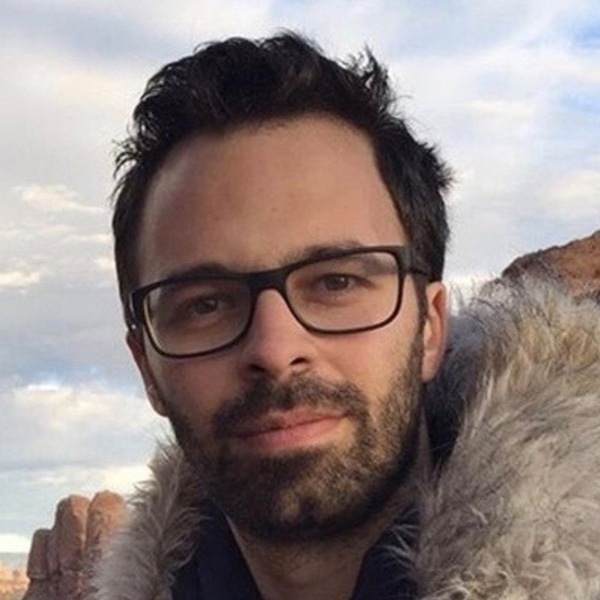
Uday Jha is an Associate Teaching Professor at the Decision & Information Sciences department of the Charlton College of Business, University of Massachusetts Dartmouth. He teaches courses in Business Statistics and Business Analytics, focusing on quantitative decision-making and data analysis. His research interests include Big Data, Business Analytics, and statistical modeling of high-dimensional datasets. Recent publications address dimensionality reduction and functional analysis of complex agricultural data. Jha holds multiple advanced degrees: MS in Applied Statistics (Rochester Institute of Technology), MS in Physics (Madurai Kamaraj University), MS in Mathematics (ICFAI University), and a Master in Aviation Management (ICFAI University). He actively mentors undergraduate students and coordinates academic programs, including roles as Graduate Program Director for MS Technology Management in Summer 2023.
Joonpyo Kim serves as Assistant Professor in the Department of Mathematics and Statistics at Sejong University since 2022, specializing in advanced statistical methodologies with applications across medical imaging and industrial engineering. His academic foundation includes doctoral training at Seoul National University where he developed expertise in non-standard statistical frameworks. Education B.S. in Mathematics, Seoul National University (2016) Ph.D. in Statistics, Seoul National University (2022) Dr. Kim's research centers on spatio-temporal data analysis using asymmetric norm frameworks and change point detection methodologies. His work bridges theoretical statistics with practical applications in ophthalmology and semiconductor manufacturing, particularly through functional data analysis and quantile-based techniques. The fingerprint of his research reveals strong connections to quantile theory (100%), functional data analysis (61%), and changepoint detection (61%), demonstrating interdisciplinary impact across medical diagnostics and industrial process control. Recent publications (2024-2025) exhibit a clear trajectory toward solving high-dimensional statistical challenges in both biomedical and engineering contexts. His work on vitelliform macular dystrophy combines multimodal imaging with chromatic perimetry, while semiconductor manufacturing research develops novel model averaging for two-way functional data. The consistent application of quantile curves and extreme value theory across diverse domains highlights his methodological innovation. Scientific Recognition Korean Statistical Society Best Ph.D Dissertation Award (2022) Sejong Research Fellowship (2022-2027) from Ministry of Science and ICT BK21 FOUR Groups Students Award from Seoul National University Dr. Kim leads the Sejong Research Fellowship project (2022-2027), focusing on statistical methodology development with applications in medical diagnostics and industrial quality control. His mentorship contributed to the BK21 FOUR Groups Students Award, reflecting effective guidance in collaborative research environments. Current projects integrate multiscale extreme value analysis with functional data clustering techniques.
Jeff Calder is an Associate Professor in the School of Mathematics at the University of Minnesota. He specializes in interactions between partial differential equations (PDE), numerical analysis, applied probability, and computer science, with applications to machine learning and data analysis. His research has been supported by the National Science Foundation, Alfred P. Sloan Foundation, and McKnight Foundation. Ph.D. in Applied and Interdisciplinary Mathematics (2014, University of Michigan) Morrey Assistant Professor (2014-2016, UC Berkeley) His research interests include: Rigorous analysis of PDEs Algorithm development for machine learning Variational methods in data science Graph-based learning techniques Computational biomedical imaging Interdisciplinary applications in anthropology Recent publications focus on t-SNE improvements, medical imaging segmentation, and variational PDEs for inversion problems. His work spans computer science, applied mathematics, and biomedical engineering. Scientific awards include: NSF Career Award (2020) Sloan Research Fellowship (2020) McKnight Presidential Fellowship (2021) Guillermo E. Borja Award (2021) Albert and Dorothy Marden Professorship (2023-2025) He supervises graduate and undergraduate research projects and co-founded the AMAAZE consortium for mathematics-anthropology collaboration. His GraphLearning Python package provides open-source tools for graph-based machine learning.
Louisa A. Stark, Ph.D. is a Professor at the University of Utah , holding the prestigious H.A. and Edna Benning Presidential Endowed Chair . As Associate Director of the Genetic Science Learning Center , she bridges science education research with community engagement to improve public understanding of biomedical concepts. Key Research Areas: Universal science/health literacy, community-university partnerships, ethical implications of genetic research, and evidence-based educational interventions Notable Contributions: Development of NGSS-aligned evolution curricula, cultural adaptation frameworks for mental health practices, and innovative informed consent methodologies Awards: H.A. and Edna Benning Presidential Endowed Chair Scientific Output Trends: Recent publications focus on community health worker interventions , evolution education , and ethical frameworks for genetic research . Her work consistently emphasizes stakeholder collaboration and public engagement across biomedical topics. Key Publications: 2021: Cultural adaptations in mental health practices 2021: NGSS evolution curriculum RCT 2021: Polygenic risk scores ethics 2024: CHW obesity/depression study Scientific Distinction: The H.A. and Edna Benning Presidential Endowed Chair recognizes her exceptional contributions to science education and community engagement.
Laura Palagi is a Full Professor at Sapienza University of Rome, Department of Computer, Automation, and Management Engineering "Antonio Ruberti". She has been with the institution since 1996, progressing from Researcher to Associate Professor in 2005, and Full Professor since March 2020. She currently serves as Coordinator of the PhD program in Automatic Control, Bioengineering and Operations Research (ABRO) since February 2024 and is the GEP committee representative at the DIAG Department. Her research focuses on developing and analyzing methods for solving nonlinear optimization problems with continuous and discrete variables. Key research themes include decomposition methods for training Support Vector Machines and Deep Networks, methods for Mixed Integer Nonlinear Programming (MINLP), Semidefinite Programming (SDP), standard quadratic problems (StQP), and convex quadratic constrained problems. She also develops predictive machine learning models for healthcare applications and surrogate models for engineering. Her recent publications span optimization methods, machine learning applications in healthcare, sustainability assessment, and network design. Her work demonstrates a strong integration of theoretical optimization with practical applications across multiple domains. Continuous Optimization Awards 2020 Member Best Paper Award from Journal of Global Optimization Honorable Mention from Marguerite Frank Award jury for Best EJCO Paper 2024 EURO Doctoral Dissertation Award Professor Palagi teaches multiple courses including Optimization and Decision Science, Laboratory of Decision Science, Optimization Methods for Machine Learning, and Optimization for Medical programs. She serves as thesis advisor for numerous Bachelor's and Master's students in Management Engineering, Mechanical Engineering, and Data Science programs.
Kristoffer Wickstrøm is an Associate Professor in the Machine Learning Group at UiT The Arctic University of Norway, where he serves as research leader for interpretability at SFI Visual Intelligence. His work focuses on deep learning, with emphasis on explainability, uncertainty modeling, and learning with limited data. Deep Learning Explainable Artificial Intelligence Uncertainty Analysis Medical Image Analysis Small Data Learning His recent research trends include: Explainable AI for medical imaging and time series Uncertainty quantification in neural networks Physics-informed learning for PET imaging Representation learning for healthcare applications Robustness in clinical AI systems Sea ice forecasting with deep learning Collaborations include work with: Prof. Gustau Camps-Valls (University of Valencia) Prof. Marina M.-C. Höhne (Technical University of Berlin) Prof. Robert Jenssen (UiT) Prof. Michael Kampffmeyer (UiT)
Mark Andermann is Professor of Medicine at Beth Israel Deaconess Medical Center (BIDMC) and Harvard Medical School, where he directs the Andermann Lab . His group investigates how motivational states—especially hunger—reshape sensory perception, learning, and memory through corticolimbic circuits. Education & Appointments No explicit educational history was provided in the source text. Research Interests Motivational modulation of perception: Understanding how hunger and satiety gate the flow of food-related sensory information from retina to cortex to amygdala and hypothalamus. Two-photon calcium imaging & optogenetics: Chronic imaging of identified neurons and axonal boutons in behaving mice to dissect microcircuit logic. Neurobiology of obesity & eating disorders: Linking genetically-defined hypothalamic cell types to cortical value representations that drive feeding. Offline cortical reactivation: Examining how quiet-waking reactivation of motivationally-salient cue representations influences circuit connectivity. Publication Landscape Between 2003 and 2025 Andermann has co-authored over 70 papers. The most recent work (2023–2025) clusters around four themes: Choroid plexus-immune interactions in neuroinflammation and hydrocephalus. Stochastic neuropeptide and dopaminergic control of satiation and mating. Long-timescale cortical reactivations underlying memory consolidation. Single-cell and spatial transcriptomic brain atlases. Collaborations & Funding Narrative Active collaborations include: Brad Lowell laboratory (BIDMC): Hypothalamic cell-type-specific manipulations during behavioral tasks. Chinfei Chen (Boston Children’s Hospital): Retino-thalamic wiring logic. Grant details were not listed in the provided text, but the sustained high-output publication record and resource-intensive techniques (chronic two-photon imaging, custom endoscopes, transcriptomic atlases) indicate substantial NIH/NINDS or similar funding. Laboratory & Resources The Andermann Lab occupies Center for Life Sciences, Room 701 at BIDMC (3 Blackfan Circle, Boston MA 02115). Core technologies include: Two-photon resonant scanning microscopes for large-scale calcium imaging in behaving mice. Multiplexed optical recording of neuromodulatory sensors (MORE endoscope). Optetrode and fiber-photometry rigs for simultaneous optogenetic stimulation and recording. Custom computational pipelines for high-dimensional neural and transcriptomic datasets.
Haruo Igarashi serves as Assistant Professor at Waseda University's School of Advanced Science and Engineering since April 2025, following a Research Assistant position at the same institution (2022-2025). His academic foundation spans mathematics and physics across Japan's top universities. His educational pathway includes: Doctorate in Physics and Applied Physics (2022-2025), Waseda University Graduate School of Advanced Science and Engineering Master's in Pure and Applied Physics (2020-2022), Waseda University Graduate School of Advanced Science and Engineering Bachelor's in Mathematics (2016-2020), University of Tokyo Faculty of Science Dr. Igarashi pioneers human-computer interaction systems that translate abstract high-dimensional concepts into tangible experiences. His research integrates virtual reality with advanced haptics—particularly shape-memory alloy tactile displays and thermal feedback mechanisms—to enable intuitive exploration of 4D+ spaces. Key innovations include decomposing 4D force vectors for 3D haptic presentation and developing VR systems for scientific data visualization like XAFS analysis. His publication trajectory (2021-2025) reveals progressive refinement from foundational 4D interaction frameworks to applied medical/industrial implementations. Early work established core algorithms for tactile 4D navigation, while recent publications demonstrate practical applications in pain management and materials science, maintaining consistent focus on user-centered interface design. Recognition includes: Best Presentation Award from Information Processing Society of Japan (2021) for tactile 4D visualization research He leads the internal research project 'High-dimensional Space Interaction Using Force Feedback' (2023), which developed novel algorithms for projecting 4D force vectors into dual 3D haptic streams. His primary collaboration with Hideyuki Sawada spans 7 publications, creating an integrated pipeline from hardware (tactile sensors) to theoretical frameworks (4D spatial reasoning).
Professor Matsuda Yu at Waseda University 's Faculty of Science and Engineering (School of Creative Science and Engineering) is a leading researcher in fluid engineering and aerospace systems. With a Doctor of Engineering from Nagoya University, he has developed innovative measurement techniques for micro/nano-scale phenomena. Current position: Professor, Waseda University (2022-present) Previous roles: Japan Science and Technology Agency (2018-2022), Nagoya University (2008-2018) Research Focus spans thermal engineering , microfluidics , and quantum-inspired data analysis . His recent work involves pressure-sensitive paint optimization, single-particle tracking , and quantum annealing applications for fluid dynamics. Scientific Recognition includes multiple JSME awards, MEXT Commendation for Young Scientists, and the 2025 Ichiro Tanaka Award . His 45+ scientific awards highlight contributions to measurement science and fluid dynamics. Technical Innovations include ambient-light-resistant PSP methods, quantum-optimized sensor placement, and bioluminescent temperature-pressure sensors. His 95+ publications with 1497 Google Scholar citations demonstrate significant impact in microscale flow analysis and nanoparticle dynamics .
Chitose Tanaka serves as Assistant Professor at Waseda University's Sustainable Energy & Environmental Society Open Innovation Research Organization, specializing in thermal engineering and HVAC&R systems. Her research bridges academic theory and industrial application through extensive collaboration with Mitsubishi Electric Corporation. Her research focuses on thermal engineering fundamentals and real-world HVAC system optimization , particularly examining flow boiling heat transfer in minichannels, residential air conditioner usage patterns, and liquid desiccant dehumidification systems. Key methodologies include experimental thermal analysis, field measurement campaigns across Japanese climate zones, and high-speed visualization of boiling phenomena. Analysis of her publication record reveals consistent focus on heat transfer enhancement in compact systems (60% of articles), real-world energy consumption patterns (25%), and novel refrigeration cycle components (15%). Her work demonstrates strong industry relevance through direct application in Mitsubishi Electric's refrigeration products. Research Encouragement Award (2014, Japan Society of Refrigerating and Air Conditioning Engineers) Best Presentation Award (2013.09, JSRAE Annual Conference) Best Presentation Award (2013.05, National Heat Transfer Symposium) Her industrial collaboration with Mitsubishi Electric's Living Environment Systems Laboratory resulted in significant technology transfer, evidenced by 20+ refrigeration cycle patents where she is named as co-inventor. Current research continues to address energy efficiency challenges in sustainable HVAC systems through Waseda University's Open Innovation framework.
Dr. Adrien Couet is a Professor in the Department of Nuclear Engineering and Engineering Physics at the University of Wisconsin-Madison's College of Engineering, where he leads the Materials Degradation under Corrosion and Radiation (MaDCoR) laboratory. He also manages the UW Ion Beam Laboratory, a Nuclear Science User Facility. Prior to joining UW-Madison, he worked as a nuclear materials research engineer at EDF in France after earning his PhD from Penn State University in 2014. His research focuses on fundamental materials degradation in extreme environments, specializing in: Nuclear materials behavior under irradiation Corrosion mechanisms in light water and molten salt reactors Advanced characterization techniques and first-principles modeling High-throughput alloy design using machine learning Development of radiation-resistant compositionally complex alloys Publication analysis reveals strong emphasis on nuclear materials degradation, molten salt corrosion mechanisms, radiation damage in advanced alloys, and innovative characterization methods. His recent work increasingly incorporates machine learning for materials discovery and corrosion prediction. Major Awards: Schmidt Futures Innovation Fellow (2023) Journal of Nuclear Materials Rising Star Awards Shortlist (2022) Grainger Associate Professor (2021) Vilas Faculty Early-Career Investigator Award (2021) Multiple early-career recognitions from Grainger Institute and US NRC He leads significant research initiatives including the MaDCoR laboratory's programs on fuel cladding corrosion and molten salt reactor materials. As co-organizer of the Nuclear Innovation Bootcamp, he trains future nuclear entrepreneurs. His work involves extensive collaboration with national laboratories and industry partners.
Natalie Stanley, PhD is an Assistant Professor in the Computational Medicine Program at the University of North Carolina at Chapel Hill School of Medicine, with joint appointments in the Department of Computer Science and UNC Lineberger Comprehensive Cancer Center. Her research bridges computational science and immunology through advanced bioinformatics approaches. Dr. Stanley's research focuses on developing computational methods for high-throughput single-cell immune profiling data, particularly flow cytometry, mass cytometry, and imaging mass cytometry. Her work addresses critical challenges in linking single-cell data to clinical outcomes across diverse contexts including aging, neurodegeneration, women's health, pregnancy, and trauma. Key methodological contributions include metaclustering approaches for automated cell population discovery, set-based modeling of cytometry data, and techniques for extracting biologically meaningful features from complex immune datasets. Her publication record demonstrates consistent productivity with 41 PubMed-indexed articles spanning 2015-2025, showing accelerating output in recent years with 7 publications in 2023 and 7 in 2024. The research trajectory reveals progressive specialization in single-cell bioinformatics, with early work on network compression evolving into sophisticated immune profiling methodologies. Publications appear in high-impact journals including Immunity , Nature Communications , Science Translational Medicine , and Aging Cell , reflecting interdisciplinary impact. Dr. Stanley leads the CompCy Lab at UNC, which specializes in developing scalable computational methods that can accommodate hundreds of samples with millions of cells. The lab's work emphasizes automated cell population discovery, feature extraction, and comprehensive visualization of single-cell data to uncover cell-types and signaling pathways implicated in disease phenotypes. Current research priorities include understanding neuroprotective immune cell states and developing mathematical abstractions of immune system data for clinical prediction tasks.
Dr. Dmitry Kobak is a Group Leader in the Department of Data Science at the Hertie Institute for AI in Brain Health, University of Tübingen. His research focuses on unsupervised and self-supervised learning methods for analyzing high-dimensional biological datasets, particularly through contrastive learning, manifold learning, and dimensionality reduction techniques for visualization. He also applies his expertise to statistical forensics, including analysis of Russian electoral falsifications and modeling of Covid-19 excess mortality. Education: PhD in Bioengineering, Imperial College London (2013) MSc in Physics, University of Freiburg (2007) BSc in Computer Science, St Petersburg ITMO University (2004) Kobak’s work bridges theoretical advances in representation learning with real-world biological data challenges. He develops scalable dimensionality reduction algorithms like UMAP and t-SNE variants, optimized for single-cell transcriptomics and neural imaging datasets. His scientific contributions are recognized through membership in the European Laboratory for Learning and Intelligent Systems (ELLIS) and association with the International Max Planck Research School for Intelligent Systems (IMPRS-IS). Key Affiliations: Group Leader, Representation Learning and Data Visualization Group (2021–present) Postdoctoral Researcher, University of Tübingen (2017–2021) Postdoctoral Researcher, Champalimaud Centre for the Unknown (2013–2016) Kobak’s lab actively develops open-source Python libraries for dimensionality reduction and data visualization, with applications spanning neuroscience, genomics, and social science data analysis.
ZhengZheng Tang is an Associate Professor in the Department of Biostatistics and Medical Informatics at the University of Wisconsin-Madison, based at the Wisconsin Institute for Discovery (330 N Orchard Street, Madison, WI). She leads the Tang Lab, focusing on developing statistical methodologies for high-throughput omics data analysis with significant implications for biomedical research. Her educational background includes a PhD in Biostatistics from the University of North Carolina at Chapel Hill (UNC-Chapel Hill). Dr. Tang's research spans biostatistical innovation in microbiome analysis, genetic epidemiology, and computational biology. She specializes in meta-analysis frameworks for microbiome studies, phylogeny-integrated mediation tests, and robust differential composition methods. Her work addresses critical challenges in gene-environment interactions, multi-trait analysis, and fair clinical prediction models. Applications target stroke risk, multiple sclerosis, asthma, and neurodegenerative conditions, emphasizing host-microbe interactions in diet, immunity, and disease pathogenesis. The interdisciplinary nature of her research integrates statistical rigor with translational biomedical insights. Analysis of her recent publications (2020-2025) reveals three dominant trends: (1) Methodological advancements in microbiome meta-analysis and phylogeny-aware statistics; (2) Investigation of microbiome-mediated pathways in neurodegenerative and autoimmune diseases; (3) Development of fair, interpretable models for clinical risk prediction. Her work consistently bridges theoretical biostatistics with real-world applications in cardiovascular, neurological, and respiratory diseases. Dr. Tang directs the Tang Lab, which actively develops computational tools for omics data analysis. The lab's research has significant implications for precision medicine, particularly in understanding how microbiome variation interacts with host genetics and environmental factors to influence disease susceptibility and progression. Current projects emphasize causal inference in microbiome studies and integration of multi-omic datasets to uncover novel biological mechanisms.

/prod01/production-cdn-pxl/media/umassdartmouth/profiles/charlton/IMG-20230404-WA0079-Uday-Jha.jpg)