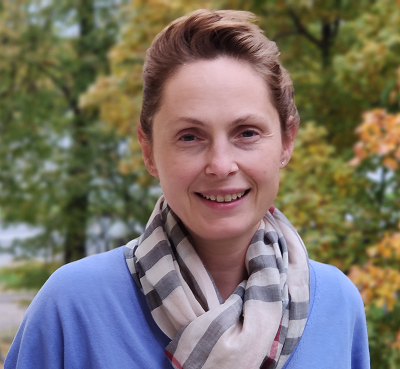
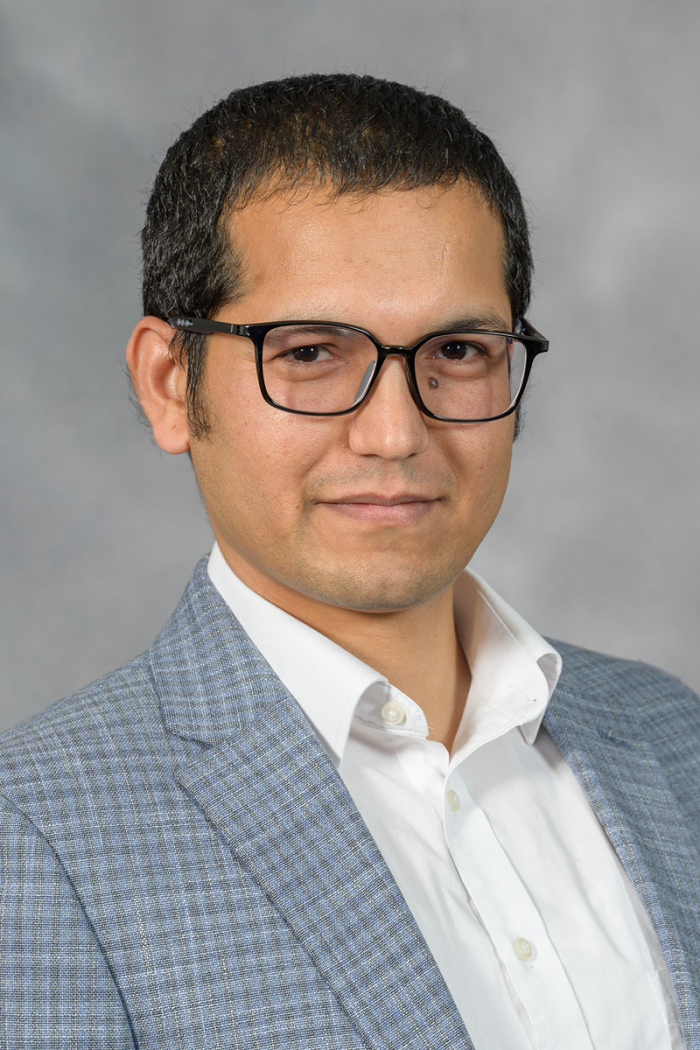
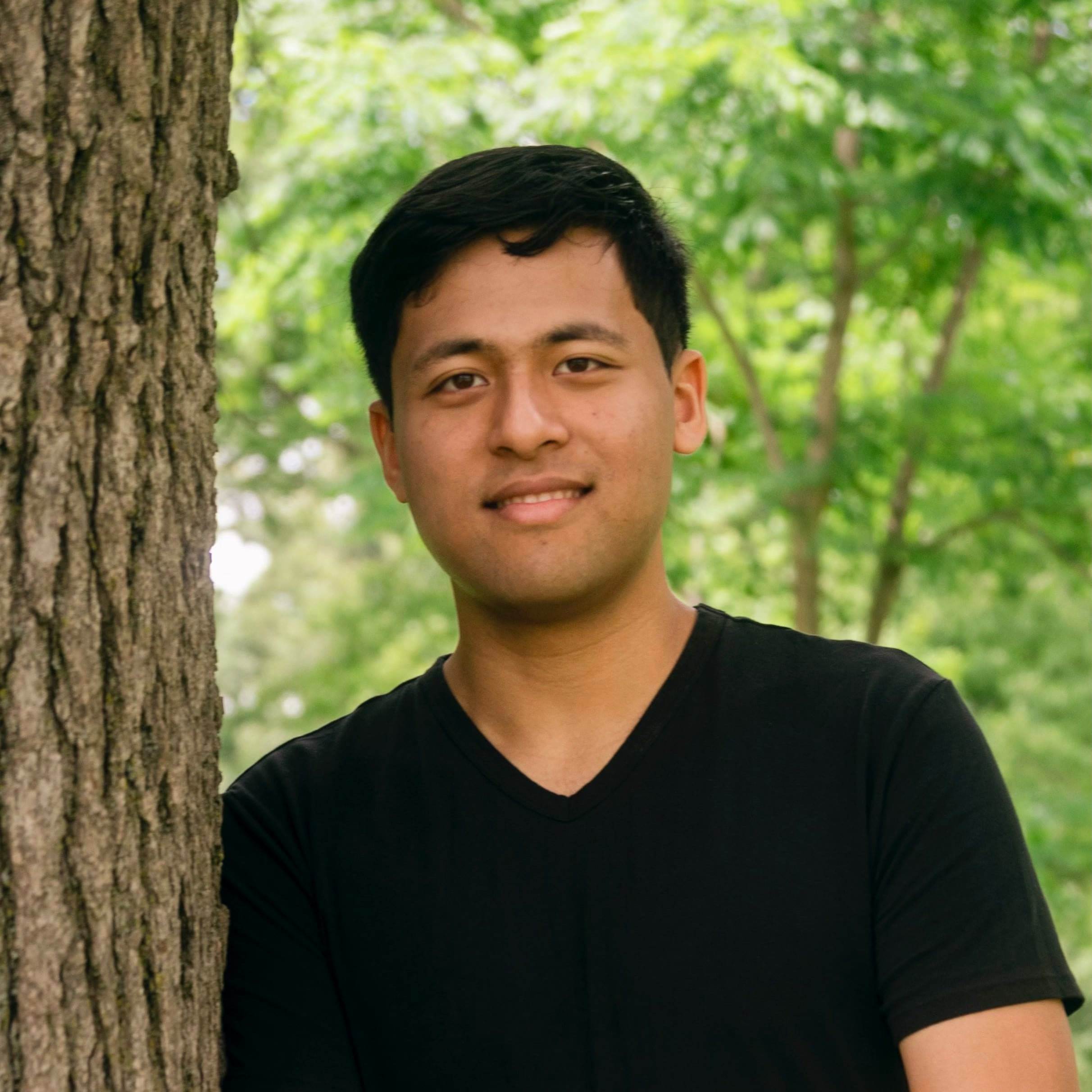
Olga Klopp is a Professor of Statistics at ESSEC Business School and a permanent member of the CREST research center. Her work focuses on nonparametric estimation, high-dimensional inference, network models, and matrix completion. Research spans theoretical and applied statistics Specializes in sparse/high-dimensional data and network analysis Develops algorithms for matrix completion and graphon estimation Recent research includes tensor decomposition for economic networks, detection of change-points in dynamic networks, and handling missing data in epidemic modeling. She has received ERC and ANR grants for innovative projects. PhD Students: Solenne Gaucher, Mokhtar Alaya, Guillermo Martin Key methodological contributions in low-rank modeling and robust estimation
Miguel D. Mahecha is a Full Professor of Environmental Data Science and Remote Sensing at the University of Leipzig's Faculty of Physics and Earth System Sciences, where he serves as Institute Head of the Institute for Earth System Science and Remote Sensing. He is also a key figure at the Remote Sensing Centre for Earth System Research, a collaborative initiative between Leipzig University and the Helmholtz Centre for Environmental Research (UFZ). His academic positions include being a Principal Investigator in the Centre for Scalable Data Analytics and Artificial Intelligence and co-spokesperson for the National Research Data Infrastructure for Earth System Sciences (NFDI4Earth). Mahecha's research focuses on understanding ecosystem responses to climate extremes and human-environment relationships during these extreme events. His work spans macro-ecological dynamics, ecosystem functioning, and the development of Earth System Data Cube methodologies that combine empirical methods with theoretical understanding. His research employs data-driven approaches and high-dimensional Earth observations to unravel complex interactions within the Earth system. His recent publications reveal a strong emphasis on compound climate extremes, Earth system data cubes, and AI applications in environmental science. Mahecha's work frequently addresses the intersection of biodiversity, climate extremes, and ecosystem functioning, with particular attention to developing novel methodologies for analyzing spatiotemporal patterns in Earth system data. Fellow of the European Laboratory for Learning and Intelligent Systems Member of the German Centre for Integrative Biodiversity Research (iDiv) Co-spokesperson for NFDI4Earth Principal Investigator in the Centre for Scalable Data Analytics and Artificial Intelligence Mahecha leads multiple significant research projects including Digital Forest (real-time forest monitoring), NFDI4BioDiversity (biodiversity data infrastructure), and XAIDA (AI for detection and attribution of extreme events). His teaching portfolio covers fundamental and advanced topics in physical geography, Earth system components, and geospatial data analysis, reflecting his commitment to training the next generation of Earth system scientists.
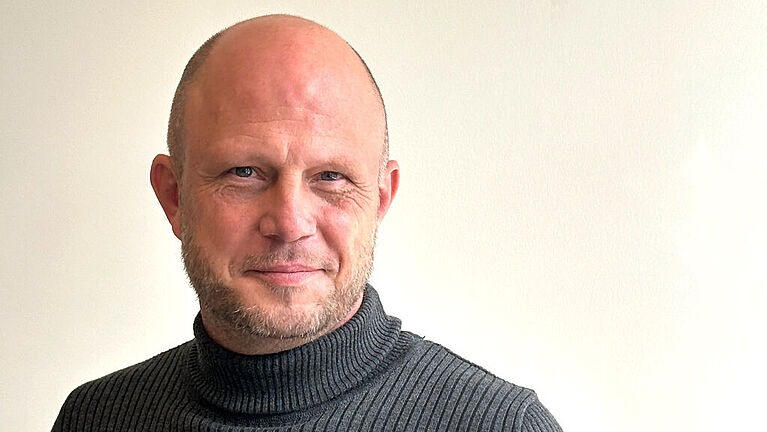
Sven Gehrke is a Professor of Business Informatics at Fachhochschule Erfurt (University of Applied Sciences Erfurt) in Germany, affiliated with the School of Economics, Logistics, and Transport. His office is located at Altonaer Straße 25, and he holds office hours on Tuesdays from 1:00 pm to 2:00 pm by prior appointment. His research interests include: IT service management and governance Machine learning, particularly methods for dimensionality reduction of high-dimensional data Social media data analysis and its applications in scientific research Data analytics process trust from stakeholder perspectives Professor Gehrke's recent publications demonstrate a strong interdisciplinary approach that bridges business informatics with medical applications, social media analysis, and business process management. His work spans from medical image enhancement systems for laryngeal lesion detection to comparative analyses of social media versus traditional panel data, and from process organization in crisis situations to decision support systems incorporating user-generated content. His teaching responsibilities include: Winter semester: General Business Administration courses, organization, Internet and e-commerce Summer semester: Business Informatics and Modeling of business processes Professor Gehrke's professional background includes: Research assistant at the Chair of Business Information Systems at Friedrich Schiller University Jena Consultant at Peregrine Systems GmbH in Frankfurt Freelance management consultant specializing in ITSM/IT Governance
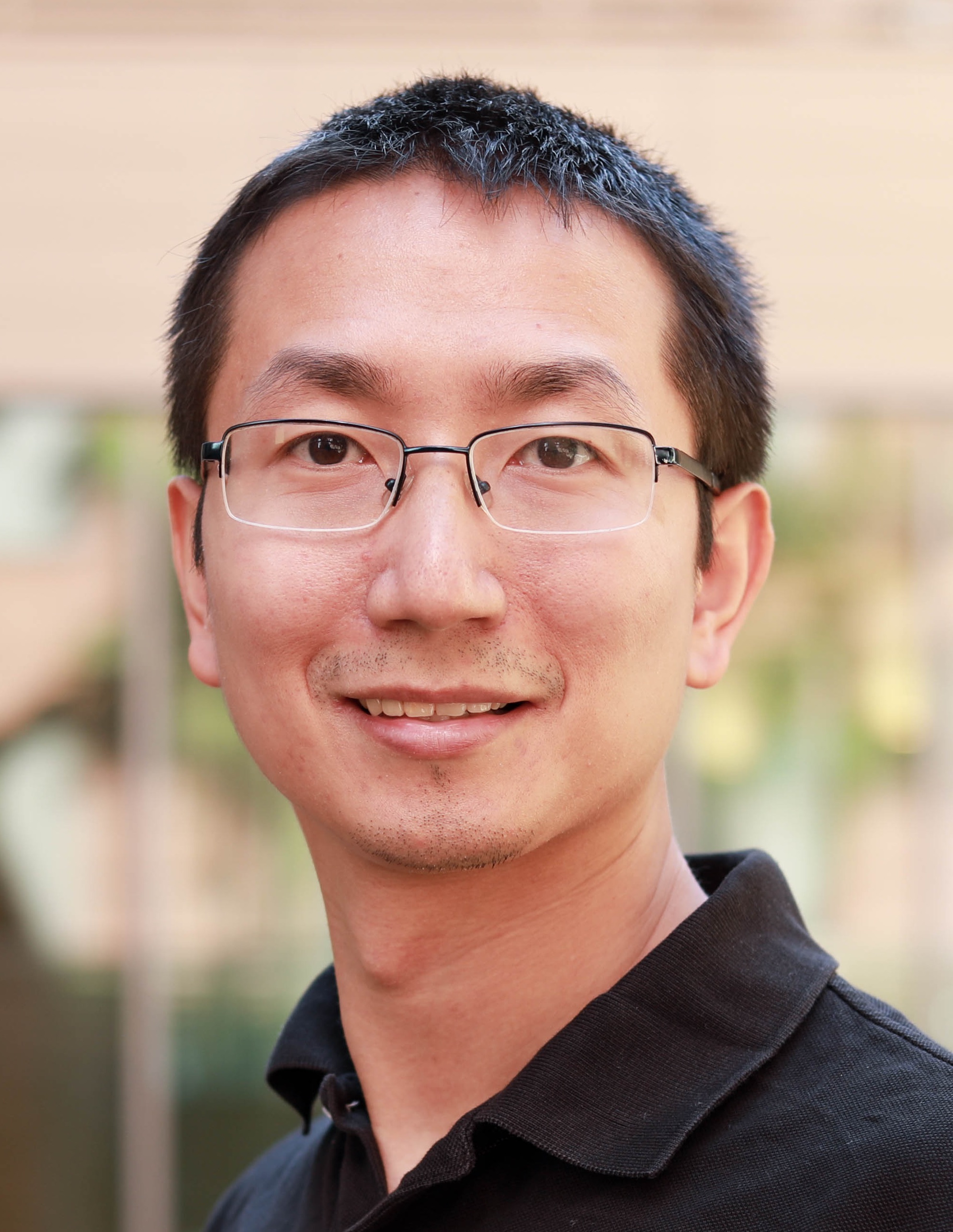
Quanquan Gu is an Assistant Professor in the Department of Computer Science at the University of California, Los Angeles (UCLA). His research spans machine learning, privacy-preserving algorithms, and distributed optimization, with applications in public health modeling and data science. Affiliation: Department of Computer Science, UCLA Academic Rank: Assistant Professor Gu's work addresses fundamental challenges in federated learning, non-convex optimization, and statistical learning. He has contributed to privacy-preserving methods like differentially private stochastic optimization and federated diffusion model training, while also exploring robustness in epidemic modeling under uncertainty. His recent publications highlight trends in privacy-preserving machine learning , including adaptive client sampling in federated systems and secure distributed non-convex optimization. He has also published on epidemiological forecasting , notably analyzing limitations in nationwide disease prediction models during the 2020-2021 pandemic period. Current advisees : 7 PhD students (including Yuan Cao, Jinghui Chen, Difan Zou) and 4 Master's students (Felicia Gao, Arjun Srinivasan) Alumni : 1 PhD graduate (Shi Pu) and 15 Master's graduates (including Xiao Zhang, Yaodong Yu, James Xie) Gu's teaching and research emphasize practical implementation of theoretical algorithms, with a focus on communication-efficient distributed learning and robust statistical estimation in high-dimensional settings.
Tao Xie is a Professor in the Department of Computer Science at San Diego State University, affiliated with the College of Sciences. His expertise spans high performance computing, storage systems, and distributed systems. He holds a PhD in Computer Science from New Mexico Institute of Mining and Technology (2006). His research focuses on storage systems , persistent memory architecture , near-data processing , and dynamic resource management . His recent work generalizes functional error correction for machine learning models and explores persistent spiral storage solutions. Xie has received multiple Outstanding College of Sciences Faculty Awards (2022, 2015, 2010) and an NSF Early CAREER Award (2009). He has advised numerous students in projects related to persistent memory , dynamic hashing , and garbage collection . His current grants include NSF-funded projects on persistent storage architecture and flash storage optimization.
Gustavo Adolfo Angulo Mendoza is a Lecturer and researcher specializing in educational technology at TÉLUQ University in Quebec, Canada. He serves as a regular research member of the Observatory of Digital Technology in Education (ONE) and co-heads research areas in 'Educational Engineering and Technopedagogical Dimensions' and 'Digital Technology and Health Training.' Additionally, he acts as an associate editor for the journal Médiations et médiatisations . Education: Doctorate (Ph.D.) in Educational Technology (2013-2020), Université Laval. Thesis: Strengthening the presence of research training in the second cycle of university through learning communities. Encouraging collaboration to modulate pedagogical distance . Master of Arts (M.A.) in Educational Technology and Educational Innovation (2009-2012), Tecnologico de Monterrey, Mexico. Thesis: Impact of the virtual laboratory on learning through the discovery of two-dimensional kinematics in secondary education students . Bachelor's Degree in Computer Engineering (1997-2001), Politecnico Grancolombiano, Colombia. His research focuses on digitally supported learning communities, learning analytics, and emerging technologies for education. He designs instructional systems and analyzes big data from e-learning environments to enhance digital pedagogy. His work emphasizes collaborative strategies to reduce pedagogical distance in graduate research training and explores applications in health education contexts. Professionally, he has served as a high school mathematics, science, and technology teacher in Colombia (2002-2012), developed online training systems at Université Laval (2013-2014), and worked as a research assistant at the SAVIE Public Research Center (2014-2018), designing educational games and analyzing research data. He currently delivers lectures on training system development across universities in Quebec, Latin America, and Spain. Research Leadership: Co-head of 'Educational Engineering and Technopedagogical Dimensions' research area Co-head of 'Digital Technology and Health Training' research area Associate editor, Médiations et médiatisations journal
Wei Chen serves as Professor of Pediatrics (primary appointment) with secondary appointments in Biostatistics and Human Genetics at the University of Pittsburgh, where he leads the Chen Lab focused on statistical genomics and computational biology. His research develops innovative methods for analyzing high-throughput genomic data to study complex diseases including childhood asthma, age-related macular degeneration, and COPD. Dr. Chen earned his PhD in Biostatistics from the University of Michigan, MS in Mathematics from Michigan State University, and BS in Mathematics from Nanjing University. His expertise bridges mathematical theory with biomedical applications through rigorous statistical modeling. His research program centers on creating computational frameworks for single-cell and spatial multi-omics data integration, with particular emphasis on developing novel algorithms for doublet detection, spatial transcriptomics super-resolution, and longitudinal disease progression modeling. Current projects leverage bulk and single-cell multi-omics (DNA-seq, RNA-seq, methylation, ATAC-seq, Spatial Transcriptomics) to uncover disease mechanisms in pediatric asthma and macular degeneration. Recent publications demonstrate consistent leadership in statistical genomics, with 2024-2025 work advancing spatial transcriptomics transformer models and pediatric asthma endotype characterization published in Nature Communications and JAMA. His research shows increasing focus on multi-modal data integration and clinical translation of genomic findings. Pediatric Discovery Award from Department of Pediatrics (2025) Secretary of Chinese-American Lung Association (2024) Chapter Representative, Pittsburgh Chapter American Association Society (2024) Dr. Chen actively mentors 6 current PhD students and has guided over 20 trainees to successful careers in academia and industry. His lab secures substantial external funding including NIH R01 grants from NEI, NHGRI, NHLBI, NIAMS, and NIDDK, plus support from NSF, Scleroderma Research Foundation, Helmsley Charitable Trust, and UPMC. Recent grants include an NIAMS R01 for scleroderma subgroup identification and DoD funding for pediatric scleroderma multi-omics studies. The Chen Lab operates within the Rangos Research Building at Children's Hospital of Pittsburgh, maintaining a collaborative environment with biostatisticians, geneticists, and clinicians. Current projects integrate spatial transcriptomics with histology imaging and develop AI-driven models for disease progression prediction, supported by active partnerships with NIH institutes and disease-specific foundations.
Dr. Balz S. Kamber is a distinguished professor of geochemistry with over two decades of research experience, evidenced by 243 publications spanning from 2003 to 2025. His scholarly work focuses on the geochemical evolution of Earth, particularly the early history of our planet, mantle processes, and crustal formation. Dr. Kamber has published extensively in top-tier journals including Nature, Nature Communications, and Earth and Planetary Science Letters, demonstrating significant contributions to Earth sciences. Dr. Kamber's research spans multiple interconnected domains of Earth sciences. His primary expertise lies in isotope geochemistry, where he has pioneered methods for analyzing lead, sulfur, and rare earth element systems to unravel Earth's early history. His work on Archean geology has provided crucial insights into the formation of continental crust and mantle processes during Earth's formative years. Notably, his research integrates advanced analytical techniques with theoretical modeling to understand fundamental planetary processes, with particular emphasis on high-precision geochemical measurements and innovative imaging methods. Analysis of Dr. Kamber's publication trends reveals a clear evolution toward more sophisticated analytical approaches. His recent work (2022-2025) increasingly incorporates machine learning algorithms and advanced computational techniques for processing geochemical data. This interdisciplinary approach bridges traditional geoscience with data science, enabling more nuanced interpretations of complex geological systems. His research consistently addresses fundamental questions about planetary formation while developing methodological innovations that advance the entire field of geochemistry. Dr. Kamber's collaborative network spans the global geoscience community, with co-authors from numerous international institutions. His work on analytical methods suggests leadership in laboratory facilities for advanced geochemical analysis, including mass spectrometry and microscopy equipment. The breadth of his research topics indicates involvement in multiple projects addressing different aspects of Earth's geochemical evolution, from early crust formation to modern analytical techniques.
Dr. Alexander Hagg is a Researcher at Hochschule Bonn-Rhein-Sieg (H-BRS) in the Department of Engineering and Communication, affiliated with the Institute of Technology, Resource Conservation and Energy Efficiency (TREE). With a PhD from Leiden University, he specializes in evolutionary computation, machine learning, and computer-aided ideation, focusing on applications in climate adaptation, energy efficiency, and resource conservation. His work bridges theoretical research with practical applications across multiple domains including urban planning, computational chemistry, and robotics. PhD in Computer Aided Ideation (2017-2020) - Leiden University Master's in Autonomous Systems (2013-2016) - Bonn-Rhein-Sieg University of Applied Sciences Bachelor's in Computer Science (2009-2013) - Bonn-Rhein-Sieg University of Applied Sciences Dr. Hagg's research centers on efficient computer-aided ideation algorithms that help understand early on what good solutions to complex problems might look like. His primary focus is on quality diversity algorithms, which efficiently create diverse sets of high-performing solutions to inform engineers' intuition. His work spans multiple application domains including urban climate resilience, structural chemistry, robotics, and digital twins for urban planning. He is particularly interested in how AI can serve as a co-designer, helping humans explore and understand complex optimization and data domains. His recent publications reveal a strong trend toward applying evolutionary computation and machine learning to real-world engineering problems. A significant portion of his work focuses on computational chemistry and force-field parameter optimization, where machine learning substitutes expensive molecular dynamics calculations. Another major theme involves quality diversity algorithms applied to urban planning and building design. His research consistently emphasizes practical applications in climate adaptation and resource efficiency, with growing interest in digital twins for urban sustainability. 2023: GECCO Best Paper Award (honourable mention) 2022: ACM SIGEVO Best Dissertation Award (honourable mention) 2017: AFCEA Studienpreis 2017: GECCO Best Student Paper Award (honourable mention) 2016: RoboCup Symposium Best Paper Award Dr. Hagg has led multiple research projects including OpenSKIZZE (open-source tools for climate-adaptive urban development), Digital Twin-4-Multiphysics Lab (DT4MP), and KISs-BiS (AI for elite sports). He teaches courses on evolutionary computation, AI, and machine learning, and has developed workshops on digital twins for urban sustainability. His research is supported by collaborations with institutions including University of Siegen, University College London, University of Leiden, and various Fraunhofer institutes. He leads the Digital Twin-4-Multiphysics Lab (DT4MP) which focuses on urban digital twins and multiphysics twins for industry. Dr. Hagg is also active in several research groups including the Computational Chemistry Working Group at H-BRS and serves as a representative for H-BRS in the GeoIT Round Table NRW. His work often involves interdisciplinary teams spanning computer science, engineering, urban planning, and environmental science.
Bhramar Mukherjee is a John D. Kalbfleisch Collegiate Professor of Biostatistics at the University of Michigan's School of Public Health, also holding professorships in the Department of Epidemiology and Global Public Health. She chairs the Department of Biostatistics and serves as a faculty affiliate at MIDAS (Michigan Institute for Data Science). Her research focuses on Bayesian methods, gene-environment interactions, and scalable biobank data analysis. She has authored over 370 publications and led NSF/NIH-funded projects. Education: PhD, Statistics, Purdue University (2001) MS, Mathematical Statistics, Purdue University (1999) MStat, Applied Statistics and Data Analysis, Indian Statistical Institute (1996) BSc, Statistics, Presidency College (1994) Research Interests: Integrating genetic, environmental, and phenomic data; electronic health record analysis; pandemic modeling (e.g., SARS-CoV-2 in India); and addressing selection bias in healthcare data. Her work spans cancer, cardiovascular diseases, and environmental epidemiology. Awards: Member, National Academy of Medicine (2023) Fellow, American Statistical Association Fellow, American Association for the Advancement of Science Janet Norwood Award (2019) Leadership Roles: Former Chair of Biostatistics (2018–2024), Associate Director of Quantitative Data Sciences at the Rogel Cancer Center, and co-founder of the Big Data Summer Institute. She contributed to pandemic modeling during the 2020–2021 global crisis.
Ryan Tibshirani is a Professor of Statistics at the University of California, Berkeley, and Principal Investigator in the Delphi group. Previously, he was faculty at Carnegie Mellon University (2011–2022). He holds a Ph.D. in Statistics (2011) and a B.S. in Mathematics (2007) from Stanford University. His research focuses on high-dimensional statistics, nonparametric methods, distribution-free inference, and machine learning, with applied work in computational epidemiology, particularly tracking and forecasting epidemics like influenza and COVID-19. He has contributed to open-source tools like the conformalInference R package for predictive inference. Education: Ph.D. in Statistics, Stanford University (2011); B.S. in Mathematics, Stanford University (2007). Professional service includes Editor-in-Chief roles for Foundations and Trends in Machine Learning and Statistics, and membership in the Institute of Mathematical Statistics Council. Research interests span theoretical and applied statistics, including convex optimization, numerical methods, and collaborative efforts in public health forecasting. His work on the Delphi group has advanced real-time epidemic monitoring via sensor fusion and probabilistic forecasting. Recent projects address challenges in estimating time-varying epidemic severity and improving predictive model calibration under distribution shifts. Key contributions include unifying conformal prediction theories, developing trend filtering methods for lattice data, and advancing understanding of cross-validation in overparameterized models. His software tools emphasize reproducibility and scalability for large-scale statistical tasks.
Dr. Ramchandra Rimal is an Assistant Professor in the Department of Mathematical Sciences at Middle Tennessee State University (MTSU), specializing in Data Science. He holds a PhD from the University of Central Florida (2020), an MS from UCF (2017), and a BS from Tribhuvan University (2009). His research focuses on Machine Learning, Statistical Network Models, and Classification/Clustering, with applications across diverse fields such as healthcare, finance, and biological sciences. He develops novel methodologies to solve real-world problems, including predictive modeling for stock markets, neurocognitive analysis, and network topology estimation. Dr. Rimal has published in top journals like the Journal of the Royal Statistical Society and Journal of Machine Learning Research , with notable contributions to stochastic block models, density deconvolution, and deep learning frameworks. His work bridges theoretical advancements with practical applications in data-driven decision making. Awards: 2019 UCF Graduate Research Excellence Award, 2018 UCF Teaching Assistant Award Teaching: Courses include Probability & Statistics, Applied Predictive Modeling, and Data Science graduate programs at MTSU. He actively presents at conferences such as the Symposium on Data Science and the Southeastern International Conference on Combinatorics. His research group collaborates on interdisciplinary projects, emphasizing both computational innovation and domain-specific relevance.
Dr. Jose Sanchez Bornot is a Researcher in the School of Computing, Engineering and Intelligent Systems at Ulster University. His work focuses on computational neuroscience, machine learning applications in healthcare, and neuroimaging techniques. He specializes in developing advanced algorithms for analyzing magnetoencephalography (MEG), electroencephalography (EEG), and functional MRI (fMRI) data to identify biomarkers for neurological disorders, particularly Alzheimer's disease and mild cognitive impairment. His research integrates physics-informed neural networks, graph neural networks, and state-space models to enhance diagnostic accuracy and understand neural mechanisms. Key research interests include: computational modeling of brain dynamics, biomarker detection through multimodal data fusion (MEG/MRI), functional connectivity analysis, and machine learning for medical diagnostics. Recent work emphasizes improving Alzheimer's intervention strategies via combined MEG-MRI pipelines and exploring the role of excitatory-inhibitory balance in neural disorders. Publications highlight trends in applying advanced mathematical techniques (e.g., penalized regression, autoencoders) to solve ill-posed inverse problems in neuroimaging. His methods address challenges like missing data imputation and cross-frequency interactions in complex brain networks. Contributions span theoretical developments (e.g., modified Newton-Raphson algorithms) and practical applications in clinical settings.
Alan Welsh is the E.J. Hannan Professor of Statistics at the Australian National University (ANU), affiliated with the Research School of Finance, Actuarial Studies & Statistics. He holds prestigious fellowships from the Australian Academy of Science, Institute of Mathematical Statistics, and American Statistical Association. His research focuses on statistical inference, mixed models, robustness, nonparametric methods, ecological monitoring, and survey analysis. Education: PhD in Statistics (ANU, 1984) and BSc (Hons) in Mathematical Statistics (University of Sydney, 1981). Research interests emphasize advanced statistical methodologies with applications in ecology, environmental science, and healthcare. He has authored over 176 publications and secured funding through grants like 'Analytics for the Australian Grains Industry' (2024–2027) and 'Statistical Machine Learning' (2019–2024). His work spans high-dimensional data analysis, copula-enhanced models for medical imaging (e.g., myopia screening via fundus images), and spatial-temporal modeling of environmental data. He has also contributed to statistical software, notably the 'rpql' and 'mplot' R packages. Awards: Moran Medal (1990), Pitman Medal (2012), E.J. Hannan Medal (2019), and Honorary Life Membership (International Biometric Society, 2018). Welsh has advised numerous research students and served as Editor-in-Chief of the Australian and New Zealand Journal of Statistics (2012–2015) and Co-Editor of Biometrics (2020–2022). His current projects address challenges in big data analysis, robust estimation, and model selection for complex datasets.
Yang P. Liu is an Assistant Professor in the Computer Science Department at Carnegie Mellon University. Previously, he was a Postdoctoral Member at the Institute for Advanced Study and earned his PhD from Stanford University under the supervision of Aaron Sidford. His research focuses on theoretical computer science and mathematics, emphasizing graph algorithms, optimization, high-dimensional geometry, and additive combinatorics. He has received notable awards including the A.W. Tucker Prize and Google PhD Fellowship, alongside multiple best paper recognitions at major conferences like FOCS, STOC, and ITCS. Education: PhD in Computer Science from Stanford University (2023); BS from MIT (2018). Research Interests: Graph Algorithms Optimization (especially convex and high-dimensional) Algorithmic Techniques in Additive Combinatorics Geometric and Structural Aspects of Computation Teaching: Currently instructing CS 15-759: A Principled Approach to Optimization (Spring 2025), covering topics like gradient descent, interior-point methods, and sparsification techniques. Course emphasizes rigorous mathematical foundations. Awards: Recognized for contributions to optimization theory and algorithmic complexity. His work bridges discrete mathematics and continuous optimization paradigms.