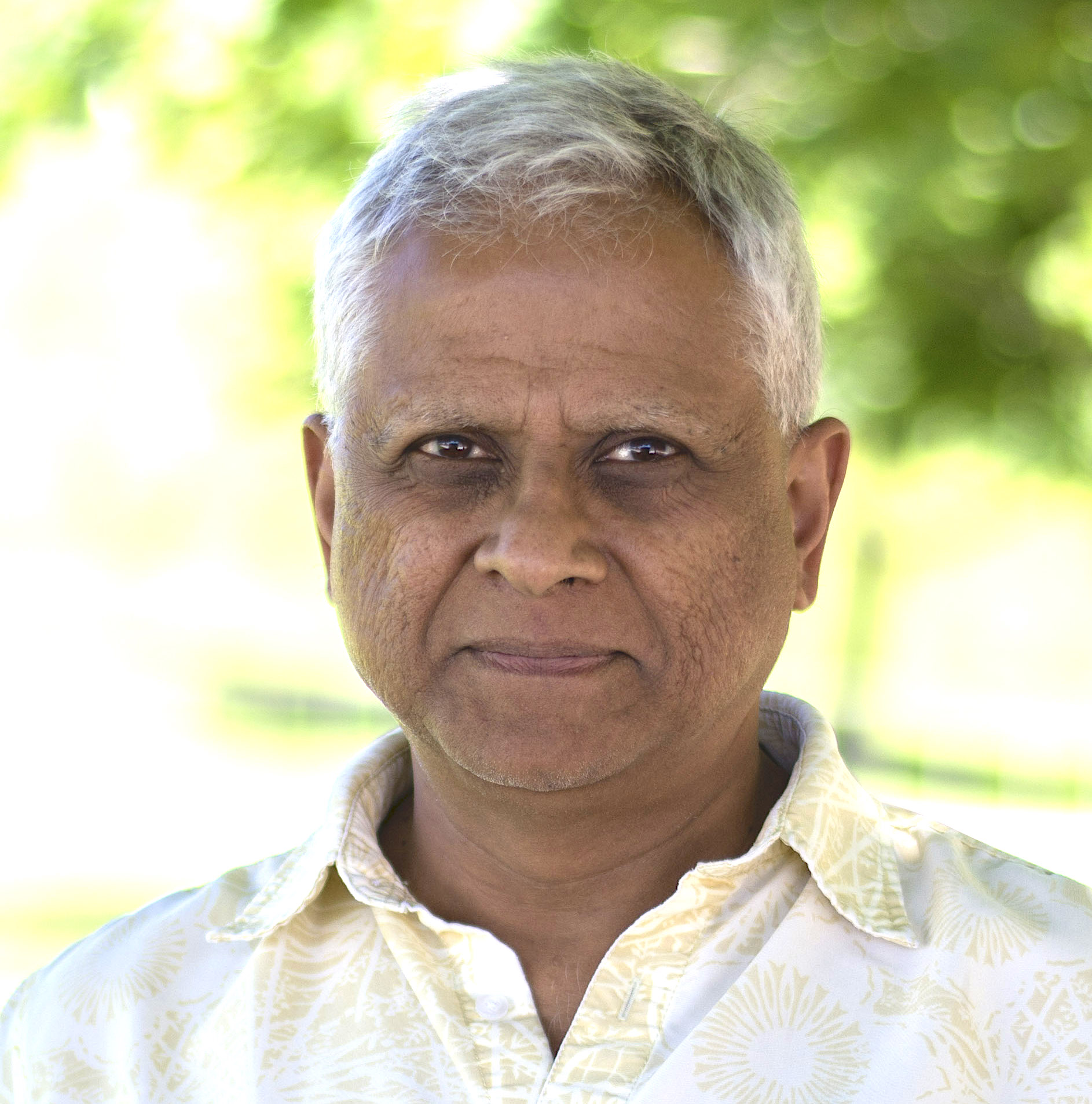
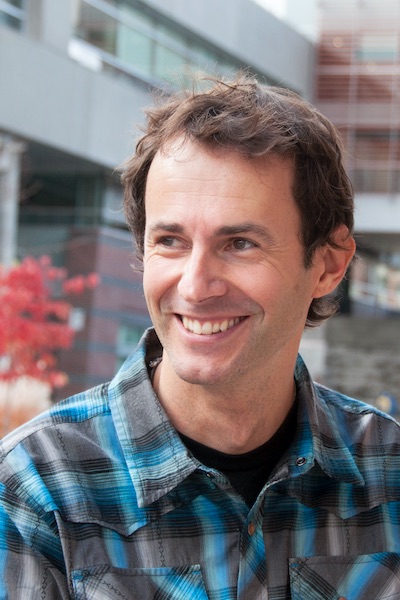
Ganesh Gopalakrishnan is a Professor of Computer Science at the University of Utah's School of Computing. His research focuses on software correctness, floating-point arithmetic, and formal methods for HPC applications. He leads the ComPort DOE project and NSF REU Site on Trust and Reproducibility. He has advised 26 PhD students and holds seven active NSF grants and a DOE award. Education: B.Sc.(EE), National Institute of Technology Calicut (1978) M.Tech (EE), Indian Institute of Technology Kanpur (1980) PhD in Computer Science, Stony Brook University (1986) Research Interests: Formal methods, HPC correctness, GPU debugging, floating-point error analysis, neural network compression, and reproducible scientific computing. His tools include FPBoxer, HiRace, and FPDetect. Awards & Recognition: ACM Distinguished Scientist IEEE Senior Member University of Utah Beacon of Excellence Award (2012) NSF and DOE funding leadership Labs & Projects: Principal Investigator of the ComPort project (DOE) and NSF REU Site. Co-developed the Jove system for automata education and the Flit floating-point testing framework.
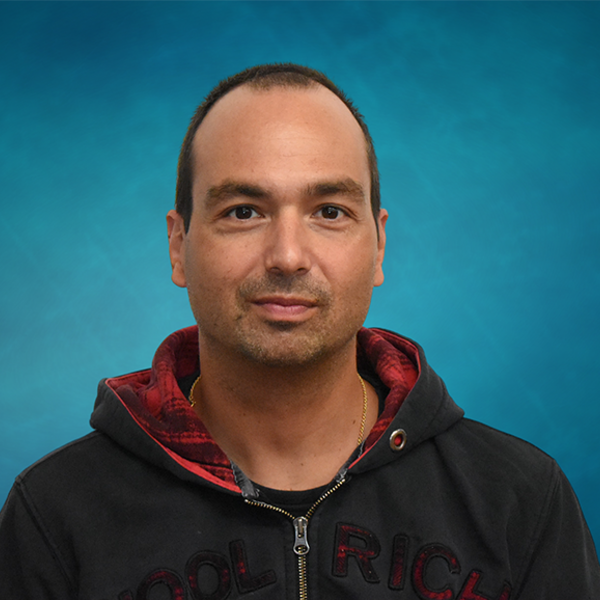
Dr. Mary Hall is a Professor in the School of Computing at the University of Utah, specializing in compiler optimization, parallel computing, and high-performance computing (HPC). Her work focuses on autotuning techniques, compiler-driven performance optimization, and minimizing data movement in computations to enhance efficiency. She has contributed significantly to frameworks like Bricks and Peak , advancing code generation for GPUs and block-structured grids. Her research also addresses educational initiatives, such as improving student retention in introductory computing courses and fostering diversity in the computing workforce through NSF-funded programs. Her research interests span compiler technology, stencil computations, and energy-efficient HPC applications. Key projects include optimizing geometric multigrid methods, developing communication-avoiding algorithms, and integrating machine learning into autotuning. She has led efforts to streamline performance portability across heterogeneous architectures and has published extensively on scheduling languages and compiler-driven optimizations. Mary Hall’s contributions include advancing data layout strategies for sparse tensors and DNNs, as well as fostering reproducibility in computational research through collaborative NSF REU programs. Her work emphasizes practical tools like ytopt and Rigel , which automate performance tuning for scientific applications. She remains active in both academic and industrial HPC communities, addressing challenges in extreme heterogeneity and scalable computing.
Hadi El-Amine is an Associate Professor at George Mason University's Department of Systems Engineering and Operations Research, focusing on applying operations research to healthcare and public policy challenges. His methodological expertise spans stochastic and robust optimization, probability theory, and resource allocation under uncertainty. PhD in Operations Research from Virginia Tech (2012) MS in Engineering Management and BS in Electrical and Computer Engineering from American University of Beirut, Lebanon His research addresses critical healthcare issues through mathematical modeling, including blood bank safety, pandemic control, organ transplantation logistics, and surgical infection risk assessment. Recent work explores fair clustering algorithms, risk-based quarantine policies, and incentive design for absenteeism reduction. Scientific awards include the 2015 INFORMS Bonder Scholarship and finalist recognitions for the 2015 Pierskalla Award and 2014 Washington DC Student Excellence Competition. Collaborations with the American Red Cross have produced impactful blood screening strategies balancing safety and budget constraints.
Dr. Sara Ballouz is a Senior Lecturer at the University of New South Wales (UNSW) , affiliated with the Garvan Institute of Medical Research and the Garvan-Weizmann Centre for Cellular Genomics . Her research integrates computational and experimental approaches to understand the genetic architecture of disease , with a focus on X-linked disorders , sex differences in disease , and personalized medicine . 2013 - PhD, Victor Chang Cardiac Research Institute and UNSW 2008 - BE Bioinformatics (First Class Honours), UNSW 2008 - BSc Genetics, UNSW Her work addresses challenges in analyzing multi-omics data (genomes, transcriptomes, epigenomes, proteomes) to develop robust tools for personalized medicine. Key contributions include improving RNA-seq accuracy through pan-human consensus genomes and creating computational methods like AuPairWise and CoCoCoNet for co-expression analysis. She explores developmental stochasticity and its transcriptional legacy, alongside cross-tissue X-chromosome inactivation patterns. Recent publications emphasize single-cell transcriptomics applications in autoimmune diseases (e.g., X-linked chronic granulomatous disease ), long COVID immune dysregulation , and cardiometabolic disease treatment. Her group at Garvan-Weizmann Centre leverages computational genomics and meta-analysis to address reproducibility in biomedical research. Dr. Ballouz supervises students including Lachlan Gray , who investigates X chromosome roles in female autoimmune disease . She collaborates with institutions like Cold Spring Harbor Laboratory and Victor Chang Cardiac Research Institute . Email: s.ballouz@unsw.edu.au
Professor Martin Graves is Professor of Magnetic Resonance Physics at the University of Cambridge, holding appointments within the School of Clinical Medicine and Department of Radiology. Since 1996, he has led the MRI Physics group at Addenbrooke's Hospital in Cambridge and serves as Honorary Consultant Clinical Scientist for the NHS. His primary institutional affiliation is with the Cambridge Mathematics of Information in Healthcare (CMIH) Hub at the Centre for Mathematical Sciences. His research focuses on advanced magnetic resonance imaging techniques with particular emphasis on hyperpolarized carbon-13 MRI for metabolic imaging applications. Key research areas include cardiac imaging for myocardial infarction assessment, cancer metabolism studies in renal cell carcinoma and ovarian cancer, neuroimaging of brain metabolism, and development of quantitative MRI methodologies. His work bridges physics, clinical medicine, and computational analysis to address diagnostic challenges in cardiovascular disease, oncology, and neurology. Analysis of his recent publications (2021-2025) reveals strong trends in hyperpolarized pyruvate imaging for cancer treatment monitoring, radiomics for plaque vulnerability assessment, and technical innovations in zero echo-time MRI. His research consistently targets clinical translation of advanced MRI techniques, with substantial focus on quantitative biomarkers for early treatment response assessment. No scientific awards or honors are documented in the provided materials Graves maintains active clinical-academic integration through his NHS consultancy role while leading physics research within Cambridge's imaging infrastructure. His work demonstrates consistent collaboration across medical specialties including cardiology, oncology, and neurology, with emphasis on developing clinically viable quantitative imaging biomarkers. The CMIH Hub serves as his primary research platform for mathematical approaches to healthcare imaging challenges.
Zhuhao Wu serves as Assistant Professor of Neuroscience at the Brain and Mind Research Institute, Weill Cornell Medical College since 2022. His research integrates neurovascular biology, neural circuit mapping, and neurodegenerative mechanisms to understand brain organization and disease processes. Education: Ph.D. in Neuroscience, The Johns Hopkins University School of Medicine (2011) B.S. in Biological Sciences, Tsinghua University, China (2003) Research Focus: Dr. Wu pioneers multi-scale investigations of neurovascular coupling , brain-wide circuit organization , and neurodegenerative pathways . His lab employs whole-brain imaging , single-cell transcriptomics , and genetic engineering in murine models to dissect mechanisms of stroke recovery, tau pathology, and developmental disorders. Current work emphasizes regional blood-brain barrier heterogeneity and axon degeneration pathways with therapeutic implications. Publication Trends: Recent work (2023-2025) reveals three convergent themes: (1) neurovascular dynamics in health/disease, (2) high-resolution brain atlasing techniques, and (3) molecular mechanisms of neurodegeneration. Publications in Cell , Nature , and Neuron demonstrate methodological innovation in circuit mapping and translational relevance to stroke, Alzheimer's, and autism spectrum disorders. Grant Portfolio: Principal Investigator Subaward: NINDS R01 Investigating Neurobiology of Early Cognitive Impairment (2024-2029) Principal Investigator Subaward: NINDS R01 Mechanisms of anosmia in COVID-19 (2023-2028) Principal Investigator Subaward: NINDS BRAIN CONNECTS Center for Large-scale Imaging (2023-2028) Principal Investigator Subaward: NINDS Global mapping of DDX3X mutation circuits (2023-2028) Principal Investigator Subaward: NIAID single-cell encephalitis pathogenesis (2023-2026) Dr. Wu leads a multidisciplinary team within the Brain and Mind Research Institute focused on developing HOLiS (whole-brain staining/clearing pipeline) and TrailMap for neural circuit analysis. His lab collaborates extensively on NIH BRAIN Initiative projects advancing large-scale connectome mapping.
Maureen A. Sartor is a Professor in the Department of Computational Medicine and Bioinformatics at the University of Michigan Medical School, with a joint appointment in Biostatistics at the School of Public Health. She serves as Co-Director of the Bioinformatics Graduate Program and leads an active research laboratory focused on computational biology. Education: PhD in Biostatistics, University of Cincinnati (2007) MS in Biomathematics, North Carolina State University (2000) BS in Mathematics with minors in Biology and Computer Science, Xavier University (1998) Research Focus: Dr. Sartor develops bioinformatics methods for analyzing high-throughput regulatory and epigenomic data. Her primary research examines cancer epigenomics and biomarker discovery in oral squamous cell carcinomas, with additional projects on ALS pathogenesis and computational methods for predicting chemical exposure-gene interactions. Her lab specializes in multi-omics analyses and tool development for genomic data interpretation. Publication Trends: Her recent work (2016-2022) demonstrates strong emphasis on HPV-related head/neck cancer biology, epigenetic regulation mechanisms (DNA methylation/hydroxymethylation), and development of bioinformatics tools for genomic region annotation and enrichment analysis. Publications consistently integrate computational method development with translational cancer research applications. Student Advising: Actively mentors graduate students across bioinformatics, biostatistics, and cancer biology programs. Current advisees include 8 PhD candidates and 1 MS student. Previously advised 6 PhD graduates now working in academia and industry. Laboratory Leadership: Directs the Sartor Lab emphasizing collaborative science and Michigan Medicine's core values (Caring, Integrity, Teamwork, Innovation). Research activities focus on cancer epigenomics, HPV oncology, and bioinformatics tool development for the research community.
Dr. Alraune Zech is an Assistant Professor for Computational Environmental Hydrogeology at Utrecht University, Faculty of Geosciences, Department of Earth Sciences, Hydrogeology group. Her research focuses on groundwater flow and transport processes in heterogeneous environments, with emphasis on practical applications in contaminated aquifers, PFAS remediation, and construction-related groundwater issues. She is affiliated with the Helmholtz-Centre for Environmental Research and serves as convener for EGU sessions on contaminant transport. Dr. Zech's educational background includes: PhD in Computational Hydrosystems from Friedrich-Schiller-University Jena and Helmholtz-Centre for Environmental Research (2010-2013) Prediploma Degree in Business Mathematics from University Leipzig (2011) Diploma in Mathematics with minor in Chemistry from University Leipzig (2003-2009) Her research interests span hydrogeology, groundwater modeling, and environmental remediation. She specializes in stochastic and computational modeling of subsurface processes, with focus on contaminated aquifers, PFAS removal strategies, biodegradation, bioremediation, and heat transport in the subsurface. Her work bridges theoretical approaches with practical applications in construction engineering and environmental protection. Analysis of Dr. Zech's recent publications (2021-2025) reveals strong focus on advancing hydrogeological modeling techniques, particularly in aquifer heterogeneity characterization, machine learning applications in hydrogeology, and practical remediation strategies. Her work spans fundamental research on pore-scale processes to field-scale applications, with increasing integration of artificial intelligence methods for solving complex groundwater problems. Dr. Zech leads several significant research projects: Living Lab PFAS Remediation (2024-2028): Developing strategies for PFAS contamination SilPit (2024-2028): Studying erosion of silicate grouting in construction pits MIBIREM (2022-2027): Creating innovative technological toolbox for bioremediation She actively supervises multiple PhD students including Alexandra Hockin, Kim Bartsch, Mahammad Valibeknejad, Sona Aseyednezad, Hannah Gebhardt, and Martijn van Leer. Her research is supported by funding from the Ministry of Infrastructure and Water Management, NWO, and EU Horizon programs.
Professor Silvio Franz is affiliated with the Department of Mathematics and Physics 'Ennio De Giorgi' at the University of Salento (Italy). His research career spans over 30 years with 110+ publications, focusing on the statistical mechanics of disordered systems and their interdisciplinary applications. Key contributions include the development of the Franz-Parisi potential for studying glass transitions and rigorous mathematical frameworks for spin glasses. PhD in Theoretical Physics Full Professor at University of Salento Research Interests center on spin glasses and glassy systems , with applications to: Theoretical Neuroscience Machine Learning Population Genetics Constraint Satisfaction Problems Random Matrix Theory Theoretical Computer Science His work connects statistical physics to: Information Theory Optimization Algorithms Neural Network Modeling Evolutionary Biology Complex Systems Theory Key Publications demonstrate: Landau theory for glasses Universality in jamming transitions Stochastic stability analysis Effective temperature formulations Replica symmetry breaking Applications to error-correcting codes
Andrew Jirasek is a Professor at the Irving K. Barber Faculty of Science , University of British Columbia Okanagan , and serves as the Associate Dean for Graduate and Postdoctoral Training . He leads the Analytics in Medical Sciences (AiMS) Institute with a focus on Medical Physics and Radiation Oncology Physics , particularly utilizing Raman spectroscopy and 3D radiation dosimetry for cancer treatment verification. PhD from University of British Columbia His research involves developing polymer gel dosimeters for 3D radiation dose verification in complex therapies like volumetric modulated arc therapy (VMAT) , collaborating across physics, oncology, and engineering . He also investigates optical technologies to monitor biological responses during radiotherapy using Raman spectroscopy with machine learning for data analysis. Recent publications highlight advancements in 3D gel dosimetry , Raman spectroscopy for metabolic profiling , and iterative image reconstruction algorithms . His work spans dosimeter technology development , radiation therapy quality assurance , and clinical applicability studies for novel treatment verification methods.
Zehang Richard Li is an Assistant Professor in the Department of Statistics at the University of California Santa Cruz. His research focuses on statistical methods for demography, epidemiology, and global health, with expertise in latent variable modeling, space-time models, survey sampling, data integration, and weakly supervised learning. He develops workflows and pipelines for complex statistical analysis and real-world data-driven decision-making. Ph.D. in Statistics from the University of Washington (advisor: Tyler McCormick) Postdoctoral Researcher at Yale School of Public Health (Department of Biostatistics, advisor: Forrest Crawford) His work emphasizes high-dimensional data and uncertainty quantification in prevalence mapping. He leads the development of the SUMMER R package and SAE4Health platform, including ShinyApps for subnational health indicator analysis. Current projects address farmworker health under climate change through a UCOP grant and Bayesian frameworks for integrating verbal autopsy data via NIH funding. Recent publications highlight methodological advances in small area estimation, verbal autopsy analysis, and pandemic modeling. Key article themes include: Bayesian hierarchical modeling and tensor decomposition (2025) Domain adaptation for cross-population cause assignment (2024) Verbal autopsy validation and diagnostic accuracy (2023) Bayesian multilevel poststratification for disease prevalence (2022) Respiratory virus transmission dynamics and immune mechanisms (2021) Grants supporting his research include: National Institutes of Health Melinda and Bill Gates Foundation Vital Strategies Hellman Fellows Program University of California Office of President (UCOP) UCSC Committee on Research He advises Ph.D. students Yu (Zoey) Zhu, Qianyu Dong, Sho Kawano, and Toshiya Yoshida, all of whom have received academic recognition for their work on Bayesian models, small area estimation, and prevalence mapping.
Frédéric Valentin is a Senior Researcher at the National Laboratory for Scientific Computing (LNCC) in Brazil, where he led the Department of Computational and Mathematical Methods from 2015 to 2021. He holds an INRIA International Chair (2018–2023) and served on the applied mathematics board of Brazil's National Science Foundation (CNPq) from 2017 to 2020. He currently leads the IPES Research Group and acts as the Brazilian Scientific Director for the Inria-Brasil partnership. His work focuses on computational and applied mathematics, particularly in developing innovative numerical methods for multiscale phenomena in engineering and life sciences. National Laboratory for Scientific Computing - LNCC (2015–2021) INRIA International Chair (2018–2023) Inria-Brasil Partnership (Scientific Director) Valentin's research involves partial differential equations, finite element methods, domain decomposition, and numerical analysis. He explores the integration of numerical algorithms with machine learning and high-performance computing, including applications to supercomputing projects like the Brazil-European Community's HPC4E initiative. His publications span over 60 high-impact journal articles and book chapters, primarily in computational mathematics and numerical analysis. He has co-advised over a dozen PhD students and postdoctoral researchers, contributing to international collaborations and advancing multiscale modeling techniques. Notably, he played a pivotal role in developing the Santos Dumont petaflop supercomputer at LNCC, the most advanced in Latin America.
Laxmidhar Behera is a Professor in the Department of Electrical Engineering at the Indian Institute of Technology Kanpur, specializing in Intelligent Systems and Control. With over two decades of academic experience at IIT Kanpur and international research experience at institutions including Fraunhofer Institute of Autonomous Intelligent Systems in Germany, ETH Zurich, and University of Ulster, he has established himself as a leading researcher in cognitive robotics and intelligent control systems. Dr. Behera's research spans multiple cutting-edge domains including Cognitive Robotics, Nano-robotics, Vision based Control, Soft Computing, Information Retrieval in music and language, Semantic Information Processing, Physics of Complex Systems, Cyber Physical Systems, Formation Control of UAVs, Brain-Computer Interface (BCI), and Sanskrit Computational Linguistics. His interdisciplinary approach bridges traditional control theory with modern computational intelligence techniques, creating innovative solutions for complex real-world problems. His extensive publication record in top-tier journals like IEEE Transactions demonstrates his leadership in areas such as brain-computer interfaces, visual servoing, multi-robot systems, and music information retrieval. Notably, his work on quantum neural networks for EEG filtering and multisatellite formation control has received significant attention in the research community. UKIERI Standard Research Award 2008 Best Paper at International Conf. on Intelligent Sensors and Information Processing (ICISIP-2004) Best Paper at WoSco,02, Int. Conf. High-Performance Computing (HiPC, 2002) AICTE career award for young teacher (1997) Senior Member IEEE Multiple IEEE top accessed articles (2009-2010) As an Associate Editor for Autosoft Journal and Technical Committee Member for Intelligent Control at IEEE Control System Society, Dr. Behera actively contributes to the academic community. His laboratory in the Western Lab - 212A of the Department of Electrical Engineering serves as a hub for research in intelligent systems, where he mentors students and collaborates with researchers worldwide on cutting-edge projects in robotics, control systems, and computational intelligence.
Patricia Martinkova is an Associate Professor at the Faculty of Education, Charles University , a Senior Researcher leading the Department of Statistical Modelling at the Institute of Computer Science, Czech Academy of Sciences , and an Affiliate Associate Professor at the University of Washington (Statistics and Social Sciences). She is also the founder of the Computational Psychometrics Group and the Center for Educational Measurement and Psychometrics at Charles University. Her research focuses on advanced psychometric models and estimators for granular insights in education, psychology, and health, with emphasis on inter-rater reliability , differential item functioning (DIF) , and reproducible research via tools like ShinyItemAnalysis . She has developed software packages ( difNLR , SIAmodules , SIAtools ) and authored the book Computational Aspects of Psychometric Methods. With R (2023). Recent projects include the 2025–2027 EduCoDe (Czech Science Foundation) and 2024–2028 Digital Technologies and Wellbeing (EU-funded). She has received recognition as a Fulbright Alumna (2013–2015) and organized the IMPS 2024 conference (570+ participants). Teaching includes courses on Statistical Methods in Psychometrics and Item Response Theory , incorporating active learning and R-based tools.
Giorgio Scorzelli is a researcher at the University of Utah, serving as Director of Software Development for the Center for Extreme Data Management, Analysis, and Visualization (CEDMAV) and the National Science Data Fabric (NSDF) . He specializes in extreme data management, scientific visualization, and computational topology, with a focus on scalable solutions for climate science, materials science, and neuroscience datasets. His work emphasizes democratizing data access through platforms like OpenVisus , enabling efficient analysis of petascale and exascale data. Key contributions include orchestrating cyberinfrastructure, optimizing parallel I/O, and developing real-time visualization systems for heterogeneous resources. Notable scientific contributions include the NSF Grant #2127548 for NSDF development . His projects integrate cloud computing, geo-distributed storage, and FAIR digital objects to lower barriers to data democratization. Giorgio's research spans multi-resolution algorithms , computational topology , and 3D geometric modeling , with applications in infrastructure security, archaeological reconstruction, and biomedical imaging. His work bridges abstract mathematical frameworks (e.g., Boolean algebras, chain complexes) with practical software solutions.