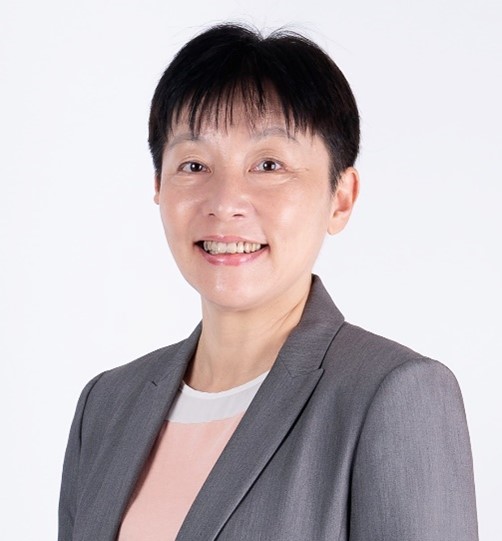
Liu Haiyan is an Associate Professor at NUS Medicine's Department of Microbiology and Immunology, leading research on tumor immunology and immunotherapy approaches for hepatocellular carcinoma. Her investigations focus on: Immunosuppressive mechanisms in the tumor microenvironment Novel cytokine-based immunotherapies γδ T cell engineering for adoptive therapies Overcoming resistance to checkpoint inhibitors Key findings include identifying IL-1α as a critical immunosuppressive factor regulated by calpain 1, and developing IL-12/18/21 preactivation strategies to enhance γδ T cell efficacy against PD-L1 resistant tumors. She received the NUSMed Fortitude Award in 2021 for her research contributions.
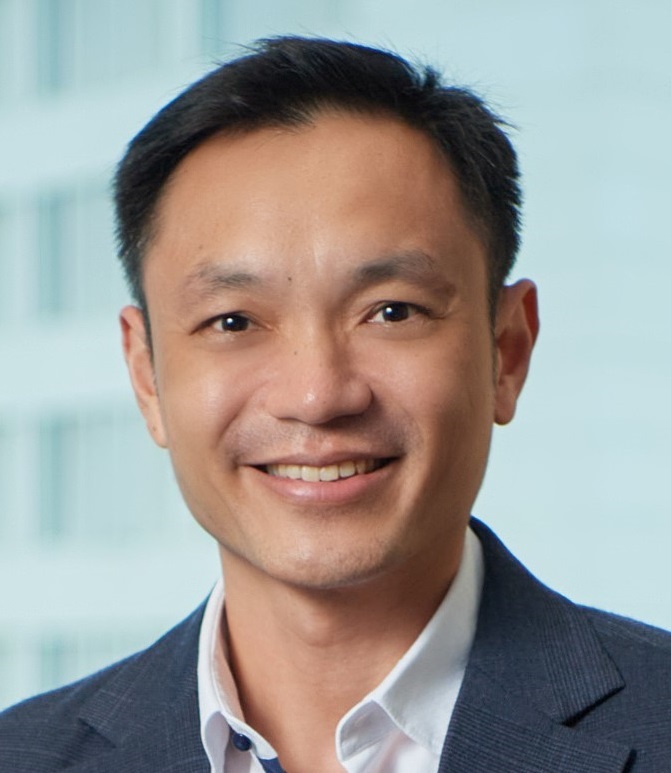
Associate Professor Tan Cher Heng is an Associate Professor at the Lee Kong Chian School of Medicine (Nanyang Technological University Singapore) and Assistant Dean (Clinical Research). He serves as a Senior Consultant at Tan Tock Seng Hospital's Department of Diagnostic Radiology and holds leadership roles in the National Healthcare Group (NHG) as Group Chief Research and Innovation Officer and Director of the Academic Partnerships Office. His expertise spans radiology, artificial intelligence (AI) in healthcare, and clinical research innovation. He completed an MBBS (Singapore), FRCR (UK), and an Executive MBA from Insead. Education: MBBS, Singapore FRCR (UK) Abdominal Imaging Fellowship at MD Anderson Cancer Center Executive MBA from Insead Research Interests: His work focuses on advancing AI-driven diagnostics in radiology, optimizing imaging techniques for liver and prostate cancers, and translating clinical research into healthcare practice. He has pioneered initiatives like the national imaging AI platform (AimSG) and contributed to guidelines for imaging appropriateness and technology adoption. His research bridges clinical practice, innovation, and population health. Articles Summary: Recent publications emphasize AI applications in pneumonia diagnosis, radiology education, and liver/prostate cancer imaging. Themes include AI ethics, imaging cost-effectiveness, and guideline adaptation for diseases like tuberculosis and COVID-19. His work highlights leveraging technology to improve diagnostic accuracy and healthcare accessibility. Labs/Teams: He leads the Academic Partnerships Office and collaborates with global networks like the Asian Oceanian Society of Radiology. His roles in NHG and LKCMedicine drive cross-disciplinary projects in AI, clinical research, and medical innovation.
TAN Say Beng is an Associate Professor jointly appointed at the National University of Singapore's Saw Swee Hock School of Public Health, while holding primary roles as Group Director of Research at SingHealth and Senior Associate Dean in Duke-NUS Medical School's Office of Clinical Sciences. His extensive leadership includes directing national research initiatives and biostatistics units across Singapore's healthcare ecosystem. Education: He holds a PhD, MSc, and MA, though specific disciplines and awarding institutions are not detailed in the source material. Research Focus: His expertise centers on two interconnected domains: Clinical Trials : Specializing in methodological innovations for trial design (including Bayesian approaches and adaptive designs), strategies for rare disease studies, and efficiency optimization in randomized controlled trials. Biostatistics : Developing quantitative frameworks for oncology outcomes, survival analysis, and epidemiological modeling, with applications in liver cancer and surgical prognostics. Publication Themes: His scholarly work (2002-2014) demonstrates progression from foundational statistical methodologies to applied clinical research. Early publications established Bayesian frameworks for Phase II trials and rare cancer strategies, while later works translated these methods into oncology practice—particularly in hepatocellular carcinoma therapy optimization and surgical outcome prediction.
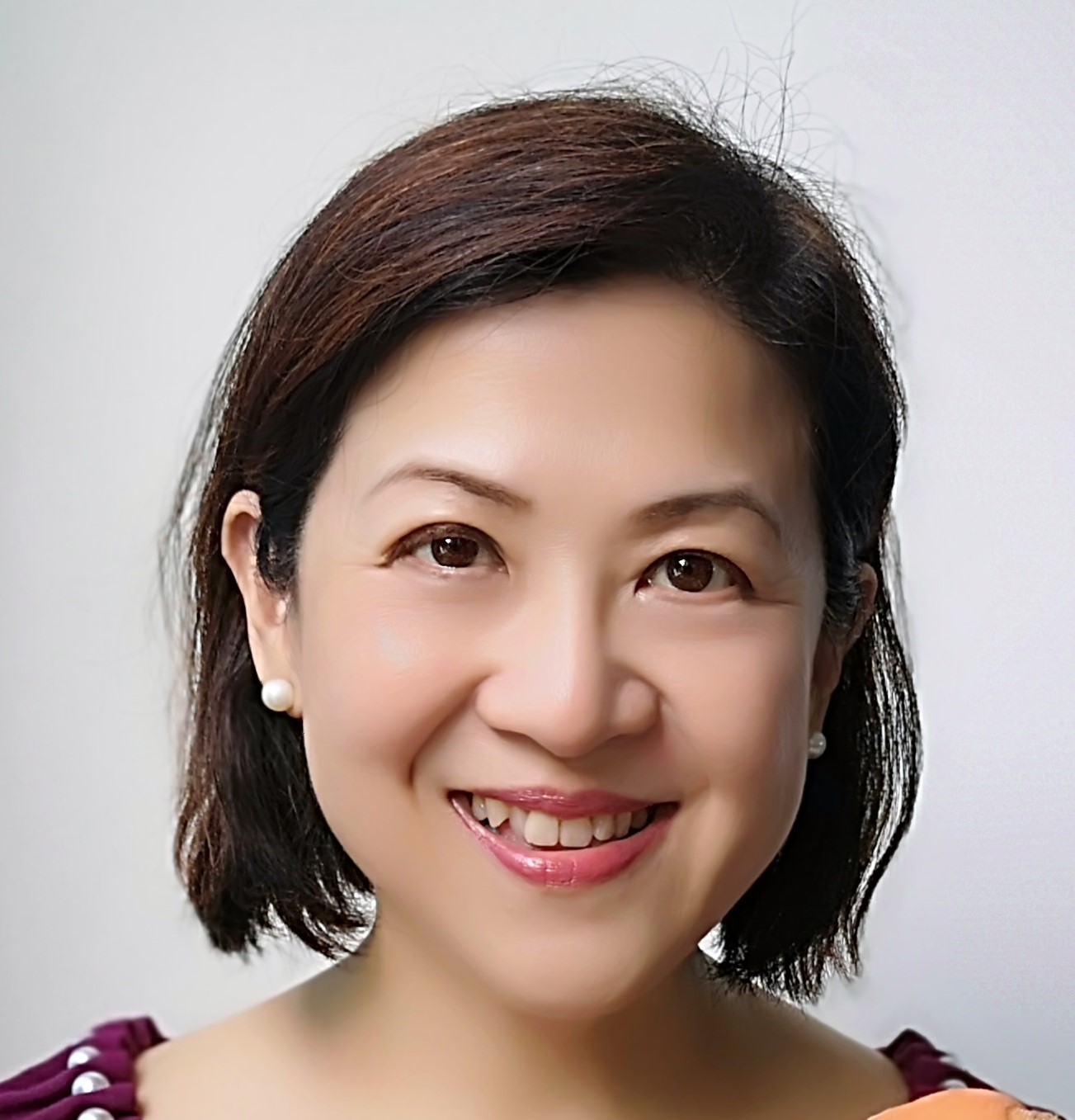
Dr. Ira Agrawal is an instructor and research fellow at the National University of Singapore , affiliated with the Yong Loo Lin School of Medicine and the Department of Physiology . She contributes to the Healthy Longevity Translational Research Program , focusing on neurodegeneration and aging. Her research emphasizes integrated multi-omics data analysis to uncover non-cell autonomous glial regulatory mechanisms and cryptic splicing events in motor neuron diseases like ALS. She has taught courses such as Bioinformatics , Neuropharmacology , and Computational Genomics since 2016. 2025 : Integrated aberrant transcript detection 2024 : Fish biomarker genes for PCB126 exposure 2022 : Lipid dysregulation in ALS 2021 : TDP-43's role in myelination and neuroinflammation 2019 : Liver tumor regression in zebrafish 2016 : Reference gene identification and hepatotoxicity mechanisms Her work bridges computational biology and environmental toxicology , with publications spanning ALS pathology, zebrafish models, and transcriptomic tools for oncology research.
Professor KOH Woon Puay is a joint professor at the National University of Singapore (NUS) Yong Loo Lin School of Medicine and an honorary member of the Saw Swee Hock School of Public Health. She holds significant roles as the Principal Investigator of the Singapore Chinese Health Study, a 63,257-strong cohort examining chronic disease determinants, and leads the Clinician-Scientist Development Unit at NUS. Her research focuses on epidemiology of cancers, cardio-metabolic and musculoskeletal diseases, and aging outcomes, with over 420 publications and $20M+ in NIH/NMRC funding. Educations MBBS (Honours), National University of Singapore (1992) PhD in Immunology, University of Sydney (2001) Postdoctoral Training in Epidemiology, University of Southern California (USA) Research Interests Prof Koh’s work spans cancer etiology , nutrition and cognitive aging , and lifestyle-disease interactions . Her Singapore Chinese Health Study has produced groundbreaking findings on dietary antioxidants, meat consumption, and nut intake linked to cognitive decline and chronic illnesses. She also explores genetic and epigenetic markers for diseases like TB, diabetes, and hepatocellular carcinoma. Grants & Awards NMRC Clinician Scientist Award (Senior Investigator Category, 2014 & 2020) National Day Public Administration Medal (Bronze, 2019) FAMS College of Clinician-Scientists (2016) Leadership As Assistant Dean for Faculty Development and Director of Clinician-Scientist Development Unit, she drives academic leadership initiatives and clinician-scientist career pathways. Her translational research bridges epidemiology with public health policy. Labs & Collaborations Leads the Singapore Chinese Health Study and collaborates with the Asia Cohort Consortium, A*STAR’s Singapore Institute for Clinical Sciences, and global institutions for multi-ethnic studies.