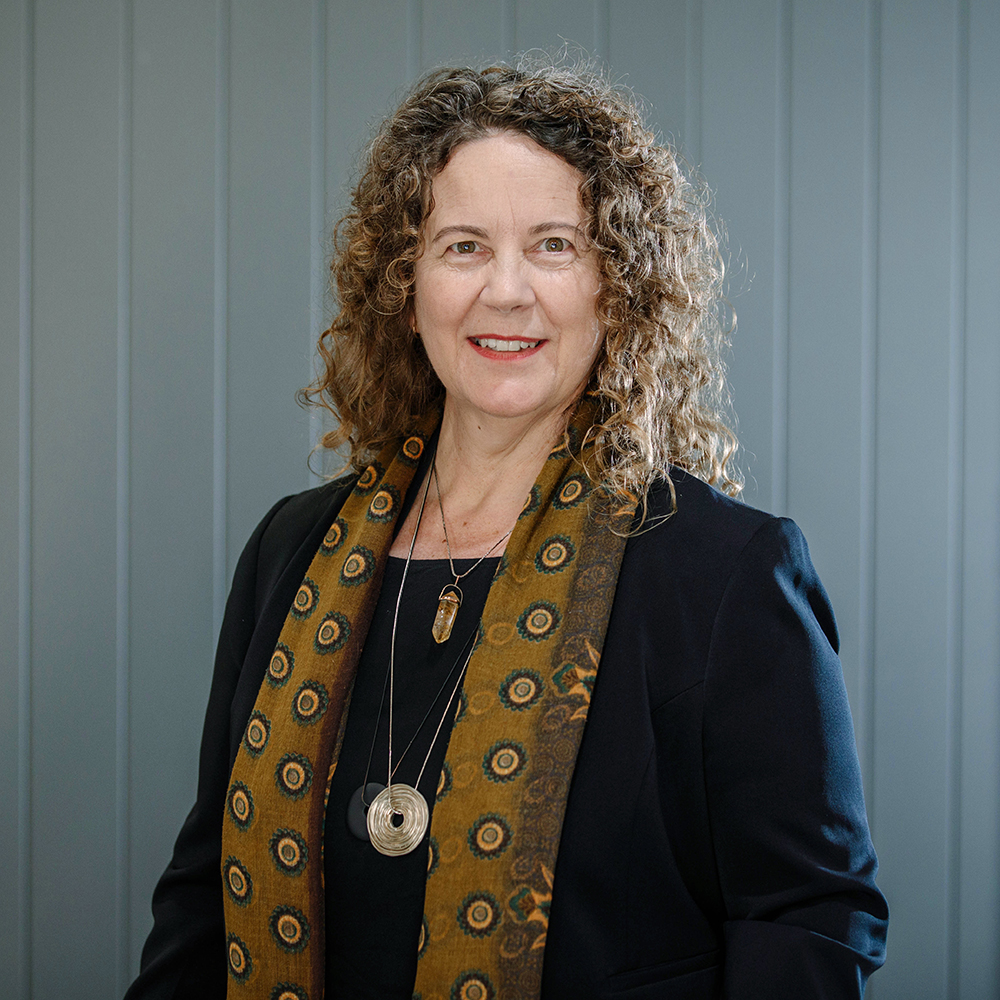
Prof. Dr. Astrid Fellner is a leading scholar in North American Literature and Cultural Studies at Saarland University (since 2009), specializing in border studies, gender/queer theory, and transnational cultural analysis . She leads the UniGR-Center for Border Studies and has held key administrative roles, including Dean of Studies (2020–2024) and former Vice President for European and International Relations (2014–2017). Education: Habilitation (2006) and Ph.D. (1999) from the University of Vienna, Fulbright Scholar (1990–91), Erasmus Student (1992–93) Her research focuses on border theories, affective encounters with popular culture, and intersections of gender, migration, and identity . Recent projects include BMBF-funded Linking Borderlands (comparing European and North American border dynamics) and DAAD collaborations with Ukrainian scholars. She co-edits the Borders in Perspective publication series and leads the Border Textures working group. Key contributions include 15 recent publications analyzing border poetics, queer migration, and pandemic-era spatial reconfigurations. Awards include the Siemens Prize (1999), Theodor Körner Fonds (2005), and Erwin-Schrödinger Fellowship . Her editorial work spans volumes on body politics, gender in popular culture, and anti-Americanism . She supervises academic theses and doctoral studies, with a focus on transnational identities and cultural resistance . Current affiliations include the Scientific Advisory Board for the AGPRO Research Prize and leadership in the European Cooperation Platform project with Prof. Stefanie Jensen.
W Richard Staines is an Adjunct Associate Professor in the Department of Kinesiology at McMaster University. With over 154 publications spanning 1995-2024, his work focuses on sensorimotor integration, cortical plasticity, and neurophysiological mechanisms in stroke recovery and multiple sclerosis. Key research areas: Neurophysiology, Motor Learning, Cognitive Neuroscience, Neurorehabilitation His neuroimaging and electrophysiological studies investigate: - Cannabis effects on multiple sclerosis patients - Concussion recovery mechanisms - Cortical excitability modulation through exercise - Sensory gating and attentional processes - Cerebellar contributions to motor control Recent publications (2025-2018) highlight: - Aerobic exercise impacts on cognitive control - Neuroplasticity in post-concussion syndrome - fMRI correlates of cannabis withdrawal - TMS studies of motor cortex excitability - Sensory-motor integration in aging and stroke
Zubaa Akhtar serves as a Research Fellow at the School of Health Sciences, University of East Anglia, where she also completed her Doctor of Philosophy (PhD) through the Norwich Business School. Her academic profile bridges health sciences and business disciplines with a pronounced focus on Pakistani societal contexts. Her research portfolio spans: Cognitive neuroscience and stroke rehabilitation, particularly hemispheric comparisons of cognitive dysfunction and sleep quality Moral psychology investigations into ethical dilemmas and stereotypes in Pakistani adults Public health policy analysis, including Pakistan's Sehat Sahulat Program and physical rehabilitation frameworks Prison rehabilitation systems, with emphasis on entrepreneurial education programs in Muslim-majority contexts Mental health epidemiology covering hoarding disorder, drug addiction recovery, and skin color perception Analysis of her 2020-2023 publications reveals methodological diversity across phenomenological studies, ethnographic investigations, multi-method explorations, and systematic reviews. Her work consistently addresses health and social challenges in Pakistan, demonstrating particular expertise in stroke rehabilitation, moral psychology, and prison-based entrepreneurial training. Key thematic threads include cultural influences on cognition, policy implementation barriers, and rehabilitation program efficacy. No scientific awards or major research grants are documented in available sources. Similarly, there is no evidence of graduate student supervision or leadership of formal research laboratories or collaborative teams.
Joseph P McCleery is an Associate Professor in the Department of Psychology at Saint Joseph's University and Executive Director of Academic Programs for the Kinney Center for Autism Education and Support. His research spans three primary themes: social processing in individuals with and without Autism Spectrum Disorder (ASD), genetic influences on brain and behavioral functioning, and the development of behavioral interventions for ASD. PhD, Psychology (Experimental), 2006 - University of California, San Diego MA, Psychology (Experimental), 2006 - University of California, San Diego BA, Psychology, 2000 - Rutgers University, Camden Dr. McCleery's work utilizes methodologies such as ERP, eye-tracking, and genetic analysis to explore cross-lifespan differences (infants, children, adults) in ASD. His publications in journals like Autism Research and Nature Reviews Genetics highlight his interdisciplinary focus on combining clinical psychology, neuroscience, and genetics. His research has been funded by organizations including the National Institutes of Health, Autism Speaks, and the Leverhulme Trust, emphasizing its impact on both academic and applied domains in autism research.
Dr. Alfred Anwander is a Senior Researcher in the Department of Neuropsychology at the Max Planck Institute for Human Cognitive and Brain Sciences in Leipzig, Germany. His work focuses on diffusion MRI as a biomarker for brain development and plasticity, particularly in language-related pathways and neuroplasticity mechanisms during second language acquisition. He has held research positions at the institute since 2000, contributing to projects such as the DFG-funded "Human microstructural connectomics" and "Dynamic Connectome" initiatives. Education 1991–1996: Diploma in Electrical Engineering from the University of Karlsruhe 1995–2000: MSc (DEA) and PhD in Signal and Image Processing from INSA Lyon (France), with a thesis on model-based color image segmentation. Research Interests Anwander’s research integrates advanced neuroimaging techniques to study structural connectivity in the human brain. Key areas include: Diffusion MRI applications in developmental neuroscience and neuroplasticity Language-related white matter pathways Evolutionary comparisons of brain connectivity in primates Methodological advancements in high-resolution MRI and tractography Grants & Projects DFG project "Human microstructural connectomics: Computational modelling and validation with histology and CLARITY (MiCo-MRI)" DFG project "The dynamic connectome underlying language in the brain (DynaCon)" Evolution of Brain Connectivity (EBC) initiative Labs & Teams He collaborates within the institute’s Cortical Networks and Language Research groups, focusing on interdisciplinary approaches to connectomics and neuroimaging technology development.
Lamia Pınar is a faculty member at the Faculty of Medicine , İstanbul Okan University , with extensive research contributions in physiology, neuroscience, and exercise-induced physiological changes . Her work explores the intersection of oxidative stress, neuroplasticity, and ultradian rhythm regulation . Her research focuses include: Exercise physiology (muscle damage, cardiac response, antioxidant mechanisms) Neuroplasticity and ethical implications of neural modulation Circadian/ultradian rhythm effects on cognitive-motor performance Inflammatory markers (IL-6, hepcidin) in trained vs. untrained subjects Analysis of her publications reveals a consistent emphasis on interdisciplinary connections between neuroscience, cardiology, and exercise science , with particular attention to oxidative stress biomarkers , hemispheric brain differences , and long-term exercise adaptations . She has not received explicit awards or grants in the provided data, but her 25+ years of research (1996–2025) demonstrate sustained scholarly activity. Her work appears in journals related to physiological sciences, neurology, and sports medicine .
Monika Pudło is a Lecturer at the Department of Cognitive Psychology, Development and Education within the Faculty of Psychology in Warsaw at SWPS University. She holds a PhD in Social Sciences and a Master's in Psychology, focusing on cognitive and developmental aspects of neurodiverse populations. Research interests include mindfulness meditation using virtual reality Emotions and cognitive processes in children and adolescents with neurodevelopmental disorders Social motivation and its impairments in autism and schizophrenia Impact of creativity and art on mental health Attentional processing and communication in autism spectrum disorders Her recent publications explore attentional networks, sleep-onset theories, and neurocognitive phenomena in autism. While no formal awards are documented, her work spans clinical, developmental, and cognitive psychology with interdisciplinary applications.
Bastian Cheng is a consultant neurologist and Associate Professor at the University Medical Center Hamburg, Department of Neurology. His clinical work focuses on diagnosis and treatment of stroke and cerebrovascular diseases, while his research spans structural and functional brain imaging, lesion-symptom mapping, and network analysis in stroke patients. Cheng's research interests center on the application of advanced neuroimaging techniques to understand stroke pathophysiology and recovery mechanisms. His work investigates structural and functional magnetic resonance imaging in stroke, multimodal approaches to lesion-symptom inference, and modeling of localized and large-scale structural brain networks related to clinical recovery. His research bridges clinical neurology with computational neuroscience to develop better diagnostic and prognostic tools for stroke patients. Analysis of Cheng's recent publication record reveals a strong focus on stroke imaging biomarkers, white matter hyperintensities, and network-based approaches to understanding stroke recovery. His work frequently involves large multicenter trials (WAKE-UP, TENSION) and population-based studies (Hamburg City Health Study), demonstrating his ability to translate basic neuroimaging findings into clinical applications. A notable trend is the increasing use of network neuroscience approaches to understand how structural brain damage translates to functional outcomes. Cheng has been actively involved in major stroke research initiatives, contributing to numerous publications in high-impact journals. His work often involves collaboration with international research teams across Europe, reflecting the collaborative nature of modern stroke research. While specific grant information isn't detailed in the provided text, his participation in large clinical trials suggests significant research funding support. Based at the University Medical Center Hamburg, Cheng appears to be part of a robust neuroimaging and stroke research environment, with connections to the Hamburg City Health Study and multiple European stroke research networks. His work integrates clinical practice with advanced computational approaches to stroke neuroscience.
Dr Chen Song is a Principal Investigator at Cardiff University Brain Research Imaging Centre within the School of Psychology at Cardiff University. His research focuses on the relationship between brain structure, function, and consciousness, with particular emphasis on individual differences and the role of sleep in brain plasticity. Dr Song completed his PhD and MSc in Neuroscience at University College London, following a BSc in Biomedical Engineering from Shanghai Jiao Tong University. His academic journey includes postdoctoral positions at the Wisconsin Institute for Sleep and Consciousness and University College London. His research interests span consciousness studies, brain structural complexity, sleep neuroscience, and visual perception. His work investigates how brain structure varies across individuals and influences conscious experiences, and how sleep enhances brain structure for improved functionality. Current projects explore optimal brain structures for consciousness and mechanisms of brain plasticity during wakefulness and sleep. Analysis of his recent publications reveals a strong focus on consciousness mechanisms, sleep neuroimaging, and brain structural complexity. His work bridges theoretical neuroscience with empirical investigations using multimodal imaging techniques, particularly examining individual differences in brain structure-function relationships. Sir Henry Wellcome Fellowship (Wellcome Trust) Marie Curie COFUND Fellowship (European Commission) British Neuroscience Association Award Chinese Government Award for Outstanding Scholars Abroad Dr Song actively supervises PhD students including Alun Metcalf, Jack Briggs, and Zhishan Liu, with funding available for new candidates. His research is supported by significant grants from Wellcome Trust, European Commission, and Welsh Government. He leads the Brain Complexity and Consciousness Lab, which employs advanced neuroimaging techniques to investigate the neural basis of consciousness and plasticity.
Professor Gail Robinson is a distinguished clinical and cognitive neuropsychologist with a joint appointment at the Queensland Brain Institute (QBI) and the School of Psychology at the University of Queensland. She serves as a Professorial Research Fellow at QBI and Professor at the School of Psychology within the Faculty of Health, Medicine and Behavioural Sciences. Professor Robinson founded the Neuropsychology Research Clinic at the University of Queensland and has been Director of the Clinical Neuropsychology Doctoral programme during two separate periods (2010-2018 and again from 2023). Professor Robinson completed her academic training with a Bachelor of Science (Advanced) and Masters at the Australian National University, followed by a PhD in clinical neuropsychology from University College London. Her career spans over 25 years, with 14 years spent at the National Hospital of Neurology and Neurosurgery in London (1996-2010) before transitioning to an academic position at the University of Queensland in 2010. Her research program bridges theoretical neuroscience with clinical application, focusing on the executive control of language, cognitive assessment methodologies, and management strategies for various neurological conditions. Professor Robinson's work particularly emphasizes neurodegenerative disorders (including dementia), neurodevelopmental disorders, brain tumors, and stroke rehabilitation. She has developed innovative assessment tools, most notably a brief executive language screening test that can predict stroke recovery outcomes in just 20 minutes, demonstrating her commitment to translating research findings into practical clinical applications. Analysis of Professor Robinson's recent publications (2023-2025) reveals a strong focus on executive functions across various neurological conditions, particularly in stroke recovery, dementia diagnosis, and neurodegenerative diseases like ALS. Her work consistently integrates cognitive assessment with neural mechanisms, often using advanced neuroimaging techniques. A notable trend is her development and validation of efficient clinical tools that can be implemented in acute care settings, reflecting her commitment to practical applications of neuropsychological research. ARC Discovery Early Career Researcher Award (DECRA) in 2012 NHMRC Boosting Dementia Research Leadership Fellowship in 2018 Professor Robinson leads the Neuropsychology Core of the large-scale Prospective Imaging Study of Ageing (PISA), a longitudinal NHMRC Dementia Team Research grant. She has successfully attracted both internal and national funding to support her research program. In terms of mentoring, she has supervised numerous students and early-career researchers, with frequent collaborators including Amelia Ceslis, Megan Barker, and Philip Mosley appearing as co-authors on multiple publications. Her leadership extends to directing the Clinical Neuropsychology Doctoral programme, shaping the next generation of clinical neuropsychologists. Professor Robinson's work is conducted through the Neuropsychology Research Clinic at the University of Queensland, which she founded. Her research team spans multiple disciplines, collaborating with experts in neurology, neurosurgery, speech pathology, and cognitive neuroscience. As part of the Queensland Brain Institute, her work benefits from access to state-of-the-art neuroimaging facilities and multidisciplinary research environments. She is also affiliated with the Centre for Motor Neuron Disease Research and the Centre for Health Outcomes, Innovation and Clinical Education (CHOICE), reflecting the breadth of her research impact.
Dennis Soldin is an Assistant Professor in the Department of Physics & Astronomy at the University of Utah, where he has been appointed since December 2023. His research focuses on cosmic rays and neutrino physics at the intersection of astroparticle and elementary particle physics. Soldin utilizes data from major international collaborations including the IceCube Neutrino Observatory, the Forward Physics Facility at CERN, and the Trinity Neutrino Observatory. Dr. rer. nat. (PhD) from University of Wuppertal, Germany (2011-2017) Diploma (MSc) from University of Wuppertal, Germany (2005-2011) Soldin's research spans cosmic ray physics, neutrino astronomy, and high-energy particle physics. He specializes in analyzing data from the IceCube Neutrino Observatory to understand high-energy particle processes in extensive air showers initiated when cosmic rays enter Earth's atmosphere. His work is crucial for revealing the origin and nature of high-energy cosmic rays and has profound implications for multi-messenger astrophysics. Soldin has made significant contributions to cosmic ray anisotropy studies, neutrino oscillation measurements, and the search for sterile neutrinos. He is also involved in developing next-generation neutrino observatories, including the Forward Physics Facility at CERN and the Trinity Collaboration's new neutrino observatory at Frisco Peak in southern Utah. Soldin's publications demonstrate a consistent focus on advancing our understanding of cosmic rays and neutrinos through innovative analysis techniques. His work often involves developing novel reconstruction methods using machine learning, improving sensitivity to rare events, and exploring connections between different cosmic messengers. Recent papers show increasing involvement in next-generation experimental facilities while maintaining strong contributions to the IceCube collaboration's scientific output. North America Top Cited Paper Award 2024 from IOP Publishing 1st Prize Most Inspiring Talk 2022 from Helmholtz Association Bruno Rossi Prize 2021 from American Astronomical Society As an educator, Soldin teaches courses including "Intro To Particle Physics" and "The Universe," and supervises both Master's and Ph.D. research students. His teaching activities demonstrate his commitment to training the next generation of physicists. Soldin is actively involved in outreach activities, including the Particle Physics Camp for West High School students, Teachers Outreach Events at the University of Utah, and the IceCube Masterclass. Soldin is a key member of several major research collaborations. He serves on the IceCube Collaboration Board and has previously chaired the Cosmic Ray Working Group (2018-2023). Since 2021, he has been involved in planning the Forward Physics Facility at CERN, serving on the Coordination Panel and as convener for the working group on light hadron production. In 2024, he joined the Trinity Collaboration to build a new neutrino observatory at Frisco Peak in southern Utah. His work bridges experimental particle physics with cosmic-ray astrophysics, positioning him at the forefront of multi-messenger astronomy research.
Dr. Gabriel Beckers is an Assistant Professor at Utrecht University's School of Social and Behavioral Sciences. His research focuses on neurobiology, cognitive science, and animal cognition, with a particular emphasis on avian sleep patterns and syntax in animal communication. He has contributed to over 30 publications, including studies on sleep deprivation effects in jackdaws and the lack of syntactic structures in songbird vocalizations. Beckers also developed the Darr Python library, designed for persistent, interoperable storage of numpy arrays. His work bridges neuroscience, cognitive science, and computational methods, emphasizing tool-independent data formats and evolutionary perspectives on sleep and cognition. Research Areas: Neurobiology, Cognitive Science, Avian Sleep, Syntax Analysis in Animal Communication, Data Science Tools. Recent Contributions: Key studies include EEG-based analyses of sleep patterns in birds, meta-analyses of artificial grammar learning, and development of the Darr library for scientific data storage. His interdisciplinary approach combines experimental neuroscience with software engineering to advance both theoretical and applied research.
Jessica Teed is a doctoral candidate and teaching tutor within the Psychology department of the School of Philosophy, Psychology and Language Sciences at the University of Edinburgh. She holds the position of Psychology PhD Tutor Representative and provides instructional support as a Tutor and Demonstrator for core undergraduate psychology modules including Psychology 1A, 1B, 2A, and 2B. Her academic journey is deeply embedded in cognitive neuroscience and visual perception research. Her educational qualifications demonstrate a strong foundation in psychological science: Currently pursuing a PhD in Psychology at the University of Edinburgh, investigating visual perception and memory through multimodal methods including fMRI, TMS, and EEG. MSc in Cognitive Neuroscience from the University of York, with a thesis focused on developmental prosopagnosia using fMRI. BSc in Psychology (Industrial) from the University of Leeds, examining facial expression categorization. Jessica's research centers on the neural mechanisms of visual perception and memory, particularly exploring how the brain organizes visual representations through retinotopic mapping and category-selective regions. She investigates the interplay between perception and memory, with current projects examining hemispheric asymmetries in object processing and the neural underpinnings of individual differences in mental imagery capacity, including the phenomenon of aphantasia. Her methodological toolkit spans psychophysics, functional magnetic resonance imaging, transcranial magnetic stimulation, and electroencephalography. Her scholarly output, including the forthcoming 2025 publication on visual imagery of familiar people and places in category selective cortex, reveals a consistent focus on cortical organization for visual cognition. This work integrates mental imagery paradigms with neuroimaging to uncover how category-selective regions support both perception and imagery, contributing to broader understanding of visual system architecture. No scientific awards or major honors were documented in the available materials. While Jessica does not currently supervise graduate students, she plays a significant role in undergraduate education as a course tutor. She operates within the research framework of the Silson Lab, receiving guidance from Dr. Edward Silson and Professor Robert McIntosh, but has not been associated with independent research grants at this career stage. Jessica is an integral member of the Silson Lab at the University of Edinburgh, where she collaborates on projects investigating the functional organization of the visual cortex. Her work contributes to the lab's mission of understanding how the brain processes visual information and supports memory functions through advanced neuroimaging techniques.
Xudan Zhu is a Postdoctoral Researcher at the Department of Environmental and Biological Sciences within the Faculty of Science, Forestry and Technology at the University of Eastern Finland. Her research focuses on environmental biogeochemistry, particularly the dynamics of dissolved organic carbon in boreal ecosystems. Dr. Zhu completed her doctoral degree at the University of Eastern Finland with a dissertation titled 'The mechanisms behind aquatic browning in boreal catchments' (2024), which investigated the complex processes driving increased dissolved organic carbon in northern water bodies. Her research interests span multiple interconnected areas of environmental science. She investigates carbon cycling in boreal peatland forests, focusing on how water table fluctuations, forest management practices, and nutrient availability affect dissolved organic carbon biodegradability. Her work also encompasses water quality monitoring using advanced spectroscopic techniques, particularly portable UV-Vis spectrophotometry for measuring dissolved organic carbon and iron content in remote areas. Dr. Zhu's research has demonstrated that DOC concentrations decrease in drained peatland forests with both low water table and glucose addition, while clearcutting alone has no clear effects. She has also found that the biodegradation rate of recalcitrant DOC is nitrogen-limited and dependent on DOC quality, which can be seasonally variable. Dr. Zhu has developed expertise in applying advanced analytical techniques to environmental monitoring challenges, particularly in remote field settings. Her work on portable UV-Vis spectrophotometry has demonstrated its effectiveness for high-frequency water quality monitoring across different watersheds, with absorbances measured by in-situ sensors explaining 96% of the absorbance data from laboratory benchtop instruments. Kone Foundation project 'The role of terrestrial productivity on fluxes of dissolved organic carbon in watersheds' Water JPI and Academy of Finland project REFORMWATER (Academy of Finland project number 326818) Her collaborative research with the Krycklan Catchment Study (funded by the Swedish Infrastructure for Ecosystem Science) addresses important questions about the impacts of forest management on water quality and carbon cycling in boreal ecosystems.
Christiane Jockwitz is a Postdoctoral Researcher at the Institute of Neuroscience and Medicine (INM-1) within the Research Center Jülich GmbH, Germany. Her work focuses on the structural and functional organization of the brain, particularly in aging populations and neurodegenerative conditions. She leads research in neuroimaging genetics, cognitive neuroscience, and the effects of genetic variants on brain structure. Her studies frequently involve large-scale population cohorts such as the 1000BRAINS study to investigate aging biomarkers and vascular risk factors. Key research areas include brain aging mechanisms, the impact of lifestyle and environmental factors (e.g., air pollution, bilingualism) on neural networks, and the genetic underpinnings of neuropsychiatric disorders. She employs advanced methods like federated learning, machine learning, and multimodal neuroimaging analysis to predict cognitive decline and identify neurobiological correlates of diseases such as Alzheimer’s and Parkinson’s. Her work bridges clinical neuroscience and population health, with contributions to understanding sex differences in cognitive aging and the development of predictive models for neurodegenerative outcomes. Ongoing projects explore brain network reorganization in aging and the application of virtual brain modeling to simulate cognitive aging processes. Christiane Jockwitz’s findings have been published in high-impact journals, emphasizing translational applications of neuroimaging data for early disease detection and personalized medicine strategies.