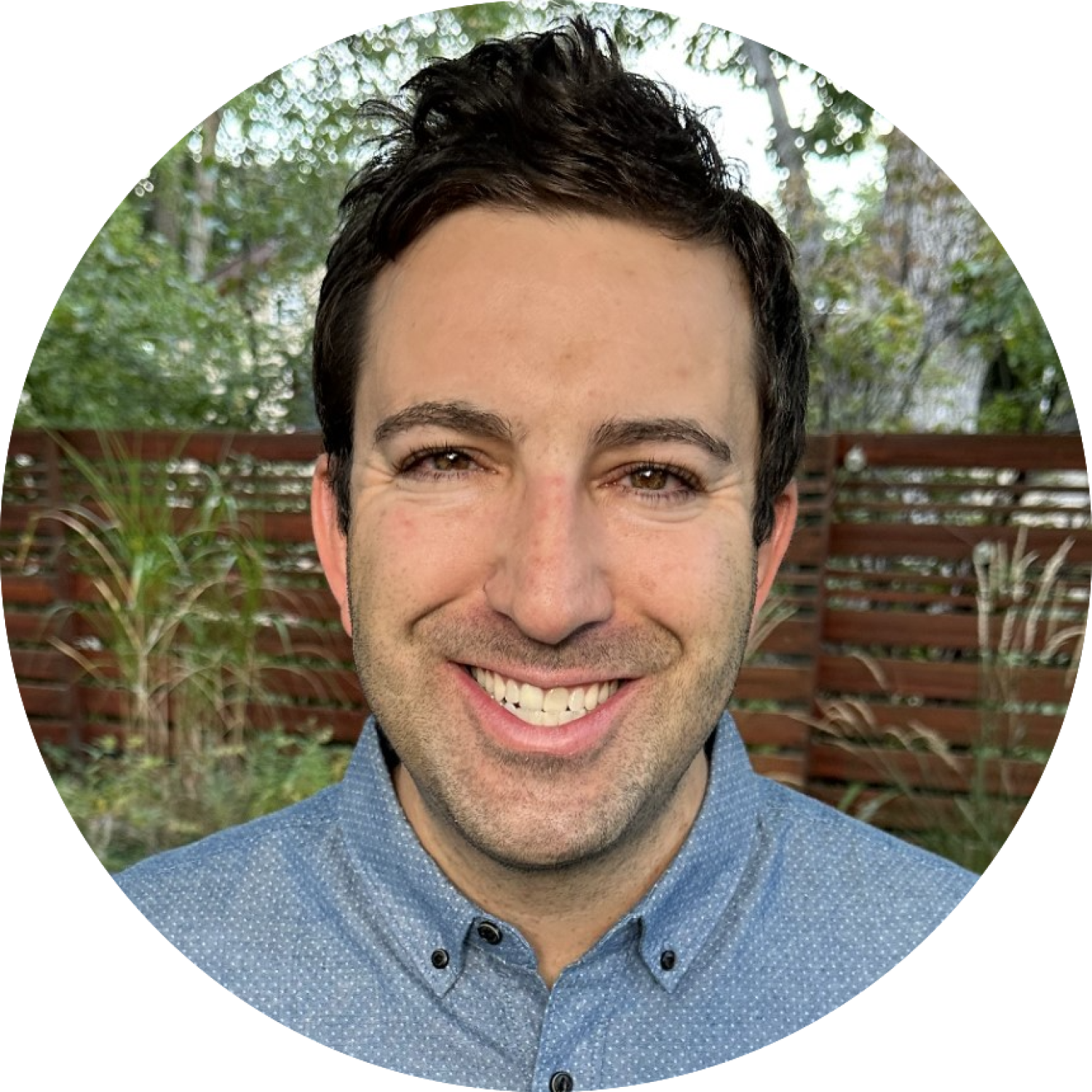
Ian Parker is a Lecturer at Johns Hopkins University, specializing in Energy Policy, Environmental Studies, and GIS. He serves as a Climate Policy Advisor for the U.S. Department of State’s Office of Global Change and Office of the Special Presidential Envoy for Climate, leading multilateral negotiations for Indigenous Peoples at the UN Climate Conference and managing bilateral climate coordination across the Western Hemisphere. Education: PhD in Anthropology with Specialization in Interdisciplinary Environmental Research, University of California, San Diego MA in Anthropology, University of California, San Diego MA in International Relations, Johns Hopkins University BA in Anthropology, Reed College Parker’s research explores the intersection of social, environmental, and institutional dynamics, focusing on climate change, governance, ethics, and marine conservation. His work includes mixed-methods studies with Scripps Institution of Oceanography on small-scale fisheries and ethnographic research in global environmental diplomacy at the UN Climate Conference.
Tyler Jones is an Assistant Research Professor at the University of Colorado Boulder’s Institute of Arctic and Alpine Research (INSTAAR) and a co-lead of the renowned Stable Isotope Lab (SIL). He investigates abrupt climate change through the lens of stable-isotope geochemistry, focusing on Alaska, Greenland, and Antarctica, while actively engaging in science communication and climate policy. Education PhD (Biogeochemistry), University of Colorado, 2015 MS (Environmental Studies), University of Colorado, 2010 BS (Civil Engineering – Hydrology), University of Colorado, 2006 Research Interests Jones employs cutting-edge drone and ice-core technologies to reconstruct past climates and quantify modern greenhouse-gas emissions. His work integrates stable-isotope biogeochemistry , polar meteorology , and Indigenous knowledge systems to understand how rapid warming alters Arctic and Antarctic environments. In Alaska, he maps methane hotspots released by thawing permafrost alongside Yukon River communities; in Greenland and Antarctica, he drills ultra-high-resolution ice cores that reveal 120,000 years of climate history. His broader mission couples rigorous science with storytelling, film, and policy engagement to foster societal resilience. Publication Trends From 2021–2025 Jones has published extensively on Greenland and Antarctic climate variability , water-isotope diffusion processes , and unmanned aerial sampling systems . His recent articles emphasize abrupt warming events (Dansgaard-Oeschger cycles), high-frequency climate oscillations, and the utility of drones for atmospheric profiling, collectively advancing our understanding of polar climate sensitivity. Scientific Awards & Honors While specific named awards are not listed, Jones’s research has been highlighted on the cover of Nature and featured in leading journals such as Science , Nature Geoscience , and PNAS , attesting to significant peer recognition. Advising & Grants Jones currently mentors Brooke Chase (PhD, co-advised with Cassandra Brooks) and Kevin Rozmiarek (PhD, co-advised with Irina Overeem). He welcomes additional graduate students who arrive with independent funding and values interdisciplinary collaboration. Active funding streams include the National Science Foundation, Office of Naval Research, and Sandia National Laboratories, supporting projects such as “Navigating the New Arctic.” Laboratory & Field Teams Jones is one of five co-leads of the Stable Isotope Lab (SIL) at INSTAAR, a facility celebrated for decades of carbon-cycle and hydrologic-cycle research. Field campaigns deploy drones, ice-core drilling systems, and mobile isotope analyzers across remote Arctic and Antarctic camps, often in partnership with international consortia and Indigenous communities.
Matt Dannenberg is an Associate Professor at the University of Iowa, specializing in global change ecology, climate-ecosystem interactions, and terrestrial carbon/water cycle dynamics. His research integrates remote sensing, dendrochronology, and empirical modeling to understand ecological responses to climate variability across regional to global scales. Geographic focus on western U.S. drylands and southeastern U.S. forests Methods include satellite remote sensing, tree-ring analysis, and neural network modeling Key climate drivers: El Niño-Southern Oscillation (ENSO), vapor pressure deficit (VPD), precipitation patterns His work examines: Climate forecasting of ecological processes Land cover change impacts on carbon exchange Drought resilience in forest ecosystems Atmospheric teleconnection effects on phenology He leads the Ecoclimatology of Carbon and Water (ECH 2 O) lab, developing tools for monitoring ecosystem responses to environmental change through land-atmosphere flux modeling and multi-sensor remote sensing.
Tiffany C. Fryer is an Assistant Professor in the Department of Anthropology at the University of Michigan, where she also serves as Assistant Curator of Historical & Contemporary Archaeology and Ethnography at the Museum of Anthropological Archaeology (UMMAA) and Associate Director of the Center for Community Archaeology and Heritage. Her research examines the durabilities of colonialism and political violence, focusing on how these forces shape present-day sociopolitical consciousness and collective memory. PhD in Anthropology, University of Pennsylvania MA and BA in Anthropology, Stanford University Cotsen Postdoctoral Fellowship, Princeton University Dr. Fryer’s work bridges archaeology, ethnography, and historiography to explore intersections of race, indigeneity, and gender in settler colonial contexts. She co-edited collections on feminist heritage practices and the archaeology of coloniality in the Maya Lowlands and is currently completing a book manuscript titled Things of War: Conflict and Heritage on Mexico’s Maya Frontier . Her fieldwork centers on Quintana Roo, Mexico, through the Tihosuco Heritage Preservation and Community Development Project. Key research areas include: Cultural heritage and collective memory Political violence and colonialism Feminist and indigenous methodologies Material culture and temporality Collaborative research frameworks Hemispheric approaches to the Americas Scientific contributions span global projects such as the California Indian Terminated Tribes Project, the Culture Conflict Research Network, and UNESCO-related heritage impact studies. Her recent Google Scholar publications highlight themes of colonial materiality, heritage activism, and violence analysis.
Dr. Danielle McLean is a Postdoctoral Researcher at the Research Laboratory for Archaeology and the History of Art, University of Oxford . She specializes in Tephrochronology , particularly the identification of cryptotephra (microscopic volcanic ash layers) to date and correlate sedimentary records globally. Education : BSc in Geography, MSc (Distinction) in Quaternary Science from Royal Holloway, University of London Doctorate : Completed at University of Oxford (2014-2018) as part of the NERC Doctoral Training Programme, focusing on Lake Suigetsu's sediments Her research combines volcanology , Quaternary science , and human evolution studies through sedimentary analysis. She has developed tephrostratigraphic frameworks for East Asia and established hemispheric-scale correlations between Japanese ash layers and Greenland ice cores. Recent work with her Leverhulme Trust Fellowship (2021-present) focuses on synchronizing archaeological and climate records in NW Africa using tephra layers. She has collaborated with institutions like the Japan Agency for Marine-Earth Science and Technology (JAMSTEC) and contributed to the Suigetsu Varve Sediment Museum in Japan.
Catherine Attard is a Postdoctoral Research Fellow at Flinders University, Australia, working within the Molecular Ecology Lab and the Cetacean Ecology, Behaviour and Evolution Lab . She has held this position since March 2013, applying genetic and genomic tools to the conservation of native freshwater fishes and blue whales. Education: PhD, Biological Sciences, Macquarie University, Australia (2008–2014) BSc (Hons) First Class, Biological Sciences, Macquarie University, Australia (2007–2008) Research Interests: Dr Attard is passionate about integrating conservation genetics and population genomics to understand how threatened species adapt to local environments. Her work focuses on Australian freshwater fishes such as pygmy perches, golden perch and desert rainbowfish, as well as marine mammals , notably the blue whales of Australia and the Southern Hemisphere. By generating ecological and evolutionary knowledge, she aims to inform evidence-based management and conservation strategies. Scientific Contributions & Trends: Across 24 peer-reviewed publications (2008–2021), her research exhibits a clear trajectory from microsatellite-based studies of population structure to cutting-edge genomic approaches. Themes include elucidating cryptic diversity, quantifying genetic connectivity, evaluating captive-breeding protocols, and disentangling historical versus anthropogenic influences on genetic diversity. Recent articles increasingly employ genome-wide data to address climate-driven range shifts and disease susceptibility in cetaceans. Grants & Funding Narrative: While specific grant numbers are not detailed in the text, continuous postdoctoral employment since 2013 and sustained publication output imply ongoing competitive funding. Her research has clearly leveraged national and international collaborations, evidenced by multi-institutional authorship on papers concerning Australian and Chilean blue whales, pygmy perches, and common dolphins. Labs & Teams: Dr Attard is a core member of the Molecular Ecology Lab and the Cetacean Ecology, Behaviour and Evolution Lab at Flinders University, fostering interdisciplinary collaborations that bridge molecular techniques with field ecology to advance conservation outcomes for aquatic vertebrates.
Dr. Michael Libman is a Professor at McGill University within the Faculty of Medicine and Health Sciences and serves as an Investigator at the RI-MUHC (Glen site) under the Infectious Diseases and Immunity in Global Health Program . His research focuses on tropical and travel-related illnesses , particularly the epidemiology of imported infections through the GeoSentinel network , a collaboration overseen by the International Society for Travel Medicine and the US CDC . He also studies diseases in northern and Indigenous communities , with a lab focused on novel diagnostic methods for parasitic infections . His recent publications highlight applications of machine learning in outbreak detection , climate-driven dengue prediction models , and AI-supported disease surveillance . Collaborative studies on monkeypox , chikungunya resurgence , and travel-associated malaria demonstrate his leadership in global health security. The WE SENSE study (2023) explores wearable sensors for early viral infection detection, while 2024 works address syphilis rapid testing in Arctic regions and parasitic diagnostics in Canadian travelers. Dr. Libman's lab innovations include molecular detection of Strongyloides and photodynamic therapy for Leishmania . He contributes to antimicrobial stewardship frameworks in low-resource settings and vaccine development for SARS-CoV-2 and Influenza .
Paolo Medini is an Associate Professor at Umeå University, affiliated with the Department of Medical and Translational Biology and the Center for Transdisciplinary AI. His research focuses on cortical microcircuits, sensory processing, and brain recovery mechanisms. Neuroscience Neurophysiology Cortical Plasticity Optogenetics His lab investigates how sensory information is processed by distinct cell types in cortical circuits and how these circuits adapt after brain lesions or sensory deprivations. Research spans both adaptive and maladaptive plasticity, aiming to differentiate molecular mechanisms for targeted interventions. Recent publications highlight applications of all-optical interrogation strategies and multisensory integration in the neocortex. Paolo Medini's group employs advanced techniques such as in vivo patch clamp recordings, two-photon calcium imaging, and optogenetics. They use genetically modified strains to study cell-type-specific responses and circuit reorganization post-lesion. Their work is critical for developing therapies in neurodegenerative diseases and cortical repair. Environmental enrichment for brain recovery (Nature Neuroscience) Cortical microcircuit organization (Neuron) Post-stroke plasticity (Journal of Physiology)
Dr. Colin A Cooke serves as an Associate Professor in the Department of Earth and Atmospheric Sciences at the University of Alberta and as Senior Aquatic Scientist with Alberta Environment and Parks. With over 15 years of professional experience spanning academia and government environmental science, his work bridges theoretical research with practical environmental monitoring and management. Dr. Cooke's research focuses on: Environmental impacts of oil sands mining and processing on freshwater ecosystems Reconstruction of historical heavy metal pollution using lake sediment cores Mercury cycling and fate within rivers and streams Climate change effects on aquatic ecosystems Biogeochemistry and paleolimnology of freshwater systems His extensive publication record (109 publications with 25,567 reads and 2,641 citations) demonstrates significant contributions to environmental science. Recent work (2023-2025) shows continued productivity across diverse topics including polycyclic aromatic compounds in river systems, coal mining impacts on water quality, and mercury cycling in both Canadian and South American environments. His research spans field studies, laboratory analyses, and historical reconstructions, providing comprehensive insights into environmental pollution processes. Dr. Cooke's work has direct applications for environmental policy and monitoring, particularly through his involvement with the Canada-Alberta Oil Sands Monitoring Program. His dual role in academia and government environmental science enables him to translate research findings into practical environmental management strategies while maintaining rigorous scientific standards.
Brancucci Alfredo is an Associate Professor at the University of Rome Foro Italico, working within the Department of Human and Health Sports Sciences. His position as Associate Professor - Level II reflects his standing in the academic community with expertise in PSIC-01/B - Neuropsychology and Cognitive Neuroscience. His research interests span a diverse range of neuroscience topics including hemispheric functional and behavioral asymmetries, neural correlates of consciousness, neuroscience of music, various neuroimaging techniques (EEG, MEG, fMRI), perception systems, psychobiology of nutrition, motor system analysis, and non-invasive brain stimulation methods. His work uniquely bridges sports science with neuroscience, creating interdisciplinary connections that inform both fields. Professor Brancucci's publication record demonstrates consistent contributions to cognitive neuroscience, with recent work focusing on transcranial stimulation techniques, consciousness studies through ambiguous figure perception, hemispheric asymmetries in auditory processing, and innovative computational methods for neuroimaging data analysis. His research shows a clear trajectory from foundational work on pain perception and motor systems to more recent explorations of consciousness and brain stimulation techniques. He actively teaches courses related to lifelong healthy habits, sport psychology, and developmental educational psychology, while serving on multiple university committees that shape sports science education. His international collaborations with institutions in Denmark and Germany demonstrate the global recognition of his research expertise. Professor Brancucci participates in significant research projects including studies on neurophysiological correlates of perception with the CNR/Institute of Cognitive Sciences and Technologies and leads work at UniRoma4's Laboratory of Sport and Applied Medical Technical Sciences on the relationship between microbiota, brain function, and sports performance.
Associate Professor Jessey Lee is a Structural Engineer and Deputy Chair of the Department of Civil and Construction Engineering at Swinburne University of Technology's School of Engineering. With expertise in structural design, prefabricated construction, and engineered connections, she leads significant research in concrete, steel, and timber systems while serving as Training and Development Manager at the Australian Engineered Fasteners and Anchors Council (AEFAC). Her research focuses on advancing construction technologies with emphasis on sustainable, low-carbon building methods. Professor Lee investigates concrete, steel, and timber connections, modular construction systems, and innovative fastening solutions for various concrete conditions including early age concrete, high-strength concrete, and concrete with void formers. Her work directly addresses industry challenges related to construction efficiency, safety, and sustainability, contributing to UN Sustainable Development Goals 9, 11, and 13. Professor Lee maintains an extensive research portfolio with 53 documented grants and 82 publications. Her recent work demonstrates strong industry relevance, with numerous collaborations with construction firms, government bodies, and international partners. She actively contributes to standards development through Standards Australia and professional organizations including the Australian Engineering Earthquake Society and the International Federation for Structural Concrete. veski inspiring women STEM sidebyside program (2023) VC Engaged Award (Individual) (2023) School of Engineering Teaching Excellence Award (2021) Vice Chancellor Industry Engagement Award (2015) The Australian Financial Review Higher Education Award (2015) As an educator, Professor Lee supervises 12 PhD students across diverse topics in structural engineering and serves as Deputy Chair of her department. Her research group maintains strong industry connections through over 25 active research contracts with partners including SmartCrete CRC Ltd, Sekisui House, and numerous construction technology firms. She has developed specialized testing facilities for seismic performance evaluation of fasteners, establishing Swinburne as a leader in this field in the southern hemisphere.
Chad Rogers is an Associate Professor of Psychology and Director of Neuroscience at Union College. His academic credentials include a Ph.D. in Cognitive Psychology from Washington University in St. Louis and dual undergraduate degrees from the University of Florida. He holds leadership positions within the Department of Psychology and the Center for Neuroscience, where he conducts research on auditory cognition in aging populations. Dr. Rogers' research examines: Speech perception mechanisms under challenging conditions Cognitive control deficits in age-related hearing loss Neural correlates of auditory processing using neuroimaging techniques Interactions between sensory decline and cognitive aging His work bridges cognitive psychology, neuroscience, and hearing science with practical implications for aging populations. His publication trends show consistent focus on: Auditory neuroscience (60% of recent publications) Cognitive aging (25%) Methodological innovations in neuroimaging (15%) with particular emphasis on fMRI applications in speech perception research. Honors include: Stillman Prize for Faculty Excellence in Teaching As Director of Neuroscience, he oversees research activities at Union College's Center for Neuroscience, facilitating interdisciplinary studies on cognitive hearing processes.
Piotr Wolski is a Professor at Jagiellonian University's Faculty of Philosophy , Department of Experimental Psychology, since 1981. He co-founded the Departments of Psychophysiology and Experimental Psychology, focusing on brain asymmetry, interhemispheric interactions, and statistical methodology. Graduate of Jagiellonian University (psychology) Habilitation in 2006 Author of "Three Sigma" and "Statistical Significance I-III" Research Interests include: Adaptive functions of brain asymmetry Chronometric analysis of interhemispheric communication Attention asymmetry mechanisms Neural identity processing Statistical inference in psychology Recent Publications span neuroscience, psychology, and lexicography, emphasizing methodological rigor and brain lateralization studies. Scientific Roles : Head of Experimental Neuropsychology Laboratory Dean's Representative for Doctoral Studies Organizer of INS 2010 Mid-Year Meeting
Marlene Kretschmer is an Assistant Professor for Climate Causality at the Leipzig Institute of Meteorology, University of Leipzig. She specializes in identifying causal drivers of extreme weather events through large-scale atmospheric circulation patterns and teleconnections, focusing on their evolution in a warming climate. M.Sc. in Mathematics, Humboldt University Berlin PhD in Climate Physics, University of Potsdam & Potsdam Institute for Climate Impact Research Her research combines machine learning (particularly causal inference and explainable AI) with traditional climate physics to enhance subseasonal-to-seasonal forecasts and reduce regional climate projection uncertainties. Key areas include Arctic-mid-latitude linkages, detection/attribution of extremes, and teleconnection pathway analysis. Recent publications highlight her work on Southern Hemisphere jet dynamics, CMIP6 model biases, and AI applications in climate prediction. Collaborative efforts span topics like renewable energy impacts and stratosphere-troposphere coupling. She leads the Climate Causality Working Group, which focuses on Earth system changes and extreme event predictability, and contributes to teaching Data Science at the University of Leipzig.
Professor Albert Porcar-Castell holds a faculty position at the Department of Forest Sciences , University of Helsinki , and is affiliated with the Viikki Plant Science Centre (ViPS) under the Faculty of Agriculture and Forestry . He supervises doctoral students in the Atmospheric Sciences Programme and leads research projects funded by the Academy of Finland . Research Interests: His work bridges Forest ecology Photosynthesis dynamics Chlorophyll fluorescence Remote sensing applications Climate change impacts on boreal forests Plant physiological responses Scientific Awards: Best Finnish PhD Thesis in Forestry (2009) Articles Trends: Recent publications highlight his focus on chlorophyll fluorescence as a proxy for photosynthesis, multiscale remote sensing in boreal ecosystems, and plant stress responses to environmental variables like water scarcity and elevated CO2. His team develops novel instrumentation and data assimilation methods for ecosystem monitoring. Grants & Projects: Current projects include Optinen EkoFysiologia (Academy of Finland, 2022–2026) and Cost-effective vegetation physiology tracking (2016–2018). Past projects like FLUO-SYNTHESIS (2015–2020) advanced fluorescence-to-photosynthesis upscaling. Collaborations: Works with institutions such as New Phytologist , ORNL DAAC , and ACCC Flagship on global climate-vegetation interactions.