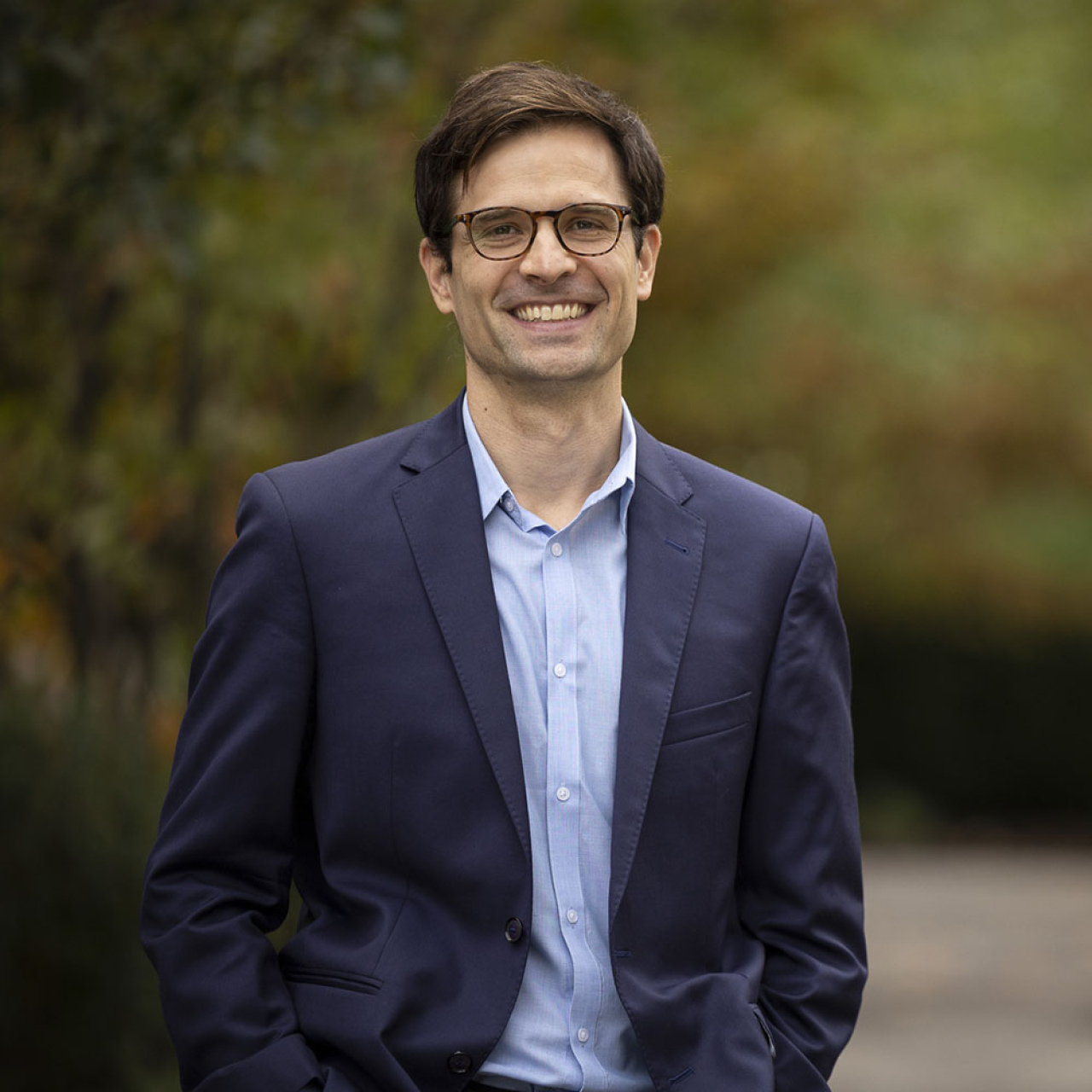
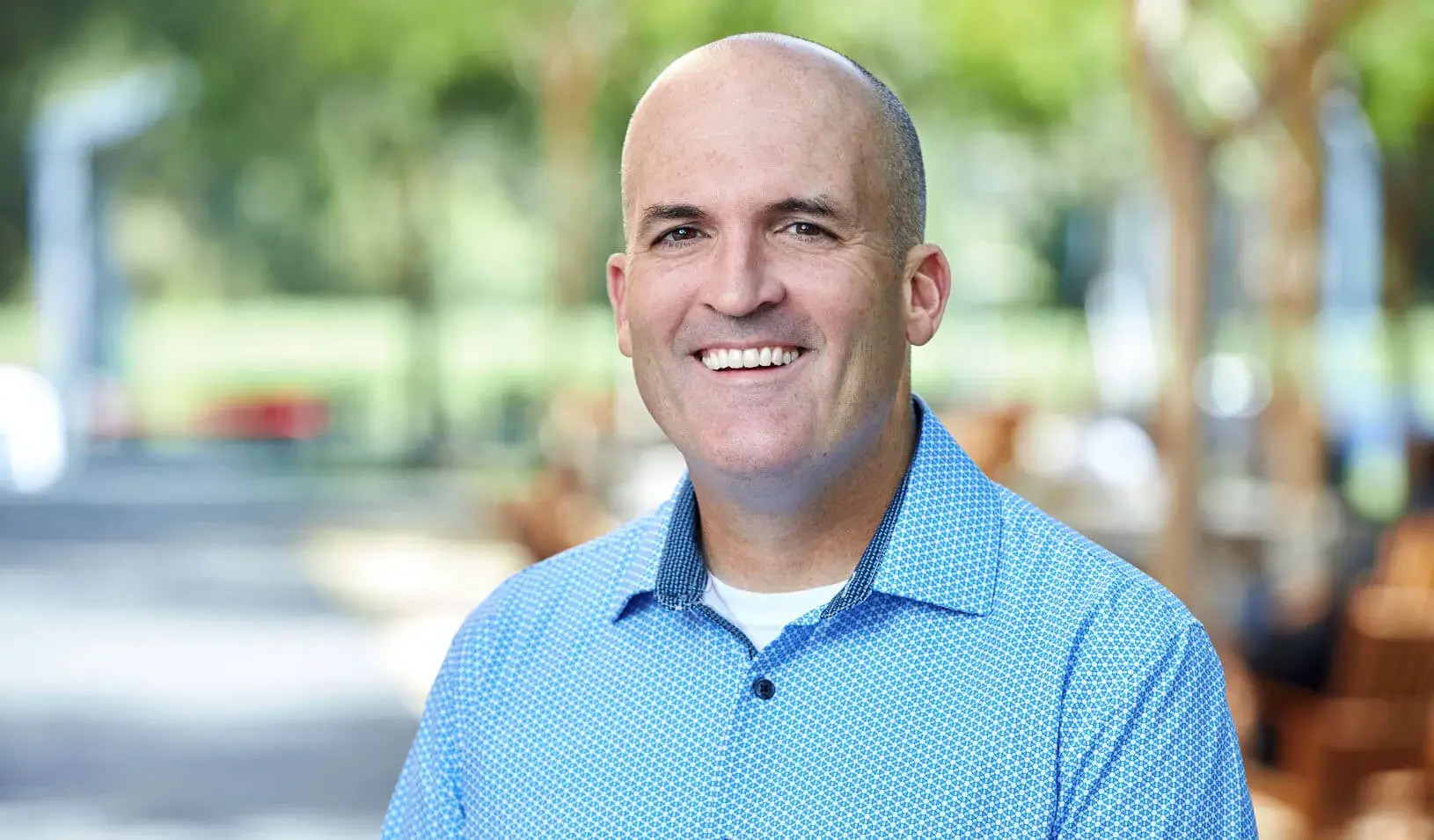
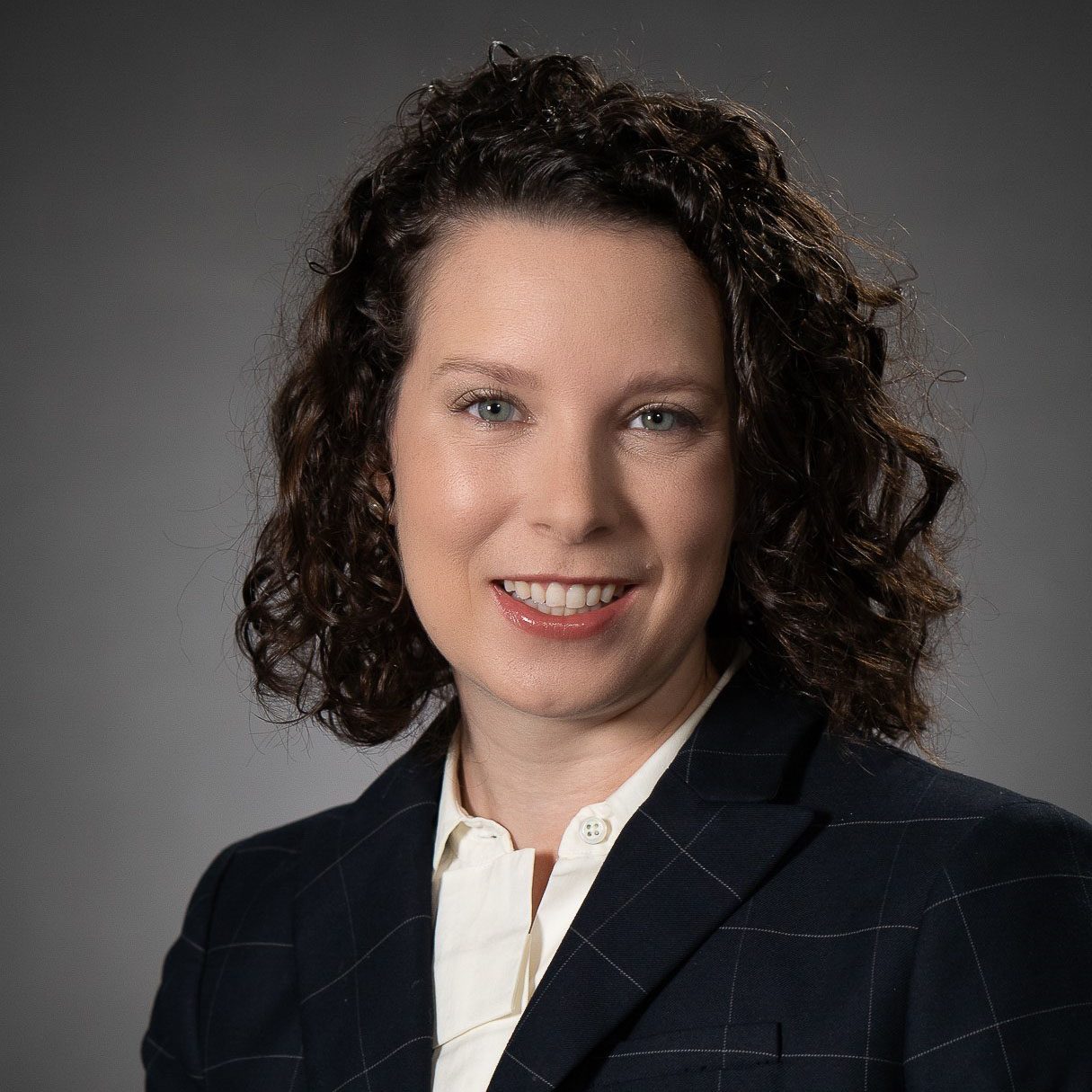
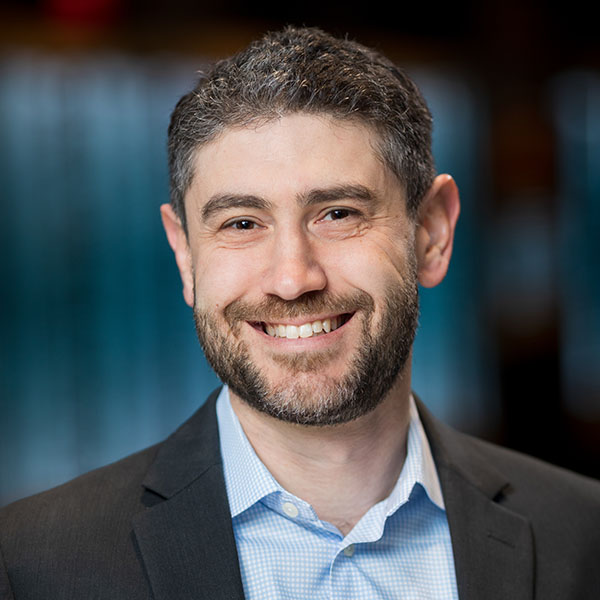
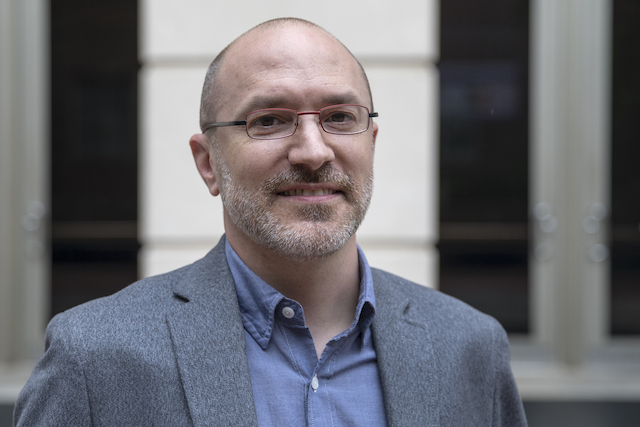
Jeremy K Fox is Associate Professor of Psychology at Montclair State University's College of Humanities and Social Sciences, where he directs the RECAP (Research on Emotion, Coping and Anxiety in Pediatrics) laboratory. His research examines developmental pathways to childhood anxiety and depression. Education includes: PhD in Clinical Psychology, State University of New York at Albany MA in Psychology, State University of New York at Albany BA in Psychology, Johns Hopkins University Research focuses on temperament-environment interactions, emotion regulation deficits, and school-based interventions. Current work investigates parental influences on anxiety development and peer-supported treatment models for minority youth. Articles demonstrate consistent focus on improving mental health service accessibility. Leads graduate training in clinical psychology and mentors doctoral students in anxiety research. RECAP lab investigates affective mechanisms underlying adolescent distress and develops digital interventions for school settings.
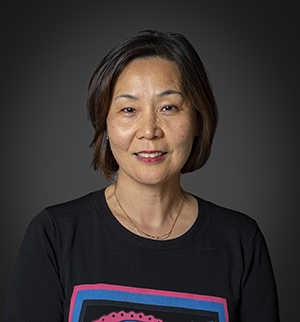
Bertrand Schneider is an Associate Professor of Education at Harvard University's Graduate School of Education (GSE). He holds a Ph.D. in Learning Sciences and Technology Design from Stanford University (2015) and previously served as a postdoctoral researcher at Stanford's Transformative Learning Technologies Laboratory. His research focuses on educational interfaces (e.g., augmented reality, tangible tools) and multimodal learning analytics, particularly in collaborative and informal learning environments. He investigates how technologies like gaze-tracking and motion sensors can assess student learning trajectories and improve instructional strategies in makerspaces and remote teaching contexts. Education : Ph.D., Learning Sciences and Technology Design, Stanford University (2015) Postdoctoral Researcher, Transformative Learning Technologies Laboratory, Stanford University Research Interests : Educational technologies (AR, tangible interfaces, multitouch) Multimodal data analysis (gaze, body movement, speech) Collaborative learning in formal/informal settings Remote teaching strategies using shared gaze visualizations AI applications in personalized feedback and misinformation discernment Key Contributions : Developed methodologies for capturing joint visual attention in collaborative learning Advocated for ethical implementation of multimodal learning analytics Explored AR's dual-edged impact on student engagement and collaboration Labs/Teams : Current research aligns with GSE's focus on innovative learning technologies Prior affiliation with Stanford's Transformative Learning Technologies Lab
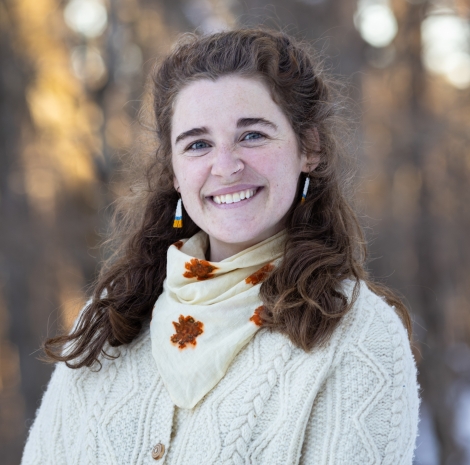
Hyowon Gweon is an Associate Professor in the Department of Psychology at Stanford University. As the leader of the Social Learning Lab, her research focuses on how humans learn from others and help others learn, employing interdisciplinary methods including developmental, computational, and neuroimaging approaches. She holds a PhD in Cognitive Science from MIT (2012) and joined Stanford in 2014 after a postdoc at MIT. Her research interests span computational approaches to social learning, developmental psychology, neuroimaging, and education. She has received notable awards such as the APS Janet Spence Award (2020), James S. McDonnell Scholar Award (2018), and Marr Prize (2010). Her work explores topics like counterfactual reasoning, social cognition in infants, and embodied AI benchmarks. Labs/Teams: Social Learning Lab Key Themes: Prosocial behavior, theory of mind, cognitive development, and human-AI interaction. Her recent articles investigate infant gaze behavior, temporal reasoning in children, and strategic communication in preschoolers. Grants and advising details are not explicitly listed in the provided text.
Francis J. Flynn, known as Frank, is the Paul E. Holden Professor of Organizational Behavior at Stanford Graduate School of Business (GSB). He holds a PhD from UC Berkeley and joined Stanford in 2006 after roles at Columbia Business School. His academic focus revolves around leadership, employee cooperation, and mitigating workplace stereotypes. A renowned teacher, he employs the 'Three E’s' method: Engagement, Evidence, and Examples, emphasizing hands-on learning and real-world application. Education : PhD in Organizational Behavior, UC Berkeley (2000) MS in Business, UC Berkeley (1999) BBA, University of Notre Dame (1994) Research Interests : Frank explores why good intentions fail to produce desired outcomes in organizations, focusing on psychological barriers to cooperation. His work bridges management and social psychology, addressing topics like leadership emergence, stereotype reduction, and decision-making dynamics. Executive Education : He designs programs for companies including Google, Microsoft, and Bank of America, specializing in leadership and decision-making. His courses at Stanford include OB 206: Organizational Behavior and OB 377: The Paths to Power . Awards : Spence Faculty Fellow (2020–21) James & Doris McNamara Faculty Fellow (2013–14) Leadership Roles : Director of Executive Leadership Development at Stanford GSB, overseeing programs like the Executive Leadership Development initiative. Personal : An avid hiker and introvert-turned-public speaker, Frank advocates for deliberate practice. His book recommendations and teaching philosophy emphasize simplifying complex ideas, as seen in his推崇 of Michael Schur’s How to Be Perfect .
Zsolt Kira serves as an Assistant Professor in the School of Interactive Computing at Georgia Institute of Technology's College of Computing, with additional affiliations at the Georgia Tech Research Institute and as Associate Director of ML@GT. He leads the Robotics Perception and Learning (RIPL) Lab, driving research at the intersection of machine learning and robotics. Dr. Kira earned his Ph.D. in 2010 under Professor Ron Arkin, establishing foundational expertise in robotics and AI before transitioning to his current academic role after industry experience at SRI International Sarnoff. His research pioneers beyond supervised learning through unsupervised, semi-supervised, self-supervised, and continual/lifelong learning frameworks, while advancing distributed perception via multi-modal fusion and cross-robot information integration. This dual focus addresses core challenges in robotic autonomy and sensor processing. Analysis of his 15 most recent publications reveals dominant trends in embodied AI systems, robust foundation model adaptation, and multimodal learning architectures. Key themes include neural radiance field applications, reinforcement learning for locomotion, and novel benchmarks for memory evaluation in agents. While specific advisees and grants aren't documented in the source material, his RIPL Lab leadership implies active graduate mentorship and research funding acquisition. The lab's work directly enables next-generation robotic systems through algorithmic innovation in perception and learning. The RIPL Lab operates as a hub for developing machine learning techniques that solve difficult perception problems in robotics, with particular emphasis on unsupervised learning paradigms and distributed multi-robot systems that push the boundaries of autonomous operation.
J. Lotus Seeley is an Associate Professor of Sociology and Graduate Program Director at Florida Atlantic University (FAU). Her academic work bridges feminist theory, economic sociology, and microsociology, with a focus on gender and organizational dynamics. Education: MA in Women’s Studies (2007) from The Ohio State University PhD in Women’s Studies and Sociology (2016) from the University of Michigan Dr. Seeley’s research examines how gender is socially constructed and organizationally structured, particularly through mundane interactions. Key areas include the reproduction of gender and social status in workplaces, slut-shaming stigma, and IT support dynamics in universities. She currently investigates women’s experiences in the gig economy and work-life balance for mothers. Her recent publications analyze hegemonic femininities, organizational queuing, help-seeking in IT, and gender performativity in male-dominated roles. These works draw on feminist theories, symbolic interactionism, and ethnomethodology. Scientific Awards: 2020 Distinguished Article Award from the American Sociological Association Sex & Gender Section for 'Hegemonic Femininities and Intersectional Domination' Dr. Seeley teaches sociological theory, qualitative methods, gender studies, and microsociology. Her pedagogical mission emphasizes connecting macro-level social forces to students' personal experiences, challenging individualistic narratives through sociological frameworks.
Dr. Prerna Arora is Associate Professor of Psychology and Education at Teachers College, Columbia University, within the Graduate School of Education, Health & Psychology and the Department of Health Studies & Applied Educational Psychology. She directs the School Mental Health for Minoritized Youth and Families (SMILE) Research Lab, where she leads innovative research on mental health equity for immigrant-origin, racial and ethnic minoritized, and historically marginalized youth. Ph.D. in School Psychology – University of Texas at Austin M.A. in Educational Psychology – University of Texas at Austin B.S. in Biology – Arizona State University Predoctoral Internship – Children’s Hospital of Philadelphia Postdoctoral Training – University of Maryland School of Medicine Dr. Arora’s research focuses on culturally tailored mental health interventions, school-based services, barriers to care, and trauma-informed, equity-driven practices. Her work is grounded in participatory action research and mixed methods, aiming to bridge research-practice gaps and empower communities. She has led major funded projects from the Spencer Foundation, National Institute of Mental Health (NIMH), and the U.S. Department of Education, including a $4.9 million grant to train clinicians in culturally responsive services. Her recent publications reflect a strong thematic focus on mental health disparities, cultural adaptation of interventions, school climate, and help-seeking behaviors among AAPI, Latino/a, and immigrant youth. The body of work demonstrates a commitment to advancing equity, social justice, and measurement-based care in school psychology. American Psychological Association Minority Fellowship Program Spencer Foundation Research Grant NIMH Funding U.S. Department of Education OSEP Grant ($4.9 million) Dr. Arora actively mentors PhD and graduate students, many of whom co-author her publications. She has secured major grants that support training, research, and community partnerships. Her leadership extends to editorial roles as Associate Editor of School Mental Health and Consulting Editor of School Psychology Review , and she is a vocal advocate for diversity, equity, and inclusion in academic training and practice. She collaborates extensively with NYC-based organizations, building community-driven research models through the SMILE Lab.
Allison Godwin is a Professor in the Department of Chemical Engineering at Cornell University, joining the faculty in 2023. She holds a B.S. (2011) and Ph.D. (2014) in Chemical Engineering and Science Education from Clemson University. At Purdue University, she was a tenured member of the School of Engineering Education and held a joint appointment in the Davidson School of Chemical Engineering (2020). Research Interests: Engineering identity development, particularly for underrepresented groups Inclusive pedagogies to reduce equity gaps in STEM Engineering workforce diversity and retention strategies Mixed-methods research on belonging and motivation Scientific Awards: 2023 American Institute of Chemical Engineers Award for Excellence in Engineering Education Research 2022 AERA Division I Outstanding Research Publication Award 2021 CEE William H. Corcoran Award 2017-Present NSF CAREER Award 2016 NARST Outstanding Doctoral Dissertation Award Leadership Roles: Past Chair of ASEE Educational Research Methods Division (2021-2023) Associate Editor for Chemical Engineering Education (2020-Present) Co-led Purdue’s Faculty Learning Community for inclusive teaching
Dr. Michelle Townsend is a Senior Research Fellow at the University of Wollongong's School of Psychology and a Senior Lecturer in the Public Health Discipline within the School of Health and Society. With over two decades of expertise in responding to adverse childhood experiences, her research bridges psychology and public health, focusing on child maltreatment, mental health disorders, self-harm, suicide prevention, and improving outcomes for vulnerable children and families. Her work emphasizes collaboration with clinicians, educators, government agencies, and communities to develop impactful interventions and policies. Notable contributions include the Project Air Strategy for Schools and research on child-to-parent violence, caregiver experiences, and e-therapy for adolescents with borderline personality disorder. Dr. Townsend holds dual roles, combining research leadership with teaching in public health and psychology, and actively supervises PhD students in areas like narrative therapy and suicide risk assessment. Her funding includes grants from NSW Department of Education and the Mental Health Commission of NSW, supporting initiatives such as early intervention in schools and peer support programs for personality disorders. She also contributes to editorial roles and peer review for journals like BMC Psychology and Clinical Psychologist. Through co-design approaches, her research prioritizes ethical principles and community impact, addressing critical societal challenges in mental health and child welfare.
Ezra Golberstein, PhD, is a Professor in the Division of Health Policy & Management at the University of Minnesota's School of Public Health. His academic journey includes a PhD in Health Services Organization and Policy from the University of Michigan (2008) and a BA from Brandeis University (2001). His research focuses on the intersection of health services and policy research with health economics, particularly in mental health services and policy. Golberstein's research interests span health economics , health care policy , mental health , quantitative methods , health insurance , human capital , and non-medical determinants of health . His work examines how health insurance changes, provider incentives, and practice innovations affect healthcare use and outcomes for people with mental health problems. He has published extensively on mental health services utilization, insurance coverage effects, and policy interventions aimed at improving mental healthcare access and quality. His publication record shows consistent scholarly output from 2007 through 2023, with recent work focusing on healthcare delivery innovations, mental health economics, and the impact of policy changes on vulnerable populations. His research demonstrates methodological rigor using quantitative approaches to address pressing questions in health policy. Member, Delta Omega Honorary Society in Public Health Golberstein's research has significant implications for health policy development, particularly in mental healthcare financing and delivery systems. His work on geographic variations in mental health services, insurance parity effects, and innovative service delivery models provides evidence to inform policymakers and healthcare administrators. His studies on college student mental health have contributed to understanding barriers to care and developing more effective campus mental health programs.
Prof. Dr. Talja Blokland is a Professor of Urban and Regional Sociology at the Institute of Social Sciences within the Faculty of Cultural, Social and Educational Sciences at Humboldt University of Berlin. Based at Universitätsstraße 3b, Room 301, she actively contributes to urban sociological research and teaching, with contact via talja.blokland@sowi.hu-berlin.de. Her position as Women's* representative underscores her institutional engagement beyond academic duties. Bloklund's research centers on urban sociology, examining social inequality, neighborhood dynamics, social capital, public space, and urban diversity through qualitative and ethnographic lenses. She investigates how spatial arrangements shape social interactions, community formation, and exclusionary processes in cities like Berlin, Rotterdam, and São Paulo. Her work emphasizes the lived experiences of marginalized populations and the role of public spaces in mediating urban life, particularly in contexts of migration, segregation, and rapid urban transformation. Analysis of her recent publications reveals a dominant focus on 'urban impasses'—structural deadlocks where inequality becomes entrenched. Her scholarship consistently explores segregation mechanisms, social trust in public spaces, and the impact of policies like lockdowns on urban dwellers. Methodologically, she prioritizes ethnographic approaches to capture nuanced social realities, with recurring attention to Berlin's evolving urban landscape. Key thematic threads include the paradoxes of diversity, the spatial dimensions of social capital, and how marginalized groups navigate urban inequalities through everyday tactics.
Joseph Frey is an Assistant Professor in the Department of Social Work at the University of North Texas. His research focuses on stigma-related issues affecting marginalized populations, including LGBTQ+ communities and families involved in social service systems. He examines intersections between mental health, criminal justice policies, and child welfare, with a particular emphasis on adverse childhood experiences (ACEs) and parenting support mechanisms. His work utilizes both quantitative and qualitative methods to address systemic barriers in service provision. Key themes include the impact of regional cultural attitudes on sexual identity stigma in the American South, the role of probation officer networks in connecting individuals with mental health resources, and strategies to enhance parental self-efficacy in under-resourced communities. Dr. Frey has published extensively on topics such as Head Start program effectiveness, latent class analysis of ACEs, and peer support interventions for fathers. His scholarship bridges academic research with practical applications in social work practice and policy development.
Sungok Serena Shim is a Professor of Educational Psychology at Ball State University's Teachers College, where she has served since 2018. Her research focuses on understanding the core question: What motivates people? She investigates intersections between academic and social motivation in adolescents and teacher motivation linked to well-being, job satisfaction, and student outcomes. Ph.D. in Educational Psychology (2006), University of Illinois at Urbana-Champaign M.A. in Educational Psychology (1994), Seoul National University B.A. in Elementary Education (1991), Seoul National University of Education Her work extends to evaluating after-school programs funded by the Indiana Department of Education since 2012 and collaborating on STEM pedagogical interventions with the Korean Science Foundation. She has published over 30 peer-reviewed articles in journals like Journal of Educational Psychology and Motivation and Emotion , with recent studies focusing on perfectionism, emotion regulation, and socio-scientific issues in education. Dr. Shim has received multiple awards, including the 2018 BSU Teachers College Outstanding Research Award and the 2017 BSU Digital Scholarship Faculty Fellowship. She served as program faculty for a social justice-oriented teacher preparation program that won the AACTE Best Practice Award, and currently acts as Associate Editor for Educational Psychology .
Sara Abelson, PhD, MPH is an Assistant Professor in the Department of Urban Health and Population Science at Temple University Lewis Katz School of Medicine and serves as Senior Director at The Hope Center for Student Basic Needs. Her work focuses on advancing structural approaches to enhance student success, mental health equity, and basic needs security in higher education through applied research and program development. Dr. Abelson's educational background includes: PhD, School of Public Health, University of Michigan, Ann Arbor, MI MPH, School of Public Health, University of Michigan, Ann Arbor, MI BA, Cornell University Her research centers on adolescent and young adult mental health, health equity, and social determinants of health, with particular attention to structural and systemic drivers of health inequities. She investigates how school settings influence youth health outcomes and serve as intervention points for promoting wellbeing. Her work bridges research, policy, and practice to develop evidence-based approaches for reducing inequities in higher education settings. Dr. Abelson's publication record shows a clear evolution toward increasingly sophisticated analyses of mental health disparities in educational contexts. Recent work examines racial/ethnic disparities in mental health service utilization, gender minority mental health, and the impact of political events on vulnerable student populations. Her research consistently emphasizes structural interventions over individual-level approaches. Among her notable recognitions: 2022 Weiss Writing Prize for her pivotal publication on college mental health Lewis Barbato Award from the American College Health Association K. Patricia Cross Future Leader Award from the American Association of Colleges & Universities George Orley Mental Health Advocate Award Dr. Abelson has extensive consulting experience with major educational organizations including the American Council on Education, Center for Community College Student Engagement, and Association of Public & Land-grant Universities. Her current projects focus on evidence-based interventions for student mental health, community college mental health initiatives, and integration of basic needs and mental health resources to improve educational attainment. As Senior Director at The Hope Center, she leads initiatives addressing the critical intersection between mental health and basic needs security, developing comprehensive approaches to student wellbeing that recognize the interconnected nature of these challenges in higher education.
Sophie Ryan is a Climate and Health Research Fellow at Appalachian State University's Department of Geography and Planning, supported by the National Academy of Sciences. She holds a Ph.D. in Geography (candidate) from the University of North Carolina at Chapel Hill and advanced degrees in Geography from Appalachian State University and the University of Vermont. Education : Ph.D. Candidate in Geography (UNC Chapel Hill), M.A. in Geography (Appalachian State), B.S. in Geography (University of Vermont) Ryan's research integrates medical geography and climate science to explore mental health impacts of extreme weather events. Her work combines spatiotemporal modeling , health data analysis , and disaster response studies , focusing on youth, older adults, and vulnerable populations. Recent projects examine greenspace effects on mental health , compound climate events , and pandemic-related health disparities . Her publications highlight climate-mental health linkages , spatial epidemiology , and social vulnerability in disaster contexts. Articles address topics like heat-stress and mental health , transgender youth post-disaster trauma , and suicide risk disparities during the COVID-19 pandemic. Ryan employs distributed lag models , cluster analysis , and geospatial techniques to assess environmental health impacts. Scientific Awards : NASEM Climate-Health Fellow