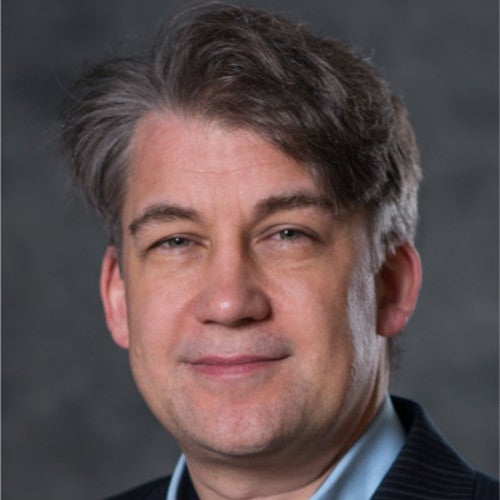
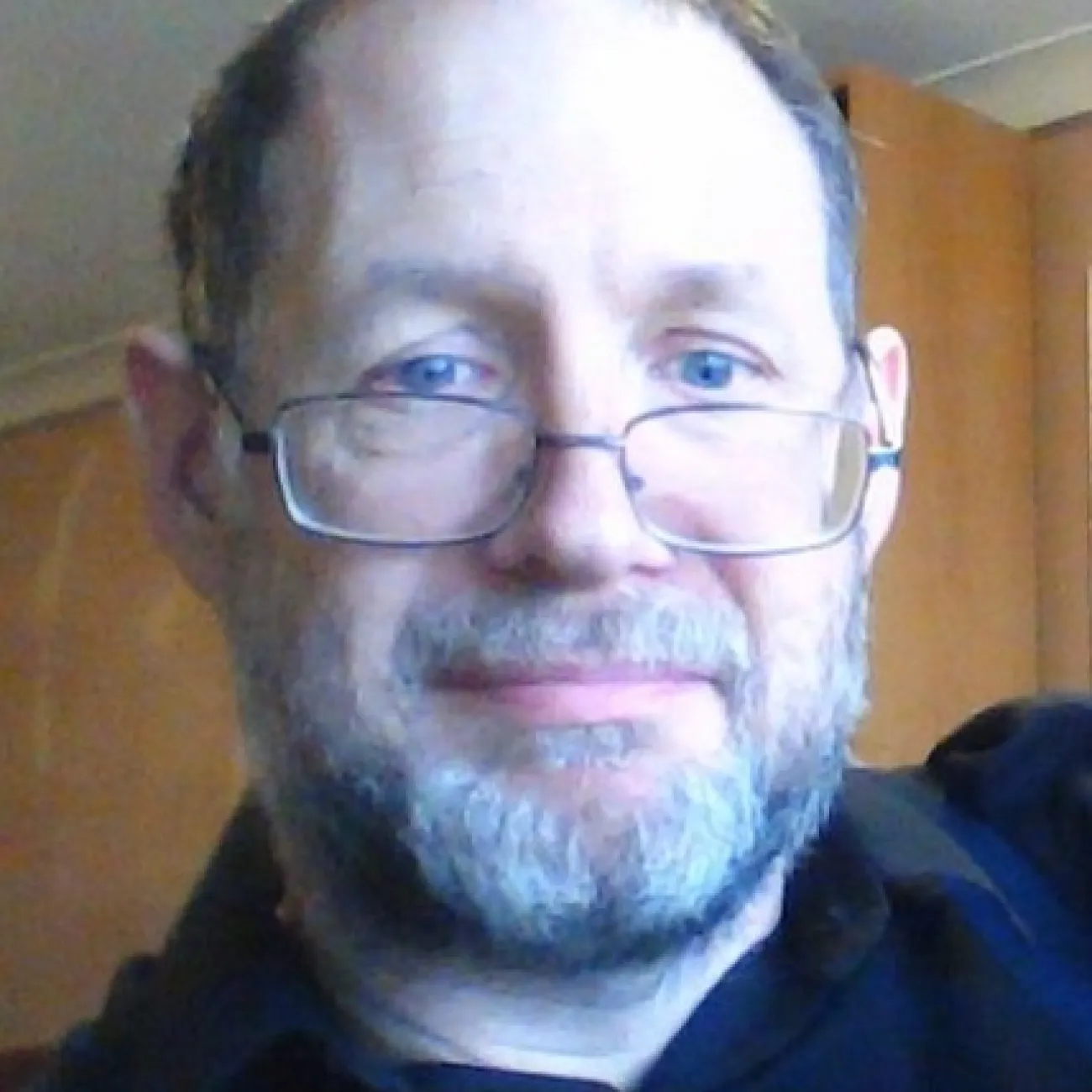
Jonas Braasch is a Professor at Rensselaer Polytechnic Institute's School of Architecture and Associate Director for Research at the Experimental Media and Performing Arts Center (EMPAC). He teaches in the Graduate Program in Architectural Acoustics and leads research on collaborative virtual reality, binaural hearing, auditory modeling, and sensory substitution devices. His work has been funded by NSF, NSERC, and European agencies, and he holds dual PhDs in Electrical Engineering/Information Science and Musicology. His research integrates acoustic virtual reality systems, immersive museum soundscapes, telematic music, and assistive instrument design. Recent publications focus on networked immersive environments, spatial audio techniques, museum acoustics classification, and innovations in wind instrument design for accessibility. Publications emphasize the application of deep learning to acoustic prediction and multisensory integration.
Nasser Kehtarnavaz is an Erik Jonsson Distinguished Professor and Director of the Embedded Machine Learning (EML) Laboratory at the University of Texas at Dallas's Erik Jonsson School of Engineering and Computer Science. He holds a PhD from Rice University (1987) and has over 40 years of academic and industrial experience. His research focuses on signal/image processing, machine learning, biomedical applications, and real-time embedded systems. He has authored/co-authored 11 books and over 450 publications, and supervised 37 PhD and 35 MS students. Leadership roles: Editor-in-Chief of Journal of Real-Time Image Processing , SPIE Conference Chair, IEEE Fellow (2013), AAIA Fellow Industrial collaborations: Texas Instruments, AT&T Bell Labs, US Army TACOM Research Lab Key contributions: Smartphone-based signal processing labs, hearing aid amplification algorithms, and FPGA-based embedded systems Research interests include real-time implementation on embedded processors, biomedical signal analysis, and smartphone-based laboratories. He has pioneered educational tools like anywhere-anytime labs using smartphones for signal processing education. Recipient of numerous awards including IEEE Region 5 Professional Leadership Award (2015), Outstanding Engineering Educator Award (2013), and community recognition from SPIE (2020-2021). His funded projects (62 as PI/Co-PI) span healthcare tech, energy systems, and semiconductor manufacturing. Director of the EML Lab and previously the Signal and Image Processing Lab. Teaches graduate courses like Machine Learning and Pattern Recognition and undergraduate courses in signals and systems.
Chen-Pang Yeang is a Professor at Victoria College, University of Toronto, where he also serves as Director for the Special Project on Scientific Instruments. His work bridges the history of science and engineering, focusing on the modern physical sciences and technological development from the late 19th century to the present. His research interests include the history of physics, electromagnetism, quantum information, noise in communication systems, and the interplay between scientific theory and engineering practice. He investigates how technical knowledge is produced, justified, circulated, and transformed across disciplines and communities. Key themes include instrumentation, signal processing, and the role of amateurs in technological innovation. His publications reveal a strong interdisciplinary focus, combining historical analysis with deep technical understanding. His recent work explores figures like Heinrich Hertz and Chao Yuen Ren, while also addressing broader conceptual shifts in physics and engineering, such as the emergence of cybernetics and quantum information. The articles reflect consistent engagement with both theoretical frameworks and material practices in science. Selected Scientific Contributions: Historical analysis of Hertz’s discovery of electric waves Development of radio ionospheric sounders Evolution of noise measurement in early 20th-century engineering Chao Yuen Ren’s path from linguistics to cybernetics Engineering entanglement in quantum information He has advised or collaborated on research involving wave propagation, SAR imaging, and quantum solitons. His book Probing the Sky with Radio Waves (University of Chicago Press, 2013) is a major contribution to the history of atmospheric science and wireless technology. While no formal students are listed, his collaborative projects suggest mentorship and team-based research. He is associated with no named lab or research group in the text, but his special project on scientific instruments likely involves curated research initiatives.
Dr Matthew Wright is a Senior Lecturer at the Institute of Sound and Vibration Research (ISVR), University of Southampton. His research spans musical instrument acoustics, thermoviscous acoustics, and computer-enhanced learning, focusing on interdisciplinary applications of acoustics and education. PhD in acoustics from ISVR under Joe Hammond Research Fellow at Trinity College Dublin (1990s) EPSRC Advanced Research Fellow (2002) His work integrates acoustics , machine learning , and engineering education . Key areas include thermoviscous fluid dynamics, auditory neuroscience, and innovative methods for teaching acoustical design. Recent articles highlight collaborations with EPSRC and Google Inc., exploring sound propagation, speech enhancement algorithms, and MEMS microphone design. Themes center on sound and vibration , signal processing , and educational technologies . EPSRC Advanced Research Fellowship (2002) Matthew supervises PhD students and has contributed to projects like "SMILE" (European Union), "Bleeck" (EPSRC), and "Speech Enhancement in Neural Space" (Google). He actively participates in editorial boards and professional organizations, including the Institute of Acoustics.
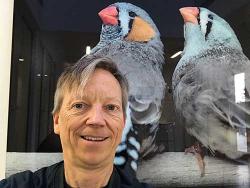
Frédéric Theunissen serves as a Professor in the Department of Psychology at the University of California, Berkeley, where he leads the Theunissen Lab. His research centers on auditory neuroscience, investigating how neural systems process vocal communication in animals and humans through interdisciplinary approaches combining behavioral experiments, neurophysiology, and computational modeling. His work explores the neural computations underlying sound perception, focusing on how auditory systems extract behaviorally relevant features from natural soundscapes. Key research areas include pitch, timbre, and rhythm perception; signal extraction from noise; auditory memory formation; and object recognition. The lab employs diverse methodologies including single-unit recordings in songbirds, ECoG/fMRI in humans, and behavioral tests across species ranging from zebra finches to spotted hyenas. Analysis of his recent publications reveals a consistent trajectory in decoding vocal communication mechanisms across biological systems. His work bridges animal and human studies, demonstrating how neural representations of sound features enable tasks like individual caller recognition (e.g., in bird calls and hyena giggles) and hierarchical speech processing in the human cortex. The research emphasizes the evolutionary and functional links between acoustic signal properties and neural coding strategies. Theunissen Lab operates as a collaborative hub for auditory neuroscience at UC Berkeley, integrating animal behavior, human psychophysics, and computational approaches. The lab's ecosystem spans species-specific communication studies—from canaries and woodpeckers to human speech—aiming to decipher universal principles of auditory perception and the neural basis of meaning extraction in communication sounds.
David Holzman is an Adjunct Professor of Theory and Piano at the School of Performing Arts, Long Island University (LIU). He holds a B.M. magna cum laude from Mannes College of Music and an M.M. from Queens College, CUNY. He is internationally recognized for his performances and recordings of 20th- and 21st-century piano music, particularly works by modernist composers such as Stefan Wolpe, Donald Martino, and Ralph Shapey. His research and performance interests center on contemporary classical music, avant-garde piano techniques, and the cognitive and physical challenges of interpreting complex modern scores. He has published extensively on these topics, including in Contemporary Music Review and Sonus Magazine , and contributes liner notes that combine scholarly insight with accessible commentary. His work on performing with hearing loss adds a unique dimension to his scholarship. The body of his recent publications and recordings reveals a sustained engagement with American modernism, serialism, and the music of Jewish composers. His work bridges performance, analysis, and pedagogy, often exploring the psychological and physical dimensions of playing highly complex music. He has been a frequent lecturer at institutions such as Columbia University, NYU, and Darmstadt, further extending his influence beyond the concert stage. Honors include: Grammy nomination for Best Instrumental Solo Performance Indie Award for Best Classical CD Deems Taylor Award for Best Liner Notes Grants from the National Endowment for the Humanities, Aaron Copland Foundation, and Alice B. Ditson Fund Commissioning support from Reader’s Digest-Meet the Composer and New Jersey Council on the Arts Holzman has advised and mentored through masterclasses, lecture-recitals, and recordings. His performances at venues like Merkin Hall, Bargemusic, and the Darmstadt Festival have been supported by grants and institutional sponsorships. He has collaborated with the Stefan Wolpe Society and performed at festivals dedicated to experimental music, contributing significantly to the preservation and promotion of underrepresented modernist repertoire. He is actively involved in performance-based research and maintains a strong digital presence through his website battlemuse.com , where he shares insights on performance, hearing loss, and contemporary music. His work at the intersection of disability and artistry offers a compelling narrative on resilience and innovation in music.
Maoli Duan is an Associate Professor and Senior Consultant at the Karolinska Institutet , affiliated with the Department of Clinical Science, Intervention and Technology under the Ear, Nose and Throat Diseases division. With over 150 peer-reviewed publications, his translational research bridges animal models and clinical applications in otolaryngology. Academic Rank: Associate Professor (Karolinska Institutet, 2006) Doctoral Degree: Department of Physiology and Pharmacology, Karolinska Institutet (1999) Research Focus Dr. Duan's work centers on gene therapy and stem cell treatments for sensorineural hearing loss , with recent breakthroughs in AAV vector delivery for congenital deafness. His 2025 Nature Medicine study demonstrated hearing restoration in patients with OTOF gene mutations through viral gene replacement. Publication Trends His 15 most recent articles (2023-2025) span biomedical engineering , clinical otology , and translational neuroscience . Key subfields include inner ear drug delivery , cochlear implants , gene therapy protocols , and viral vector optimization . Notably, his team has pioneered non-invasive approaches to treating Meniere's disease and noise-induced hearing loss . Collaborative Networks Dr. Duan collaborates with institutions across Europe , Asia , and North America , with recurring co-authors from Karolinska Institutet , University of Gothenburg , and Shanghai Jiao Tong University . His work appears in Nature Medicine , PNAS , and Advanced Science . Scientific Context Dr. Duan's research aligns with global efforts to address genetic hearing disorders through molecular interventions. His team's clinical trials demonstrate that gene therapy can restore near-normal hearing in OTOF mutation carriers without major adverse events, opening new pathways for non-invasive auditory restoration in both pediatric and adult populations.
R. J. Dwayne Miller serves as University Professor in both the Department of Chemistry and Department of Physics at the University of Toronto. He also holds significant international appointments as Co-founding Director of the Max Planck Institute for the Structure and Dynamics of Matter in Hamburg, Germany, and previously directed the Max Planck Group at Centre for Free Electron Laser Science/DESY. His research focuses on understanding molecular reaction dynamics with particular emphasis on the connection between chemistry driving biological functions and the highly optimized structures in biological systems. Miller received his B.Sc. Honours from the University of Manitoba (1974-1978) under Professor Bryan R. Henry, followed by a Ph.D. from Stanford University (1978-1983) with Professor Michael D. Fayer. After a NATO Science Fellowship at Université Joseph Fourier (1983-1984), he began his academic career at the University of Rochester, progressing from Assistant Professor to full Professor before joining the University of Toronto in 1995, where he was promoted to University Professor in 2007. Professor Miller's research spans three interrelated areas: energy transduction in biological systems; interfacial structure and reaction dynamics; and high-order nonlinear laser spectroscopies as probes of liquid and protein 'memory' functions. His group has pioneered the development of ultrabright electron sources that enable direct observation of atomic motions during chemical reactions - creating what they call 'atomic movies.' This groundbreaking work accomplished one of science's dream experiments by bringing the chemist's collective thought experiment of chemistry to direct observation. Their research has challenged established paradigms, particularly in quantum biology where they demonstrated that nature exploits dissipation rather than avoiding it to direct energy transport in photosynthesis. Analysis of Miller's recent publications reveals a consistent progression from fundamental studies of energy transport to practical applications. His group has evolved their electron diffraction techniques to achieve unprecedented spatial and temporal resolution, enabling observation of atomic motions during barrier crossing in catalysis and resolving full enzymatic cycles. A significant trend is their development of serial electron diffraction methods requiring only nanograms of material, which could revolutionize structural biology and chemical synthesis by enabling 'lab on a chip' approaches with orders of magnitude higher throughput. Fellow of the Royal Society (2023) Fellow of the Royal Society of Canada Fellow of the Chemical Institute of Canada Fellow of the Optical Society of America Fellow of the Royal Society of Chemistry European Physical Society Prize for Laser Science A.P. Sloan Fellowship Camille and Henry Dreyfus Fellowship Guggenheim Fellowship Humboldt Award Presidential Young Investigator Rutherford Medal in Chemistry CIC Medal McNeil Medal for Science Promotion Professor Miller has secured substantial funding for his innovative research in ultrafast science, leading to numerous technological breakthroughs. His group has developed the Picosecond Infrared Laser (PIRL) technology, which enables minimally invasive surgery with intact molecular signatures for guidance and scar-free healing. This technology has been successfully applied in stapes surgery for hearing loss recovery and in treatments for glaucoma. His work on six-wave mixing spectroscopy has opened new avenues for investigating intermolecular forces that determine the dynamic structure of liquids and proteins. The Miller Group is housed in the Lash Miller Chemical Laboratories at the University of Toronto, where they maintain state-of-the-art instrumentation they've developed. Their labs include ultrabright electron sources sufficient to 'light up atomic motions' and observe chemistry at the atomic level. The group is working toward establishing the Centre for Atomically Resolved Dynamics to promote collaborative research. They maintain strong international connections, particularly with the Max Planck Institute in Hamburg, reflecting Miller's dual appointments in Canada and Germany.
Cara E. Stepp is a Professor at Boston University, with appointments in the Speech, Language & Hearing Sciences , Biomedical Engineering , and Otolaryngology – Head and Neck Surgery departments under the Sargent College of Health & Rehabilitation Sciences . Her research focuses on applying engineering tools to rehabilitate sensorimotor disorders of voice and speech, aiming to develop novel therapeutic interventions for conditions like Parkinson’s disease and laryngeal dystonia. Education : S.B. in Engineering Science from Smith College (2004), S.M. in Electrical Engineering and Computer Science from MIT (2008), Ph.D. in Biomedical Engineering from Harvard-MIT Division of Health Sciences and Technology (2009), and postdoctoral training in Computer Science & Engineering and Rehabilitation Medicine at the University of Washington (2011). Dr. Stepp’s research spans sensorimotor rehabilitation engineering , speech motor control , and neurotechnology development . She investigates acoustic and kinematic parameters in voice disorders, cortical biomarkers for motor control, and videogame-based rehabilitation tools. Her work integrates disciplines like biomedical instrumentation, signal processing, and neural dynamics. Key scientific awards include: Presidential Early Career Award for Scientists and Engineers (2019) Fellow of the American Speech-Language-Hearing Association (2018) NSF CAREER Award (2015) Early Career Contributions in Research Award (2012) Peter Paul Career Development Professorship (2012) AIMBE Fellow (2024) As director of the STEPP LAB , she mentors PhD and Master’s students in projects involving Parkinson’s disease, gender-affirming voice care, and computational modeling. The lab fosters a multidisciplinary, inclusive environment with collaborators from engineering, neuroscience, and clinical medicine.
Bing Ye is the Burton L. Baker Collegiate Professor of the Life Sciences at the University of Michigan. He holds academic roles across multiple institutions: Research Associate Dean at the U-M Life Sciences Institute (LSI), Research Professor at LSI, Professor of Cell and Developmental Biology at the U-M Medical School, and Adjunct Professor in the Department of Molecular, Cellular, and Developmental Biology (MCDB) within the College of Literature, Science, and the Arts (LSA). His research focuses on neuronal development and its impact on nervous system assembly, with a particular emphasis on understanding how defects in this process lead to brain disorders like Down syndrome. He employs a multidisciplinary approach integrating genetics, cell biology, biochemistry, advanced imaging, electrophysiology, computational methods (including machine learning), and behavioral studies. Notably, his lab developed LabGym, an AI-based tool for analyzing animal behavior across species. Bing Ye has a robust educational background: B.S. in Physiology (Nanjing University), M.S. in Neurobiology (Chinese Academy of Sciences), Ph.D. in Neuroscience (Johns Hopkins), and postdoctoral training at UCSF. He is committed to mentoring, training future scientists, and promoting inclusivity in science. His awards include Pew Scholar (2010), Kavli Fellow (2012), and AAAS Fellow (2021). He serves on editorial boards for journals like PLOS Biology and is affiliated with multiple institutes, including the Michigan Neuroscience Institute and the Kresge Hearing Research Institute. His lab actively seeks postdoctoral researchers to advance AI-driven behavior analysis and mouse models of neural disorders.
Denyse Hayward is a Professor in the Department of Educational Psychology at the University of Alberta’s Faculty of Education. Her research focuses on inclusive education, disability perceptions, and assessment protocols for vulnerable populations, particularly Deaf and hard-of-hearing students. She holds grants from SSHRC and Alberta Education, collaborating with institutions like MacEwan University and the Edmonton Public School Board. Courses taught include EDPY 301 (Inclusive Education) and EDU 595 (Special Topics in Educational Theory). Her work addresses fatigue measurement for D/HH students, teacher perceptions of disabilities, and bridging theory-practice gaps in teacher education. Key projects include the Fatigue in Educational Contexts Survey (FEC) and studies on preservice teachers’ attitudes. She has published extensively on narrative comprehension, phonological awareness, and blended learning pedagogies. Research highlights include partnerships with Alberta Education to enhance teacher education programs and development of assessment tools like the Sound Access Parent Outcomes Instrument (SAPOI). Her contributions span over two decades, combining clinical background in speech-language pathology with academic research.
Lori Zitelli is an Adjunct Instructor and Clinical Instructor in the Department of Communication Science and Disorders at the University of Pittsburgh’s School of Health and Rehabilitation Sciences. She is clinically based at the UPMC Eye & Ear Institute in Pittsburgh, PA, where she contributes to patient care and clinical education in audiology. Research Interests: Her work focuses on interventional audiology, particularly in the areas of tinnitus, decreased sound tolerance, and amplification. She is committed to improving hearing health care access, especially for aging adults and cancer survivors. The recent publications reflect a strong clinical and translational focus on hearing aid technology, barriers to care, and rehabilitation in complex patient populations. Her work bridges audiology, gerontology, and oncology survivorship. Scientific Awards and Recognition: American Academy of Audiology Early Career Audiologist Award Recipient (2022) AudiologyOnline Best of 2021: Editors' Picks (2021) Jerger Future Leaders of Audiology Conference (JFLAC) Attendee (2018) Professional Affiliations and Certifications: Member, American Academy of Audiology Member, American Speech-Language-Hearing Association Certificate of Clinical Competence in Audiology (ASHA) Certificate Holder in Tinnitus Management (CH-TM) Lori Zitelli earned her clinical and academic training entirely at the University of Pittsburgh, completing a Bachelor of Arts, Master of Arts, and Doctor of Audiology (AuD). Her career exemplifies a strong commitment to clinical excellence, education, and advancing audiology practice through research and leadership.
Andrzej Wicher serves as Associate Professor and Head of the Department of Acoustics within the Faculty of Physics and Astronomy at Adam Mickiewicz University (UAM) in Poznań, Poland. His academic leadership extends to membership on the Council of Disciplines of Physical Sciences and Astronomy since 2016, and previous service as Deputy Director of the Institute of Acoustics (2016-2019). Internationally, he holds an honorary Adjunct Professor position at La Trobe University in Melbourne, Australia. Wicher's research spans psychoacoustics, audiology, and auditory neuroscience, with particular focus on tinnitus mechanisms, otoacoustic emissions (especially DPOAE), binaural hearing phenomena, and speech intelligibility assessment. His work integrates clinical applications with fundamental auditory system modeling, recently expanding into environmental noise impacts—particularly wind turbine acoustics—on cognitive functions. This research portfolio reflects through 15+ recent publications showing consistent interdisciplinary connections between auditory diagnostics, neurological assessment, and real-world sound environments. His scientific contributions are recognized through multiple Rector's Awards for both organizational and scientific activities at UAM (2015-2024). As an active member of the Polish Academy of Sciences' Committee on Acoustics, European Acoustical Society, and Polish Acoustical Society, he contributes to the global acoustics community while co-organizing major conferences including the Open Seminar in Acoustics and Fechner Day. Wicher's teaching program includes specialized courses in psychoacoustics, hearing diagnostics, and auditory system analysis. His research infrastructure benefits from international collaborations with institutions including University of Cambridge, Tohoku University, University of Manchester, and University of Minnesota, supported through national (NCN) and international (EU FP6, NOR/POLNOR) grants.
Professor François Bohnet is a distinguished academic and legal expert at the University of Neuchâtel's Faculty of Law, where he holds the Chair of Civil Procedure and Legal Profession Law. Born in Lausanne in 1972, he earned his law degree from the University of Neuchâtel in 1994, completed an LL.M at Harvard Law School (1999-2000), and obtained his doctorate in 1999. He has been teaching at his alma mater since 2000, progressing from lecturer to associate professor in 2003, and ultimately to full professor and chair holder in 2006. Professor Bohnet's research focuses on civil procedure, access to justice, dispute resolution methods, legal profession regulation, and real estate law (particularly lease law and PPE). His scholarly output is extensive, with numerous books including the annotated Swiss Civil Procedure Code, multiple editions of 'Civil Procedure' and 'Legal Profession Law,' and co-authored works on lease law. His research projects have been funded by the Swiss National Science Foundation, and he has supervised over a dozen doctoral students to completion, many earning Summa Cum Laude distinctions. His recent scholarly work demonstrates continued prominence in Swiss legal academia, with numerous publications in 2021-2023 covering evolving aspects of civil procedure, legal profession ethics, and real estate law. His research shows particular attention to practical applications of procedural law, with several publications analyzing recent Federal Court decisions. Professor Walther Hug Prize (2015, 2017) Prix Paul rené Rossel (2012) FAA-preis (2012) As an educator, Bohnet teaches civil procedure, legal profession law, and lease law. He has been instrumental in continuing legal education, organizing numerous conferences for practitioners. He serves as scientific editor of the Swiss Journal of Civil Procedure since 2005, was President of the Neuchâtel Bar Association (2020-2023), and has been deeply involved with the University of Neuchâtel's governance as Vice-Dean of the Faculty of Law (2009-2011) and member of the Dean's Office (2007-2011). He has created multiple educational websites including droitne.ch, bail.ch, and cpcaugmenté.ch, which features an AI tool for Swiss civil procedure.
Christof Migone is an Associate Professor in the Department of Visual Arts at Western University within the Faculty of Arts and Humanities. He holds a Ph.D. from New York University (2007), an M.F.A. from Nova Scotia College of Art and Design (1996), and a B.A. from Concordia University (1991). Ph.D., New York University, 2007 M.F.A., Nova Scotia College of Art and Design, 1996 B.A., Concordia University, 1991 Migone's research focuses on the intersections of sound, voice, language, and the body within performance contexts. His work explores themes of intimacy, complicity, and endurance, often pushing boundaries between artistic disciplines. He has developed a distinctive approach that blends theoretical inquiry with artistic practice, particularly in the realm of sound art where he examines how voice and language function beyond conventional communication. His practice spans performance, installation, writing, and curation, creating a rich ecosystem of artistic engagement that extends beyond traditional academic boundaries. His publications and artistic output demonstrate a consistent exploration of sonic phenomena and their relationship to embodiment and social dynamics. Over his career, Migone has evolved from early radio and performance works to increasingly complex installations and collaborative projects that investigate the materiality of sound and its cultural implications. His recent work shows a maturation of themes around water, voice, and collaborative processes, particularly evident in his ongoing 'Swan Song' series with Marla Hlady and the 12-year 'You And I Are Water Earth Fire Air Of Life And Death' project. Exhibition Award for 'Volume: Hear Here' (2013) Exhibition Award for 'Seripop: Landscapes Events Reproducted' (2012) Michael Kirby Memorial Prize for Distinguished Doctoral Dissertation (2007) Migone has received commissions from prestigious institutions including the Tate Modern, Kunstradio, Centre for Art Tapes, and New Adventures in Sound Art. He is known for mentoring emerging artists through his curatorial projects and has collaborated extensively with fellow artists including Marla Hlady, Alexandre St-Onge, and others. As a founding member of Avatar (Québec City) and co-founder of Squint Press with Alexandre St-Onge, Migone has been instrumental in building artistic communities and platforms for experimental work. Currently, he is developing a 12-year curatorial project that demonstrates his commitment to long-term artistic exploration. His practice spans performance, installation, writing, and curation, creating a rich ecosystem of artistic engagement that extends beyond traditional academic boundaries. Through his work with the Blackwood Gallery and other institutions, Migone has established himself as a significant figure in Canadian and international sound art communities.