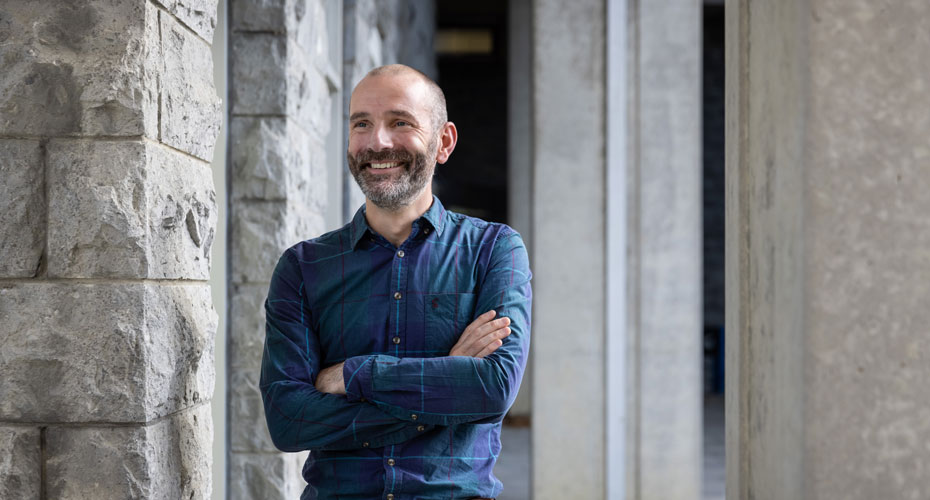
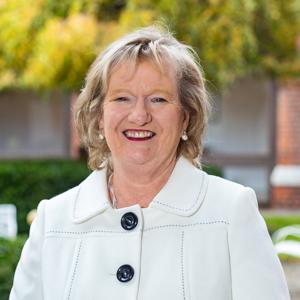
Paul O'Toole is a Professor of Microbial Genomics and Principal Investigator at the APC Microbiome Ireland, University College Cork. His research focuses on the gut microbiome's role in health, aging, and disease, particularly in the context of diet and probiotics. He leads projects like the ELDERMET study on elderly nutrition and the NU-AGE project exploring Mediterranean diets' anti-aging effects. He holds a BA (Mod.) from Trinity College Dublin and a PhD from Lund University, with postdoctoral training in Canada and New Zealand. Key grants include studies on dairy-derived microbiota, probiotic strain improvement, and microbiome analysis in aging populations. He has published extensively on Lactobacillus genomics, gut-brain interactions, and microbiome-driven health outcomes. His work bridges fundamental microbiology with clinical applications, emphasizing translational research. Scientific highlights include discovering microbiome links to cognitive decline, demonstrating dietary modulation of gut microbes to combat obesity, and identifying keystone species in healthy aging. He advocates for sustainability in conservation and food systems, reflecting his interdisciplinary approach to global health challenges.
Zubair Kabir is a Senior Lecturer in Public Health and Academic Director of the Master of Public Health (MPH) program at University College Cork (UCC). He holds dual roles in academia and global health research, serving as the country lead for Ireland in the Global Burden of Disease (GBD) Study since 2016. His work has contributed to over 70 GBD-related publications, earning him recognition as the most cited Irish researcher in his field since 2019. Dr. Kabir’s research focuses on tobacco control, alcohol policy, and non-communicable disease (NCD) epidemiology, with a particular emphasis on policy-informed research. He pioneered the Irish CHD IMPACT model, instrumental in shaping Ireland’s cardiovascular health strategy and Healthy Ireland Framework. His contributions to the GBD Study have impacted global health policy, including WHO reports and OECD publications. He leads the Irish Burden of Disease (I-BoD) Research Group, fostering capacity-building through training master’s students in BoD methodology. His recent work includes alcohol policy research (e.g., estimating alcohol-attributable deaths in Ireland), tuberculosis epidemiology in migrant populations, and mental health studies among cancer patients. He also investigates the health impacts of obesity, aging, and long-COVID in Ireland. Dr. Kabir has secured significant funding, including EU COST Action grants and HRB awards, and serves on national health committees such as the Health Research Consent Declaration Committee (HRCDC). His awards include the American College of Chest Physicians Fellowship (2014) for excellence in tobacco control advocacy. His academic career spans postdoctoral fellowships at Harvard and Trinity College Dublin, and he holds a PG Diploma in Higher Teaching & Learning. Key contributions include co-editing Tobacco Use Insights, co-authoring WHO policy reports, and advancing dental public health through GBD-linked studies on oral cancer.
Dr. Simon Kelly is an Associate Professor in the UCD School of Electrical & Electronic Engineering, part of the UCD College of Engineering and Architecture. With a background in Electrical and Electronic Engineering (B.E. and Ph.D. from UCD), he has established himself as a leading researcher at the intersection of engineering and cognitive neuroscience, focusing on how the brain makes perceptual decisions. Dr. Kelly's research program centers on understanding the neural mechanisms underlying perceptual decision making. Using human electroencephalography (EEG), he investigates how the brain accumulates sensory evidence to reach decisions about what we see, hear, and experience. His pioneering work around 2012 identified the Central Parietal Positivity (CPP) signal that reflects the accumulation of evidence during decision processes, building to a threshold before decisions are executed. This discovery has fundamentally advanced our understanding of how the brain transforms sensory input into decisions. His recent publications reveal continued innovation in understanding the dynamics of evidence accumulation, the neural representation of confidence in decisions, and how prior knowledge shapes perceptual processing. His work spans theoretical advances in decision mechanisms and practical applications for diagnosing and treating cognitive impairments associated with neurological disorders like Parkinson's disease. Wellcome Trust Investigator Award in Science (2020) for 'What dictates the extent of evidence accumulation in human decision making?' SFI US-Ireland Research Partnership Programme award (2020) for 'Uncovering the neural architecture underlying decisions abstracted from movements' As an interdisciplinary researcher, Dr. Kelly bridges engineering, neuroscience, and psychology through his leadership of the UCD Cognitive Neural Systems Lab. His work has significant implications for both fundamental cognitive science and potential clinical applications, reflecting his commitment to basic research as a foundation for future practical advances.
Caterina Villani is an Assistant Professor of Urban and Regional Planning at the UCD School of Architecture, Planning and Environmental Policy . She holds a PhD in Architecture and Civil Engineering from City University of Hong Kong , supported by the Hong Kong PhD Fellowship (2017-2020). Prior to UCD, she was a PolyU Distinguished Postdoctoral Fellow (2021-2023) and Postdoctoral Researcher at CityU. Licensed Architect in Italy (CNAPPC) Early Career Advisor on Public Space at City Space Architecture (UN-Habitat partner) Member of UCD APEP School's EDI Committee Research Integrity Champion at APEP School Research Interests : Interdisciplinary work at the nexus of urban design , transport governance , and critical urban theory , with focus on spatial justice and inclusive urban environments . Key themes include: Experimental urban interventions (street experiments) Mobility (in)justice and planning processes Migrant urbanisms and commoning practices Multispecies urbanism and public space Child-friendly urbanism in Global South Article Trends : Recent work on positive solitude in high-density cities, child-led street experiments , Migrant domestic workers reclaiming public space, and spatial justice in pet parks. Articles appear in Journal of Planning Education and Research , Urban Studies , Leisure Studies , and Landscape Architecture Frontiers . Scientific Awards : RTPI Award for Research Excellence Finalist (2024) HKIUD Urban Design Award for Research (2021) Three Best Paper Award nominations (2019-2022) AMER Best Paper Award Top 10 (2019) Mentoring & Grants : Actively mentors PhD students in spatial justice and urban design. Current projects include: CHILD-STE (Child-Friendly Streets, London 2024) Arrival Infrastructures (Migrant Inclusion, 2025) RCA Research Impact Scheme (2024) Labs & Teams : Collaborates with Public Design Lab (PolyU), City Space Architecture (UN-Habitat partner), and For Just Mobilities collective. Co-leads street experiment initiatives with international partners in London, Hong Kong, and Global South cities.
Dr. A. Jamie Saris is an Associate Professor in the Department of Anthropology at Maynooth University, with advanced degrees from the University of Chicago and a postdoctoral fellowship at Harvard Medical School. He specializes in medical and psychological anthropology, focusing on mental health, addiction, structural violence, and global health. His research spans Ireland, North America, and Africa, addressing topics like mental hospitals, substance abuse, and healthcare policy. Education: MA and PhD in Social-Cultural Anthropology (University of Chicago) Postdoctoral Fellowship in Clinically-Relevant Medical Anthropology (Harvard Medical School) Research Interests: Medical Anthropology, Global Health, Anthropology of Europe (Ireland), Psychological Anthropology (mental illness and addiction), Urban Anthropology, Structural Violence, and Health Policy. Key Projects: SHAPES: Smart & Healthy Ageing through People Engaging in Supportive Systems (€2M, 2019–2024) National prevalence study on opiate use in Ireland Anthropological HIV treatment studies in South Africa and Tanzania Co-Chair, Combat Diseases of Poverty Consortium (2007–2012) Awards & Roles: Senior Research Fellowship, Internationales Forschungszentrum Kulturwissenschaften Editor, Irish Journal of Anthropology Executive Committee Member, Assisting Living and Learning (ALL) Institute Grants & Advising: Directed over €396k in HIV clinic studies Average of two PhD completions every three years Advocacy for patient-centered care in epilepsy management
Eibhlís O'Connor is an Associate Professor at the University of Limerick, holding appointments in the Department of Biological Sciences, Bernal Institute, and Health Research Institute. She is a registered human nutritionist and course director of the BSc Food Science and Health program. Her research focuses on vitamin K-dependent proteins' roles in bone metabolism, cardiovascular health, and cognition, alongside gut microbiota modulation through diet, particularly in older populations and pediatric obesity. She leads the ELDERMET project investigating microbiome-diet interactions and coordinates the Irish contribution to the MaNuEL Knowledge Hub addressing malnutrition in the elderly. Education: BSc (Hons) and PhD in Nutritional Sciences from University College Cork (2004, 2009). Postdoctoral work included clinical trials on bone health in Crohn's disease patients and microbiome research with APC Microbiome Ireland. She collaborates with University Hospital Limerick on cardiovascular biomarkers and has SFI-funded projects through APC Microbiome Ireland. Research Interests: Vitamin K-dependent proteins in health/disease Gut microbiota modulation by diet Malnutrition determinants in older adults Obesity risk factors in children/adolescents Functional food development for healthy aging Key Contributions: MaNuEL Knowledge Hub coordinator (22 partners across 7 countries) Work Package leader for Malnutrition Determinants group Principal Investigator on dietary interventions (e.g., yeast β-glucan studies) Labs/Teams: Member of BioSciBER group in Bernal Institute and Health Research Institute. Active collaborations with APC Microbiome Ireland and University Hospital Limerick.
Catherine Sweeney is a Lecturer in Medicine at University College Cork (UCC) with a focus on Palliative Care, Medical Education, and Interprofessional Education. She has been actively involved in teaching modules such as "Palliative Care: An Interdisciplinary Approach" and holds a Postgraduate Diploma in Teaching and Learning in Higher Education from UCC (2013). Her work spans clinical research, healthcare policy, and educational innovation. Her research interests include: Development and implementation of palliative care education Advance care planning for chronic diseases like COPD Interprofessional collaboration in healthcare settings Nutrition and aging Communication in end-of-life care Recent publications highlight her work on palliative care for COPD, educational interventions in medical training, and interdisciplinary approaches to chronic disease management. Awards include the 2012 Erasmus Staff Training Visit. She serves on committees like the Let Me Decide Steering Committee and contributes to national palliative care competencies. Collaborations include All Ireland Institute of Hospice and Palliative Care and the COLLAGE project for Healthy Ageing.
Jamie Saris is an Associate Professor in the Department of Anthropology at Maynooth University, where he also serves as Director of Postgraduate Studies. He holds advanced degrees in Social-Cultural Anthropology from the University of Chicago (MA and PhD) and completed a Postdoctoral Fellowship in Clinically-Relevant Medical Anthropology at Harvard Medical School. Dr. Saris has over twenty years of experience conducting research in medical and psychological anthropology across Ireland, North America, and Africa. His work has explored diverse topics including mental health institutions, experiences of mental illness, colonialism and its aftermath, structural violence and health risk, authenticity, health services research, and drug use/abuse. He has led significant research projects including one of Ireland's first national prevalence studies on opiate use and directed anthropological projects that received major support from the Health Research Board of Ireland. His research interests span Medical Anthropology (including Global Health), Anthropology of Europe (particularly Ireland), Psychological Anthropology (with a focus on Major Mental Illnesses and Addiction), Anthropological History, Anthropological Analyses of Space, Anthropological Theory, Urban Anthropology and structural violence issues in European cities, and Cultural and political issues around HIV treatment. His recent work has increasingly focused on aging populations, epilepsy care, and the intersection of technology and healthcare through projects like SHAPES (Smart and Healthy Ageing through People Engaging in Supportive Systems). Senior Research Fellowship at Internationales Forschungszentrum Kulturwissenschaften/Kunstuniversität Linz (2013) Charlotte W. Newcombe Doctoral Dissertation Fellowship (1991) Fellowship in the International Doctoral Research Program (1988) NIMH Post-Doctorate Training Fellowship (1992) Dr. Saris has mentored numerous PhD students, averaging two completed doctorates per three years since 2000. He has served on editorial boards for Culture, Medicine, and Psychiatry and Reviews in Anthropology, and was Editor of The Irish Journal of Anthropology. He has held leadership positions including Co-Chair of the Combat Diseases of Poverty Consortium and Deputy Director of the National Institute of Regional and Spatial Analysis (NIRSA). As a founding member of the Assisting Living and Learning (ALL) Institute, Dr. Saris contributes to interdisciplinary research examining the intersection of technology, aging, and healthcare. His work through the SHAPES project has focused on developing technology-mediated solutions to support healthy aging across European communities, while maintaining his long-standing commitment to addressing structural violence and health disparities.
Catherine Norton is an Associate Professor in the Department of Physical Education and Sport Sciences at the University of Limerick. She is a registered dietitian specializing in sport nutrition and healthy aging, with over 20 years of experience across academia, healthcare, and professional sport. Dr. Norton's research optimizes food knowledge and behaviors for health and performance across diverse populations including athletes, older adults, and university students. She leads investigations into nutrient supplementation efficacy for healthy aging and performance nutrition, especially milk-derived proteins. Research often examines how environmental factors influence dietary choices in different settings. Recent publications focus on sports nutrition practices, Mediterranean diet adherence in aging populations, bone health interventions for osteopenia, and nutritional strategies for chronic disease management. Her work demonstrates strong interdisciplinary connections between nutrition science, exercise physiology, and public health. Research Initiatives: Healthy Ageing and Performance Nutrition (HAPN) with Food for Health Ireland Nutritional interventions for musculoskeletal health Dietary assessment methodologies
Dr. Helen Hynes is a Senior Lecturer in Medical Education at University College Cork's School of Medicine. She coordinates the Year 2 Graduate Entry Medicine (GEM) program and several key clinical modules including GM2015 and CP5500 (Preparedness for Professional Practice). Her academic work focuses on developing doctors equipped with the knowledge, skills and attitudes required for medical practice. Education: MB, BCh, BAO in Medicine from University College Cork (1992) DCH (Diploma in Child Health) from Conjoint Board of Royal Colleges of Physicians and Surgeons (Ireland) (1994) D Obst (Diploma in Obstetrics) from Royal College of Physicians (Ireland) (1995) Membership of the Royal College of General Practitioners (1996) Membership of the Irish College of General Practitioners (1996) MSc in Medical Education from Queen's University Belfast (2009) Dr. Hynes' research focuses on simulation-based medical education, patient safety, assessment methodologies, and preparedness for professional practice. Her work particularly examines how simulation and technology can reduce medical error and improve clinical handover processes. She has led significant European collaborations including the PATIENT project and COLLAGE initiative focused on improving patient handover and active aging. Her publication record demonstrates consistent focus on interprofessional education, clinical handover training, and patient safety. The research shows evolution from early work on self-directed learning to more recent large-scale European collaborations examining clinical handover processes and interprofessional training in acute care settings. Her work bridges educational theory with practical clinical applications, particularly in emergency medicine and transition to practice. Scientific Awards: President's Award for Research on Innovative Forms of Teaching and Learning (2011, University College Cork) Dr. Hynes has received research funding including €7,694.00 from Irish Funded Research Non Exchequer (2015-2018) for 'Re-Design Level 3 exams'. She serves on the Medical Council's External Assessor Panel and Registration Adjudication Panel, and is a member of the UK General Medical Council's Professional and Linguistic Assessments Board (PLAB) panel. Her outreach includes collaboration with K-CoRD (Kinsale community response to dementia), COLLAGE (European Innovation Partnership on Active and Healthy Ageing), and Cork Healthy Cities project. She actively contributes to community initiatives including Prep for Med program for Transition Year students, BT Young Scientist Exhibition advising, and first aid teaching for local youth organizations. Her professional associations include membership in the Irish College of General Practitioners since 1996 and accreditation with the Pre-Hospital Emergency Care Council and Irish Heart Foundation.
Dr. Trudy Corrigan is a Lecturer at the School of Policy & Practice within Dublin City University's Institute of Education. She founded the DCU Intergenerational Learning Programme (DCUILP) and co-established the DCU Age Friendly University Initiative (DCU AFU), now adopted by 51 institutions worldwide. Her research focuses on adult education and lifelong learning, emphasizing intergenerational pedagogy and the scholarship of eldership. She explores how retired professionals can mentor students and how educational opportunities support independent aging. Her current Erasmus project investigates smart home technology for older adults. Research contributions center on intergenerational learning models, rights of older adults, and age-friendly educational frameworks. Recent publications analyze organizational adaptation to aging workforces, digital inclusion strategies, and comparative studies of intergenerational programs across 11 countries. As module coordinator, she oversees trainee teachers and supervises graduate research, having adapted her teaching to hybrid models during the pandemic.
Susan Calnan is a Postdoctoral Research Fellow and part-time Lecturer in the School of Public Health at University College Cork (UCC). Her primary role involves leading the HRB-funded Applying Research into Policy and Practice (ARPP) project focused on alcohol policy implementation in Ireland. She also teaches modules on public health issues and medical education. Education: PhD in Public Health (UCC 2019), MSc in Social Policy (UCC 2015), BA in English & Philosophy (UCC 1994) Her research integrates public health, social science, and political science perspectives. Key interests include alcohol policy analysis, implementation science, and knowledge translation. She has conducted mixed-methods studies on topics like college alcohol prevention programs and falls prevention services for older adults. Recent grants include a €255k Health Research Board project to improve alcohol policy implementation and a €22k initiative on digital storytelling for research communication. Teaching: Coordinates EH2009 (Public Health Issues), EH3004 (Work Placement), and GM2020 (Medical Public Health Fundamentals). Provides thesis supervision for MPH students. Committee roles include Healthy Campus Working Group (UCC) and ISS21 Board member. She has contributed to national reports on child mental health services and healthy campus frameworks.
Professor Brian Carson is affiliated with the University of Limerick , specifically within the Department of Physical Education & Sport Sciences . As a member of the Health Research Institute , Physical Activity for Health Research Centre , and Food, Diet and Nutrition research priority , his work focuses on the interplay between physical activity, exercise, and nutrition in modulating metabolic health and skeletal muscle function. Academic Rank: Professor Key Collaborations: Food for Health Ireland, Department of Agriculture, Irish Research Council, Sport Ireland Institute Research Interests: Carson's research examines skeletal muscle plasticity and metabolic adaptation to exercise and nutrition. His studies span in vitro models of muscle protein metabolism, nutrient supplementation for healthy aging, and the impact of physical activity on cardiometabolic health. He has pioneered work on fish-derived protein hydrolysates and their anabolic potential. Teaching Interests: Delivers courses in exercise physiology and research methods across undergraduate and postgraduate programs, including MSc. Sport Performance and Structured PhD programs. Committee Memberships: Serves on the Faculty of Education & Health Sciences committee and chairs the Physical Education and Sport Sciences Research Committee.
Dr. Celine Murrin is an Associate Professor in Public Health Nutrition at the School of Public Health, Physiotherapy, and Sports Science at University College Dublin. She currently serves as Deputy Head of School (since September 2024) and Director of the National Nutrition Surveillance Centre (since March 2025). Dr. Murrin also chairs the Healthy UCD steering committee and represents Public Health Nutrition on the Nutrition Council of the Irish Heart Foundation. She was appointed by the Minister of Agriculture to the Horticulture Board of Bord Bia, the Irish Food Board. Dr. Murrin earned her BSc in Biochemistry from University College Dublin, followed by an MSc in Human Nutrition from Ulster University in 1998. After working in consumer advocacy and the nutrition commercial sector, she completed a Postgraduate Diploma in Health Promotion from the University of Galway and returned to academia, eventually earning her PhD in Public Health Nutrition from University College Dublin in 2011. Her research focuses on public health nutrition with specific emphasis on childhood obesity and its early origins. Dr. Murrin investigates maternal diet during pregnancy, family influences, and food environments during childhood and adolescence. She employs participatory, co-creation methods to understand children's food environments and develop effective interventions. Her work examines socio-ecological determinants of dietary behaviors and has involved collaborations on international projects including the EU JPI DEDIPAC and PEN initiatives. Analysis of Dr. Murrin's recent publications reveals a strong focus on developmental origins of health and disease, particularly how maternal and paternal lifestyle factors influence childhood obesity outcomes. Her work consistently utilizes the Lifeways Cross-Generation Cohort study to examine placental parameters, dietary patterns, and health outcomes across generations. A growing thread in her research involves health literacy interventions and co-design approaches to develop effective public health strategies for socioeconomically disadvantaged populations. Oral Presentation Prize at Summer Meeting (May 2018) Invited speaker at Joint International and European Congress on Obesity (September 2020) Appointed by the Minister of Agriculture to the Horticulture Board of Bord Bia (May 2017) As Deputy Director of the National Nutrition Surveillance Centre, Dr. Murrin leads collaborative work with the Health Service Executive, Health and Wellbeing division. She has served as Principal Investigator for multiple significant research projects including the Evaluation of the EU School Food Scheme in Ireland, Evaluation of a preschool milk scheme intervention, Health Literacy in Adolescents, Perceptions of food treats for children, and Food for children in social spaces. Her extensive teaching portfolio includes coordinating modules on Applied Clinical Nutrition for Healthcare, Nutrition & Communication, Health Promotion, Promoting Consumer Nutrition, and Public Health Nutrition across various academic years. Dr. Murrin actively contributes to several research teams and initiatives, most notably as Director of the National Nutrition Surveillance Centre at UCD. She collaborates extensively through the Policy Evaluation Network (PEN) and has contributed to European-wide efforts to harmonize dietary and physical activity surveillance. Her work bridges academic research with practical policy applications, particularly in school nutrition programs and obesity prevention strategies across multiple European countries.
Dr. Clare Lodge is a Senior Lecturer in the Department of Health and Sport Sciences at South East Technological University (SETU). She holds additional roles as an External Examiner at the Technological University of the Shannon and a Visiting Lecturer/Assistant Professor at University College Dublin. Her research focuses on musculoskeletal health in athletes, particularly hip and groin injuries in Gaelic games and other field sports. Key areas include injury epidemiology, biomechanical interventions, and the efficacy of strength training modalities like flywheel systems. Her work spans systematic reviews, clinical trials, and epidemiological studies. Notable contributions include analyzing hip injury prevalence in female team sports and evaluating flywheel training's impact on hamstring strength. She collaborates with organizations like COST (European Cooperation in Science & Technology) and presents at conferences such as the OARSI World Congress. Lodge's research integrates sports science, clinical practice, and public health strategies to enhance athlete safety and performance. Her recent articles emphasize injury prevention protocols, biomechanical modeling of sports movements, and optimizing strength training techniques. She actively participates in interdisciplinary networks and has contributed to policy recommendations for youth sports safety through studies on neuromuscular training programs.