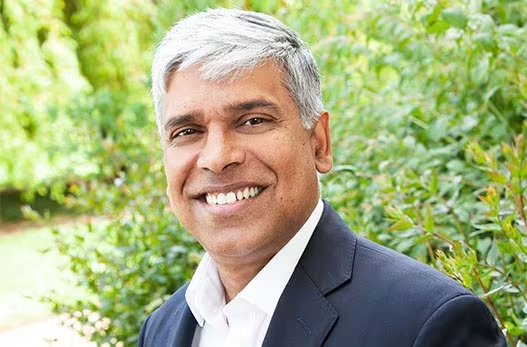
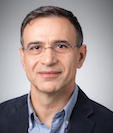
Sendil Ethiraj is a Professor of Strategy and Entrepreneurship at London Business School (LBS) and serves as Deputy Dean (Faculty). Originally from India, he earned his PhD in Management from The Wharton School at the University of Pennsylvania. Prior to joining LBS, he spent over a decade as faculty at the Ross School of Business, University of Michigan. His research focuses on strategic management, covering innovation processes, competitive strategy, organizational design, human capital management, and technology-driven industry transformation. He has extensively studied innovation in complex systems across sectors like oil and gas, mutual funds, and healthcare insurance. His work addresses organizational structures for capability development, employee goal alignment, and platform governance in digital ecosystems. At LBS, he contributes to academic leadership as a member of the Governing Body since 2022. His initiatives emphasize designing reward systems to attract global research faculty and advancing diversity, inclusion, and belonging through the LBS Advisory Board. He teaches core courses in LBS's Master's, Executive Education, and PhD programs. Key research areas: Innovation in unconventional industries Human capital dynamics Platform governance Strategic response to technological disruption Organizational design for complex systems Contact: sethiraj@london.edu
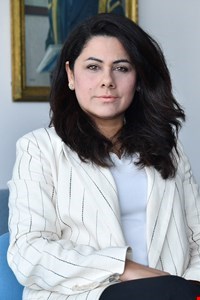
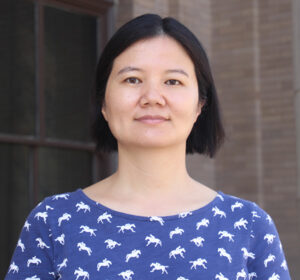
Dr. Asieh Hosseini Tabaghdehi is a Senior Lecturer in Strategy & Business Economy at Brunel Business School, Brunel University of London. She serves as Programme Lead for the BSc International Business Programme and Trade2Grow Executive Education Programme. Additionally, she is Impact Lead at the Brunel Centre for AI: Social and Digital Innovation, where she leads the capability area in the Future of Work. Dr. Tabaghdehi is also an economist and social impact advisor for the independent NGO, Social Innovation Movement. Dr. Tabaghdehi earned her PhD in Economics and Finance (2008) and MSc in International Money, Finance, and Investment (2015), both from Brunel University London. She also holds a BA in Theoretical Economics from University of Mazandaran. She completed the Postgraduate Certificate in Academic Practice and is a Fellow of the Higher Education Academy. Dr. Tabaghdehi is internationally recognized for her research on digital transformation, with particular expertise in the ethical integration of artificial intelligence and digital technologies. Her work focuses on how emerging technologies shape industries, labor markets, and society, with emphasis on enhancing SME growth through technological innovation. She explores applications across critical sectors including social care, supply chain management, and environmental sustainability. A central theme in her research is smart data governance, ensuring ethical, transparent, and responsible use of data in decision-making processes. Her research portfolio demonstrates a consistent focus on the intersection of technology, ethics, and business strategy. She has developed frameworks like the Digital Business Auditing Framework, which has been adopted internationally for smart city initiatives. Her work connects academic research with practical policy applications, as evidenced by her presentations as oral and written evidence to the House of Commons Select Committee. Her publications span AI ethics, digital footprint implications, fertility economics, and healthcare cost analysis, showing interdisciplinary breadth while maintaining thematic coherence around digital transformation's societal impact. Scientific Awards and Recognition Semi-finalist: Research Impact Award at Brunel University London, 2023 Staff Award: Exceptional in Collegiality and Supportive to Colleagues at Brunel University London, 2022 Exceptional Performance at Regents University London, 2018-19 Staff Award in Teaching, Learning and Assessment at Regents University London, 2016 Best Lecturer Award at London Brunel International College, 2014 Best Lecturer Award at London Brunel International College, 2013 Dr. Tabaghdehi actively supervises PhD students researching areas including Smart Data Governance, Ethical AI Governance, Digital Innovation Impact, Responsible AI Adoption Strategies, Sustainability, and Future of Labour Market. She has secured research funding from multiple sources including the Economic & Social Research Council (ESRC), Brunel University London, and Brunel Business School. Her current projects include research on AI Adoption and Governance, Youth digital addiction, Algorithm Reliability Framework, and SMEs digital footprints. She has also co-designed the "Digital Adoption" module for the UK Government's Help to Grow Management program, demonstrating the practical application of her research. As a member of multiple professional organizations, Dr. Tabaghdehi serves as an associate practitioner at Social Value International, associate member of the Big Innovation Centre, and member of the All-Party Parliamentary Group on AI. She is also a member of the ESRC Review College, British Academy of Management Review College, and Energy Institute UK, contributing to the broader academic and policy communities through these roles.
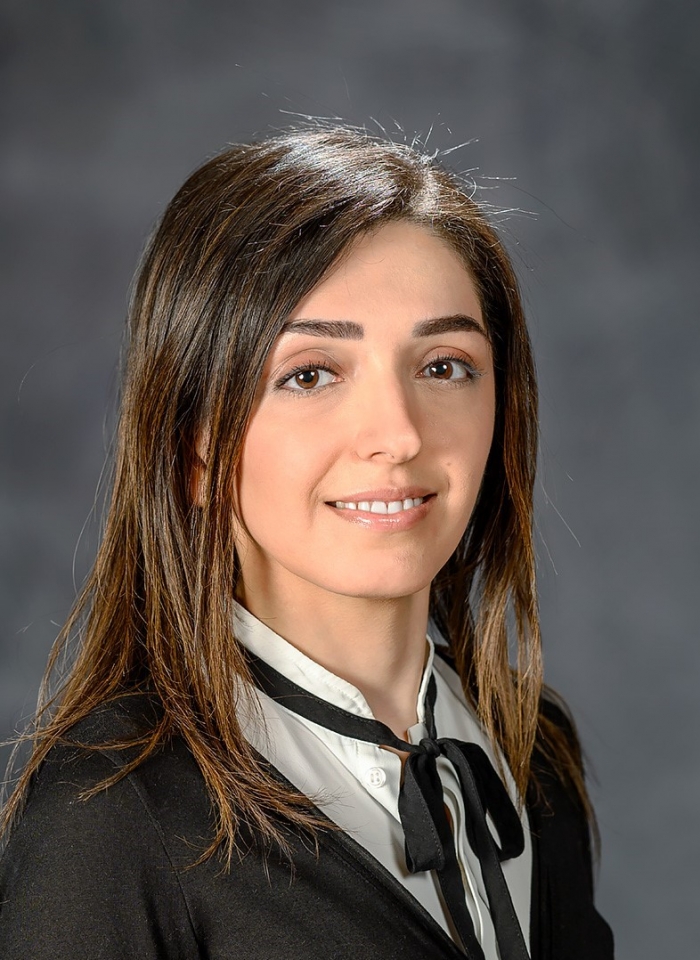
Dr. Misa Faezipour is an Associate Professor in the Department of Engineering Technology at Middle Tennessee State University (MTSU) and director of the Systems Engineering Lab (SEL). She holds a Ph.D. and M.Sc. in Industrial Engineering and Engineering Management from the University of Texas at Arlington and a B.Sc. in Software Engineering from Islamic Azad University North Tehran Branch. Her research focuses on system dynamics modeling, healthcare systems engineering, complex systems, and sustainability optimization. Dr. Faezipour has advised numerous graduate students in M.S. and Ph.D. programs, focusing on topics such as healthcare disparities, AI robustness, and policy impact analysis. She teaches courses including Engineering Economy, Operations Management, and Engineering Management Systems. Her work spans collaborations with institutions like NASA, the Systems Engineering Research Center, and healthcare organizations. Her recent publications emphasize AI-driven healthcare solutions, system dynamics applications in policy analysis, and optimizing healthcare delivery through data-driven models. She actively contributes to professional organizations such as INCOSE, IEEE, and the System Dynamics Society. Dr. Faezipour’s lab, SEL, develops innovative tools for healthcare informatics, including diagnostic recommenders and policy simulation frameworks. Her research bridges systems engineering with healthcare challenges, addressing issues like racial health inequities and pandemic response strategies.
Dr. Robert Kuhn is a Professor at the University of Kentucky College of Pharmacy, specializing in Pediatric Pharmacy and Cystic Fibrosis (CF) care since 1985. His work focuses on optimizing pharmacotherapy for CF patients, including antibiotic management, medication adherence, and drug desensitization protocols. Education: B.A. in Philosophy, University of Steubenville B.S. in Pharmacy, The Ohio State University PharmD, University of Texas at Austin (1984) Dr. Kuhn’s research spans pharmacokinetics in CF patients, clinical pharmacy service evolution, and innovative treatment strategies. His recent publications examine PY2 pediatric residencies, vancomycin monitoring methods, and CFTR modulator desensitization. He has received prestigious awards including the ASHP Pediatric Pharmacotherapy Fellowship , Helms Award (2010) , and recognition as an ASHP Fellow (2017) . Dr. Kuhn has served as a journal reviewer and editor of the Kentucky Society of Hospital Pharmacists newsletter.
Veronika Huck-Fries is a researcher at the Technische Universität München (TUM) , affiliated with the Department of Informatics and associated with the KrcmarLab and Wittges Lab . Her work focuses on Agile Information Systems Development , Work Engagement , and IT Workforce dynamics. Educational Background : M.Sc. in Industrial & Organizational Psychology (Ludwig-Maximilians-University Munich), Visiting Graduate Student (University of Alberta), B.Sc. in Psychology (LMU Munich), Entrepreneurship Education via UnternehmerTUM GmbH. Research Interests : Agile Software Development, Work Engagement, IT Workforce Management, Innovation Processes. Projects : ARinFLEX , MACS , Sonderforschungsbereich 768 subprojects. Collaborations : Involved in SAP University Competence Center, OpenPOWER@TUM initiatives, and DIAS project.
Drew Cameron is an Assistant Professor of Public Health (Health Policy) at the Yale School of Public Health, affiliated with the Department of Health Policy and Management and the Center for Methods in Implementation and Prevention Science (CMIPS). His research focuses on health economics, evaluating health and development programs in resource-poor and low- to middle-income country contexts. Education: PhD in Health Policy, University of California, Berkeley MA in International Development, American University School of International Service BA in International Political Economy, University of Puget Sound His work examines targeted subsidies, behavioral 'nudges,' and cost-effectiveness methods addressing healthcare access constraints. Key areas include child growth, water sanitation, HIV/AIDS, carceral health, and rural development. Recent publications highlight implementation strategies for HIV-hypertension integration, pandemic preparedness, and cost analysis frameworks. Notable Research Trends: 2025-2024: U.S. HIV workforce strengthening, Ugandan HIV-hypertension costs, and Alaska vaccine behavior analyses 2023-2019: Water delivery experiments in India, VMMC cost modeling, TB treatment economics, and HIV intervention cost repositories 2018-2014: Urban land titling impacts, healthcare quality policy in Brazil, and structural violence in pharmaceutical triage
Dr. Shingisai Chando is a Research Fellow at the Sydney School of Public Health within the Faculty of Medicine and Health at the University of Sydney. They hold degrees including BA, MA, MPH, DN, and PhD. Their research focuses on Indigenous health, child and adolescent health, health services management, and workforce dynamics, employing qualitative and translational research approaches. Key research interests include evaluating health programs for Aboriginal and Torres Strait Islander children, stakeholder engagement in health interventions, and addressing health disparities through policy and program design. They collaborate with interdisciplinary teams on projects such as the Study of Environment on Aboriginal Resilience and Child Health (SEARCH) and have contributed to understanding diagnostic practices in pediatric otitis media. No scientific awards are listed for Dr. Chando. Their work has been published in journals such as the Health Promotion Journal of Australia , Health Services Research , and Medical Journal of Australia . While no advising or grants are explicitly mentioned, their research demonstrates expertise in Indigenous health equity, child development, and healthcare system optimization.
Edwin Romeijn holds the Jill Stewart Archer Family Chair and Professor position in the H. Milton Stewart School of Industrial and Systems Engineering at Georgia Institute of Technology. He served as School Chair from 2015-2024, overseeing the nation's top-ranked industrial engineering program. Previously, he held faculty positions at the University of Michigan, University of Florida, and Erasmus University Rotterdam, and served as Program Director at the National Science Foundation. Education: Ph.D. in Operations Research (1992), Erasmus University Rotterdam M.S. in Econometrics (1988), Erasmus University Rotterdam Romeijn's research centers on optimization theory and applications , with dual focus areas in radiation therapy treatment planning and supply chain management . His radiation therapy work develops algorithms for cancer treatment planning and clinic scheduling, while his supply chain research addresses integrated optimization of production, inventory, and transportation under demand flexibility, resource constraints, perishability, and uncertainty. His methodologies bridge theoretical operations research with real-world healthcare and logistics systems. His publication portfolio demonstrates consistent contributions to optimization methods across diverse application domains, with recent work spanning healthcare systems, renewable energy, sports analytics, and unconventional logistics. The research exhibits strong methodological continuity in stochastic programming, network optimization, and decision-making under uncertainty. Scientific Awards: Fellow of IISE and INFORMS (2017) Richard C. Wilson Faculty Scholar (2012-2013) Multiple best paper awards in industrial engineering conferences Pierskalla Best Paper Award (2003) Young Investigator’s Award at ICCR (2004) Romeijn has advised numerous graduate students and secured significant research funding through NSF and other agencies. His leadership extends to program direction at NSF and chairing Georgia Tech's Industrial and Systems Engineering school. He maintains active collaborations with healthcare institutions and manufacturing enterprises, translating theoretical advances into practical solutions for radiation oncology and supply chain resilience.
Dr. Sudeep Hegde is an Assistant Professor in the Department of Industrial Engineering at Clemson University, where he also serves as a Faculty Scholar in the Clemson University School of Health Sciences Research (CUSHR). His research focuses on proactive organizational learning, human-AI collaboration, and remote physiological monitoring, with applications in healthcare, education, and transportation. He holds a Ph.D. in Industrial and Systems Engineering from the University of Buffalo (2015), an M.S. from the University at Buffalo (2010), and a B.S./M.S. from Ramaiah Institute of Technology in India (2007). His professional experience includes roles at Texas A&M University, the State University of New York at Buffalo, and Harvard Medical School. Hegde’s work emphasizes resilience engineering, cognitive systems, and applied ergonomics. Notable research contributions include studies on organizational adaptive capacity during crises, healthcare workflow optimization, and leveraging AI for healthcare decision-making. He teaches courses such as Human Factors Engineering and Cognitive Systems and Resilience Engineering. Key research thrusts include: Proactive organizational learning frameworks Human-AI teaming for large-scale learning Remote physiological monitoring in high-stress environments Resilience in healthcare systems and emergency response Past grants and collaborations include studies on pandemic response strategies, ED physician workloads, and biofeedback applications for mental health. His interdisciplinary approach bridges systems engineering, human factors, and healthcare innovation.
Clifford W. Bogue, MD , is the Waldemar Von Zedtwitz Professor of Pediatrics, Chair of the Department of Pediatrics at Yale School of Medicine, and Chief of Pediatrics for the Yale New Haven Health System. He has been a faculty member at Yale since 1993 and has held numerous leadership roles, including Interim Chairman of Pediatrics, Chief Medical Officer of Yale-New Haven Children’s Hospital, and Director of Pediatric Critical Care programs. Education: BA and MD from the University of Virginia; Residency and Chief Residency at Vanderbilt University; Fellowship in Pediatric Critical Care at Yale. Dr. Bogue is a pediatric critical care specialist whose research centers on the molecular mechanisms of organ development, particularly the role of the Hhex gene in liver, cardiovascular, and lung organogenesis. His lab used mouse models to uncover critical genetic pathways in embryonic development, with implications for regenerative medicine. His recent work also extends into pediatric public health, critical care infrastructure, and health equity. An analysis of his recent publications reveals a sustained focus on developmental genetics, with increasing engagement in clinical and policy-oriented research in pediatrics. His work spans molecular biology, translational models, and national health initiatives, reflecting a broad scholarly impact. His scientific honors include: President of the American Pediatric Society (2024–2025) Norman J. Siegel Faculty Award Marna P. Borgstrom Lifetime Achievement Award Consistent recognition in Best Doctors in America since 2004 Honorary M.A. from Yale University Dr. Bogue has been deeply involved in training the next generation of physician-scientists, serving as PI of an NIH T32 program, Training Director of the Yale Child Health Research Center (K12), and mentor in the MD/PhD program. He has contributed to national pediatric research policy through roles in the American Academy of Pediatrics, NIH advisory committees, and the Charles H. Hood Foundation. He leads or has led significant research initiatives, including an NIH-funded program on cardiopulmonary development and the Bedside to Bench seminar for medical students. His leadership extends to national boards and editorial roles, including Section Editor for Current Opinion in Pediatrics .
Nathan Johnson is an Associate Professor at Arizona State University (ASU) within the Ira A. Fulton Schools of Engineering's Polytechnic School. He directs the Laboratory for Energy And Power Solutions and the ASU-Starbucks Center for the Future of People and the Planet, while serving as Assistant Director of Research for the Global Futures Laboratory. His work focuses on sustainable development through energy decarbonization, microgrid innovation, and public-private partnerships. Ph.D. Mechanical Engineering, Iowa State University (2012) M.S. International Development & Mechanical Engineering, Iowa State University (2008, 2005) B.S. Mechanical Engineering, Iowa State University (2004) Research interests span microgrid resilience , energy-water-food nexus , grid modernization , and resource circularity , with applications in defense energy security, global energy access, and climate adaptation. His recent publications examine cascading infrastructure failures, hydrogen's role in decarbonization, and AI-driven solar panel diagnostics, reflecting interdisciplinary work in energy economics , control systems , and climate-resilient infrastructure . Over $70 million in funding includes projects like: DoD-funded microgrid resilience programs ($1.05M, 2022) World Bank climate-adaptive energy solutions in West Africa ($39.95M, 2021) NSF grants for urban resilience modeling ($3.6M, 2019) As leader of ASU's LEAPS initiative, he develops deployable energy solutions for disaster relief and underserved communities, combining hardware innovation with workforce development programs for veterans and civilians.
Leonardo Becchetti is a Full Professor at the University of Rome Tor Vergata's Department of Economics and Finance, teaching Microeconomics and Topics in Applied Economics for the 2025-2026 academic year. Based in room P2 S55, he maintains an active research profile with email contact becchetti@economia.uniroma2.it. His research centers on Corporate Finance, Corporate Social Responsibility, and Happiness Economics, extending to Sustainable Development and Ecological Transition. He investigates how economic structures influence well-being through relational goods, generativity, and sustainability frameworks, employing game-theoretic and empirical methodologies to analyze climate action, AI impacts, and cooperative behavior. Analysis of his 2024-2025 publications reveals intensifying focus on ecological transition mechanisms, including renewable energy communities, circular economy governance, and sustainable investment models. His work increasingly integrates climate economics with behavioral insights, examining conditional cooperation in environmental actions and AI's disruption of labor markets. No scientific awards or student advising information is publicly documented. He participates in departmental research initiatives including DEF Seminars and ROBO Seminars, contributing to the university's research centers on economic and social impact.
Suzanne Mason is a Professor of Emergency Medicine at the School of Medicine and Population Health , University of Sheffield, and a Consultant in Emergency Medicine at Sheffield Teaching Hospitals Trust. Her career spans over three decades, with a focus on evaluating complex interventions in urgent and emergency care, particularly for older adults and frail populations. Education: MBBS (1990), FRCS, FFAEM, MD (Emergency Medicine) Key Research Areas: Emergency care systems, clinical decision-making, geriatric emergency care, health informatics, and multi-centre mixed-methods studies Her research has directly influenced emergency care delivery, including studies on exit block in EDs , trauma networks , and digital ambulance records . She has led major projects such as Connected Health Cities (2016–2018) and RADOSS (risk prediction for seizures). Grants include £1.4 million from NIHR and £692,206 from the Department of Health . Scientific awards include an MD from Royal College of Surgeons Research Fellowship and leadership roles in NIHR-funded initiatives . She has pioneered collaborative models for ambulance services , care home integration , and frailty screening in EDs. Her work bridges clinical practice, policy evaluation, and digital innovation, with over 150 publications and mentorship in BMJ Open and Emergency Medicine Journal editorials.
Dr. Reza Samavi is an Associate Professor at Toronto Metropolitan University's Department of Electrical, Computer, and Biomedical Engineering, Faculty of Engineering & Architectural Science. He is also a Faculty Affiliate with the Vector Institute for Artificial Intelligence and directs the Trustworthy AI Research Lab (TAILab). Previously, he served as Assistant Professor and eHealth Graduate Program Coordinator at McMaster University's Department of Computing and Software (2014-2020). Holding a PhD in Computer Science (University of Toronto, 2013), his academic journey bridges industry experience with rigorous scholarly contributions. His research lies at the critical intersection of Trustworthy AI , Machine Learning Security , and Medical Informatics . He investigates Safety & Security of ML Algorithms Privacy-Preserving AI Systems Transparency Frameworks for Medical AI Blockchain-enabled Privacy Auditing Game Theory for Model Robustness Optimization-based Anonymization Techniques The TAILab research group under his leadership has produced groundbreaking work in Uncertainty Quantification for Neural Networks Robustness Against Adversarial Attacks Medical Image Analysis Clinical Decision Support Systems Emergency Medicine Predictive Modeling His recent projects focus on enhancing migrant youth mental health through LLM-based conversation agents and developing certified robustness guarantees for ensemble networks. Dr. Samavi's scholarly excellence is recognized through Privacy Technologies Research Award (IBM) Privacy By Design Research Award (Ontario IPC) Bridging Divides Emerging Research Grant (TMU) NSERC PGS-D Recipient (Co-supervised student) SOSCIP Accelerator Grant He has secured major funding from NSERC , SOSCIP , MITACS , HHS , and IDEaS programs. As a dedicated educator, Dr. Samavi teaches graduate courses in Secure Machine Learning and Software Testing while mentoring 15+ graduate students across PhD , MASc , and MEng programs. His lab has presented at premier venues including AAAI , IJCAI , and IEEE Transactions while maintaining active collaborations with institutions like Harvard, ETH Zurich, and the University of Waterloo.
Dr. Min Liu is a Professor and the Abdallah H. Yabroudi Endowed Professor in Sustainable Civil Infrastructure at Syracuse University, where she directs the Syracuse University Infrastructure Institute. She holds a Ph.D. in Engineering Project Management from UC Berkeley, and prior degrees from National University of Singapore and Xi’an University of Architecture and Technology. Her research focuses on integrating human and engineering aspects in construction planning, with emphasis on Lean Construction, Digital Twin design, and machine learning applications. She has published over 50 articles in top-tier journals and won prestigious awards such as the 2021 ASCE Thomas Fitch Rowland Award. Dr. Liu advises numerous graduate students and postdocs, offering positions in Construction Engineering and Management. Her lab develops innovative approaches for infrastructure project delivery, worker mental health, and bridge preservation strategies. Education: Ph.D. in Engineering Project Management, UC Berkeley (2007) MSCE, Xi’an University of Architecture and Technology (1997) MSc in Building Science, National University of Singapore (2001) BSc in Civil Engineering, Qingdao University of Technology (1994) Research Highlights: Large language models for construction planning reliability Ontology-based knowledge systems for construction methods Lean techniques for worker mental health improvement Socioeconomic analysis of bridge preservation strategies Awards: 2021 ASCE Thomas Fitch Rowland Award Multiple Best Paper Awards (2017-2018) "Thank a Teacher" awards (2011-2018) Her advising record includes notable students like Chuanni He (2023 Chinese Government Award) and Gongfan Chen (2022 Three-Minute Thesis Award). Current opportunities include Ph.D. financial support and postdoc positions. Dr. Liu’s work appears in journals like ASCE Journal of Management in Engineering and Engineering, Construction and Architectural Management.