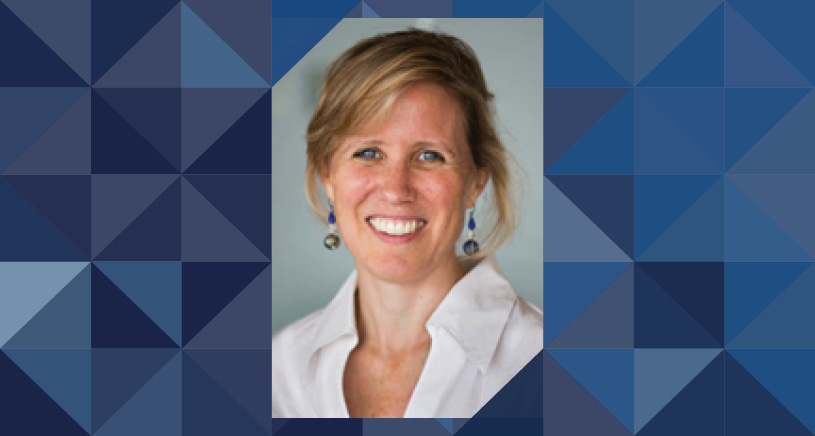
Amy Cohn is a Professor at the University of Michigan School of Public Health and College of Engineering, with appointments in the Department of Health Management and Policy and Industrial and Operations Engineering. Her work focuses on applying operations research methodologies to healthcare systems optimization. Education PhD in Operations Research from Massachusetts Institute of Technology (2002) AB in Applied Mathematics from Harvard University (1991) Research Interests Dr. Cohn's research centers on improving healthcare delivery through operations research and systems engineering approaches, particularly for patient scheduling , resource allocation , and health information technology . She has developed simulation models for chemotherapy deferrals, surgical training efficiency, and glaucoma clinic wait times. Scientific Awards Arthur F Thurnau Professorship - recognizing excellence in teaching and research Publications Trends Her publications demonstrate a consistent application of discrete-event simulation , stochastic programming , and optimization techniques to address healthcare challenges including telehealth scheduling , residency training logistics , and patient safety improvements through engineering-clinical collaborations. Leadership Roles As Associate Director of the Center for Healthcare Engineering and Patient Safety, she leads multidisciplinary teams in developing practical solutions for complex healthcare operations problems.
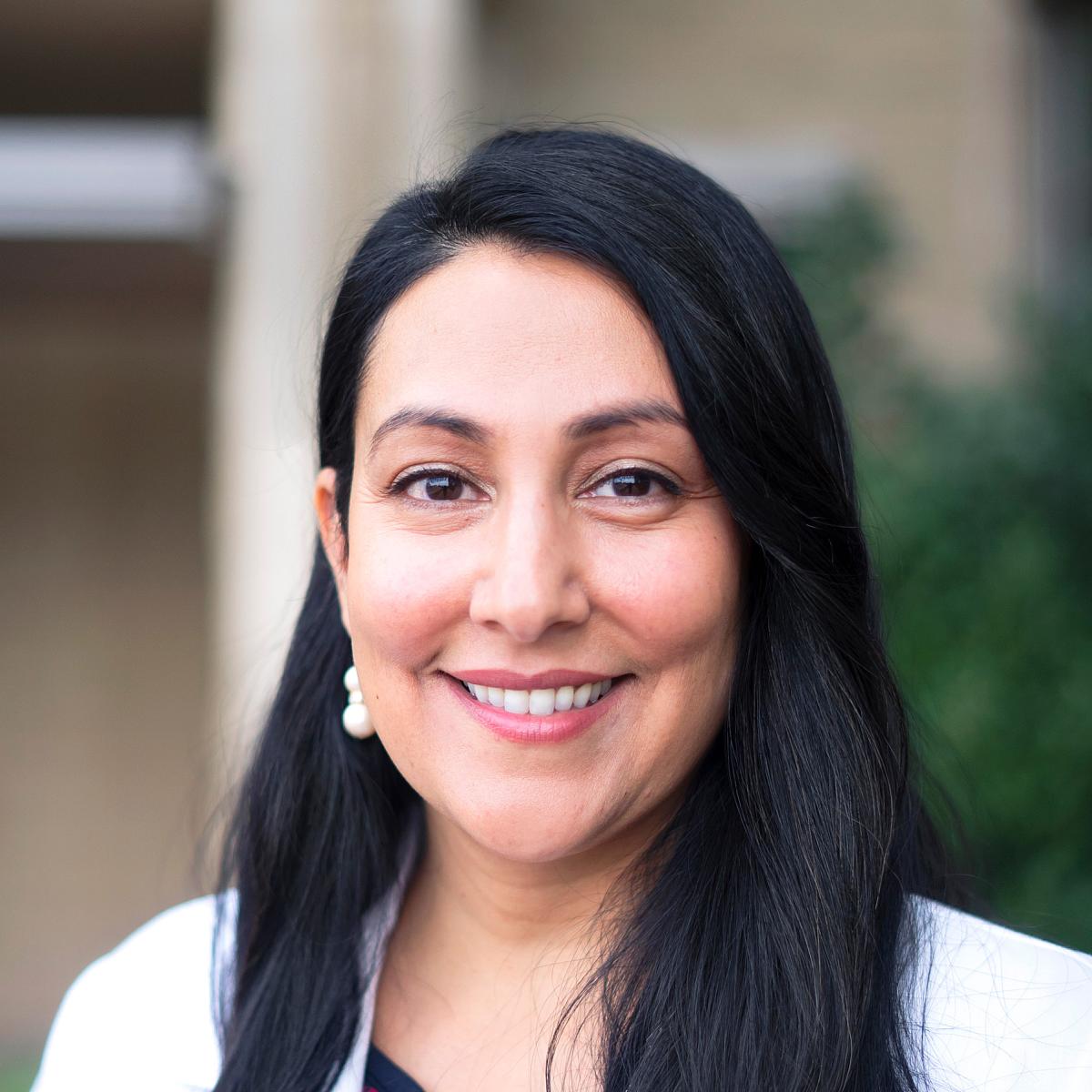
Gita Suneja is a Professor of Radiation Oncology at the University of Utah School of Medicine and Senior Director of Programs to Enhance Diversity at Huntsman Cancer Institute. She holds a secondary appointment in the Department of Population Health Sciences and specializes in breast and gynecologic malignancies . Education : Bachelor’s in Applied Mathematics (Northwestern University), MD (Brown University), Residency in Radiation Oncology (University of Pennsylvania, Chief Resident), MS in Health Policy Research (University of Pennsylvania) Research Focus : Utilizing advanced health services research to address health equity in cancer outcomes , particularly among HIV-positive patients and global resource-limited populations . Her work spans gynecologic radiotherapy , short-course radiation protocols , and intersectional stigma reduction in sub-Saharan Africa and Malawi. Publications & Impact : With over 40 high-impact articles in Journal of Clinical Oncology , Lancet Oncology , and JAMA Oncology , her research on HIV-cancer treatment disparities , brachytherapy efficacy , and health policy has gained national media attention from Newsweek and NPR . Her lab’s work is funded by the National Cancer Institute , NIH , and intramural programs. Leadership & Advocacy : She chairs the Radiation Oncology Institute Research Committee and co-chairs the NCCN Guidelines Panel on Cancer in People with HIV . Her lab collaborates internationally on global oncology and workforce diversity initiatives.
Dr. Lyen C. Huang is a tenured Associate Professor in the Division of Surgical Oncology, Department of Surgery at the University of Utah's Spencer Fox Eccles School of Medicine, with an adjunct appointment in Population Health Sciences. He specializes in complex minimally-invasive (laparoscopic/robotic) surgery for colorectal cancers, inflammatory bowel disease, and diverticulitis at Huntsman Cancer Institute and University of Utah Hospital. His educational background includes: B.S. in Symbolic Systems (minor in Political Science) from Stanford University M.D. from Stanford University School of Medicine M.P.H. from University of Cape Town General Surgery residency at Stanford University Colon and Rectal Surgery fellowship at Mayo Clinic Dr. Huang's research centers on implementation science to optimize peri-operative opioid stewardship through behavior change interventions, dissemination of quality/safety initiatives in rural healthcare systems, and improving cancer survivorship outcomes. His work specifically targets disparities in frontier and underserved communities, with significant contributions to NCCN colorectal cancer screening guidelines. His 15 most recent publications (2022-2024) reveal a dominant focus on opioid management (70% of articles), examining prescribing practices, disposal interventions, and trainee education, while also advancing global surgery capacity in Ghana/Cambodia and colorectal cancer epidemiology through physical activity/microbiome studies. Key scientific recognitions include: NIH K23 award from NIDA/HEAL Initiative University of Utah CTSI KL2 Career Development Scholar Fellow of the American College of Surgeons (FACS) Fellow of the American Society of Colon and Rectal Surgeons (FASCRS) Dr. Huang actively mentors medical students and surgical trainees (evident in 12/15 recent publications where mentees are acknowledged), leads NIH-funded opioid stewardship research, and directs global colorectal training programs. He serves as clinical advisor to the Utah Data Coordinating Center and co-leader of the Huntsman Cancer Institute Colorectal Cancer Research Group. He directs colorectal surgery training initiatives in Ghana and Cambodia through the University of Utah Center for Global Surgery, serves on the Annals of Surgery Open editorial board, and contributes to NCCN Colorectal Cancer Screening guidelines. His institutional roles include associate member of the HCI Cancer Control and Population Sciences program and membership in SAAS, AAS, and ASCRS.
Teresa Grilo is an Assistant Professor at the Department of Marketing, Operations and General Management, ISCTE Business School, and a General Researcher at University of Lisbon Business School (UNIDE-IUL). She holds a PhD in Engineering and Management and a Master in Biomedical Engineering from Instituto Superior Técnico, University of Lisbon. PhD in Engineering and Management, IST, University of Lisbon Master in Biomedical Engineering, IST, University of Lisbon Her research focuses on developing mathematical models and optimization tools for supply chain management, particularly in healthcare systems. She specializes in location-allocation models, stochastic programming, and multi-objective optimization for equitable healthcare delivery and resource planning. Key trends in her publications include: supply chain sustainability, long-term care network design, healthcare workforce training optimization, and integration of lean methodologies with Six Sigma. Her work spans mathematical programming, public health policy, and transportation electrification planning.
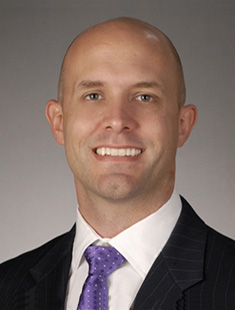
Adam Pickens serves as an Instructional Associate Professor in the Department of Environmental and Occupational Health within the Texas A&M University School of Public Health. His research and teaching integrate industrial engineering principles with public health practice to address critical workplace safety challenges through evidence-based interventions. His academic foundation includes: PhD in Industrial Engineering from Texas Tech University MPH in Environmental and Occupational Health from Texas A&M University School of Public Health Bachelor of Science in Biomedical Science from Texas A&M University Dr. Pickens' research program focuses on: Developing mobile health applications for workplace safety monitoring Implementing and evaluating sit-stand workstation interventions Improving occupational safety training methodologies Assessing biomechanical risks in manual materials handling His work demonstrates exceptional translational impact, converting engineering solutions into practical workplace safety protocols. Recent publications reveal a strategic shift toward technology-driven interventions, with increasing emphasis on software-based prompting systems and mobile health applications that address sedentary behavior in office environments. The interdisciplinary nature of his research bridges occupational health, human factors engineering, and digital health innovation, consistently targeting measurable improvements in worker safety and productivity.
Naja Holten Møller, an Associate Professor in the Promotion Programme at the Department of Computer Science, University of Copenhagen, specializes in Human-Centred Computing . Her research focuses on Computer-Supported Cooperative Work (CSCW) , exploring ethics in data-driven technologies, algorithmic decision-making, and the digitalization of public sectors. She investigates how adaptive technologies transform work processes and emphasizes balancing human values with automation through long-term collaborations with public organizations. Research Areas: Ethics in Data Work Algorithmic Accountability Public Sector Digitalization Future Workplace Optimization Scientific Awards: Member of ACM's Future of Computing (2017) Collaborations: Public Sector Organizations Refugee Law Institutions Healthcare Systems Her recent publications highlight trends in asylum data governance , AI labor pipelines , and participatory design in public systems, reflecting her focus on technological ethics and stakeholder inclusion.
Andrew C. Johnston is an Associate Professor of Economics at the University of Texas at Austin and a Faculty Research Fellow at the National Bureau of Economic Research (NBER). He earned his Ph.D. in Applied Economics from the Wharton School at the University of Pennsylvania. His affiliations include JPAL-North America and the IZA Institute for Labor Economics. His research focuses on labor economics, public economics, and applied econometrics, with emphasis on: Workforce management and teacher labor markets Unemployment insurance systems and pension policies Economic impacts of divorce and family structure Poverty dynamics and behavioral responses to policy changes Recent publications analyze generative AI's labor market effects, pension reforms in education, unemployment insurance distortions, and long-term outcomes of parental divorce. His work consistently uses quasi-experimental designs and administrative data to study policy efficiency and equity.
Hilde Wøien is a Professor at the Department of Public Health and Interdisciplinary Health Sciences , University of Oslo , with a focus on intensive care pain treatment, sedation, delirium , and implementation research . She leads interprofessional education (SamPraks) initiatives across six faculties, emphasizing collaborative learning. Academic background includes a PhD (2013) on systematic ICU pain management, a Master's in Nursing Science (2003) on nutritional support algorithms, and foundational training as an intensive care nurse (1990) . Research interests span: Critical care patient comfort (pain, sedation, delirium) Implementation science using digital platforms like Facebook Interprofessional education for collaborative healthcare teams Geriatric nursing for unstable patient populations Scientific contributions focus on ICU quality improvement, pandemic workforce ethics, and pediatric chronic disease management. Key awards include Intensive Care Nurse of the Year (2008) and UiO Education Award nomination (2023) . She has mentored PhD candidates Antonija Petosic (social media in ICU quality), Kjersti Forbech Henriksen (critical care competencies), and Anniken Maaemoen (post-pandemic workforce retention), alongside multiple Master's students .
Professor Chloe Orkin is a Consultant Physician at Barts Health NHS Trust (since 2003) and Professor of Infection and Inequities at Queen Mary University of London (appointed 2019). She founded an international therapeutic trials unit that developed 20+ novel HIV therapies, including the FLAIR study on long-acting injectable HIV treatment (NEJM, 2020). Director, SHARE Collaborative Advisor to WHO Europe on mpox Past Chair, British HIV Association (2016-2019) President, Medical Women’s Federation Research Focus: Inclusive clinical trial design, HIV inequities, blood-borne virus testing campaigns (e.g., Going Viral), and mpox outbreak management. Her work addresses gender, race, and age disparities in research participation and healthcare access. Scientific Leadership: Key contributions to international mpox guidelines via SHARE-net collaborations and advocacy for the Undetectable = Untransmittable (U=U) campaign. She co-authored 15+ recent publications on long-acting HIV therapies, virological failure definitions, and pandemic-related health inequities. Recognition: Top 100 LGBTQ+ Influencer (Diva Magazine, 2020) Disability Power Influencer Top 100 (Shaw Trust, 2023) EDI Advocacy: Pioneering Athena Swan Chair, former Academic EDI Lead at Queen Mary, and frequent speaker on leadership, sexism, homophobia, and ableism in healthcare. She has published extensively on workforce and research inequities.
Professor Ben White is Professor of End-of-Life Law and Regulation and an Australian Research Council Future Fellow (Professorial level, 2020-2024) at Queensland University of Technology's Faculty of Business and Law. He co-leads the End-of-Life Research Program within the Australian Centre for Health Law Research and has established himself as a leading expert in health law with a specialized focus on end-of-life decision-making. Professor White earned his DPhil from the University of Oxford as a Rhodes Scholar and his Bachelor of Laws with first class Honours and a University Medal from Queensland University of Technology. His professional background includes service as the full-time Commissioner of the Queensland Law Reform Commission (2005-2007) and part-time Commissioner (2007-2010), where he led the Guardianship Review. Prior to academia, he worked as an Associate at the Supreme Court of Queensland and at Legal Aid Queensland. Professor White's research spans health law, medical ethics, and socio-legal studies with particular emphasis on voluntary assisted dying, withholding and withdrawing life-sustaining treatment, medical futility, advance care planning, and palliative care. His interdisciplinary work appears in law, medicine, bioethics, psychology, and social science journals. He has published over 250 works including the Research Handbook on Voluntary Assisted Dying Law, Regulation and Practice (2025) and Health Law in Australia (4th ed, 2024). His research has directly influenced law reform across Australia, particularly in Queensland. Analysis of Professor White's recent publications reveals a strong emphasis on the practical implementation of voluntary assisted dying laws, examining regulatory frameworks, healthcare provider perspectives, community knowledge, and international comparisons with Belgium and Canada. His work consistently addresses the balance between patient autonomy and appropriate safeguards, equitable access, workforce sustainability, and the practical realities of end-of-life decision-making in diverse clinical settings. Rhodes Scholarship to University of Oxford Australian Research Council Future Fellow (Professorial level, 2020-2024) University Medal in Law from Queensland University of Technology Professor White has supervised 18 PhD students to completion across diverse topics in health and medical law. He has secured over $65 million in research funding, including his current ARC Future Fellowship project 'Optimal Regulation of Voluntary Assisted Dying' and multiple projects examining end-of-life decision-making. His funded training programs include legislatively-mandated training for health professionals in voluntary assisted dying across multiple Australian states and the national 'End of Life Law for Clinicians' program. As co-leader of the End-of-Life Research Program at the Australian Centre for Health Law Research, Professor White has developed significant resources including the 'End of Life Law in Australia' website, which provides accessible legal information to patients, families, and healthcare professionals. His current external appointments include service as a sessional member of the Queensland Civil and Administrative Tribunal (since 2022).
Lisa Nissen is a Research Professor at the School of Clinical Sciences , Queensland University of Technology , with over 350 publications focusing on pharmaceutical practice , medication safety , and disaster preparedness . Leadership in pharmacist prescribing frameworks Expertise in managing urinary tract infections in community pharmacies Pioneering research on deprescribing tools for elderly patients Collaborative work with Queensland Health and University of Queensland Her research interests span: Medication administration in aged care facilities (2017-2024) Pharmacist-led immunization programs (2016-2021) Antimicrobial stewardship in primary care (2022-2024) Recent scientific collaborations include work with Esther Lau on pharmaceutical waste and Kathryn Steadman on oral medication challenges . Her 2025 study with Sue McAvoy explores systems thinking in healthcare access. Key educational contributions include mentoring postgraduate pharmacy students in clinical research and public health initiatives through Queensland University of Technology .
Dr. Jan Kavookjian serves as Associate Professor in the Department of Health Outcomes Research and Policy at Auburn University's Harrison College of Pharmacy since June 2006. Recognized as a Fellow of both the American Pharmacists Association (2018) and Association of Diabetes Care and Education Specialists (2020), she also holds leadership as 2022 ADCES President and National Diabetes Prevention Program Lifestyle Coach. Her educational foundation includes: Ph.D. in Social & Administrative Sciences in Pharmacy (Behavior Sciences Emphasis), Auburn University, 2001 M.B.A. in Marketing and Strategic Planning (Marketing and Consumer Behavior Emphasis), Auburn University, 1989 B.S. in Aviation Management in Engineering, Auburn University, 1985 Dr. Kavookjian's research centers on behavioral interventions for chronic disease management, particularly diabetes, obesity, and cardiovascular conditions. She investigates psycho/social variables, health behaviors, and quality-of-life outcomes across age groups while specializing in Motivational Interviewing (MI) methodology. Her nationally recognized work includes training over 3,300 healthcare professionals in evidence-based MI techniques and leading CDC-funded projects applying MI to opioid crisis interventions through academic detailing. Publication trends reveal systematic reviews and RCTs evaluating MI across diverse populations (youth, adults, African Americans) and conditions (diabetes, sleep apnea, cardiac rehab), consistently targeting behavior change to improve clinical and humanistic outcomes. Her work bridges pharmacy practice with behavioral science to optimize patient-centered care. Scientific recognition includes: Fellow of American Pharmacists Association (2018) Fellow of Association of Diabetes Care and Education Specialists (2020) Dr. Kavookjian has mentored 25 graduate students across Auburn and West Virginia Universities as chair or committee member for PhD and MS candidates in Pharmacy, Clinical Psychology, Kinesiology and Nutrition. Her grant portfolio features CDC-funded initiatives developing MI-based academic detailing to combat opioid misuse through provider behavior change. Current work expands into telehealth-delivered MI interventions and diabetes education impact studies. As ADCES President and DPP Lifestyle Coach, she leads national diabetes education initiatives while directing large-scale interprofessional MI training programs that transform clinical practice across multiple healthcare disciplines.
Myriam Dell'Olio is a Lecturer in Primary Care at the University of Hull, affiliated with the Hull York Medical School. She holds a PhD in Medical Sciences (2021) from the Hull York Medical School, following a Master's in Health and Society (Wageningen University, 2014) and a Bachelor's in Speech and Language Therapy (2012). Her research focuses on epistemic reciprocity in clinical consultations, primary care models, and qualitative methodologies. She leads the Optimal TIMES project examining knowledge integration in clinical practice and previously evaluated the CATALYST program for GP training. She teaches qualitative methods to medical students and contributes to workforce development initiatives. Education: Bachelor's Degree in Speech and Language Therapy (2012) Master's Degree in Health and Society, Wageningen University & Research (2014) PhD in Medical Sciences, Hull York Medical School (2017–2021) Research Interests: Primary care knowledge work and person-centered models Epistemic justice in healthcare GP workforce and education Qualitative methodologies including phenomenology and narrative analysis Current Projects: Optimal TIMES: Analyzing clinical knowledge integration Former CATALYST evaluation (advanced generalist practice) Teaching: Introduction to Qualitative Methods in Healthcare at Hull York Medical School. Affiliations: Institute for Clinical and Applied Health Research (ICAHR), Hull York Medical School.
Anu G. Bourgeois is an Associate Professor in the Department of Computer Science at Georgia State University. She holds a Master’s and Ph.D. in Electrical and Computer Engineering from Louisiana State University (1997 and 2000, respectively). Her work is supported by NSF and CDC grants, and she is a Senior Member of the IEEE. Bourgeois’s research spans parallel computing, wireless networks, cybersecurity, and STEM education. Notable projects include the RISE program for Black women in computing and studies on UAV control via AI. Her recent work emphasizes educational equity, m-health interventions for opioid use, and fault-tolerant systems. Her 2025 publications highlight pathways for underrepresented students in computing and resilient data transmission frameworks. Earlier work includes contributions to cosmic ray detection and mobile health applications. Awards include recognition as an IEEE Senior Member. Bourgeois advocates for industry-aligned pedagogy, as seen in her virtual tutoring center projects and collaborations on cybersecurity education. She leads the Evidence-Based Cybersecurity Research Group and maintains a lab at grid.cs.gsu.edu/agb .
Dr. Pedro Ferreira is a Senior Lecturer in Manufacturing Systems at Loughborough University. He holds a MEng (equiv) and PhD from the University of Nottingham and is a Fellow of the Higher Education Academy (FHEA). His career spans academic and industry roles, including a Research Associate at the University of Nottingham, Senior Research Fellow, Technical Manager at Maersk Line IT, and Lecturer at Loughborough since 2015. Education: MEng (equiv) in Electrical, Electronic, and Computer Science Engineering, New University of Lisbon, Portugal (2006) PhD in Manufacturing Engineering and Operations Management, University of Nottingham, UK (2011) Research Interests: Dr. Ferreira's work focuses on manufacturing systems , Industry 4.0 , robotics , and sustainability . He explores human-robot collaboration , tactile sensing , and data-driven approaches for optimizing production systems. His recent studies address challenges like battery lifecycle management, cost-effective sensor solutions, and aligning education with UN sustainability goals. Article Trends: His publications emphasize robotic automation , sensor innovation , and adaptive manufacturing systems . Key themes include tactile sensor applications for hardness classification, Industry 4.0 complexity indices, and symbiotic human-machine learning frameworks. Grants & Advising: While no specific grants or students are listed, his research portfolio indicates involvement in projects related to production system optimization, wearable sensors, and educational frameworks for sustainability. Labs/Teams: Engages with cross-disciplinary teams at Loughborough, focusing on advanced manufacturing and Industry 4.0 integration.