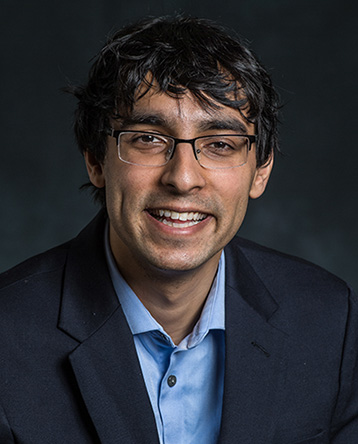
Akshaya Jha is an Associate Professor of Economics and Public Policy at Carnegie Mellon University’s Heinz College of Information Systems and Public Policy , as well as a Faculty Research Fellow at the National Bureau of Economic Research (NBER) . His work combines economic modeling with causal inference to analyze energy and environmental policy impacts on electricity markets. Education: Ph.D. in Economics, Stanford University B.S. in Economics and Statistics, Carnegie Mellon University Research Interests span energy economics , environmental economics , industrial organization , and public policy , focusing on quantifying economic and environmental trade-offs in electricity supply policies. Recent work includes financial trading in California’s electricity market, Germany’s nuclear phase-out, rooftop solar growth in Western Australia, and electricity blackout determinants in India. Scientific Contributions appear in American Economic Review , Management Science , and PNAS . Article trends reveal expertise in regulatory distortions , market design , environmental externalities , and policy communication . Scientific Awards: Hicks-Tinbergen Award (best paper in Journal of the European Economic Association ) Heinz College Martcia Wade Teaching Award (2023) USAEE Young Professional Research Award (2021)
Prof. Dr. Ercan Yüksel is a full Professor in the Department of Civil Engineering at Istanbul Technical University (ITU), College of Engineering. He has been a faculty member at ITU since 1990, progressing from Assistant Professor to Professor in 2017. His research focuses on earthquake engineering, structural dynamics, and numerical modeling, with applications in seismic design, energy dissipation, and structural health monitoring. PhD, Civil Engineering, Istanbul Technical University MS, Structural Engineering (with thesis), Istanbul Technical University BS, Civil Engineering, Istanbul Technical University His research interests are centered on earthquake engineering , particularly seismic input energy analysis , energy dissipation systems , reinforced and precast concrete structures , and seismic isolation . He actively investigates the dynamic behavior of structures under earthquake loads and develops innovative solutions for improving structural resilience. His work integrates advanced numerical modeling with experimental validation. Recent publications (2023–2025) highlight a strong focus on energy-based seismic design, performance of mechanical couplers, damping systems for high-voltage insulators, and fatigue behavior of railway tracks. These works are closely tied to real-world seismic events like the 2023 Kahramanmaraş earthquake, demonstrating applied and impactful research. His scientific recognition includes: Notable Work Award, Turkish Academy of Sciences (TÜBA), 2012 Golden Beam Award, Turkish Prefabricated Association, 2011 Prof. Yüksel is an active Principal Investigator on multiple research projects funded by ITU’s BAP program, covering topics such as smart sleepers for railway monitoring, novel seismic input energy spectra, and earthquake isolation for racking systems. He has supervised numerous theses and is involved in professional organizations including UNESCO-IPRED and the Turkish Earthquake Foundation. He leads research on structural health monitoring of ballasted railway lines using smart sleeper technology and is developing earthquake isolation systems for industrial storage racks. His lab integrates experimental testing with numerical simulation to validate new structural components under cyclic and biaxial loading.
Aleksandra Cavoski is a Professor of Law at the Birmingham Law School, University of Birmingham, and serves as Director of Global Engagement for the College of Arts and Law. She is also affiliated with the Birmingham Institute for Sustainability and Climate Action and the Centre for Environmental Research and Justice, reflecting her strong commitment to interdisciplinary and sustainability-focused legal scholarship. Her research lies at the intersection of environmental law, EU law, and public international law, with a particular focus on the connections between law and science, policy, and language. She explores how legal frameworks are shaped by social, political, and scientific contexts, especially in areas such as environmental governance, climate action, and regulatory innovation. Environmental Law EU Law Law and Science Legal Translation New Approach Methodologies (NAMs) Circular Economy and Plastics Regulation Energy Transition and Critical Minerals Her recent publications and research projects highlight a consistent focus on regulatory innovation and sustainability, particularly in the use of NAMs for chemical safety, the legal challenges of promoting recycled plastics, and the geopolitics of critical minerals for clean energy. These works reflect a multidisciplinary trend integrating law with environmental science, public health, and policy analysis. Her scientific recognition includes being appointed as a Visiting Lecturer at the University of Bayreuth in 2018. This honor reflects her international standing in legal academia. She actively supervises PhD students on topics such as renewable energy policy, hydraulic fracturing, and legal translation. Her research is supported by major grants from the European Commission and the UK’s Engineering and Physical Science Research Council (EPSRC), including projects like RECREATE and PrecisionTox, which aim to transform regulatory science and sustainability law. She leads and co-leads major interdisciplinary initiatives such as the Health-centred Systems Approach towards Net-Zero (Heal-NZ) and the development of a circular economy for medical plastics, demonstrating her role in bridging law with science and public health.
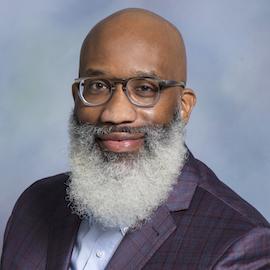
Tony N. Brown is a Distinguished Professor of Sociology at Rice University, directing the Racism and Racial Experiences Workgroup (RARE) and the STaRT@Rice Program. He holds a Ph.D. from the University of Michigan (1998), with prior tenure at Vanderbilt University. His research focuses on critical race theory, examining mechanisms of racism's impact on mental health, racial identity, and societal structures. Key themes include anti-Blackness, racial trauma, and systemic inequities. Brown has secured federal funding for his work and contributed to over 100 peer-reviewed publications. He was a finalist for Rice University’s 2023 George R. Brown Award for Teaching Excellence. Education: Ph.D. in Sociology, University of Michigan - Ann Arbor (1998) M.A. in Sociology, University of Michigan - Ann Arbor (1993) B.S. in Sociology, University of Maryland - Eastern Shore (1991) Research interests span racial socialization, health disparities, and quantitative methods. His work combines community-based surveys with policy analysis, addressing contemporary issues like racial apathy among white populations and the mental health implications of racial discrimination. Notable projects include studying the psychological effects of Barack Obama’s presidential elections on Black communities and analyzing racialized stress in military veterans. His recent articles emphasize the intersection of race, politics, and mental health, with studies on Black nationalist tendencies and viral racism during the pandemic. Awards include recognition for teaching excellence and contributions to sociological scholarship. Brown actively collaborates across disciplines, holding roles in Rice’s sociology department and interdisciplinary programs.
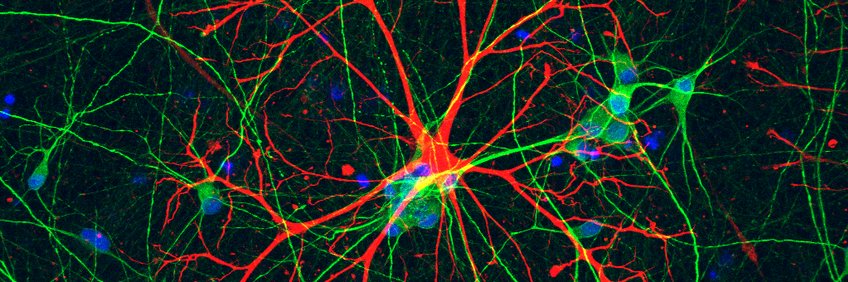
Prof. Dr. Dr. Elisabeth Binder is the Director of the Max Planck Institute of Psychiatry and leads the Max Planck Research Group "Genes and Environment" in Munich, Germany. Her research focuses on molecular mechanisms underlying psychiatric disorders, particularly how genetic and environmental factors interact in disease development. Education: Medicine (University of Vienna), Neuroscience (Emory University) Affiliations: Max Planck Institute of Psychiatry, International Max-Planck Research School Translational Psychiatry, Graduate School of Systemic Neuroscience Research Interests: Elisabeth Binder investigates gene-environment interactions in psychiatric disorders, emphasizing early trauma and stress response. Her work employs next-generation sequencing, epigenetic analysis, and induced pluripotent stem cells to identify biological markers for disease prevention and treatment. Scientific Awards: Theodore Reich Young Investigator Award (2010) Max Hamilton Memorial Prize (2012) Eva King-Killam Research Award (2016) Carus Medal (2017) Ron the Kloet Award for Stress Research (2019) Leadership Roles: She is a member of the German National Academy of Sciences (Leopoldina), a Fellow of the American College of Neuropsychopharmacology, and serves on multiple international advisory committees and executive boards in psychiatry and neuroscience.
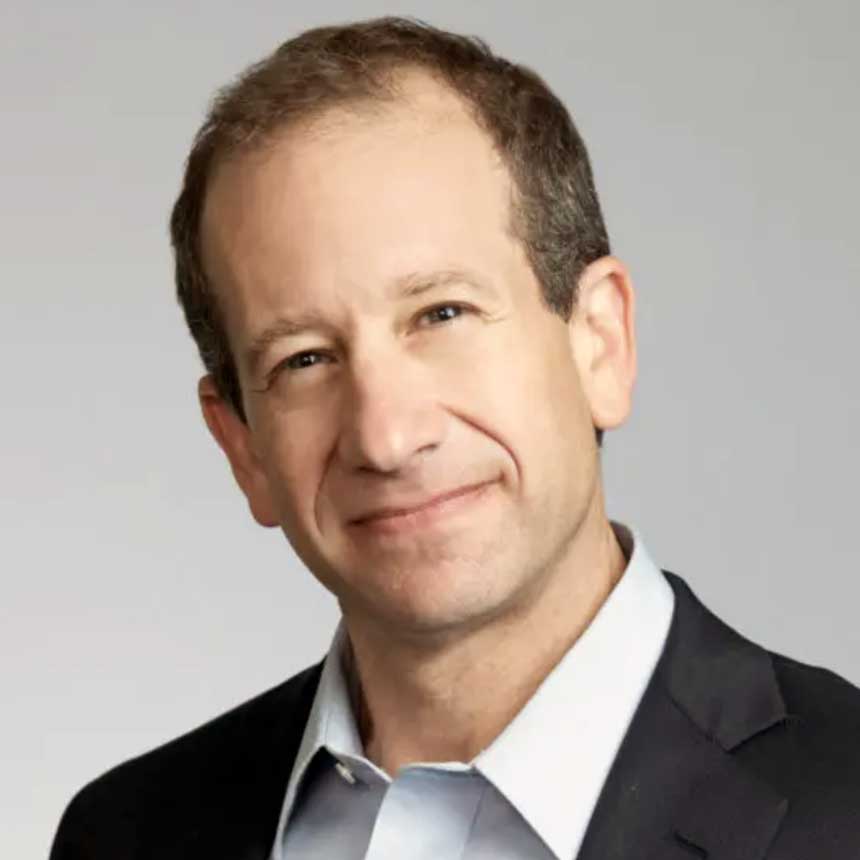
Jonathan F. Zaff serves as Chair of the Department of Applied Psychology and Professor at Northeastern University's Bouvé College of Health Sciences. A developmental psychologist, he focuses on creating conditions for youth thriving, particularly among historically oppressed populations, through community-engaged research and leadership in youth development initiatives. Dr. Zaff's educational background includes: PhD in Psychology (Lifespan Development) from The University of Georgia MS in Psychology from The University of Georgia BA in Psychology (Government minor) from Connecticut College His research centers on positive youth development frameworks, examining how social support networks ('webs of support') influence educational, vocational, and social-emotional outcomes. Key areas include youth civic engagement, pathways for non-graduating high school students, and community initiatives promoting youth thriving, with emphasis on equity and resilience among marginalized youth. Analysis of Dr. Zaff's 2016-2021 publications reveals consistent methodological diversity (pattern-centered approaches, latent class analysis) applied to social support structures. His work demonstrates how multi-layered adult and community supports drive educational persistence among English learners, high-risk youth, and those navigating childhood adversity, with strong translational impact on youth development programs. Scientific Awards: None documented in provided materials. Dr. Zaff actively mentors graduate students, evidenced by asterisked co-authors across publications including M. Margolius, C. Tang, and J. Pan. His founding of major research centers (CERES Institute, Center for Promise) indicates substantial grant leadership, though specific funding mechanisms aren't detailed. He established and directed Boston University's CERES Institute for Children & Youth, conducting community-engaged applied research, and founded the Center for Promise (America's Promise Alliance research division), demonstrating commitment to collaborative, action-oriented youth development science across institutional settings.
Dr Shu-Ling Lu is an Associate Professor at the University of Reading , serving as Director of the MSc Project Management Programme and a Member of Senate . Her research spans Innovation Management , Quality Control , and Net Zero Transitions in construction, alongside Heritage Building Integration and Gender Dynamics in built environment sectors. Her academic journey includes a PhD , MSc in Construction Engineering , and a Diploma in Architectural Engineering , all from institutions in Taiwan and the UK, complemented by a Postgraduate Certificate in Higher Education Practice from the University of Salford. Research Interests : Innovation in construction, quality management, heritage conservation, net-zero transitions, gender equity, and system dynamics applications. Article Trends : Focus on defects analysis , heritage integration , gender dynamics , system dynamics , and net-zero strategies across 15 recent publications. Scientific Awards : Fellow of the Chartered Institute of Building (FCIOB) Fellow of Higher Education Academy (FHEA) Full member, Association for Project Management (MAPM) BSI Committee Participation (Quality Management Standards) Supervision & Grants : Mentored 7 PhD students and led/co-led projects funded by Natural Environment Research Council (NERC) , EPSRC , and COST , with total grants exceeding £500,000.
Cornelia Betsch serves as Director of the Institute for Planetary Health Behaviour (IPB) at the University of Erfurt, where she holds a professorship in Health Communication within the Faculty of Philosophy. She is responsible for the Master's program in Health Communication through the Department of Media and Communication Studies and leads the Health Communication Working Group at the Bernhard Nocht Institute for Tropical Medicine in Hamburg as an external position. Her interdisciplinary work bridges behavioral science, psychology, and public health to address critical global challenges. Habilitation (2006), University of Erfurt: 'The role of risk perception and risk communication in prevention decisions – the example of vaccination decisions' PhD (Dr. phil., summa cum laude, 2006), University of Heidelberg: 'Preference for intuition and deliberation– measurement and consequences of affect- and cognition based decision making' Diplom in Psychology (2002), University of Heidelberg Betsch's research focuses on understanding health and planetary health behaviors, particularly examining vaccination behavior, prudent antibiotic use, and climate-friendly actions. Her work extends globally, with investigations in various African countries on vaccination and antibiotic practices. She pioneered the influential COVID-19 Snapshot Monitoring (COSMO) and subsequently developed the Planetary Health Action Survey (PACE), large-scale studies that regularly track public knowledge, risk perception, protective behaviors, and trust during crises. Her research emphasizes applying behavioral and cultural insights to design effective policy frameworks and explanatory communication that promotes positive health behaviors. The 15 most recent articles showcase Betsch's research evolution toward integrating behavioral science with planetary health, climate action, and vaccine communication. Her work increasingly examines the psychological foundations of climate behavior while maintaining her established expertise in vaccine hesitancy and antimicrobial resistance. Recent publications demonstrate methodological diversity, including systematic reviews, meta-analyses, survey experiments, and large-scale monitoring datasets that bridge academic research with practical policy applications. German Psychology Prize (2021) Thuringian Research Prize (2022) Betsch has secured research funding from independent research organizations, ministries, and foundations to support her work on health communication and planetary health behavior. She serves as a scientific advisor to multiple organizations including the WHO Technical Advisory Group on Behavioral and Cultural Insights, Science Media Center Germany, and Museum für Naturkunde Berlin. At the Bernhard Nocht Institute for Tropical Medicine, she established the WHO Collaborating Center for Behavioral Research in Global Health, demonstrating her commitment to translating research into global health practice. Her engagement extends to policy advising, having served on the Corona Expert Council of the Federal Chancellery during the pandemic. As Director of the Institute for Planetary Health Behaviour, Betsch leads an interdisciplinary team applying social and behavioral science perspectives to planetary health and the climate crisis. The institute serves as a hub for research, education, and science communication at the intersection of human health and environmental sustainability. Her work through the IPB emphasizes Open Science principles and aims to understand the comprehensive factors influencing climate-friendly behavior to identify effective intervention points for policy development.
Dr. Donald Addington serves as a Clinical Professor in the Department of Psychiatry at the University of Calgary's Cumming School of Medicine, with full memberships at the Hotchkiss Brain Institute and Mathison Centre for Mental Health Research and Education. His academic career spans over 50 years, focusing on transforming mental health service delivery for schizophrenia and early psychosis through evidence-based tools and standards. His educational credentials include: MBBS in Medicine, University of London (1972) MRCPsych in Psychiatry, Royal College of Psychiatrists (1976) FRCPC in Psychiatry, Royal College of Physicians and Surgeons of Canada (1982) Dr. Addington's research integrates clinical psychiatry with health services evaluation to develop practical measurement systems. He pioneered internationally adopted instruments including depression assessment scales for schizophrenia and fidelity metrics for psychosis services, creating bridges between clinical practice, policy development, and funding mechanisms. His work establishes standardized approaches for evaluating mental health service accessibility, quality, and outcomes across diverse healthcare systems. His publication trajectory reveals consistent innovation in measurement science, evolving from the foundational Calgary Depression Scale (1990) to contemporary fidelity scales for early psychosis intervention (FEPS-FS/CHRP-FS). These works establish global benchmarks for service quality assessment, with applications spanning clinical practice guidelines, performance measurement, and cross-system outcome comparison through initiatives like the ICHOM Psychotic Disorders standard set. Dr. Addington's scientific recognition includes: Excellence in Clinical Teaching, PAIRA (1996) Leadership Award, Canadian Alliance on Mental Illness and Mental Health (2000) Gold Medal, Canadian College of Neuropsychopharmacology (2004) Michael Smith Award for Schizophrenia (2006) C.A. Roberts Award for Clinical Leadership (2011) Angelo Cocchi Award for Fidelity Implementation (2016) President’s Commendation, Canadian Psychiatric Association (2022) Dr. John M. Cleghorn Memorial Award (2024) He has secured major research funding from the National Institutes of Health, Canadian Institutes of Health Research, and Alberta Heritage Foundation for Medical Research. His leadership extends through 11 years as Department Chair of Psychiatry and two terms as Canadian Psychiatric Association Board Chair, mentoring generations of clinicians while developing tools implemented across Canadian provinces, US states, and European nations. Dr. Addington leads cross-institutional teams including the ICHOM Psychotic Disorders working group and large-scale implementation projects in Ontario, 32 US states, Czechia, and Italy. His current initiatives expand the FEPS-FS framework to clinical high-risk populations and bipolar disorder services while advancing patient-reported outcome measures for international service comparison.
Nikolai Podoltsev, MD, PhD, is an Associate Professor of Medicine (Hematology) at Yale University School of Medicine. He serves as the Associate Director of the Hematology/Oncology Fellowship Program and Clinical Director of Malignant Hematology within the Department of Internal Medicine. Dr. Podoltsev is also the director of the Hematology/Leukemia Tumor Board and represents Yale Cancer Center on National Comprehensive Cancer Network (NCCN) clinical practice guidelines panels, including the Myeloproliferative Neoplasms Panel. Dr. Podoltsev's research focuses on the management of patients with acute leukemias (including acute myeloid leukemias and acute lymphoblastic leukemia), myeloid neoplasms (such as myelodysplastic syndromes and myeloproliferative neoplasms), and bone marrow failure syndromes. His work spans clinical research, epidemiology, and patterns of care for patients with hematological malignancies. As a principal investigator, he leads multiple clinical trials enrolling patients with acute leukemias and myeloid malignancies. Analysis of Dr. Podoltsev's recent publications (2024-2025) reveals a strong focus on therapeutic advancements in myeloid malignancies, particularly acute myeloid leukemia, myelodysplastic syndromes, and myelofibrosis. His research spans drug development (including novel agents like imetelstat and luspatercept), combination therapies, treatment sequencing, and cost-effectiveness analyses. There is a clear emphasis on translating molecular understanding into clinical applications, with significant work on targeted therapies for specific genetic mutations. Yale Cancer Center Award for Clinical Excellence (2022) The David S. Fischer, MD Annual Award for Outstanding Teaching and Mentoring in Hematology (2021, 2017, 2011) As the Associate Director of the Yale Hematology/Oncology Fellowship Program and Yale-New Haven Hospital Duffy Firm Chief for Education, Dr. Podoltsev plays a pivotal role in hematology education for fellows, residents, and medical students. He is actively involved in multiple clinical trials through the Leukemia Clinical Research Team and the Yale Cancer Outcomes Public Policy and Effectiveness Research (COPPER) Center, which enables him to study epidemiology and patterns of care for hematological malignancies. Dr. Podoltsev is part of the Leukemia Disease Aligned Research Team (DART) at Yale Cancer Center, where he contributes to advancing treatment options for patients with blood cancers. His clinical expertise spans the full spectrum of malignant hematology with a particular focus on older adult patients.
Christopher Han-Fai Seto is an Assistant Professor of Sociology at Purdue University, having joined the Department of Sociology in 2023. His research sits at the intersection of criminology, public health, and the sociology of religion, with a strong computational and spatial-methods orientation. Education: Ph.D. in Criminology, Pennsylvania State University Research Interests: Dr. Seto’s substantive work revolves around hate crime, violence, health, and religion/morality , approached through ecological lenses. He leverages spatial data , large-scale network analysis , and big social & digital data to understand how community contexts shape deviance and well-being. Publication Profile: Between 2020 and 2025 he has published extensively in leading journals—including Justice Quarterly , Health & Place , Social Science & Medicine , British Journal of Criminology , Sociology of Religion , and Journal of Adolescent Health . The body of work reveals a consistent focus on anti-Asian hate incidents , Christian nationalism and gun policy , religious ecology of crime , and COVID-19 spillover effects . Contact & Web Presence: Office: BRNG 1156, Purdue University Email: setoc@purdue.edu Personal website: chseto.com
Ka I Ip is an Assistant Professor at the Institute of Child Development , University of Minnesota. As director of the D.A.N.C.E. Lab , Dr. Ip employs multimodal methods including neuroimaging, cortisol assays, and cross-cultural experiments to study emotion regulation and developmental psychopathology. PhD in Developmental Psychology (University of Michigan) Susan Nolen-Hoeksema Postdoctoral Fellow (Yale University) Research focuses on how cultural contexts and early adversity shape emotional development, with particular attention to racial-ethnic minorities and immigrant families . His work applies findings to social policy reform and health equity initiatives. Recent publications analyze neighborhood socioeconomic impacts on brain development , discrimination effects in bilingual adolescents , and cortisol dynamics in immigrant families . Key journals include Biological Psychiatry and Developmental Psychology . APA Editor’s Choice Article (2024) Yale Health Equity Research Finalist (2022) Accepting PhD students for Fall 2026. Collaborates with teams in neuroimaging , cross-cultural research , and pediatric biomarker studies .
Matti Marklund is an Assistant Professor at the Bloomberg School of Public Health , Johns Hopkins University , with additional appointments at The George Institute for Global Health (Australia) and Uppsala University (Sweden). He holds a PhD in Food Science from the Swedish University of Agricultural Sciences (2012) and an MSc in Engineering Biotechnology from Umeå University (2007). His research focuses on nutrition and public health , particularly diet-disease relationships , cardiometabolic epidemiology , and food policy . Key areas include sodium and potassium intake , trans-fatty acids , dietary fat quality , and cost-effectiveness analysis of global health interventions. He has led studies on salt substitution , food pricing policies , and hypertension management . His 15 most recent publications (2025–2019) cover topics such as trans-fatty acid biomarkers in Nigeria , price elasticity of food in Australia , hypertension treatment modeling in India , and diabetes risk from fatty acid intake . These works integrate modeling , cohort studies , and systematic reviews across public health , cardiovascular medicine , and nutritional epidemiology . Scientific awards include: 2022 & 2021: Paul Dudley White International Scholar Award, American Heart Association 2017 & 2016: Dr. P Håkansson’s Foundation Research Award His work has been cited over 3,000 times and referenced in 25 policy documents (WHO, World Bank). He has collaborated with institutions in Kenya , Nigeria , India , and Bangladesh for global health interventions .
Molly Maleckar is a Research Professor at the Computational Physiology Department of Simula Research Laboratory , Oslo, Norway. Her work bridges computational modeling, cardiac electrophysiology, and biomedical applications, with a focus on arrhythmia mechanisms, fibrosis modeling, and machine learning integration in cardiac risk prediction. Research Interests include: Computational Cardiology Ion Channel Dynamics Machine Learning in Medicine Excitable Tissue Modeling Cardiac Fibrosis Analysis Biomedical Simulation Scientific Contributions span 15+ publications (2018-2024) addressing atrial fibrillation, calcium handling, and AI-driven ECG analysis. Key collaborative projects involve patient-specific ventricular modeling and educational initiatives like the Simula Summer School in Computational Physiology .
Prof. Dr. Harald Tauchmann is a Professor of Health Economics at Friedrich-Alexander University Erlangen-Nuremberg (FAU), where he has held a faculty position since 2013. He is affiliated with the School of Business, Economics and Social Sciences, specifically within the Department of Economics. Prof. Tauchmann also participates in multiple research focus areas at FAU, including 'Insurance and Risk' and 'Work in Transition,' demonstrating his interdisciplinary approach to health economics. Prof. Tauchmann received his education at Heidelberg University and the University of Manchester, UK, where he studied economics, political science, and sociology. He graduated in 1998 and completed his doctorate at the Interdisciplinary Institute for Environmental Economics (University of Heidelberg) in 2003. Prior to joining FAU, he worked as a research associate at the Rhineland-Westphalian Institute for Economic Research (RWI) in Essen from 2003 to 2012 and headed a junior research group at the health economics research center CINCH at the University of Duisburg-Essen. His research expertise lies in empirical health economics, with a particular emphasis on health insurance choice and competition, as well as individual health behavior. He has made significant contributions to understanding obesity, health shocks, mental health care payment systems, and thyroid diagnostics through his extensive publication record. His methodological work includes developing specialized Stata modules for econometric analysis, which have been widely adopted by researchers in the field. Prof. Tauchmann's scholarly work demonstrates a consistent focus on applying rigorous econometric methods to pressing health policy questions. His research portfolio shows particular strength in causal analysis of health behavior, especially regarding obesity interventions, health insurance market dynamics, and the economic consequences of health shocks. His recent publications (including several forthcoming in 2025) indicate continued scholarly productivity and relevance to current health policy debates. From March 2021 to April 2022, Prof. Tauchmann served as chairman of the German Society for Health Economics, highlighting his leadership and recognition within the national health economics community. His email contact is harald.tauchmann@fau.de for professional inquiries.