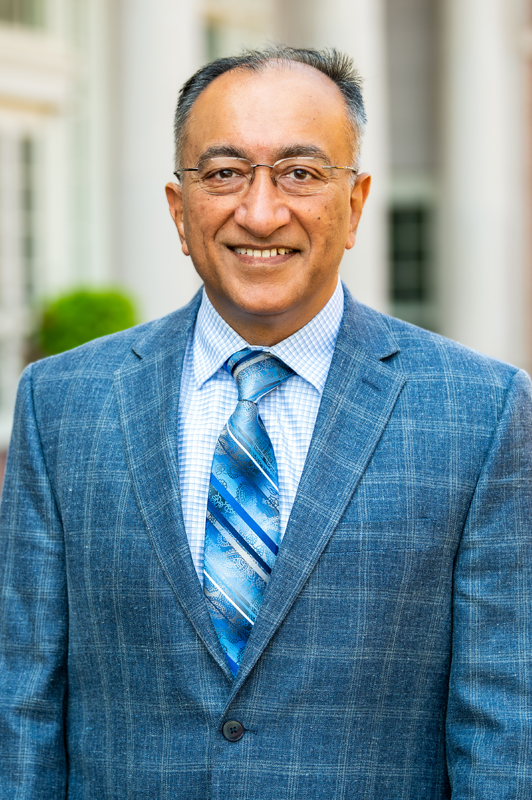
Dr. Jacques Archambault is a Professor in the Department of Microbiology and Immunology at McGill University , and an associate member of the Division of Experimental Medicine since 2016. His research focuses on the molecular biology and pathogenesis of human papillomaviruses (HPVs) and polyomaviruses (HPyVs), with an emphasis on their replication mechanisms as episomes in host cells. The Archambault laboratory employs functional genomics, proteomics, and chemical biology approaches to identify cellular pathways exploited by these viruses and develop high-throughput assays for screening small molecule inhibitors of viral replication. Analysis of his recent publications reveals a strong focus on HPV and HPyV replication machinery, including studies on the E1 helicase, UAF1-USP1 interactions, and structural characterization of viral proteins involved in DNA replication. His work bridges virology, oncology, and drug discovery, particularly targeting oncogenic HPV types implicated in anogenital and oropharyngeal cancers, as well as HPyVs like BKPyV and JCPyV that cause pathologies in immunosuppressed patients. Current efforts in the lab aim to elucidate the molecular mechanisms by which HPVs and HPyVs replicate their genomes and to develop antiviral therapies targeting these processes. Techniques such as fluorescence anisotropy, NMR spectroscopy, and crystallography are frequently employed to study protein-DNA and protein-protein interactions critical to viral replication.
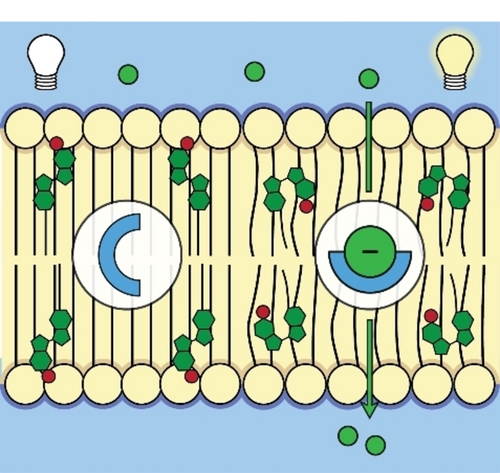
Dr. Sander J. Wezenberg is an Associate Professor at the Leiden Institute of Chemistry, Leiden University, where he leads an independent research group focused on developing stimuli-responsive molecular receptors and self-assembling materials. He was appointed Assistant Professor at the University of Groningen in 2017 and moved to Leiden University in 2019 to establish his research group, where he was promoted to Associate Professor in 2022. Dr. Wezenberg's educational background includes: Master's degree in Chemistry at the University of Nijmegen, conducting research in Prof. Roeland Nolte's group PhD in Supramolecular Chemistry at the Institute of Chemical Research of Catalonia (ICIQ) under Prof. Arjan Kleij (2011) Postdoctoral fellow with Prof. François Diederich at ETH Zurich Postdoctoral work with Prof. Ben Feringa at the University of Groningen His research focuses on using interdisciplinary approaches combining synthetic organic chemistry, supramolecular chemistry, and photochemistry to develop systems that can study and manipulate biological processes. Key research areas include: Photodynamic control of anion binding and lipid bilayer membrane transport Creation of polymeric and self-assembled materials with switchable functions Development of new diagnostic tools and therapeutic agents to improve human health Dr. Wezenberg's recent publications demonstrate strong trends in photoresponsive molecular systems for controlling anion transport and membrane properties. His work bridges chemistry, materials science, and biological applications, with particular emphasis on light-switchable molecular receptors and their applications in biological systems. Scientific awards and recognition: ERC Starting Grant (2018) Veni Grant from NWO (2014) Vidi Grant from NWO (2018) Member of the Young Academy of Europe (2020) Dr. Wezenberg actively mentors PhD and Master's students, with current advisees including Nol Duindam, Sabine Langens, Sofiia Emashova, Lin Xu, Dimitris Piperoudis, and Josien de Graaf. His research is supported by multiple funding sources including Leiden University, the European Research Council, the Dutch Research Council, and the China Scholarship Council. The Wezenberg Research Group is based at the Gorlaeus Laboratories in the new Gorlaeus Building at Leiden University, where they maintain a highly collaborative research environment focused on molecular switches, anion recognition, and dynamic supramolecular systems.
Professor Faye Rogers serves as Professor of Therapeutic Radiology at Yale University School of Medicine, holding multiple leadership positions including Associate Cancer Center Director for YCC Collaborative Excellence, Vice Chair for Collaborative Excellence in Therapeutic Radiology, Associate Director of the Yale MD-PhD Program, and Director of the Yale BioMed Amgen Scholars Program. Her work bridges radiation oncology, DNA repair mechanisms, and cancer therapeutics within Yale's comprehensive cancer research ecosystem. PhD from University of Maryland at Baltimore (1998) Postdoctoral Fellow at Yale School of Medicine Dr. Rogers' research focuses on the intersection of DNA repair mechanisms and cancer therapeutics, with particular expertise in triplex DNA structures, genomic instability, and targeted cancer therapies. Her work explores how DNA damage responses can be leveraged for therapeutic benefit, especially in breast neoplasms and other malignancies. Through her leadership in the DNA Damage and Genome Integrity program, she investigates novel approaches to disrupt cancer cell survival mechanisms while sparing healthy tissue. Her research has significant implications for radiation oncology, particularly in developing more precise and effective radiation-based treatments. Analysis of Dr. Rogers' publication record reveals a consistent trajectory in DNA repair mechanisms and cancer therapeutics, with increasing focus on translational applications. Her work demonstrates expertise in triplex DNA structures, RAD51 inhibition, and synthetic lethality approaches. Recent publications show a shift toward more clinically applicable research, particularly in targeting DNA repair pathways in specific cancer subtypes like IDH1-mutant cancers and PTEN-deficient glioblastomas. Her collaborative work with Peter Glazer and others demonstrates strong interdisciplinary connections between radiation oncology, molecular biology, and drug development. Leadership in Diversity, Equity & Inclusion Award (Yale School of Medicine, 2022) Translational Science Research Prize (Yale Cancer Center, 2022) Kingsley Fellowship in Medical Research Carl Storm Underrepresented Minority Fellowship NCI Research Supplement to Promote Diversity in Health-Related Research As Associate Director of the Yale MD-PhD Program and Director of the Yale BioMed Amgen Scholars Program, Dr. Rogers plays a pivotal role in mentoring the next generation of physician-scientists and supporting underrepresented minorities in biomedical research. Her leadership in collaborative excellence initiatives demonstrates commitment to fostering interdisciplinary research teams across Yale's scientific ecosystem. Through the YCC Collaborative Excellence program, she has secured significant funding for innovative cancer research that bridges basic science and clinical applications, particularly in the areas of DNA repair targeting and radiation oncology. Dr. Rogers leads research within Yale's Therapeutic Radiology department, with strong connections to the Radiobiology program and the Yale Cancer Center. Her work is integrated with the Program in Translational Biomedicine and the Yale Combined Program in the Biological and Biomedical Sciences. Through the BioMed Amgen Scholars Program, she provides critical research opportunities for undergraduate students, particularly those from underrepresented backgrounds, fostering talent in DNA repair research and cancer therapeutics.
Dr. Bob Beitle Jr. is a Professor of Chemical Engineering and Senior Associate Vice Chancellor for Research and Innovation at the University of Arkansas. He joined the department in 1993, earned tenure in 1998, and was promoted to Full Professor in 2006. His research spans biochemical engineering , bioseparation , fermentation , and adaptive technology for the disabled , with significant work on protein purification, catalytic nanoparticles, and sustainable bioprocesses. Education: BS, MS, PhD in Chemical Engineering from the University of Pittsburgh (1987, 1991, 1993) Dr. Beitle's research combines experimental and computational approaches, focusing on peptide-directed nanoparticle synthesis and biocatalysis . His recent publications highlight advancements in MOF-based separations , CO2 capture materials , and viral detection platforms . He has secured grants like the CAREER Award and led projects in industrial partnerships and student development . Scientific contributions include multiple patents in bioseparation and software interfaces. Awards span decades: teaching honors (1988–2007) and mentorship recognition . He serves on the Cell and Molecular Biology Program Advisory Committee and the Executive Committee for the Biochemical Technology Division of ACS . Lab initiatives involve genomic data-driven affinity tail design and membrane-assisted fermentation systems .
Professor Tariq Butt of Swansea University's Faculty of Science and Engineering leads the Biocontrol and Natural Products (BANP) group , focusing on entomopathogenic fungi and natural product-based biopesticides for managing pests impacting food security , human health , and agriculture . He co-directs the Natural Products BioHub and Health Technology Solutions Research Institute . His cross-disciplinary research includes collaborations with Dr Joel Loveridge (Chemistry) for chemical ecology, Professor Chedly Tizoui (Engineering) for plant-based molluscicides, and Professor Dan Eastwood (Biosciences) for fungal biocontrol. Externally, he works with experts in Greece, Brazil, Turkey, Saudi Arabia , and companies like Certis Belchim and Lallemand . Recent publications highlight his work on fungal volatile organic compounds for pest control, mosquito repellents , and microbial consortia to reduce chemical dependencies. He has supervised over 35 PhD/MSc students and contributed to 174+ peer-reviewed articles and 14 book chapters .
Maria Manuela Pintado is Full Professor and Director of CBQF research center at Universidade Católica Portuguesa's Faculty of Biotechnology. She leads interdisciplinary research in sustainable food systems and functional ingredients. Research domains include: Valorization of agro-industrial byproducts Development of bioactive edible films Design of functional foods for chronic disease prevention Circular economy applications in food systems Recent publications (2023-2025) show strong focus on sustainable biomaterials and health-promoting ingredients, with notable increases in circular economy applications and precision nutrition studies. Key innovations include antiviral biopolymers from yeast and bioactive films for food preservation. Awards include recognition for circular economy innovations and upcycling research. Directs extensive EU-funded projects including THRIVE (€4M) and CIRCUL-A-BILITY, supervising large research teams and industrial partnerships.
Pradeep Lall is the MacFarlane Endowed Distinguished Professor and Alumni Professor in the Department of Mechanical Engineering at Auburn University’s Samuel Ginn College of Engineering. He serves as Director of the Auburn University Electronics Packaging Research Institute (EPRI) and holds a joint courtesy appointment in the Department of Electrical and Computer Engineering. A leader in flexible hybrid electronics and harsh environment systems, Dr. Lall has built a world-renowned research program focused on additive manufacturing, electronics reliability, and sustainable materials. Ph.D. in Mechanical Engineering, University of Maryland M.B.A. in Finance and Strategy, Northwestern University M.S. in Mechanical Engineering, University of Maryland B.E. in Mechanical Engineering, Delhi College of Engineering Dr. Lall’s research centers on Flexible Hybrid Electronics (FHE) , Harsh Environment Electronics , Semiconductor Packaging , and Prognostics Health Management . His work leverages additive manufacturing techniques such as Aerosol-Jet, InkJet, and screen printing to develop conformal, robust, and sustainable electronic systems. His innovations include the Flexible Biometric Band for monitoring workers in hazardous environments and additively printed antennas for aerospace applications. His recent focus includes eliminating PFAS from electronics and developing water-based inks for eco-friendly manufacturing. The 15 most recent publications reflect a strong trend toward sustainability , additive manufacturing , and real-world applications in defense, aerospace, automotive, and healthcare. His work bridges fundamental research with industrial realization, particularly through partnerships with NextFlex and federal agencies. Themes include reliability under shock and vibration, sensor development for extreme environments, and workforce training in advanced manufacturing. Dr. Lall has received numerous scientific honors, including: SMTA Founder’s Award (2024) SEMI FlexTech R&D Achievements Award (2023) ASME Avram Bar-Cohen Memorial Medal (2022) IEEE Biedenbach Outstanding Engineering Educator Award (2020) IEEE Sustained Technical Contributions Award (2018) NSF Alex Schwarzkopf Prize (2016) Fellow of ASME, IEEE, NextFlex, and Alabama Academy of Science Dr. Lall has secured over $2 million in annual research funding from SRC, NSF, and NextFlex, leading large-scale projects on sustainable electronics and workforce development. He mentors numerous graduate and undergraduate students and leads the NSF-CAVE3 Center. As founding faculty advisor of the SMTA student chapter, he promotes student engagement in electronics manufacturing. His lab, EPRI, features a full prototyping line for additive electronics and collaborates with industry and government to advance domestic manufacturing capabilities. EPRI, under Dr. Lall’s leadership, partners with the Auburn University Research and Technology Park, the Office of Economic Development, and multiple colleges to drive technology commercialization and workforce education in electronic packaging. The institute is at the forefront of the national effort to reestablish U.S. leadership in semiconductor packaging and advanced electronics manufacturing.
Professor Asgar Farahnaky is the Deputy Head of Food Technology and Nutrition at RMIT University's School of Science. He holds a PhD in Food Physics from the University of Nottingham and has extensive industry experience in food innovation and research. His academic roles include Deputy Head of Department (Research & Innovation), Program Manager for the Master of Food Science and Technology, and past leadership at Charles Sturt University and Shiraz University. He has secured significant research grants, including a $500k CRC grant and GRDC funding. His research focuses on food innovation, functional foods, and emerging technologies like ultrasound and ohmic processing. Collaborations with national and international industries highlight his emphasis on market-oriented solutions. Awards include research productivity recognitions at Shiraz University. Supervision spans projects on plant protein valorization, starch modification, and food packaging. He leads a dynamic lab exploring food physics, hydrocolloids, and sustainable processing.
Prof. Dr. Laura Nyström is a Full Professor of Food Biochemistry at ETH Zurich's Department of Health Sciences and Technology (D-HEST), part of the Institute of Food, Nutrition and Health (IFNH). She leads a research group focused on sustainable food systems, dietary fiber mechanisms, and plant-based material utilization. Her career includes tenure as Assistant Professor (2009–2016) and Associate Professor (2016–2021) before her promotion to Full Professor in 2022. She also chairs the D-HEST department since 2022. Education: MSc (2002) and DSc (2008) in Food Sciences from the University of Helsinki, Finland. Postdoctoral research (2008–2009) in Cereal Technology at the same institution. Research Interests: Healthy and sustainable foods via plant-based materials Health-promoting dietary fiber interactions Genetic diversity of grains and crop utilization Antioxidant extraction from olive mill waste (co-founding Gaia Technologies GmbH) Development of analytical methods for food chemistry Scientific Contributions: Over 70 publications, 3 book chapters, and 2 patents ERC Starting Grant (2015), AOCS Young Scientist Award (2017), and ETH Zurich Leadership Award (2018) Advising & Innovation: Guided interdisciplinary research teams on food chemistry and sustainability Co-developed industrial partnerships for food waste valorization Labs & Initiatives: EPNOE (European Polysaccharide Network) collaborations HealthFerm citizen science project on sourdough fermentation
Timothy G. Strein is a Professor of Analytical Chemistry at Bucknell University, where he also held a Presidential Professorship from 2014-2017. He earned his B.S. from North Carolina State University in 1988 and his Ph.D. from Penn State University in 1992, working on electrochemistry at microvoltammetric electrodes with Dr. Andrew G. Ewing. Following a Camille and Henry Dreyfus Postdoctoral Fellowship at Bucknell (1992-1994), he joined the chemistry faculty where he has served as Department Chair (2010-2014), Acting Chair (2006-2007), and Graduate Coordinator (1998-2006, 2015-). His educational background includes: B.S. in Chemistry from North Carolina State University (1988) Ph.D. in Chemistry from Penn State University (1992) Camille and Henry Dreyfus Postdoctoral Fellowship at Bucknell University (1992-1994) Professor Strein's research focuses on bioanalytical chemistry, with particular expertise in capillary electrophoresis (CE), bile salt micelle structure, chiral separations, aqueous NMR spectroscopy, and isothermal titration calorimetry (ITC). His current work (2025) centers on developing rapid, inexpensive methods for chiral separations using CE, investigating the mechanisms that give rise to chiral separations with bile salt micelles by MEKC-CE, and the underlying thermodynamics driving chiral selection. He also conducts collaborative research using NMR to study bile micelle structure and ICP-MS to determine lithium ion concentrations in human blood, correlating endogenous Li levels with neurological health issues. Analysis of his recent publications (2005-2023) reveals a strong focus on chiral separations using bile salt micelles, with particular emphasis on understanding the molecular mechanisms of chiral recognition. His work spans analytical methodology development, fundamental studies of micellar structure, and applications in bioanalysis. The interdisciplinary nature of his research is evident in publications spanning chemistry, biochemistry, materials science, and medical applications. His scientific recognition includes the Henry Dreyfus Teacher/Scholar Award (TH-98-025). His external funding portfolio demonstrates sustained research support: George I. Alden Trust (2025-2030): $150,000 for HPLC instrumentation Bucknell-Geisinger Research Initiative (2024-2025): $20,000 for lithium concentration studies NSF-ROA Supplement (2021-2022): $29,600 for CE-MS interface development NSF-RUI Grant (2018-2021): $211,552 for chiral separation mechanisms Multiple previous NSF, NIH, and private foundation grants totaling over $1.5 million Professor Strein has mentored numerous undergraduate and MS students, many of whom have gone on to successful careers in academia, industry, medicine, and government. His teaching encompasses analytical chemistry, chemical equilibria, instrumental analysis, forensic chemistry, and general chemistry. He has served the department in various leadership roles and promotes undergraduate research as a central component of his scholarly activities.
Jason Matthews is a Professor in the Department of Nutritional Sciences at the Faculty of Medicine, University of Oslo. He also holds a status-only professorship at the Department of Pharmacology and Toxicology, Faculty of Medicine, University of Toronto, Canada. His research focuses on the aryl hydrocarbon receptor (AHR) and its target gene PARP7/TIPARP in the context of cancer, inflammation, and metabolic diseases. Current positions: University of Oslo (since 2015), University of Toronto (status-only since 2016) Education: PhD (2001, Michigan State University), BSc (1997, University of Western Ontario) Matthews' research investigates how AHR and PARP7 enable cancer cells to evade immune detection and promote tumor growth. His work explores therapeutic strategies combining AHR/PARP7 inhibition with immunotherapy to combat cancer progression. Additional studies examine the AHR-PARP7 axis in chronic inflammatory conditions like obesity and atherosclerosis. Recent publications highlight his team's work on AHR inhibition in pancreatic cancer, PARP7's role in interferon signaling, environmental pollutant impacts on immune gene expression, and novel chemical compounds targeting the AHR pathway. These studies employ cell biology, gene editing, genomics, and preclinical cancer models. Collaborations span institutions including University of Toronto, Karolinska Institute, and University of Leeds, focusing on cancer immunology, nutritional sciences, and drug development.
Hal Alper is a Professor and holds the Cockrell Family Regents Chair in Engineering at the University of Texas at Austin's Department of Chemical Engineering. His research lab focuses on rewiring cellular metabolism for biomanufacturing applications, including biofuels, pharmaceuticals, and sustainable materials, using synthetic biology, directed evolution, and pathway engineering. Education: Postdoctoral Research Associate, Whitehead Institute for Biomedical Research (2006-2008) Postdoctoral Research Associate, Shire Human Genetic Therapies (2007-2008) Ph.D., Chemical Engineering, Massachusetts Institute of Technology (2006) B.S., Chemical Engineering, University of Maryland, College Park (2002) Research Focus: The Alper Lab specializes in metabolic and cellular engineering to address global challenges in sustainability and health. Core methodologies include synthetic biology tool development, high-throughput screening platforms (e.g., biosensor-in-microdroplet systems), and evolutionary engineering of yeast strains like Saccharomyces cerevisiae and Yarrowia lipolytica . Key application areas are biofuels, biochemicals, polymer precursors, and pharmaceuticals. Publication Trends: Recent work emphasizes machine learning-assisted enzyme engineering, microbial consortia design, and advanced screening techniques for metabolic phenotypes. A consistent theme across publications is the optimization of yeast hosts for efficient bioproduction through promoter engineering, transporter modification, and evolutionary strategies. Awards & Honors: Fellow, American Association for the Advancement of Science (2024) Andreas Acrivos Award (AIChE, 2023) Fellow, National Academy of Inventors (2019) O'Donnell Award in Engineering (2019) AIChE Colburn Award (2018) Society for Industrial Microbiology Young Investigator (2015) Dreyfus Teacher-Scholar (2014) Regents’ Outstanding Teaching Award (2012) ONR Young Investigator (2011) Lab Leadership: Directs the Laboratory for Cellular and Metabolic Engineering, fostering interdisciplinary work in synthetic biology and bioprocess development. The lab prioritizes inclusivity and collaborative research, with projects spanning genetic toolkit development, metabolic flux analysis, and scalable biomanufacturing platforms.
Galit Levi Dunietz, PhD, serves as Associate Professor in the Department of Neurology at the University of Michigan, specializing in Sleep Medicine with a research focus at the intersection of epidemiology, women's health, and cardiometabolic outcomes during key reproductive life stages. Her work investigates how sleep disturbances impact cognitive function and long-term health across pregnancy, postpartum, and menopausal transitions. Her academic foundation includes: PhD in Epidemiology from Michigan State University College of Human Medicine (2015) MPH in Epidemiology from University of Michigan School of Public Health (2011) MA in Statistics from Columbia University Graduate School of Arts and Sciences (1999) Dr. Dunietz's research program centers on identifying sleep-health disparities through large-scale epidemiological studies, with particular emphasis on reproductive health events as critical windows for intervention. She examines bidirectional relationships between sleep patterns and physiological markers across menstrual cycles, pregnancy trajectories, and menopausal transitions, while addressing social determinants that exacerbate sleep inequities in minority and vulnerable populations. Her methodological approach integrates objective sleep metrics with longitudinal health outcomes to establish evidence for public health interventions. Analysis of her 2023-2025 publications reveals dominant themes in sex-specific sleep pathology, reproductive health intersections, and social epidemiology of sleep. Key trends include investigations into obstructive sleep apnea screening challenges in women, sleep characteristics during anovulatory cycles, metabolic biomarker fluctuations across menstrual phases, and structural determinants of sleep deserts. Her work increasingly incorporates intersectional frameworks examining how race, ethnicity, and socioeconomic status compound sleep health disparities during reproductive transitions. While specific awards aren't documented in the source materials, her publication record demonstrates significant scholarly impact through high-impact journals including SLEEP, Journal of Clinical Sleep Medicine, and American Journal of Epidemiology, with consistent contributions to understanding sleep's role in women's cardiometabolic and cognitive health. Dr. Dunietz actively contributes to interdisciplinary research through collaborations with major cohort studies including the Nurses' Health Study, BioCycle study, and MASALA study. Her work within the Division of Sleep Medicine involves clinical-population research translation, though specific grant details and advisee information aren't provided in available materials. She maintains strong institutional connections between neurology, public health, and women's health research initiatives at the University of Michigan.
Luisa Mannina is a Full Professor of Food Chemistry at Sapienza University of Rome, Department of Chemistry and Technology of Drugs, Faculty of Pharmacy and Medicine. She leads the Food Chemistry Laboratory (FOODCHEMLAB) and serves as Director of the Metabolomics Unit focusing on Foods, Nutraceuticals and Biological Fluids Research. Her academic career spans over 25 years with progressive appointments from Assistant Professor to her current Full Professor position since January 2019. Full Professor of Food Chemistry (2019-present) Associate Professor of Food Chemistry (2009-2019) Director of multiple Master's programs in Nutraceuticals and Cosmeceutics Coordinator of PhD program in Molecular design and characterization for health promotion Member of numerous institutional committees at Sapienza University Professor Mannina's research centers on Nuclear Magnetic Resonance (NMR) methodologies for food analysis and metabolomics. She has developed innovative analytical protocols for determining metabolic profiles of food matrices and biological fluids, enabling authentication of geographical origin, variety, and cultivation methods for diverse food products. Her work spans olive oils, fruits, industrial hemp, and various agricultural products, with particular emphasis on NMR-based metabolomics for food authentication and quality assessment. She has established herself as a leading expert in industrial hemp analysis, publishing extensively on cannabis inflorescences, seed oils, and related products. Analysis of her recent publications reveals a strong focus on sustainable food systems, with particular attention to agri-food waste valorization, novel food development from unconventional sources like medicinal mushrooms, and advanced analytical techniques for food authentication. Her work increasingly integrates NMR with other analytical methods to address complex food science challenges, including food fraud detection, nutritional enhancement through processing techniques, and chemopreventive properties of plant-based products. The research demonstrates consistent evolution from fundamental food characterization toward applied solutions addressing contemporary food system challenges. Her scientific recognition includes: GIDRM/GIRM 2018 Gold Medal ANVUR Research Funding (2017) Associate Editor of Journal of Integrated Omics Member of Scientific Committee of La Rivista Italiana delle Sostanze Grasse Professor Mannina has successfully supervised numerous PhD students and directed multiple Master's programs. Her research is supported by substantial funding from regional, national, and European sources, including projects on industrial hemp valorization (€150,000), innovative bio-packaging (€50,000), and metabolomic studies of Mediterranean diet adherence (€14,500). She maintains active collaborations with European research institutions and industry partners through various research contracts. Her Food Chemistry Laboratory (FOODCHEMLAB) is equipped with state-of-the-art analytical instrumentation including NMR, HPLC-PDA, GC-MS, and other advanced equipment for comprehensive food analysis. The laboratory serves as a hub for metabolomic research, food authentication studies, and valorization of agricultural by-products, contributing significantly to Sapienza University's research profile in food science and technology.
Dr. Maneka Malalgoda is an Assistant Professor in the Department of Food and Human Nutritional Sciences at the University of Manitoba's Faculty of Agricultural and Food Sciences. Her research focuses on grain chemistry, processing quality, and the development of healthy grain-based food systems. PhD in Cereal Science, North Dakota State University MSc in Cereal Science, North Dakota State University BSc in Medical & Pharmaceutical Biotechnology, University of Applied Sciences, Austria Dr. Malalgoda's research investigates the physicochemical properties of grain proteins and starches, their functionality in food processing, and the biological activity of grain biomacromolecules. She explores how these components contribute to nutritional value, safety, and structural integrity in bakery applications. Her recent publications highlight advancements in protein-enriched wholegrain bread, ancient grain processing optimization, oat protein health benefits, and pesticide residue impacts on cereal chemistry. Key trends include the use of analytical techniques (HPLC, LC-MS) and the intersection of traditional grains with modern nutritional needs. Dr. Malalgoda teaches courses in food science, including FOOD 4100: Current Issues in Food and Human Nutrition , FOOD 3220: Grains for Food and Beverage , and FOOD 3200: Bakery Science and Technology . She supervises graduate research at the University of Manitoba's Ellis Building facility.