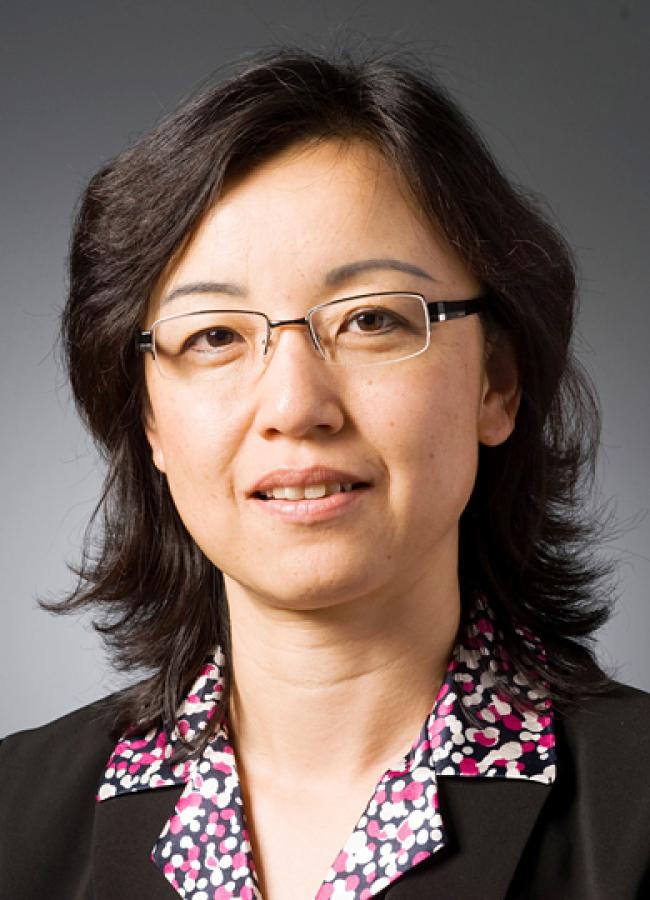
Balasubramanian Balamuralikrishnan is an Assistant Professor in the Department of Food Science and Biotechnology at Sejong University , South Korea. His research focuses on biomaterials, animal nutrition, probiotics, and mycotoxin detoxification, with a prolific publication record of 279 outputs and an h-index of 36. Education: Ph.D. (2017) – Dankook University M.Phil. (2012) – Bharathiar University M.S. (2010) – Bharathiar University B.S. (2008) – Bharathidasan University Research Interests: His work spans bio-material synthesis for biomedical applications , animal nutrition and food science , gut health interactions , bio-active natural compounds , probiotics , and mycotoxin detoxification . These areas converge towards sustainable agriculture, food safety, and health applications. Research Trends: Recent publications emphasize nanomaterials for biosensing , microplastic pollution , sustainable meat processing , biochar-mediated phytoremediation , and AI-driven plant phenotyping . These reflect a shift towards integrating advanced technologies in food and environmental sciences. Awards & Funding: Recipient of the NRF Basic Research Project (2018–2021) funded by the Ministry of Science and Technology, focusing on dietary interventions for livestock health. Collaborations & Labs: He has extensive international collaborations, particularly in Asia, and leads projects on probiotics and mycotoxin mitigation. His lab likely focuses on functional food development and microbiome research .
Ināra Nokalna is a Lecturer at the Faculty of Medicine, Department of Human Physiology and Biochemistry at Riga Stradiņš University since 2010. Her academic career spans over three decades, including roles as Senior Laboratory Assistant (1980-2008) and Assistant (2008-2010) at RSU, and Lecturer at Riga Cosmetic School CIDESKO since 2008. PhD student in Medicine and Pharmacy (2013-present) Master of Natural Sciences in Biology (2003-2004) Specialist in Biochemistry (1979-1989) Research Interests : Focus on biologically active substances in plants (particularly berries and plant shoots) and their anti-oxidant properties . Expertise in studying oxidative stress parameters in vitro and in vivo , with applications in chemotherapy, nutrition, and quality-of-life improvement. Scientific Output : 15+ peer-reviewed publications and conference abstracts, including key works on sea buckthorn extracts and dietary supplement risks. Collaborates on projects like "Detection of antioxidative status and antiradical capacity in natural substances" (2015) with the Pharma and Chemistry Competence Centre of Latvia. 2010: RSU Rector's Certificate of Appreciation 2016: Poster presentation at 6th Global Summit on Medicinal and Aromatic Plants Teaching Contributions : Developer and supervisor of courses including Medical Biochemistry , Pharmaceutical Biochemistry , and Biochemistry I . Organized training on digital skills (Google Apps) for educators.
Synnøve Magnussen is affiliated with the Faculty of Health Sciences, focusing on cancer biology and tumor progression. Her research spans oral squamous cell carcinoma, the plasminogen activation system, nephronectin’s role in cancer, and immunogenic cell death mechanisms. Key Research Areas: Cancer biomarkers, tumor microenvironment, metastasis, marine-derived therapeutics. Notable Work: Investigated uPAR/PAI-1 in oral cancer progression; characterized nephronectin’s integrin-binding domains in breast cancer brain metastasis. Publications: Recent studies explore marine mimics for cytotoxicity (2023), tumor immune microenvironment dynamics (2024), and DAMP-inducing compounds (2022). Academic Contributions: Collaborated on validating prognostic markers (2021) and hypoxia-driven vascular permeability (2022).
Satoshi Yoshida is a Professor at Waseda University's School of International Liberal Studies and Graduate School of Advanced Science and Engineering, where he leads research in yeast genetics and cell biology. His academic journey includes positions at Brandeis University as Assistant Professor and research at Harvard University, with his doctoral training completed at The University of Tokyo. Current Position: Professor, School of International Liberal Studies, Waseda University (2020-Present) Previous Positions: Assistant Professor at Brandeis University (2009-2014), Researcher at Gunma University (2014-2018) Education: Doctor of Science from The University of Tokyo (1998-2003) Professor Yoshida's research focuses on the molecular mechanisms of cell cycle regulation, particularly studying Rho GTPase signaling pathways in yeast models. His work spans from fundamental cell biological processes like cytokinesis and spindle pole body dynamics to translational applications related to aging, protein aggregation, and potential therapeutic targets for diseases including neurodegeneration and cancer. His laboratory has made significant contributions to understanding how Rho1 GTPase selects specific signaling outputs and maintains cellular homeostasis under stress conditions. Analysis of his recent publications shows a strong emphasis on ATP homeostasis, protein aggregation, and the development of high-throughput methods for morphological profiling in yeast. His work connects fundamental cell biology with potential applications in understanding human diseases, particularly neurodegenerative conditions where protein aggregation plays a key role. Fellow, OFSF (2019) Bast papers award, Genetics Society of Japan (2019) Presidential award, Yeast Genetics Society of Japan (2018) New Investigator Award, Massachusetts Life Science Center (2010) Professor Yoshida has received continuous research funding from prestigious organizations including JSPS, JST PRESTO, and the Takeda Science Foundation. His current projects focus on elucidating Rho GTPase signaling mechanisms with potential applications in drug development. He also maintains international collaborations, including recent work with Oxford University investigating how cellular metabolic environments affect protein structural changes. In addition to his research, he teaches advanced courses in health science and life sciences at both undergraduate and graduate levels at Waseda University.
Kapil Tahlan is a Professor in the Department of Biology at Memorial University of Newfoundland, where he leads an active research program focused on microbiology, antibiotics research, and pathogen evolution. His laboratory investigates bacterial biology and metabolism with emphasis on Streptomyces and Mycobacteria species. Dr. Tahlan's research interests span multiple domains of microbial science including biochemistry, molecular biology, omics-based approaches, bioinformatics, and chemical biology. His work primarily focuses on three interconnected areas: Streptomyces research examining production of biologically relevant metabolites in Streptomyces clavuligerus, particularly clavulanic acid Mycobacteria research investigating core biological processes in pathogenic species that cause diseases like tuberculosis Antibiotic resistance mechanisms and strategies to counter resistance machinery in bacteria His publication record shows consistent productivity with numerous high-impact articles in leading journals including Nature Chemical Biology, PLOS One, and Frontiers in Microbiology. His recent work demonstrates increasing focus on metabolomics, genomics, and the intersection of bacterial metabolism with plant-microbe interactions. Dr. Tahlan actively mentors graduate students and postdoctoral fellows, with current supervision of multiple PhD and MSc students working on diverse projects related to antibiotic production, pathogen evolution, and bacterial metabolism. His laboratory has received consistent funding to support this research program. He collaborates with researchers across institutions including Dr. Susan E. Jensen (University of Alberta), Dr. Justin R. Nodwell (University of Toronto), and Dr. Clifton E. Barry, III (National Institutes of Health).
Dr. Kevin Williams is a Professor in the Department of Pharmaceutical Sciences at North Carolina Central University (NCCU), where he serves as the Merck Professor in Integrated Biosciences at the Biomanufacturing Research Institute and Technology Enterprise (BRITE). He is also a member of the Lineberger Comprehensive Cancer Center at UNC and an associate member of the Duke Cancer Institute. Dr. Williams joined NCCU in 2007 as an associate professor and was promoted to full professor in 2018. Dr. Williams earned his Ph.D. in Biochemistry from the University of Cambridge, UK in 1988 and his B.Sc. in Biochemistry (upper second-class honors) from the University of Bath, UK in 1984. Prior to joining NCCU, he spent 15 years in the biopharmaceutical industry, including 6 years at Biogen. Dr. Williams' research primarily focuses on the Hedgehog signaling pathway and its dysregulation in cancer. His laboratory investigates Hedgehog pathway dysregulation in cancer, pharmacologic profiling of cancer cells, the identification and development of novel hedgehog pathway inhibitors, and the role of the hedgehog pathway in alcohol-induced birth defects. He also has significant research interests in Inflammatory Breast Cancer (IBC), including identifying potential therapeutics and raising awareness of this aggressive disease. His publication record demonstrates consistent research activity across multiple disciplines, with recent work spanning cancer therapeutics, developmental biology, and health disparities research. His most recent publications (2022-2025) show a strong focus on hedgehog pathway modulation, inflammatory breast cancer research, and racial disparities in cancer outcomes, with increasing incorporation of computational and AI/ML approaches in drug discovery. NCCU Merck Distinguished Professorship in Integrated Biosciences, 2020 American Association Cancer Research MSI Faculty Scholar in Cancer Research Award (2009, 2010, 2012) Dr. Williams has been continually funded since joining NCCU, with grants from NIH, DoD, Susan G. Komen, and NIIMBL. He leads or co-leads several significant research projects, including the NIH/NIHMD R01 MD017405-01 project addressing health disparities by targeting geographical ancestry-driven variants of immunity. His lab also maintains a strong focus on student training and workforce development, particularly for underrepresented groups in biomedical research. Dr. Williams directs research activities at the BRITE Institute, where his laboratory employs various techniques including high-throughput screening, molecular biology, and in vitro and in vivo cancer models. He collaborates extensively with researchers at UNC and Duke, particularly through the NCCU-DUKE Cancer Disparities Translational Research Partnership.
Dr. Büşra ZENCİRCİ is an Assistant Professor at Adiyaman University, Faculty of Medicine, Department of Basic Medical Sciences, specializing in the Anatomy department. She has established herself as a dedicated researcher and educator in the field of medical sciences with a focus on neuroscience and anatomical morphometry. Her educational background includes a Doctorate in Anatomy from Adiyaman University (2019), a Master's degree in Anatomy from Gaziantep University (2015-2019), and a Bachelor's degree in Physiotherapy and Rehabilitation from Dumlupinar University (2010-2015). She progressed from Research Assistant to Assistant Professor, with her promotion date listed as March 14, 2025. Dr. ZENCİRCİ's research focuses on neuroscience, anatomical morphometry, Alzheimer's disease, medical imaging techniques, and histological studies. Her work often involves morphometric analysis of the cerebral cortex, particularly investigating the effects of compounds like Cortexin on neurological disorders. She has developed expertise in comparative analysis of different neuroimaging methodologies and their clinical applications. Her recent publications (2023-2025) demonstrate a strong trend toward Alzheimer's disease research, neuroimaging techniques, and morphometric analysis, with significant contributions to understanding anatomical variations and their clinical implications across multiple organ systems. English (YDS) Level: C English (YÖKDİL) Level: B As an educator, Dr. ZENCİRCİ teaches Human Anatomy Practical and Theoretical courses across multiple programs at the Faculty of Medicine, including for students in both the main campus and Besni campus. She has actively addressed challenges in anatomy education, including the impact of the COVID-19 pandemic on medical teaching methodologies. Dr. ZENCİRCİ has demonstrated consistent scholarly output with numerous publications in international journals, covering diverse aspects of anatomy, neuroscience, and medical imaging. Her collaborative work with researchers like Zümrüt DOĞAN and Muhammed Emre YÜZER reflects her integration into the broader scientific community.
Dr. Nicole Hansmeier is an Associate Professor in the Biology Department at Luther College, University of Regina. Her academic career spans multiple institutions and research areas with a consistent focus on understanding infectious disease mechanisms at the molecular level. Dr. Hansmeier's research interests center on the molecular basis of infectious diseases, with particular emphasis on host-pathogen interactions. She applies systems biological multi-Omics approaches and high-end imaging techniques to identify disease pathways and bacterial invasion mechanisms. A significant component of her work involves wastewater-based surveillance to detect and monitor infectious diseases within communities, providing crucial data for public health responses. Analysis of her publication record reveals a consistent focus on Salmonella pathogenesis, host-pathogen interactions, and proteomic methodologies. Her research spans fundamental bacterial physiology, molecular infection mechanisms, and applied public health surveillance techniques, demonstrating both depth in specialized areas and breadth across the infectious disease research spectrum. Dr. Hansmeier's research program is supported by multiple funding agencies including the Canadian Foundation for Innovation, Innovation Saskatchewan, Health Canada, SHRF, NSERC, and Mitacs, reflecting the significance and interdisciplinary nature of her work. She teaches a range of courses from introductory biology to specialized medical microbiology and provides research opportunities through independent study courses. Her laboratory employs advanced proteomic techniques to study pathogen-modified membranes, bacterial metabolism during infection, and host responses to pathogens. This work has important implications for understanding infectious disease mechanisms and developing new diagnostic and therapeutic approaches.
Selçuk KAPLAN is an Associate Professor at Adiyaman University, Faculty of Medicine, Department of Obstetrics and Gynecology. Born on July 25, 1984, he completed his medical education at Firat University Faculty of Medicine (2003-2009) and specialized in Obstetrics and Gynecology at the same institution (2011-2015). He was appointed Assistant Professor in 2017 and promoted to Associate Professor in 2021. In addition to his university position, he serves as Associate Professor at Adıyaman Private Gözde Hospital since 2021. His research interests span multiple areas of women's health including Urogynecology, Gynecological Oncology, Contraception, and management of Pelvic Benign and Malignant Masses. His experimental work frequently employs rat models to investigate ovarian function, particularly examining the effects of various compounds on oxidative stress mechanisms. Clinical research focuses on pelvic floor disorders, ectopic pregnancy risk factors, and the relationship between thyroid autoimmunity and pregnancy outcomes. Dr. Kaplan maintains an active publication record with numerous articles in international journals from 2015-2022. His research demonstrates methodological diversity, ranging from basic science animal studies to clinical epidemiological investigations and more recently, medical imaging/AI applications. His work shows particular strength in reproductive medicine and gynecological oncology research. His scientific contributions include studies on: Effects of vitamins and medications on ovarian function in experimental models Risk factors for cervical intraepithelial lesions Pelvic floor disorders in rural populations Recurrent ectopic pregnancy Thyroid autoimmunity and pregnancy outcomes Advanced imaging techniques for cancer treatment As an educator, Dr. Kaplan teaches a comprehensive range of obstetrics and gynecology topics at both undergraduate and postgraduate levels, with particular emphasis on surgical techniques, cancer screening, and management of reproductive disorders. His teaching portfolio reflects his broad clinical expertise across the spectrum of women's health care.
Dr. Irine Runnie Henry Ginjom is a Senior Lecturer in the Faculty of Engineering, Computing and Science at Swinburne University of Technology Sarawak Campus. She holds a PhD in Food Science & Biotechnology from the University of Queensland, an MSc in Food Chemistry & Biochemistry from Universiti Putra Malaysia, and a BSc (Hons) in Agricultural & Food Sciences from the University of Nottingham. Dr. Ginjom serves on the FECS Occupational Health & Safety Sub-Committee and Swinburne Sarawak Human Ethics Sub-committee. Her research centers on: Functional foods and natural products (e.g., Sarawakian botanicals) Impact of food processing/storage on nutrients and bioactives Valorization of food wastes/by-products She actively promotes STEM education through workshops across Malaysia. Awards: Highly Commended – Swinburne Vice-Chancellor’s Community Engagement Award (2019, 2020) Research Grants: Sarawak Research Council: Physicochemical analysis of Sarawak stingless bee honey (2020–2022) Industry collaboration: Bioactives in Eucheuma cottonii (2018–2019) Swinburne Sarawak/Melbourne grants: Encapsulated capsaicin delivery systems (2015–2019) She has supervised over 10 postgraduate students but leads no named laboratory.
Rosaria Costa is a full-time University Researcher in the CHIM/01 (Analytical Chemistry) sector at the Department of SCIFAR (Drug and Health Product Sciences) at the University of Messina. She teaches analytical chemistry across multiple degree programs including Pharmacy, CTF, and SFA-PS, and maintains an active research program focused on natural products chemistry and sustainable food systems. Her primary research interests center on the isolation and study of natural substances present in plant-based samples, with a particular emphasis on developing innovative analytical protocols within the green chemistry sector and recovering value from industrial waste streams. Dr. Costa's work bridges analytical chemistry with practical applications in food science, focusing on sustainable approaches to food analysis, preservation, and fortification. Analysis of her recent publications (2023-2025) reveals consistent output in high-impact food science journals, with research trends emphasizing waste valorization, sustainable packaging development, biofortification of foods, and analysis of natural bioactive compounds. Her work demonstrates a clear commitment to addressing sustainability challenges through analytical chemistry. ATECO: 72.19.09 - Research and experimental development in other natural sciences and engineering ERC Sector: PE4_2 (Spectroscopic techniques), PE4_5 (Analytical chemistry), PE4_7 (Chemical instrumentation) Sustainable Development Goals: Goal 3 (Good health and well-being), Goal 12 (Responsible consumption and production) Dr. Costa advises students across multiple degree programs while maintaining an active research agenda. Her laboratory work focuses on gas chromatography-mass spectrometry techniques applied to food analysis and natural product characterization. She has participated in significant research initiatives including the PON 2000-2006 program and has been involved in sustainability-focused public engagement activities such as UNIME Sustainability Day 2021 and the 'Green Chemistry' initiative in 2022. Her research group, part of the Food Chemistry and Fermentation Processes Laboratory, develops practical solutions for converting waste materials into valuable products, aligning analytical chemistry expertise with sustainability challenges in the food industry.
Dr. Nural Cokcetin serves as the Faculty Research Engagement Manager for the Faculty of Science at the University of Technology Sydney (UTS), where she focuses on diversifying research funding and facilitating collaborations with internal and external stakeholders. She is part of the central Research Office team and the Partnerships team managing business development, commercialization, and industry engagement activities. Dr. Cokcetin earned her PhD in microbiology from UNSW Australia (2010-2015) and completed her B.Sc (Molecular Biotechnology) (Hons) at the University of Sydney (2003-2007). Prior to her current role, she was a Research Fellow at UTS's ithree Institute (2015-2022) and holds a part-time position as Research Scientist and Project Manager at the University of Sydney (2022-present). Her research expertise centers on medicinal honey, particularly its antimicrobial properties against antibiotic-resistant pathogens and its potential as a prebiotic to promote gut health. She has established herself as a global leader in honey and bee research, with extensive experience in industry-driven research programs, stakeholder engagement, and science communication. Her work bridges fundamental microbiology with practical applications in wound care and infection management. Dr. Cokcetin's publication record demonstrates consistent focus on honey's therapeutic potential, with recent research examining Australian stingless bee honey, honeypot ant honey, and the mechanisms behind honey's antimicrobial activity. Her studies span from basic characterization of honey's physicochemical properties to clinical applications for treating infections and promoting gut health. Scientific Recognition: Early Career Research Excellence Winner (2018) Australian Society for Microbiology Postdoctoral Award (2017) FameLab - Best Young Science Communicator in Australia and International Runner-Up (2017) She has actively engaged in research supervision and teaching, developing and delivering courses on microbiology and science business models. Her media presence includes TEDx talks, The Conversation articles, and appearances on The Checkout, where she discusses the science behind honey's therapeutic properties. As a member of the Australian Institute for Microbiology & Infection (AIMI), she contributes to advancing microbiological research with translational impact.
Rupert Legg is a Casual Academic and PhD Candidate at the Institute for Sustainable Futures within the Faculty of Engineering & Information Technology at the University of Technology Sydney (UTS). His interdisciplinary research bridges geography, psychology, and environmental health, focusing on the complex relationships between environmental contamination, urban green spaces, and mental wellbeing. His work examines how residents' mental health is affected by living on contaminated land and how urban environments can be designed to promote health and sustainability. His educational background includes a Bachelor of Science from the University of Sydney (2013-2017). Legg's research interests span environmental health geography, mental health impacts of urban environments, climate change adaptation, and the social dimensions of sustainability initiatives. He approaches these topics through a critical health geography lens, examining how place, environment, and policy intersect to shape health outcomes. Analysis of Legg's publication record reveals a consistent focus on environmental health challenges, particularly the mental health implications of environmental contamination and urban design. His work demonstrates growing expertise in understanding how climate change, extreme weather events, and urban planning decisions compound to affect community wellbeing. Recent publications increasingly integrate multiple disciplinary perspectives, reflecting the complex nature of contemporary environmental health challenges. Legg has secured funding for several research projects including 'Inclusive planning for health and wellbeing' (2023), 'Sustainable Futures: Navigating the sustainability transition' (2023), '(Em)powering communities on the journey to energy resilience' (2022-2023), and 'Examining sustainability claims for bioplastics' (2022). These projects demonstrate his ability to secure competitive research funding across diverse environmental health topics. As an educator, Legg has developed and taught the 'Global Issues Studio' course at UTS, demonstrating his commitment to translating research into teaching practice. His academic service includes membership in the Faculty Climate Change & Health Research Collaborative (CCHRC) and the UTS Research Centre, where he contributes to interdisciplinary environmental health initiatives.
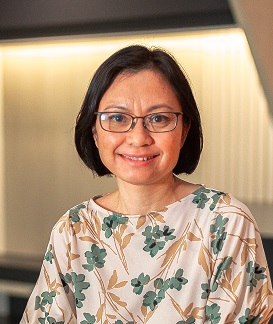
Liangli Yu is a Distinguished University Professor in the Department of Nutrition & Food Science at the University of Maryland's College of Agriculture and Natural Resources. With expertise spanning food chemistry, nutraceuticals, and functional foods, Dr. Yu has established herself as a leading researcher in the field of food science and nutrition. Dr. Yu received her educational training at prestigious institutions: Ph.D. in Food Science/Food Chemistry from Purdue University (1999) M.S. in Medicinal Chemistry from China Pharmaceutical University B.S. in Pharmaceutical Chemistry from China Pharmaceutical University Dr. Yu's research focuses on nutraceuticals and functional foods for reducing the risk of obesity and related diabetes and cardiovascular diseases, with particular interest in interactions between food factors and gut microbiota, and their impacts on host health. Her work also encompasses food safety and integrity chemistry. She is renowned for her research on value-added nutraceutical and functional food production for disease prevention and health promotion, natural food preservatives for improving food quality and safety, and cellular and molecular mechanisms of bioactive food factors. Dr. Yu's publication record demonstrates a strong focus on food chemistry, nutraceuticals, and functional foods with particular emphasis on understanding the chemical composition of various plant-based foods and their health benefits. Her recent work has increasingly focused on gut microbiota interactions, anti-viral properties of plant compounds (particularly related to SARS-CoV-2), and the metabolic effects of functional foods. She has published extensively on analytical methods for food composition and quality assessment. Dr. Yu has received numerous prestigious awards throughout her career: 2023 Award for Advancement of Application of Agricultural and Food Chemistry, American Chemical Society AGFD 2022 Distinguished University Professor, University of Maryland, College Park 2021 Fellow, American Chemical Society (ACS) 2020 Stephen S. Chang Award for Lipid or Flavor Science, Institute of Food Technologists (IFT) 2019 Outstanding Science and Technology Award of the Chinese Grain and Oil Society (team award) 2019 Second Prize of the Science and Technology Award, Chinese Association of Human Nutrition (team award) 2016 USP Award for Outstanding Contribution to USP Standards 2014 Prize on Formation Mechanism of (2)/(3)-Monochloropropanediol- and Glycidyl Fatty Acid Esters in Fats and Oils, The German Society for Fat Science 2012 Fellow, Institute of Food Technologists (IFT) 2012 Award for an Innovative Response to a Public Health Challenge, U.S. Pharmacopeia Convention Dr. Yu has served as Executive Editor of the Journal of Agricultural and Food Chemistry since 2023 and held various editorial positions for major food science journals. She has been actively involved in professional service through the American Chemical Society, Institute of Food Technologists, and U.S. Pharmacopeia, where she served on expert committees related to food ingredients and adulterants. Her research has been supported by various grants, though specific grant details aren't provided in the text. Dr. Yu leads a productive research group that focuses on food chemistry, nutraceuticals, and functional foods. Her laboratory work involves sophisticated analytical techniques for food composition analysis, gut microbiota studies, and bioactivity assessment of food compounds. She has mentored numerous students and researchers who have gone on to contribute to the field of food science.
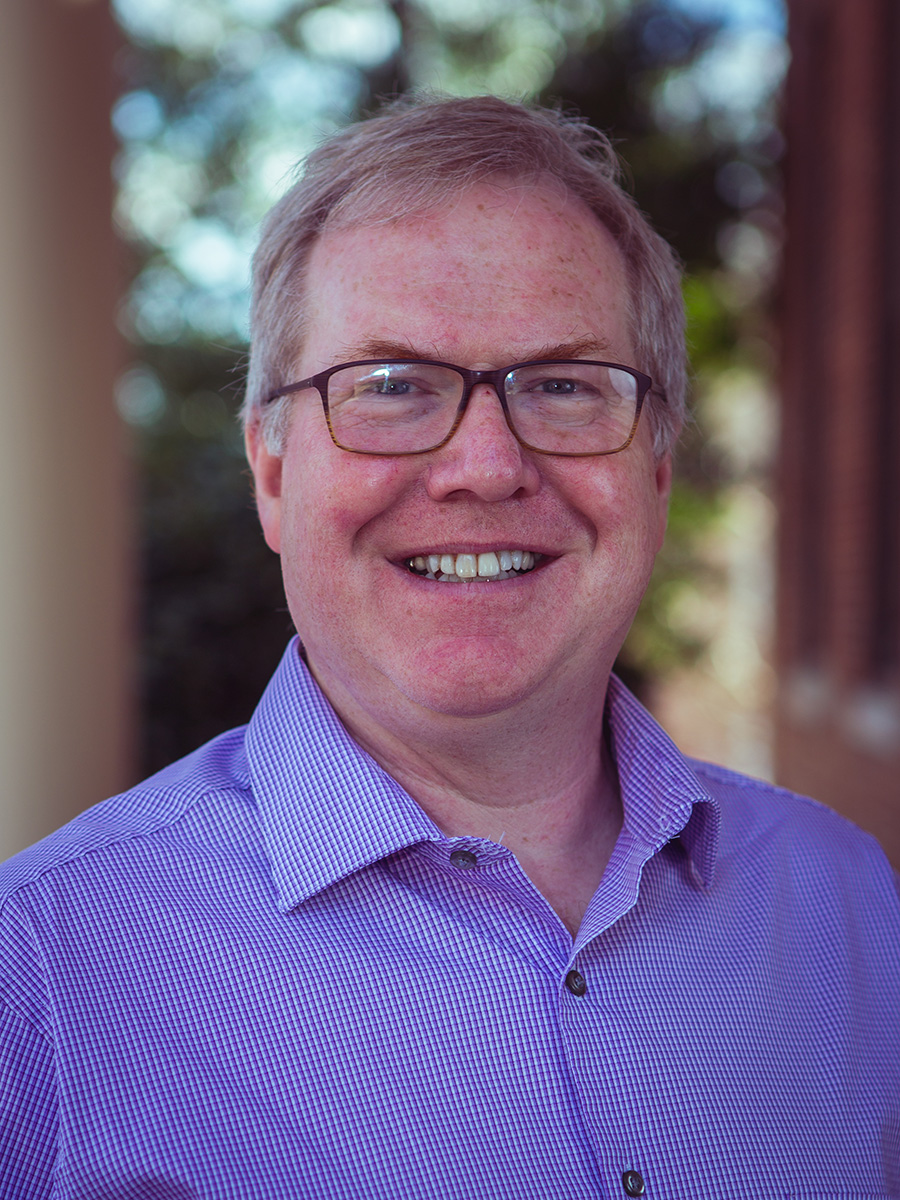
Jeffrey Macdonald serves as an Associate Professor at the University of North Carolina at Chapel Hill School of Medicine, with a primary appointment in the Department of Biomedical Engineering. He holds significant leadership roles as the Founder and Scientific Director of the Metabolomic Facility and Co-Scientific Director of the joint UNC/NCSU/NOAA Marine MRI facility at Pivers Island near Beaufort, NC. Dr. Macdonald's educational background includes a Ph.D. in Pharmaceutical Chemistry from the University of California at San Francisco (1995), an M.S. in Environmental Toxicology from the University of California at Davis (1988), and a B.A. in Aquatic Biology from the University of California at Santa Barbara (1984). His academic journey continued with post-doctoral training at the National Institute of Environmental Health Sciences under Dr. Robert London, a pioneer in fluxomics. His research program centers on metabolomics and fluxomics , with a particular focus on using stable isotope-labeled nutrients ( 13 C, 15 N, 2 H) to trace metabolic networks. Dr. Macdonald has developed innovative NMR-compatible bioreactors, including a patented multi-coaxial membrane bioartificial liver and a fluidized-bed bioreactor for hepatocyte culture. His work spans from fundamental metabolic studies to environmental applications, with recent emphasis on comparative multi-omics across mammalian species and bat aging research. Analysis of his publication record reveals consistent research activity with a clear evolution from foundational metabolomic techniques to broader applications in environmental science, cancer research, and comparative biology. His work demonstrates increasing interdisciplinary collaboration, connecting metabolomics with fields as diverse as marine science, neurology, and public health. Dr. Macdonald has secured NIH funding for developing novel fluxomic applications and established the first Metabolomic Facility at UNC in 2002. His research program has facilitated numerous collaborations across diverse biological systems, from diatoms and bacteria to rodents and humans, with recent expansion into environmental metabolomics of wild populations including mollusks, sea turtles, and bats. His laboratory work focuses on the integration of metabolomics with tissue engineering to enable quantitative biosystem analysis. The Marine MRI facility represents a significant expansion of his research capabilities into marine environmental systems, while his ongoing work with the Metabolomic Facility continues to support diverse research projects across campus and beyond.