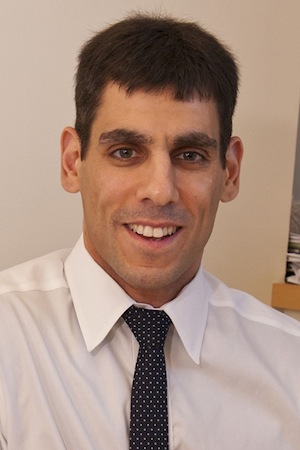
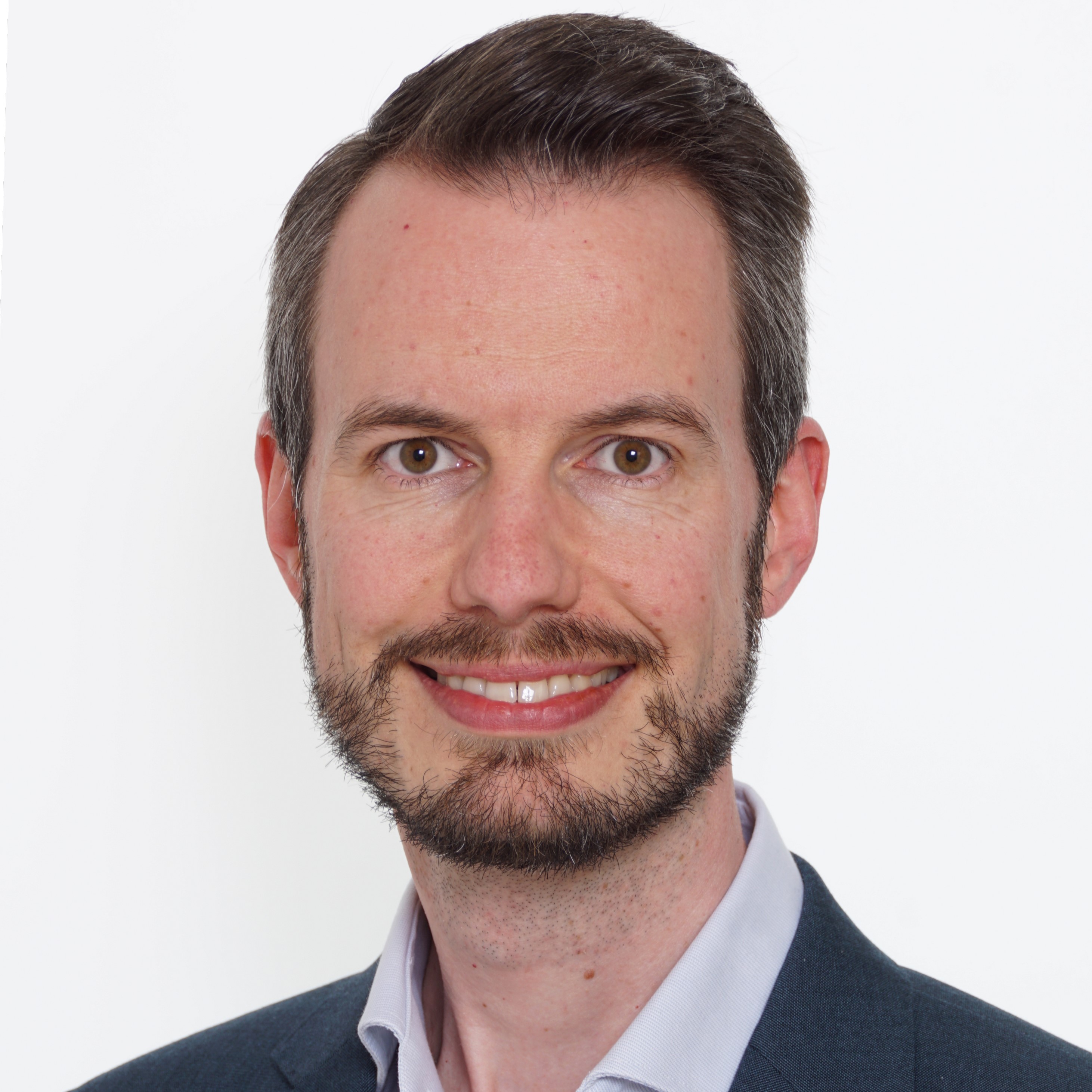
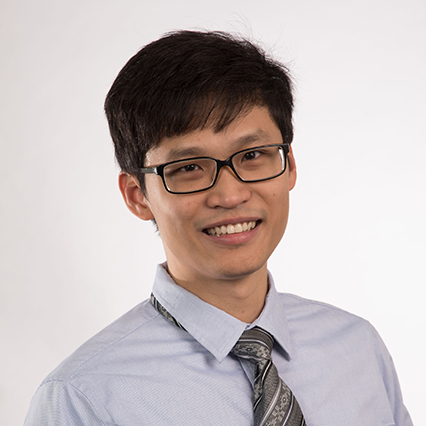
Veronika Huck-Fries is a researcher at the Technische Universität München (TUM) , affiliated with the Department of Informatics and associated with the KrcmarLab and Wittges Lab . Her work focuses on Agile Information Systems Development , Work Engagement , and IT Workforce dynamics. Educational Background : M.Sc. in Industrial & Organizational Psychology (Ludwig-Maximilians-University Munich), Visiting Graduate Student (University of Alberta), B.Sc. in Psychology (LMU Munich), Entrepreneurship Education via UnternehmerTUM GmbH. Research Interests : Agile Software Development, Work Engagement, IT Workforce Management, Innovation Processes. Projects : ARinFLEX , MACS , Sonderforschungsbereich 768 subprojects. Collaborations : Involved in SAP University Competence Center, OpenPOWER@TUM initiatives, and DIAS project.
Ramy Arnaout, MD, DPhil , is an Associate Professor of Pathology at Beth Israel Deaconess Medical Center (BIDMC) and Harvard Medical School (HMS) , where he also holds affiliations with the Department of Systems Biology and Division of Clinical Informatics . As director of the Arnaout Laboratory for Immunomics and Informatics , he leads research at the intersection of systems immunology , machine learning , and clinical pathology . Education: SB in Mathematics, MIT DPhil in Biochemistry, Oxford University (Marshall Scholarship) MD, Harvard Medical School (Soros Fellow) Research Interests focus on decoding adaptive immunity through high-throughput sequencing of antibody and T-cell receptor repertoires, applying information theory and network analysis to understand immune dynamics in aging, cancer, and infections. His systems medicine work leverages real-world hospital data to optimize diagnostics and therapeutic strategies. Scientific Awards include the Reagan-Udall Foundation Grant for accelerating COVID-19 test approval, the Gordon and Betty Moore Foundation Award for BIDMC-UCSF collaboration, and prestigious fellowships like the Marshall Scholarship and Soros Fellowship . Advising & Grants highlight mentorship of computational biologists and a lab supported by NIH, American Heart Association, Massachusetts Life Sciences Center, and industry partners. His team has developed 3D-printed swabs and machine learning frameworks for immune repertoire analysis during the pandemic. Lab Structure includes 5–10 members spanning immunologists, computer scientists, and physicians. Collaborations extend to Dr. Rima Arnaout (UCSF), Dr. James Kirby (BIDMC), and institutions like Duke AI Health and Kapa Biosciences.
Professor Kiyotaka Iwasaki at Waseda University's Faculty of Science and Engineering is a leading figure in biomedical engineering with a focus on cardiovascular device development , tissue engineering , and regulatory science . His career spans over two decades at Waseda University, including roles as Associate Professor (2006-2014) and positions at Harvard Medical School's Laboratory for Tissue Engineering. Holding a Doctor of Engineering from Waseda, he serves on numerous international regulatory committees and has contributed to ISO/TC194 standards for medical devices. 1993-2002: Waseda University Education in Mechanical Engineering 2001-2004: Research Associate at Waseda University 2004: Research Scientist at Harvard Medical School 2018-Present: Professor at Waseda University His research interests include Non-clinical testing methodologies for medical devices Regulatory science frameworks Tissue engineering for ligament and cardiac applications Cardiovascular biomedical engineering His scientific contributions reveal through Development of decellularized tissue grafts for orthopaedic surgery Innovations in 3D cardiac tissue engineering using fibrin-based cell sheet stacking Pioneering bioresorbable stent technology with magnesium alloys Creation of biomechanical simulators for valvular disease modeling His awards span from the 2021 Japanese Ministerial Science Commendation 2020 JSME Standards Award 2018 ARIA Innovation Award 2001 ASAIO Fellowship While his publications demonstrate expertise in Vascular and cardiac device testing Bioresorbable stent evaluation Machine learning in medical device regulation Decellularized tissue applications
Valentijn M.T. de Jong is an Assistant Professor at Utrecht University, specializing in methodological advancements in biostatistics and epidemiology. His research focuses on causal inference, missing data analysis, and meta-analytical techniques in medical studies. Research Trends: Recent publications highlight his expertise in statistical methods for handling missing data (e.g., Heckman selection models), causal inference in individual-participant data meta-analyses, and enhancing prediction model discrimination in healthcare research. His work spans disciplines like epidemiology, biostatistics, and health data science.
Ruohui Chen, PhD, is an Assistant Professor in the Department of Preventive Medicine (Biostatistics and Informatics) at Northwestern University's Feinberg School of Medicine, where he develops advanced biostatistical methodologies and leads collaborative research in oncology and chronic disease. His educational background includes: PhD from University of California San Diego (2023) Dr. Chen specializes in large-scale healthcare data analysis, functional/longitudinal data methods, predictive modeling, and causal inference. His collaborative work addresses cancer treatment disparities, Alzheimer's disease mechanisms, kidney disease progression, and activity pattern impacts on health outcomes through rigorous statistical frameworks. His 2025 publications demonstrate cross-disciplinary applications: analyzing socioeconomic factors in bone cancer prognosis, testing physical activity interventions for cardiovascular health in postmenopausal women, evaluating novel lymphoma immunotherapies, and optimizing aspirin dosing for colorectal cancer prevention. These studies consistently bridge methodological innovation with clinical oncology and public health challenges. No major scientific awards are documented in the current profile. Professional activities include editorial board service for Taylor & Francis (2024-present) and American Statistical Association membership (2016-present), with prior leadership as UC San Diego chapter president (2020-2023). Research grant details and student mentorship information are not provided. Dr. Chen operates within collaborative oncology research networks at Feinberg, though specific laboratory structures are not detailed in available materials.
Professor Clinton Fookes is a faculty member at the Queensland University of Technology (QUT) within the School of Electrical Engineering & Robotics . His research focuses on leveraging computer vision and artificial intelligence to develop automated systems that understand, anticipate, and interact with human behaviors, with applications in medical diagnostics, autonomous vehicles, defense, and industrial efficiency . Research areas include AI adaptability, multimodal biosignal analysis, and human-machine interaction Collaborates with CSIRO Data61, Defence Science and Technology Group, Orica, Airbus, and Sentient Vision Systems Develops systems for human action detection, infrastructure monitoring, and stress response prediction His work addresses critical challenges in AI deployment, such as environmental adaptability and reducing diagnostic errors in medical and autonomous systems. Recent publications highlight trends in self-supervised learning, zero-shot knowledge transfer, multimodal integration , and 3D reconstruction for healthcare , while exploring ethical AI use in sectors like mining and defense . Professor Fookes emphasizes interdisciplinary collaboration, bridging engineering, medicine, and social sciences to advance AI systems capable of real-world impact. His research agenda includes improving AI memory capabilities and explainability for safer, more reliable automation.
Chao Cheng serves as an Adjunct Associate Professor in the Department of Biomedical Data Science at the Geisel School of Medicine, Dartmouth College. His academic appointment contributes to one of the nation's leading medical research institutions, focusing on data-driven approaches to biomedical challenges. Dr. Cheng's research spans Biomedical Data Science, Health Data Science, Implementation Science, Mental Health Informatics, and Clinical Informatics. His work emphasizes leveraging computational methods to improve healthcare delivery systems, particularly through mental health applications and evidence-based implementation strategies. Recent institutional developments include Dartmouth's $12 million NIH COBRE grant supporting Implementation Science research, reflecting the department's strategic focus areas. The Department of Biomedical Data Science operates within Dartmouth's Geisel School of Medicine ecosystem, which recently launched initiatives like mental health games for autistic youth through the play2Prevent Lab. While specific advising activities aren't documented, the department actively participates in interdisciplinary research programs including MS in Health Data Science and Implementation Science.
Dr. Rainer Hinz is a Senior Lecturer in Functional Imaging at the University of Manchester, affiliated with the Division of Informatics, Imaging & Data Sciences within the Research School of Cancer and Enabling Sciences. He specializes in developing and applying positron emission tomography (PET) techniques for radiation therapy monitoring, oncology, neurology, and psychiatry research. Education: Diplom-Ingenieur (Electrical Engineering) from Chemnitz University of Technology (1995) Doktor-Ingenieur (Biomedical Engineering) from Dresden University of Technology (2000) Research focuses on PET methodologies for disease progression monitoring, particularly in Alzheimer’s, multiple sclerosis, and oncological applications. He contributes to advancing PET imaging standards, collaborating on projects like the CRUK Imaging Centres. His work aligns with UN SDGs related to health and innovation. Publications emphasize neuroinflammation biomarkers, PET tracer applications, and imaging analytics. He actively supervises postgraduate research and contributes to interdisciplinary grants and teaching in advanced imaging techniques.
Bruce A. Maxwell is a Teaching Professor and Assistant Director of Computing Programs at Northeastern University’s Seattle Campus, following roles as Chair of the Computer Science (CS) Department at Colby College (2013–2020) and leadership in establishing the Khoury College MS CS Align Program at the Roux Institute (2020–2022). His academic journey includes affiliations with Northeastern’s Seattle Campus and ongoing collaboration with Colby CS as a research scientist. He specializes in Computer Vision, Robotics, Computer Graphics, Game Design, and Data Analysis, with notable contributions to concussion management research through the Maine Concussion Management Initiative (MCMI), focusing on sports-related injury analysis and symptom monitoring. His research spans over two decades, with significant work in human-robot interaction, autonomous systems, and educational technology. Notable projects include developing tools for real-time shadow removal in autonomous driving contexts and analyzing cognitive outcomes in student-athletes post-concussion. Maxwell has authored over 50 peer-reviewed publications, emphasizing interdisciplinary approaches bridging computer science, sports medicine, and educational policy. Teaching innovations include integrating thematic elements (e.g., Lord of the Rings) into CS1 coursework and advocating for writing in computer science curricula. He maintains active roles in academic service, including SIGCSE conference contributions and panel discussions on gender equity in tech education. Education: Ph.D. in Robotics from Carnegie Mellon University (1996), M.Phil. in Engineering from Cambridge University (1993). Awards: Recognized for pedagogical contributions but no named awards listed in provided materials. Labs/Teams: Collaborates with the Maine Concussion Management Initiative and Khoury College’s Align Program team.
Wenchao Li is an Assistant Professor in the Department of Electrical and Computer Engineering at Boston University, directing the Dependable Computing Laboratory. He holds a B.S., M.S., and Ph.D. in Electrical Engineering and Computer Sciences, along with a B.A. in Economics from UC Berkeley. His research focuses on dependable computing, applying formal verification, machine learning, and control theory to cyber-physical systems, electronic design automation, and AI safety. Key research interests include neural network verification, safe reinforcement learning, autonomous systems security, and resilient control strategies for connected vehicles. His work emphasizes provable safety guarantees and defense against adversarial attacks in critical infrastructure systems. Notable awards include the ACM Outstanding Ph.D. Dissertation Award and the Leon O. Chua Award. His lab investigates topics such as neural network repair, secure multi-robot coordination, and formal methods for autonomous systems. He advises students like Jiameng Fan and collaborates on projects funded by grants in AI safety and cyber-physical systems. Labs/Teams: Dependable Computing Laboratory Grants: Focus on formal verification, AI safety, and autonomous systems resilience
Angelica Lim is an Assistant Professor of Professional Practice and Rajan Family Scholar in the School of Computing Science at Simon Fraser University. Her research focuses on Human Robot Interaction, Affective Computing, and Multimodal Perception with applications in healthcare and developmental robotics. She holds a PhD in Informatics from Kyoto University (2014), an M.Sc. from Kyoto University (2012), and a B.Sc. in Computing Science from SFU (2008). Her work bridges robotics and human-centered AI through projects like the ROSIE Lab, exploring emotion-aware systems, socially assistive robots, and VR programs for aging populations. Key contributions include benchmarking emotional speech recognition (BERSting), developing embodied emotion models for robots, and co-designing healthcare technologies with patient partners. Recent publications emphasize ethical AI, multimodal perception systems, and human-robot collaboration in dynamic environments. Teaching includes courses on software engineering, artificial intelligence, and introductory computer science. Her research has been applied in dementia care through VR programs, robotic companionship for older adults, and emotion-aware human-robot communication systems. Current initiatives focus on inclusive HRI design and sim2real methodologies for underrepresented data in affective computing.
Professor Dian Tjondronegoro is a leading academic at Griffith University's Department of Management within the Griffith Business School. He holds roles such as Acting Head of Department and Deputy Head (Research), and is affiliated with the Centre for Work, Organisation and Wellbeing, Griffith Asia Institute, and the Griffith Inclusive Future Beacon. His research focuses on AI ethics, eHealth systems, and digital governance, with over $9M in grants from bodies like the ARC and NHMRC. He has published 145+ peer-reviewed papers and leads initiatives like the 'Governing in the Digital Age' program. A Fellow of the Australian Computer Society and Senior Member of IEEE/ACM, he has won the Gold Disrupters Award (2019) and multiple teaching accolades. Education: PhD in Information Systems (Deakin University, 2005), BIS (QUT, 2001). Research Interests: AI, machine learning, healthcare innovation, responsible AI, workplace design, and digital economy strategies. His articles emphasize AI applications in healthcare monitoring, workplace productivity, and ethical surveillance. Recent work explores post-COVID workplace trends and AI-driven public health solutions. He advises on government policy and innovation through roles like Gold Coast Health's Digital Innovation Advisory Committee. His teaching includes courses on digital strategy and innovation management.
Stefano CAMPOSTRINI is a Full Professor in the Department of Economics at Ca' Foscari University of Venice, specializing in Social Statistics (STAT-03/B). He serves as a Member of the technical-scientific Committee of the Ca' Foscari Challenge School and the Department of Economics' Committee. His research activities are supported by affiliations with the Research Institute for Social Innovation and the Research Institute for Innovation Management. Professor CAMPOSTRINI's research spans the intersection of statistical methodology, public health, and social policy. His work demonstrates expertise in advanced statistical techniques including Bayesian modeling, spatial analysis, and complex survey methodology. His primary focus areas include healthcare systems analysis, social innovation, public administration, and the economic aspects of health policy. He frequently addresses issues related to comorbidity patterns, healthcare service accessibility, and the application of artificial intelligence in healthcare settings. His publication record from 2021-2025 reveals significant trends in healthcare innovation, with particular emphasis on virtual hospital systems, AI applications in medicine, sustainable healthcare practices, and the statistical analysis of social services like early childhood education. His methodological contributions include novel approaches to analyzing regional health disparities and developing web-based tools for disease prevalence estimation. His research often employs expert consensus methods like Delphi techniques to address complex healthcare organizational challenges. Professor CAMPOSTRINI maintains active involvement in research initiatives through the Research Institute for Social Innovation and the Research Institute for Innovation Management. His work bridges advanced statistical methodology with practical applications in healthcare policy and social service delivery, making significant contributions to evidence-based decision making in public health and social policy domains across Italy and European contexts.
Dr. Tim Oates is a Professor in the Department of Computer Science and Electrical Engineering at the University of Maryland, Baltimore County . His research spans machine learning, artificial intelligence, and brain-machine interfaces, with a focus on weakly supervised methods, human-in-the-loop reinforcement learning, and grounded policy development for robotics. Ph.D., Computer Science, University of Massachusetts, Amherst, 2000 M.S., Computer Science, University of Massachusetts, Amherst, 1997 B.S., Computer Science and Electrical Engineering, 1989 Current research threads include: Developing non-invasive brain injury severity assessment via medical time series Modeling human brain development through computational frameworks Designing algorithms for autonomous robotic learning Recent publications highlight AI security mechanisms (backdoor detection via tensor decomposition, matrix factorization) Medical applications (3D artery reconstruction, skin lesion diagnosis, EEG denoising) Neuro-symbolic integration (holographic representations, language-guided reinforcement learning) Mathematical reasoning (schema-based problem solving, subitizing algorithms) Contact: oates@cs.umbc.edu | Office: 336 Information Technology and Engineering (ITE) Building
Professor Zoheir Sabeur is Professor of Data Science and Artificial Intelligence at Bournemouth University (2019–present) and Head of the Processes and Behaviour Understanding (PRO_BU) Research Group. He concurrently serves as Visiting Professor of Data Science at Colorado School of Mines (2017–present) and held the position of Science Director at the IT Innovation Centre, University of Southampton (2009–2019). Over three decades he has led more than 30 large-scale projects as Principal Investigator, securing over £12 million of funding from the European Commission, UKRI, DSTL, NERC, EPSRC and industry. Education PhD in Theoretical Physics, University of Glasgow (1990) MSc in Theoretical Physics, University of Glasgow (1986) BSc First-Class Honours in Physics and Applied Mathematics, Université d'Oran (1984) Advanced Leadership Programme, Ashridge Business School (2011) Research Interests Professor Sabeur’s research focuses on the fundamental theory and application of data science and artificial intelligence to understand complex human, natural and industrial processes and behaviours. His work spans multi-modal sensing, big-data analytics and machine-learning algorithms that extract actionable knowledge from large heterogeneous datasets. Application domains include: Healthcare: AI-driven diagnostics and prognostics for chronic diseases such as COPD, asthma and cancers through omics and phenotypic data integration. Environmental & Climate: Earth-observation analytics for wildlife migration and climate-change impact assessment using satellite data and global grid systems. Maritime & Cyber-Physical Security: Real-time risk assessment for shipping in extreme environments, smart-city safety and critical-infrastructure protection using computer vision and sensor fusion. Recent research has produced novel AI classifiers that analyse lung-auscultation audio signals to grade COPD severity, as well as digital-twin frameworks for detecting malicious behaviour in urban spaces. Scientific Awards & Recognition Fellow of the British Computer Society (FBCS) Fellow of the Institute of Marine Engineering, Science & Technology (FIMarEST) Chartered Engineer (CEng) and Chartered Physicist (CPhys) Multiple ORS Awards (1987, 1988, 1989) Grants & Doctoral Supervision Professor Sabeur has secured and led more than 40 funded projects since 1996, including recent grants such as INSIGHT (NIHR, 2024) and S4AllCities (H2020, 2020). He currently supervises three ongoing PhD students at Bournemouth University and has successfully graduated three others, covering topics from computational hydrodynamics to AI-based respiratory-disease analytics. He welcomes enquiries from prospective postgraduate researchers interested in data science, AI and interdisciplinary applications under schemes such as UKRI and Horizon Europe.