Etienne AudureauView profile
Lecturer
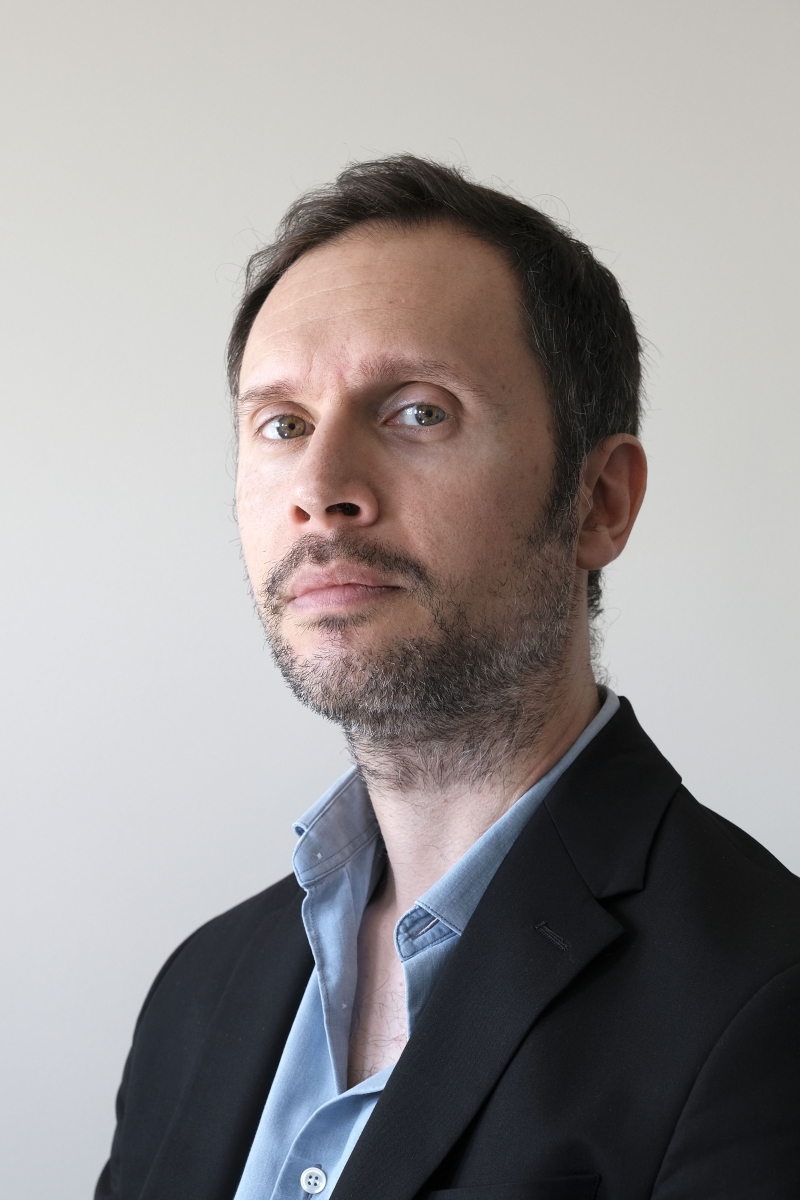
Etienne Audureau is a public health physician, epidemiologist, and biostatistician at Université Paris-Est Créteil (UPEC). He serves as a lecturer and researcher in the CEpiA team (INSERM U955, IMRB, UPEC), and is Co-director of the CEpiA team responsible for the "Multimorbidity, Frailty, Dependence" axis. Additionally, he is Head of the Mondor Clinical Research Unit and Head of the Public Health Department at Henri Mondor Hospital, AP-HP, and Co-holder of the AI-RACLES Chair in Artificial Intelligence focused on vulnerability assessment in health. Dr. Audureau's research focuses on identifying and characterizing vulnerability associated with aging, particularly in elderly cancer patients. His work includes developing prognostic models for vulnerability and multimorbidity profiles, and studying quality of life measures in geriatrics. He specializes in complex modeling and machine learning-based analyses to explore health trajectories in vulnerable populations, with a particular emphasis on cancer, aging-related frailty, and post-COVID conditions. His recent publications demonstrate a strong focus on geriatric oncology, cardiovascular health in aging populations, and vulnerability assessment using advanced statistical methods. The research shows a consistent trend toward developing predictive tools for clinical practice, with increasing application of machine learning techniques to large healthcare datasets. Much of his work involves analyzing trajectories of care and outcomes in vulnerable patient populations across multiple chronic conditions. Dr. Audureau co-heads the AI-RACLES Chair (Artificial Intelligence for assessing health profiles, healthcare modalities and trajectories in vulnerable patients due to COVID-19, cancer or ageing-related frailty), which aims to exploit the massive data of the AP-HP's Health Data Warehouse (>8M patients, 39 hospitals) for research on vulnerability in health. As an active researcher and educator, Dr. Audureau leads multiple research projects and collaborates extensively with clinical teams across various specialties including oncology, cardiology, and infectious diseases. His work bridges epidemiology, biostatistics, and clinical medicine to improve care for vulnerable populations.