University of California, Los AngelesUnited States
Dr. Han Du is an Associate Professor in the Department of Psychology at the University of California, Los Angeles (UCLA). He holds a PhD from the University of Notre Dame and leads the Du Research Lab. His methodological expertise includes Bayesian statistics, longitudinal data analysis, structural equation modeling, meta-analysis techniques, and machine learning applications in psychological research. Dr. Du's substantive research applies quantitative methods to developmental, clinical, cognitive, educational, and health psychology. His recent publications focus on transgender adolescent stress assessment, LGBTQ+ mental health in military contexts, social network interventions for HIV prevention, and minority stress theory applications. He teaches advanced statistical methods and supervises graduate students in quantitative psychology.
LaRonda M. Lockhart-Keene is an Assistant Professor of Occupational Therapy at Widener University. She holds dual roles in clinical practice and academia, specializing in dementia care and occupational justice. With over 20 years of clinical experience across diverse settings including NICU, geriatric care, and HIV/addiction services, she actively mentors students in community-based practice. Bachelor of Science in Occupational Therapy (1997), Temple University Postprofessional Doctorate in Occupational Therapy (OTD, 2017), Philadelphia University (now Thomas Jefferson University) Her research focuses on teaching pedagogy, clinical reasoning, and bridging police-community relations through healthcare. She previously served as Program Director at Thomas Jefferson University’s OTA program and held adjunct roles at Penn State Berks and Philadelphia University. Professional leadership includes chairing POTA’s Commission on Justice, Equity, Diversity, and Inclusion. Her work emphasizes occupational justice and trauma-informed approaches, with publications exploring adjunct faculty readiness and student clinical reasoning development.
Kelly Askew is a Professor of Anthropology and Afroamerican & African Studies at the University of Michigan’s College of Literature, Science, and the Arts. She holds a PhD in Anthropology (Harvard, 1997) and a BA in Music and Anthropology (Yale, 1997), with over three decades of fieldwork in Tanzania and Kenya. Education PhD in Anthropology, Harvard University (1997) BA in Music and Anthropology, Yale University Key Roles Chair of the Department of Anthropology Niara Sudarkasa Collegiate Professor Her research bridges three primary domains: Postsocialist transitions (e.g., property rights formalization and land conflicts), art and political aesthetics (e.g., Swahili music, African visual arts, ethnographic filmmaking), and indigenous political movements (e.g., Maasai and Parakuyo pastoralists). She has produced award-winning documentaries like The Chairman and the Lions (2013) and Maasai Remix (2019), which examine cultural resilience and land rights. Scientific awards include being a finalist for the African Studies Association Herskovits Award (2002). Recent publications analyze land dispossession mechanisms, postsocialist cultural production, and media’s role in political identity. She has secured grants from the National Science Foundation, National Endowment for the Humanities, and Ford Foundation.
Ryan K. McBain is a Senior Policy Researcher at the RAND Corporation and an Adjunct Professor of Policy Analysis at the RAND School of Public Policy. His work focuses on designing and evaluating health policies targeting vulnerable populations, including those affected by mental health conditions, HIV/AIDS, homelessness, and poverty. He employs methodologies such as econometric analysis, cost-effectiveness modeling, and qualitative research. Internationally, he collaborates with organizations like the World Bank, WHO, and Partners In Health in sub-Saharan Africa and Haiti. McBain holds a D.Sc. and M.Sc. in Global Health (Health Economics & Policy Analysis) from Harvard University and a B.A. in Psychology from Gordon College and Oxford University. His research emphasizes telehealth trends, mental health crisis systems (e.g., 988 hotline preparedness), and the intersection of housing and healthcare access. He advocates for evidence-based solutions to address systemic inequities in healthcare delivery and advocates caution in leveraging AI for mental health interventions. Education: D.Sc. and M.Sc. in Global Health from Harvard University; B.A. in Psychology from Gordon College and Oxford University. Key Research Themes: Mental Health Policy, HIV/AIDS Programs, Telehealth Expansion, Homelessness Solutions. McBain’s recent work includes analyzing psychiatric bed shortages, evaluating permanent supportive housing programs, and assessing the competency of AI models in mental health contexts. He emphasizes interdisciplinary collaboration to bridge gaps between research and policy implementation.
John B. Jemmott III is the Kenneth B. Clark Professor of Communication and Psychiatry at the University of Pennsylvania, with dual appointments in the Annenberg School for Communication and the Perelman School of Medicine. His endowed chair honors psychologist Kenneth B. Clark, emphasizing social justice and health equity. Dr. Jemmott holds a Ph.D. in Psychology from Harvard University and previously held faculty positions at Princeton University. Research Focus: Jemmott develops culturally tailored, theory-based interventions to reduce health disparities. His work integrates social cognitive theory and qualitative community research to address HIV/STD risks, physical activity promotion, and COVID-19 mitigation. Key populations include African American adolescents/adults, South African communities, and postpartum women. Eight of his curricula are nationally disseminated by CDC and HHS. Publication Trends: Recent articles (2023-2025) focus on: Behavioral mechanisms in HIV/STD prevention Health equity interventions for Black communities COVID-19 vaccine hesitancy and mitigation Culturally adapted therapies (e.g., CBT-I) Syndemic influences on health behaviors Awards & Honors: Fellow, American Psychological Association Fellow, Association for Psychological Science Fellow, Society for Behavioral Medicine Grants & Advising: Jemmott has secured over $64M in NIH funding as principal investigator. Current projects include HIV stigma reduction and SARS-CoV-2 behavior mitigation. He teaches graduate courses in Attitude and Behavioral Prediction, Health Psychology, and Quantitative Methods, and mentors emerging researchers in health communication.
Chelsey R. Carter is an Assistant Professor of Public Health in the Department of Social and Behavioral Sciences at Yale School of Public Health with a secondary appointment in the Department of Anthropology. A Black feminist anthropologist of medicine, public health, and race from St. Louis, Missouri, Dr. Carter's interdisciplinary work bridges public health, anthropology, and critical race studies to address health inequities, particularly focusing on neurodegenerative diseases like ALS in Black communities. Dr. Carter received her BA in Anthropology from Emory University (2012), followed by an MPH and PhD from Washington University in St. Louis (2021), and completed a Presidential Postdoctoral Fellowship at Princeton University (2022). Her educational background reflects her commitment to both anthropological theory and public health practice. Her research examines the relationship between social determinants of health (particularly anti-Black racism, socioeconomic status, and gender) and neurodegenerative diseases such as amyotrophic lateral sclerosis (ALS) and motor neuron diseases. Dr. Carter employs ethnographic research and qualitative methodologies to investigate how embodied inequality impacts diagnosis, treatment, and engagement in clinical trials for Black individuals with ALS. She also leads research on precision medicine and genomic research in Black communities through The Black Genome Project and studies caregiving among persons impacted by ALS. Her scholarship has been funded by the National Science Foundation, the Andrew Mellon Foundation, and the Wenner Gren Foundation. Analysis of Dr. Carter's recent publication trends reveals a strong focus on health equity, particularly examining how systemic racism manifests in medical settings and contributes to health disparities. Her work spans multiple domains including neurodegenerative diseases, HIV/AIDS care, genomics, and mental health, with consistent attention to intersectional approaches that consider race, gender, and socioeconomic status. A notable pattern in her scholarship is the use of qualitative and mixed methods to center the lived experiences of marginalized communities, challenging dominant biomedical paradigms through a Black feminist lens. Principal's Development Fund Visiting Scholar (2024) Distinguished Teaching Award from Yale School of Public Health (2023) Funding from the National Science Foundation Support from the Andrew Mellon Foundation Wenner Gren Foundation grant Dr. Carter actively mentors students and has developed innovative teaching approaches, including her course 'Biomedical Justice: Public Health Critiques and Praxis,' which encourages students to bring their full selves into the classroom. Her research has been supported by significant grants that enable community-engaged work addressing health disparities. She emphasizes the importance of community partnerships in her research, ensuring that academic work serves and is accountable to the communities being studied. Dr. Carter is Founder and Director of The LEITH (Lived Experiences Igniting Transformations in Health) Lab, which addresses Black invisibility and misdiagnosis for rare neurodegenerative and genetic diseases. The lab brings together persons and caregivers impacted by rare diseases, researchers, clinical providers, educators, students, and activists to develop more humanizing and critical approaches in the rare neurodegenerative field. The LEITH Lab's vision centers on advancing anti-racist research, fostering awareness through education, creating palliative networks for support, and developing a pipeline of health equity scholars.
Samantha A. Latorre, MD is an Assistant Professor at the University of Maryland School of Medicine , where she works in the Consultation-Liaison Psychiatry division . She also serves as the Associate Program Director for the Consultation-Liaison Psychiatry Fellowship. Her clinical and research focus spans reproductive psychiatry , collaborative care , and women's mental health , with additional expertise in HIV-related mental health. Undergraduate: University of Dayton (Pre-Medicine, Psychology) Medical School: Wright State University Boonshoft School of Medicine (2014) Residency: Adult Psychiatry at University Hospitals Cleveland Medical Center (Case Western, 2018) Fellowships: Public and Community Psychiatry, Women’s Mental Health (2018); Consultation-Liaison Psychiatry (2019) Dr. Latorre’s research emphasizes reproductive psychiatry , particularly perinatal mental health and post-miscarriage depression. She actively contributes to collaborative care models in clinical settings, including HIV clinics, and focuses on multidisciplinary approaches to psychiatric symptoms in complex cases. Her publications and presentations highlight expertise in reproductive psychiatry , collaborative care , and educational initiatives for psychiatry residents. Article topics include anti-NMDAR encephalitis, postpartum psychiatric disorders, geriatric mental health, and documentation practices. Scientific Awards : 2018 Trainee Travel Award (ACLP) 2017 Teaching Award for Women’s Mental Health Day 2017 Best Oral Presentation (Cleveland Consultation Liaison Society) 2017 Scholarship in Teaching Award for resident-led education Dr. Latorre received a $10,000 GME Grant (2015-16) for Women’s Mental Health Day. She teaches medical students and psychiatry/non-psychiatry trainees, emphasizing interdisciplinary education and practical skill development.
Eve S. Puffer is the Pamela and Jack Egan Associate Professor of Psychology & Neuroscience at Duke University, affiliated with Trinity College of Arts & Sciences. She holds additional roles as Associate Research Professor of Global Health (Duke Global Health Institute) and affiliate of the Center for Child and Family Policy. Her work focuses on global mental health interventions, particularly in sub-Saharan Africa, addressing child mental health, family functioning, and HIV prevention. She has led studies in Kenya, Liberia, Thailand, and Guatemala, emphasizing culturally adapted, community-based approaches. Education: PhD (2008), MA (2005) in Psychology from the University of South Carolina; BS (2002) from Furman University. Research Interests: Dr. Puffer develops interventions to reduce violence against children, promote positive parenting, and address HIV risk behaviors. Her work integrates family systems and community engagement, often collaborating with religious institutions and local leaders. Recent projects include adapting interventions for refugee families in Jordan and virtual family support during the pandemic. Grants & Recognition: Principal investigator on NIH-funded projects (e.g., ESTEEM intervention in Guatemala) and grants from the International Rescue Committee and Oxford University. Notably selected for the Thomas Langford Award (2023) and featured in Duke’s global health initiatives. Labs/Teams: Active in Duke Initiative for Science & Society and Center for Child and Family Policy, focusing on scalable mental health solutions for marginalized populations.
University of Massachusetts DartmouthUnited States
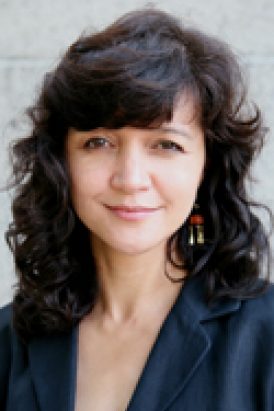
Margaret Drew is an Associate Professor at UMass School of Law , focusing on Gender Violence , Human Rights , and Legal Ethics . With decades of practical legal experience in Massachusetts courts, she transitioned to academia in 2005 after a career in family law, probate, and residential real estate litigation. Education: BA from University of Massachusetts Boston, JD from Northeastern University School of Law, LLM in Taxation from Boston University School of Law Her research explores the intersection of law and gender-based violence , including trauma healing frameworks and feminist jurisprudence. She co-founded the Human Rights at Home Blog and has designed clinics enabling students to work directly with survivors of domestic abuse. Recent publications address complex social determinants in HIV care, feminist perspectives on pandemic response, and human rights remedies in domestic violence cases. In 2025, she received the Lifetime Achievement Award for her contributions. Scientific Awards: 20/20 Vision Award (ABA Commission on Domestic and Sexual Violence) Lifetime Achievement Award (May 1, 2025) As a former Director of Clinics at multiple law schools and current member of the American Bar Association and National Association of Women Lawyers , she continues to advocate for survivors while teaching courses like Intimate Partner Violence and State Attorney General Clinic .
Marshall J. Glesby is a Professor at Weill Cornell Medical College, affiliated with both the Department of Medicine and Population Health Sciences. His career spans over three decades, focusing on HIV pathogenesis, aging-related complications, and co-infections. He holds a Ph.D. from Johns Hopkins University School of Hygiene and Public Health (1997), an M.D. from Johns Hopkins University School of Medicine (1989), and a B.Sc. from McGill University (1985). Research Interests: His work integrates HIV, immunology, and public health, emphasizing co-infections, metabolic disorders, and cardiovascular complications. Recent studies explore geriatric syndromes, epigenetic aging, and biomarkers like extracellular vesicles in Long COVID and Alzheimer's disease. He leads clinical trials on Mpox severity scoring and HIV-kidney transplantation. Grants and Collaborations: Dr. Glesby is a key investigator for NIH-funded projects, including PORTENT (NIAID) and STRIVE (NIAID). He contributes to global HIV research networks like INSIGHT and ACTG, with subawards from the National Institute of Child Health & Human Development and NHLBI. External Relationships: He serves as a consultant for UpToDate, Inc., and collaborates with organizations such as the Northeast/Caribbean AIDS Education and Training Centers.
Allison McFall is an Assistant Research Professor in the Department of Epidemiology at Johns Hopkins University Bloomberg School of Public Health. Her work focuses on HIV epidemiology among key populations in India, particularly people who inject drugs (PWID) and men who have sex with men (MSM). Primary Division: Infectious Disease Epidemiology Active Since: 2013 Her research emphasizes optimization of HIV prevention, care, and treatment systems. Key methodologies include: Respondent-driven sampling Monitoring and evaluation of service delivery Electronic database design for epidemiological research Recent publications analyze: Antiretroviral therapy outcomes in PWID and MSM HCV treatment adherence support HIV self-testing technologies Geospatial targeting for health services McFall's work spans 59 research outputs with active collaborations across India on viral hepatitis-HIV coinfections and integrated care models.
Robert L. Murphy is the John Philip Phair Professor of Infectious Diseases and Professor of Biomedical Engineering at Northwestern University. He directs the Institute for Global Health within the Institute for Public Health and Medicine. His roles include leadership in global health research, infectious disease management, and biomedical engineering. Murphy holds appointments in the Feinberg School of Medicine and McCormick School of Engineering. Education: MD from Loyola University Stritch School of Medicine (1978), Fellowship, Residency, and Board Certification in Internal Medicine at Northwestern University (1981–1984). Research focuses on HIV/AIDS, viral hepatitis, antiviral therapies, and global health disparities. He leads projects in Nigeria, Mali, and other regions, addressing liver fibrosis in HIV/HBV co-infection, cervical cancer in HIV-positive women, and SARS-CoV-2 diagnostics. His work emphasizes point-of-care technologies and epigenetic biomarkers for cancer and liver disease. Publications span over 40 years, with recent emphasis on Omicron variant dynamics, HPV screening in resource-limited settings, and microbiome impacts of antiretroviral therapy. He collaborates globally, co-leading studies on tuberculosis treatment and HIV/drug resistance patterns. Grants and collaborations include the BRAINS faculty development program in Africa, the Test Us Bank (TUB) biorepository for SARS-CoV-2 samples, and partnerships with institutions like the University of Lagos and the Robert H. Lurie Comprehensive Cancer Center.
Dr. Laura B. Balzer is an Associate Professor of Biostatistics at the University of California, Berkeley. Her work focuses on causal inference, machine learning, and addressing methodological challenges in both randomized trials and observational studies, particularly in global health contexts. She leads collaborations in East Africa, focusing on HIV elimination and community health in rural regions. Her research emphasizes translating academic findings into real-world impact. Education: PhD in Biostatistics, UC Berkeley (2015) MPhil in Computational Biology, University of Cambridge (2009) BS in Applied Mathematics, University of Vermont (2008) Research Interests: Dr. Balzer’s work addresses causal inference in complex settings, including semi-parametric methods, measurement challenges, and dependence structures. Her global health projects target HIV prevention, tuberculosis transmission, and hypertension management in sub-Saharan Africa. She designs interventions like the SEARCH Dynamic Choice model, which offers flexible HIV prevention options, and evaluates community health worker programs. Publications highlight her contributions to HIV/AIDS research, including studies on PrEP uptake, viral suppression in adolescents, and tuberculosis-HIV co-infection. Methodologically, she advances causal inference frameworks to handle missing data and clustered designs. Awards: While no specific awards are listed, her work has been funded by initiatives like the SEARCH trials, reflecting its scientific and public health significance. Advising & Grants: Balzer collaborates with multidisciplinary teams in Uganda and Kenya, focusing on translational research. Her grants support interventions linking statistical innovation to healthcare delivery improvements in resource-limited settings. Labs/Teams: Her research is embedded within global health partnerships, particularly within the SEARCH trials network, which integrates biostatistics with clinical and community-based implementation.
Dr. Kiran T. Thakur serves as the Herbert Irving Associate Professor of Neurology at Columbia University Irving Medical Center and practices as an inpatient neurologist at NewYork-Presbyterian/CUIMC. Her clinical expertise spans neuroinfectious diseases, neuroimmunology, emergency neurology, and global health, with active clinical and research engagements across eight countries in Africa, Southeast Asia, and the Caribbean. She holds leadership roles including Neurology Clerkship Director at Perdana University Graduate School of Medicine (Malaysia) and serves as a neurology consultant for the World Health Organization. Her educational background includes an MD from Tufts University School of Medicine (2008), internship at Johns Hopkins Hospital's Osler Medical Service, neurology residency at Harvard's Brigham & Women's Hospital (where she served as chief resident), and fellowship in neuroinfectious disease/neuroimmunology at Johns Hopkins Hospital. She is additionally pursuing a Master of Science in clinical trials at the London School of Tropical Medicine and Hygiene. Dr. Thakur's research program focuses on improving detection and management of neuroinfectious diseases in hospital settings, with particular emphasis on vulnerable populations including HIV-positive individuals and immigrants. Her work integrates clinical, translational, and implementation science approaches to address cerebral malaria, tuberculous meningitis, Zika-related complications, and SARS-CoV-2 neurological outcomes. Current projects investigate novel diagnostics for infectious meningoencephalitis, risk factors for neuroinvasive infections, and therapeutic strategies for viral encephalitis. Analysis of her 15 most recent publications reveals consistent focus on neuroinfectious disease epidemiology (particularly in resource-limited settings), diagnostic challenges in immunocompromised patients, and global health implementation strategies. Her work prominently features Zika virus complications, tuberculous meningitis management, and CNS infections in travelers, reflecting her dual expertise in tropical medicine and neuroimmunology. Scientific recognition includes: Lewis P. Rowland Teaching Award (Columbia University, 2016) CDC Nakona Citation Award (2014) Dr. Thakur directs the NIH NINDS K23-funded study on pathogen identification in neurological infections (2018-2023) and leads Columbia's post-doctoral neuroinfectious disease fellowship for physician-scientists from low/middle-income countries. Her research program receives support from the NIH, World Federation of Neurology, and American Academy of Neurology, with implementation studies conducted in collaboration with WHO, PAHO, and CDC. The Thakur Laboratory at Columbia's Neurological Institute coordinates international research networks across Malawi, Vietnam, Bangladesh, Uganda, and the Dominican Republic. Her team conducts clinical trials on antimicrobial dosing, develops diagnostic algorithms for resource-limited settings, and implements training programs to build neuroinfectious disease capacity in underserved regions, with current emphasis on SARS-CoV-2 neurological sequelae and tropical disease management.
Roxanne Wadia, MD, holds dual roles as a Clinical Fellow in Pathology and Clinical Assistant Professor of Medicine (Medical Oncology) at Yale School of Medicine. Her expertise spans anatomic and cytopathology, with a focus on cancer diagnosis and treatment guidance. She completed her medical degree at Vanderbilt University School of Medicine (2008) and is board-certified in Anatomic Pathology (2023) and Cytopathology (2024). Dr. Wadia’s research integrates oncology, HIV/AIDS, and medical informatics, leveraging large datasets such as the VA’s Million Veterans Program to improve cancer care outcomes. She actively contributes to clinical care at Yale New Haven Hospital, the VA Connecticut Healthcare System, and the Hospital of Saint Raphael’s, emphasizing holistic patient care and interdisciplinary collaboration. Her research explores prostate cancer prognosis, HIV-related malignancies, and healthcare analytics. Key projects include developing predictive tools for nonmetastatic prostate cancer mortality and studying lung cancer surgery outcomes in HIV-positive patients. Dr. Wadia also mentors trainees in oncology and hematology, emphasizing independent clinical decision-making. She participates in the VA’s clinical training programs for medical students, residents, and fellows, fostering a balance between clinical practice and research innovation.




/prod01/production-cdn-pxl/media/umassdartmouth/profiles/umass-law/Margaret-Drew-2023.jpg)