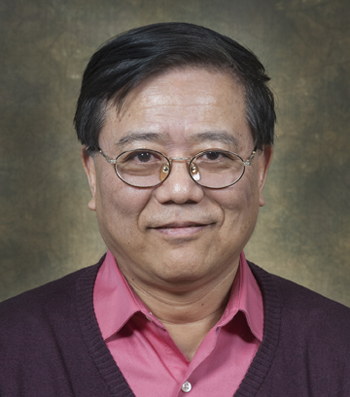
Michael Krisinger is an Associate Professor of Teaching in the Department of Biochemistry & Molecular Biology at the University of British Columbia . He began his teaching career in 2010, transitioning to full-time in 2013. He lectures Biochemistry 202 (Introductory Medical Biochemistry) and Biochemistry 303 (Molecular Biochemistry) while serving as a tutor in the Faculty of Medicine's Case Based Learning program. Krisinger co-developed the department's two-course summer program for international students and mentors postdoctoral fellows in teaching. He also manages the department's CANVAS digital learning platform. Krisinger's research focuses on the molecular mechanisms of coagulation and complement system regulation , particularly their evolutionary relationship and functional interplay. His work has explored thrombin's role in complement activation, polyphosphate-mediated complement suppression, and nanoparticle surface interactions with proteolytic cascades. He previously co-supervised graduate students at UBC's Centre for Blood Research before prioritizing education. Publications highlight his expertise in protease-substrate dynamics , lipoprotein-phospholipid interactions , and hemostasis-immunity crosstalk . He remains engaged in public science through community environmental initiatives and local outreach activities.
Bianca Papotti is a fixed-term Researcher at the Department of Food and Pharmaceutical Sciences, University of Parma. Her academic career spans interdisciplinary research in Pharmacology Cholesterol Metabolism Neurodegenerative Diseases Cardiovascular Pathology Immunometabolism . She teaches courses including Experimental Pharmacology and Food Toxicology. Her research focuses on the role of PCSK9 and cholesterol efflux in Alzheimer's Disease Atherosclerosis Rheumatoid Arthritis Lipoprotein Biology Inflammatory Disease Drug Development . Key trends in her publications (3 in 2025, 12 in 2024) reveal strong emphasis on PCSK9 inhibition mechanisms, cholesterol-immune crosstalk in rheumatoid arthritis, and fasting interventions in lipid-related pathologies. Her work has explored PCSK9's neuroinflammatory effects ABCA1/ABCG1 transporter dynamics Macrophage cholesterol loading Natural compound screening HDL dysfunction in diabetes Covid-19 lipid interactions .
Professor Mary Myerscough is an Associate Professor in the School of Mathematics and Statistics at the University of Sydney. Her research focuses on mathematical biology, particularly modeling atherosclerosis progression, honeybee colony dynamics, and social insect behavior. She has contributed to understanding macrophage lipid dynamics, plaque regression mechanisms, and hive thermoregulation. Her work combines mathematical models with biological systems, addressing topics like cell behavior, population dynamics, and disease mechanisms. Myerscough has secured grants including an ARC Discovery Project on atherosclerosis and collaborations in mathematical biology. Her research spans interdisciplinary areas from cardiovascular science to ecological modeling, with over 55 peer-reviewed publications. Education background and affiliations: Affiliated with the University of Sydney's Faculty of Science. Research interests include mathematical modeling of biological systems, atherosclerosis, and social insect behavior. Grants include projects on lipid-cell interactions and educational initiatives like shark bite analytics. Key contributions include models of honeybee colony collapse, termite architecture, and atherosclerotic plaque development. Her work bridges applied mathematics with life sciences, addressing both theoretical and applied questions in health and ecology.
Daisy Sahoo, PhD, is a Professor and Vice Chair for Research in the Department of Medicine at the Medical College of Wisconsin (MCW). She holds the WIS Founders Circle Endowed Professorship and serves as Dean of the School of Graduate Studies. Her secondary appointments are in the Departments of Biochemistry and Pharmacology & Toxicology. Dr. Sahoo’s research focuses on scavenger receptors, lipoprotein metabolism, and their roles in cardiovascular diseases, diabetes, and obesity. She leads the Sahoo Laboratory, which investigates mechanisms of HDL-mediated cholesterol transport and the structural biology of receptors like SR-BI. Education: PhD in Biochemistry from the University of Alberta (2001), BSc (Honors) in Biochemistry from the University of Ottawa (1995). Postdoctoral training at Stony Brook University studying SR-BI and HDL. Her work spans virology (e.g., gammaherpesvirus interactions with macrophages), cardiovascular protection via FFAR4, and metabolic disorders. She is actively involved in the American Heart Association, including leadership roles in the ATVB Council and the Gordon Research Conference on Lipoprotein Metabolism. Recent publications highlight her contributions to understanding FFAR4’s atheroprotective role, SR-BI’s structural features, and biomarkers in diabetes. She mentors multiple graduate students and postdoctoral researchers, fostering interdisciplinary training in biochemistry, cell biology, and advanced imaging techniques.
Bruce Bunnell is Professor and Chairman of the Department of Microbiology, Immunology & Genetics at the University of North Texas Health Science Center's College of Biomedical and Translational Sciences. His research program focuses on regenerative medicine, stem cells, and tissue engineering, particularly using mesenchymal stem cells (MSCs) for therapeutic applications in immune diseases, wound repair, and bone regeneration. Research Focus: Investigating adipose-derived stem cells for osteoarthritis, multiple sclerosis, and lipedema treatment; developing microphysiological systems for human knee modeling; engineering tissues using decellularized scaffolds. Technical Expertise: Stem cell isolation/organoid culture, molecular analyses, microphysiological system development, and preclinical translation. Recent Research Trends: Publications focus on breast cancer microenvironment (particularly triple-negative), obesity-cancer interactions, stem cell-based regenerative approaches, and advanced 3D disease modeling techniques.
Professor David Greaves is a Tutorial Fellow in Medicine at Hertford College and Professor of Inflammation Biology at the University of Oxford. His research focuses on molecular mechanisms of acute and chronic inflammation, particularly in the context of cardiovascular disease and atherosclerosis. As Course Director for the Oxford 4-year Cardiovascular Sciences DPhil course, he oversees British Heart Foundation studentships and supervises DPhil students in his laboratory. Education: Microbiology (University of Bristol), PhD in Biophysics and Molecular Biology (King’s College London, Tadion-Rideal Medal winner) Collaborations: With Professor Ed Fisher (New York University) on atherosclerotic plaque regression and metabolic diseases Research interests include macrophage biology , chemokine signaling , and anti-inflammatory drug development , with recent work on the repurposing of ibrutinib for metabolic and inflammatory disorders. His publications span topics in immune-metabolic regulation , leukocyte trafficking , and plaque progression . Recent work trends indicate a focus on inflammatory resolution , macrophage retention mechanisms , and drug discovery targeting GPCRs . This aligns with his broader interests in atherosclerosis and immune cell dynamics in disease. Scientific Awards: Tadion-Rideal Medal (PhD research) Professor Greaves leads the Hertford Medicine teaching team and tutors students across multiple disciplines including Biochemistry , Medical Genetics , Cardiovascular Pathology , and Innate Immunity . He currently supervises three DPhil students in his laboratory.
Matteo Incerti is a Researcher at the Department of Food and Drug Sciences, University of Parma. He specializes in pharmaceutical sciences, biochemistry, and drug development, with a focus on lipid metabolism, neuropharmacology, and sustainable synthesis methods. Teaches Drug Analysis II (since 2014) Coordinated research on glioblastoma inhibitors and IBD therapeutics Active in green chemistry and nucleoside-based antivirals His recent work includes: 2025: Investigating HDL function modification in hypercholesterolemia 2024: Developing epigenetic cancer therapies 2023: Exploring anti-inflammatory agents for colitis
Professor Kerry-Anne Rye is a Research Professor and Deputy Head of the School of Biomedical Sciences at the University of New South Wales. She heads the Cardiometabolic Disease Research Group and serves as Editor-in-Chief of the Journal of Lipid Research. With a PhD from Flinders University of South Australia (1986) and postdoctoral training at the University of Illinois at Urbana-Champaign, Professor Rye has established herself as a leading researcher in lipoprotein biology and cardiovascular disease. Her research focuses on high density lipoprotein (HDL) structure, function and metabolism, with particular emphasis on the role of HDL in cardiovascular medicine and diabetes. Professor Rye was the first to report that HDLs in human plasma inhibit inflammation in coronary arteries and possess anti-diabetic properties. Her work explores signal transduction pathways in multiple cell types including macrophages, endothelial cells, pancreatic beta cells, and skeletal muscle cells using novel animal models and advanced imaging techniques. Analysis of Professor Rye's recent publications reveals a strong focus on the therapeutic potential of HDL and apolipoproteins, particularly ApoA-I, in treating cardiovascular disease and diabetes. Her research spans from basic molecular mechanisms to clinical applications, with significant work on myeloperoxidase as a therapeutic target, fibroblast growth factor 21 as a biomarker, and novel strategies for reducing cardiovascular events in myocardial infarction survivors. 2012 American Heart Association ATVB Council Special Recognition Award in Arteriosclerosis 2015 American Heart Association ATVB Council Distinguished Achievement Award 2016 UNSW Researcher of the Year Award 2017 American Heart Association ATVB Council Mentor of Women Award 2020 UNSW Faculty of Medicine Award for Academic Research Excellence 2021 Inaugural Fellow of the American Society of Biochemistry and Molecular Biology 2021 NSW Government Ministerial Award for Research Excellence 2023 Jack Oram Award for Outstanding HDL Research Professor Rye currently supervises multiple PhD students (Thomas King, Samson Ogumodede, Iqra Haleem), honors students (William Wang), and postdoctoral fellows (Elias Glaros, Blake Cochran, Jaqueline Ku, Carmen Zhang, Nana Pham). Her research is supported by significant grants including NSW Government Cardiovascular Research Capacity Program funding, National Heart Foundation of Australia Vanguard Grant, NHMRC Ideas Grants, and MRFF Cardiovascular Mission Grant funding. As Deputy Head of the School of Biomedical Sciences and Editor-in-Chief of the Journal of Lipid Research, Professor Rye plays a significant leadership role in both her institution and the broader scientific community. She previously served as Past Chair of the American Heart Association ATVB Council and Immediate Past-Chair of the ATVB Council Nominations Committee.
Dr. Henry J. Pownall is a Professor at Weill Cornell Medicine, holding the Sanford I. Weill and Antonio M. Gotto, Jr., MD Centennial Chair in Translational Biomedical Sciences Education. He serves as Professor of Biochemistry in Medicine at the Houston Methodist Research Institute and is a member of the Academic Institute Center for Bioenergetics within the Charles W. Duncan Jr. Department of Medicine. His work bridges basic science and clinical applications in lipid metabolism and cardiovascular disease. Dr. Pownall received his educational training through: PhD in Chemistry from Northeastern University MS in Chemistry from Wilkes College, Wilkes-Barre, PA Postdoctoral Fellowship in Biochemistry at Baylor College of Medicine Postdoctoral Fellowship in Photochemistry & Spectroscopy at the University of Houston Dr. Pownall's research focuses on lipid metabolism, particularly HDL structure, properties, and function in the context of obesity-linked diabetes and atherogenesis. His laboratory studies the biology and physical chemistry of lipids related to obesity, diabetes, atherosclerosis, and lipid nanoparticles using mouse models, physico-chemical methods, organic synthesis, and translational approaches in humans. A major research focus is on the role of free cholesterol bioavailability in various diseases, with current work examining how excess plasma free cholesterol relates to atherosclerosis among patients with high HDL concentrations. His recent publications demonstrate a strong focus on translational research connecting basic lipid science with clinical applications, particularly in diabetes management, atherosclerosis mechanisms, and nanoparticle drug delivery systems. These works reflect his interdisciplinary approach spanning physical chemistry, molecular biology, and clinical medicine. Dr. Pownall has received numerous scientific honors including: Established Investigator of the American Heart Association (1976-1981) J S Abercrombie Chair of Atherosclerosis & Lipoprotein Research at Baylor College of Medicine (1997-2012) Fellow of the American Heart Association Citizen of the Year, Greater Southwest Houston Chamber of Commerce (2003) Presidential Award - Excellence in Research (2023) Dr. Pownall maintains an active academic program, serving on graduate advisory and qualifying exams committees for multiple programs at Baylor College of Medicine. He has secured significant research funding including NIH-supported projects and federal grants focused on dysfunctional HDL-free cholesterol bioavailability and atherogenesis. His current projects include "Dysfunctional High Density Lipoprotein Free Cholesterol Bioavailability and Atherogenesis" and "Human Atherogenesis with Underlying Dysfunctional HDL-Free Cholesterol," demonstrating his continued leadership in cardiovascular research. The Pownall Laboratory employs a multidisciplinary approach, collaborating with structural biologists, endocrinologists, and x-ray crystallographers. His team uses electron cryo microscopy for lipid structure analysis, studies lipid disorders in HIV-positive patients, and works on determining structure-function relationships of Streptococcal serum opacity factor. The laboratory is currently designing novel lipid nanoparticles optimized to resist metabolic challenges, involving chemical kinetics, organic synthesis, and in vivo comparisons of delivery systems.
Massimiliano Tognolini is an Associate Professor at the Department of Food and Drug Sciences, University of Parma. He holds appointments in both Pharmacology and Pharmacognosy, with over two decades of experience in experimental pharmacology, thromboembolic disease, and ephrin receptor research. Education: PhD in Experimental Pharmacology and Toxicology (2003), Degree in Pharmaceutical Chemistry and Technology (1998) International Collaboration: Visiting Scientist at the University of Pennsylvania (2002-2002) Research Focus : Tognolini's work centers on pharmacological control of inflammation, platelet aggregation, and ephrin receptor-targeted anticancer therapies. His team developed patented compounds interfering with Eph kinase interactions, supported by AIRC, FIRB, and AIRC IG grants. Recent Publications : His research spans EphA2 inhibition in glioblastoma, HDL-NLRP3 inflammasome interactions in myocardial infarction, and computational drug design approaches. Scientific Awards : Italian Cancer Research Association (AIRC) funding (2010) FIRB grant for compound development AIRC IG funds Teaching : He teaches Experimental Pharmacology, Pharmacology, Pharmacognosy, and Radiopharmaceuticals across various degree programs at the University of Parma. Labs & Teams : Based at the Campus Scienze e Tecnologie (Padiglione 08 - Plesso di Farmacia), his research integrates molecular biology, flow cytometry, and pharmacological screening techniques.
Dr. Sandra Goetze is a Lecturer at the Department of Biology at ETH Zürich, affiliated with the Proteomics Platform D-HEST. Her research focuses on proteomics, multi-omics integration, and translational applications in cancer and metabolic disorders. She specializes in developing precision medicine tools through functional genomics, proteogenomics, and systems biology approaches. Her work bridges clinical diagnostics and drug discovery, particularly in glioblastoma, melanoma, and myeloid malignancies. Key research interests include: Multi-omics profiling for disease mechanism decoding Drug repurposing strategies using functional tissue profiling HDL structure-function relationships in cardiovascular health Standardization of mass cytometry and proteotyping techniques Her publications (2020–2025) highlight advancements in single-cell analysis, biomarker discovery, and clinical decision-making frameworks. She collaborates internationally on projects like the SwissPedHealth network and the Tumor Profiler Study. Dr. Goetze's work emphasizes translational impact, with a focus on leveraging omics data for personalized therapeutic strategies. Current projects include ex vivo drug response modeling and proteogenetic vulnerability mapping in hematologic cancers.
Prof. Dr. rer. nat. habil. Ronald Gebhardt is a University Professor at RWTH Aachen University, specializing in Soft Matter Process Engineering . His research focuses on the structural and functional properties of casein microparticles and fibers, particularly their stability, swelling behavior, and applications in food systems and biotechnology. Primary affiliation: RWTH Aachen University Department: Soft Matter Process Engineering Research themes: pH-responsive materials, enzymatic degradation, microgel formation, and bioactive delivery systems Research Interests Investigation of casein microparticle structure-function relationships under various processing conditions (thermal, enzymatic, pH, ionic) Development of sustainable biopolymer fibers and microparticles for food and pharmaceutical applications Use of microfluidic devices and advanced scattering techniques (GISAXS, SAXS) for structural analysis Recent Article Trends cover acid-induced gelation, thermal post-treatment effects, humidity-controlled swelling, enzymatic crosslinking, and composite fiber engineering using casein. These works emphasize the manipulation of colloidal networks for functional materials.
Efstratios Stratikos is an Associate Professor of Biochemistry at the Department of Chemistry of the National and Kapodistrian University of Athens, Greece, and an adjunct researcher at the National Centre for Scientific Research Demokritos. His research focuses on molecular mechanisms of protein biomolecules in disease pathogenesis, including roles of genetic variants and drug design. He directs the Laboratory of Biochemistry, emphasizing structural biology, enzymology, and immunopeptidome modulation. His work bridges basic research with translational applications in cancer immunotherapy and cardiovascular disease. Research interests include antigen processing by aminopeptidases (ERAP1/2), structure-function relationships of apolipoproteins, and drug development targeting enzymes involved in immune pathways. Key projects involve inhibiting ERAP enzymes to modulate immunopeptidomes in cancer cells and exploring allosteric inhibitors for insulin-regulated aminopeptidase. Publications highlight discoveries in enzyme inhibition mechanisms, polymorphism effects on enzymatic activity, and structural insights into antigen presentation. His lab develops customized in vitro assays and hydrogel systems for drug delivery applications. No specific awards are listed, but his work contributes to high-impact areas like precision medicine and disease biomarker validation.
JianJun Wang is a Professor in the Department of Biochemistry and Molecular Biology at Wayne State University's School of Medicine, specializing in structural biology and lipoprotein research. He obtained his Ph.D. from Nanjing University in 1988 and currently leads an active research laboratory investigating the molecular mechanisms of heart disease and Alzheimer's disease. Education: Ph.D. in Biochemistry - Nanjing University, Nanjing, P. R. China (1988) Research Focus: Dr. Wang's research program employs cutting-edge structural biology techniques including NMR spectroscopy, molecular biology, protein chemistry, and biophysics to investigate critical proteins involved in cholesterol transport. His laboratory has developed innovative methods for ultra-high resolution in-cell structural biology, enabling real-time visualization of protein folding and trafficking in living mammalian cells. The research encompasses two major disease areas: cardiovascular disease and Alzheimer's disease, with particular emphasis on understanding the structure-function relationships of apolipoproteins (apoE, apoAI) and their receptors. Recent breakthroughs include the development of novel QQ protein transduction technology for efficient protein delivery into living cells and 3D/4D fluorescence imaging techniques. Research Publications Analysis: Dr. Wang's extensive publication record demonstrates a consistent focus on structural characterization of lipoproteins using advanced NMR techniques. His work spans from fundamental structural studies of apolipoproteins to developing innovative methodologies for protein production and labeling. The research trajectory shows progressive advancement from basic structural biology to translational applications in cardiovascular and neurodegenerative diseases. Teaching Contributions: Dr. Wang teaches multiple graduate-level courses including: BMB7030 - Core Concepts in Technologies in Biochemistry and Molecular Biology BMB7320 - Protein Structure and Function BMB7330 - Advanced Molecular Biology IBS7330 - Advanced Molecular Biology Current Opportunities: Dr. Wang is currently accepting new MS and PhD students for the Biochemistry and Molecular Biology (BMB) program for 2024, indicating an active and expanding research program.
Mary G. Sorci-Thomas is a Professor of Medicine at the Medical College of Wisconsin (MCW), serving as Associate Director of the Cardiovascular Research Center (CVRC) and Program Director of the CVRC T32 Training Program. She holds a senior adjunct investigator position at the Versiti Blood Research Institute and has been continuously funded by NIH grants for over 33 years. Her academic journey includes tenure at Wake Forest University Medical School and leadership roles in NIH study sections. BS in Biochemistry and Chemistry from Louisiana State University PhD in Biochemistry from Wake Forest University School of Medicine Her research focuses on HDL metabolism, obesity, and cardiovascular disease, with emphasis on solving the structure-function relationships of HDL's main protein, apoA-I, and its anti-inflammatory properties. Recent work investigates the extracellular matrix protein PCPE2 in adipose tissue regulation and CD36 stabilization for cardiovascular protection. Scientific contributions include over 90 peer-reviewed articles and leadership roles in the American Heart Association (AHA), where she chaired the ATVB Council and served on the editorial boards of Arteriosclerosis, Thrombosis and Vascular Biology and Journal of Lipid Research . Her work has been recognized through AHA's Mentor of Women award and sustained NIH funding. Current lab members: Hao Xu (Lab Manager), Mirza Ahmar Beg (Postdoctoral Researcher), Marjorie Kipp (Technician) Research areas: Lipid Metabolism, Atherosclerosis, Obesity, PCPE2 protein, CD36 receptor, HDL-inflammatory signaling