The University of Texas Medical Branch at GalvestonUnited States
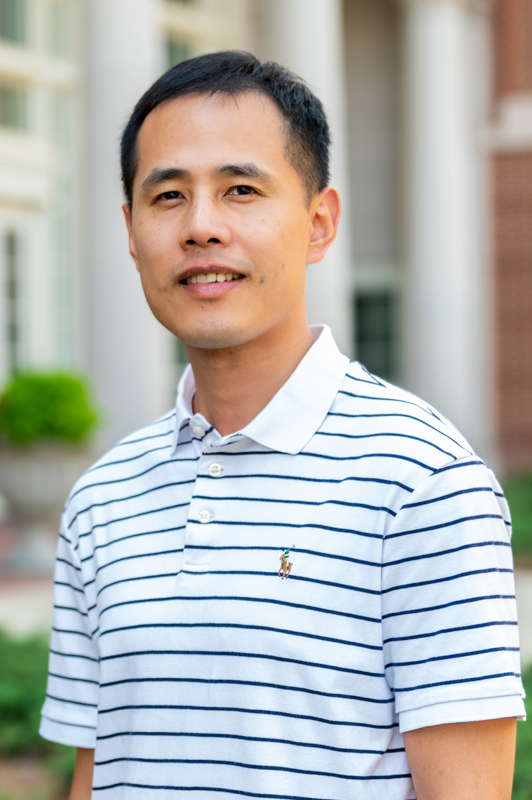
Bekir Unlu, MD is an Assistant Professor in the Department of Obstetrics and Gynecology at the University of Texas Medical Branch (UTMB). His clinical and research activities focus on surgical interventions in obstetrics and gynecology, particularly robotic-assisted procedures and postoperative care optimization. Education: MD from Hacettepe University School of Medicine, Turkey (1999). His research explores pelvic floor disorders , urinary incontinence , and cesarean delivery outcomes , with a strong emphasis on robotic surgery and minimally invasive techniques . Recent studies include comparative analyses of surgical methods for pelvic organ prolapse and stress urinary incontinence , as well as randomized trials on post-cesarean care. Key trends in his publications since 2011 highlight collaborations in urogynecology , robotic-assisted surgeries , and multicenter clinical trials . Notable co-authors include G. S. Kilic, M. Borahay, and F. Dursun.
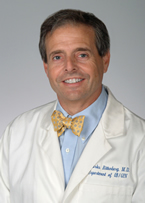
Dr. Charles Sidney Rittenberg is an Assistant Professor in the Department of Obstetrics and Gynecology at the Medical University of South Carolina (MUSC), affiliated with the College of Medicine. He specializes in Maternal-Fetal Medicine and practices at MUSC Women's Health locations in North Charleston and Charleston, SC. His research interests focus on preterm birth prevention, multi-fetal pregnancies, and healthcare delivery systems optimization. Education: Graduated from MIT with degrees in Political Science and Computer Science (undergraduate), earned a Master's in Mathematics from the University of Charleston, and completed medical school, residency, and a Maternal-Fetal Medicine fellowship at MUSC. Professional Affiliations: Board-certified in Obstetrics & Gynecology and Maternal-Fetal Medicine. Active in clinical care and academic initiatives at MUSC Health, contributing to advancing women's healthcare through research and clinical practice.
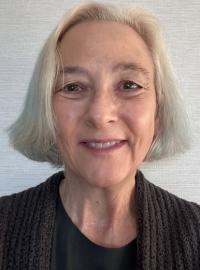
Marguerite M. Pinto, MBBS, serves as a Clinical Assistant Professor in the Department of Pathology at Yale School of Medicine. With decades of experience in cytopathology, Dr. Pinto specializes in diagnosing diseases through cellular examination of tissue samples, with particular expertise in fine needle aspiration techniques and cytologic diagnosis. She has maintained a strong clinical focus throughout her career, emphasizing the importance of accurate diagnosis to avoid unnecessary patient testing and biopsies. Dr. Pinto's educational background includes: MBBS from St. John's Medical College (1969) Residency at Bridgeport Hospital (1975) Fellowship at Children's Hospital of Philadelphia (1976) Fellowship at Milton S. Hershey Medical Center (1977) Her research focuses on improving diagnostic accuracy in cytopathology, particularly through the application of biomarker testing in fine needle aspirates. Dr. Pinto has specialized interest in clinical research involving small case series to develop practical diagnostic methods applicable in any laboratory setting. Her work has contributed significantly to the understanding of tumor markers like carcinoembryonic antigen (CEA) and CA-125 in the diagnosis of various cancers, with particular applications in breast, gynecologic, pancreatic, and pulmonary pathologies. She approaches diagnostic pathology with the philosophy that accuracy directly impacts patient care quality, minimizing unnecessary procedures while ensuring definitive diagnoses. Dr. Pinto's publication record from 1991-1997 demonstrates a focused research trajectory examining how tumor markers can enhance traditional cytologic diagnosis. Her work consistently explored the diagnostic value of CEA and CA-125 across multiple organ systems, establishing evidence for their practical application in fine needle aspiration biopsies. This research has contributed to standardized protocols for using these biomarkers as diagnostic adjuncts in cytopathology. Her professional recognition includes: American Cancer Award (April 14, 2009) Dr. Pinto maintains active clinical practice at Yale Medicine, where she applies her expertise in cytopathology to patient care. Her professional legacy extends beyond her own work, as she comes from a multi-generational medical family - her father was a medical school dean, and her daughter graduated from Yale School of Medicine to become a transplant cardiologist, continuing the family tradition. Dr. Pinto has been affiliated with the Norma Pfriem Cancer Center at Bridgeport Hospital from 1997-2012, contributing her cytopathology expertise to cancer diagnosis and treatment.
Pengyu Chen is Francis Family Associate Professor and Ginn Faculty Achievement Fellow in Materials Engineering at Auburn University. His NIH-funded research develops nanoplasmonic biosensors for rapid disease diagnosis and immune monitoring, with applications in precision medicine and cancer immunotherapy. Research focuses on: Rapid diagnostic technologies for COVID-19 and other diseases Single-cell analysis platforms Nanoparticle-based cancer therapies Food/environmental safety monitoring Recent publications demonstrate innovations in nanoplasmonic sensing, targeted drug delivery, 3D-printed implants, and tumor microenvironment analysis. His work integrates nanotechnology, immunology, and microfluidics for biomedical applications.
University of California, San FranciscoUnited States
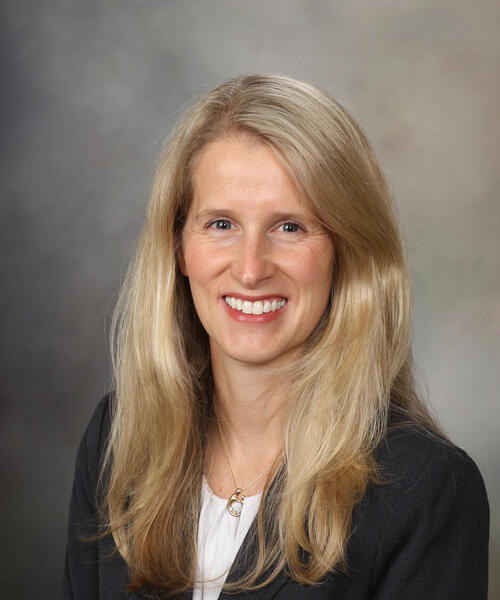
Charlah Robinson, MD is a Clinical Professor at the University of California San Francisco (UCSF) School of Medicine , affiliated with the Maternal-Fetal Medicine & Reproductive Genetics division. She completed her medical education at the University of Pennsylvania , earning a B.A. in Art History (1982), M.D. in Medicine (1990), followed by an Internship and Residency in Obstetrics and Gynecology (1994) and a Fellowship in Maternal-Fetal Medicine (1996). Her clinical and research focus centers on complex fetal abnormalities and maternal complications , with expertise in gestational diabetes and hypertension in pregnancy . Her work addresses critical challenges in high-risk pregnancies, including pharmacological interventions and obstetric outcomes. While her published research includes studies on fetal positioning during labor, neonatal risks of maternal treatments, and infectious disease implications in obstetrics, no scientific awards or students are explicitly mentioned in the provided text.
Shanna Swan is a renowned epidemiologist and Professor of Environmental Medicine and Public Health at the Icahn School of Medicine at Mount Sinai. She holds a PhD in Statistics from UC Berkeley (1963), an MA in Biostatistics from Columbia University, and a BA in Mathematics from City College of New York. Her career spans academia, public health institutions, and research on environmental health impacts. Notable roles include work at Kaiser Permanente, California Department of Health Services, University of Missouri, and University of Rochester. Her research focuses on endocrine-disrupting chemicals (EDCs), sperm count decline, and reproductive health. Her groundbreaking 2017 study revealed a 50% sperm count drop in Western men over 40 years, later updated to show acceleration since 2000. She authored the influential book Count Down (2021), addressing environmental threats to human fertility. Key contributions include forming California’s reproductive health group and leading National Academy of Sciences committees on EDCs. Swan advocates for science-driven public health policy, emphasizing the need to address chemical exposures. Her work bridges statistical rigor with real-world impact, influencing global discussions on fertility and environmental safety. Awards include the Ward Medal in Logic (CCNY). She remains active in advancing research, education, and community action to safeguard human health and reproduction.
Samantha Beth Schon, MD, MTR is an Assistant Professor in the Department of Obstetrics and Gynecology at the University of Michigan Medical School, specializing in Reproductive Endocrinology & Infertility. She directs the Michigan Interdisciplinary Clinic for Obesity & Reproduction (MICOR), focusing on the intersection of obesity and fertility. Education: BS/MD from University of Michigan, Residency at Washington University in St. Louis, Fellowship in Reproductive Endocrinology & Infertility at University of Pennsylvania Her research explores translational studies of the human endometrium and oocyte microenvironment, biomarkers of infertility, and patient experiences in reproductive care. She is board-certified in Obstetrics & Gynecology, Reproductive Endocrinology & Infertility, and Obesity Medicine. Dr. Schon’s work emphasizes improving reproductive outcomes through interdisciplinary approaches combining clinical practice, translational research, and patient-centered care. She practices at multiple locations including Briarwood and Bloomfield Hills Centers for Reproductive Medicine.
Dr. Annalies Denoble is an Assistant Professor of Obstetrics, Gynecology & Reproductive Sciences at Yale School of Medicine. She specializes in maternal-fetal medicine, focusing on high-risk pregnancies, particularly those complicated by cardiovascular disease. Her research addresses gaps in understanding maternal heart disease, hypertension, and vaccine safety during pregnancy. Education: MD and MSc in Clinical Research, University of Michigan Medical School (2014) Bachelor of Arts in French Studies, Duke University (2008) Research Interests: Her work centers on cardiovascular complications in pregnancy, including hypertension, heart failure, and congenital heart disease. She collaborates with Yale's multi-disciplinary Pregnancy Heart Team to optimize care for patients with cardiac conditions. Her studies also investigate vaccine safety, preeclampsia, and maternal mortality reduction strategies. Recent Research Trends: Her publications highlight late-onset postpartum hypertension, vaccine safety in pregnancy, and hypertension progression during and after pregnancy. She emphasizes extending postpartum care and improving risk prediction models for adverse cardiac events. Awards: Recognized as a 'Top Doctor' in Yale Ob/Gyn Physicians for 2025. Collaborations & Clinics: Dr. Denoble works with the Pregnancy Heart Team and Yale Medicine's Maternal-Fetal Medicine unit. She sees patients at locations in New Haven, New London, and Waterbury, CT.
Mayo Clinic College of Medicine and ScienceUnited States
Andrea E. Wahner Hendrickson, M.D., is an Associate Professor of Oncology and Assistant Professor of Pharmacology at the Mayo Clinic College of Medicine and Science. She holds primary appointments as a Consultant in the Division of Medical Oncology and serves as Interim Medical Director of the Early Phase Therapeutics Novel Agents Disease Team. Her research focuses on developing novel therapies for ovarian cancer, including PARP inhibitors and pharmacogenomics of platinum-taxane chemotherapy. She leads phase I clinical trials and investigates mechanisms of drug resistance and genomics of chemotherapy-induced neuropathy. Education: MD from University of Minnesota Medical School, postgraduate training in Hematology/Oncology at Mayo Clinic. Key Roles: Co-Principal Investigator in NRG trials, member of National Comprehensive Cancer Network Ovarian Cancer Guidelines panel. Her research interests include translational studies on ovarian cancer biology, optimizing therapeutic targets, and improving patient outcomes through personalized medicine. Over 5,000 patients have been studied in her pharmacogenomic work on peripheral neuropathy. She has received NIH-funded grants and awards, including the Paul Calabresi Career Development Award. Awards: Mayo Clinic Ovarian SPORE Award, Outstanding Medical Oncology Fellow Award. Dr. Hendrickson collaborates widely, engaging in international initiatives like the Mayo Clinic/Karolinska Institutet collaboration. Her work bridges clinical trials and laboratory research, aiming to streamline novel agent development from bench to bedside.
Kelsey Swingle is an Assistant Professor of Bioengineering at Rice University, where she leads the Swingle Lab at the intersection of biomaterials science, immune engineering, and reproductive biology. Her research focuses on engineering therapeutic and vaccine technologies with translational potential. Ph.D. in Bioengineering from the University of Pennsylvania B.S.E. in Biomedical Engineering from Case Western Reserve University Dr. Swingle’s research explores the design of lipid nanoparticles (LNPs) and nucleic acid therapeutics for women’s health applications, including pre-eclampsia, preterm birth, and gynecologic cancers. Her work integrates bioengineering principles with immune modulation strategies to develop targeted therapies. The trends in her publications highlight advancements in LNP elasticity optimization for placental mRNA delivery, targeted systemic RNA delivery to the brain, and in utero gene editing applications. Her lab prioritizes interdisciplinary approaches to overcome biological barriers in women’s health. 2025 Solomon R. Pollack Award for Excellence in Graduate Bioengineering Research 2024 Muriel Joan Drew Hege Award for Women in Cellular Immunotherapy Research 2024 Penn Engineering Outstanding Teaching Award 2023 Gordon Research Conference Travel Award 2022 Society for Biomaterials STAR Award 2020 NSF Graduate Research Fellowship The Swingle Lab collaborates with the Texas Medical Center to develop precision nanomedicines. Her team employs in vitro, ex vivo, and in vivo models to study biomaterial interactions with female-specific tissues, emphasizing translational research and inclusive scientific communication.
Dr. James Ashton-Miller is a prominent faculty member in the Department of Mechanical Engineering at the University of Michigan, where he directs the Biomechanics Research Laboratory. He serves as a Center Member of the University of Michigan Injury Prevention Center and maintains affiliations with the Institute of Gerontology. His interdisciplinary work bridges engineering principles with medical applications, focusing on injury prevention across sports medicine, obstetrics, and geriatrics. Dr. Ashton-Miller's educational background includes: PhD from the University of Oslo, Oslo, Norway (1978-1983) MSME from M.I.T., Cambridge, MA, U.S.A (1972-1974) B.SC. (Hons) from the University of Newcastle-upon-Tyne, Newcastle-upon-Tyne, England (1967-1972) His research focuses on the biomechanics of injury prevention across multiple critical domains. In sports medicine, he has demonstrated that some ACL injuries are overuse injuries resulting from too many sub-maximal loading cycles that prevent healing of collagen damage. In women's health, his work on childbirth injuries addresses conditions that affect more women than breast cancer. His research on fall-related injuries in older adults reveals the dual threat of physical and cognitive factors. He also investigates sciatica, disc degeneration, and develops new medical devices for screening, diagnosis and treatment. Dr. Ashton-Miller's recent publications show a strong trend toward developing practical clinical applications from fundamental biomechanical research, with emphasis on advanced imaging methods, wearable sensors, and computational modeling for pelvic floor function assessment. His work consistently aims to translate engineering insights into clinical solutions for injury prevention. His research insights have earned him numerous national and international research awards, though specific awards aren't detailed in the available information. His work involves close collaboration with clinicians and surgeons who meet weekly to discuss progress and next steps. Dr. Ashton-Miller is deeply committed to mentoring, working with NIH K-series fellows along with 1-2 post-doctoral fellows, 3-5 PhD students, 2-4 M.S. students, 4-5 undergraduate students, and 2-4 young clinicians. His research is generously supported by the National Institutes of Health, National Science Foundation, National Basketball Association, Fortune 500 companies, and startup companies including Procter & Gamble and Hologic, Inc. He directs the Biomechanics Research Laboratory and co-leads the Pelvic Floor Research Group, where his teams develop new medical devices to improve screening, diagnosis, and treatment of various biomechanical conditions. These laboratories maintain strong clinical connections, ensuring research remains grounded in real-world medical challenges.
Thomas G. Costantino, MD, is a Professor in the Department of Emergency Medicine at Lewis Katz School of Medicine at Temple University. He specializes in Emergency Medicine Ultrasound, with a focus on diagnostic imaging, vascular access, and musculoskeletal ultrasound. Dr. Costantino has held academic positions at multiple institutions, including Drexel University and Medical College of Pennsylvania, and has received numerous accolades for teaching excellence and research contributions. Education: MD from University of Michigan School of Medicine Training: Fellowship and Residency in Emergency Medicine at Medical College of Pennsylvania His research involves advancing point-of-care ultrasound (POCUS) techniques in emergency diagnostics, particularly for aortic dissections, pleural effusions, and acute visual complaints. His publications highlight the efficacy of ultrasound-guided procedures over traditional methods. Scientific Awards & Memberships National Alzheimer’s Federation Research Award University of Michigan Alumni Merit Scholarship Excellence in Teaching Awards at Temple, Drexel, and MCP/Hahnemann Medical Schools Fellow of American Academy of Emergency Medicine and American College of Emergency Physicians Dr. Costantino actively contributes to emergency medicine education, including associate editor roles in medical textbooks and ultrasound training programs. His work emphasizes improving diagnostic accuracy and patient outcomes through innovative imaging techniques.
Gary M. Shaw is the Rosemarie Hess Professor and Professor (Research) at Stanford University , with courtesy appointments in the Department of Epidemiology and Population Health and Department of Obstetrics & Gynecology - Maternal Fetal Medicine . He serves as Co-PI of the March of Dimes Prematurity Research Center at Stanford and PI of the California Center for Finding Causes and Preventives of Birth Defects . His research focuses on the Epidemiology of birth defects Gene-environment interactions in perinatal outcomes Nutritional factors in reproductive health . He has developed machine learning approaches for precision parenteral nutrition and predictive models for preterm birth, while investigating persistent metabolomic signatures following hypertensive pregnancy disorders. Shaw's recent work explores Climate change impacts on reproductive health Maternal-fetal immune interactions Epigenetic mechanisms in perinatal disease with applications of multiomics to neonatal intensive care units. As a member of Bio-X and the Maternal & Child Health Research Institute , he contributes to translational research networks while serving as Associate Editor for Birth Defects Research and American Journal of Medical Genetics . He supervises Med Scholar Project student Richard Liang Doctoral co-advisor for Saskia Comess and Richard Liang Master's advisor for Lenae Joe while leading the Division of Neonatology as Associate Chair for Clinical Research (2012-2025). His laboratory work integrates Metabolomic profiling Proteomic analysis Computational modeling Machine learning for biomedical data to advance neonatal care through precision medicine approaches.
Dr. Angela Rank Choi is an Associate Professor in the Department of Obstetrics and Gynecology at the Medical University of South Carolina (MUSC). She joined MUSC Women's Care in 2013 after completing her undergraduate studies at Wake Forest University, medical school, and residency at MUSC. Her clinical and academic work focuses on contraception, family planning, preconception counseling, adolescent gynecology, obstetrics, and menopause, with a particular emphasis on preventative health strategies. Education: Bachelor's Degree: Wake Forest University Medical School: MUSC College of Medicine (2009) Residency: Medical University of South Carolina Medical Center (2013) Research & Clinical Interests: Dr. Choi specializes in menopause management (certified via the Menopause Society), contraception options, and adolescent gynecological care. She advocates for holistic preventative health approaches integrating nutrition and exercise into patient care. Awards: Menopause Society Certified Practitioner (MSCP) Advising & Grants: No formal advisee list or grants specified in available records. Her current professional activities focus on clinical care and academic contributions in obstetrics/gynecology. Labs/Teams: No specific research labs or collaborative teams explicitly mentioned in provided materials.
Dr. Charlotte Kuperwasser is a distinguished Professor in the Department of Developmental, Molecular, and Chemical Biology at Tufts University School of Medicine . She directs the Tufts Convergence Laboratory and focuses on molecular mechanisms governing breast tissue development, cancer prevention, and organoid technologies. Her work integrates stem cell biology, epigenetics, and environmental influences such as endocrine disruptors. Education: Bachelor of Science (1997), University of Massachusetts Amherst PhD (2000), University of Massachusetts Amherst Jane Coffin Childs Postdoctoral Fellow (MIT/Whitehead Institute) Research Interests: Her lab develops 3D breast organoid models to study cancer initiation, microenvironmental interactions, and BRCA1-related mechanisms. Recent efforts include analyzing HPV-driven cancers via circulating tumor DNA and studying fibroblast signaling (e.g., DDR1) in tumor progression. Grants & Awards: Howard Hughes Fellowship, Merck Fellowship COG/Aventis Young Investigator Award Natalie V. Zucker Award NIH grants on V-ATPases and obesity-cancer links Professional Contributions: She chairs Tufts’ Sackler Convergence Laboratory and serves on AACR committees. Teaching includes courses on Molecular Cell Biology of Development and Cancer Genetics . Labs/Teams: Leads the Kuperwasser Lab, focusing on translational cancer research with cross-disciplinary collaborations in organoid engineering and clinical diagnostics.