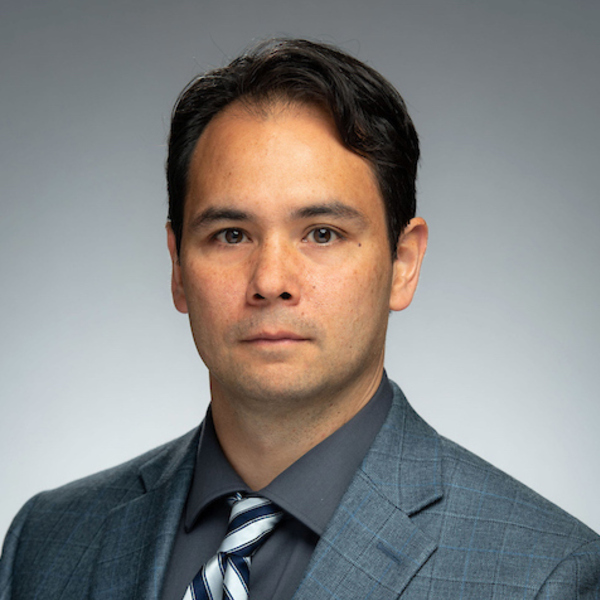
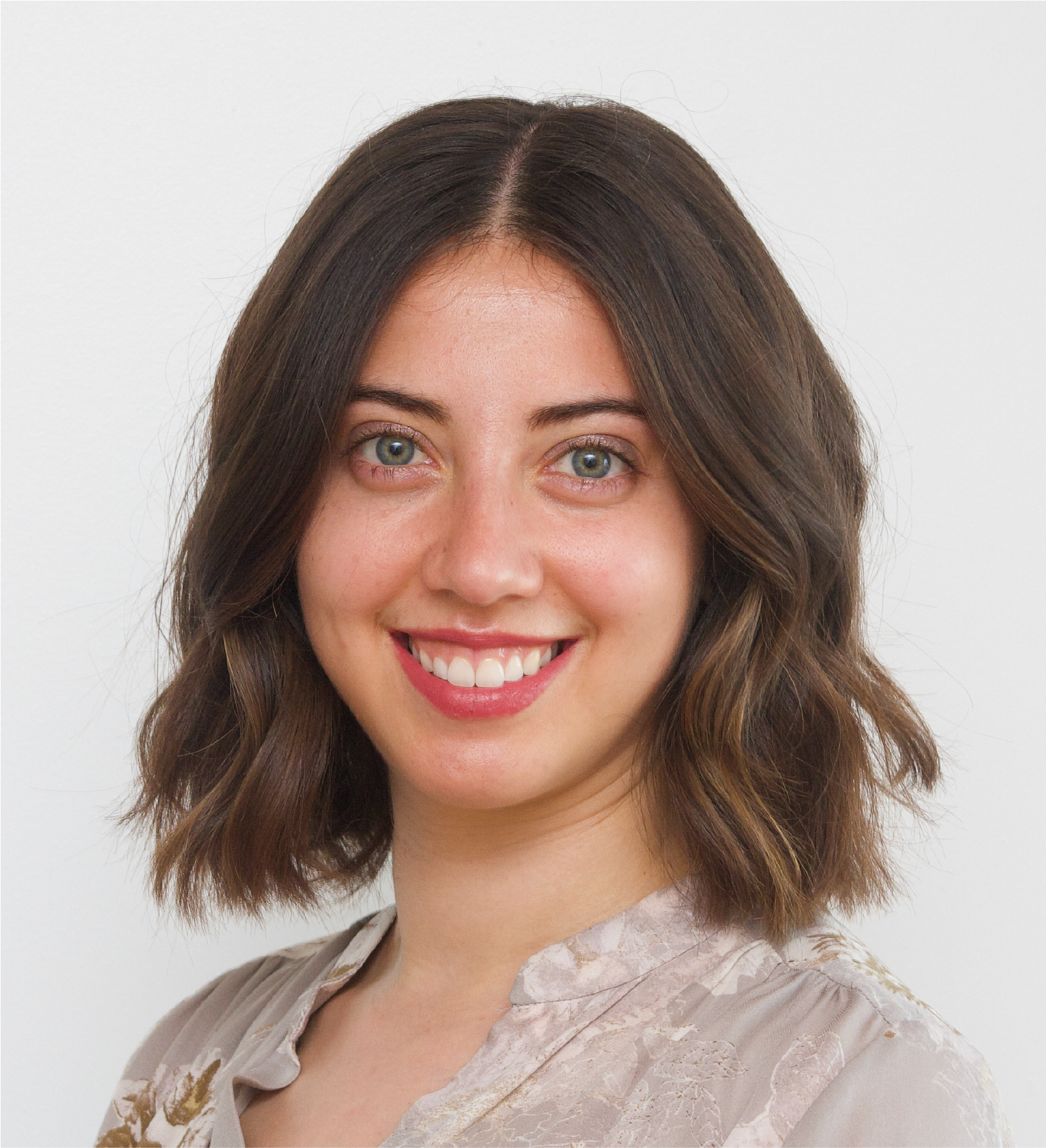
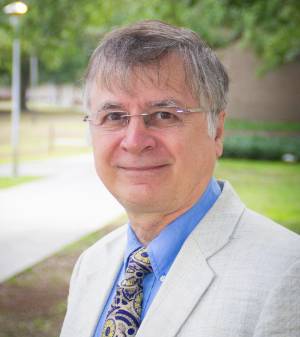
Birgir Norddahl is a Professor at the Department of Green Technology within the Faculty of Engineering , University of Southern Denmark (SDU). His research focuses on membrane technologies for sustainable processes in food and waste valorization, including biogas upgrading, anthocyanin extraction, and ammonia recovery from manure. Key projects: Probiofa (sustainable bioactives), GRoW (green reverse osmosis), ReUseWaste (nutrient recovery). Active in membrane-based solutions for biofuels, juices, and waste-to-resource systems. Research Interests revolve around membrane fouling, process intensification, and circular economy applications. His work integrates chemical engineering principles with environmental sustainability. Article Trends highlight advancements in: Anthocyanin recovery from berry pomace using enzymatic and membrane techniques. Biogas upgrading via membrane separation and microbial processes. Ammonia recovery from agricultural waste using membrane contactors. Process modeling for cost-effective waste valorization. Teaching includes courses on chemical process design and energy systems. He has supervised projects like TEK-ReUseWaste and XD-CPD1. Labs & Teams collaborate on membrane distillation, ultrafiltration, and biorefinery systems, notably with the Membrane Filtration Forum in Food Processing and the BIOREK® concept.
Matthew Kanan is a Professor in the Department of Chemistry at Stanford University, teaching core courses including CHEM 31E: Chemical Foundations and 21st Century Problems (Autumn) and CHEM 121: Understanding the Natural and Unnatural World through Chemistry (Spring). He actively mentors students through year-round independent studies (CHEM 90, CHEM 190) and research programs (MATSCI 300, CHEM 301, CHEM 200). His research pioneers sustainable solutions for carbon management, focusing on electrochemical CO 2 reduction, catalyst development for reverse water-gas shift reactions, and novel carbon capture technologies. Key innovations include carbonate-promoted carboxylation processes, membrane-free electrochemical systems for acid-base production, and metamaterial reactor designs for energy-efficient thermochemical conversion. His work bridges fundamental electrochemistry with scalable engineering for carbon-neutral chemical synthesis. Recent publications (2023-2025) demonstrate a cohesive research trajectory toward industrial-scale CO 2 utilization, with emphasis on energy efficiency, catalyst durability, and impurity tolerance. Dominant themes include electrochemical engineering for concentrated product streams, computational modeling of catalyst microenvironments, and thermal processes for mineral-based carbon removal. This integrated approach targets practical implementation in sustainable fuel and chemical production. Professor Kanan supervises undergraduate research (CHEM 190), directed instruction (CHEM 90), and Ph.D. candidates across chemistry and materials science. His research group likely secures substantial funding for projects addressing critical challenges in carbon conversion, though specific grants aren't detailed in the source material. Collaborative work spans electrochemical engineering, materials design, and process optimization for decarbonization.
Daniel W Armstrong is a Professor at the University of Texas at Arlington in the Department of Chemistry and Biochemistry. With over 35 years of experience, he is a pioneering figure in chiral recognition, enantiomeric separations, and the biological relevance of D-amino acids. His work has led to over 740 publications, 35 patents, and 560 invited seminars worldwide. Developed first chiral recognition mechanism by cyclodextrins First to use macrocyclic antibiotics as chiral selectors Synthesized most new ionic liquids (ILs) globally Created ultra-fast separation techniques now standard in analytical chemistry Contributed to FDA 1992 guidelines on chiral drug separation His research focuses on chiral separations, ionic liquids, and the role of D-amino acids in biological systems. He has commercialized over 30 HPLC and GC columns, transforming analytical chemistry and pharmaceutical analysis. Recent publications demonstrate continued innovation in chiral chromatography, biomarker analysis, and AI-driven separation optimization. His grants include industry collaborations with Merck, Alcon, and Sigma-Aldrich, emphasizing practical applications of his work. Scientific honors include multiple lifetime achievement awards, fellowships in the Royal Society of Chemistry and American Chemical Society, the Chirality Medal, and induction into the National Academy of Inventors. He has mentored over 100 PhD students, many from first-generation college backgrounds.
David Go is the Vice President and Associate Provost for Academic Strategy at the University of Notre Dame, where he also holds the Viola D. Hank Professorship in Aerospace and Mechanical Engineering. He oversees implementation of the University Strategic Framework and manages faculty appointment processes, with administrative oversight of institutes including the Lucy Institute for Data and Society and the Fitzgerald Institute for Real Estate. His research focuses on plasma science, heat transfer, fluid dynamics, and chemical analysis, with significant contributions to plasma-electrochemistry and sustainable chemical synthesis. Education: B.S. (2001) and M.S. (2004) from University of Notre Dame, Ph.D. (2008) from Purdue University His work explores plasma-liquid interfaces, solvated electron dynamics, and plasma-assisted catalysis, particularly for light hydrocarbon conversion. Recent publications highlight advancements in non-aqueous plasma electrolysis, machine learning-enhanced plasma sintering, and interfacial transport phenomena. Awards include the Air Force Young Investigator Award, NSF CAREER award, and multiple honors for teaching and innovation. Current research trends integrate plasma physics with chemical engineering and materials science, focusing on sustainable energy solutions and microscale manufacturing. Scientific recognitions include: Fellow of the American Society of Mechanical Engineers Senior Member of IEEE IEEE Early Achievement Award First-Source Bank Commercialization Award Go has supervised graduate studies and received patents for technologies in plasma-assisted synthesis and microfluidic diagnostics. His leadership roles involve committees addressing academic governance, risk management, and foreign influence in research.
Denis Dowling is a Full Professor at University College Dublin (UCD), leading the School of Mechanical and Materials Engineering. He directs the I-Form Advanced Manufacturing Research Centre, a 40M Euro initiative focusing on additive manufacturing and digital integration in manufacturing environments. His research spans surface engineering, plasma treatments, and advanced materials processing, with a focus on composites and additive manufacturing innovations. Dr. Dowling holds a PhD from UCD and has supervised 20 PhD and 5 MSc students. He is actively involved in the European Institute of Innovation and Technology (EIT) in manufacturing and previously led UCD's participation in the SFI Precision Cluster. His awards include the UCD Innovation Award (2012) and the Institute of Materials Finishing Gold Medal (2013). His work bridges academia and industry, with collaborations in solar energy, medical devices, and manufacturing SME sustainability. Key research themes include functional coatings for biomedical applications, microwave-assisted synthesis of nanostructures, and in-situ process monitoring for additive manufacturing quality control. Teaching includes modules on nanomaterials and manufacturing, reflecting his research-led approach. Professional roles include chairing the Irish branch of the Institute of Metal Finishing.
Shareq Mohd Nazir is an Associate Professor at KTH Royal Institute of Technology, affiliated with the Division of Energy Processes in the Department of Chemical Engineering. He holds a joint appointment within the Digital Futures Faculty, a cross-disciplinary research center addressing societal challenges through digital technology innovation. Nazir earned his PhD in Energy and Process Engineering from NTNU (2018) and holds Master and Bachelor degrees in Chemical Engineering from BITS Pilani. His research focuses on decarbonization strategies including CO2 capture/utilization (CCUS), bioenergy conversion, and methane mitigation. Key methodologies involve techno-economic analysis and process modeling for industrial systems. Nazir leads projects integrating catalytic conversion, waste heat recovery, and gas switching technologies to achieve low-carbon energy systems. He teaches courses on chemical engineering systems, process design, and carbon-neutral energy systems at KTH. Recent publications emphasize multi-gas mitigation strategies, synthetic fuel production via biomass gasification, and cost-effective hydrogen production pathways. His work bridges academia and industry through collaborations with RISE Research Institutes and NTNU. Nazir’s research directly supports Sustainable Development Goals (SDGs), particularly targeting climate action (SDG13) and affordable clean energy (SDG7).
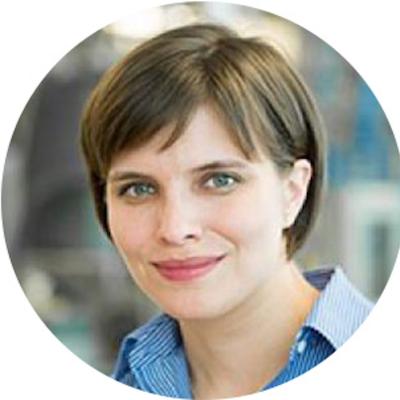
Dr. Heather Trajano is a faculty member in the Department of Chemical and Biological Engineering at the University of British Columbia's Faculty of Applied Science. Her research focuses on sustainable biomass fractionation and conversion processes, aiming to maximize economic and environmental benefits through innovative biorefining strategies. Research Interests: Fundamentals of biomass deconstruction to separate carbohydrates from lignin Recovery and purification of extractives from biomass Heterogeneous catalysis for chemical production Integration of biorefining opportunities with existing forestry operations Utilization of waste streams and by-products for sustainable processes Her work emphasizes the development of processes that complement traditional forestry operations by transforming waste materials into valuable chemicals and fuels. This research spans fundamental studies of biomass deconstruction mechanisms to applied process optimization using advanced modeling techniques including machine learning approaches. Research Trends: Dr. Trajano's recent publications demonstrate a strong focus on xylan and hemicellulose processing from birch and softwood sources, with particular attention to kinetic modeling of hydrolysis processes. Her work integrates experimental studies with computational modeling, including machine learning applications for yield prediction. The research also encompasses lignin valorization through depolymerization and upgrading of pyrolysis oils, cellulose hydrolysis optimization, and the development of sustainable catalytic processes for biomass conversion. Contact Information: Email: heather.trajano@ubc.ca
Dr. Nima Pourali is an Assistant Professor at the School of Engineering, University of Warwick (Coventry, England), since 2022. Previously, he held roles as a Research Fellow (2019–2022) and Postdoctoral Associate in the Electrical and Computer Engineering Department at Western University (London, Canada). His research focuses on experimental and computational plasma physics, plasma engineering, electrochemical reactors, and plasma-catalyst interactions. Key areas include sustainable plasma-catalytic nitrogen fixation, ammonia synthesis, methane conversion, and microfluidic plasma systems. His work integrates interdisciplinary approaches to address challenges in energy sustainability, such as optimizing plasma reactors for non-oxidative methane coupling and developing novel plasma-assisted synthesis processes. His publications emphasize plasma reactor design, energy efficiency, and cross-disciplinary reviews of emerging technologies. Pourali’s research has led to advancements in plasma photonic crystals, Faraday rotation tuning, and catalyst coating optimization. He collaborates on projects involving microkinetic modeling, plasma parameter analysis, and sustainable chemical processes. Office hours are Fridays 10 AM–12 PM during term time.
Dr. Alan M. Allgeier is a Professor in the Chemical and Petroleum Engineering Department at the University of Kansas School of Engineering, where he also serves as Associate Director of the Center for Environmentally Beneficial Catalysis (CEBC). He joined KU in Fall 2017 after 20 years of industry experience at DuPont and Amgen. Dr. Allgeier holds a B.S. in Chemistry from Case Western Reserve University (1992) and M.S./Ph.D. degrees in Inorganic Chemistry from Northwestern University (1997). His research focuses on sustainable catalysis and manufacturing with four primary themes: characterization of porous materials using multi-technique approaches including NMR relaxometry; continuous flow processing for pharmaceuticals; synthesis of heterogeneous catalysts; and design of redox enzyme catalytic processes. His work bridges fundamental understanding of catalytic species with practical applications in renewable resource utilization and pharmaceutical manufacturing. Analysis of Dr. Allgeier's recent publications reveals a strong trend toward sustainable chemical processes, particularly in biomass conversion to valuable chemicals and materials. His work integrates advanced characterization techniques (especially NMR-based methods) with catalytic process development, focusing on hydrodeoxygenation reactions, biocatalysis using ethanol as a terminal reductant, and novel reactor design for pharmaceutical manufacturing. The research demonstrates a consistent commitment to Green Chemistry principles across multiple application areas. Bellows Faculty Scholar, University of Kansas School of Engineering (2021) Catalysis Club of Philadelphia Award (2021) Russell Malz Award for Service to Catalysis, Organic Reactions Catalysis Society (2014) Amgen Green Chemistry Award for "A Novel, Green Process for AMG 423" (2011) Sigma Xi Award for excellence in graduate research, Northwestern University (1994) Dr. Allgeier has successfully mentored numerous graduate and undergraduate students, with several completing Ph.D. dissertations under his supervision. His research is supported by significant funding including an NSF RII Track-2 FEC grant ($4 million), multiple Kansas Corn Commission awards, and industry partnerships with Honeywell, IFF Inc., and DuPont. His current projects focus on renewable polymers, ethanol derivatives, and advanced characterization of porous materials. The Allgeier Research Group maintains active collaborations with industry partners and national laboratories, operating specialized facilities for catalysis research, NMR characterization, and continuous flow pharmaceutical manufacturing. The group's work on sustainable catalysis directly supports the UN definition of sustainable development by developing processes that meet present needs without compromising future generations' ability to meet theirs.
Dr. Chris Tighe is an Associate Professor in the Department of Chemical Engineering at Imperial College London, where he leads the Process Safety & Intensification (PSI) research group. His work focuses on high-pressure chemical processes, catalyst deactivation mechanisms, and industrial safety engineering. He teaches Safety & Loss Prevention , integrating his research insights into pedagogy. Dr. Tighe's research spans 25 years across academia and industry, emphasizing scalable nanomaterial synthesis via continuous hydrothermal methods, energy storage systems (e.g., Li-ion batteries), and reaction safety analytics. His group develops process intensification technologies to enhance safety and efficiency in chemical manufacturing. Recent work includes studies on CO₂ permeability in polymers at extreme pressures, catalyst deactivation pathways in asymmetric reactions, and blue hydrogen production via novel reactor designs. His team collaborates with industry on pilot-scale implementations of nanostructured materials for catalysis and photocatalysis. He actively mentors doctoral researchers through UKRI DTP programs and oversees Imperial’s PhD admissions for energy and process engineering specializations. His lab facilities include advanced high-pressure reactors and in situ characterization tools for nanomaterial analysis.
Rebecca Sherbo is an Assistant Professor in the Department of Chemistry and Chemical Biology at Northeastern University, affiliated with the College of Engineering. Her research focuses on electrochemical and biological methods to produce sustainable chemical products like fuels, foods, and fertilizers from gases and renewable energy. Key areas include nitrogen reduction to ammonia, microbial food production using CO₂ and N₂, and integrating electrochemistry with microbial growth systems to enhance efficiency. Her work addresses global challenges such as reducing reliance on fossil fuels in fertilizer production and minimizing agricultural environmental impacts. The Sherbo Lab develops hybrid systems combining inorganic materials and biological organisms to achieve carbon-neutral and nitrogen-efficient processes. Recent advancements include genetic engineering tools for Xanthobacter autotrophicus and innovative palladium membrane reactor designs for hydrogenation reactions. Research highlights include electrolytic deuteration of unsaturated bonds, CO₂ conversion to fuels, and ligand-mediated improvements in palladium nanoparticle performance. Her studies emphasize scalable, energy-efficient solutions for chemical synthesis and environmental sustainability. She actively publishes in electrochemistry, catalysis, and bioengineering fields, with a focus on translating lab innovations into real-world applications.
Antonio Nieto-Marquez Ballesteros is a Full Professor ( Titular Universidad ) at the Universidad Politécnica de Madrid (UPM) since 2017, working in the Department of Mechanical, Chemical and Industrial Design Engineering within the School of Industrial Engineering. His research spans multiple areas of chemical engineering and materials science with significant industrial applications. His primary research interests include carbon nanostructures, activated carbons from waste materials, biomass valorization, photocatalysis, fly ash treatment, and chemical process intensification. These research lines have resulted in 39 JCR publications (32 in Q1 journals), a national patent, and over 50 conference contributions, with an h-index of 20 and more than 1,400 citations (SCOPUS). His recent publications demonstrate strong trends in environmental applications of materials science, particularly in waste valorization, photocatalytic technologies for pollution treatment, and sustainable chemical processes. The research shows interdisciplinary connections between materials engineering, environmental science, and industrial applications, with increasing focus on circular economy principles and green technologies. Positive evaluation in 2 research six-year periods Santander YUZZ Award (2017) for green technology business plan Green Weekend Valladolid Award (2017) for best green technology business plan Topic Editor at Frontiers in Chemistry Dr. Nieto-Marquez has supervised 3 research grants for young researchers (Spanish Government, 2014 and 2018; Spanish Society of Catalysis, 2018) and has evaluated numerous research proposals for institutions including UEM, UC3M, University of Oviedo, and Poland National Science Centre. His extensive industrial collaborations include contracts with Saica, Thales Alenia, INTA, SENER, Hydroclinker, Grupo Entre Compas, PPG Ibérica, Sorigué, and PROQUICESA, totaling over €100,000 in funding across various environmental and materials projects. He is also an active member of the Optical Analysis and Characterization of Materials research group at UPM.
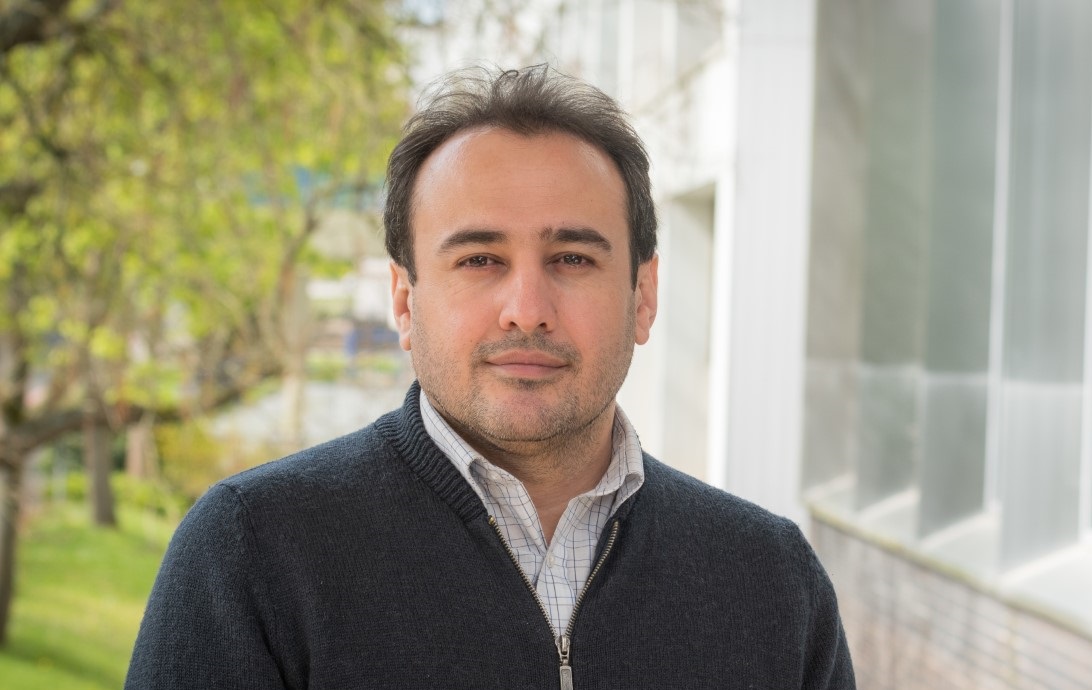
Leon Lefferts is a Full Professor in Catalytic Processes and Materials at the University of Twente, affiliated with the Faculty of Science and Technology and the MESA+ Institute for Nanotechnology. He has held visiting professorships at Tokyo Institute of Technology (2005–2007) and Aalto University in Helsinki (2011 onward), where he was appointed Finnish Distinguished Professor (2011–2015). His research focuses on three interconnected themes: (1) heterogeneous catalysis in liquid phase , particularly for drinking water purification via hydrogenation of nitrate, nitrite, and bromate, with innovations such as micro-structured 'hairy foams' and membrane contactor reactors; (2) activation of stable molecules like alkanes using breakthrough techniques including plasma-catalysis, soft oxidants, and electrical fields, in collaboration with DIFFER and the University of Antwerp; and (3) catalytic upgrading of biomass , especially flash-pyrolysis oil, inspired by early work at Twente and leading to industrial application by KiOR. His group has pioneered in-situ IR spectroscopy for aqueous-phase catalytic studies under elevated conditions. Recent publications highlight a shift toward electrified and sustainable chemical processes, including membrane-assisted dehydrogenation of ethane and propane using green electricity, plasma-catalytic nitrogen fixation, and in-situ adsorption strategies to improve energy efficiency. These works reflect a strong trend toward integrating catalysis with renewable energy and plasma technologies for decarbonized chemical production. Finnish Distinguished Professor (2011–2015) Leon Lefferts has supervised 38 students and early-career researchers, contributing significantly to education and training in catalysis. His research has been supported by collaborations with major institutions including DIFFER, Aalto University, and the University of Antwerp. He has delivered numerous invited talks and participates actively in interdisciplinary workshops, especially in the emerging field of plasma-catalysis. He leads a research group at the forefront of catalytic innovation, with strong ties to industrial applications and sustainability goals. The team operates within the MESA+ Institute, leveraging advanced nanofabrication and characterization facilities for developing next-generation catalytic materials and reactor systems.
David Fernandez Rivas is Professor at the University of Twente , Faculty of Science and Technology, within the Mesoscale Chemical Systems Group . Since 2017 he is also a Research Affiliate at the MIT Department of Mechanical Engineering and a Visiting Professor in the Dermatology Department of Erasmus MC, Rotterdam. His work bridges physics, chemical engineering and biomedicine. Education BSc & MSc in Nuclear Engineering (2004, 2006) – Higher Institute of Science and Technology, Havana, Cuba PhD (2012) – University of Twente, Netherlands Research Interests David’s core expertise lies at the intersection of microfluidics and cavitation phenomena . He exploits controlled bubble collapse to achieve needle-free injection , process intensification , water treatment , and solar-to-fuel conversion . His ERC-funded BuBble Gun project aims for painless, cost-effective drug delivery, while spin-offs BuBclean and FlowBeams commercialize ultrasonic cleaning and ink-delivery technologies. Scientific Awards & Recognition European Research Council Starting Grant 2019 (€1.5 M) NWO VIDI Grant 2023 NWO Stairways to Impact Award 2021 KIVI Prince Friso Engineer of the Year 2021 KHMW Pieter Langerhuizen Fonds Prize 2016 Elected member, Global Young Academy (2020) & Young Academy of Europe Advising & Grants David has successfully transferred research into society via two start-ups and several European consortia. He co-chairs the COST Action Greenering and mentors numerous PhD and master students within the TechMed Centre and MESA+ Institute at Twente. Labs & Teams He leads the BuBble Gun research team and collaborates closely with the Mesoscale Chemical Systems laboratory, MIT Bioinstrumentation lab, and Erasmus MC Dermatology department.
Dr. Aydin K. Sunol is a Professor of Chemical, Biological and Materials Engineering at the University of South Florida's College of Engineering. With a distinguished career spanning several decades, he leads the Environmentally Friendly Engineered Systems (EFES) Lab and serves as principal investigator for numerous research projects funded by NASA, DOD, NSF, and industry partners. Education: PhD in Chemical Engineering, VPI & SU, Blacksburg, Virginia MEng in Industrial Engineering and Operational Research, VPI & SU, Blacksburg, Virginia Diploma in Chemical Engineering, University of Aston, Birmingham, England BS in Chemical Engineering, Bogazici University, Istanbul, Turkey Dr. Sunol's research focuses on green engineering and chemistry, sustainability in the chemical industry, systems engineering, and cleaner energy conversion processes. His work integrates global computational methods, machine learning, product prototyping, and experimentation across multiple temporal and spatial scales. Recent projects include developing nano-structured photo-catalysts, therapeutic particles, and energetic materials using environmentally friendly pathways, as well as creating efficient fuel conversion processes utilizing supercritical fluids. His research demonstrates a consistent trend toward sustainable solutions that address fundamental challenges in materials science, energy conversion, and environmental protection through innovative application of supercritical fluid technology and computational methods. Scientific Awards: USF Chemical and Biomedical Engineering Department Outstanding Teaching Award, 2018 University of South Florida Outstanding Undergraduate Teaching Award, 2002-2003 Engineering Professor of the Year, 1984 Outstanding Professor of Chemical Engineering, VPI & SU, 1981 Outstanding Technology Innovation Award, Aerospace Space System Conference, 2010 As an educator, Dr. Sunol has advised 18 PhD and 29 Master's students, developing innovative teaching methods and curricula including NSF-funded Web-based Teaching Modules and Design Course Series. His research has been supported by diverse funding sources including DOE, NSF, NATO, UNESCO, NAVY, NASA, and numerous industry partners. Dr. Sunol also serves as principal partner and CTO of Temptroll LLC and Accent Creations LLC, which develop self-heating and cooling products, demonstrating the practical application of his research. The EFES Lab, which Dr. Sunol directs, brings together interdisciplinary researchers including chemical engineers, mechanical engineers, and computer scientists to tackle complex challenges in sustainable engineering. Current team members include PhD candidates working on nano-structured materials, wastewater management systems, and temperature modulation products, continuing the lab's tradition of innovation in environmentally friendly engineered systems.