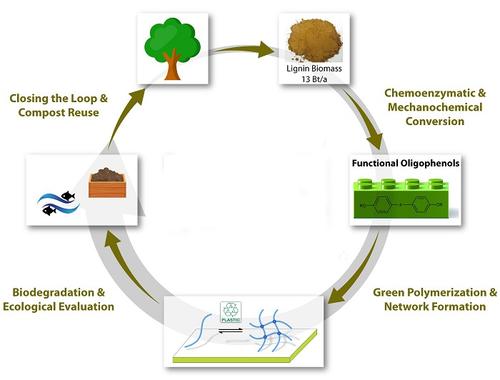
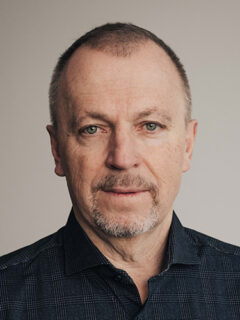
Rainer Haag is a Professor at the Department of Chemistry, Freie Universität Berlin, leading the Haag Group in the Institute of Chemistry and Biochemistry. His research focuses on biodegradable and sustainable materials, dynamic hydrogels, and polymeric nanosystems for biomedical applications. Department of Chemistry, Freie Universität Berlin Member of SFB 1449: Dynamic Hydrogels at Biointerfaces Collaborator in the StemGel startup project Co-founder of CSR|Berlin interdisciplinary research institute Research Interests: Development of stimuli-responsive polymers, multivalent virus inhibitors, and functional biointerfaces. Key projects include: Antiviral coatings using heteromultivalent polymers Thermoresponsive hydrogels for stem cell expansion Graphene derivatives for bacterial capture and disinfection Lignin upcycling for sustainable resin materials Supramolecular nanosystems for drug delivery Publication Trends highlight interdisciplinary work in polymer chemistry, nanotechnology, and biomedical applications. Recent articles focus on: 2D polyglycerols for virus interactions Redox-responsive nanogels Mucus-inspired adhesive hydrogels Tumor-targeting micelles Bacterial disinfection using graphene composites Labs & Collaborations include the Polymeric and Supramolecular Nanosystems subgroup, the Dynamic Hydrogels and Biointerfaces team, and partnerships with MIT in developing bioinspired adhesives. His group contributes to DFG-funded SFB 1449 and CSR|Berlin initiatives.
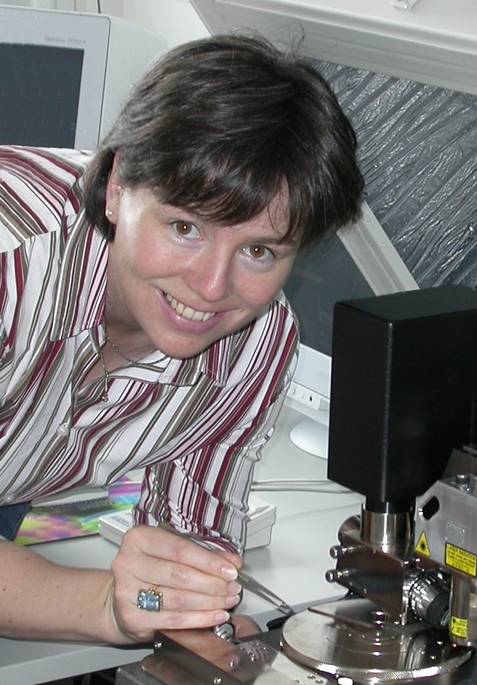
Christine Selhuber-Unkel is a Full Professor (W3) for Molecular Systems Engineering at the Institute for Molecular Systems Engineering and Advanced Materials (IMSEAM) at Heidelberg University. She serves as co-chair of the Executive Board of the Flagship Initiative 'Engineering Molecular Systems' and is a spokesperson for the 'Cellular Biophysics' section of the German Biophysical Society. Additionally, she is a member of the executive board of the Cluster of Excellence '3D Matter Made to Order'. Education: Studied physics at Heidelberg University (2000-2002) M.Sc. degree in Physics from Uppsala University (2003) PhD in Physics from Heidelberg University (biological adhesion on nanopatterned substrates) Professor Selhuber-Unkel's research focuses on functional interfaces and their interactions with biological systems, including responsive interfaces, micro-/nanostructured interfaces (including 2-photon laser printing), and biofunctionalized hydrogels. Her work specifically targets controlling cellular properties such as parasite migration, with potential applications in soft robotics and biomaterials. She also experimentally studies biophysical properties of cells including mechanosensing, cellular force generation, adhesion forces, and statistical properties of intracellular motion and migration. Her research group is involved in multiple projects related to parasite physics, including studies on Giardia adhesion, Plasmodium infected erythrocytes, and Toxoplasma gondii. Her recent publications demonstrate a strong focus on hydrogel engineering, cellular mechanics, and microfluidic systems for studying cell behavior. The research spans from fundamental biomaterials development to applications in ophthalmology, tissue engineering, and parasite mechanics. Scientific Awards: European Research Council Consolidator Grant (PHOTOMECH) European Research Council Starting Grant (CELLINSPIRED) Feodor Lynen Fellow for research stay at Cornell University Emmy Noether postdoctoral fellowship Otto Hahn Medal from the Max Planck Society Professor Selhuber-Unkel has received significant research funding, including multiple ERC grants and DFG funding. She previously served as spokesperson for the DFG research training group 'Materials for Brain' at Kiel University (2017-2020). Her research group maintains strong collaborations across multiple institutions focused on biophysical approaches to understanding cellular and parasite mechanics. Her laboratory develops advanced techniques including traction force microscopy, atomic force microscopy (AFM), and microengineered systems for studying cellular mechanics in confined environments. The group's work bridges materials science, biophysics, and parasitology to develop novel approaches for understanding and controlling cellular behavior.
Michael Knap is an Associate Professor of Collective Quantum Dynamics at the Technical University of Munich (TUM), within the Department of Physics at the TUM School of Natural Sciences. His research group focuses on condensed matter theory, quantum many-body systems, and quantum simulation. Knap holds office in room 5101.01.037 at James-Franck-Str. 1, 85748 Garching b. München, and can be reached at michael.knap@ph.tum.de or +49 (89) 289 - 53777. Prof. Knap's research delves into the rich physics of quantum many-body systems, particularly exploring non-equilibrium dynamics and transport phenomena in ultracold quantum gases, interacting light-matter systems, and correlated quantum materials. His work spans multiple subfields including topological phases of matter, quantum simulation with trapped ions, fracton physics, and quantum computation. He develops novel numerical approaches based on quantum information theory and utilizes artificial intelligence and machine learning to tackle challenging problems in condensed matter physics. His group's research connects fundamental theoretical questions with experimental implementations in quantum simulators. The analysis of Prof. Knap's recent publications (2023-2025) reveals a strong focus on topological quantum matter, quantum simulation, and emergent phenomena in constrained quantum systems. His work frequently bridges condensed matter theory with quantum information science, as evidenced by publications on fracton hydrodynamics, higher-form symmetries, and quantum error correction. There's a clear progression toward increasingly complex quantum systems and connections to experimental implementations on quantum processors. His research shows significant interdisciplinary reach, connecting condensed matter physics with quantum computing and quantum information theory. ERC Consolidator Grant (2025) ERC Starting Grant (2019) Supervisory Award, TUM Department of Physics (2018) Promotio sub auspiciis Praesidentis rei publicae, Austria (2013) Prof. Knap has established a robust research program supported by prestigious European Research Council grants. His group actively collaborates with both theoretical and experimental groups worldwide, particularly in the quantum simulation community. He has supervised numerous students through Master's Seminars on Collective Quantum Dynamics covering topics like quantum simulation with trapped ions and theoretical quantum computation. His research has received significant attention, with several publications featured as Editors' suggestions and Research Highlights in leading journals. The Collective Quantum Dynamics group maintains strong connections with experimental quantum simulation efforts, particularly in the areas of ultracold atoms and trapped ion systems. Knap's theoretical work often provides frameworks for interpreting experimental results in quantum simulators, creating a productive feedback loop between theory and experiment. His group participates in collaborative research networks focused on advancing quantum simulation capabilities and understanding fundamental aspects of quantum many-body physics.
Prof. Dr. Andreas Hirsch is a Professor in the Department of Chemistry and Pharmacy at Friedrich-Alexander University Erlangen-Nürnberg (FAU) . His research focuses on organic chemistry , graphene functionalization , carbon nanomaterials , and molecular solar thermal systems , with significant contributions to 2D material engineering and supramolecular chemistry . Chair of Organic Chemistry II (FAU Erlangen-Nürnberg) ResearchGate: Profile Google Scholar: Profile His work spans graphene patterning via laser writing , black phosphorus stabilization using perylenediimides , and covalent functionalization of 2D materials like MoS 2 and carbon nanotubes . Recent studies include non-covalent passivation of BP nanosheets and electroswitchable catalysis for solar thermal energy storage . His scientific awards include the Second Place Poster Award (2023) and Robert C. Haddon Research Award (2021) . Collaborative projects highlight smart nanoparticle systems for radiation therapy and environmental remediation applications.
Karin Jacobs is a Professor in the Department of Physics at Saarland University, where she leads the research group for soft matter physics within the Faculty of Natural Sciences and Technology. Her work bridges experimental physics and applied materials science, focusing on interfacial phenomena, thin films, and functional materials. Research Interests: Her group investigates the stability of coatings, properties of simple and complex fluids, and the adhesion of biomolecules on surfaces. Using advanced experimental techniques such as atomic force microscopy (AFM), ellipsometry, surface plasmon resonance spectroscopy, optical microscopy, and ultra-high vacuum (UHV) methods like photoelectron spectroscopy, her team probes nanoscale and microscale interactions at solid-liquid and solid-gas interfaces. The research spans fundamental and applied domains, including the synthesis and characterization of graphene and boronitrene, production of water-in-water vesicles using hydrophobins, and bacterial adhesion studies. These investigations are often linked to industrial applications in the paint, semiconductor, and biomedical sectors. Publication Trends: Over the past 15 years, her publications reflect a consistent focus on surface physics and soft matter. Key themes include graphene synthesis via liquid precursor deposition (including unconventional sources like fingerprints), interfacial rheology, biopolymer adsorption, and quantitative imaging analysis. The interdisciplinary nature of her work is evident in the combination of physics, chemistry, and biological interfaces. Scientific Awards: No specific awards are mentioned in the provided text. Advising and Grants: As head of an active research group, Prof. Jacobs supervises graduate students and postdoctoral researchers, though specific names are not listed. Her collaborations with theoretical groups and external institutions (e.g., University of Augsburg) suggest participation in joint grants and funded projects, particularly in nanomaterials and surface science. The applied orientation of her research indicates engagement with industry partners in coatings and semiconductor technologies. Labs and Teams: The Jacobs Group operates a well-equipped experimental laboratory at Campus E2 9, Saarland University, specializing in surface analysis and soft matter characterization. The team includes researchers working on biofilms, microfluidics, and functional materials, supported by technical and administrative staff.
Professor Jana Zaumseil is a distinguished academic at Heidelberg University, holding the position of Professor for Applied Physical Chemistry at the Faculty of Chemistry and Earth Sciences since 2014. She also maintains a co-opted position with the Faculty of Physics and Astronomy since 2016. Currently serving as Executive Director of the Institute for Physical Chemistry and Spokesperson for the DFG Research Training Group GRK 2948, she leads the Zaumseil research group (also known as the Nanomaterials for Optoelectronics group) at Heidelberg University's Institute for Physical Chemistry. Her educational background includes a PhD in Physics from the University of Cambridge (2003-2007) with a Gates Cambridge Trust Scholarship, and a Diplom (equivalent to M.Sc.) in Chemistry from the University of Leipzig (1997-2022). Prior to her position at Heidelberg, she served as Professor for Nanoelectronics at Friedrich-Alexander-Universität Erlangen-Nürnberg (2009-2014), and completed postdoctoral work at Argonne National Laboratory (2007-2009) following an internship at Bell Laboratories (2002-2003). Zaumseil's research program focuses on the optical and electronic properties of carbon-based nanomaterials, particularly single-walled carbon nanotubes (SWCNTs) and organic semiconductors. Her group specializes in processing, functionalization, characterization and application of these unconventional semiconductors for optoelectronic devices and sensors. They investigate charge transport and light-matter interaction using a wide range of experimental techniques including synthesis, optical spectroscopy, atomic force microscopy, device fabrication, and electrical/optical device characterization. Their work bridges fundamental understanding with potential applications in sensing, imaging, circuits, and energy conversion. Analysis of her recent publications reveals a strong trend toward defect engineering in carbon nanotubes, particularly creating and optimizing luminescent sp 3 defects for near-infrared applications. Her research increasingly integrates fundamental studies of charge transport with practical device applications, especially in neuromorphic computing, biosensors, and thermoelectrics. The interdisciplinary nature of her work is evident in the combination of chemistry, physics, and materials science approaches across her publication record. Dan Maydan Prize for Nanoscience and Nanotechnology (2024) Jahrespreis der Universität Heidelberg (2023) ERC Consolidator Grant (2019) ERC Starting Grant (2012) Alfried-Krupp-Award for Young University Professors (2010) Professor Zaumseil has secured substantial research funding including multiple ERC grants and leads several major collaborative projects such as the ERC Advanced Grant SCALE-NT, Collaborative Research Center SFB 1249, Cluster of Excellence 3D Matter Made to Order, and Research Training Group GRK 2948. She has mentored numerous doctoral and master's students, with her group recently receiving recognition including a Student Poster Presentation Award for Niklas Herrmann. As Dean of the Faculty of Chemistry and Earth Science (2019-2021) and current Vice Dean (2021-), she has played significant leadership roles within the university structure. The Zaumseil research group operates within Heidelberg University's Institute for Physical Chemistry, utilizing advanced facilities for nanomaterial synthesis, optical spectroscopy, and device characterization. The group participates in several major collaborative initiatives including the Cluster of Excellence 3D Matter Made to Order and the Collaborative Research Center SFB 1249, reflecting its integration within Heidelberg's broader research ecosystem focused on molecular systems and materials science.
Max Planck Institute for Marine MicrobiologyGermany
Shengjie Li is a Researcher in the Department of Biogeochemistry at the Max Planck Institute for Marine Microbiology (MPI-Bremen), Germany. Their postdoctoral research focuses on microbial ecology and biogeochemical processes in marine oxygen minimum zones, particularly linking particle properties, microbial communities, and nitrogen-loss dynamics. Li holds a PhD from Peking University (2017-2022) and conducted a guest PhD at the University of Calgary (2020-2021). Research interests include microbial responses to environmental change, nitrogen cycling in aquatic systems, and the interplay between organic carbon, sulfur, and iron in driving nitrate reduction. Key projects explore isotopic signatures of N₂O production, methane dynamics in groundwater, and the role of biochar in stress resistance. Publications highlight contributions to understanding N₂O emissions, cold seep nitrogen-loss mechanisms, and microbial adaptations in fluctuating environments. Ongoing work bridges microbial community analysis with biogeochemical modeling to address global climate impacts.
Beate Paulus is a Professor for Theoretical Chemistry at the Freie Universität Berlin , affiliated with the Chemistry and Biochemistry college and the Chemistry department. Her research focuses on advanced quantum chemical methodologies and applications to 2D materials, spintronics, and catalysis. Current affiliation: Freie Universität Berlin Key research areas: Quantum Chemistry, Density Functional Theory, 2D Materials, Spintronics, Electrocatalysis Her work spans computational modeling of electronic structures, magnetic properties, and chemical reactions using Density Functional Theory (DFT) with specialized corrections. She investigates systems like MoS2 , graphene heterostructures , and transition metal complexes , aiming to understand and optimize properties for energy applications, biosensors, and nanoelectronics. Recent publications highlight her contributions to quantum mechanical fluorine tunnelling , spin-selective transport in doped nanoribbons , and surface functionalization strategies for 2D materials. Her group also explores mechanically interlocked molecules and redox-responsive polymers with potential biomedical applications. Beate Paulus leads the Paulus Group , which actively publishes in high-impact journals and collaborates on interdisciplinary projects involving experimental and theoretical approaches.
Prof. Dr. Thomas Taubner serves as a Professor at the Institute of Physics within the Faculty of Mathematics, Computer Science and Natural Sciences at RWTH Aachen University. He leads the IR Nano-Optics and Metamaterials research group, operating from Campus Melaten (Physics Building 26, Room A 104). His team focuses on cutting-edge nanophotonic technologies with applications in infrared optics and reconfigurable optical systems. Taubner's research spans nanophotonics, infrared spectroscopy, metamaterials, and phase-change materials, with particular expertise in plasmonic phase-change materials like In 3 SbTe 2 . His group pioneers techniques for dynamic control of light at the nanoscale through near-field microscopy, beam steering, and thermal emission manipulation. Key areas include 2D material characterization, phonon polariton engineering, and ultrafast optical phenomena in semiconductor heterostructures. Analysis of his recent publications reveals a dominant focus on programmable infrared nanophotonics using plasmonic phase-change materials. His work consistently demonstrates reconfigurable optical devices through direct laser writing, geometric phase metasurfaces, and real-space imaging of confined electromagnetic waves. The research shows strong interdisciplinary connections between condensed matter physics, materials science, and optical engineering, with practical applications in thermal management, sensing, and next-generation optical computing. Prof. Taubner actively supervises doctoral and master's students, regularly advertising thesis positions and doctoral openings through his research group. His team maintains advanced laboratory facilities for nanofabrication, near-field optical characterization, and ultrafast spectroscopy, supporting both fundamental research and technology development in infrared nanooptics.
Dr. Jinxin Liu serves as Research Group Leader for the CVD subgroup at Dresden University of Technology's Center for Advancing Electronics Dresden (cfaed) within the Faculty of Chemistry and Food Chemistry since May 2023, following a postdoctoral position at the same institution under the Humboldt Research Fellowship (2020-2023). His academic foundation includes: Bachelor's in Chemistry Base Class, Wuhan University (2015) Doctorate in Physical Chemistry, Wuhan University (2020) Research centers on chemical vapor deposition synthesis of advanced 2D materials including conductive MOFs, COFs, polymers, and graphene nanoribbons. His work pioneers heterostructure engineering for next-generation optoelectronic and spintronic applications, with emphasis on precise material property control through novel fabrication techniques. Publication trends reveal consistent high-impact contributions in top-tier journals, evolving from fundamental 2D material synthesis (2019) toward functional device integration (2022), demonstrating increasing focus on application-oriented material design for electronics. Award highlights: Humboldt Research Fellowship (2022) Nature Materials publication (2020) Cell Press Paper of the Year China (2019) Multiple Wuhan University innovation prizes Leading the CVD research subgroup within Prof. Xinliang Feng's Chair, Dr. Liu directs experimental efforts in scalable 2D material production. His team operates within cfaed's interdisciplinary framework, bridging chemistry, materials science, and electronic engineering for advanced semiconductor development.
Leibniz Institute for Solid State and Materials ResearchGermany
Dr. Axel Lubk is a Group Leader at the Institute for Solid State Research (IFW Dresden) , specializing in advanced electron microscopy techniques for materials science. His research spans four key areas: (1) TEM method development (high-resolution imaging, tomography, holography, and in-situ techniques), (2) charge particle optics and scattering theory , (3) magnetic nanotextures (domain walls, skyrmions), and (4) plasmonics (mode hybridization in heterogeneous structures and semiconductor heterostructures). Dr. Lubk’s work focuses on three-dimensional magnetic texture analysis using electron holography and tomography, particularly in systems like skyrmion tubes , FeGe , and Cr2O3 thin films . He has pioneered techniques for vector-field electron tomography and phase retrieval under varying boundary conditions, advancing nanoscale magnetic imaging. His recent studies include plasmonic properties in AgAu nanosphere chains , thermoelectric multilayer systems , and topological insulators like NiRh2Sb and TaTMTe4 . Dr. Lubk has published extensively in high-impact journals such as Nature Communications and Advanced Materials , with a focus on TEM instrumentation and quantitative analysis . He frequently presents at international conferences like the International Microscopy Congress and European School of Magnetism , emphasizing applications in spintronics , quantum materials , and nanostructured systems . His contributions to holographic vector-field electron tomography and machine learning for spectrum-image data have set new standards in electron microscopy.
Dr. Xin Chen is a Junior Research Group Leader in the Department of Chemistry at the Free University of Berlin, leading the Chen Group focused on low-dimensional chemistry. His research explores the chemical reactivity and functionalization of two-dimensional materials including transition metal dichalcogenides (TMDs), graphene, and hexagonal boron nitride. Previously, he was a Postdoc at Friedrich-Alexander-Universität Erlangen-Nürnberg and completed his PhD at Trinity College Dublin under Prof. Aidan R. McDonald. Dr. Chen's educational background includes: PhD in Inorganic and Synthetic Materials, Trinity College Dublin, the University of Dublin, Ireland (2013-2017) Postdoc at Friedrich-Alexander-Universität Erlangen-Nürnberg (2018-2023) His research focuses on three interconnected areas of low-dimensional chemistry. First, functionalization of 2D materials where he explores chemical reactivity of TMDs, graphene, and h-BN with various compounds to customize material properties. Second, 2D heterostructures development, creating synthetic concepts for spatially well-defined structures with atomic-level precision. Third, chemistry under confinement, examining how dimensionally confined surfaces affect chemical reactions. These research areas hold potential for applications in sensing, sieving, catalysis, and energy conversion. Dr. Chen's publication record demonstrates consistent focus on 2D materials chemistry, particularly transition metal dichalcogenides. His work shows evolution from fundamental functionalization studies toward sophisticated applications in heterostructure engineering and energy conversion. Recent publications highlight innovative approaches to patterned assembly using laser techniques, orthogonal functionalization strategies, and energy conversion platforms. His research consistently bridges fundamental chemistry with practical nanotechnology applications. Dr. Chen has received several prestigious awards: FUB Start-up Funding from Freie Universität Berlin (2024-2025) SupraFAB Start Funding from Freie Universität Berlin (2023-2025) Emerging Talents Initiative from Friedrich-Alexander-Universität Erlangen-Nürnberg (2022-2023) PhD Scholarship from Science Foundation Ireland (2013-2017) Government of Ireland International Education Scholarship (2014) Dr. Chen actively mentors doctoral candidates, master's students, and research interns in his group. Current students include Sofiia Zuieva (Doctoral candidate focusing on organic synthesis and 2D heterostructures) and Atthawut Sudsamart (Master's student researching photochemistry of TMDs). He has secured multiple research grants to support his work on 2D materials, including startup funding from FU Berlin and the SupraFAB facility. His group welcomes motivated students through external scholarships or research internships. Dr. Chen's research is conducted at the Forschungsbau SupraFAB facility at FU Berlin, with access to fully-equipped chemistry and nanofabrication laboratories. His team consists of doctoral candidates, master's students, and research assistants working collaboratively on low-dimensional chemistry. The group offers professional training in organic synthesis, material processing, and advanced characterization techniques, fostering a dynamic and international research environment focused on cutting-edge nanotechnology.
Ceren Sibel Sayin is a Researcher at the Simply Complex Lab within the Faculty of Electrical Engineering and Information Technology at Ruhr University Bochum. She is affiliated with the Nonlinearity Engineering department and focuses on computational physics, electronic structural calculations, and materials modeling. Education: Ph.D. in Physics (2009-2015), Middle East Technical University, Ankara, Turkey M.Sc. Physics (2007-2009), Middle East Technical University B.Sc. Physics (2002-2007), Middle East Technical University Research Interests: Her work explores computational modeling of material systems, particularly graphene functionalization mechanisms. She investigates both covalent and noncovalent interactions using advanced simulation techniques to understand surface modifications at the atomic scale. Her studies contribute to advancements in nanomaterials and their applications in electronics and energy systems. Labs/Teams: Active member of the Simply Complex Lab , which integrates interdisciplinary approaches to tackle nonlinear phenomena in materials science and engineering. Advising/Grants: No explicitly stated advising roles or grant details in the provided text.
Yakir Hadad is a Senior Lecturer (equivalent to Assistant Professor) at Tel Aviv University's School of Electrical Engineering, Department of Physical Electronics. He holds a B.Sc. and M.Sc. from Ben-Gurion University (2006, 2008) and a Ph.D. from Tel Aviv University (2014), followed by postdoctoral research at the University of Texas at Austin (2014-2016). His research focuses on fundamental wave phenomena in complex systems, with expertise spanning: Analytical methods in electrodynamics and acoustics Physical bounds in wave engineering Time-variant and nonlinear wave systems Metamaterials for RF/optical applications Plasmonics and nanophotonics Hybrid-physics wave interactions Publication analysis reveals consistent focus on wave manipulation through spatiotemporal modulation, non-reciprocal systems, and topological phenomena, with recent expansion into machine learning applications for electromagnetic field transformation. His work bridges theoretical foundations with practical devices like antennas, waveguides, and frequency converters. Major Scientific Awards: Krill Prize for Excellence in Research (2020) Alon Fellowship for Outstanding Young Researchers (2017-2020) Leopold B. Felsen Award for Excellence in Electrodynamics (2016) TAU Rector's 100 Best Teachers List (2019) Leads an active research group with 3 PhD candidates, 1 MSc student, and 3 undergraduate researchers. Current projects include time-varying metamaterials, acoustic wave guiding, and nonlinear device synthesis. Research is supported by: ISF Grant 1353/19 (2019-2023) MAFAT research grant Alon Fellowship (2017-2020) TAU Rector Startup Fund (2017-2020)
Prof. Dr. Vera Krewald is a Professor for Quantum Chemistry at Technische Universität Darmstadt, Department of Chemistry. She leads a research group focused on theoretical and quantum chemistry approaches to understand electronic structures and properties of inorganic and transition metal complexes. Her work bridges computational methods with experimental spectroscopy to explore magnetic interactions, electron transfer processes, and catalytic mechanisms. Professor for Quantum Chemistry (W3) at TU Darmstadt (since 11/2023) Professor for Theoretical Chemistry (W2, tenure track) at TU Darmstadt (12/2018-10/2023) Research Group Leader at University of Bath (01/2017-11/2018) Prof. Krewald's research focuses on applying quantum chemistry methods to understand the electronic structure and functioning of inorganic complexes. Her group makes predictions about spectroscopic, magnetic, and other measurable properties of transition metal complexes, with particular interest in systems that exhibit unexpected properties, magnetic coupling, challenging molecular transformations, or promising catalytic activity. Key research areas include electron transfer processes, photophysics and photochemistry of transition metal complexes, nitrogen activation and splitting, oxygen reduction catalysis, and the development of theoretical methods like the Angular Overlap Model. Analysis of Prof. Krewald's recent publications reveals a strong focus on iron-based catalysis, particularly for energy-related applications like the oxygen reduction reaction in fuel cells. Her work frequently combines computational quantum chemistry with experimental spectroscopy, especially Mössbauer spectroscopy, to characterize active sites in catalysts. There's also significant emphasis on electron transfer processes, photochemical activation of small molecules like dinitrogen, and the development of computational tools for analyzing magnetic properties and metal-ligand bonding. 2022: Dozentenpreis from the chemical industry fund (Fonds der Chemischen Industrie) 2021: Award from the Dr. Hans Messer Stiftung for early career researchers 2021: ADUC Award from the German association of university professors in chemistry 2014: Otto Hahn Medal of the Max-Planck-Society 2013: Participant at 63rd Lindau Nobel Laureate Meeting 2008-2013: German National Academic Foundation fellowship Prof. Krewald leads a research group with 2 postdocs, 6 PhD candidates, and several B.Sc./M.Sc. students. Her group has secured funding from multiple sources including the DFG, Leverhulme Trust, Merck'sche Gesellschaft für Kunst und Wissenschaft e.V., NHR Verein e.V., and Deutsche Bundesstiftung Umwelt. She serves as vice-speaker of SFB 1487 "Iron, upgraded!" (2022-2025), demonstrating her leadership in coordinated research efforts. Her group actively collaborates with experimental researchers to elucidate reaction mechanisms and identify catalytically active species. The Krewald Research Group operates within the Department of Chemistry at TU Darmstadt, with strong connections to collaborative research centers including SFB 1487 "Iron, reimagined!", SFB 1633 "Pushing Electrons with Protons", and SPP 2491 "Interactive Switching of Spin States". The group is also involved in the Quantum Bio-Inorganic Chemistry Society, which Prof. Krewald co-founded and serves as Secretary General. Their work combines high-level quantum chemical calculations with experimental validation to address fundamental questions in inorganic chemistry and catalysis.