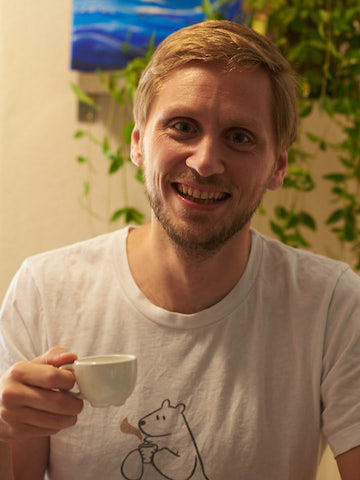
Florian LehnerView profile
Senior Lecturer
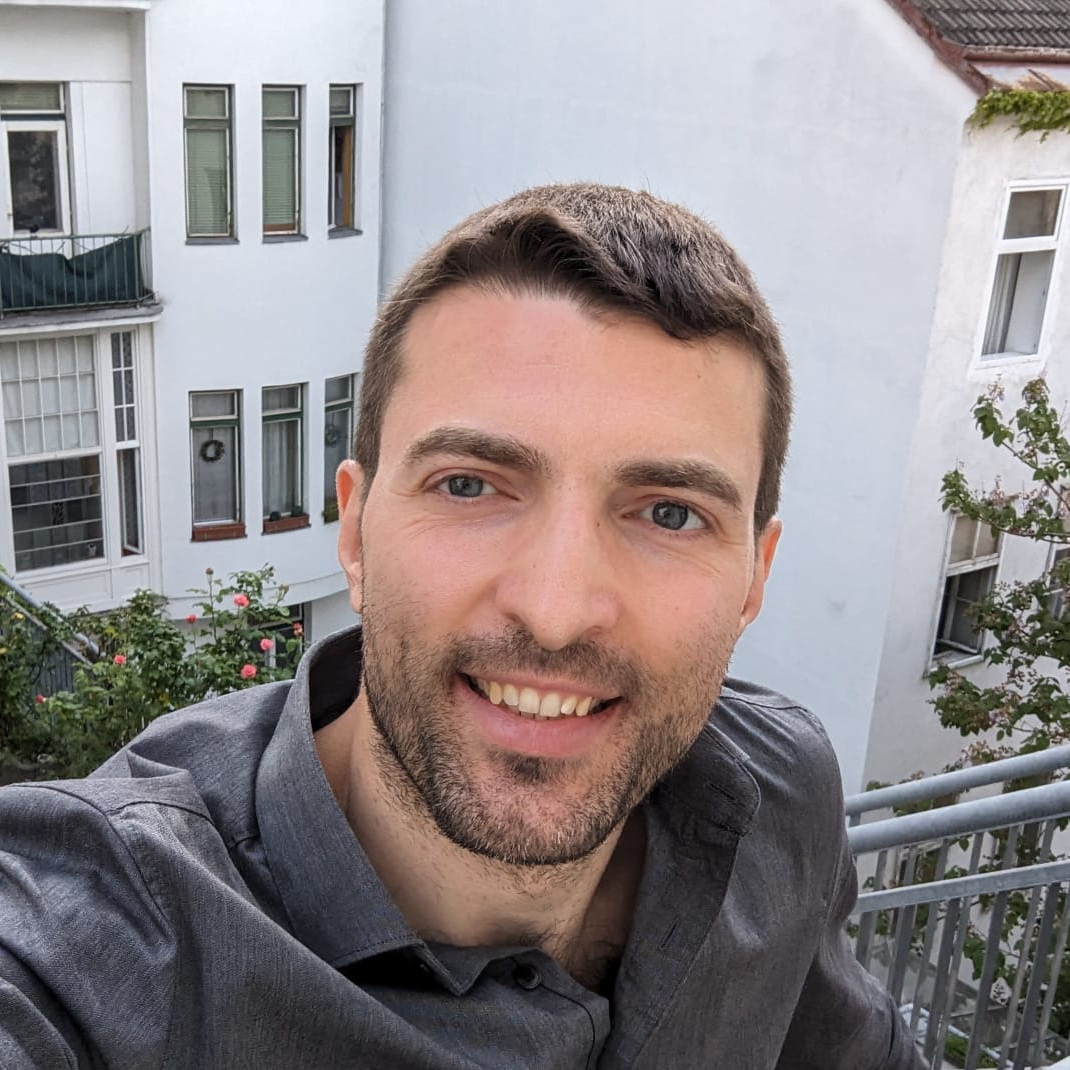
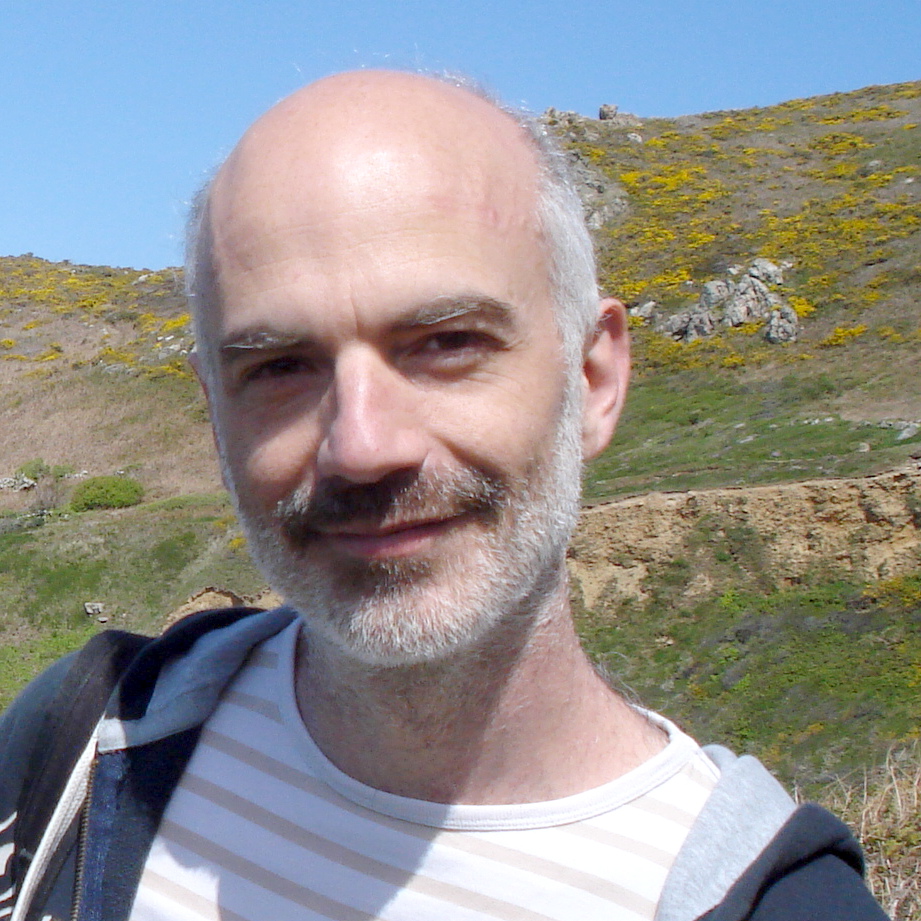
Florian Lehner is a Senior Lecturer in the Department of Mathematics at the University of Auckland. His research focuses on graph theory and combinatorics, particularly exploring the interface of group theory and graph theory, with interests in probabilistic and geometric aspects. He holds a PhD from Graz University of Technology (Sub auspiciis Praesidentis) and has held academic positions internationally, including at the University of Warwick and Graz University of Technology. His work includes studies on asymmetric colorings, pursuit-evasion games (e.g., cop number analysis), and structural properties of infinite graphs. Recent contributions include extending Stallings' splitting theorem to infinite graphs and analyzing self-avoiding walks on graphs. Education: PhD in Mathematics and Scientific Computing (Graz University of Technology, 2014), Master's in Mathematical Computer Science (Graz University of Technology, 2011), and Bachelor's in Technical Mathematics (Graz University of Technology, 2008). Research Interests: Graph symmetries, combinatorial game theory (e.g., Cops-and-Robber), Hamiltonian decompositions, probabilistic graph analysis, and geometric properties of infinite graphs. His work often bridges algebraic structures with discrete mathematics, demonstrated through collaborations on tree structures, automorphism groups, and graph colorings. Publications Trends: Recent articles emphasize pursuit-evasion dynamics, asymmetric colorings in infinite graphs, and structural graph properties. He frequently collaborates with researchers like B. Miraftab and J. Erde, focusing on foundational graph theory problems with applications in combinatorial optimization and geometric group theory. Advising & Grants: While specific grants aren't detailed, his academic trajectory reflects sustained research output in prestigious journals. Advising history isn't explicitly listed, though his PhD thesis supervision and postdoctoral mentorship roles suggest active involvement in training early-career researchers.