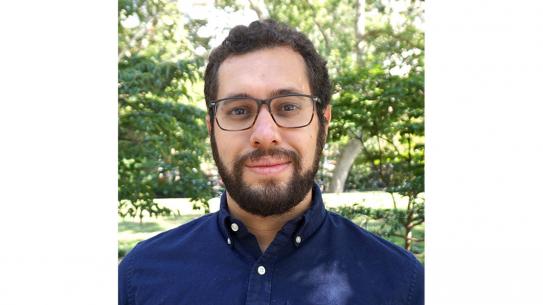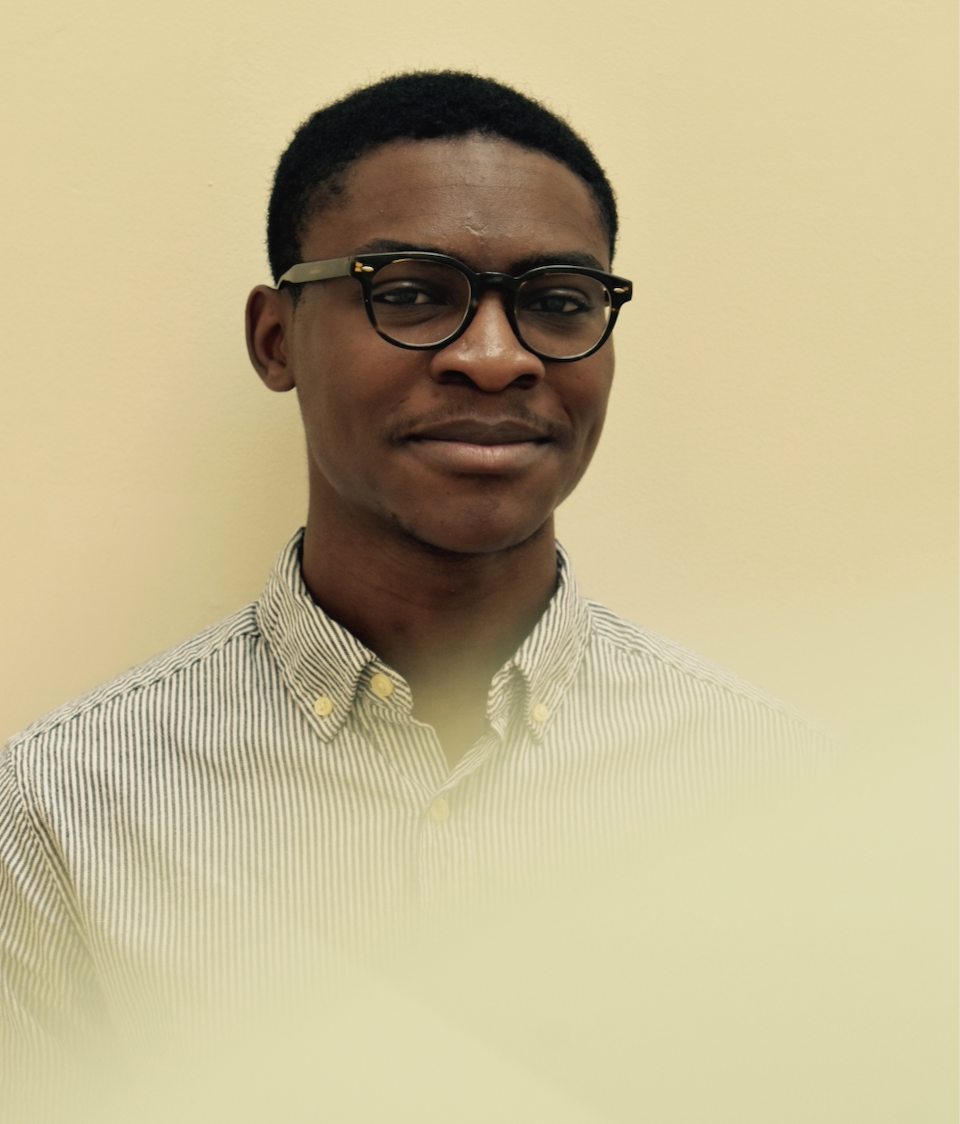
Daniel AlabiView profile
Assistant Professor
Daniel Alabi is an Assistant Professor in the Department of Electrical and Computer Engineering at the University of Illinois at Urbana-Champaign. His research focuses on addressing privacy and security concerns while studying the tradeoffs in computational and statistical resources. Previously, he was a postdoctoral researcher at Columbia University and a junior fellow in the Simons Society of Fellows. Dr. Alabi received his Ph.D. in Computer Science from Harvard University. His educational journey has positioned him at the forefront of research at the intersection of theoretical computer science and practical security applications. His primary research interests include privacy & cryptography, information theory, data mining & databases, and machine learning. Dr. Alabi investigates how to identify and address privacy and security concerns in computational systems, examining tradeoffs in computational resources (such as communication, randomness, time, memory, and parallelism) and statistical resources (including samples drawn from unknown distributions). His work bridges theoretical foundations with practical implementations in secure data systems. Analysis of Dr. Alabi's recent publications reveals a strong focus on privacy-preserving technologies, with particular emphasis on differential privacy techniques applied to databases, machine learning models, and data markets. His research spans theoretical foundations of privacy, practical implementations of secure systems, and educational initiatives to broaden participation in computer science, particularly through his NaijaCoder organization. Dr. Alabi is the president and co-founder of NaijaCoder, Inc., which focuses on early algorithms education in the Global South. His GitHub profile shows active contributions to open-source projects, including the FlyLatex collaborative editing platform which has garnered significant attention in the academic community. His laboratory work centers around developing secure data systems, with connections to the Coordinated Science Lab at UIUC where he maintains his office in room 118. His research group explores the theoretical and practical aspects of privacy-preserving computation across multiple domains.