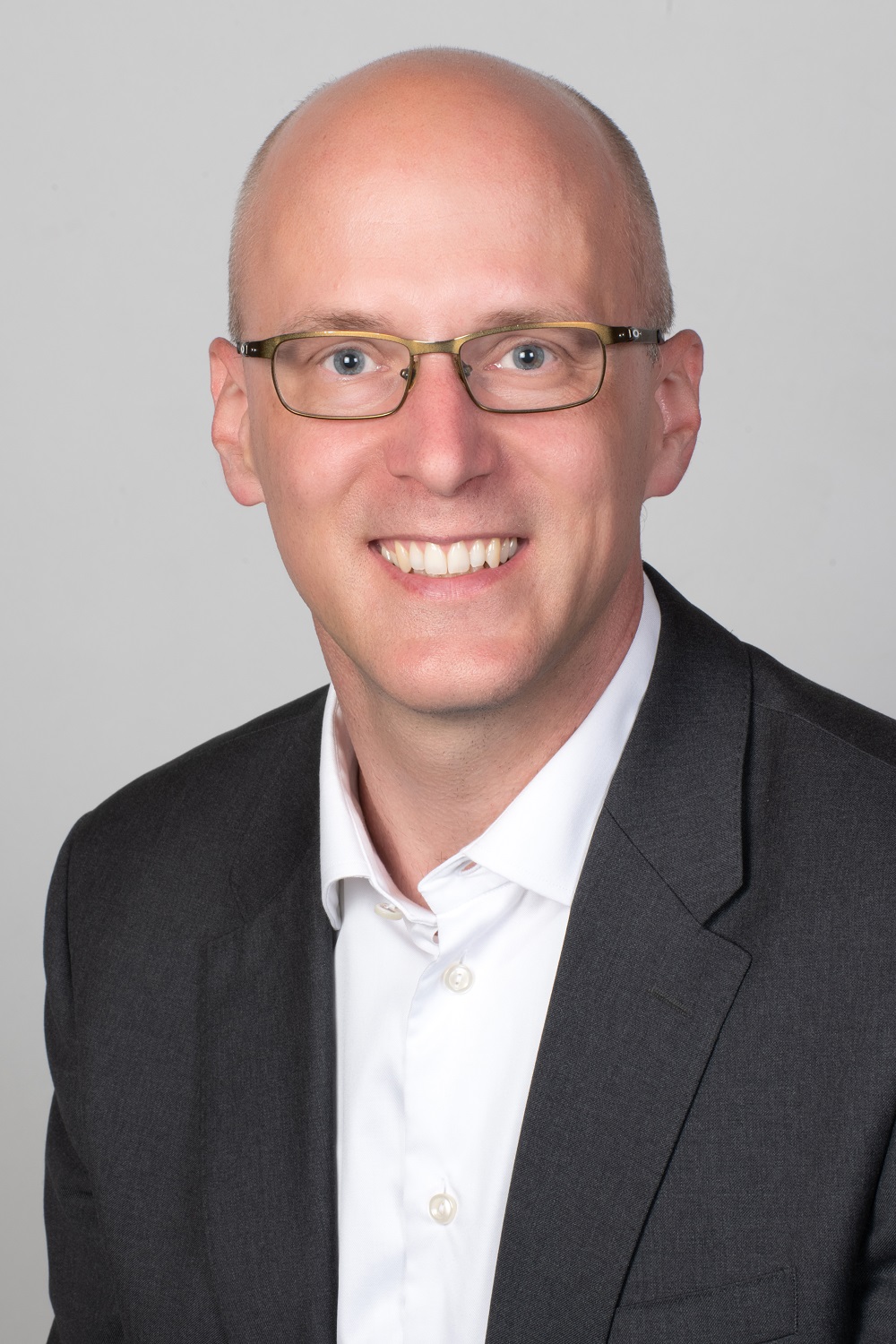
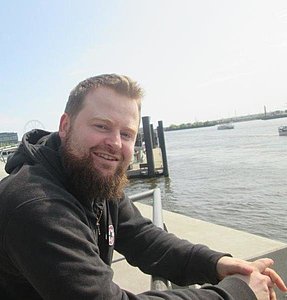
Olivier Festor is a Researcher at INRIA (French National Institute for Research in Digital Science and Technology), specializing in network security, cloud computing, and IoT. His work focuses on developing scalable solutions for modern network challenges, including in-network computation, cloud service security, and anomaly detection. Research Interests: Dr. Festor investigates vulnerabilities in distributed systems, designs protocols for efficient data processing (e.g., stateful in-network computation), and pioneers frameworks for IoT threat emulation. His recent work emphasizes cloud gaming optimization, automated security for service migrations, and darknet-based threat intelligence. Publication Trends: Over 200 publications (1993–2024) reflect a shift toward cloud/IoT security and programmable networks. Recent articles prioritize machine learning for traffic classification, TOSCA-based cloud orchestration, and P4-enabled data planes, highlighting applied research with industry relevance.
Prof. Dr. Matthias Tichy is a Full Professor and head of the Institute of Software Engineering and Programming Languages at Ulm University, Germany, since 2015. His research focuses on domain-specific languages (DSLs), model-driven engineering (MDE), self-adaptive software , and cyber-physical systems , with an emphasis on safety-critical applications and graph transformation formalisms. He employs empirical research methods to evaluate technical contributions and human factors in software engineering. University: Ulm University Role: Professor & Institute Head Research Interests span domain-specific languages for mechatronic systems, collaborative modeling , performance prediction in model transformations, and software evolution in industrial contexts. His work often bridges graph transformations and safety assurance for self-adaptive systems. Recent Publications highlight trends in model versioning (e.g., operation-based caching), DSL design (e.g., flowR for R code analysis), and automotive software testing (e.g., clustering test case specifications). He frequently collaborates with international institutions on topics like cyber-physical systems and IoT resilience . Key Collaborations include projects with Chalmers University, University of Gothenburg, and industrial partners like dSPACE GmbH. His grants and industry partnerships focus on automotive software , robotics , and self-healing systems .
Prof. Dr. Matthias Keller is a leading researcher in discrete spectral theory and graph analysis, affiliated with the Institute of Mathematics at the University of Potsdam since 2015. His work bridges geometric properties of graphs with spectral theory, focusing on Dirichlet forms, Schrödinger operators, and functional inequalities. Key Collaborations : Daniel Lenz, Radoslaw Wojciechowski, Yehuda Pinchover Books Authored : Graphs and Discrete Dirichlet Spaces (Springer, 2021) His research explores non-positively curved graphs, stochastic completeness, and magnetic sparseness. Recent projects include optimal Hardy inequalities and spectral analysis of fractional Laplacians. Scientific Awards : Swiss Fellowship (2023) Golda Meir Fellowship (2012-2013) Klaus Murmann PhD Fellowship (2007-2010) He advises PhD and Master’s students such as Yannik Thomas , Matti Richter , and Philipp Bartmann , while maintaining active roles in DFG-funded projects and international workshops.
Nadeen Fathallah is a researcher at the University of Stuttgart, affiliated with the Analytic Computing group at KI. Her work spans AI applications for accessibility, computer vision, and knowledge engineering. Research Focus: Web accessibility, ontology learning, and LLM-based solutions for Deaf/Hard of Hearing communities Projects: Key contributor to the IKILeUS project (Integrated AI in Teaching) at the University of Stuttgart Teaching: Has served as teaching assistant and assistant lecturer at German International University, German University in Cairo, and The Knowledge Hub Her research explores: Automated detection/correction of web accessibility violations (e.g., AccessGuru platform) Improving video captions using large language models Accessibility tools for tabular data (EchoTables) Ontology learning pipelines (NeOn-GPT, LLMs4Life) Recent work shows a focus on combining LLMs with domain-specific challenges across multiple fields, particularly emphasizing inclusive design principles. Contact details: Office at Universitätsstraße 32, Stuttgart, Germany (Room: 2.312b). Available via +49 711 685 88130.
Prof. Dr. Karsten Borgwardt is Director of the Research Department of Machine Learning and Systems Biology at the Max Planck Institute of Biochemistry in Martinsried, Germany. A leading figure in the intersection of machine learning, bioinformatics, and systems biology, he heads a multidisciplinary team that develops novel computational methods to extract knowledge from large biomedical data sets. Research Mission: The Borgwardt lab converges big data analytics and biomedical research . Two overarching goals drive their work: (1) Automatically generating new biological and medical knowledge from massive data via state-of-the-art machine-learning algorithms. (2) Understanding the molecular underpinnings of biological system function, with emphasis on personalized medicine and biomarker discovery. Their methodological toolbox spans graph neural networks, kernel methods, conformal prediction, deep learning on sequences and structures, and topological data analysis . Application domains include antimicrobial resistance prediction, protease engineering, acute-kidney-injury forecasting, coronary-artery-disease diagnostics, single-cell spatial proteomics, and Long-COVID immune profiling. Recent Publication Landscape (2023-2025): The group’s latest articles demonstrate a clear trend toward translationally relevant machine learning . High-impact venues such as Nature Communications , Science , ICLR , and RECOMB feature their work on: Data-driven protein engineering using DNA-recorded deep mutational scanning. Guaranteed antimicrobial resistance detection from MALDI-TOF spectra via conformal prediction. Graph-based biomarker discovery with theoretical guarantees. Deep phenotyping of human iPSC-derived neuronal networks to study disease mutations. Multi-modal learning that fuses genomics, proteomics, and clinical data for patient stratification. These contributions collectively advance both the theoretical foundations and real-world deployment of machine learning in medicine. Scientific Awards & Honors: While no explicit award list is provided, the breadth and impact of publications, invited book chapters, and keynote-level conference presentations (ICLR, RECOMB, ISMB/ECCB) testify to sustained international recognition. Laboratory & Collaboration Ecosystem: The Borgwardt lab operates at the Max Planck Institute of Biochemistry —a world-leading biomedical research campus. Collaborations span multiple Max Planck centers, university hospitals across Europe, and international consortia such as the EyeConic study on optogenetics therapy. The lab’s open-source footprint includes the Multi-SConES R package for multi-task network-regularized feature selection, fostering reproducible science across the community.
Samira Si-Said Cherfi is a Professor at the Centre d'études et de recherche en informatique et communications (CEDRIC) within the Conservatoire National des Arts et Métiers (CNAM) in Paris. With a research career spanning over 25 years, she has established herself as a leading expert in data quality, conceptual modeling, and ontology engineering. Her work bridges theoretical computer science with practical applications in healthcare systems, business process management, and knowledge representation. Her research interests focus on data quality assessment , conceptual modeling methodologies , ontology engineering for complex systems , and cyber-physical security in healthcare infrastructures . She has pioneered approaches for evaluating RDF data completeness, developing quality metrics for conceptual schemas, and creating ontologies for healthcare security. Her work demonstrates how formal modeling techniques can solve real-world problems in information systems. Analysis of her recent publications reveals a strong trend toward cyber-physical security and healthcare information systems , where she applies semantic technologies to address cascading effects in critical infrastructures. Her work consistently connects theoretical foundations in conceptual modeling with practical applications in knowledge graphs and data integration. She has made significant contributions to understanding how OWL semantics can be effectively utilized in RDF-based knowledge graphs. As an active member of the academic community, she has served as guest editor for special journal issues and contributed to major international conferences including RCIS, CAiSE, and EDOC. Her leadership in the field is evident through her editorial roles and collaborative research projects. Professor Si-Said Cherfi leads research within the CEDRIC laboratory, specifically contributing to the 'Complex data, machine learning and representations' and 'Data mining and statistics' research teams. Her work often involves interdisciplinary collaboration with healthcare professionals, security experts, and industry partners to address complex challenges in information systems security and data quality.
Zafeirakis Zafeirakopoulos is a researcher at the National and Kapodistrian University of Athens (Greece) in the ELIDEK project led by Prof. Maria Chlouveraki. His academic career includes roles as an assistant professor at Gebze Technical University (2016-2022) and postdoctoral research at University of Athens (Greece), Galatasaray University (Turkey), and University of Geneva (Switzerland) under the Eccellenza project of Prof. Jehanne Dousse. PhD in RISC - Research Institute for Symbolic Computation (supervised by Prof. Peter Paule and Prof. Matthias Beck) Current affiliations: Mathematics department of National and Kapodistrian University of Athens Service roles: Information Director of ACM SIGSAM, Associate Editor of ACM CCA His research focuses on symbolic computation, discrete mathematics, and computational geometry. He has developed algorithms for parametric curve topology (PTOPO) and linear Diophantine systems (Polyhedral Omega), emphasizing efficiency and geometric interpretations. Recent work involves Julia/Maple implementations for practical applications. Publication trends highlight interdisciplinary work in symbolic algorithms, polyhedral geometry, and combinatorial optimization. He actively contributes to international conferences like ACA 2025 (co-organizer) and SCALE 2022.
Vincent Lafforgue is a CNRS Researcher at the Institute Fourier , Université Grenoble Alpes, specializing in Algebraic Geometry and the Langlands Program . His work bridges mathematical physics , K-theory , and non-Archimedean geometry . Notably, he proved the Baum-Connes conjecture for certain discrete groups and established global Langlands correspondence for function fields. Education : Lycée Louis-le-Grand, École normale supérieure, University of Paris Advisor : Jean-Benoît Bost His research spans geometric representation theory , operator algebras , and geometric group theory . Recent publications focus on Shtukas for reductive groups and their role in global Langlands parameterization. Earlier works include proofs of property (T) variants and counterexamples to the Baum-Connes conjecture. Scientific awards include: EMS Prize (2000) CNRS Silver Medal (2015) Breakthrough Prize in Mathematics (2019) Lafforgue served as Plenary Speaker at ICM 2018 and co-organized the 2010 meeting Groups and Large-Scale Geometry . His technical contributions extend to p-adic valuations and automorphic form eigenvalues .
Prof. Dr.-Ing. habil. Dr. hc Sahin Albayrak is a distinguished academic and entrepreneur at the Technical University of Berlin , where he founded and directs the Distributed Artificial Intelligence Laboratory (DAI Laboratory) . He leads the Agent Technologies in Business Applications and Telecommunications research group and serves as founding member of Deutsche Telekom Laboratories (2004) and European Center for ICT (EICT) (2005). As initiator of Connected Living e.V. (2009) and managing director of German-Turkish Advanced Research Center for ICT (2012), he bridges international collaborations. He also founded IOLITE GmbH (2014) and other startups. Research Focus: Agent technology, autonomous driving, smart cities, cyber security, machine learning, and AI applications in energy systems Awards: Federal Cross of Merit (2014), multiple Best Paper Awards Leadership: Director of DAI Laboratory, head of research group at TU Berlin His 20+ recent publications (2022-2025) demonstrate expertise in agent-based architectures , smart mobility solutions , context-aware computing , and AI-driven security systems . Notable trends include integrating large language models into database interfaces, optimizing multi-agent coordination for logistics, and advancing explainable AI through feature attribution frameworks. Scientific Contributions: Recipient of Germany's Bundesverdienstkreuz for German-Turkish cooperation Best Paper Award at Smart Grid Architectures conference
Prof. Niv Buchbinder is a faculty member in the Department of Statistics and Operations Research at the School of Mathematical Sciences, Tel Aviv University. His research centers on algorithmic solutions for combinatorial optimization in offline and online contexts, with significant contributions to primal-dual methodologies and algorithmic game theory. His academic background includes a Ph.D. in Computer Science from the Technion (2008) under Prof. Seffi Naor and an M.Sc. in Computer Science from the Technion (2003) under Prof. Erez Petrank. Key research areas encompass Combinatorial Optimization, Online Algorithms, Algorithmic Game Theory, Primal-Dual Methods, and Submodular Optimization, focusing on competitive analysis for problems like set cover, ad-auctions, and caching. Recent publications (2012-2015) reveal a concentrated effort in submodular optimization and online decision-making, with applications in advertising, resource allocation, and machine learning. These works consistently employ primal-dual frameworks to achieve strong competitive ratios in adversarial settings. Scientific recognition includes: Best Paper Award at ESA 2007 for “Online Primal-Dual Algorithms for Maximizing Ad-Auctions Revenue” Best Paper Award at FOCS 2011 for “A Polylogarithmic Competitive Algorithm for the k-Server Problem” No information is available regarding student advising or research grants. Similarly, details about laboratory facilities, research teams, or future projects are not provided in the source materials.
Dr. Debayan Banerjee is a Researcher at the Institute for Business Information Systems (IIS) and part of the Professorship for Business Informatics, especially Artificial Intelligence and Explainability at Leuphana University Lüneburg. His work bridges academic research with practical applications in knowledge management, network science, and AI systems. Institute: Institute for Business Information Systems (IIS) Professorship: Business Informatics, Artificial Intelligence and Explainability Location: Universitätsallee 1, C4.308b, Lüneburg (21335) Email: debayan.banerjee@leuphana.de Research interests focus on knowledge graph integration, hybrid intelligence systems, and explainable AI. His projects include USIN5G, ARDIAS, and INSTANT, emphasizing human-AI collaboration and scholarly data accessibility. Recent publications highlight SPARQL translation automation, hybrid question answering frameworks, and environmental impact analysis of language models. Collaborative work spans DBpedia-Wikidata interoperability, DBLP knowledge graph applications, and graph embeddings for QA systems. Education and advising : Mentored students include Mathias Gross, Fatemeh Ghoochani, and Soham Majumder, focusing on final theses related to AI-driven data extraction and knowledge graph development.
Alexander Wolff is a Professor at the Chair of Algorithms and Complexity within the Institute of Computer Science at the University of Würzburg. His work focuses on graph drawing, computational geometry, and algorithmic complexity, with applications in geographic information systems and network visualization. Chair of Algorithms and Complexity, Institute of Computer Science, University of Würzburg (since 2009) Managing Director, Institute of Computer Science (2011–2013, 2015–2017) Editorial roles in journals like JoCG and JGAA Conference leadership in Graph Drawing (GD) and SOFSEM His research explores geometric graph representations, obstacle numbers, and parameterized complexity. Recent publications address level planarity, polyhedral surface adjacency, and metro map visualization. Collaborative projects include algorithmic quality assurance and interactive industrial network visualization. Wolff’s work bridges theoretical graph algorithms with practical applications, such as optimizing public transport schematics and enhancing data accessibility. He has supervised numerous PhD students and co-authored over 100 publications, with editorial and organizational roles in major computational geometry and graph drawing conferences.
Prof. Dr. Didier Stricker is a leading academic in computer science, serving as Scientific Director at the German Research Center for Artificial Intelligence (DFKI) and Professor at the University of Kaiserslautern-Landau (RPTU). His career spans over two decades, including leadership roles at Fraunhofer IGD and founding the Augmented Vision research unit at DFKI/RPTU, which now includes ~30 researchers. Education: Electrical Engineering (Technical University of Grenoble, Karlsruhe) PhD: Computer Vision-based Calibration and Tracking Methods for Augmented Reality (2002, TU Darmstadt) His research focuses on virtual and augmented reality , computer vision , human-computer interaction , and on-body sensor networks . He leads major EU/national projects like LUMINOUS (Language-Augmented XR) and SHARESPACE (Ethical Hybrid Shared Spaces), with industrial partnerships including Sony, Google, and John Deere. Recent publications emphasize 3D reconstruction , neural network optimization , and XR systems . Key trends include event camera processing , scene flow estimation , and multimodal AI for industrial applications . He holds patents in AR tracking and has received the 2006 Innovation Prize from the German Society of Computer Science. Scientific Awards : Innovation Prize (2006) Best Paper/Demonstration Awards at ISMAR, EUSIPCO, CVPR, and ICRA As a reviewer for journals and conferences in VR/AR and computer vision, he contributes to shaping research standards. His lab ( AG Augmented Vision ) combines academic and industrial collaborations to advance cognitive interfaces and extended reality systems.
Matthias Keicher is a Postdoc and Research Manager at the Chair for Computer Aided Medical Procedures at the Technical University of Munich , affiliated with the IFL Lab at Klinikum Rechts der Isar. His work focuses on deploying AI for clinical applications, particularly vision-language models and large language models for structured report generation and decision support systems. Education: Dipl.-Ing. in Mechanical Engineering and Management from TUM (2006-2013) Industry Experience: Former CTO and Managing Director at SurgicEye GmbH (2016-2018) Research Interests: Medical Vision-Language Models (VQA, structured reporting) Multimodal Deep Learning for diagnostics Interpretable AI with generative models Decision support systems integrating patient data Article Trends: Over 2024-2014, his publications span surgical phase recognition (TeCNO), vertebral fracture grading (iMIMIC best paper), chest X-ray classification (FlexR), radiology report generation (RaDialog), and toxin prediction (ToxNet). Keywords include Medical Imaging, Graph Networks, Language Models , with subfields like 3D Computer Vision, Federated Learning, Clinical Reasoning . Scientific Awards: MICCAI iMIMIC 2023 Best Paper Teaching: He organizes two lectures ( Computer Science for Medical Students , Innovation Generation in Healthcare ) and tutors courses such as Deep Learning for Medical Applications and Machine Learning in Medical Imaging . Labs & Teams: Works at the IFL Lab (Intelligent Future Lab) in Munich, leading a research team funded by the DIVA project focused on vision-language models in clinical settings.
Prof. Dr. Andreas Harth holds the Chair of Business Information Systems, especially Technical Information Systems, at Friedrich-Alexander University Erlangen-Nuremberg (FAU), where he has been a faculty member since 2018. He also serves as a department head at the Fraunhofer IIS-SCS in Nuremberg. His academic work spans both theoretical research and practical applications in decentralized information systems, with strong connections to industry through numerous collaborative projects. Harth completed an apprenticeship as a banker before studying computer science. He earned his doctorate from the Digital Enterprise Research Institute at the National University of Ireland, Galway, and completed his habilitation at the Karlsruhe Institute of Technology. His academic journey included teaching and research stays at the universities of Heidelberg, Innsbruck, Stanford, and Southern California, providing him with a global perspective on information systems research. His research focuses on developing methods and technologies for decentralized information systems found in the World Wide Web and blockchain environments, with applications in companies. He investigates data integration using Semantic Web and Linked Data technologies, process modeling languages, and their applications in the Internet of Things, Web of Things, and Industry 4.0 contexts. His work bridges theoretical computer science with practical business applications, particularly in data sovereignty and decentralized architectures. Analysis of his recent publications reveals a strong trend toward Solid protocol applications, knowledge graph technologies, and the integration of large language models with semantic web technologies. His research increasingly focuses on practical implementations in enterprise settings, healthcare data management, and manufacturing systems, demonstrating the real-world applicability of his theoretical work. As a member of FAU's research focus on Digitalization and Innovation, Harth collaborates with strategic partners including the Fraunhofer Institute for Information Systems (IIS) and major German industrial companies. His work contributes significantly to FAU's position as one of Germany's most research-intensive universities, particularly in the fields of business informatics and decentralized systems.