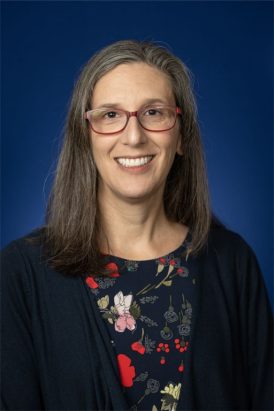
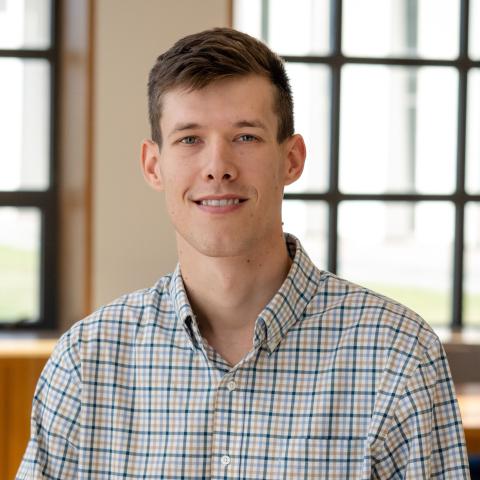
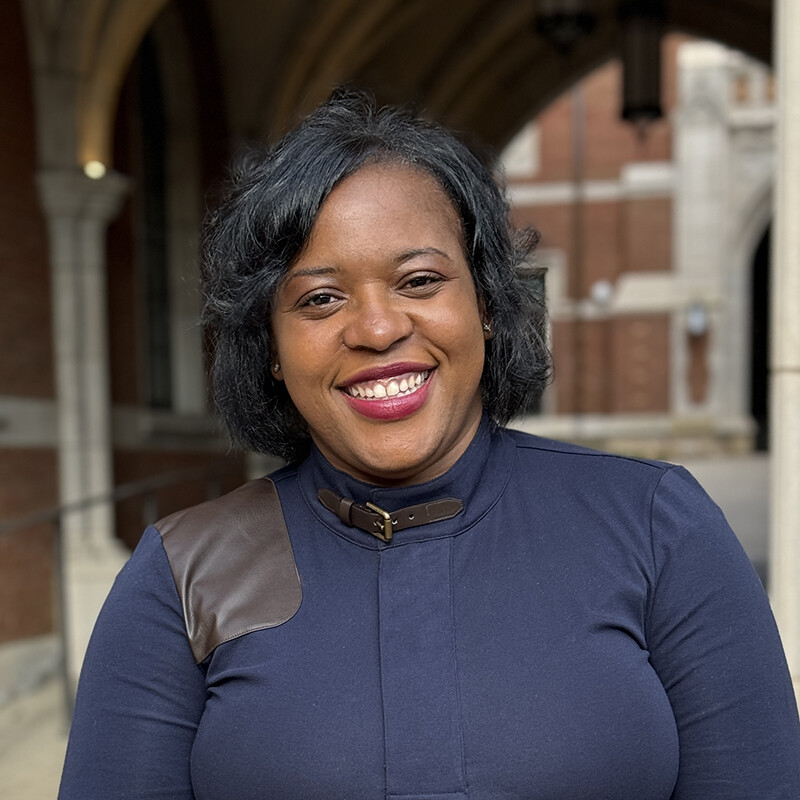
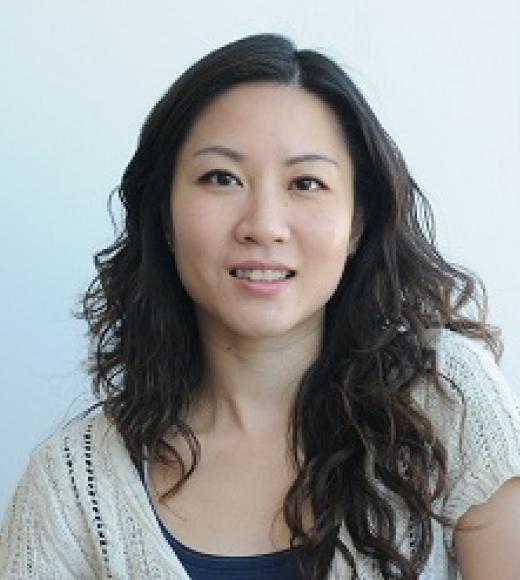
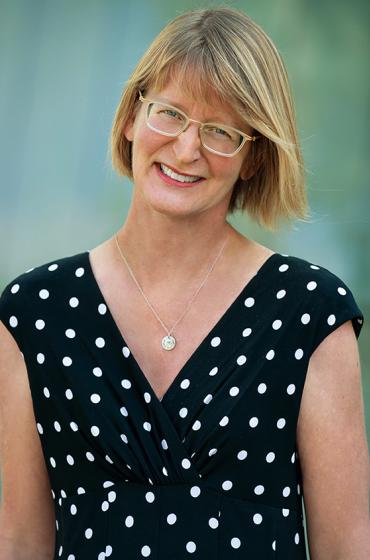
Professor Sonya Dal Cin is a Professor of Communication and Media and Professor of Psychology (by courtesy) at the University of Michigan, holding a joint appointment in the Research Center for Group Dynamics at the Institute for Social Research. She serves as Associate Chair for Graduate Studies in the Department of Communication and Media. Her work integrates social-cognitive research with communication science to study how media experiences shape thought, emotion, and behavior, particularly focusing on narrative engagement, identification with characters, and health-related outcomes. Dal Cin’s research spans health communication, stereotyping, adolescent development, and aging, with a focus on media’s role in societal and individual well-being. Education: Earned a B.A. (Hons.) from Queen’s University (Canada) and a Ph.D. in Psychology from the University of Waterloo, supported by a Canada Graduate Scholarship from CIHR. Postdoctoral training at the Norris Cotton Cancer Center (now Dartmouth Cancer Center) preceded her tenure at Michigan. Research Interests: Media’s impact on health behaviors and decision-making Narrative persuasion and story-based belief change Adolescent media consumption and development Entertainment media’s role in reinforcing/stereotypes Older adults’ media engagement patterns Advising & Grants: Currently prioritizing advising commitments beyond primary supervision for Fall 2025 applicants. Active in lab mentorship through the MAPiEL (Media And Psychology in Everyday Life) Lab, focusing on collaborative projects in media psychology. Labs/Teams: Director of the MAPiEL Lab, exploring interdisciplinary questions at the intersection of media, psychology, and societal issues.
Christopher Blair is an Assistant Professor of Politics at Princeton University's Department of Politics. He holds a Ph.D. from the University of Pennsylvania and a B.A. from the University of Virginia. His research focuses on the political economy of conflict and migration, examining counterinsurgency policies' impact on rebel and civilian behavior, host responses to displaced populations, and public opinion's role in shaping foreign policy. Research Interests: Blair's work bridges International Relations and comparative politics, specializing in international security, civil conflict dynamics, migration policies, and political psychology. He explores topics like refugee repatriation, border fortification, climate migration attitudes, and the interplay between historical analogies and foreign policy decisions. Recent Trends in Publications: His recent work emphasizes the geopolitical implications of migration and security, including border control strategies, climate displacement, and the effectiveness of sanctions. He also investigates how collective experiences, such as natural disasters, shape public climate policies. Teaching: Blair teaches courses on international relations, American foreign policy, and seminars on violent non-state actors and graduate research in international relations.
Steven P. French is a Professor of City & Regional Planning at Georgia Institute of Technology, affiliated with the College of Design. He has held leadership roles including Dean of the College of Design (2013–2021), Associate Dean for Research (2009–2013), and Director of the Center for Geographic Information Systems (1997–2011). His expertise spans natural hazards, sustainable development, land use planning, and GIS applications. French earned his Ph.D. in City & Regional Planning from the University of North Carolina at Chapel Hill and previously taught at California Polytechnic State University and Stanford University as a Visiting Professor. His research focuses on disaster resilience, urban sustainability, and infrastructure systems integration. He has advised over 50 Master’s students and graduated six Ph.D. students, with notable contributions to planning education and disaster risk assessment. French has led over 70 research projects, including NSF-funded studies on earthquake and flood hazards, and served as Social Science Thrust Leader for the Mid-America Earthquake Center. He is a Fellow of the American Institute of Certified Planners (FAICP). French’s work bridges interdisciplinary collaboration between planners, engineers, and scientists. His recent projects emphasize leveraging big data and GIS for urban decision-making, sustainable infrastructure design, and analyzing urban health impacts. He has authored/co-authored over 25 journal articles and four books, contributing to journals like the Journal of the American Planning Association.
Jeremi London is an Associate Professor of Mechanical Engineering and Assistant Provost of Academic Opportunity and Belonging at Vanderbilt University’s School of Engineering. She leads programs like the Posse Scholars Program and First-Generation initiatives, focusing on broadening undergraduate access to academic opportunities. Her expertise spans engineering education research, with a focus on diversity, equity, and inclusion (DEI). She has secured over $5.8M in grants and authored over 100 publications. London previously chaired the American Society for Engineering’s Diversity Commission and has held roles at the NSF, GE-Healthcare, and Anheuser-Busch. Education : Ph.D. Engineering Education, Purdue University (2014) M.S. Industrial Engineering, Purdue University (2013) B.S. Industrial Engineering, Purdue University (2008) Research Interests : London investigates the impact of STEM education through mixed methods, emphasizing DEI in engineering and authentic learning experiences. Her work addresses systemic barriers to participation, leveraging technologies like augmented reality (AR) to enhance educational outcomes. Recent focus areas include Black students’ experiences, faculty development programs, and institutional equity initiatives. Grants & Awards : NSF CAREER Grant Best Paper Awards Leadership in ASEE’s Year of Impact on Racial Equity Advising & Grants : London directs over $5.8M in grants, including the NSF-funded CAREER project. She advises on national DEI initiatives and graduate student support programs, emphasizing multicultural environments and faculty development. Labs & Teams : Her work integrates with Vanderbilt’s Office of Undergraduate Education and the Center for Equity in Engineering, fostering collaborations across academia and industry.
Joanna Chiu is a Professor and Chair in the Department of Entomology at the University of California, Davis, affiliated with the College of Agricultural and Environmental Sciences and the UC Davis Genome Center. She holds a B.A. in Biology and Music from Mount Holyoke College and a Ph.D. in Molecular Genetics from New York University. Her research focuses on molecular mechanisms underlying animal behavior, circadian rhythms, seasonal biology, and insect genomics, with applications in pest management and agricultural science. Key research interests include understanding how circadian clocks integrate environmental cues like temperature and light to regulate physiology and behavior, particularly in insects. Her work involves molecular genetics, transcriptomics, and genomic tools to study pest species such as Drosophila suzukii and Tuta absoluta, addressing challenges like pesticide resistance and invasive species control. She has developed diagnostic tools (e.g., RPA-Cas12a assays) and software (e.g., CRUMB app) for analyzing insect behavior and genetics. Recent publications highlight studies on circadian temperature compensation, seasonal adaptation in insects, and the molecular basis of pest resistance. Her lab’s collaborations span entomology, genomics, and computational biology, with implications for sustainable agriculture and chronobiology. Grants and funding support her work on pest genomics, circadian mechanisms, and translational applications in pest control. Joanna Chiu mentors students and researchers in entomology, biochemistry, and genetics through UC Davis graduate groups (ENT, BMCDB, IGG, ABGG). Her lab actively contributes to genome assembly projects for agricultural pests and explores novel strategies for integrated pest management using molecular and genetic approaches.
Drew Cingel is an Associate Professor and Graduate Advisor in the Department of Communication at the University of California, Davis. His research focuses on the interplay between human development—particularly child and adolescent development—and media effects, with an emphasis on understanding how developmental stages influence media choices and how media exposure impacts development. He regularly consults with media companies and policymakers to design media that supports healthy child and adolescent development. Education: Ph.D., Media, Technology, and Society, Northwestern University, 2016 M.A., Communication, Wake Forest University, 2012 B.A. (two degrees), Media Effects and Psychology, Pennsylvania State University, 2010 Research Interests: Effects of social media on adolescent mental health Children’s learning from media (e.g., television, tablets) Moral reasoning development through media exposure Parental mediation strategies for media use His work bridges experimental and survey methodologies, often addressing societal concerns about digital media’s role in youth development. Publications & Trends: Recent articles explore personalized social media algorithms’ impact on minors, cross-cultural comparisons of media use during the pandemic, and the validation of moral intuition measurement tools. His research consistently highlights the dual-edged nature of media: while media can foster learning and moral development, it also poses risks like mental health challenges and social comparison effects. Teaching & Advising: Teaches CMN 147 (Children, Adolescents, and the Media) and CMN 141 (Media Effects). As Graduate Advisor, he mentors students in communication studies and supports academic programs. Labs & Teams: Affiliated with UC Davis’ Media Labs, which investigates digital media’s societal impacts. Collaborates with the Human Development Graduate Group to integrate interdisciplinary perspectives.
Professor Mathew White serves as Deputy Dean (International) in the Faculty of Arts, Business, Law, and Economics (ABLE) at the University of Adelaide, where he holds the title of Professor of Education. He earned his PhD in Education from the University of Adelaide in 2004 while teaching full-time in secondary schools. His academic career began with part-time lecturing at the Melbourne Graduate School of Education (2006–2018), transitioning to academia as an Associate Professor in 2018 and promoted to Professor in 2025. His leadership spans strategic internationalization efforts across ABLE’s seven schools, overseeing over 80 global partnerships. He also serves as an Honorary Principal Fellow at the University of Melbourne and has held visiting roles at the University of Oxford. Research interests include integrating wellbeing science into education leadership, policy, and pedagogy, focusing on theoretical frameworks like PERMA, character strengths, and the 'wellbeing learning poverty cycle.' He has authored eight books and 69 peer-reviewed publications, recognized with awards such as the Hedley Beare Award (2024) and the Stephen Cole the Elder Award (teaching excellence). Education: PhD in Education (University of Adelaide, 2004) Professional Roles: Deputy Dean (International), ABLE; International Ambassador, University of Adelaide Grants: Secured funding from institutions like The Moreton Bay Colleges and Catholic Education West Australia (e.g., $35,000 in 2021–2022). Teaching focuses on wellbeing in education, leadership, and pedagogy, with courses like Introduction to Wellbeing in Education (Masters level). He supervises PhD/Masters students in wellbeing education, leadership, and curriculum development. Fellowships include Senior Fellow of the UK Higher Education Academy and Fellow of the Royal Society for the Encouragement of Arts. Labs/Teams: Leads ABLE’s international strategy team and collaborates with global institutions through the Division of External Engagement. Research projects emphasize interdisciplinary wellbeing models and post-pandemic educational recovery.
Chiara Bodei is an Associate Professor at the Department of Computer Science, University of Pisa. She specializes in cybersecurity, formal methods, and programming languages. Her teaching responsibilities include courses such as 'Programming Fundamentals with Laboratory' and 'Security Methods and Verification' at both undergraduate and graduate levels. She has contributed to research in automotive cybersecurity, IoT security, and formal analysis of software systems. Her work emphasizes secure communication protocols, privacy policies in automotive data, and context-aware security mechanisms. She collaborates with industry and academia on projects related to software-defined vehicles and IoT security. Her research has been published in top-tier conferences and journals, focusing on practical and theoretical advancements in computer security and formal methods. Research Interests: Cybersecurity, Formal Methods, Automotive Systems Security, IoT Security, Programming Languages, Context-Aware Systems. She has co-authored numerous papers on topics such as vehicular communication security, secure automotive protocols, and privacy in IoT systems. Teaching: Bodei has taught courses like 'Fondamenti di Programmazione' (undergraduate), 'Security Methods and Verification' (graduate), and 'Language-Based Technology for Security' (master’s level) across multiple academic years. She emphasizes practical programming skills and theoretical foundations in her courses. Labs/Teams: Her work is supported by the Department of Computer Science labs at the University of Pisa, focusing on applied research in cybersecurity and formal systems.
Dr. Johanna Higgins is an Assistant Professor in the School of Education at the University of Pittsburgh. She specializes in Applied Behavior Analysis and Autism, with a focus on caregiver support for families of children at risk for or diagnosed with autism. Education: B.S., Communication Sciences and Disorders, The College of Wooster M.Ed. and Ph.D., Early Intervention Program (Autism specialization), University of Pittsburgh Her research centers on naturalistic developmental behavioral interventions and caregiver training via technology-based platforms. She has contributed to publications in Journal of Early Intervention , Topics in Early Childhood Special Education , and Young Exceptional Children , with recent work exploring: Home visitation quality improvement Mobile technology for behavioral data collection Online caregiver training modules Collaborative teaming in early intervention Dr. Higgins has received recognition including the Student of the Year Award (2012) and a LEND Fellowship (2009–2011). Her grant work includes: Co-PI, IT-EIVIS Grant (2021–2026, $993,543) PI, Nebraska EDN Professional Upgrade Partnership (2019–2020, $41,441) She teaches courses in special education practices and applied behavior analysis at the graduate level.
Shamari Reid (he/him/his) is an Assistant Professor in the Department of Teaching and Learning at New York University’s Steinhardt School of Culture, Education, and Human Development. His work focuses on reimagining schools as equitable spaces for Black LGBTQ+ youth, drawing from ballroom culture and radical love as moral imperatives. Dr. Reid holds a doctoral degree in Curriculum and Teaching from Teachers College, Columbia University, an M.A. in Teaching Spanish as a Foreign Language and TESOL from NYU, and a B.A. in Spanish and Education from Oklahoma City University. His interdisciplinary education underscores his commitment to culturally sustaining practices and intersectional equity. His research explores Black trans and queer youth agency, systemic oppression in schools, and the role of imagination in liberatory education. Reid emphasizes the need for school leaders to protect radical creativity and advocates for anti-oppressive policies. He also critiques the lack of queer/gender studies in teacher training programs, urging educators to embrace intersectional frameworks. In 2022, his dissertation analyzing NYC ballroom culture’s impact on Black LGBTQ+ youth agency earned the Dissertation of the Year Award from AERA’s Queer Studies SIG. His recent book Humans who teach (2024) provides actionable strategies for centering love and justice in classrooms. Reid collaborates on initiatives like the English Education program to foster affirming school environments. His work intersects with theorists like José Esteban Muñoz and Toni Morrison, emphasizing the transformative potential of communal imagination.
David J. Connell is a Professor at the University of Northern British Columbia (UNBC), affiliated with the School of Environmental Planning. His work bridges environmental planning, agricultural policy, and community sustainability, with a strong emphasis on farmland protection, local food systems, and the conservation of British Columbia’s inland rainforest ecosystems. He has led national and provincial research initiatives and is recognized for excellence in both research and teaching. University: University of Northern British Columbia School: School of Environmental Planning Academic Rank: Professor Email: david.connell@unbc.ca Education and Professional Background: While specific educational credentials are not detailed in the provided texts, Dr. Connell’s extensive research, publications, and leadership in policy-oriented projects indicate a strong academic foundation in environmental planning, community development, and policy analysis. His professional experience includes work in business development, economic development, and nonprofit management, which he integrates into his teaching and research. Research Interests: Dr. Connell’s research centers on agricultural land use planning, farmland protection, and the socio-economic dynamics of local food systems. He investigates how legislative frameworks at local, regional, provincial, and federal levels influence farmland conservation. He also explores the role of farmers markets in community economic development and the non-timber values of ancient cedar ecosystems in BC’s inland rainforest. His interdisciplinary approach combines social science, policy analysis, and environmental studies to promote sustainable community development. Publication Trends: His recent publications focus on evaluating the strength of legislative frameworks for farmland protection across Canadian jurisdictions, analyzing federal policy roles, and assessing the quality of agricultural planning. He also contributes to understanding ecotourism, forest values, and the business models of farmers markets. His work is published in high-impact journals such as the Journal of Planning Education and Research , Canadian Planning and Policy , and Society and Natural Resources , reflecting a consistent scholarly trajectory in environmental and planning policy. Scientific Awards: UNBC Award of Excellence in Research (2017) UNBC Award of Excellence in Teaching (2014) Advising and Grants: Dr. Connell has supervised numerous graduate students in the Natural Resources and Environmental Studies program, focusing on topics such as farmland protection, food sovereignty, ecotourism, and beginner farming. His research has been supported by major funding bodies including SSHRC (Insight Grant), Agriculture and Agri-Food Canada, and the Investment Agriculture Foundation of British Columbia. He has led projects on farmland policy integration, farmers market impacts, and the conservation of ancient forests, demonstrating strong grant acquisition and project management capabilities. Labs and Research Teams: While no formal lab is mentioned, Dr. Connell leads a research program on Agricultural Land Use Planning and Farmland Protection, including collaborative work with the BC Association of Farmers Markets and government agencies. His work involves interdisciplinary teams and knowledge mobilization through workshops and policy briefs, contributing to practical outcomes in community planning and sustainability.
Kenya F Snowden is an Associate Professor of Clinical at the University of Miami's School of Nursing and Health Studies (SONHS). She currently serves as Director of the Family Nurse Practitioner Program and Interim Director of the Adult Gerontology Acute Care Program. Her work focuses on advancing nursing education through innovative teaching methods, global health initiatives, and addressing health disparities. Dr. Snowden is actively involved in curriculum development and mentorship programs aimed at supporting minority and disadvantaged students in nursing. She leads projects integrating simulation-based learning and telehealth innovations to enhance clinical preparedness and community health outcomes. Her research interests include global health, chronic disease management in underserved populations, lactation support for minority women, and the effective use of simulation in healthcare training. She has collaborated internationally, particularly in Jamaica and Haiti, to strengthen nursing education systems in resource-limited settings. Dr. Snowden is also affiliated with the SONHS' Simulation Hospital Advancing Research and Education (S.H.A.R.E.®), leveraging this facility to advance experiential learning and healthcare innovation. Dr. Snowden’s academic contributions include pioneering programs such as the Scholarship for Disadvantaged Students, which has improved graduation rates and NCLEX pass rates among underrepresented nursing students. She has mentored numerous DNP students in community-based projects focused on systemic healthcare improvements. Despite no explicitly listed awards, her leadership roles and impactful publications reflect recognition for her contributions to nursing education and practice.
Elizabeth A. Davis is a Professor at the Marsal Family School of Education, University of Michigan. Her work focuses on science education, teacher education, and equitable pedagogical practices in elementary education. She co-authored the 2020 book Sensemaking in Elementary Science: Supporting Teacher Learning , which provides frameworks for investigation-based science instruction aligned with Next Generation Science Standards. Key research initiatives include: ASSETS Project : Investigates equity in elementary science teaching NSF Grants : Explores curriculum design and teacher learning Climate Justice Research : Integrates environmental justice with science education Recent publications emphasize: Equity-driven science curriculum development Pre-service teacher training for rigorous science instruction Impact of educative curriculum materials on teacher efficacy System-level support for science education reform Scientific recognition includes: Presidential Early Career Award for Scientists and Engineers (2002) AERA Fellow (2024)
Deborah Stein is a distinguished faculty member in the Department of Theatre and Dance at the University of California, San Diego (UCSD), where she teaches playwriting and theatrical collaboration. She is also Co-Artistic Director of Stein | Holum Projects (SHP), a collaborative laboratory for creating innovative performances. Her work bridges academic scholarship and professional theatre, with national commissions and festival premieres. BA, Swarthmore College MFA, Brown University (studied with Paula Vogel) Her research and creative practice focus on playwriting, experimental performance, and interdisciplinary collaboration . She explores narrative innovation through devised theatre, often working with ensembles and MFA students to create original works that challenge traditional forms. Her work emphasizes emotional depth, physicality, and social themes. The 15 most recent creative projects reflect a strong trend in collaborative, experimental, and socially engaged theatre . They span festival productions, commissioned works, and student collaborations, often developed in residency settings. Keywords include immersive storytelling, devised creation, and political resonance, with subfields ranging from physical theatre to identity exploration. Deborah has received numerous honors and grants supporting her artistic research: Drama Desk Award Nomination (CHIMERA) National Theatre Project Award (2015) NYSCA Grant Bush Artist Fellowship Two Jerome Fellowships McKnight Advancement Grant Alumna, New Dramatists She actively mentors MFA students, having co-created THE BITTER GAME with Keith Wallace and MOVERS + SHAKERS with graduate students. Her advising integrates creative development with academic rigor. She has secured external funding from NEFA, ArtsEmerson, and foundations to support collaborative projects. Her work has been developed in partnership with institutions such as Playwrights’ Horizons, HERE, and La Jolla Playhouse. Deborah leads creative research through Stein | Holum Projects, which functions as a performance laboratory. This collective has developed work at major venues including FringeArts, the Playwrights’ Center, and Perry-Mansfield, fostering a national network of experimental theatre makers.
Dr. Lantana Usman is a Professor in the School of Education at the University of Northern British Columbia (UNBC), where he has been a faculty member since 2002. He is affiliated with the Institute for Social Research and is actively involved in graduate supervision across multiple programs, including MEd in Education, MA and MSc in Interdisciplinary Studies, and MA in Gender Studies. His research interests span a wide and interdisciplinary spectrum within education, with a strong focus on equity, policy, leadership, and international development. Key areas include gender and women's studies in education, poverty and education, rural education, refugee and immigrant education, and social justice. His expertise lies in educational policy studies, leadership, human resource management in schools, and the sociology of education. Dr. Usman employs qualitative and mixed research methods in his work, often addressing issues related to human rights, peace education, multiculturalism, and organizational behavior in educational contexts. While specific publications are listed on his Google Scholar profile, the trends in his research consistently emphasize policy-practice linkages, international comparative studies, and the intersection of education with broader societal challenges. PhD – University of Alberta MEd – Ahmadu Bello University MBA – Ahmadu Bello University NCE – Ahmadu Bello University BEd (Upper-Second Class) – Ahmadu Bello University Dr. Usman has supervised graduate students in multiple disciplines and continues to accept new advisees. Although no specific grants are mentioned in the text, his extensive research profile suggests active engagement in funded scholarly work. He contributes significantly to interdisciplinary research and policy-oriented studies in education. He is a member of the Institute for Social Research at UNBC, which supports collaborative, community-engaged, and policy-relevant research. This affiliation highlights his commitment to research that addresses real-world social challenges through academic inquiry. No scientific awards listed in the provided text.