Claire Bowern is Professor of Linguistics at Yale University specializing in historical linguistics, language documentation, and Australian Indigenous languages. Her research employs computational phylogenetics to study language evolution and supports language revitalization through digital archives and fieldwork methodologies. Recent publications address: Phylogenetic signal in lexical evolution across language families Digital infrastructure for endangered language documentation (FLEx software analysis) Decolonizing linguistics pedagogy and research practices Her work consistently integrates linguistic, anthropological, and computational approaches to analyze language diversity and change. She contributes to global databases including Grambank and D-PLACE, examining links between linguistic, cultural, and environmental patterns.
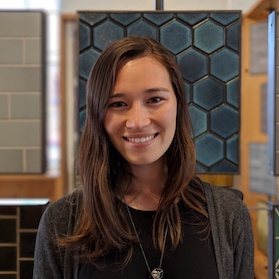
Allison Koenecke is an Assistant Professor of Information Science at Cornell Tech and a field faculty member in Computer Science at Cornell University. Previously, she was a postdoctoral researcher at Microsoft Research New England and completed her PhD at Stanford University’s Institute for Computational & Mathematical Engineering. Her research focuses on algorithmic fairness, computational social science, and causal inference in public health, addressing disparities in automated systems like speech recognition and policy decision-making. Education : PhD, Stanford Institute for Computational & Mathematical Engineering MA/MS, Stanford University BA/BS, Massachusetts Institute of Technology Research Interests : Dr. Koenecke’s work bridges economics and computer science, emphasizing equity in AI systems. Key areas include: Algorithmic bias in speech recognition (e.g., racial disparities in voice assistants) Fairness in policy tools like environmental justice data systems Causal analysis in public health interventions Ethical implications of large language models in education Media & Impact : Her research has been featured in outlets like New York Times , Science , and Scientific American . Notable studies include exposing racial gaps in speech-to-text systems and advocating for inclusive dataset development. She also explores societal impacts of AI in education and governance. Awards : Sloan Research Fellow in Computer Science Forbes 30 Under 30 in Science NSF Awards Cornell CIS Teaching Excellence Award (2024) Teaching & Outreach : She teaches courses like Designing Fair Algorithms and Data Science for Global Development , emphasizing interdisciplinary collaboration. Her PhD Professionalization course addresses hidden curricula in academia. She advises on AI ethics for nonprofits, tech companies, and government agencies.
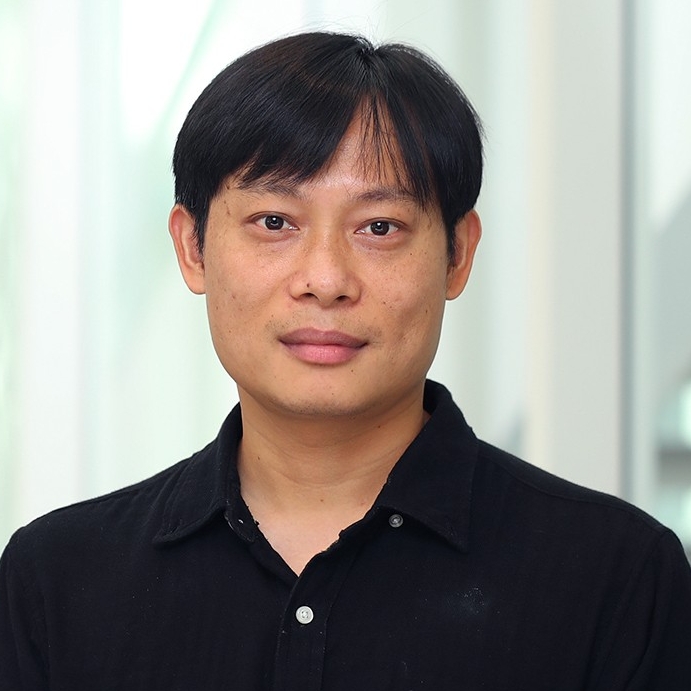
Yi Fang is an Associate Professor of Computer Engineering and an affiliated Associate Professor of Computer Science at New York University Abu Dhabi (NYUAD), and a Global Network Associate Professor at NYU Tandon. He is a core faculty member in the Division of Engineering, specializing in Electrical and Computer Engineering. His research is centered at the intersection of Embodied AI, Robotics, and AI-driven assistive technologies, with strong support from agencies such as the US NSF, UAE ADEK, and ASPIRE. PhD, Purdue University Yi Fang's research interests span 3D Computer Vision, Multimedia Processing, Machine Learning, Deep Learning, and Embodied AI . He focuses on AI-driven perception, learning, and real-world applications, particularly in engineering, medicine, and accessibility. His lab, the Embodied AI and Robotics (AIR) Lab, develops intelligent robotic systems that integrate perception, learning, and decision-making to solve complex societal challenges. His work emphasizes large-scale visual computing, deep visual learning, and cross-domain/multimodal foundation models , with recent innovations in assistive AI for the Deaf and Hard-of-Hearing community. The 15 most recent publications reflect a consistent focus on 3D vision, sketch-based 3D retrieval, point cloud learning, and assistive computer vision . His work leverages deep learning, adversarial training, metric learning, and generative models to bridge modalities such as sketches, depth images, and 3D models. There is a clear trend toward cross-modal understanding, unsupervised representation learning, and real-world assistive applications , especially for visually impaired individuals. Yi Fang actively contributes to the academic community as an Area Chair for top-tier conferences including CVPR, ECCV, ICCV, IJCAI, and IROS. He also serves in peer review and mentoring roles, shaping the future of AI and robotics research. As a dedicated educator, he teaches foundational and advanced courses such as Computer Vision, Applied Machine Learning, Data Structures, and Capstone Design . He mentors students through research seminars and honors projects, fostering innovation and technical excellence. His research is supported by major grants from US NSF, UAE ADEK, and ASPIRE, enabling high-impact interdisciplinary collaborations. He founded and directs the Embodied AI and Robotics (AIR) Lab at NYU Abu Dhabi, a dedicated research space for developing intelligent systems that seamlessly integrate perception, learning, and decision-making. The lab promotes interdisciplinary collaboration across engineering, medicine, and social sciences, advancing the frontiers of Embodied AI.
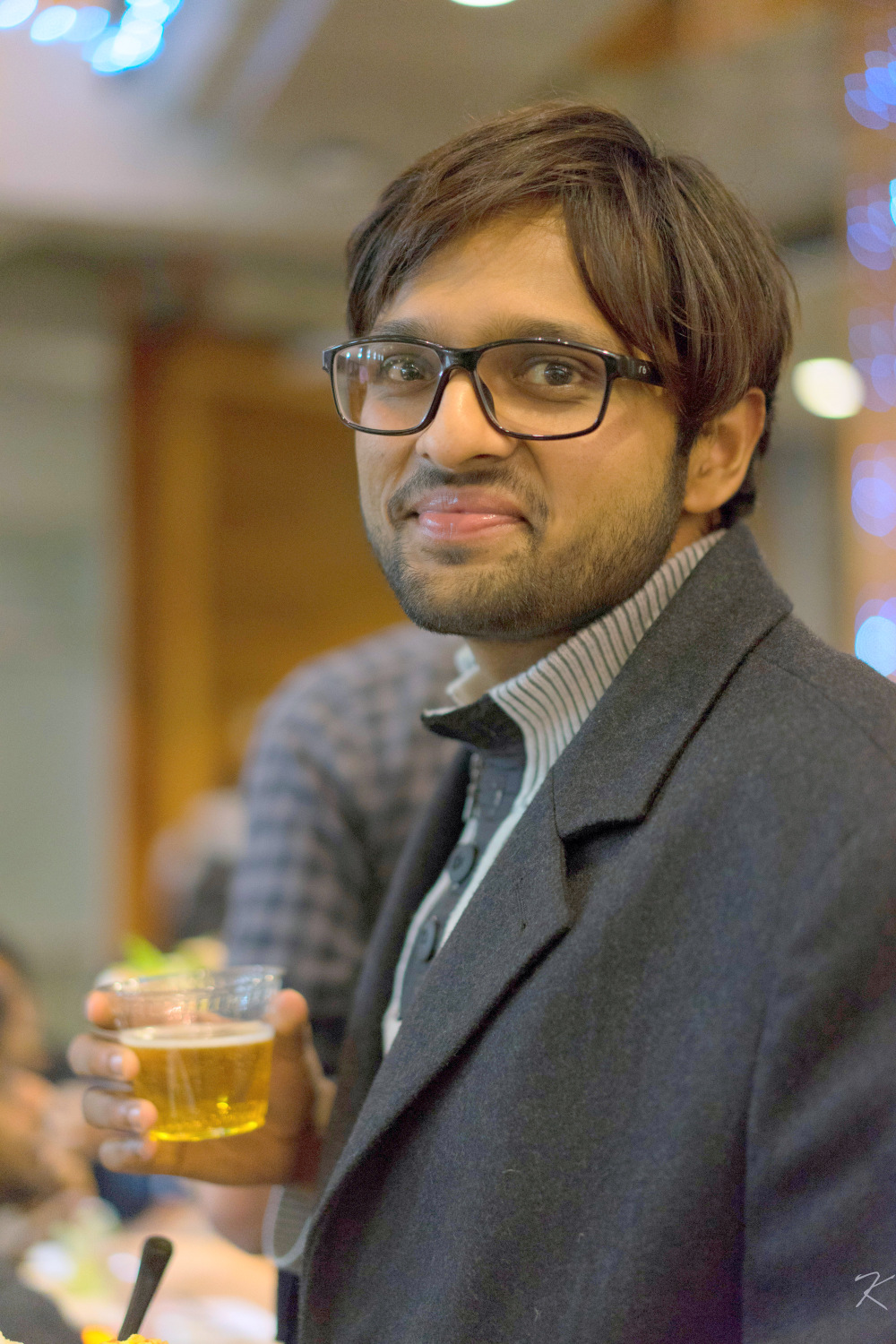
Dhruv Jain is an Assistant Professor in the Computer Science and Engineering Department at the University of Michigan , with affiliations in the School of Information and Michigan Medicine . He leads the Soundability Lab , focusing on transforming hearing into a programmable interface through human-centered AI systems. PhD from University of Washington MS from MIT Media Lab Formerly worked at Microsoft Research, Google, and Apple Research Interests intersect Human-Computer Interaction (HCI) , Audio AI , Accessibility , and Hearing Health . His work develops systems like SoundWatch (smartwatch-based sound awareness) and HomeSound (IoT sound visualization) to expand auditory access for DHH individuals and other domains. Recent Publications (2023–2025) span top venues like CHI , ASSETS , and ICMI , with trends including generative AI for real-time captioning , adaptive soundscapes , and clinical communication tools . SIGCHI Outstanding Dissertation Award (2023) William Chan Memorial Dissertation Award (2023) Best Poster Award at ASSETS 2024 Google Academic Research Award (2024) NIH Grant ($450k, 2023) William Demant Foundation Grant ($740k, 2025) Teaching includes Accessible Computing (undergraduate) and Advanced Accessibility (graduate), alongside global DIY workshops in five countries. The Soundability Lab collaborates with neuroscientists, clinicians, and Deaf scholars to create deployable systems like clinical communication tools now at Michigan Medicine and features integrated into Apple devices.
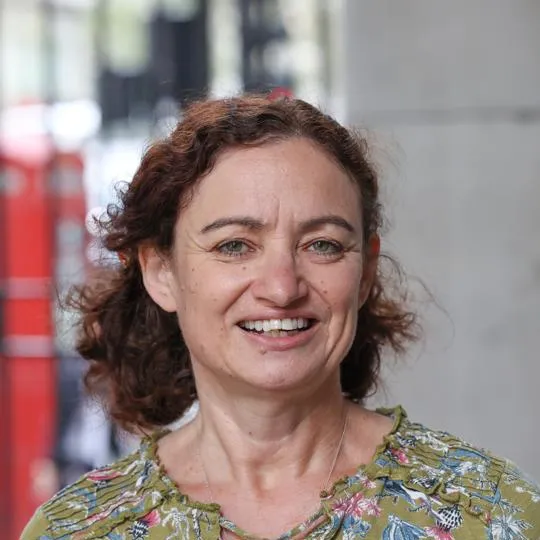
Dr Ellen Adams is a Reader in Classical Archaeology and Liberal Arts at King’s College London, affiliated with the Departments of Classics and Interdisciplinary Humanities. She holds a PhD from the University of Cambridge (2004) and has conducted archaeological fieldwork across Europe. Her research focuses on Minoan Crete, disability studies in classical contexts, and museum accessibility for sensory-impaired audiences. She co-organizes the ICS Mycenaean Seminars and founded the Museum Access Network for Sensory Impairments (MANSIL) in 2018. Her work bridges archaeology and modern accessibility, emphasizing audio description, touch tours, and British Sign Language in museums. Recent projects include Disability Studies and the Classical Body (Routledge, 2021) and collaborations with institutions like the British Museum and the Courtauld Gallery. She teaches Greek archaeology, museum studies, and interdisciplinary modules in global cultures. Adams has appeared on BBC Radio discussing Minoan civilization and classical reception. Her research projects include Making Sense of Visual Art Through a Visual Language (BSL) and Anosmia in Culture and History . She actively curates public engagement events, such as BSL storytelling in Holyrood Park and creative writing competitions for blind/visually impaired audiences.
Rochester Institute of Technology (RIT)United States
Garreth Tigwell is an Assistant Professor in the School of Information at RIT, co-directing the CAIR Lab with Dr. Kristen Shinohara. His research focuses on accessibility in digital design, particularly for disabled users, addressing challenges faced by novice and expert creators. His work spans topics like accessible prototyping tools, cultural considerations in design, and inclusive mixed reality interfaces. Education: BSc in Psychology, University of Dundee, 2012 MSc (Distinction) in User Experience Engineering, University of Dundee, 2014 PhD in Human-Computer Interaction (HCI), University of Dundee, 2019 Research Interests: Designing accessible digital systems for blind, deaf, and low-vision users Adaptable user interfaces for mixed reality and textured surfaces Cultural dimensions in accessibility pedagogy Authentication methods for visually impaired users Articles Trends: Recent work emphasizes AR/VR accessibility, cultural design frameworks, and haptic authentication. His studies often involve collaborations with global researchers and industry partners. Awards: Best Paper (MobileHCI 2022) CHI Honorable Mention (2023, 2024) NSF-funded research projects Advising & Grants: Active in mentoring graduate students and securing grants. His lab focuses on born-accessible AI tools and inclusive design education. Teaches courses like HCI Research Methods and Future Interactions. Labs/Teams: Co-leads the CAIR Lab, which develops technologies to bridge accessibility gaps in digital design and prototyping.
Dr. Esme Cleall is a Senior Lecturer in the History of the British Empire at the University of Sheffield's School of History, Philosophy and Digital Humanities. She holds a B.A. and M.A. from the University of Sheffield and a Ph.D. from University College London (UCL). Her research focuses on the politics of colonial difference, particularly intersections of race, gender, disability, and religion in the British Empire. She has held an AHRC Leadership Fellowship and a British Academy Small Grant. Her major works include Colonising Disability (2022) and Missionary Discourses of Difference (2012), analyzing disability in colonial contexts and missionary writings. Current projects explore mental distress in colonial archives and the history of deafness across the British World. She teaches courses on cultural imperialism and empire, and actively engages in decolonizing curricula. Publications span journals like Historical Journal and History Workshop Journal , with key themes including: missionary justice in India, deaf communities in colonial contexts, and disability as a tool of imperial control. She supervises PhD students researching topics from missionary writing to disability and technology. Cleall collaborates with community groups such as Sheffield Voices to produce accessible historical narratives, including films about learning disability history. She also contributed to the 'Indian Heritage in the Peak District' project, highlighting South Asian connections to the region.
University of Illinois Urbana-ChampaignUnited States
Liv T. Davila is an Associate Professor at the University of Illinois at Urbana-Champaign, with appointments across the College of Education, Center for Global Studies, and European Union Center. Her research focuses on language learning, identity formation, and equity for immigrant and refugee students, particularly in K-12 settings. Education: PhD in Education (University of North Carolina at Chapel Hill), MEd in TESL (University of North Carolina at Charlotte), MA in Comparative Education (University of Minnesota), BA in Anthropology/French (Grinnell College) Her work employs qualitative methods, including ethnography and discourse analysis, to examine multilingual learners’ experiences, teacher education practices, and global migration’s impact on schools. She has received the Outstanding Graduate Teaching Award (2020) and led research on language access during the pandemic. Recent publications highlight co-teaching dynamics, refugee youth resilience, and translanguaging in preschools. She advocates for pedagogies that affirm students’ identities through home languages and multicultural approaches. Scientific Awards: Outstanding Graduate Teaching Award, College of Education (2020)
Vonda Jump is an Associate Professor in the Social Work department at Utah State University's College of Arts & Sciences , based in the USU Brigham Region (Brigham City, Kaysville, Tremonton). Her work bridges social work and early childhood development, emphasizing practical interventions for family support. Vonda Jump’s research focuses on parent-child interaction , home visiting programs , and language development . She specializes in creating and validating tools like the PICCOLO (Parenting Interactions with Children: Checklist of Observations Linked to Outcomes) and HOVRS-A+ (Home Visit Rating Scales—Adapted and Extended to Excellence) to assess and improve parenting behaviors and home visit quality. Her studies often target low-income and migrant families, including Latino communities, to address disparities in child outcomes. Her recent work highlights trauma-informed instruction for student resilience and technology-based design for inclusive education, particularly with deaf/hard of hearing populations . She has contributed to understanding how maternal warmth, responsiveness, and structured activities like family bookmaking enhance child attachment, vocabulary, and self-regulation. Her research spans longitudinal analyses of parenting stress , temperament , and maternal language strategies in early childhood settings.
University of California, Los AngelesUnited States
Marjorie Harness Goodwin is a Distinguished Research Professor in the Department of Anthropology at the University of California, Los Angeles (UCLA). Her research focuses on linguistic anthropology, particularly the embodied practices of human interaction in social, familial, and workplace contexts. She explores how language, touch, and environment shape social dynamics, morality, and cultural integration. Education: Ph.D., University of Pennsylvania (1978) Ph.D. Honoris Causa, Uppsala University (2014) Research Interests: Ethnography of communication Embodied interaction and touch Conversation analysis Language and gender Family and workplace ethnography Children's social organization Publications: Dr. Goodwin’s work includes monographs like *The Hidden Life of Girls* (2006) and *Embodied Family Choreography* (2018), alongside influential articles on haptic sociality and interactional analysis. Recent research emphasizes touch as a modality of care and social coordination, with interdisciplinary impact in anthropology, sociology, and healthcare. Awards: Ph.D. Honoris Causa, Uppsala University (2014) Advising & Grants: She has mentored numerous graduate students across Anthropology, Applied Linguistics, and Education. Her research has been presented globally, including the New York Academy of Sciences Distinguished Lecture Series (2022) and the Vectors Conference (2023). Labs & Teams: Her work is supported by UCLA’s Social Sciences Division and collaborations with interdisciplinary groups like the Colab Anthropology Lab (linked via her personal and lab websites).
Skyler Wang is an Assistant Professor of Sociology at McGill University, specializing in AI, technology, and human-computer interaction. He holds a Ph.D. from UC Berkeley and previously served as a Sociologist at Meta’s FAIR lab. His research critically examines sociotechnical systems' epistemic cultures and social impacts, focusing on AI-driven human-machine interactions in health, relational contexts, and digital platforms. His research interests include AI ethics, platform societies, digital intimacy, and multilingual systems. Notable works include the book project Sharing Bodies in the Sharing Economy , exploring Couchsurfing’s sociosexual dynamics, and applied AI projects like No Language Left Behind (doubling machine translation languages) and SeamlessM4T (awarded TIME’s 2023 Best Inventions). Teaching focuses on Technology & Society, Artificial Intelligence & Society, and Digital Intimacy. Advising roles include Major/Minor and Honours Sociology students. Active in interdisciplinary collaborations through McGill’s Quebec Inter-University Centre for Social Statistics and global AI ethics initiatives. Education: Ph.D. Sociology, UC Berkeley (2023) Key Affiliations: Meta FAIR Lab (prior), McGill Department of Sociology Publications in Nature , CSCW , Big Data & Society , and media features in WIRED, CNN, and NPR
University of Illinois Urbana-ChampaignUnited States
Liv T. Dávila is an Associate Professor at the University of Illinois, holding affiliations in Education Policy, Organization and Leadership; Center for the Study of Global Gender Equity; Biomedical and Translational Sciences; and Center for Global Studies. She received her Ph.D. in Education from the University of North Carolina at Chapel Hill (2010), M.Ed. in Teaching English as a Second Language from UNC Charlotte (2005), MA in Comparative Education from the University of Minnesota (2000), and BA in Anthropology and French from Grinnell College (1996). Her research focuses on multilingualism, educational equity, and qualitative methodologies. Key areas include immigrant/refugee learners' identities, language access in schools and medical contexts, and sociocultural intersections of race, gender, and class. She employs ethnographic and sensory methods to study marginalized communities. Recent work explores co-teaching dynamics in Hong Kong preschools, language access during the pandemic, and Congolese immigrant parental perspectives. She has been honored with the 2020 Outstanding Graduate Teaching Award from the College of Education. Research leadership: Co-Director of Graduate Studies in Education Policy Professional service: Chair of the Second Language Research SIG (2021-2023)
Julia F. Sauma is a Brazilian-Londoner deaf/Hard of Hearing Lecturer in Anthropology at Goldsmiths, University of London. Her work focuses on collective life within extractive structures, with a particular emphasis on Amazonian Quilombo communities in Brazil and diasporic experiences. She holds a PhD from UCL (2014) and an MA from Federal University of Rio de Janeiro (2007). Key roles include teaching modules like Approaches to Contemporary Anthropology and supervising PhD projects on ecology, embodiment, and intersectional themes. Her research interests span ecology, land rights, disability studies, and the intersections of race, gender, and kinship. She collaborates with activist groups to explore joyful collective refuges and has pioneered auto-ethnographic methods addressing deafness and academic inclusion. Notable projects include the ERC-funded Extort: Anthropologies of Extortion (PI: Lucia Michelutti) and participatory works like Antiphonic Multibeing (2019). Her publications critique academic systems through works like Performing Normal (2024) and explore decolonial methodologies in Ruptures (2019). She engages in cross-disciplinary practices including performance art and policy-oriented research on early childhood development in Brazil. Current research emphasizes multi-modal methodologies and the body as a research tool, reflecting her commitment to inclusive, embodied knowledge production.
Jonathan Hsy is a Professor of English at George Washington University, affiliated with the Columbian College of Arts & Sciences. He holds additional roles as Director of Undergraduate Advising in the English Department, co-director of the GW Digital Humanities Institute, and affiliated faculty in Women’s, Gender, and Sexuality Studies, as well as the Sigur Center for Asian Studies. Hsy’s research focuses on medieval literature, disability studies, critical theory, and global medievalisms. His work bridges historical and contemporary issues, exploring intersections of language, race, gender, and disability. Education: PhD (2007), MA (2002) from the University of Pennsylvania; MA (2001), BA (2000) from Stanford University, with a minor in Human Biology. Research Interests: Hsy’s expertise includes medieval literary and cultural studies, antiracist medievalisms, digital humanities, and Asian American cultural studies. His publications, such as Antiracist Medievalisms: From “Yellow Peril” to Black Lives Matter (2021), challenge traditional narratives by centering marginalized voices. He co-edits A Cultural History of Disability in the Middle Ages (2020) and leads collaborative projects like Global Chaucers. Publications & Grants: Over 20 peer-reviewed articles and books address topics from medieval disability to global Chaucerian studies. Recent grants include a $3.5M Mellon Higher Learning Grant for RaceB4Race and a Folger Shakespeare Library fellowship. His work has appeared in PMLA , Journal of Bioethical Inquiry , and postmedieval . Awards & Leadership: Recipient of the John Hurt Fisher Award (2015) and multiple fellowships. He chairs initiatives like the MLA’s Committee on Disability Issues and co-founded Medievalists of Color. His teaching emphasizes disability justice and digital pedagogy. Labs & Collaborations: Directs the GW Digital Humanities Institute, fostering projects like the Digital Medieval Disability Glossary. Leads crowdsourced efforts such as the Race and Medieval Studies bibliography, promoting equity in academic networks.
Delia D. Steverson is an Associate Professor of English at the University of Alabama, specializing in 19th and 20th century African American Literature, Critical Disability Studies, and Southern Studies. Her work examines intersections of race, disability, and state-sanctioned violence in literature and culture. She holds a PhD, MA, and BA in English from the University of Alabama and Agnes Scott College, respectively. Education: PhD (2017), MA (2012), BA (2009) Her research includes Stumbling Blocks and Other Unfinished Work (2023), which recontextualizes the legacy of Delores Phillips, and Making Black Selves , exploring alternative Black subjectivity. She has held prestigious fellowships like the Mellon Career Enhancement Fellowship and has published widely in journals such as Journal of Literary and Cultural Disability Studies . Her articles span themes like disability in Toni Morrison’s Sula and racial perception in Melville’s Benito Cereno . Awards include the Humanities Scholarship Enhancement Award (2020) and NEH funding (2018). Grants: NEH Summer Institute (2018), Course Development Grant (2018) She collaborates on curriculum development and mentors pre-college students through non-profits like the one where she served as Assistant Director of Programs. Her work bridges academia and public engagement, emphasizing marginalized voices in literature.