Sehrish Akhtar serves as a Postdoctoral Fellow and Part-time Lecturer at the Faculty of Social Sciences, Oslo Metropolitan University. Her academic work centers on technology-driven solutions for social challenges in elderly care and inequality. She is embedded within the 'Living conditions, health, work and social inequality' research group, collaborating with institutional partners including the City of Oslo Nursing Home Agency (SYE) and No Isolation. Her research spans Gerontechnology, Social Connectedness in Elderly Care, and Welfare Technology implementation, with emphasis on participatory design alongside older adults. Key projects include adapting KOMP telepresence technology for nursing homes to combat loneliness ('Safe and Simple Point of Contact with Relatives') and cultural analysis of telepresence as loneliness solutions ('Virtual Presence'). She prioritizes user-centered approaches that bridge technological capabilities with social needs in vulnerable populations. Publication trends reveal a methodological shift from qualitative cultural analysis (2023) toward mixed-methods evaluation of technology efficacy in care settings (2024-2025). Her work consistently addresses social isolation through digital inclusion frameworks, examining how tools like KOMP mediate family connections while navigating institutional constraints in elderly care. Emerging research extends into interprofessional collaboration dynamics within educational systems.
Jo Herstad is an Associate Professor in the Department of Information Systems Design at the University of Oslo , where she has worked since 2002. With a background in industry at Ericsson (1990-2003), Herstad bridges technical expertise with academic rigor. She teaches courses including: IN1030 - Introduction to Design, Use, Interaction (since 2017) IN2000 - Software Engineering with Project Work IN5480 - Interaction with AI and Autonomous Systems Research Focus: Her work explores Human-Computer Interaction through: Universal Design principles in digital environments Human-Robot Interaction for domestic applications Inclusive Technology across diverse populations Participatory Design methodologies Privacy Dynamics in smart homes Multimodal Systems for elderly care Key Publications (2017-2024) examine motion profiling in robotics, equitable digital feedback, and socio-technical systems. Her supervision includes 15+ master's theses on topics ranging from chatbot ethics to universal design in education. Current projects focus on: Artificial Intelligence and Sensor Technology Multimodal Elderly Care Systems (MECS) Podcast Accessibility (PUD) RHYME: Music Technology for All
Dag Svanæs is a Professor of Human-Computer Interaction (HCI) at NTNU’s Department of Computer and Information Science. His research focuses on embodied interaction, emphasizing the physical, bodily, and social dimensions of human-computer interaction. He developed a usability laboratory for simulating multi-user, multi-device scenarios, particularly in healthcare contexts. His theoretical framework draws heavily from Maurice Merleau-Ponty’s phenomenology, exploring how perception and action shape interaction. Education: PhD in HCI from NTNU (2000). His research areas include interaction design, user-centered methods, and healthcare IT systems design. Key projects include the UNITY-Things IoT framework and exergame development for balance training in seniors. Research Highlights: Svanæs pioneered participatory design methodologies in healthcare IT, emphasizing end-user involvement through role-play and prototyping. His work on pandemic policy critiques and lockdown strategies demonstrates interdisciplinary collaboration between HCI and public health. Publications: Over 50 peer-reviewed articles in venues like Computer Supported Cooperative Work , Frontiers in Computer Science , and IEEE Transactions . Recent work addresses exergame design, pandemic response systems, and embodied interaction theory. Grants & Labs: Built NTNU’s Health Informatics Usability and Design Lab. Collaborates with academic and healthcare institutions on projects like the NSEP (Norwegian Center for Electronic Patient Records).
Geir Inge Hausvik is an Associate Professor at the Department of Information Systems, University of Agder. His research focuses on digital transformation in healthcare, information quality management, and e-health services. He is affiliated with the CeDiT (Centre for Digital Transformation) and Centre for e-health research groups. Key areas of expertise include healthcare service innovation, socio-technical systems design, and the practical impact of information systems research. Research Interests: His work addresses challenges in healthcare digitalization, including online screening tools, post-COVID service innovation, and smartphone adoption among older adults. He explores theoretical frameworks such as boundary spanning and Bourdieusian analysis to understand practical impacts of research. Recent studies examine AI ethics in academic writing and mediating roles in healthcare quality assurance. Publications: Over 15 peer-reviewed articles since 2015, including studies on EHR affordances (2017), information quality lifecycle (2021), and post-pandemic digital service acceleration (2025). He co-edited conference proceedings for DESRIST 2021 and contributed to influential journals like Information Systems Journal. Affiliations: Leads academic programs in Information Systems, including B.Sc. and M.Sc. courses. Active in international conferences (e.g., Hawaii International Conference on System Sciences, AMCIS). Engaged in collaborative research initiatives like the Centre for Digital Transformation. Key Contributions: Advocates for sociotechnical systems resilience beyond crisis response, investigates smartphone usage disparities among seniors, and evaluates generative AI's implications for academic integrity.
Anders-Petter Andersson is an Associate Professor at the Department of Design within NTNU's Faculty of Architecture and Design. His work focuses on health-promoting technologies, multisensory interaction design, and co-design methodologies with marginalized populations. He has led projects involving families with disabled children, elderly dementia patients, and community stakeholders through initiatives like RHYME.no and HackOurHealthEcology. His research integrates music, narrative, and cultural expression to enhance social relationships and creativity. Key projects include Polly World installations and ORFI interactive systems. He teaches courses such as User-Centered to Post-Human Design and supervises PhD candidates including Ann Kristin Forshaug. Andersson is affiliated with MusicalFieldsForever, the Center for Health Promoting Research, and serves as chairman of Den Gode Idé Foundation. His work emphasizes universal design principles and participatory design practices. Key Projects: RHYME.no, Polly World series, ORFI installations, Music-based environmental therapy program Collaborations: Norwegian Research Council, Diakonhjemmet University, AHO, Lund University Methodologies: Action Research, Participatory Design, Research-by-Design, Self-Ethnography Research interests span interactive music composition, health-promoting environments, and regenerative learning communities. He advocates for eco-centric design approaches and has published extensively on topics like tangible interaction and multisensory interfaces.
Way Kiat Bong is an Associate Professor at the Department of Computer Science, Oslo Metropolitan University (Oslomet), specializing in Human-Computer Interaction (HCI) and Universal Design of ICT. His research focuses on accessibility, assistive technologies, welfare technologies, and healthcare applications, particularly targeting older adults and individuals with health risks. He leads the Universal Design of ICT (UD-ICT) research group and has contributed to projects like NORtritious, a digital platform for healthy food innovation, and Gluco Coach, a diabetes self-management app. Key research areas include designing age-friendly technologies for social interaction, mobile health apps for chronic disease management, and inclusive online education. Bong has published widely on topics such as authentication systems for elderly users, cognitive training via smartphones, and usability testing for health interventions. He actively disseminates findings through conferences and guest lectures, including presentations at Lund University and Universidade Estadual Paulista. Key Projects: NORtritious (digital health platform), Stepping Stones (diabetes prevention app evaluation), Tangible Cup (social interaction TUI). Dissemination: Over 27 scientific publications, conference presentations, and international collaborations (e.g., Aging Globally Initiative). Labs/Teams: Universal Design of ICT (UD-ICT) research group.
Heidi Bråthen is a Doctoral Research Fellow at the Department of Informatics, University of Oslo, within the Faculty of Mathematics and Natural Sciences. Her research focuses on participatory design methodologies, particularly involving older adults, and explores the role of materials and physical prototyping in creating accessible assistive technologies. She holds a dual affiliation as both a doctoral researcher and a student within the same faculty. Her work emphasizes user-centered approaches to technology design, aiming to bridge gaps between users' past experiences and modern technological interfaces. This includes studies on tangible interactions and contextual design strategies to enhance elderly users' engagement with assistive systems. Publications highlight contributions to participatory design practices, material-based design, and technology for aging populations. Research projects often involve collaborations with interdisciplinary teams, focusing on practical applications of design theories. No scientific awards are explicitly listed, though her publications indicate active involvement in academic discourse. Her advising and grant activities remain unspecified in the provided materials. She is part of the Design of Information Systems research group within the Department of Informatics.
Diana Saplacan Lindblom is a Researcher at the University of Oslo's Department of Informatics, Faculty of Mathematics and Natural Sciences. She is a member of the Robotics and Intelligent Systems Research Group (ROBIN) and actively contributes to the Vulnerability in Robot Society (VIROS) research project (2021-present) and the Ethical Risk Assessment of Artificial Intelligence in Practice (ENACT) project (2023-present). Dr. Saplacan received her Ph.D. from the University of Oslo in 2020 with a thesis titled "Situated abilities: Understanding Everyday Use of ICTs" from the Design of Information Systems (DESIGN) Research Group. During Spring 2023, she was a visiting researcher at the Human-Robot Interaction Lab, Department of Social Informatics, Kyoto University, Japan, and a guest researcher at Tohoku University's Frontier Research Institute for Interdisciplinary Sciences. Her research focuses on user studies in Human-Robot Interaction (HRI) and Human-Robot cooperation, with particular emphasis on digitalization of home- and healthcare services, robots as welfare technologies, and ethics regarded through Universal Design principles. She investigates privacy, safety, and security aspects related to robots in healthcare settings, bridging legal and technical considerations. Her work often employs qualitative methods including story dialogue techniques to understand user perspectives and professional reactions to emerging technologies. Analysis of her recent publications reveals a strong interdisciplinary approach connecting computer science, social sciences, and healthcare. Her work spans technical aspects of robotics, ethical considerations in AI implementation, and practical user studies across diverse populations including elderly care recipients and healthcare professionals. She frequently examines how Universal Design principles can be applied to social and assistive robots to ensure accessibility and inclusion. Dr. Saplacan has received notable recognition including an Honorable Mention at HRI (2024) and being named among "Women changing the field of AI in Norway" (2021, 2022). She has also earned Best Paper Awards at ACHI-IARIA (2018, 2020) and a Best Paper Finalist Award at ARSO (2021). HRI Honorable Mention (2024) Women changing the field of AI in Norway (2021, 2022) Best Paper Finalist Award - ARSO (2021) Best Paper Award, ACHI - IARIA (2020) Best Paper Award, ACHI - IARIA (2018) Dr. Saplacan has served as co-supervisor for Ph.D. candidates Adel Baselizadeh (completed 2024) and Marieke van Otterdijk (defense scheduled for December 2024). Her research is supported through collaborations with multiple academic partners including SINTEF, HIOF, and NTNU, as well as industry partners such as DNB, Posten, NAV, Medsensio, and Hypatia Learning. She actively contributes to standardization efforts as a member of Standards Norway Committee on AI & Ethics (WG3) and the IEEE Artificial Intelligence Standards Committee. She is a key contributor to the ROBIN research group's work on healthcare robotics and leads efforts in the UD-Robots project, which examines how universal design principles can be applied to robotics. Her work with the Norwegian Council for Digital Ethics and participation in international workshops demonstrates her commitment to shaping ethical frameworks for emerging technologies.
Gunhild Tøndel is an Associate Professor in general sociology at the Department of Sociology and Political Science, Faculty of Social and Educational Sciences at the Norwegian University of Science and Technology (NTNU). Her academic journey at NTNU includes earning her PhD from the Department of Sociology and Political Science in 2014, followed by a postdoctoral fellowship at the Department of Interdisciplinary Cultural Studies from 2014 to 2017. Until summer 2025, she has held several leadership positions including subject group leader for sociology, study program leader for ÅSOS/BSOS/MSOS, and coordinator for the department's specialization within MORG (Organization, society, and change). Her educational background includes: PhD in Sociology and Political Science from NTNU (2014) Master's degree in Sociology (implied from her master's thesis "Diagnoser og forhandling. DRG-systemets interaksjon med den medisinske diagnosesettingen" from 2006) Tøndel's research moves at the intersection of welfare, technology, and knowledge production, with particular focus on digitalization, governance, aging, and life within health and care services. She has maintained a longitudinal research interest in governance technologies and their relationship to knowledge formation within public services, primarily examining the welfare state-citizen relationship. Her work frequently employs qualitative research methods to explore how datafication, metrics, and technological solutions transform public service delivery, particularly in healthcare contexts. Analysis of her recent publications reveals a consistent focus on how digital technologies reshape care practices, governance mechanisms, and professional work in welfare services. Her research increasingly examines the implementation challenges of welfare technology, particularly social robots for elderly care, while critically analyzing how quality measurement systems transform healthcare work. A recurring theme across her work is the examination of how quantitative metrics and datafication processes alter professional practices and citizen experiences within the welfare state. Professor Tøndel has been actively involved in several major research projects funded by the Research Council of Norway: CRIMKNOW - Digitalization and privatized knowledge regimes in criminal policy (2023-2027) AUTOWORK - Workers in transition through automation, digitalization and robotization (2020-2026) MASQ - Measuring quality: Exceeding the limitations of quality management in municipal health and care services (2020-2024) She has extensive teaching experience across all study levels, covering qualitative methods, project design, sociological theory, health sociology, and microsociology. Her educational contributions include co-authoring textbooks on bachelor thesis writing and research methods, reflecting her commitment to student development and academic supervision. Tøndel's research takes place at the intersection of several important societal developments, particularly examining how digital transformation affects welfare state institutions and citizen experiences. Her work provides critical insights into the implementation challenges of technological solutions in care contexts, with particular attention to how measurement systems and datafication processes reshape professional work and service delivery.
Evi Zouganeli is a Professor at the Department of Mechanical, Electrical and Chemical Engineering, Faculty of Technology, Art and Design, Oslo Metropolitan University (OsloMet). She leads the Automation, Robotics, and Intelligent Systems (ARIS) research group and serves as a board member of the Norwegian Artificial Intelligence Society (NAIS). Her work bridges academic research and industrial applications in intelligent systems. Research Focus: Zouganeli specializes in Machine Learning and Computer Vision applications for Cognitive Robotics, with emphasis on assistive technologies, smart cities, and smart industry. Her research explores neuromorphic computing, sensor network optimization, and multi-modal AI integration. Publications Trends: Recent works focus on AI-enabled robotics, sensor placement optimization in smart homes, and neuromorphic reservoir networks. Earlier contributions include European collaborative research in photonic technologies and broadband networks. Additional Contributions: She actively participates in public discourse about AI implementation challenges and Norway’s AI development potential, engaging with industry leaders and policymakers.
Stewart James Kowalski is a Professor at the Department of Information Security and Communication Technology, Norwegian University of Science and Technology (NTNU) in Gjøvik. His research focuses on socio-technical approaches to cybersecurity, including security management frameworks, human factors in incident response, and innovative educational methods. He leads projects integrating gamification and simulation into cybersecurity training. Research Interests: Kowalski's work spans cybersecurity economics, socio-technical system design, crisis management, and security behavior modification. His research emphasizes: Developing gamified training tools (e.g., CyberAIMs, CS-Technopoly) for cybersecurity education Modeling organizational maturity in security incident management Analyzing cybersecurity as a public good with economic policy implications Designing privacy-aware gerontechnology services for elderly populations Publication Trends: His recent articles (2018-2023) demonstrate strong focus on: Socio-technical frameworks for incident response and crisis exercises Gamification and simulation in cybersecurity education Economic and behavioral analysis of security decision-making Human/organizational factors in risk management Academic Activities: Kowalski teaches courses on socio-technical crime (IMT4128) and research planning (IMT4205). He actively develops cybersecurity exercises and has presented workshops at events like Sikkerhetsfestivalen (Security Festival). His collaborations include international research on open-source security cultures and e-government frameworks.
Arne Styve is an Associate Teaching Professor at the Department of Information and Communication Technology and Natural Sciences, Norwegian University of Science and Technology (NTNU). He serves as a Studyprogram coordinator for Computing Science and teaches object-oriented programming and system development at the Bachelor level, along with simulation and visualization at the Master level. Education: B.Eng. w/Hons (Sivilingeniør) in Microelectronics and Software Engineering, University of Newcastle upon Tyne Research Interests: Specializing in Agile development, simulation modeling, and technology education. His work focuses on programming pedagogy, digital twin applications, and co-simulation frameworks. Recent research explores integrating generative AI into critical thinking practices in programming courses. Publication Trends: His publications over the past decade demonstrate expertise in simulation modeling for maritime systems, educational technology innovations, and software engineering frameworks. Key themes include digital twins, flipped classroom methodologies, and cross-campus programming education. Teaching Contributions: Instructs courses including IDATA2505 (Practice-Based Learning), IDATT2003 (Programming 2), and IDATA2302 (Algorithms & Data Structures). His pedagogical approach combines industry experience with academic innovation. Industry Experience: Over 20 years in Norwegian IT industry, including roles at Offshore Simulator Center (OSC AS), developing advanced maritime simulators and command control systems for defense applications.
Professor Weiqin Chen is a faculty member at the Department of Computer Science, Oslo Metropolitan University, affiliated with the Faculty of Technology, Art and Design. Their research focuses on Universal Design of ICT, Human-Computer Interaction, and Welfare Technology with emphasis on accessibility, emergency management systems, and inclusive education technologies. Key projects include the CHIP homeTec initiative exploring health technologies in pediatric palliative care and the SCALED project developing adaptive online learning platforms. Research interests span AI trustworthiness, elderly-centered AR design, situational disability awareness in emergencies, and digital accessibility in museums/education. They lead the Universal Design of ICT (UD-ICT) research group and have published over 172 scientific works including a textbook on ICT history. Notable contributions include heuristic evaluations of mobile apps for mental health, policy frameworks for inclusive education, and privacy engineering for learning analytics systems. Prof. Chen actively engages in dissemination through international conferences like ICCE and ICCHP, advocating for policy changes and teacher training in accessibility. Their work bridges technical innovation with societal needs, emphasizing participatory design approaches involving users with disabilities and marginalized groups.
Liv Berit Fagerli is an Associate Professor at the Department of Nursing, Health and Bioengineering at Østfold University College. Her research and teaching focus on person-centered care, nursing education, simulation-based pedagogy, and healthcare technology integration. She has extensive experience in nursing home care quality improvement and educational development. Education & Background: Bachelor's degree from Østfold College of Nursing (1987) Civil Service Exam in Nursing Science from the University of Oslo (1997) Further education in Rehabilitation and Individual Planning (2004) Promoted to Senior Lecturer (2007), later appointed as Associate Professor Research Interests: Fagerli’s work emphasizes personsentrert praksis (person-centered practice) in nursing homes, educational strategies for nursing students, and the application of technology in healthcare. Her projects include studies on dementia care, suitability assessments for students, and interprofessional collaboration in simulation-based learning. Publications Trends: Her recent articles address topics such as student-centered learning methods in Indonesia, pressure ulcer prevention in nursing homes, and the role of assistive technology in elderly care. Earlier work includes foundational studies on nursing documentation ethics and IT competency in healthcare. Awards: HIØ Education Quality Award (2013) for innovation in simulation-based teaching Best Scientific Record Award from the Swedish Association of Healthcare Providers (2016) Advising & Leadership: As Institutional Manager for Suitability Assessments (2015–2018), she developed frameworks for evaluating student preparedness. She leads the research group Personsentrert praksis og det digitale samfunn (PCP-DS) and collaborates internationally via the Personsentrert vårds International Community of Practice (PCP-ICoP) . Labs/Teams: Active in interdisciplinary projects like PSOTEK (technology in nursing homes) and CABNEI (capacity building for Indonesian nursing education). Her team uses simulation models to enhance clinical training and interprofessional education.
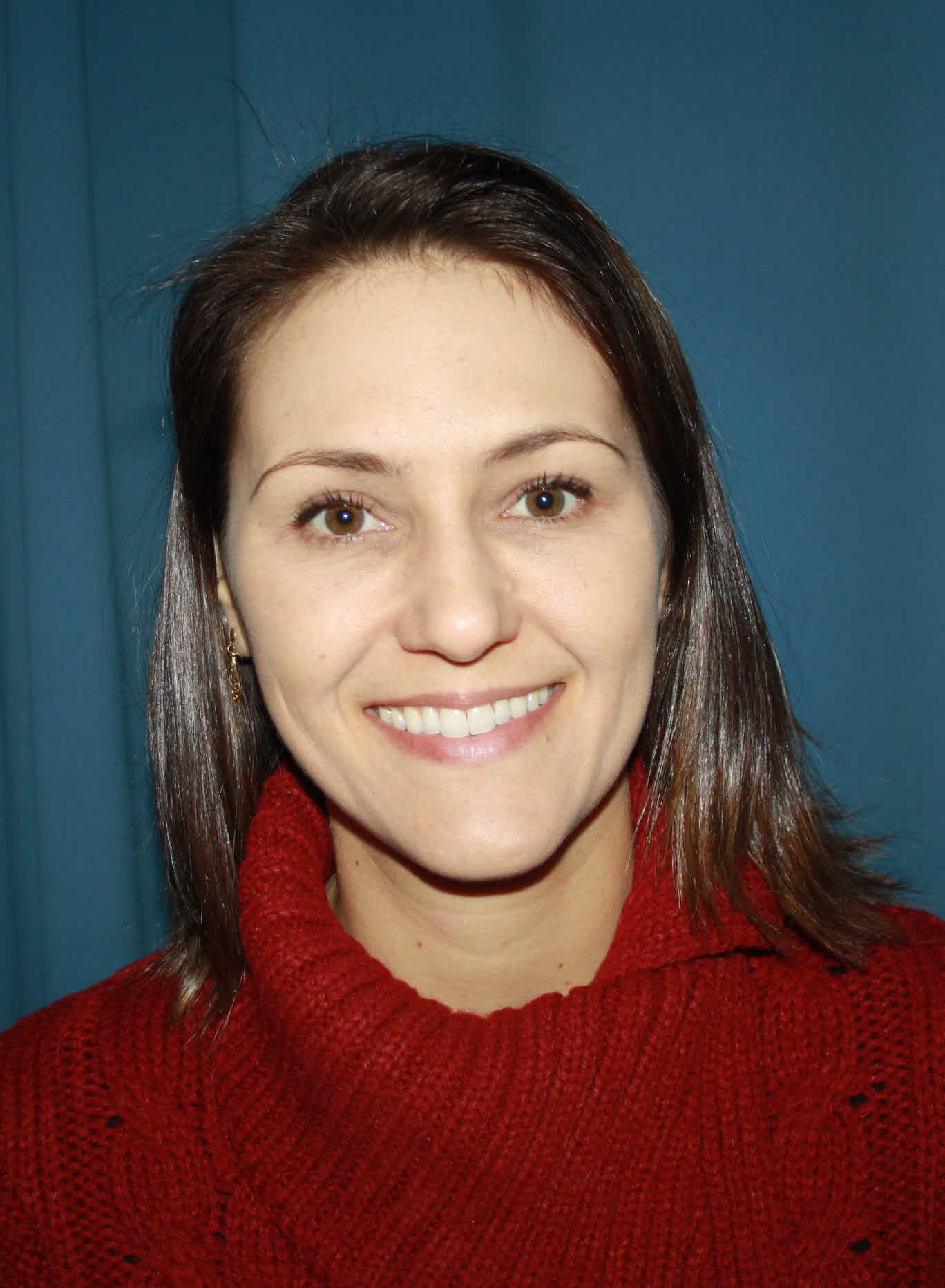
Elisa Thomas is an Associate Professor at the Department of Innovation, Management and Marketing, UiS School of Business, University of Stavanger, Norway. Her research focuses on innovation ecosystems, responsible research and innovation, and the evolving role of universities in regional development. She actively collaborates with international scholars and contributes to leading journals and book publications. Her research interests include: Entrepreneurial and innovation ecosystems Responsible research and innovation (RRI) Living labs and user involvement University engagement with regions Science and technology parks Green and social innovation The recent publications of Elisa Thomas reveal a strong thematic focus on the transformation of universities into engaged institutions that actively shape regional innovation ecosystems. Her work examines dynamic capabilities in university alliances, the inclusion of marginalized users such as the elderly in innovation processes through virtual spaces, and the role of intermediaries in innovation search. There is a consistent emphasis on open, responsible, and socially inclusive innovation models, particularly in emerging economies and the Global South. Scientific contributions include: Key chapters in influential books published by Routledge and De Gruyter Articles in top journals such as Journal of Technology Transfer, R&D Management, and Growth and Change Active participation in international conferences including ISPIM and Academy of Management Elisa Thomas advises on innovation management and responsible innovation practices. She has led and contributed to research projects involving stakeholder knowledge management, digital health, and smart agriculture. Her collaborative network spans Brazil, the UK, Norway, and beyond, reflecting a strong international research profile. She has also organized and presented at research seminars and workshops on engaged universities and innovation tools. She is involved in research groups such as EcoHubI, NEECI, and GESMAC, which focus on innovation, sustainability, and responsible technology development. These groups serve as platforms for interdisciplinary collaboration and knowledge dissemination in innovation studies.