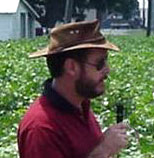
Keith Edmisten is a Professor in the Department of Crop and Soil Sciences at NC State University, serving as Extension Cotton Specialist and Director of Undergraduate Programs. He holds a BS, MS from NC State University, and a PhD in Crop Physiology from Virginia Tech (1987). His career includes faculty roles at Mississippi State University and Auburn University before joining NCSU in 1992. His research focuses on cotton and industrial hemp agronomy, germplasm evaluation, and regulatory science in agriculture. Notable awards include Extension Cotton Specialist of the Year (1997) and Cotton Physiologist of the Year (2015). He teaches courses on biotechnology, seed science, and regulatory frameworks, and advises students in the Plant and Soil Science biotechnology concentration. Edmisten's program integrates applied research with extension efforts, emphasizing sustainable input management, variety trials, and on-farm experimentation. Collaborations span departments like Entomology, Plant Pathology, and Agricultural Economics. Publications highlight fertilizer management, weed science, and crop modeling in cotton and hemp systems.
University of Illinois Urbana-ChampaignUnited States
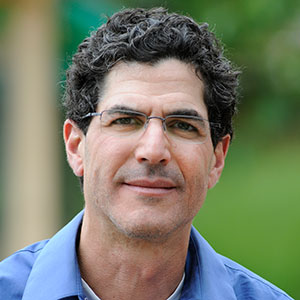
Tiffany M Jamann is an Associate Professor in Crop Sciences at the University of Illinois, where she holds the Monsanto Fellowship in Plant Breeding. Her research program focuses on understanding and improving disease resistance mechanisms in maize through integrated genetic, genomic, and phenotypic approaches. Dr. Jamann's work spans multiple disease systems with particular emphasis on foliar diseases such as Northern Leaf Blight and ear diseases like Gibberella ear rot. Her research interests include: Quantitative trait locus (QTL) mapping for disease resistance in maize Development of near-isogenic line populations for gene discovery Comparative studies of resistance mechanisms across different pathosystems Investigation of pattern-triggered immunity in maize Standardization of pathogen inoculation and disease rating methodologies Analysis of Dr. Jamann's recent publications (2023-2025) reveals a strategic integration of traditional plant breeding with cutting-edge genomic approaches. Her work demonstrates increasing use of comparative genomics and transcriptomics to identify host-specificity genes in pathogens while maintaining strong focus on practical breeding applications. A notable trend is her development of standardized methodologies for pathogen inoculation across multiple disease systems, enabling more reliable resistance evaluation. Monsanto Fellow in Plant Breeding Multiple publications featured in news outlets and academic discussions Active research with significant social media engagement (46 X users mentioning her work) Dr. Jamann's research program likely involves extensive collaboration with other plant pathologists and breeders, as evidenced by her numerous co-authored publications. Her work on multi-environment trials suggests substantial field research across different geographical locations. The development of specialized maize germplasm, including near-isogenic lines, indicates long-term investment in genetic resources for disease resistance research. Her laboratory maintains sophisticated capabilities for pathogen characterization, high-throughput phenotyping using fluorescence microscopy, and genetic mapping approaches. The emphasis on both fundamental plant-pathogen interactions and applied crop improvement demonstrates a research program that bridges basic science with practical agricultural outcomes.
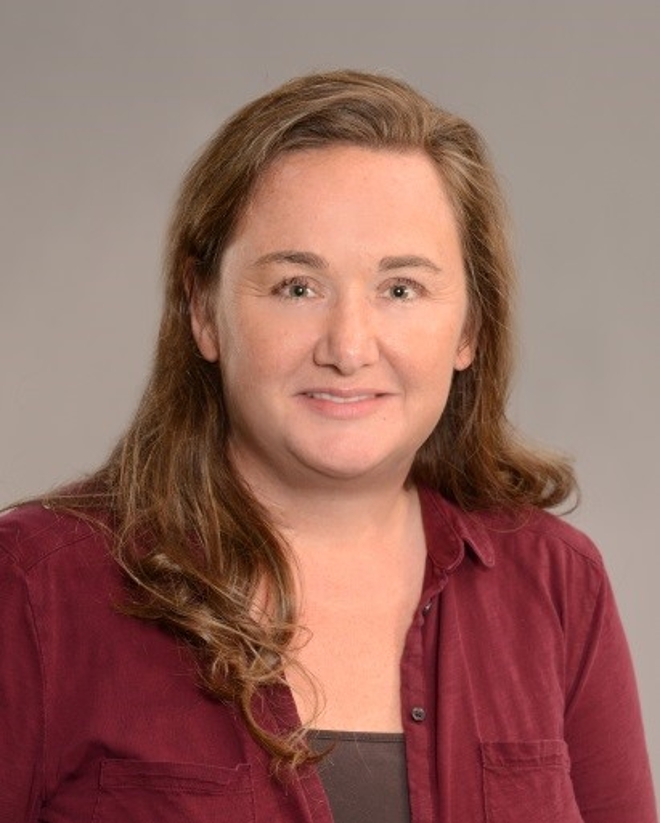
Gregory Michael Peck is an Associate Professor and Director of Undergraduate Studies for the Plant Sciences Major at Cornell University's School of Integrative Plant Science, Horticulture Section. His research focuses on sustainable tree-fruit production, particularly in organic apple systems , cider apple germplasm evaluation , and crop-load management through pollen tube growth modeling . Award-winning educator (2021 Cornell Teaching, Advising & Mentoring Award) 2018 Grower Advocate of the Year (American Cider Association) Active in outreach through field days, extension publications, and social media Peck's work spans tree-fruit physiology , soil health , and mechanization of orchard practices . He co-teaches Cornell's popular cider appreciation course with microbiologist Kathy Arnink, combining apple production science with fermentation expertise. His research explores phenolic development , nitrogen management , and yeast interactions in cider production systems. Recent publications highlight collaborations in rootstock effects , compost applications , and fermentation chemistry . Peck's career has included work in California, Washington, New York, and Virginia, with training spanning horticulture, plant physiology, soil science, and agricultural economics.
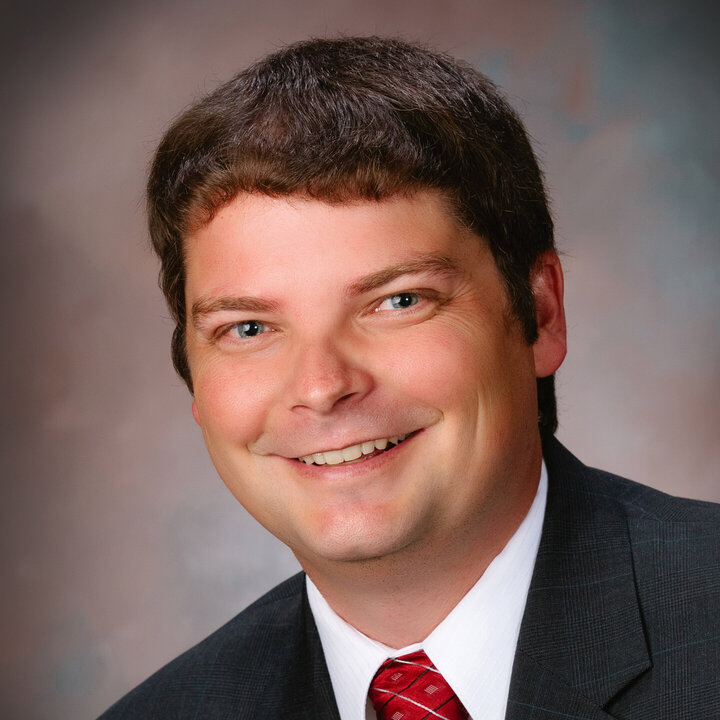
Andrew Riseman serves as an Associate Professor in the Department of Applied Biology within the Faculty of Land and Food Systems at the University of British Columbia. His academic work bridges sustainable agricultural systems, plant breeding, and educational innovation, with particular emphasis on integrated crop-livestock models and urban farming applications. His educational background includes: PhD from Pennsylvania State University (1997) MSc from Pennsylvania State University (1990) BSc from Pennsylvania State University (1984) Riseman's research program investigates plant genetics for sustainable production systems, focusing on intercrop interactions, nutrient use efficiency, root physiology, and biotic/abiotic stress resistance. He develops germplasm specifically for multi-trophic production environments and urban agriculture contexts. Complementing his biological research, he actively engages in the Scholarship of Teaching and Learning and Community Based Action Research, with interests in critical thinking pedagogy and technology-enhanced educational environments. Analysis of his 2011-2015 publications reveals consistent investigation into intercropping dynamics (wheat-bean, barley-pea), nutrient cycling, and water management across diverse cropping systems. Key contributions include evaluations of organic production methods, root architecture variation, and sustainable rice intensification techniques, demonstrating a systems-oriented approach to agroecological challenges. No scientific awards or honors were documented in the provided source material. As a graduate supervisor, Riseman mentors students in UBC's Integrated Studies in Land and Food Systems and Plant Science programs. His research portfolio includes funded projects on bioactive agricultural formulations, plant genetics in intercropping systems, and nitrogen source evaluations in organic production. Educational grants have supported his development of computer simulations for plant breeding education and scaffolded experiential learning initiatives within Land and Food Systems curriculum. Riseman maintains active affiliation with the Centre for Sustainable Food Systems at UBC Farm and the Diversified Agroecosystem Cluster. He champions the UBC Farm as a vital academic resource for sustainable food system research, teaching, and community outreach, viewing its continued evolution as essential to advancing land and food systems scholarship.
Dr. Donna Harris is an Assistant Professor in the Department of Plant Sciences at the University of Wyoming, based at the Sheridan Research & Extension Center. Her academic career includes roles as Senior Scientist at BASF Vegetable Seeds (2015–2020), Research Professional III at the University of Georgia (2007–2015), and prior industry experience with Monsanto and Pioneer Hi-Bred International. She holds a PhD (2014) and MS (2001) in Crop Science from the University of Georgia, alongside a BS (1998) in the same field. Her research focuses on plant breeding and genetics, addressing crop needs for Wyoming producers and consumers. Key areas include soybean rust resistance, quantitative trait loci (QTL) analysis, and germplasm evaluation for disease resistance. She has contributed significantly to soybean breeding programs, identifying novel resistance genes and developing resistant cultivars. Dr. Harris has published extensively on soybean pathology and genetics, with work appearing in Theoretical and Applied Genetics , Molecular Breeding , and Crop Science . Her publications emphasize molecular mapping of resistance genes, germplasm screening, and disease management strategies. While no awards are explicitly listed, her impactful research has shaped soybean improvement efforts in the U.S. and globally. Her professional experience spans academic and industrial settings, with expertise in both theoretical genetics and applied breeding. Current research integrates field-based evaluations with genomic approaches to enhance crop resilience against biotic stresses.
Ruth Dill-Macky serves as a Professor in the Department of Plant Pathology at the University of Minnesota, based at Stakman Hall and Borlaug Hall in St. Paul, MN. She maintains an active research program focused on cereal crop diseases with USDA Agricultural Research Service funding, collaborating directly with wheat, barley, and oat breeding initiatives to develop resistant varieties. Her academic credentials include: PhD in Botany-Plant Pathology from University of Queensland, Australia (1993) BS in Botany-Plant Pathology (Honours, First Class) from University of Queensland, Australia (1984) BS in Botany and Biochemistry from University of Queensland, Australia (1983) Professor Dill-Macky's research centers on economically devastating diseases of small grains, particularly Fusarium head blight, stem rust, and bacterial leaf streak. Her program develops resistance screening techniques, analyzes inheritance patterns of resistance traits, and conducts epidemiological studies on pathogen spread under varying environmental conditions. She prioritizes translating molecular insights into practical breeding solutions for Minnesota growers. Recent publications (2023-2025) reveal intensified focus on molecular characterization of Fusarium resistance mechanisms and Ug99 stem rust threats, alongside emerging bacterial disease challenges. Her work integrates genomics, field trials, and germplasm screening to address yield impacts from pathogens like Xanthomonas translucens, with strong emphasis on developing deployable resistance strategies for cereal production systems. Scientific awards: No specific awards documented in the provided materials She has secured 67 grants as Principal Investigator, primarily through USDA Agricultural Research Service, with active projects extending to 2026. Current work includes molecular characterization of Fusarium head blight, stem rust evaluation in oats, and bacterial leaf streak management. Her program has generated 96 research outputs and one major barley genomics dataset. Professor Dill-Macky leads a multidisciplinary research team collaborating with breeders and USDA scientists, operating field nurseries and molecular labs focused on pathogen virulence and host resistance mechanisms in cereal crops across Minnesota's agricultural landscape.
David Hyten, Jr. serves as the Haskins Professor of Plant Genetics within the Department of Agronomy & Horticulture at the University of Nebraska-Lincoln, where he leads research advancing soybean genomics and breeding methodologies for global food security. Education: Ph.D., University of Maryland, 2005 M.S., University of Tennessee, 2002 B.A., Southern Illinois University, 1999 Research Focus: Dr. Hyten's program integrates high-throughput genotyping with quantitative genetics to dissect complex traits including disease resistance (cyst nematode, stem borer), seed composition (protein/oil), and yield stability. His work pioneers genomic selection pipelines and recombination hotspot analysis to accelerate breeding cycles, with emphasis on translating genomic discoveries into practical cultivar development through marker-assisted selection and predictive modeling. Publication Trends: Recent outputs (2021-2025) reveal evolving emphasis from foundational genomics (recombination mapping, QTL identification) toward applied breeding solutions, including cost-effective DNA extraction methods, pedigree-based imputation techniques, and community strategic planning for soybean genomics. His work increasingly addresses genotype-environment interactions and stability of key traits across diverse production systems.
Ayşe Nur Şavkan serves as Assistant Professor in the Department of Horticulture at Kırşehir Ahi Evran University's Faculty of Agriculture since 2025, following her tenure as Lecturer (2020-2025) at the same institution. Her academic foundation includes a PhD (2018-2023), MSc (2015-2018), and BSc (2011-2015) in Horticulture from Selçuk University, establishing her expertise in vegetable crop improvement. Her educational qualifications: PhD in Horticulture, Selçuk University (2018-2023) MSc in Horticulture, Selçuk University (2015-2018) BSc in Horticulture, Selçuk University (2011-2015) Dr. Şavkan's research integrates molecular biotechnology with traditional breeding to enhance vegetable crops' resilience. She specializes in developing stress-tolerant genotypes through molecular marker-assisted selection, with particular emphasis on salinity and cold tolerance in peppers and squash. Her work bridges laboratory techniques with field applications to address climate-related agricultural challenges, focusing on both morphological characterization and physiological mechanisms of stress adaptation. Analysis of her 14 publications (2020-2025) reveals consistent thematic progression in vegetable breeding. Early work established foundational knowledge in dihaploidization techniques for squash, while recent studies demonstrate sophisticated integration of machine learning for germination analysis and molecular screening for dual virus resistance in peppers. Her research trajectory shows increasing methodological complexity—from basic morphological characterization to multi-omics approaches—while maintaining focus on practical crop improvement for Turkish agriculture. Dr. Şavkan has not received documented scientific awards to date. Her research leadership is evidenced through principal investigatorship of a current Kırşehir Ahi Evran University project (2025-2026) investigating low-temperature pepper germination using machine learning. As co-investigator, she has contributed to nine additional projects including TÜBİTAK-funded initiatives on salt-tolerant pepper development and virus-resistant vegetable breeding, demonstrating sustained research productivity. She operates within a robust collaborative network centered at Kırşehir Ahi Evran University, with particularly strong partnerships with Önder Türkmen (13 joint publications) and Ayşe Çandar (7 collaborations). This interdisciplinary team combines expertise in molecular biology, plant physiology, and field horticulture to address complex agricultural challenges through integrated research approaches.
James Myers is a Professor and endowed faculty member in Horticulture at Oregon State University. He develops improved vegetable varieties adapted to the Pacific Northwest, with breeding programs focused on snap beans, peas, broccoli, tomatoes, peppers, and cucurbits. His research addresses crop adaptation to organic systems, nutritional enhancement, flavor improvement, and disease resistance through participatory plant breeding approaches. The program pioneered 'Indigo' high-anthocyanin tomatoes and contributes germplasm for organic production systems. Recent publications demonstrate diverse interests spanning genetics of disease resistance, organic breeding methodologies, domestication effects on plant-microbe interactions, and nutritional quality improvement. His work frequently employs genomic tools like GWAS and QTL mapping. Awards: No scientific awards reported Dr. Myers directs the Northern Organic Vegetable Improvement Collaborative and manages breeding programs supported by industry partnerships. His work engages farmers and chefs through participatory approaches.
Margaret T. Mmbaga is a Research Professor in the Department of Agricultural Sciences and Engineering at Tennessee State University's College of Agriculture. She joined the faculty in 1995 and has expertise in Plant Pathology, Integrated Disease Management, Biological Control, and Host Resistance. Her research focuses on fungal pathogens affecting crops like dogwood, beans, and ornamental plants, emphasizing sustainable disease control strategies. Dr. Mmbaga holds a B.Sc. in Botany/Zoology Education and an M.Sc. in Botany from the University of Dar es Salaam, Tanzania, and a Ph.D. in Plant Pathology from the University of Wisconsin-Madison. She teaches courses such as Principles of Plant Pathology and Plant Breeding. Her research contributions include identifying biological control agents for powdery mildew, developing disease-resistant crop varieties via molecular techniques, and evaluating biopesticides. She has authored over 47 refereed journal articles and 132 conference presentations. Notably, she received the 2009 Outstanding Research Faculty Award from Tennessee State University. Dr. Mmbaga has conducted extension work in West Asia and North Africa, training agricultural systems on legume disease management. Her work bridges molecular biology, field trials, and applied agricultural solutions to combat plant diseases.
Patrick J. Conner is a Professor and Research, Extension, and Instruction (REI) Coordinator in the Horticulture Department at the University of Georgia's Tifton Campus. He leads the UGA pecan breeding program (established in 1998) and the muscadine grape breeding program (since 2004), both focused on developing cultivars adapted to the southeastern U.S. His work integrates traditional breeding with molecular biology tools to enhance efficiency and genetic understanding. He holds a B.S. in Horticulture Science and Technology from Purdue University (1991) and a Ph.D. in Plant Breeding from Cornell University (1996). Research Interests: Dr. Conner investigates genetic control of horticultural traits via biparental mapping and GWAS, germplasm diversification in muscadine grapes, aroma volatile analysis for cultivar development, and compact pecan tree cultivars. He emphasizes leveraging native North American crops' untapped genetic potential for agricultural innovation. Appointments: 95% Research, 5% Service.
Virginia Polytechnic Institute and State UniversityUnited States
Matthew Chappell is a Professor and Director at the Virginia Tech Tidewater Agricultural Research and Extension Center (TAREC), affiliated with the School of Plant and Environmental Sciences. Previously, he held faculty positions as Assistant, Associate, and full Professor & Extension Specialist in the Department of Horticulture at the University of Georgia, where he conducted research and extension work on ornamental nursery crops and plant breeding. His research interests include Plant Breeding & Genetics , Specialty Crop Production Systems , Controlled Environment Agriculture , Integrated Pest Management (IPM) , and Inventory Management using sUAS platforms . His work emphasizes the development of superior plant varieties, optimization of production systems, and adoption of innovative technologies such as sensor-based irrigation and drone-assisted inventory. The most recent publications reflect a strong trend in precision horticulture, focusing on automated irrigation systems, responses to saline irrigation, plant propagation protocols, and the integration of RFID and drone technologies for nursery inventory. These works span disciplines in agricultural engineering, plant physiology, and sustainable production. Honors and awards include multiple recognitions from the American Society for Horticultural Science and the Southern Region for outstanding extension education materials, particularly in IPM and irrigation management. He also received the UGA Horticulture Professor of the Year award and Career Advocate Recognition from the UGA Career Center. 2015 Southern Region of the Am. Soc. for Horticultural Sci. Extension Communications Award 2015, 2017, 2018 ASHS Outstanding Education Materials Award 2017 Southern Region Blue Ribbon Extension Publication Award (twice) 2017-18 UGA Horticulture Professor of the Year 2019, 2020 UGA Career Center Career Advocate Recognition Dr. Chappell has led and contributed to numerous extension programs, including the Southern Nursery IPM Working Group, and has advised students in plant propagation, breeding, and sustainable horticulture. His work is supported by collaborative grants and institutional funding focused on improving economic and environmental outcomes in specialty crop production. He has been instrumental in developing experiential learning workshops and mobile applications like IPMPro to enhance grower adoption of best practices. He leads research and extension initiatives at TAREC, working with interdisciplinary teams to advance technologies in plant inventory, irrigation efficiency, and disease management. His lab integrates field trials, controlled environment studies, and digital agriculture tools to support the nursery and ornamental industry.
Dario Chavez is an Associate Professor in the Horticulture department at the University of Georgia's College of Agricultural and Environmental Sciences. His research focuses on peach and citrus breeding through the Institute of Plant Breeding, Genetics and Genomics (IPBGG) and Institute for Integrative Precision Agriculture. With 75% research, 20% extension, and 5% service appointments , Dr. Chavez develops cultivars with improved traits for Southeast US production. Education: Ph.D. in Horticulture (University of Florida, 2013) MS in Horticulture (University of Florida, 2008) BS in Agricultural Sciences (El Zamorano, 2005) Research interests span plant breeding, genetics, and climate adaptation in fruit crops. Recent publications demonstrate expertise in: 3D phenotyping of tree architecture Postharvest quality optimization Nanocellulose-based freeze protection Phenological modeling Rootstock performance evaluation His work addresses agricultural challenges through: Genetic improvement for cold hardiness Smart irrigation technologies Pest and disease resistance breeding Consumer-driven quality traits
Heather J Huson is an Associate Professor of Animal Genetics in the Department of Animal Science at Cornell University's College of Agriculture and Life Sciences (CALS), with joint appointments in the College of Veterinary Medicine's Department of Clinical Sciences and Department of Biomedical Sciences. Her research spans multiple species including working dogs, dairy cattle, musk ox, and small ruminants, focusing on genetic improvement, population structure, adaptation, and genomic tool development. Dr. Huson's educational background includes: Post-Doctoral Researcher at USDA-ARS, Bovine Functional Genomics, Beltsville, MD Doctorate in Molecular Genetics from University of Alaska, Fairbanks, AK; National Institutes of Health Graduate Partnership Program, Bethesda, MD (2011) VTL, Alaska State Veterinary Technician License (2002) Bachelor of Science in Animal Science from Cornell University (1997) Associate of Science, Math and Science from Jefferson Community College, Watertown, NY (1995) Dr. Huson's research program uses genomic tools to investigate ancestry, relatedness, and genetic regulation of traits across domestic and wild species. Her primary focus areas include working dog genetics (particularly sled dogs), dairy cattle health traits, and musk ox conservation. She studies the genetics of athletic performance, behavior, health, and adaptation across species, with specific projects examining the human-canine bond and public perspectives on extreme conformation in dog breeds. In dairy cattle research, she investigates disease genetics, crossbreeding effects, and epigenetic inheritance related to disease and performance. Dr. Huson's recent publications reveal her expertise in comparative genomics across species, with particular emphasis on sled dog evolution, working dog performance genetics, and dairy cattle health traits. Her research bridges historical analysis with modern genomic techniques, identifying connections between genetic variants and phenotypic traits across diverse populations. Dr. Huson has received notable recognition for her work: 2022 CALS Rising Star Faculty Award for demonstrating extraordinary promise early in her career 2017 Atkinson Center Faculty Fellow As an educator and mentor, Dr. Huson directs the Cornell Raptor Program (CRP), which houses approximately 25 resident birds of prey. She teaches courses including ANSC 1130: Introduction to Captive Raptor Husbandry, ANSC 2210/5210: Principles of Animal Genetics, and ANSC 3310/6310: Applied Dairy Cattle Genetics. She mentors post-doctoral, graduate, and undergraduate researchers who learn laboratory techniques, animal handling, and genomic data analysis. Her team collaborates with guide, detection, and assistance dog groups, as well as dairy cattle producers. Dr. Huson leads the Odyssey DNA Lab, which supports her multi-species genomic research. Her background as a sled dog racer (25 years of experience, including professional racing in Alaska for six years) deeply informs her research on working dog genetics, connecting her personal experience with scientific inquiry.
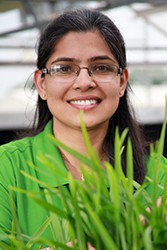
Dr. Ambika Chandra is Professor and Assistant Director of Texas A&M AgriLife Research & Extension in Dallas, specializing in turfgrass genetics and breeding. Her research adopts a holistic systems approach to cultivar development for home lawns, athletic fields, and golf courses, integrating molecular genetics, physiology, entomology, pathology, and socio-economics. Her research focuses on developing high-throughput phenotyping methods for evaluating biotic and abiotic stress tolerances in breeding populations. She has established interdisciplinary collaborations across turfgrass science domains to enhance sustainable turf production. Recent publications demonstrate advancements in drought resistance, salinity tolerance, and sustainable turf management, with field trials spanning multiple U.S. regions. Her work emphasizes genetic improvements for environmental resilience and reduced resource inputs. Her grants include projects on water-efficient turfgrasses and multi-state cultivar development initiatives. Dr. Chandra contributes to graduate education, training future plant breeders and turfgrass professionals.