Dr. Annemarie Uhlig is a medical academic with the title Privatdozent (PD Dr.) who serves as advisor and referee for doctoral theses in the field of oncology. Her academic work focuses primarily on prostate cancer research, urological oncology, and cancer treatment methodologies. Her research interests include Oncology , Urology , Prostate Cancer Research , Cancer Biomarkers , and Cancer Treatment . Her work demonstrates particular expertise in diagnostic imaging techniques, molecular mechanisms of cancer progression, and treatment resistance. Analysis of her supervised doctoral theses reveals a strong focus on clinical oncology with particular emphasis on prostate cancer diagnostics and treatment. The research spans molecular mechanisms, imaging techniques, biomarker development, and clinical treatment protocols across various cancer types. Dr. Uhlig has supervised five doctoral students whose work was completed between 2023-2025, indicating active engagement in academic mentorship and research guidance in the medical field.
Jongeun Rhee is an Assistant Professor in the Department of Surgery at the Uniformed Services University of the Health Sciences (USUHS) School of Medicine, Bethesda, MD, with primary research focus on environmental and occupational epidemiology related to cancer risk. Her work integrates military health contexts, particularly examining exposures to firefighting agents and occupational hazards among service members. Dr. Rhee's educational background includes a Sc.D. and M.S. in Environmental Health from Harvard T.H. Chan School of Public Health, with dual bachelor's degrees in Environmental Health and Life Sciences from Korea University. Her postdoctoral training was completed at the National Cancer Institute's Occupational and Environmental Epidemiology Branch. Her research program centers on cancer epidemiology, with emphasis on genitourinary cancers (prostate and kidney), environmental carcinogens like PFAS, heavy metals, and air pollution. She develops military-specific exposure assessment tools including job exposure matrices for service-related hazards. Current work examines PFAS exposure in military populations and its association with testicular and renal cancers. Analysis of her 15 most recent publications reveals strong thematic focus on environmental exposures (particularly PFAS) and cancer outcomes across multiple organ systems, with increasing emphasis on military populations and multi-ethnic cohorts. Her methodology combines advanced exposure assessment with molecular epidemiology approaches. National Cancer Institute Division of Cancer Epidemiology and Genetics Cancer Health Disparities Award (2022) National Institutes of Health Pamela Anne Cafritz Renal Cell Carcinoma Award (2020) NCI Director's Award (2022) American Association for Cancer Research Scholar-in-Training Award (2022) NIH Award to Mentor Undergraduate Scholars (2024) Dr. Rhee leads multiple NIH-funded projects examining military carcinogens and environmental cancer risks. She mentors early-career researchers through NIH scholarship programs and collaborates extensively with NCI investigators. Her work bridges environmental health sciences with clinical oncology, particularly in military healthcare contexts.
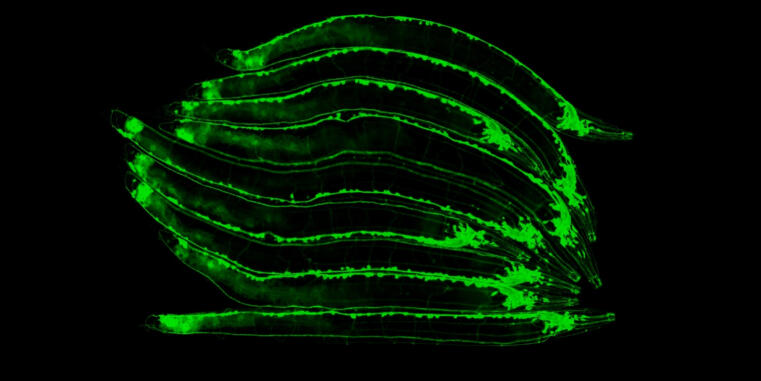
Chris Wang serves as Associate Professor of Biology and Chair of Sciences at Ambrose University since Fall 2017. His research investigates stem cell proliferation-differentiation balance using Caenorhabditis elegans germ line and human tissue culture models, focusing on molecular regulators like the GLP-1/Notch pathway and teg-1 gene. His educational background includes: PhD from University of Calgary MSc from University of Calgary BSc from University of Lethbridge Dr. Wang's research centers on molecular mechanisms governing stem cell fate decisions. His lab identifies key regulators such as TEG-1/CD2BP2 in microRNA-mediated control of germline development, with implications for tumor formation and developmental defects. Current work explores how TEG-1 maintains microRNA-induced silencing complex stability. Recent publications (2017-2021) reveal consistent focus on C. elegans germ line development, Notch signaling, and RNA processing. Key themes include tumor suppression via Derlin proteins, posttranscriptional regulation of meiosis, and proteasome-mediated control of chromodomain proteins, demonstrating interdisciplinary integration of genetics and molecular biology. Dr. Wang actively mentors students in laboratory research, as evidenced by co-authorships on conference presentations about RACK-1, VIG-1, and MRG-1 roles in germline stem cells. His teaching portfolio includes Cellular and Molecular Biology, Molecular Genetics, and Cancer Biology courses using team-based learning approaches. His research laboratory employs forward/reverse genetics in C. elegans to dissect conserved pathways regulating stem cell behavior. Current projects investigate TEG-1's dual roles in splicing factor interactions and microRNA abundance control, with collaborations extending to University of Calgary researchers.
Yuewan Luo is an Academic employee at the Biotech Research & Innovation Centre (BRIC) within the Faculty of Science at the University of Copenhagen, working in the Andersen Group. Based at Ole Maaløes Vej 5 in Copenhagen, Luo maintains an active research profile with expertise spanning cancer immunotherapy, epigenetics, and molecular biology. Luo completed a Postdoctoral fellowship in Immunology at the University of Florida from September 2019 to October 2020, following a PhD in Epigenetics and Immunology from the Chinese Academy of Science between September 2013 and June 2019. This educational background has established a strong foundation for their current research trajectory. Research interests focus on therapeutic targets in cancer, particularly through epigenetic mechanisms and omics approaches, with specific emphasis on cholangiocarcinoma. Luo's work demonstrates significant contributions to PROTAC-mediated protein degradation strategies for cancer immunotherapy, as evidenced by multiple high-impact publications in journals including Nature Communications, Molecular Cell, and The Journal of Experimental Medicine. The research portfolio shows a transition from fundamental studies in Drosophila genetics and stem cell biology toward more translational cancer immunology work. Luo maintains an active research profile with publications receiving attention across multiple platforms, including news outlets, social media (X, Facebook), and academic readership platforms like Mendeley, indicating growing influence in the field of cancer immunotherapy and targeted protein degradation.
Anders Juul is a Clinical Professor at the University of Copenhagen's Faculty of Health and Medical Sciences, holding a dual appointment with the Capital Region of Denmark. He serves as Head of Department and Senior Physician (klinikchef og overlæge) at the Department of Growth and Reproduction, Rigshospitalet. His work spans clinical practice, research, and academic leadership in the field of pediatric endocrinology and reproductive medicine. Dr. Juul's primary research interests focus on Paediatric Endocrinology, Male reproduction, Growth and puberty disorders, Timing and regulation of normal puberty, Disorders of Sex Development, and Klinefelter syndrome. His research has significantly advanced understanding of reproductive hormone physiology throughout life stages, particularly in the areas of puberty regulation and testicular function. His work has demonstrated declining secular trends in male serum testosterone levels in Denmark and the association between impaired Leydig cell function and increased morbidity and mortality. His current research initiatives include The COPENHAGEN Puberty study, The CPH minipuberty study, and The North European SGA Study, where he serves as principal investigator on this multicenter study. His research also explores genetic, epigenetic and environmental factors involved in testicular function, with particular attention to endocrine disrupting chemicals and their impact on reproductive health. Dr. Juul has received notable recognition including The European Society of Paediatric Endocrinology Research Award in 2015. His research profile shows extensive scholarly output with over 726 research publications and an H-index of 63 (Web of Science). As a clinical professor, he supervises numerous PhD students and has been instrumental in organizing major research workshops including the Copenhagen Workshop on Endocrine Disruptors and the Copenhagen Workshop on Testicular Germ Cell Cancer. His work has significant clinical implications for understanding and treating growth disorders, puberty abnormalities, and reproductive health issues.
Peter Schwarz is a Clinical Professor at the University of Copenhagen's Department of Clinical Medicine with a specialization in Endocrinology. He holds a dual appointment between the Capital Region of Denmark and the University of Copenhagen, and is affiliated with the Center of Organ and Cancer Center at Copenhagen University Hospital – Rigshospitalet as a consultant. His academic journey includes earning his medical doctor (MD) degree from the University of Copenhagen in 1987 and his Doctor of Medical Sciences (DMSc; dr.med.) in 1996. Dr. Schwarz is board-certified in Clinical Biochemistry, General Internal Medicine and Endocrinology. His research primarily focuses on calcium metabolic diseases, particularly rare conditions such as hypoparathyroidism and genetic calcium and bone disorders. He investigates calcium and bone homeostasis with emphasis on ionized calcium regulation by PTH and vitamin D, bone markers of turnover, and receptors CASR and P2X7 in primary hyperparathyroidism, FHH, breast cancer and rare bone diseases. His work spans both clinical and translational research areas within endocrinology and metabolic disorders. Dr. Schwarz's recent publications demonstrate a strong focus on endocrine disorders, particularly calcium metabolism, hypoparathyroidism, and related conditions. His research output shows collaboration across multiple disciplines including oncology, diabetes research, and bone health. He has been actively involved in clinical trials, systematic reviews, and population-based studies with significant contributions to understanding rare endocrine disorders and their treatments. Chair of the Grant Committee in the LEO Foundation (2017-) Research funding from Greater Copenhagen Research Foundation, Novo Nordisk Foundation, and multiple other Danish foundations Author of several editions of major Danish medical textbooks including Medicinsk Kompendium and Medicin Dr. Schwarz serves as principal investigator in multiple industry collaborations with pharmaceutical companies including Ascendis Pharma (2019-2025) and Amolyt (2024-), and has previously worked with Abbott, Amgen and MSD. His research profile reflects substantial contributions to endocrinology with over 130 peer-reviewed publications and significant involvement in both clinical practice and academic research. He maintains active laboratory work focused on calcium metabolism and related disorders, with collaborations spanning multiple institutions in Denmark and internationally.
Joshua Mark Brickman is a Professor in the Department of Biomedical Sciences at the University of Copenhagen's Faculty of Health and Medical Sciences. He leads the Brickman Group at reNEW (Novo Nordisk Foundation Center for Stem Cell Medicine), a global research center focused on stem cell medicine. His laboratory, the Brickman Lab, is located at Blegdamsvej 3B, 2200 København N, Denmark. Professor Brickman earned his B.A. in Chemistry & Philosophy from the University of Vermont in 1985, followed by a Ph.D. in Biochemistry and Molecular Biology from Harvard University in 1996. After completing his doctoral studies focusing on transcription, he pursued post-doctoral training in developmental biology, working with early mouse development and embryonic stem cells as models for understanding developmental processes. Brickman's research focuses on understanding how transcription factors regulate cell fate choice in embryonic stem cells and early embryos. His group investigates transcriptional priming and commitment in stem cells, particularly in the specification of the endoderm lineage. They aim to understand how these priming events relate to stem and progenitor cell potency. The Brickman Group explores three main research themes: the molecular biology of enhancer function, transcription factors and metabolic influence in stem cell competence, and transcriptional regulation in the endoderm lineage. Their work has led to significant innovations including the development of human hypoblast stem cells, drugs for improved organ differentiation, and new approaches to IVF culture. Professor Brickman's laboratory has received funding from prestigious sources including the European Research Council, Novo Nordisk Foundation, Danmarks Frie Forskningsfond, Lundbeck Foundation, and the BRIDGE - Translational Excellence Program. His research on FGF/ERK signaling has proposed a new paradigm for understanding transcription factor function as enablers of signaling response rather than determinants of transcription itself. The Brickman Group consists of a diverse team of approximately 28 researchers including postdocs, PhD students, research assistants, and visiting scientists. Current members include Assistant Professor Molly Lowndes, Researcher Rita S. Monteiro, Postdocs Joji Marie Yap Teves and S M Nazmus Salehin, Master Students Hanna Kreilgaard McNamara and Sarah Sølling Brendstrup, and several others working collaboratively on various aspects of stem cell biology and developmental regulation.
Waddah Arafat is an Associate Professor in the Department of Internal Medicine at UT Southwestern Medical Center and a member of the Division of Hematology and Oncology. He serves as Medical Director of the Clinical Cancer Informatics Program at Harold C. Simmons Comprehensive Cancer Center, Chair of the Germ Cell Tumor Board, and Deputy Chief Medical Informatics Officer, with additional roles on the Quality Assurance & Performance Improvement Committee, Clinical Oversight Committee, and Oncology Care Model Steering Committee. Education: Medical Degree: Damascus University Faculty of Medicine (Damascus, Syria) Residency: Indiana University School of Medicine (Indianapolis) Fellowship: University of Wisconsin (Madison) in Hematology and Medical Oncology Dr. Arafat's research centers on clinical and radiation oncology with specialized expertise in germ cell tumors, urothelial cancer, and renal cell carcinoma. His work integrates cancer informatics to address healthcare disparities and optimize treatment protocols, particularly in stereotactic ablative radiotherapy and circulating tumor cell biomarker development. Current investigations focus on improving outcomes for underserved populations in testicular cancer care and advancing precision medicine approaches for kidney cancer. His 12 publications (2014-2021) reveal a consistent focus on renal cell carcinoma management, germ cell tumor relapse patterns, and urothelial cancer biomarkers. Key trends include stereotactic radiation for oligometastatic disease, telemedicine implementation in oncology, and socioeconomic disparities in cancer care access. His research frequently involves multi-institutional clinical trials and collaborative biomarker validation studies. Dr. Arafat actively contributes to quality improvement through Simmons Comprehensive Cancer Center committees, emphasizing clinical oversight and performance metrics. He is certified by the American Board of Internal Medicine in hematology and medical oncology and maintains active membership in the American Society of Clinical Oncology.
Adrian Bird is the Buchanan Professor of Genetics at the University of Edinburgh's School of Biological Sciences and a Fellow of both the Royal Societies of London and Edinburgh. Previously, he served as Director of the Wellcome Trust Centre for Cell Biology from 1999 to 2011, Governor of the Wellcome Trust from 2000-2010, and Deputy Chairman from 2007. Currently, he serves as a trustee of Cancer Research UK and the Kirkhouse Trust. Professor Bird's research focuses on genetics, epigenetics, and molecular biology, with particular emphasis on DNA methylation, Rett Syndrome, and CpG island biology. His work has significantly advanced our understanding of how epigenetic mechanisms regulate gene expression and contribute to neurological disorders. His recent publications demonstrate ongoing research in chromosome organization, transgenerational epigenetic inheritance, and the molecular mechanisms of DNA methylation. Bird's work continues to explore how epigenetic modifications influence gene expression patterns and contribute to disease states, particularly in neurological conditions. Professor Bird has received numerous prestigious awards for his contributions to science: Howard Hughes International Fellowship Louis-Jeantet Prize for Medicine Gairdner Foundation prize Gabor Medal of the Royal Society GSK Medal of the Royal Society Charles Rodolphe Brupbacher Prize Shaw Prize for life science and medicine Spanish BBVA award Bird leads an active research group with significant funding from organizations including the Wellcome Trust and Simons Foundation. His laboratory focuses on understanding the molecular mechanisms of epigenetic regulation, particularly in relation to neurological disorders like Rett Syndrome. The Bird Lab maintains strong collaborations with researchers worldwide and has developed important resources for the scientific community.
Robin Shields-Cutler is an Associate Professor of Biology at Macalester College in St. Paul, MN, currently on sabbatical. His research focuses on the biochemical interface between diverse bacteria and their hosts (primarily humans), utilizing both computational and experimental approaches to investigate complex microbial interactions. Education: BA: Grinnell College (Biological Chemistry) PhD: Washington University in St. Louis (Molecular Microbiology & Microbial Pathogenesis) Postdoc: University of Minnesota (BioTechnology Institute, College of Biological Sciences) Shields-Cutler's research spans multiple areas of microbiome science, with particular emphasis on computational profiling of secondary metabolites in bacterial communities and primate microbial biodiversity. His work bridges wet lab experimental microbiology with dry lab computational analysis, using techniques ranging from culture work and mass spectrometry to advanced bioinformatics. He maintains active collaborations with the Como Zoo, Mayo Clinic, University of Minnesota Masonic Cancer Center, and multiple other institutions. His publication record reveals strong focus areas in gut microbiome dynamics related to transplantation medicine, host-microbe interactions in primates, and the development of computational tools for microbiome analysis. Several of his methods papers like SHOGUN and SplinectomeR have become important resources for the microbiome research community. Scientific Awards: Faculty of 1000 Prime Recommended for Chemical Biology Selected as JBC 'Paper of the Week' Cover feature for June 26, 2015 issue of Journal of Biological Chemistry Highlighted in Nature Reviews: Gastroenterology and Hepatology Shields-Cutler actively mentors undergraduate researchers at Macalester College, with numerous publications featuring undergraduate co-authors. His research program has secured funding through collaborative grants with major institutions including the Mayo Clinic, Como Zoo, and University of Minnesota. His work on the gut microbiome in hematopoietic cell transplantation patients has particular clinical significance. His laboratory features dedicated space for both computational and experimental work, reflecting his dual approach to microbiome research. He maintains active GitHub repositories for his computational tools and collaborates extensively through the Macalester College Biology Department and beyond.
Prof. Dr. Eva Liebau is a Professor and Group Leader at the Institute for Integrative Cell Biology and Physiology, University of Münster, Germany, specializing in Molecular Physiology. She leads an active research group investigating glutathione metabolism, oxidative stress response, and parasitic nematodes, with significant involvement in the SãMBio German-Brazilian double degree program with the University of São Paulo. Her research focuses on the molecular mechanisms of genetic adaptation to xenobiotic compounds and oxidative stressors, using Caenorhabditis elegans as a model organism. Her work spans environmental stress response, thiol-based redox signaling, glutathione-related enzymes, regulation of translation, and the secretome of parasitic nematodes. She has made significant contributions to understanding the UFM1 cascade, a posttranslational modification system highly conserved in multicellular organisms. Prof. Liebau's recent publications reveal a strong trend toward anthelmintic drug discovery using natural compounds and plant extracts, with particular emphasis on understanding the mechanisms of action against parasitic nematodes. Her work bridges basic molecular research with applied parasitology, contributing to both fundamental understanding of stress responses and potential therapeutic applications. She actively supervises PhD and MSc students including Emma Schröder and Luka Ressmann, and collaborates extensively with international partners including the Institute of Biomedical Sciences at the University of São Paulo, the Institute of Pharmaceutical Biology and Phytochemistry at the University of Münster, and the Redox Homeostasis Group at the Institute of Biomedicine of Seville. Prof. Liebau is affiliated with multiple research networks including Cells in Motion, CRC 1009 (Breaking Barriers), CRC 1348 (Dynamic Cellular Interfaces), CRC 1459 (Intelligent Matter), and CRC 944 (Physiology and Dynamics of Cellular Microcompartments), and participates in several PhD programs including CiM-IMPRS, IRTG Graduate School, and SP BioSciences.
Bülent ERDOĞAN is a Professor of Medical Oncology at Istanbul University's School of Medicine, with extensive research experience in cancer biology, molecular oncology, and clinical cancer treatment. His work focuses on various cancer types including colorectal, hepatocellular, prostate, testicular, and ovarian cancers. Dr. ERDOĞAN's research interests span multiple areas of oncology, with particular emphasis on molecular mechanisms of cancer progression, biomarker discovery, and targeted therapies. His work on RAS mutations in solid tumors has been particularly influential in understanding cancer biology and developing targeted treatment approaches. He has made significant contributions to understanding the role of nutritional status, sarcopenia, and inflammatory markers in cancer prognosis and treatment outcomes. His recent publications demonstrate a strong focus on metastatic cancer treatment, with particular attention to novel therapeutic combinations, biomarker identification, and personalized treatment approaches. The research shows consistent themes around molecular pathways in cancer, treatment sequencing, and prognostic factors across different cancer types. Dr. ERDOĞAN has collaborated extensively with Turkish oncology researchers including Irfan Çiçin, Muhammet Bekir Hacıoğlu, and Osman Köstek, contributing to numerous multicenter studies that have shaped cancer treatment protocols in Turkey. His work bridges basic science and clinical application, with findings that have direct implications for cancer patient management.
Marie Bengtsson is a Researcher at the Division of Occupational and Environmental Medicine, Lund University. Her work focuses on mass spectrometry applications in environmental medicine, particularly biomonitoring chemical exposures during pregnancy and their health impacts. She has collaborated internationally, including projects in Sweden and Costa Rica. Her research spans molecular biology, epidemiology, and agricultural sciences. Key projects include analyzing DNA/RNA extraction methods, studying antioxidant enzyme expression in retinal models, and investigating environmental risk factors for germ cell cancer in offspring. Recent publications highlight her expertise in environmental toxicology, including the detection of fungicide metabolites in maternal serum (2024) and cotinine exposure linked to pediatric cancer risks (2024). Her methodological contributions improve sensitivity in low-abundance molecular analyses.
Clinical Associate Professor Birgitte Grønkær Toft is affiliated with the Department of Clinical Medicine at the University of Copenhagen's Faculty of Health and Medical Sciences, specializing in Pathology. Her research primarily focuses on urological cancers, particularly testicular and prostate cancers, with a strong emphasis on translational research bridging laboratory findings with clinical applications. Dr. Toft's research interests span multiple areas of oncology and reproductive medicine. Her work investigates the molecular mechanisms of testicular microcalcifications, prognostic factors in testicular seminoma, and the impact of exercise interventions on tumor immunology in prostate cancer. She has made significant contributions to understanding male reproductive health issues in cancer patients, including the effects of denosumab on spermatogenesis in infertile men. Her research combines epidemiological approaches with molecular and clinical investigations to improve cancer diagnosis, treatment, and survivorship outcomes. Analysis of her recent publications reveals a strong focus on translational urological oncology research. Her work demonstrates consistent collaboration with major Danish cancer centers and international research groups. Key themes include biomarker discovery, cancer surveillance strategies, and non-pharmacological interventions like exercise oncology. Her research has been recognized through citations in clinical guidelines and media coverage, indicating significant impact on both clinical practice and public understanding of urological cancers. Dr. Toft has been involved in several high-impact collaborative research projects, particularly in the areas of testicular and prostate cancer. Her work has been cited in clinical guidelines and has received attention from news outlets, social media, and academic platforms like Mendeley, demonstrating the relevance and impact of her research in the medical community.
Stylianos Bakoulis is a Postdoctoral Researcher at the University of Copenhagen's Department of Cellular and Molecular Medicine (Faculty of Health and Medical Sciences) and the Medical Genetics Program, where he investigates the role of transposable elements and endogenous retroviruses in gene regulation during development and stem cell differentiation. Education: Ph.D. in Biology, University of Copenhagen, 2023 His research spans Genetics, Molecular Biology, Genomics, Developmental Biology, Stem Cell Research, and Bioinformatics, with emphasis on chromatin dynamics, transcriptional mechanisms, and computational genomics. He employs integrated experimental and bioinformatic approaches to decode regulatory landscapes in embryonic stem cells and germ cells. Analysis of his publications reveals a cohesive focus on how repetitive genomic elements evolve into functional regulators, particularly in pluripotency contexts. His work bridges evolutionary biology, epigenetics, and developmental regulation, highlighting conserved mechanisms across model organisms. No details on advising, grants, or laboratory leadership were provided in the source material.