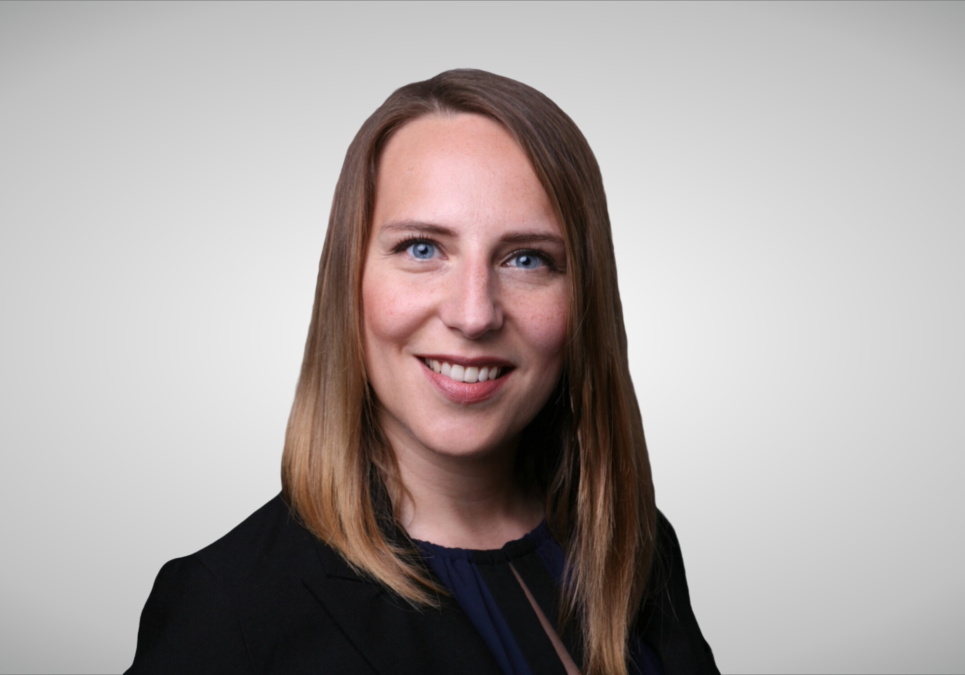
Cajsa Bartusch KättingView profile
Senior Lecturer
Cajsa Bartusch Kätting is a Senior Lecturer at Uppsala University's Department of Civil Engineering and Industrial Engineering within the Faculty of Science and Technology, and a Researcher at the Institute for Research on Conflicts of Goals in Sustainable Social Transition. As leader of the Uppsala Smart Energy Research Group (USER), she investigates electricity consumer and prosumer roles in smart grid development, focusing on demand response, decentralized generation, and sustainable energy transitions through industry-academic collaborations with partners including Ellevio and STUNS Energi. Her research centers on demand flexibility and consumer behavior in energy systems, examining how dynamic pricing, feedback mechanisms, and IT services influence residential and commercial electricity consumption. She integrates social psychology with engineering to design interventions for sustainable energy use, particularly studying gender differences in tariff understanding, prosumer integration challenges, and the impact of occupancy patterns on consumption. Analysis of her 15 most recent publications reveals increasing focus on behavioral aspects of smart grids, with empirical studies on dual-price signal confusion, microgrid optimization, and pandemic-driven consumption shifts. Her work consistently addresses the human dimension of energy transitions, moving beyond technical solutions to examine cognitive processes and social barriers in demand response adoption. Bartusch has secured significant funding from the Swedish Energy Agency and Familjen Kamprads stiftelse for projects like Användarnas roll i implementeringen av smarta elnät (2019-2024) and Holistiska affärsmodeller för prosumenter (2015-2018), often collaborating with municipalities and energy companies to translate research into practical solutions for grid congestion and renewable integration. She leads the USER research group which conducts applied interdisciplinary work combining engineering, psychology, and social sciences. The group's projects with partners like Uppsala Municipality and KTH focus on real-world implementation of demand response programs, prosumer business models, and microgrid optimization in multi-dwelling buildings, directly addressing Sweden's energy transition challenges.