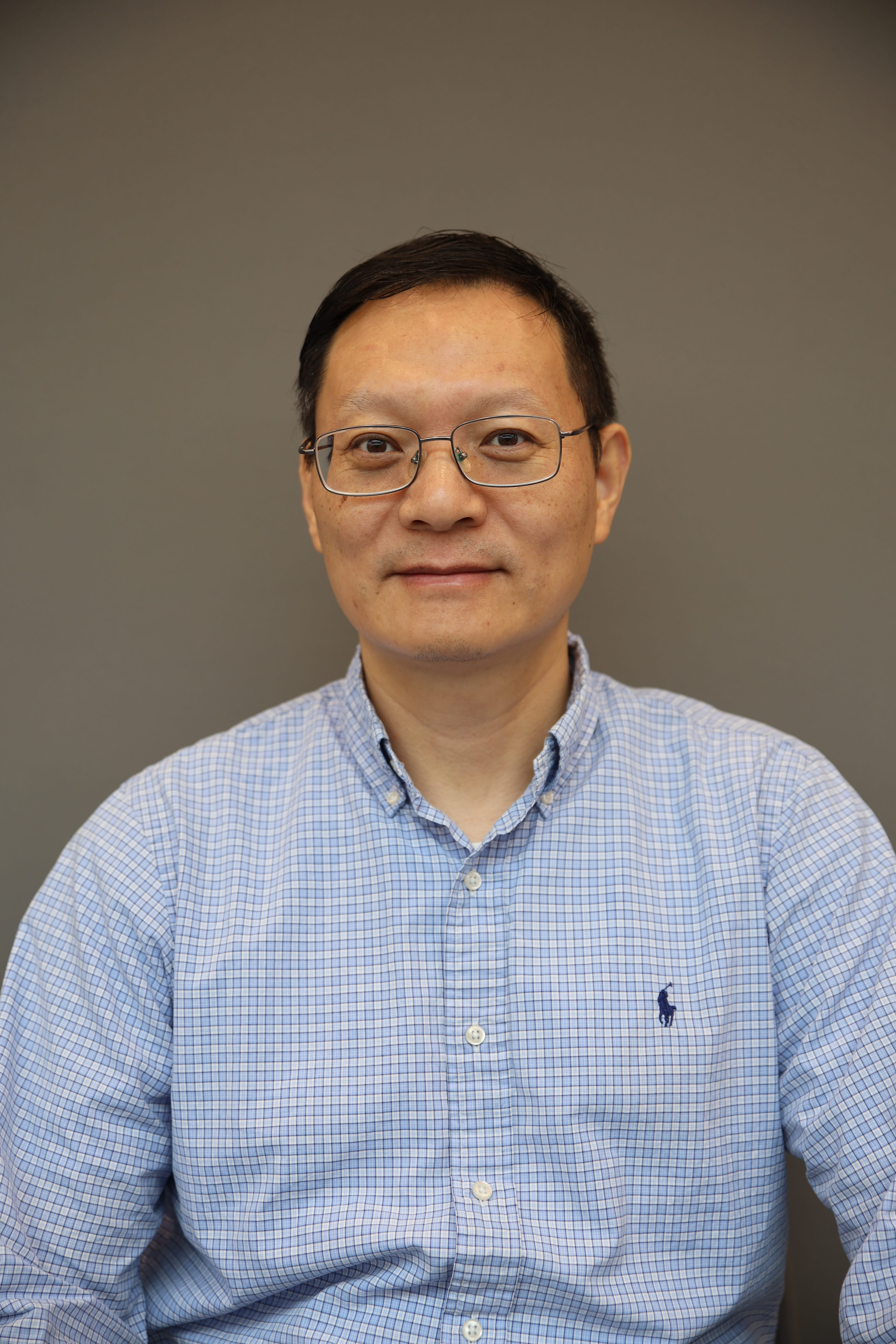
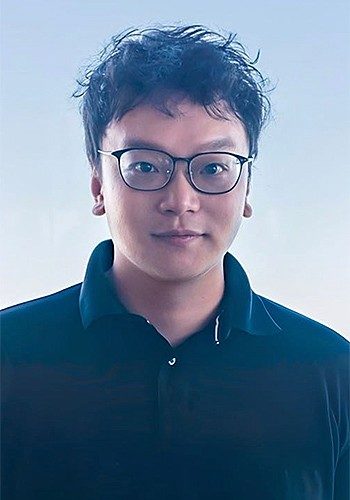
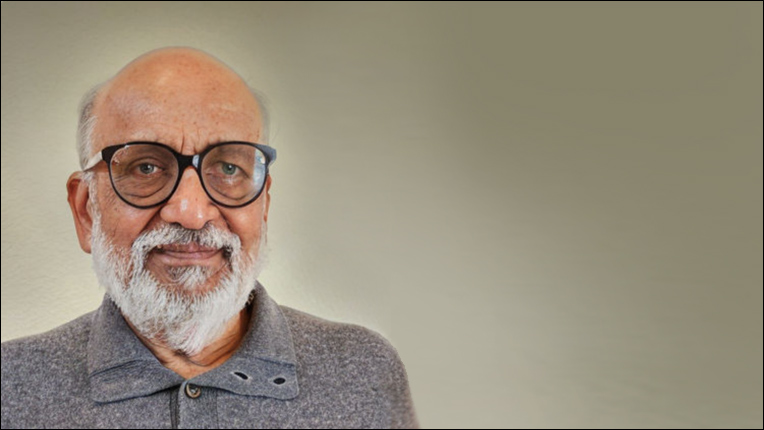
Tao Hu is an Assistant Professor in the Department of Geography at Oklahoma State University (OSU), serving since 2021. He holds a PhD (2015) and BS (2009) in Geography from Wuhan University, China. Prior to OSU, he worked as a Postdoctoral Research Fellow at Harvard University's Center for Geographic Analysis (2019–2021) and Kent State University (2016–2019). Research Focus: Leverages geospatial big data (remote sensing, social media, smartphone mobility) and GeoAI models to address health disparities, environmental health, and urban sustainability challenges. Key Contributions: Over 60 peer-reviewed articles, including 5 ESI Highly Cited Papers (top 1%). Research supported by NSF, USDA, and ESIP. His work spans FAIR workflow systems, disaster public perception analysis (e.g., Ohio train derailment), heat vulnerability modeling, and healthcare accessibility via mobility data. He emphasizes reproducible GIScience and societal impact through actionable insights. Teaching includes courses on GIS in public health, health geography, and programming for geospatial applications. His lab integrates geospatial AI with health equity, environmental justice, and smart city initiatives.
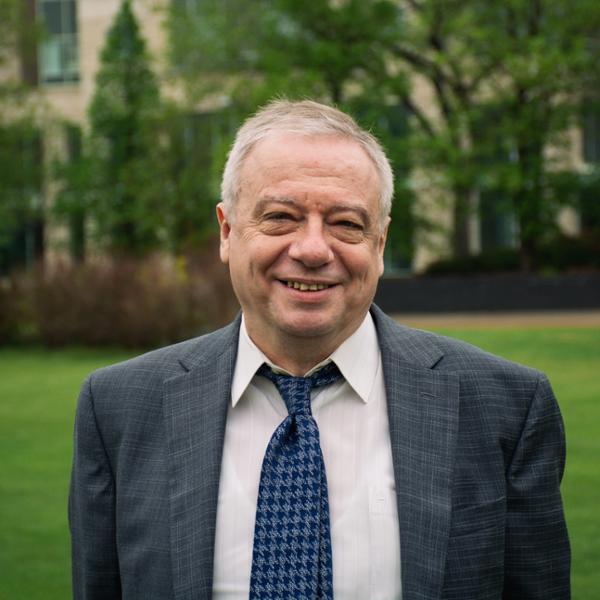
Andrei Volodin is a Professor in the Department of Mathematics and Statistics at the University of Regina, Canada. He serves as the Co-op Work/Study Coordinator and has an extensive publication record spanning probability theory, statistical inference, and applied statistics. His research focuses on limit theorems, bootstrap methods, and distributional analysis with applications to quality control and healthcare economics.
Hongbo Su is an Associate Professor at the College of Engineering and Computer Science , Florida Atlantic University , specializing in Civil, Environmental and Geomatics Engineering . With a Ph.D. from Princeton University, he leads the Laboratory for Remote Sensing and Hydrometeorology , focusing on land surface-atmospheric interactions and water-energy cycle dynamics. Research Interests : Land Surface-Atmospheric Interactions Hydrology and Climate Science Quantitative Remote Sensing Geographic Information Systems (GIS) Scientific Focus : His work spans flood risk modeling, urban heat island analysis, evapotranspiration estimation, and coastal resilience. Recent studies integrate machine learning with remote sensing for aquaculture mapping, vegetation dynamics, and seawall detection. Publications emphasize spatiotemporal modeling, data fusion techniques, and climate adaptation strategies.
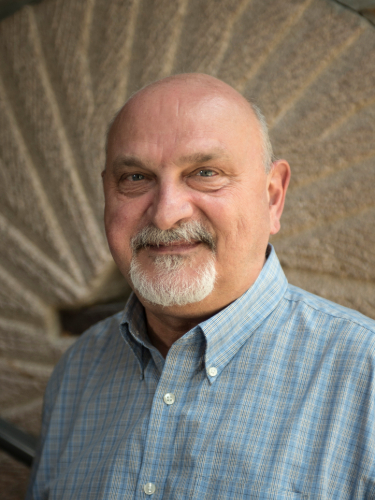
Marian Muste is an Adjunct Professor and Research Engineer in Civil and Environmental Engineering at the University of Iowa, affiliated with IIHR—Hydroscience & Engineering. He holds an MSc from Polytechnic Institute Cluj and a PhD from the University of Iowa. Research Focus: His work spans experimental hydraulics, sediment transport, flood monitoring, and cyberinfrastructure for watershed systems. He contributes to UNESCO and WMO flood-risk projects and develops innovative river-monitoring techniques using advanced sensors and modeling. Publication Trends: Recent articles emphasize river dynamics, hysteresis phenomena, AI-driven water management, and cyberinfrastructure (RIMORPHIS). His research integrates field data, satellite observations, and computational models to advance hydrological prediction and hazard mitigation. No awards listed. He mentors through research collaborations but has no listed PhD students. His work supports infrastructure resilience and environmental monitoring frameworks.
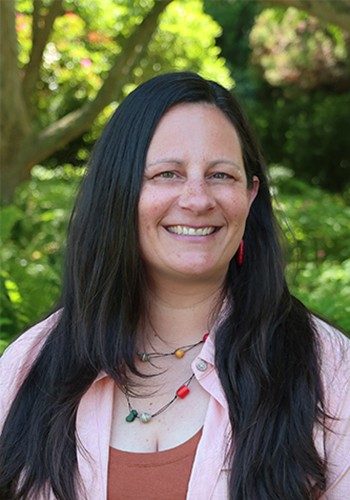
Korine N. Kolivras is a Professor in the Department of Geography at Virginia Tech’s College of Natural Resources and Environment. Her research focuses on medical geography, particularly the interplay between environmental variability and human health, with a specialization in emerging infectious diseases such as Lyme disease and valley fever. She has conducted extensive studies on Lyme disease emergence in Virginia and Appalachia, linking land cover changes to disease spread. Her work also addresses environmental health disparities in Central Appalachia, examining connections between surface mining, flooding, and adverse birth outcomes. Education: Ph.D. in Geography, University of Arizona (2004); M.A. in Geography, University of Arizona (2000); B.A. in Geography, Shippensburg University (1997). Research interests include climate change impacts on health, geospatial techniques in public health, and syndemic health risks in marginalized communities. She has led trans-disciplinary projects funded by NIH, NSF, and the Powell River Project, totaling over $725,000 in grants. Notable grants include studies on adverse birth outcomes linked to surface mining and flooding’s health impacts using satellite data. Her publications span peer-reviewed journals like PLOS Water, GeoHealth, and the International Journal of Disaster Risk Reduction, emphasizing geospatial analysis of health risks. She teaches courses in medical geography, geographic theory, and climate-health linkages.
Fangzheng Lyu is an Assistant Professor in the Department of Geography at Virginia Polytechnic Institute and State University (Virginia Tech), affiliated with the College of Natural Resources and Environment. His research focuses on advancing GIScience, geospatial data science, and computational methods to address complex urban and environmental challenges using big data. He holds a Ph.D. from the University of Illinois Urbana-Champaign (2024), an M.S. from the same institution (2021), and a B.E. from the University of Hong Kong (2018). Dr. Lyu's expertise includes geospatial data science, cyberGIS, urban informatics, and geospatial AI. His work spans three core areas: (1) urban dynamics modeling using machine learning and cyberGIS, (2) scalable spatial algorithms for remote sensing and big data analysis, and (3) democratizing access to advanced geospatial cyberinfrastructure. He teaches courses such as Principles of GIS, Geospatial Data Science, and Spatial Data Science at Virginia Tech. His research has been published in leading journals like International Journal of Geographical Information Science , IEEE Journal of Selected Topics in Applied Earth Observations and Remote Sensing , and Sustainability . Notable contributions include frameworks for urban heat island prediction, spatiotemporal image fusion models (e.g., Multi-stream STGAN), and methods for analyzing spatial accessibility during public health crises. Dr. Lyu actively contributes to interdisciplinary initiatives, including the Center for Geospatial Information Technology at Virginia Tech. His work emphasizes reproducibility and collaboration, with a focus on bridging geospatial research and education through cyberGIS platforms like CyberGIS-Jupyter. He has received funding for proposals integrating geospatial technologies with urban sensing and epidemiological modeling.
David Auty is an Associate Professor and Executive Director in the School of Forestry at Northern Arizona University. His research focuses on wood properties, forest management practices, and innovative applications of LiDAR technology in forestry. He leads projects investigating the impact of environmental factors on tree physiology, wood quality, and forest dynamics. Notable contributions include developing the sgsR toolbox for LiDAR-based forest inventories and studying radial profiles of specific gravity in conifers. His work bridges ecological and engineering disciplines, addressing challenges in sustainable forestry and climate resilience. Collaborations include international studies on wildfire impacts, carbon modeling, and wood mechanics. David actively contributes to datasets on tree growth dynamics and has authored over 45 scholarly works, emphasizing practical solutions for forest management and conservation. Key Focus Areas: Forest Management, Wood Quality, Remote Sensing, Climate Adaptation Tools & Innovations: sgsR LiDAR Toolbox, Acoustic Wood Testing, Stand Dynamics Models Collaborations: Global networks studying boreal forests, wildfire impacts, and conifer physiology David’s research highlights the interplay between ecological processes and industrial forestry needs, with implications for bioenergy, carbon sequestration, and resilient forest systems.
Dr. Lin Zheng is a Research Fellow at University College London's Bartlett School of Environment, Energy & Resources, affiliated with the Energy Institute and Smart Energy Research Group (SERL). Her work focuses on applying data science and machine learning to address energy and sustainability challenges in buildings. She holds expertise in smart meter data analysis, life cycle assessment, and energy poverty research. Research interests include: Data-driven approaches for building energy conservation Thermal performance of renewable energy systems Phase change materials in energy storage solutions Machine learning applications in carbon footprint prediction Her recent work highlights trends in: Quantitative analysis of building lifecycle emissions Regional variations in energy consumption patterns Integration of renewable energy systems with smart materials Dr. Zheng is available for consultancy and journal reviewing, and communicates in English and Mandarin. Current affiliations include: Smart Energy Research Group (SERL) University College London Energy Institute
Ramesh Jain is a distinguished Professor and Founding Director of the UCI Institute for Future Health at the University of California, Irvine. He holds leadership roles across multiple institutions, including founding directorships of the Artificial Intelligence Laboratory at the University of Michigan (1987), Visual Computing Lab at UC San Diego (1995), and editorships of IEEE MultiMedia and Machine Vision and Applications journal. His research focuses on AI, computer vision, and healthcare innovation, particularly in data-driven health navigation systems and experiential computing. Education: Ph.D. in Electronics & Electrical Communications Engineering from IIT Kharagpur (1975). Research Interests: Building computing frameworks for personalized healthcare AI applications in nutrition and disease prevention Experiential computing and multimedia systems Multimodal data fusion for health monitoring Scientific Awards: ACM Distinguished Service Award (2023), ACM SIGMM Technical Achievement Award (2010), and Fellowships from ACM, IEEE, AAAS, IAPR, AAAI, and SPIE. Professional Contributions: Founded SIGMultiMedia, pioneered multimedia computing concepts like Folk Computing and Experiential Computing, and advised over 15 companies in early stages. Current projects include the Open Source Personal Health Navigator at Peng Cheng Lab, Shenzhen. Lab/Team: Leads the UCI Institute for Future Health, focusing on integrating AI and health informatics for preventive care.
Dr. Wei Jiang is a Research Associate in Mid-Infrared Lasers and Detectors at the School of Electrical and Electronic Engineering, University of Sheffield. His work focuses on advancing population-based structural health monitoring (SHM) techniques, particularly for wind energy systems. He specializes in integrating spatial autoregressive models, sensor networks, and environmental data analysis to optimize wind farm performance and detect structural anomalies. Research interests include: Development of advanced SHM frameworks for large-scale infrastructure Data-driven approaches for wind farm wake field prediction and optimization Environmental mapping using Eov fields for infrastructure longevity Integration of machine learning in structural anomaly detection Recent publications emphasize automated structure selection, spatial modeling for turbine performance, and database systems for SHM networks. His work bridges electrical engineering principles with renewable energy systems, contributing to sustainable energy infrastructure advancements. No scientific awards or grants are explicitly listed in the provided information. Dr. Jiang collaborates on interdisciplinary projects involving sensor technology, environmental engineering, and data science applications.
Hassan Al Razi is a Bangladeshi zoologist and biodiversity conservationist currently pursuing his Doctor of Philosophy at the School of Human Sciences, University of Western Australia. His research focuses on primate behavioral ecology, with particular emphasis on endangered species in Bangladesh including Bengal slow lorises, hoolock gibbons, and Phayre's langurs. Affiliated with the university's research programs, he contributes to multiple international conservation initiatives addressing primate conservation challenges. His educational background includes a Master of Science in Wildlife and Biodiversity Conservation (2017) and a Bachelor of Science in Zoology (2016), both from Jagannath University in Bangladesh. His thesis work examined Population Status, Habitat Preference and Threats of Phayre's Leaf Monkey in Satchari National Park. Al Razi's research interests span primate behavioral ecology, primate morphology and evolution, conservation biology, and biodiversity management. His work particularly emphasizes loris and chimpanzee conservation, with field studies conducted in Bangladesh's tropical forests. His fingerprint analysis reveals significant contributions to National Parks management, Lorisidae conservation, Anura studies, New Species discovery, Hylobatidae research, Nycticebus conservation, Sciuridae studies, and Tropical Forest ecology. Analysis of his 15 most recent publications (2021-2025) reveals a strong focus on primate conservation challenges in Bangladesh, with particular attention to road infrastructure impacts, wildlife trafficking, habitat fragmentation, and community-based conservation strategies. His work spans multiple primate species including hoolock gibbons, slow lorises, and langurs, with increasing emphasis on digital monitoring of wildlife trade and climate change adaptation strategies. His scientific recognition includes the award for Population Status, Threats, and Conservation of Bengal Slow Loris (Nycticebus bengalensis) in Northeast Bangladesh (2017), which received significant media attention with coverage from 9 news outlets, mentions by 3 X users, and 5 readers on Mendeley. Al Razi actively collaborates with international researchers across multiple countries, contributing to global conservation initiatives including the Global Primate Roadkill Database. His work aligns with UN Sustainable Development Goals related to biodiversity conservation and environmental protection. While specific lab affiliations aren't detailed in the provided text, his research involves extensive fieldwork in Bangladesh's forest ecosystems and collaboration with international conservation networks.
Kevin Murray is an Associate Professor at the University of Western Australia's School of Population and Global Health, where he serves as Head of the Division of Population Studies and is affiliated with the Cardiovascular Epidemiology Research Centre (CERC). With over 20 years of experience as an applied biostatistician, he has extensive expertise in clinical trials, epidemiological studies, intervention studies, surveys, longitudinal studies, and studies involving linked data. Dr. Murray's research spans multiple disciplines including biostatistics, epidemiology, cardiovascular disease, population health, and medical statistics. His work contributes significantly to the UN Sustainable Development Goals, particularly in health and well-being. His research fingerprint reveals strong focus areas including Cardiovascular Disease (100%), Symptomatic Treatment (90%), Cardiovascular System (78%), Human Milk (77%), and Malignant Pleural Effusion (75%). He employs methodologies in biostatistical methodology, constrained modeling, and big data analysis to address complex health questions across diverse populations. His recent publications demonstrate a focus on cardiovascular epidemiology, nutrition studies, aging research, and biostatistical methodology. Current research examines dietary patterns, hormone levels, cardiovascular disease markers, and aging biomarkers using large cohort studies like the Busselton Healthy Ageing Study and the Australian Imaging, Biomarkers and Lifestyle study. Scientific Awards: The ICD-Syd Dobbin AM Research Grant 2020 Dr. Murray actively supervises students as principal supervisor for 3 PhD students and co-supervisor for 8 students. He currently chairs the Research Committee and serves as a Board Member of the Busselton Population Medical Research Institute. He represents Australasia on the International Biometrics Society council. His grant portfolio includes 16 projects with 4 currently active, funded by organizations including the Medical Research Future Fund, Healthway, and the Stan Perron Charitable Foundation. Research areas include childhood physical activity interventions, osteoarthritis treatment, methoxyflurane safety, and mental health disorders in craniofacial anomalies. He previously served as Director of the University of Western Australia's Centre for Applied Statistics (2009-2016), where he developed research collaborations and mentored biostatisticians. His work continues to advance methodological approaches in biostatistics while addressing critical population health questions through large-scale epidemiological studies.
Lisa Gao is an Assistant Professor in the Department of Actuarial Science at the University of Waterloo. Her research focuses on insurance risk modeling, spatial statistics, predictive healthcare analytics, and biomarker-driven disease differentiation. She is affiliated with the Actuarial Science faculty and can be contacted at lisa.gao@uwaterloo.ca. Her work integrates environmental and medical data to address challenges in insurance claims management, healthcare policy, and autoimmune disease diagnosis. Notably, she has developed spatial models for insurance loss prediction and pioneered biomarker research for distinguishing psoriatic arthritis from psoriasis. Her articles span interdisciplinary topics including weather-related property insurance modeling, causal analysis of healthcare delays, and novel biomarker validation for autoimmune diseases. She holds no listed scientific awards but demonstrates a strong publication record in actuarial science and medical research. No grants, advising relationships, or specific laboratories are explicitly mentioned in the provided text.
John Ray Bergado is a Lecturer and Researcher at the Department of Earth Observation Science (EOS), Faculty of Geoinformation Science and Earth Observation (ITC), University of Twente, The Netherlands. He holds a PhD in End-to-end predictive models for remote sensing applications (2020), an MSc in Geoinformation Science and Earth Observation (2016, with distinction), and a BSc in Geodetic Engineering (2013, magna cum laude). His research focuses on integrating machine learning and deep learning with geospatial technologies like remote sensing, photogrammetry, and UAVs to address environmental and urban challenges. Education: PhD, University of Twente, 2016–2020 MSc (Distinction), University of Twente, 2013–2016 BSc (Magna Cum Laude), University of the Philippines, 2009–2013 His work emphasizes applications such as wildfire prediction, UAV-based point cloud extraction, and land use classification. He has contributed to projects with institutions like NEO BV, RMIT (Melbourne), and SRDP Consulting Inc. His research aligns with UN SDGs, particularly in sustainable development through geospatial innovation. Key trends in his articles include deep learning for geospatial data analysis, UAV applications in disaster response, and multispectral image fusion. His methodologies often combine neural networks and attention mechanisms to enhance remote sensing outcomes. He has no listed awards but has received academic distinctions for his degrees. His advisory roles and grants are not explicitly mentioned, though his research collaborations span global institutions. He is affiliated with ITC’s EOS department, contributing to its mission in geoinformation science and earth observation.
Bastiaan van den Bout is an Assistant Professor in the Department of Applied Earth Sciences and Digital Society Institute. His work focuses on geohazards, disaster risk management, and environmental modeling. He contributes to the UN Sustainable Development Goals, particularly in reducing disaster risks and mitigating climate change impacts. Research Interests: Multi-hazard simulation and impact chains Flood and landslide dynamics Cascading hazards and climate adaptation Machine learning applications in environmental science Recent research highlights include developing platforms for disaster impact quantification and analyzing tropical cyclone impacts using satellite data. He has collaborated internationally, including work on Dominica’s flood risk and coastal retreat strategies. Labs/Teams: Involved in the OpenLISEM hazard modeling project, a key tool for simulating environmental hazards.