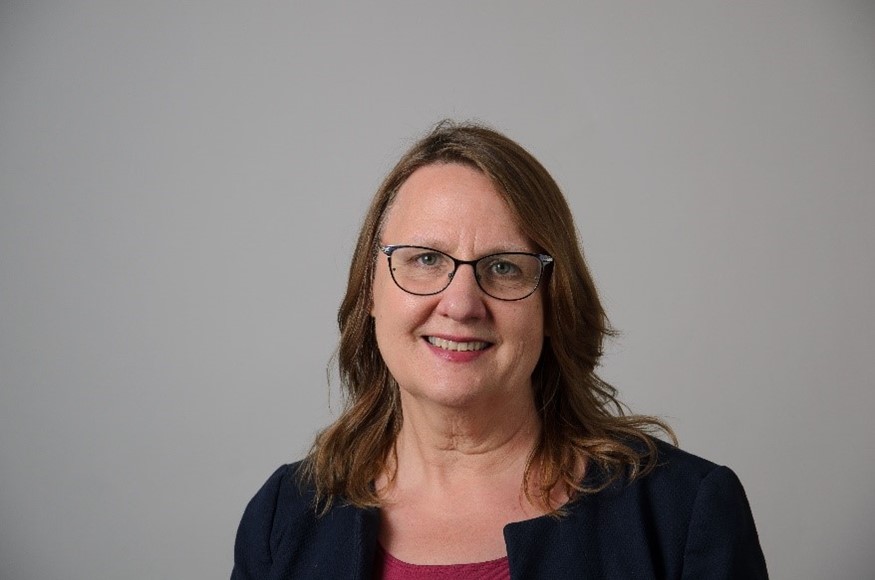
Erick Guerra is a Professor and Associate Dean for Research at the Stuart Weitzman School of Design , University of Pennsylvania, specializing in transportation planning and urban development. He teaches courses on transportation planning, multimodal systems, and studio projects focused on transit-housing integration in Latin America. Education: Ph.D. in City and Regional Planning, University of California Berkeley Master of Urban Planning, Harvard University B.A. from University of Pennsylvania Guerra’s research examines the interconnections between transportation systems, land use patterns, and travel behavior, particularly in developing cities. His work addresses transportation equity, technology adoption, and public health impacts in urban environments. Recent publications analyze highway expansion economics ( Overbuilt: The High Costs and Low Rewards of US Highway Building , 2025), automated vehicle impacts on pedestrian behavior, speed camera effectiveness, and comparative studies of low-income commuting patterns in the U.S. and Mexico. Research trends highlight his focus on sustainable mobility, policy evaluation, and cross-cultural urban dynamics.
Mike Wood is an Assistant Professor at the Moss Landing Marine Laboratories (MLML) with a joint appointment in the Department of Computer Science at San José State University (SJSU). His research focuses on ice-ocean-biology interactions and sea level rise dynamics related to the Greenland Ice Sheet, utilizing satellite observations, numerical ocean models, and in situ measurements. He leads the Computational Oceanography lab at MLML. Research Themes : Ice-ocean interactions, climate change impacts on polar regions, satellite remote sensing, and computational modeling. Academic Affiliation : MLML (Computational Oceanography) and SJSU Computer Science Department. Methodologies : Numerical modeling, satellite data analysis, and field observations in Greenlandic fjords. His recent publications reveal a focus on Greenland glacial meltwater dynamics, fjord-scale oceanography, and bathymetric mapping. Mike enjoys surfing and climbing when not engaged in academic work.
Professor Line Roald is a faculty member in the Department of Electrical and Computer Engineering at the University of Wisconsin-Madison. Her research focuses on power system optimization, renewable energy integration, grid resilience, and wildfire risk mitigation using stochastic optimization and data-driven methods. Education : PhD (2016), MS (2012), BS (2009) from ETH Zurich Key Research Areas : Power Systems Optimization, Renewable Energy Integration, Wildfire Risk Mitigation, Stochastic Programming, Grid Decarbonization Her work addresses critical challenges in sustainable energy systems, including balancing grid efficiency and risk, optimizing electrolyzer scheduling for flexibility, and predicting cascading blackout severity using graph neural networks. She has developed frameworks for carbon intensity comparison and wildfire risk assessment in power systems. Scientific Awards : 2024 Inclusion, Equity and Diversity in Engineering Award 2024 Vilas Faculty Early Career Investigator Award 2023 IEEE Power Tech Best Student Paper Award 2021 NSF CAREER Award 2019 MTLE Fellow Professor Roald mentors graduate students and teaches courses including Introduction to Optimization and On-Line Control of Power Systems . Her publications highlight innovative approaches to grid security, carbon-efficient energy markets, and climate resilience in infrastructure systems.
Yen-Chi Chen is an Associate Professor in the Department of Statistics at the University of Washington. He also holds positions as a Data Science Fellow at the UW eScience Institute and as a co-investigator and statistician at the National Alzheimer's Coordinating Center. His academic career spans multiple interdisciplinary fields including statistics, data science, and astrostatistics. Chen's educational background includes a Ph.D. from Carnegie Mellon University, where he received prestigious awards including the Umesh K. Gavasakar Thesis Award (2017) and the William S. Dietrich II Presidential Ph.D. Fellowship Award (2015). His research focuses on nonparametric statistics, topological data analysis, missing data methodologies, cluster analysis, manifold learning, and applications in large-scale structure analysis and astrostatistics. Chen has made significant contributions to the development of statistical methods for analyzing cosmic web structures, GPS data, and causal inference with continuous treatments. His work bridges theoretical statistics with practical applications in astronomy, neuroscience, and public health. Analysis of his recent publications reveals a strong emphasis on developing novel statistical frameworks for complex data structures, particularly focusing on density-based methods, manifold learning, and approaches that address challenges in missing data and causal inference without standard assumptions. ASA Noether Early Career Scholar Award, American Statistical Association (2022) CAREER Award, National Science Foundation (2022-2027) Umesh K. Gavasakar Thesis Award, Carnegie Mellon University (2017) William S. Dietrich II Presidential Ph.D. Fellowship Award, Carnegie Mellon University (2015) Chen has advised numerous graduate students across multiple publications, with a focus on developing new statistical methodologies. His research has been supported by major funding agencies including the National Science Foundation and the National Institutes of Health. He is actively involved in several research groups including the UW Geometric Data Analysis Group, the UW Center for Statistics and the Social Sciences, and the National Alzheimer's Coordinating Center.
John Z. Ayanian serves as the Alice Hamilton Distinguished University Professor of Medicine and Healthcare Policy at the University of Michigan, holding joint appointments as Professor of Internal Medicine in the Medical School, Professor of Health Management and Policy in the School of Public Health, and Professor of Public Policy in the Gerald R Ford School of Public Policy. As inaugural Director of the Institute for Healthcare Policy and Innovation (IHPI), he leads a consortium of 700 faculty members across 15 schools and maintains clinical practice as a general internist at Michigan Medicine. His academic foundation includes a Bachelor of Arts in history and political science from Duke University (1982), medical degree from Harvard Medical School (1987), and master's in public policy from Harvard Kennedy School (1987), followed by residency and fellowship at Brigham and Women’s Hospital and post-doctoral training in health services research at Harvard School of Public Health. Dr. Ayanian's research program investigates health equity, access to care, and quality of care with particular attention to social determinants including race/ethnicity, gender, socioeconomic status, and insurance coverage. His work critically examines Medicaid expansion impacts, Medicare Advantage disparities, and policy responses to health inequities, often utilizing large-scale claims databases and cross-institutional collaborations. Current projects include the federally-authorized evaluation of Michigan's Medicaid expansion program serving over 700,000 adults. Analysis of his 15 most recent publications (2025) reveals three dominant research thrusts: (1) Medicare Advantage vs Traditional Medicare comparisons across diverse clinical conditions, (2) Medicaid policy evaluation including unwinding impacts and expansion effects, and (3) innovative measurement of health equity through new indices and AI applications. His work consistently emphasizes methodological rigor in health services research while maintaining strong policy relevance. His scientific honors include: Election to the National Academy of Medicine Master status in the American College of Physicians John Eisenberg National Award for Career Achievement in Research Distinguished Investigator Award from AcademyHealth Election to Alpha Omega Alpha and Association of American Physicians Dr. Ayanian leads the federally-funded Healthy Michigan Plan evaluation team of 15 faculty members and serves as founding Editor-in-Chief of JAMA Health Forum, previously holding editorial positions at the New England Journal of Medicine. His research receives substantial federal support focused on health policy evaluation, with particular emphasis on vulnerable populations. He actively mentors students and junior faculty across multiple disciplines. As Director of IHPI, he fosters interdisciplinary collaboration across 15 schools at the University of Michigan. His leadership extends to center memberships in AI and Digital Health Innovation, Caswell Diabetes Institute, and Center for Global Health Equity, where he promotes data-driven solutions to health disparities through cross-campus partnerships and innovative research methodologies.
Daniel J. Bain is an Associate Professor in the Department of Geology & Environmental Science at the University of Pittsburgh, where he also serves as Deputy Director of the Pittsburgh Water Collaboratory. He holds a B.A. in Chemistry and Geography from Macalester College, an M.S. and Ph.D. in Geography & Environmental Engineering from Johns Hopkins University, and completed a National Research Council Postdoctoral Fellowship at the U.S. Geological Survey's Water Resources Division. His research integrates hydrology, geomorphology, biogeochemistry, ecology, and spatial analysis to assess human impacts on environmental systems over centuries. Focus areas include: Fluvial (stream) system dynamics and sediment chemistry Urban critical zone processes and land-use impacts Water quality monitoring in anthropogenic landscapes Green infrastructure performance and stormwater management Environmental justice implications of urbanization Recent publications (2024-2025) demonstrate strong emphasis on urban hydrology, metal contamination pathways, climate-health interactions in vulnerable communities, and novel assessment methods for environmental systems. Research spans Pittsburgh's urban watersheds to international sites like China and El Salvador, employing field measurements, laboratory analysis, and geospatial approaches. Dr. Bain leads the Bain Lab at Pitt's Space Research Coordination Center, focusing on environmental chemistry and sustainable water systems. He collaborates extensively with community partners, including the Pittsburgh Center for Healthy Environments and Equity Research, and co-organizes symposia on urban environmental challenges.
Mathieu Couttenier serves as Professor of Economics at Ecole Normale Superieure de Lyon and Head of the Center for Economic Research on Governance, Inequality and Conflict (CERGIC). He is additionally a Research Fellow at the Centre for Economic Policy Research (CEPR) specializing in International Trade, Regional Economics, and Political Economy. His interdisciplinary research spans political economy, economic development, civil conflicts, natural resources, and media dynamics, with significant contributions to understanding conflict determinants and resource-driven socio-economic impacts. His academic trajectory includes a PhD in Economics from University Paris 1 Sorbonne (2011), followed by positions as Assistant Professor at the University of Geneva and post-doctoral researcher at the University of Lausanne. He has held visiting appointments at Stanford University, Sciences Po Paris, and the University of Bologna, building expertise in spatial conflict analysis and resource economics. PhD in Economics, University Paris 1 Sorbonne (2011) Assistant Professor, University of Geneva Post-doctoral researcher, University of Lausanne Visiting researcher: Stanford University, Sciences Po Paris, University of Bologna Couttenier's research program centers on microeconomic analyses of conflict diffusion, examining how income shocks, climate variability, and natural resource extraction influence violence patterns across space and time. His work integrates economic modeling with geospatial techniques to investigate resource-conflict linkages and local development impacts, particularly in African contexts. His publication record reveals a consistent methodological evolution toward spatial and quantitative approaches, with recent work employing deep learning for geospatial mining detection and network analysis for conflict cost measurement. Key thematic threads connect natural resource governance, media effects on political behavior, and climate-conflict interactions across his American Economic Review, Journal of EEA, and Economic Journal publications. Major scientific recognition includes: ERC Consolidator Grant (2023) for socio-economic impact research on African artisanal mining Ongoing CEPR Research Fellowship status As head of CERGIC and EMR CNRS 5001 Equality and Conflict, Couttenier directs research teams investigating governance structures and inequality drivers. His current ERC-funded project will conduct field studies on artisanal mining communities in Africa, aiming to produce evidence-based policy recommendations for sustainable resource management and conflict prevention through interdisciplinary collaboration.
Dr. Miguel Rico-Ramirez serves as Associate Professor of Radar Hydrology and Hydroinformatics at the University of Bristol's School of Civil, Aerospace and Design Engineering. His research integrates advanced radar technology with hydrological modeling to address critical water resource challenges including flood forecasting, drought management, and precipitation measurement across diverse global contexts from South Korea to Mexico City. Education: Bachelor of Engineering (Eng.) Master of Engineering (M.Eng.) Ph.D. in Engineering, University of Bristol His research program focuses on radar-based precipitation estimation, hydroinformatics, and flood prediction systems. He pioneers deep learning applications for rainfall nowcasting and develops innovative methods for uncertainty quantification in hydrological modeling. Current work emphasizes cosmic-ray neutron sensor validation, satellite-based flood mapping, and seasonal forecast applications for reservoir operations, with strong emphasis on translating research into operational water management solutions. Recent publications (2023-2025) reveal three dominant research thrusts: (1) deep learning frameworks for spatiotemporal rainfall prediction, (2) global validation of precipitation and soil moisture datasets using novel sensor networks, and (3) operational implementation of seasonal forecasts for drought mitigation in South Korea. His work consistently bridges radar meteorology with practical hydrological applications across urban and data-scarce environments. Scientific Awards: No specific awards documented in source materials Dr. Rico-Ramirez supervises postgraduate researchers in radar hydrology and hydroinformatics, with projects spanning flood early warning systems, precipitation nowcasting, and climate adaptation strategies. His research receives funding for international collaborations focused on water security challenges, particularly in drought-prone regions and data-scarce basins like the Nile Delta. Current grants support development of integrated forecasting systems combining global datasets with machine learning for extreme event management. He leads the Radar Hydrology research group within Bristol's Water and Environmental Engineering division, collaborating closely with Professor Dawei Han on hydroinformatics and Dr. Rafael Rosolem on water-climate interactions. The team maintains active partnerships with meteorological agencies and water authorities globally, particularly in flood forecasting system implementation across South Korea and Mexico.
Dr. Ruth F. Lucas, PhD, RNC, CLS, is an Associate Professor at the University of Connecticut School of Nursing. Her research focuses on breastfeeding equity through biopsychosocial and molecular mechanisms, infant breastfeeding biomechanics, and pain self-management. Education: PhD in Nursing from University of Illinois at Chicago (2011) Dr. Lucas leads projects translating the PROMPT study for WIC-eligible populations and testing biomedical lactation devices for real-time intraoral pressure measurement. Her work integrates genetic factors (e.g., COMT and OXTR variants) with social determinants of health, particularly in African American communities. Her recent research trends span genomics education for nurses, maternity care deserts in the U.S., breastfeeding self-efficacy metrics, and global lactation disparities. Current efforts include competency frameworks for genomics nurse educators and meta-ethnographies on diverse breastfeeding experiences. Contact: ruth.lucas@uconn.edu
Dr Harrison Smith is a Lecturer in Digital Media & Society at the University of Sheffield's School of Sociological Studies, Politics and International Relations. He holds a PhD from the University of Toronto’s Faculty of Information, alongside MA and BA degrees in Sociology from Queen’s University, Canada. His research focuses on the political economy of data analytics, particularly in smart cities and consumer surveillance contexts. Education: PhD in Information Studies, University of Toronto (Canada) MA in Sociology, Queen’s University (Canada) BA (Hons) in Sociology, Queen’s University (Canada) Smith’s research examines how data infrastructures shape socio-economic inequality through processes like surveillance, classification, and market segmentation. Key areas include location-based marketing, 5G data infrastructures, and industry consolidation in data analytics. His work critiques how digital technologies reconfigure urban spaces and labor markets, particularly in 'smart city' contexts. Recent publications explore the metaverse's industrial implications, blockchain’s role in dispute resolution, and surveillance practices at music festivals. His teaching includes leading the module SCS2016: The Sociology of the Media. Smith’s expertise bridges media theory, urban informatics, and critical data studies, emphasizing ethical and political dimensions of digital technologies in everyday life.
Meeyoung Cha is a Professor at KAIST and Scientific Director of the Max Planck Institute for Security and Privacy (MPI-SP) in Bochum, Germany. Her research focuses on Data Science for Humanity, encompassing computational social science, misinformation dynamics, and human-machine interaction. She holds a PhD in Computer Science from KAIST (2008) and previously served as Chief Investigator at the Institute for Basic Science and Visiting Professor at Facebook. Her work addresses societal challenges such as poverty mapping, fraud detection, and AI ethics. Key achievements include best paper awards and recognition like the Hong Jin-Ki Creator Award (2024) and Test-of-Time Awards (ACM IMC 2022, AAAI ICWSM 2020). Research interests span AI ethics, social media analysis, and interdisciplinary applications of machine learning. Notable projects include modeling climate risks via satellite imagery and analyzing chatbot interactions' societal impacts. She leads the MPI-SP's Data Science for Humanity Group, mentoring over 20 students across PhD and postdoc programs. Education: PhD in Computer Science (KAIST, 2008) Affiliations: MPI-SP (Germany), KAIST Key Awards: Hong Jin-Ki Creator Award, Korean Young Information Scientist Award, Test-of-Time Awards Her publications bridge computational methods with societal issues, including climate modeling, protein engineering, and algorithmic fairness. Current projects explore geospatial AI for economic development and ethical AI design frameworks.
Dr. Gaël Kermarrec is a researcher at the Boundary Layer Meteorology Group , part of the Institute of Meteorology and Climatology within the Faculty of Mathematics and Physics at Leibniz University Hannover . His work focuses on atmospheric turbulence, GNSS applications, and remote sensing for environmental monitoring. Boundary layer meteorology Turbulence theory GNSS signal processing Terrestrial laser scanning Climate change impacts Geodetic time series analysis His research integrates advanced mathematical models like LR B-splines and Matérn covariance with large eddy simulations to study: Atmospheric turbulence effects on optical/GNSS signals Hydrospheric mass loading Deformation analysis of terrain/port infrastructure Climatic sea-level changes Machine learning for remote sensing The 15 most recent articles (2025-2023) demonstrate his focus on: GNSS-based turbulence detection AI-enhanced climate mapping Advanced surface approximation techniques Multi-sensor data fusion Stochastic modeling of geodetic observations Environmental impacts on optical measurements He has developed tools like the Klimascanner QGIS plugin for urban climate resilience and contributes to: Understanding atmospheric scale lengths Improving TLS/GNSS deformation monitoring Analyzing hydrospheric changes Wavefront modeling Ionospheric corrections
Dr. Debraj Roy is a Visiting Professor at the University of Amsterdam (UvA), affiliated with the Faculty of Science, Mathematics and Computer Science and the Informatics Institute. His research focuses on agent-based modeling, socio-economic dynamics, environmental resilience, and blockchain technology. He investigates complex systems such as urban slums, disaster recovery, and climate adaptation using computational methods like remote sensing and machine learning. His work bridges theory and practice, offering insights into policy design for sustainable development and social equity. Key research interests include slum dynamics, poverty traps, and the application of blockchain oracles for decentralized systems. He employs advanced techniques such as global sensitivity analysis and manifold learning to explore multi-scale socio-environmental challenges. His recent articles highlight trends in carbon pricing, flood risk valuation, and multi-agent systems. Earlier work concentrated on urban inequality in cities like Bangalore and Mexico City, leveraging geospatial and statistical tools. No scientific awards or grants are explicitly listed. His advising and team collaborations are unspecified in the provided text.
Allen L. Robinson is a Professor and Dean of the Walter Scott, Jr. College of Engineering at Colorado State University (CSU). Previously, he held leadership roles at Carnegie Mellon University, including Head of the Department of Mechanical Engineering (2013-2021) and Director of the EPA-funded Center for Air, Climate, and Energy Solutions (CACES, 2016-2022). He also served as Director of CMU-Africa (2021-2023) and President of the American Association for Aerosol Research (2016-2017). Education: Ph.D. in Mechanical Engineering, University of California, Berkeley (1996) B.S. in Civil and Environmental Engineering, Stanford University (1990) Research Interests: Focuses on emissions from energy systems, air quality, climate change, and public health. Explores policy analysis and decision-making, with teaching experience in thermodynamics, atmospheric chemistry, and air quality engineering. Awards: 2020 David Sinclair Award, American Association of Aerosol Research 2020 University Professor, Carnegie Mellon 2020 Distinguished Professor of Engineering Award, Carnegie Mellon 2015 ASCENT Award, American Geophysical Union Advising & Grants: Led major initiatives like CACES and contributed to global programs like CMU-Africa. His work bridges academia and policy, addressing environmental equity and urban pollution. Labs & Teams: Spearheads the Atmospheric Science and Chemistry mEasurement NeTwork (ASCENT), advancing ground-based air quality monitoring.
Professor Ester Cerin is a leading academic at the Mary Mackillop Institute for Health Research, Australian Catholic University (ACU), where she leads the Behaviour, Environment and Cognition Research Program. She holds an adjunct professorship in Statistics at the Department of Community Medicine, UiT The Arctic University of Norway, and is an Honorary Professorial Fellow at both the Baker Heart & Diabetes Institute and the School of Public Health, University of Hong Kong. Her international career includes academic roles in Australia, the USA, and Hong Kong. Her research centers on the environmental and psychosocial determinants of lifestyle behaviors and health, with a focus on physical activity, cognitive health, and sustainable environments. She employs advanced statistical methods to study how urban design and neighborhood characteristics influence health across the lifespan. Her work bridges public health, urban planning, and behavioral science. The recent publications highlight a consistent focus on built environment impacts on physical activity and cognitive health across age groups and continents. Her studies frequently employ multi-country designs (e.g., IPEN, iMAP) and advanced methodologies including meta-analyses, cohort studies, and objective environmental assessments. Key themes include walkability, urban densification, aging, and mental health. Top 1% of scholars, University of Hong Kong, 2015 Clarivate Highly Cited Researcher, 2019 Professor Cerin has secured over $24 million in research funding from prestigious bodies including NHMRC, ARC, NIH, and World Cancer Research Fund. She has led 12 major grants as Lead Investigator and serves as Principal Investigator for the iMAP and EPOCH studies. She supervises HDR students and mentors early-career researchers. Her leadership extends to editorial roles as Deputy Editor-in-Chief of the International Journal of Behavioral Nutrition and Physical Activity and Associate Editor of Health & Place . She co-founded the International Cognitive Health and the Environment Network (ICHEN) to promote research and advocacy for environments that support cognitive health. Her work is embedded in large international collaborations, including multi-country cohort studies and systematic reviews under the IPEN and CEPA working groups.