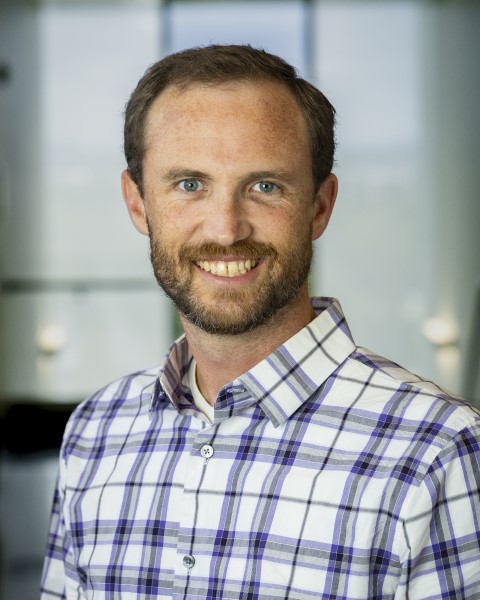
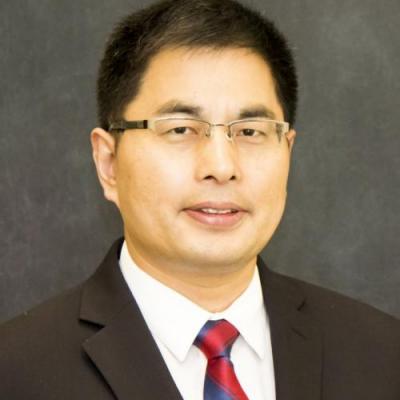
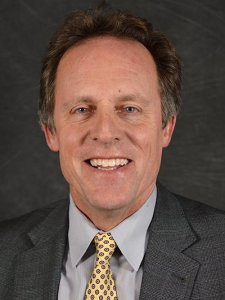
Ana Paula Falcao is an Associate Professor at the College of Engineering, Universidade de Lisboa, affiliated with the CERIS research unit. Her work focuses on Building Information Modeling (BIM) , PSInSAR for ground monitoring, and digital elevation model construction . Research Interests: Geo-BIM, hydrodynamic simulations, heritage structural analysis, flood risk assessment Recent research trends involve interoperability in BIM , hydrodynamic modeling of rivers like the Tagus and Paiva , and application of SAR imagery for flood model calibration. Collaborative projects emphasize heritage preservation and urban subsidence monitoring .
Carlo Gaetan is a Full Professor at the Department of Environmental Sciences, Informatics and Statistics at Ca' Foscari University of Venice. His research focuses on statistical modeling for environmental applications, including extremes in climate data, spatial-temporal analysis, and environmental risk assessment. He contributes to editorial roles, such as Associate Editor of the Journal of the Royal Statistical Society, Series C. His work spans environmental statistics, spatial modeling, and applications in climate change and health. Gaetan is actively involved in projects like the Venice 2021 climate scenario initiative and collaborates on studies assessing air pollution impacts and disease modeling. His teaching includes office hours for students, emphasizing accessibility and academic guidance.
Elena ARGIRIADIS is an Adjunct Professor at the Department of Environmental Sciences, Informatics and Statistics (DAIS) at Ca' Foscari University of Venice. Her research focuses on environmental chemistry, geochemistry, and paleoenvironmental analysis, with a particular emphasis on biomarkers and their applications in reconstructing historical human-environment interactions and climate change. She has contributed to studies on fecal biomarkers in archaeological and geological contexts, paleofire activity through speleothems, and geochemical reconstructions of ancient ecosystems. Elena's teaching activities include laboratory courses in Analytical Chemistry for Environmental Sciences students, emphasizing practical skills in environmental chemistry techniques. Her work integrates multidisciplinary approaches to address questions in climate science, archaeological chemistry, and ecological dynamics. Her recent publications explore topics such as herbivore impacts in Yellowstone National Park, Bronze Age soil horizons in Italy, and tropical Australian stalagmites as paleofire proxies. She collaborates internationally on projects like the Easter Island geochemical record and New Zealand's prehistoric fire history. Despite her extensive contributions, no specific scientific awards are explicitly listed in the provided materials.
Tomasz Danek serves as a Professor at AGH University of Science and Technology in Kraków, holding his primary appointment within the Department of Geoinformatics and Applied Informatics under the Faculty of Geology, Geophysics and Environmental Protection. His research spans critical domains in earth sciences computing, including Geoinformatics for spatial modeling, Applied Informatics for geological data systems, Geological Informatics for subsurface analysis, Spatial Data Analysis for environmental monitoring, Environmental Informatics for sustainability applications, and Computational Geology for simulation frameworks. Contact details: Email: tdanek@agh.edu.pl Phone: +48 12 617 47 61 Office: Building A-0, 3rd floor, room 348
Dr. Vladimir Cvetkovic is a Professor at KTH Royal Institute of Technology’s Resources, Energy and Infrastructure department, affiliated with the Digital Futures research center. He serves as Co-Principal Investigator (Co-PI) for the Humanizing the Sustainable Smart City eXtended (HiSSx) project and previously led the HiSS initiative. His research bridges geotechnical engineering, environmental systems, and urban sustainability, focusing on rock fracture mechanics, contaminant transport, and socio-environmental resilience. Key areas of expertise include: Fracture network analysis and grouting technologies Sustainable smart city development Socio-behavioral modeling for energy consumption Hydrogeology and subsurface processes Recent work emphasizes interdisciplinary approaches to urban challenges, combining digital technologies with environmental science. His projects address radioactive waste disposal, smart city infrastructure, and socio-environmental system dynamics. Research outputs span over 100 peer-reviewed articles, with a focus on fluid dynamics in fractures, contaminant transport modeling, and urban policy design. He collaborates internationally on initiatives such as Baltic Sea nutrient management and climate-resilient urban planning in cities like Nanjing and Chicago. Contact: vdc@kth.se | Address: Osquars Backe 5, 100 44 Stockholm, Sweden
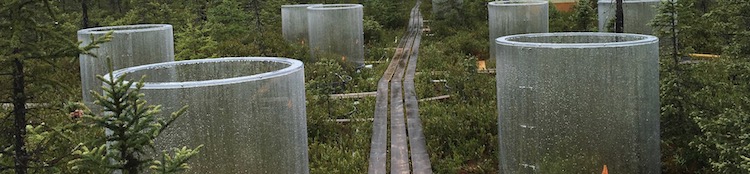
Dr. Zoë Lindo is a Professor in the Department of Biology at The University of Western Ontario, leading the Lindo Lab focused on soil biodiversity and ecosystem function relationships. Her research integrates community ecology, ecosystem ecology, and taxonomy to study boreal forests and peatlands under climate change. She supervises graduate and undergraduate students, emphasizing field experience and independent research skills. Education details are not explicitly provided, but her academic profile indicates advanced research qualifications in ecological sciences. Current lab activities include the BRACE experiment near White River, Ontario, collaborating with federal and provincial partners. Research interests span soil fauna (mites, springtails), microbial activity, decomposition processes, and climate change impacts. Notable projects include global soil biodiversity observatory initiatives and contributions to the Global Soil Biodiversity Conference 2026 in Victoria, Canada. Lab members include PhD/MSc candidates like Emily and Emelie, and undergraduates like Jay Ing. Recent collaborations involve researchers from Radboud University (Netherlands) under Western-Radboud grants. Publications focus on peatland dynamics, soil food webs, and climate-driven biodiversity shifts.
Crystal Chang Din is an Associate Professor at the Department of Informatics, University of Bergen. Her research focuses on formal methods, software verification, and didactics. She has organized conferences such as the KeY Symposium 2023 and served as PC Chair for FTfJP 2025. Her work includes developing verification tools like KeY-ABS and exploring concurrency semantics in programming languages. She teaches courses including INF113 (Operating Systems) and INF100 (Introduction to Programming). Notable contributions include modular reasoning systems for code reuse and runtime enforcement frameworks. She advises master’s students such as Eirik Halvard Sæther and Ida Sandberg Motzfeldt. Her publications span topics like feature model evolution, deadlock detection, and concurrent programming semantics. She has contributed to international journals like Formal Aspects of Computing and conferences such as NWPT and iFM. Her research emphasizes practical applications in distributed systems and formal verification techniques.
Ross Brown is an Associate Professor at Queensland University of Technology (QUT) in the School of Computer Science, specializing in virtual and augmented reality technologies. His academic journey includes a PhD from QUT and extensive contributions to immersive technology research and education. Position: Associate Professor Institution: Queensland University of Technology School: School of Computer Science Education: PhD (Queensland University of Technology) Professor Brown's research focuses on Virtual Reality, Augmented Reality, Data Visualisation, Process Visualisation, Information Visualisation, Computer Graphics, and Games Technology within the broader field of Artificial Intelligence and Information and Computing Sciences. His work spans applications in healthcare, education, environmental monitoring, urban planning, and industrial training, demonstrating the versatility of immersive technologies across multiple domains. His recent publications reveal a strong emphasis on practical applications of immersive technologies, with research spanning healthcare rehabilitation, geological education, urban engagement, surgical applications, and environmental monitoring. The interdisciplinary nature of his work is evident in collaborations with researchers from diverse fields including medicine, environmental science, urban planning, and education. Augmented Reality applications in surgery and rehabilitation Virtual Reality systems for geological education and training Immersive environments for industrial process training VR/AR applications for environmental monitoring Location-based VR for esports and social interaction Professor Brown has received significant recognition for his expertise, including multiple keynote invitations to international conferences such as BPM2017 in Lisbon, Assurance webinars on trusted autonomous systems, and Engage2 conferences. He has served as an International Researcher of Note for ARC funding assessments and has been a regular speaker at Microsoft Tech Ed since 2006. His academic service includes reviewing for major conferences including MSRA Gaming & Graphics, Graphite, AVI, and BPM, as well as serving as a reviewer for journals such as Future Generation Computer Systems and Knowledge and Information Systems. Professor Brown has supervised numerous doctoral and master's students, with completed projects focusing on visual immersion, collaborative business process modeling, and 3D virtual environment validation.
Jessica Saw serves as a Teaching Professor at the Carle Illinois College of Medicine, University of Illinois Urbana-Champaign, where she directs the Renal program within Biomedical and Translational Sciences. Her instructional responsibilities include teaching Renal (BSE 633) and Human Anatomy & Physiology Laboratory courses (MCB 245/247), emphasizing hands-on medical education for future physicians. Her research spans nephrology, biomineralization, and health informatics, with dual focus on kidney stone pathophysiology and health data communication. She investigates microbial entombment in urolithiasis, in vivo stone dissolution mechanisms, and develops visual hierarchies for health data. Additional interests include bedside art interventions for oncology patients and translational studies in diabetic gastroparesis, reflecting her commitment to patient-centered innovation. Publication analysis reveals three dominant research trajectories: (1) Geobiological studies of kidney stones (2018-2021) demonstrating microbial roles in biomineralization, (2) Health informatics work (2023-2024) addressing infodemics and data visualization, and (3) Clinical interventions (2014-2018) exploring pharmacological pathways and non-pharmacological therapies. Her work consistently bridges basic science with clinical applications in renal health and patient experience optimization.
Dr Witold Bagniewski is a Research Associate in the Department of Geography at the University of Cambridge, UK. His research focuses on climate feedback processes and their role in amplifying/diminishing climate change. He employs Earth system models and paleoclimate data assimilation to reconstruct past climate dynamics, particularly the carbon cycle over the last 50,000 years. Bagniewski collaborates with the Cambridge Computational Paleoclimatology group and researchers like Drs Francesco Muschitiello and Matt Osman. Education: PhD in Climate Science, University of New South Wales, Australia MSc in Oceanography, University of Maine, USA BSc in Geosciences and Astrophysics, Jacobs University Bremen, Germany His research interests include nonlinear climate dynamics, abrupt climate transitions, and the interplay between astronomical forcing and climate systems. Bagniewski’s work integrates interdisciplinary approaches, combining paleoclimate data with advanced modeling techniques to understand long-term climate evolution. Awards: None explicitly listed. Grants & Advising: No specific grants or advising roles detailed in the text. His primary focus is on collaborative research projects within the department and international partnerships. Labs/Teams: Active member of the Cambridge Computational Paleoclimatology group, specializing in computational methods for paleoclimate reconstruction.
Steven Dykstra is an Assistant Professor at the University of Alaska Fairbanks (UAF), within the College of Fisheries and Ocean Sciences, specializing in Geological and Physical Oceanography. He joined UAF in 2023 after completing his Ph.D. in Marine Science at the University of South Alabama (2021), an M.S. in Environmental Science from Taylor University (2010), and a B.S. in Geology from Calvin University (2008). His research focuses on ocean-land-atmosphere interactions, particularly in river-marine transitions, climate change impacts, and human-driven environmental changes. Key areas include coastal flooding, tidal dynamics, and the application of data science for coastal resilience. He has conducted fieldwork globally, from Vietnam’s deltas to Alaska’s coasts, emphasizing environmental stewardship. Recent projects include assessing sea-level rise in California’s Sacramento-San Joaquin Delta and evaluating coastal flood risks in Charleston, SC. His work integrates remote sensing, hydrodynamic modeling, and community engagement to address climate challenges. Dr. Dykstra has been recognized with awards such as the ASPIRE Postdoctoral Fellowship (2021–2023) and the GoMRI Scholar award (2017). He advises students like Eliah Gomez, Nawal Midraj, and Mary Pontibriand. His research teams collaborate on projects like leveraging Google Earth Engine for Alaska’s coastal data systems. Community contributions include the Dauphin Island Wetland Management Plan and irrigation development in Tajikistan. His certifications include Wilderness First Responder and Motorboat Operator Safety.
Dr. Wenzhan Song is the Georgia Power Mickey A. Brown Professor of Engineering and Director of the Center for Cyber-Physical Systems at the University of Georgia. With courtesy appointments in Computer Science and Statistics, he leads research in sensor networks, AI, and cyber-physical security. His innovations include non-invasive health monitoring systems and subsurface imaging technologies. Research spans: Cyber-physical systems for health/energy security Real-time subsurface seismic imaging Contactless vital sign monitoring (BedDot, CageDot) Zero-trust blockchain data infrastructures Awards include: NSF CAREER Award 3x Most Promising Technology awards IEEE Mark Weiser Best Paper Award Multiple best paper recognitions at top conferences Recent publications focus on cybersecurity for electric systems, contactless health monitoring, and AI-driven anomaly detection. Teaching covers Network Systems Engineering and Cyber-Physical Systems principles.
Nicholas J. Zabaras is a Professor in the College of Engineering at the University of Notre Dame and serves as director of the Warwick Centre for Predictive Modelling at the University of Warwick. He holds a Hans Fischer Senior Fellowship at the Technical University of Munich Institute for Advanced Study (TUM-IAS) since 2014. His academic journey began with a diploma in Mechanical Engineering from the National Technical University of Athens (1982), followed by an M.Sc in Material Science and Engineering from the University of Rochester (1983), and a PhD in Theoretical and Applied Mechanics from Cornell University (1987). His research spans computational mathematics, computational statistics, and scientific computing with focus on predictive modeling of complex multiscale and multiphysics materials systems. Key research themes include Bayesian uncertainty quantification, high-dimensional problem modeling, information-theoretic coarse graining, stochastic model reduction, and optimization under uncertainty. His work has significant applications in materials science, particularly in uncertainty propagation from ab initio to continuum simulations and modeling of random microstructures. His recent publications demonstrate strong activity in Bayesian coarse-graining techniques, deep Gaussian processes, and uncertainty quantification for multiscale materials systems. The research shows consistent focus on developing computationally efficient methods for high-dimensional problems with applications across materials science and engineering disciplines. Major Awards and Recognitions: Royal Society Wolfson Research Merit Award (2014) Research Fellow, Isaac Newton School of Mathematical Sciences, University of Cambridge (2011) Michael Tien'72 College of Engineering Teaching Award, Cornell University (2009) Fellow, American Society of Mechanical Engineers (2006) Presidential Young Investigator Award (1991) Zabaras leads the Scientific Computing and Artificial Intelligence (SCAI) Laboratory and the Computational Science and Engineering (CSE) Laboratory at Notre Dame, where his team develops innovative mathematical and statistical approaches addressing unique challenges in predictive modeling. His research integrates computational mathematics, machine learning, and multiscale/multiphysics modeling to address problems in materials physics, geological sciences, and climate modeling.
Lee Kump is the John Leone Dean in the College of Earth and Mineral Sciences and a Professor of Geosciences at Pennsylvania State University. His research focuses on biogeochemical cycles, environmental biogeochemistry, and atmosphere/ocean evolution, with specialties in carbon cycle dynamics, paleoclimatology, and mass extinction events. He has contributed to studies on the Paleocene-Eocene Thermal Maximum (PETM), Permian-Triassic mass extinctions, and modern environmental challenges such as wastewater management in coastal systems. Notable awards include the 2024 Packard Fellowship and recognition as IEE 'Person of the Year.' His work spans interdisciplinary collaborations, including studies on Florida Keys wastewater impacts, carbonate layer formation post-impact events, and Arctic climate perturbations during the PETM. He leads initiatives in climate science education and software development, exemplified by the Acycle tool for paleoclimate analysis. Executive Committee Member, IEE Research Themes: Climate and Natural Systems Affiliate Researcher, Water Sustainability Programs Recent articles highlight advancements in understanding ocean acidification during past climate events, spatial climate patterns, and geochemical mechanisms controlling carbonate systems. His research bridges ancient Earth processes with modern environmental challenges, emphasizing climate change mitigation and resource sustainability.
Andrea Aquino is a postdoctoral researcher and academic in the Department of Geosciences at the University of Tübingen, Germany, affiliated with the Faculty of Science and the Terrestrial Sedimentology Workgroup. She holds a dual expertise in geology and forest science, bridging sedimentology, mineralogy, and ecological systems. Her academic work spans teaching, research, and cultural heritage conservation, with a growing focus on the interplay between geology and vegetation. University: University of Tübingen School: Faculty of Science Department: Department of Geosciences Research Group: Terrestrial Sedimentology Email: andrea.aquino@uni-tuebingen.de Dr. Aquino earned her PhD in geology focusing on stone decay in historical buildings, and later completed a Master's in Forest Science from the University of Padova with top honors (110/110). Her educational path reflects a deep commitment to interdisciplinary science, combining earth sciences with ecological and conservation applications. PhD in Geology – Focus: decay of natural and artificial stones in cultural heritage Master of Science in Forest Science – University of Padova (110/110) Background in mineralogy, petrology, and sedimentology Her research interests are highly interdisciplinary, centered on Vegetation Geology —a novel framework she is developing that places geology at the core of ecological interpretation. She investigates how geological substrates influence forest vegetation, soil moisture, and ecosystem resilience. She also continues active research in sedimentology, focusing on loess, soil micromorphology, and the mineralogical analysis of building stones. Her methodological toolkit includes XRD, XRF, SEM, micromorphology, and remote sensing (e.g., satellite-derived vegetation and water indices). The 15 most recent publications reflect a strong trend in cultural heritage conservation , ore and building stone mineralogy , and sedimentary processes . A significant portion of her work applies analytical techniques to historical materials, assessing durability, decay mechanisms, and conservation strategies. There is also a clear thread in interdisciplinary methodologies , including 3D modelling, image analysis, and mobile applications for on-site heritage assessment. While her earlier work focused on geochemical and petrographic analysis, her recent trajectory shows an expansion into ecological integration and digital tools. Andrea Aquino has not received any publicly listed scientific awards in the provided text. She is actively involved in academic mentoring and teaching, though no formal students are listed. She teaches courses in sedimentology, stratigraphy, rock identification, and the geology of building stones, and leads field excursions to Mainz and the Black Forest. She is also engaged in research grants and collaborative projects related to cultural heritage and environmental geology, though specific grant names are not mentioned. Her work often involves multi-institutional collaborations, particularly with Italian research groups. She is a key member of the Terrestrial Sedimentology Workgroup at the University of Tübingen’s Geo- and Environmental Research Centre (GUZ). This team focuses on sediment dynamics, loess studies, and applied geology. Her lab work integrates mineralogical and geochemical analyses with conservation science, and she collaborates on digital heritage projects involving 3D modelling and image analysis. Her evolving research integrates field teams for vegetation-geology studies and remote sensing applications in forest ecosystems.