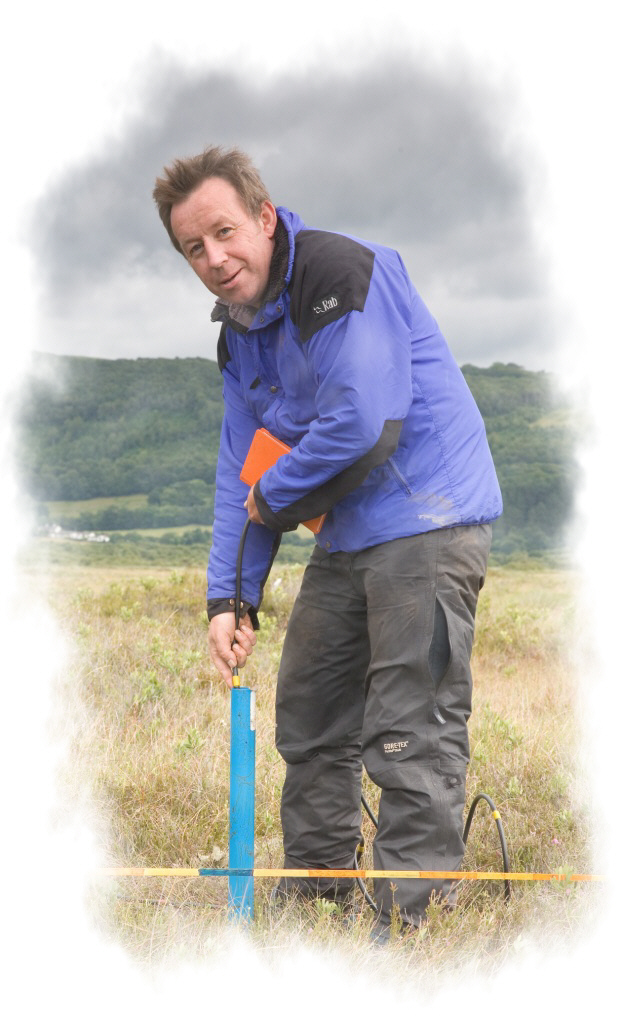
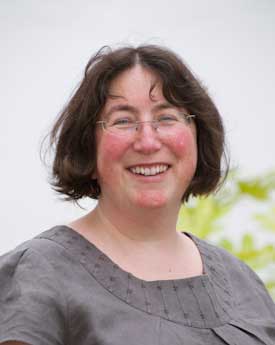
Professor Helen Bostock serves as Professor and Deputy Head of School at the University of Queensland's School of the Environment. Her research reconstructs past ocean conditions using geochemical and micropaleontological proxies to understand climate change impacts on marine systems. She leads research voyages in the Southern Ocean and Southwest Pacific investigating ocean circulation, carbon cycling, and polar climate dynamics. Her research examines: Paleoceanographic reconstruction using microfossils and isotopes Southern Ocean circulation and Antarctic ice sheet interactions Anthropogenic impacts on marine ecosystems including plastic pollution Deglacial climate transitions and carbon cycle feedbacks Development of novel paleoclimate proxies Recent publications demonstrate methodological innovations in reconstructing sea ice extent, ocean productivity, and water mass changes over glacial-interglacial cycles. Her work combines sediment core analysis with modern oceanographic observations to constrain climate models. Professor Bostock coordinates interdisciplinary projects linking oceanography, marine geology, and climate science while training students in field sampling and analytical techniques.
Stuart Robinson is a Professor of Sedimentology and Stratigraphy at the University of Oxford's Department of Earth Sciences, affiliated with St Anne's College where he serves as a Tutorial Fellow. His research focuses on reconstructing past environmental and climatic conditions, particularly during periods of extreme greenhouse warmth like the Mesozoic and early Cenozoic Eras. He employs multidisciplinary methods combining geology, paleontology, and geochemistry, collaborating closely with climate modellers to understand Earth system dynamics. His work includes field studies across global locations and participation in scientific ocean drilling expeditions. Teaching responsibilities include lecturing on sedimentology, stratigraphy, biogeochemistry, and Earth-life coevolution across undergraduate and graduate levels. He also contributes to field classes in Dorset, Somerset, and Bermuda. Robinson holds additional roles such as Associate Head of Department (Teaching) and has held fellowships at St Cross College and St Edmund Hall. His research interests emphasize how Earth system components like climate, carbon cycling, and oceanography operated under different boundary conditions, with recent focus on mercury cycling, deoxygenation events, and paleotemperature reconstructions. Over 50 peer-reviewed publications showcase his expertise in geochemical proxies, cyclostratigraphy, and paleoenvironmental reconstruction.
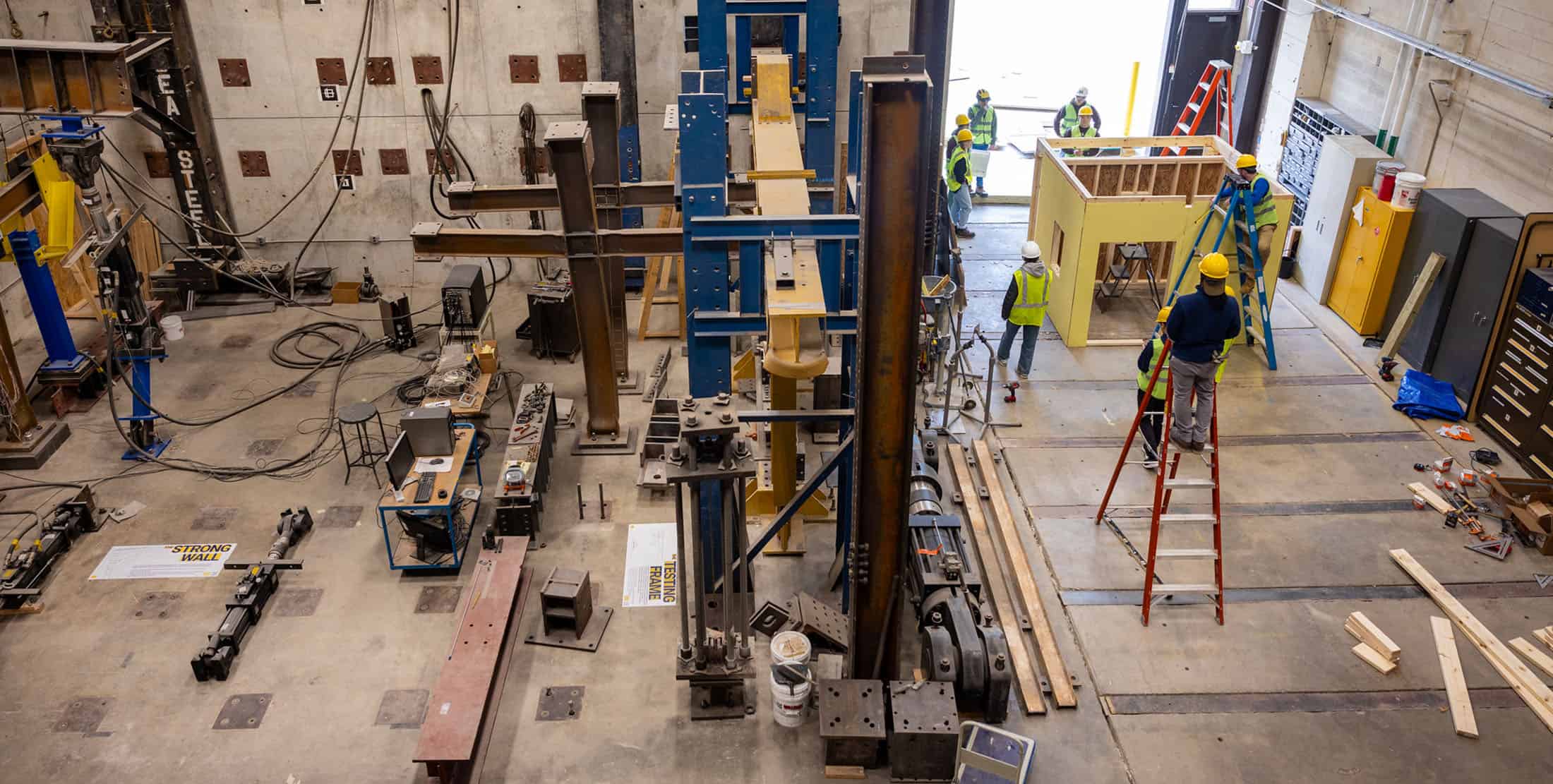
Brian R. Ellis is a Research Fellow at the University of Michigan's Department of Civil & Environmental Engineering, affiliated with the Michigan Society of Fellows. His research focuses on advancing sustainable infrastructure materials, subsurface engineering for carbon management, and environmental impacts of energy extraction technologies. He holds a PhD in Civil & Environmental Engineering from the University of Michigan. Key research areas include: 1) Developing CO2-utilizing concrete composites for low-carbon construction, 2) Investigating geochemical processes in fractured reservoirs for carbon sequestration, 3) Evaluating hydraulic fracturing's environmental impacts, and 4) Optimizing geothermal energy systems coupled with carbon storage. His work bridges materials science, geomechanics, and environmental engineering. Recent studies emphasize microwave-enhanced CO2 capture, fracture evolution in carbonate systems, and lifecycle analyses of sustainable construction materials. Ellis has contributed to regulatory reports on Michigan's fracking practices and pioneered methods to quantify CO2 mineralization potentials in subsurface formations. Lab Affiliations: University of Michigan Civil & Environmental Engineering Department Key Technologies: Carbonation curing, fracture network modeling, topological data analysis
Dr. Rosalind Coggon is a Principal Research Fellow at the University of Southampton, specializing in hydrothermal fluid dynamics and ocean crust evolution. She holds a Royal Society University Research Fellowship and leads the International Ocean Discovery Program's South Atlantic Transect Expeditions (390/393). Her work focuses on quantifying chemical exchanges between ocean crust and seawater, with applications to global geochemical cycles and climate change. Research Groups: Geochemistry, Southampton Marine and Maritime Institute Key Projects: South Atlantic Transect Drilling, Past Seawater Chemistry Reconstruction Her research integrates scientific ocean drilling data with cutting-edge geochemical analysis to explore Earth's crustal processes. Notable contributions include development of methods for reconstructing ancient ocean chemistry and leadership in international drilling frameworks. Awards: Asahiko Taira Prize (2021), ECORD Award (2020) Dr. Coggon supervises three PhD students and collaborates widely, including roles as Co-Chief Scientist for IODP Expeditions and member of the UK-IODP Programme Advisory Group.
Associate Professor Juraj Farkas is a faculty member at the University of Adelaide, affiliated with the School of Physics, Chemistry and Earth Sciences within the Faculty of Sciences, Engineering and Technology. His primary role is as an Associate Professor, focusing on biogeochemistry and non-traditional isotope systems (e.g., Ca, Mg, Sr). His research addresses Earth system science questions, including seawater isotope evolution, diagenetic processes, material cycling, and paleo-environmental reconstructions in sedimentary basins. Farkas established the Metal Isotope Group (MIG), dedicated to advancing isotope geochemistry for studies in Earth evolution, geochronology, and environmental issues. Research interests include stable isotope systems of alkaline earth metals and redox-sensitive elements, with applications to Proterozoic and Paleozoic basins in Australia and Europe. Key projects involve Rb-Sr geochronology of glauconite, Ca and Sr isotope dynamics in coastal systems, and chromium isotope fractionation in natural waters. He collaborates on sedimentological, geochemical, and chronological analyses of ancient sedimentary sequences to understand tectonic and climatic influences on Earth’s biogeochemical cycles. Publications span topics like Mesoproterozoic shale formation, Ludfordian glacial impacts, and isotopic constraints on ocean carbonate chemistry. His work bridges laboratory-based isotope analysis with field studies in basins such as the Beetaloo Sub-basin and McArthur Basin. Farkas is actively involved in supervising higher-degree research candidates and collaborates internationally on projects involving geochemical modeling and environmental monitoring.
Appy Sluijs is a Professor of Paleoceanography at Utrecht University's Department of Earth Sciences, Faculty of Geosciences. He leads the Marine Palynology and Paleoceanography research group, focusing on reconstructing past climate and ecological changes during high CO₂ periods. His work integrates micropaleontological and geochemical methods to study greenhouse Earth systems. He holds an ERC Consolidator Grant (2017) and previously received an ERC Starting Grant (2010) and the Heineken Young Scientists Award (2010). Sluijs has advised numerous PhD students and collaborates internationally via programs like the International Ocean Discovery Program (IODP). His research examines sediment cores from ocean floors to understand climate chain reactions, such as those linked to the Paleocene-Eocene Thermal Maximum. Education: PhD (cum laude, 2006) in Palaeoecology, Utrecht University MSc in Biology, Utrecht University and UC Santa Cruz (2003) Key Research Interests: Paleoceanography, climate change, ocean acidification, dinoflagellate biogeology, and reconstructing past CO₂ impacts. His recent work develops dinocyst proxies to study marine carbon cycling. He studies core samples from IODP expeditions to explore past climate tipping points. Awards & Grants: ERC Consolidator Grant (2017) ERC Starting Grant (2010) Heineken Young Scientists Award (2010) Vening-Meinesz Award (2010) Advising & Labs: Supervises PhD candidates like Carolien van der Weijst and Margot Cramwinckel. His lab focuses on interdisciplinary marine science collaborations with the Royal Netherlands Institute for Sea Research (NIOZ). He also engages in educational outreach through projects like Tippingpoint Ahead for high-schoolers.
Jef Caers is a Professor of Earth and Planetary Sciences at Stanford University, with a courtesy appointment in Geophysics. He holds a PhD (1997) and MSc (1993) in Mining Engineering and Geophysics from Katholieke Universiteit Leuven, Belgium. His research focuses on decision-making under uncertainty in critical mineral supply chains and geothermal energy development, emphasizing sustainable transitions to renewable energy. He founded the Mineral-X initiative to advance global mineral stewardship. His work integrates geostatistics, machine learning, and data science to address subsurface uncertainties in energy and mineral resources. Key contributions include Bayesian evidential learning for uncertainty quantification and AI-driven exploration tools like the Intelligent Prospector. He has authored/co-authored five seminal books in geostatistics and data science for geosciences, and received the IAMG's Krumbein Medal for career achievements. Recent research highlights include POMDP frameworks for lithium supply chain optimization, CO2 leakage quantification in carbon storage, and AI applications for mineral processing. His methodologies bridge geological modeling with decision analysis, offering actionable insights for industry and policy. Prof. Caers collaborates across disciplines, leading teams in Stanford's School of Earth, Energy & Environmental Sciences. His work emphasizes quantifying uncertainty in subsurface systems to enable robust decision-making for resource management, climate resilience, and sustainable development.
Ting Xiao is a Research Assistant Professor in Civil & Environmental Engineering at the University of Utah, specializing in geological carbon storage and subsurface engineering. Her research integrates geochemical modeling, risk assessment, and AI applications for carbon capture and storage (CCS) projects including the Uinta Basin CarbonSAFE initiative. Key research areas include wellbore integrity under CO2 exposure, hydrogen storage in geological formations, machine learning applications for reservoir characterization, and quantitative risk frameworks for storage security. Recent publications examine cement degradation mechanisms, pressure monitoring systems, and uncertainty quantification for leakage prevention. Dr. Xiao collaborates on multi-institutional projects assessing technical feasibility of large-scale carbon storage, with field implementations across Western U.S. basins. Her work bridges geochemistry, reservoir engineering, and computational methods for sustainable energy solutions.
Linda Reynard is a Research Professor in the Department of Geosciences at Boise State University. She leads the Stable Isotope Laboratory and focuses on applications of isotopic techniques in environmental, ecological, and archaeological research. Her work bridges geology, biology, and anthropology to address questions about past and present migration, diet, and climate. Education: DPhil (2007), M.Sc. (2007), University of Oxford; M.Sc. (2002), University of Toronto; B.Sc. (2000), University of British Columbia. Research interests include stable isotope geochemistry (e.g., oxygen, hydrogen, carbon, nitrogen), radiocarbon dating, and their use in reconstructing paleoenvironments, migration patterns, and human/animal physiology. She has applied these methods to studies of modern and archaeological hair, tooth enamel, bone collagen, and marine ecosystems. Recent work highlights intra-annual vitamin D variation in human hair, diet-driven isotope patterns in vertebrate tissues, and methane oxidation in marine sediments. Over 50 peer-reviewed articles explore topics from Triassic stratigraphy to early medieval migration in Ireland. No notable scientific awards are listed. She coordinates the Stable Isotope Laboratory and collaborates on projects involving interdisciplinary teams. No advisee students are explicitly mentioned in available records.
Alex Michaud is an Assistant Professor at The Ohio State University, specializing in microbial biogeochemistry at the intersection of glaciology, microbiology, and element cycling. His research focuses on understanding how microorganisms in ice and sediment systems respond to climate change, particularly in polar and alpine environments. He has held roles as a Research Scientist at the Bigelow Laboratory for Ocean Sciences and a visiting scientist at the Byrd Polar and Climate Research Center. His work examines microbial survival mechanisms in subglacial lakes and ice cores, biogeochemical processes in Arctic and Antarctic sediments, and the impacts of glacial retreat on nutrient availability. Key projects include studying microbial activity in the West Antarctic Ice Sheet Divide ice core and analyzing sediment records from Mercer Subglacial Lake. Michaud’s research integrates geochemical, microbiological, and environmental datasets to unravel the roles of microorganisms in global carbon, iron, and sulfur cycles. Recent publications highlight themes in subglacial lake dynamics, Arctic fjord sediment biogeochemistry, and the development of clean sampling methods for ice and sediment environments. His funded projects emphasize interdisciplinary approaches, including the SWAIS2C initiative exploring subglacial ecosystems and climate interactions. Michaud’s work also extends to innovative technologies like fiber optic sensing for tracking carbon cycle components in extreme environments. His scientific contributions bridge microbiology and Earth system science, addressing critical questions about microbial resilience in extreme environments and their implications for global biogeochemical cycles under climate change scenarios.
Andrew Binley is a Professor of Hydrogeophysics at Lancaster University's Lancaster Environment Centre (LEC), part of the Faculty of Science and Technology. He specializes in subsurface fluid dynamics, integrating geophysical methods with hydrological processes. His research focuses on groundwater-surface water interactions, vadose zone processes, and geophysical imaging techniques. Roles & Service: Associate Dean for Resources, Faculty of Science and Technology (2012–2018) Head of Department of Environmental Science (2006–2009) Associate Editor for Water Resources Research and Vadose Zone Journal Member of advisory boards for institutions like the HOBE Center (Copenhagen) and ENIGMA (Rennes) Research Interests: Development of geophysical approaches to characterize subsurface systems, including electrical resistivity tomography (ERT), induced polarization, and data fusion. Key areas include nitrate transport, karst systems, and plant-soil-water interactions. Recent Projects: Includes investigations into Loess Plateau hydrology, karst aquifer characterization, and phenotyping wheat root systems using geophysics. Funded by NERC, BBSRC, and international collaborations. Awards: 2013 Fellow of the American Geophysical Union 2012 Frank Frischknecht Leadership Award (SEG/EEGS) 2022 Water Resources Research Outstanding Reviewer Grants & Labs: Led projects on hydrogeophysical data fusion, nitrate storage modeling, and geoelectrical monitoring. Collaborates with institutions like Rutgers University and the British Geological Survey.
Andrew Czaja is an Associate Professor in the Department of Geology at the University of Cincinnati, where he has been a faculty member since 2012, rising from Assistant Professor to his current position. His research bridges Earth's ancient history with the search for life beyond our planet, focusing on Precambrian paleobiology, astrobiology, and biogeochemistry. Dr. Czaja earned his B.S. in Environmental Science and Biology from the University of Connecticut in 1998, followed by a Ph.D. in Geology with a concentration in Paleobiology from the University of California, Los Angeles in 2006. His academic journey included postdoctoral research at the University of Wisconsin-Madison and lecturing positions at UCLA and California State University, Fullerton. His research investigates the early evolution of life on Earth, with particular focus on the Archean fossil record of South Africa and Australia, the geologic record of microbial metabolic evolution, and Mesoproterozoic terrestrial microbial ecosystems. He specializes in kerogen geochemistry and in situ morphological and geochemical analyses of Precambrian microfossils. His work has increasingly incorporated Mars exploration, particularly through his involvement with the Mars 2020 mission. Dr. Czaja's lab develops advanced analytical techniques for distinguishing true biosignatures from abiotic features in ancient rocks, knowledge directly applicable to the search for life on Mars. Analysis of Dr. Czaja's recent publications reveals a strong focus on Mars exploration and biosignature detection. His work with the Perseverance rover mission centers on analyzing Jezero Crater, an ancient river delta that may contain evidence of past life. His research combines field studies of ancient Earth environments with cutting-edge instrumentation to develop better methods for detecting potential biosignatures on Mars, particularly through the SHERLOC instrument that performs deep ultraviolet Raman spectroscopy. Dr. Czaja has received numerous awards and recognitions throughout his career, including: Lewis and Clark Field Scholar in Astrobiology (2010) Dissertation Year Fellowship from UCLA (2005) Eugene Waggoner Scholarship for Sustained Academic Achievement (2005) Graduate Research Fellowship from the National Science Foundation (2000-2003) Outstanding Undergraduate Researcher of the Year from the University of Connecticut (1999) Dr. Czaja has secured significant research funding, including multiple NASA and NSF grants totaling over $900,000 in active funding. His current projects include 'Life on an oxidizing planet: Microbial ecosystems of a Neoarchean carbonate platform' (NSF, $311,760), 'Searching for morphological and geochemical biosignatures on Mars to return to Earth' (NASA, $91,027), and participation in the Mars 2020 mission as part of the Participating Scientist Program ($439,000). His work often involves interdisciplinary collaborations with researchers across multiple institutions. Dr. Czaja's laboratory focuses on advanced analytical techniques for studying ancient microfossils and potential biosignatures, including Raman spectroscopy, confocal laser scanning microscopy, and geochemical analyses. His research group works at the intersection of geology, biology, and planetary science, developing methods to distinguish true biosignatures from abiotic features in ancient rocks - knowledge that directly informs the search for life on Mars. His team also conducts fieldwork in Precambrian rock formations in South Africa and Australia that serve as analogs for potential Martian environments.
Jason Kaiser is an Assistant Professor of Geology at Southern Utah University (SUU) within the Department of Geosciences , College of Engineering and Computational Sciences. He earned his Ph.D. in volcanology, stratigraphy, and geochemistry from Oregon State University, with prior studies at the University of Massachusetts and Missouri University of Science and Technology. Education: Ph.D., Oregon State University (dissertation: volcanology, stratigraphy, and geochemistry of the Pastos Grandes Caldera Complex in SW Bolivia) University of Massachusetts Missouri University of Science and Technology Kaiser's research focuses on geology, particularly volcanology and field-based studies. His work integrates global geological research into undergraduate education, emphasizing hands-on fieldwork in southern Utah's premier geological setting. He collaborates with students on interdisciplinary projects across the U.S. Southwest, including Bryce Canyon National Park, Moab, and Nevada. In 2018, he published an article in The Chronicle of Higher Education analyzing Randall Bass's work on course redesign and pedagogical innovation in geology education. His teaching philosophy prioritizes student-driven research and self-directed learning opportunities. Research Trends & Fields: Volcanology and geochemical analysis Field-based geology education Interdisciplinary teaching methodologies Kaiser's career began as an engineering major before a fascination with volcanoes—sparked by a Yellowstone documentary—led him to geology. He emphasizes the importance of accessible research opportunities for undergraduates, leveraging SUU's location near diverse geological landscapes.
Katherine H. Freeman is the Evan Pugh University Professor in the Department of Geosciences at The Pennsylvania State University. She holds a Ph.D. from Indiana University (1991) and leads groundbreaking research in organic geochemistry, isotopic biogeochemistry, paleoclimate, and astrobiology. Her work bridges Earth sciences with space exploration, particularly through analysis of extraterrestrial materials. Her educational background includes a Ph.D. from Indiana University in 1991. Professor Freeman's research focuses on using fossil molecules and their stable isotopes to understand ancient climate systems, the carbon cycle, microbial biogeochemistry, and signatures of life both on Earth and beyond. She is particularly known for pioneering work in "isotopologue" research - examining intramolecular isotope distributions within organic compounds to distinguish between biotic and abiotic processes. Her laboratory studies span from cosmochemistry to metabolic studies, from ancient Earth to icy planetary systems, and from deep Earth fluids to meteorites. Her research has significant implications for understanding the origins of life and detecting potential biosignatures in extraterrestrial environments. Her recent publications reveal a strong focus on analyzing samples from asteroid Bennu (collected by OSIRIS-REx mission), investigating nitrogen-rich organic matter in extraterrestrial materials, and applying position-specific isotope analysis to distinguish between biotic and abiotic compounds. Her work also continues to explore ancient Earth environments, particularly during major climate events like the Cretaceous-Paleogene boundary and the Paleocene-Eocene Thermal Maximum, with emphasis on understanding carbon cycling and environmental responses to rapid climate change. Arthur L. Day Medal for contributions to understanding isotope patterns within biomarkers Professor Freeman leads the Astrobiology Center for Isotopologue Research, a NASA-funded international team that includes researchers from Penn State, Caltech, Lehigh University, and the University of Texas at El Paso, with collaborations extending to NASA Goddard, the Earth-Life Science Institute in Tokyo, and other NASA Astrobiology Institute centers. This center provides opportunities for students and postdocs to work with leading geochemists across multiple institutions. She has secured significant research funding for projects related to extraterrestrial sample analysis and paleoclimate reconstruction. Her laboratory, part of the Department of Geosciences at Penn State, specializes in advanced analytical techniques including Orbitrap mass spectrometry for intramolecular isotope analysis. Her team develops novel methods for position-specific isotope analysis of organic compounds, with applications ranging from understanding ancient Earth environments to interpreting potential biosignatures in extraterrestrial samples. The lab maintains strong international collaborations with space agencies and research institutions worldwide.
Dr. Jackie Pates is a Senior Lecturer at the Lancaster Environment Centre, Lancaster University, specializing in the use of radionuclide tracers (234Th, 210Po, 210Pb, 137Cs, 7Be, 222Rn) to study marine and freshwater processes. She has been at Lancaster since 1999 after completing her PhD at SUERC in East Kilbride and post-doctoral work at Edinburgh University. Her research focuses on three main strands: Development of radioanalytical techniques for artificial and natural radionuclides in environmental matrices Geochemical cycling of radionuclides The use of radionuclides as tracers of environmental processes Dr. Pates has conducted significant research in the Mediterranean through EU projects INTERPOL and ADIOS, studying sediment resuspension, atmospheric deposition, and nutrient cycling. Her freshwater work includes groundwater-surface water interactions using 222Rn (with Prof. Andrew Binley) and sediment studies in lakes using 210Pb and 137Cs. Current projects involve DGT development for contaminated groundwater assessment and 7Be analysis for soil erosion studies. Her publication record shows consistent contributions to environmental radiochemistry, with recent work focusing on novel sampling methods like the 2024 DGT passive sampler for Cs-137 measurement in marine environments. Dr. Pates currently holds funding for the Small Scale Experiments for Tritium Breeding (SSETB) project (2025-2026) and the U.K. Natural Environment Research Council–Analytical Chemistry Trust Fund studentship (ongoing since 2012). She maintains active collaborations with researchers including Prof. Hao Zhang on DGT development for nuclear site assessments and continues to advance methodological capabilities in environmental radiochemistry.