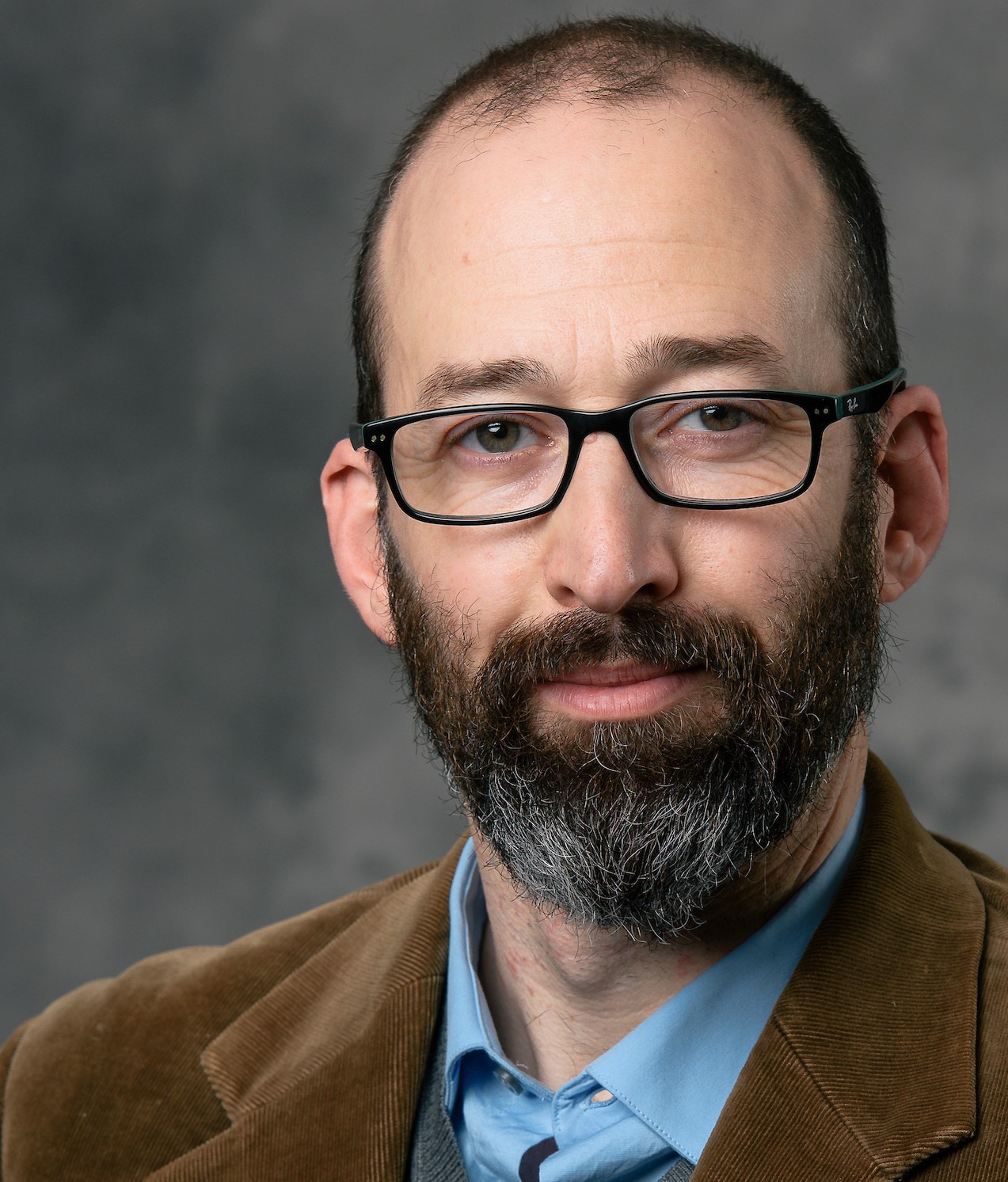
Alessandro Lameiras Koerich is a Professor in the Department of Software Engineering and IT at École de technologie supérieure (ÉTS), part of the Université du Québec network in Montreal, Canada. He is affiliated with the LIVIA (Imaging, Vision and Artificial Intelligence Laboratory), where he conducts research in machine learning, computer vision, and pattern recognition. His work focuses on developing AI solutions for real-world applications in healthcare, security, and multimedia analysis. His research interests span multiple domains of artificial intelligence, with particular emphasis on multimodal machine learning, affective computing, and trusted machine learning systems. Dr. Koerich's work explores how AI can interpret human emotions through facial expressions and audio analysis, develop robust models resistant to adversarial attacks, and create efficient learning systems that can adapt to changing data streams. His research bridges theoretical advances with practical applications in healthcare monitoring, security systems, and multimedia content analysis. Analysis of his recent publications reveals a strong focus on multimodal emotion recognition, with increasing emphasis on transformer architectures, knowledge distillation techniques, and addressing challenges in real-world settings (in-the-wild recognition). His work consistently combines computer vision with audio processing, demonstrating expertise in both visual and auditory modalities for affective computing applications. Recent trends show growing interest in large language models for audio classification and addressing challenges of concept drift in text stream mining. Dr. Koerich actively supervises numerous graduate students across various research projects, with a particular focus on multimodal expression recognition, music genre classification, and robust machine learning systems. His collaborations span multiple institutions and research groups, reflecting the interdisciplinary nature of his work in artificial intelligence. He is a key member of the LIVIA laboratory, which has established ÉTS as a leading institution in computer vision research in Canada (ranked 6th according to CSRankings). The laboratory focuses on solving real-life problems through AI engineering, particularly in developing complex deep learning models with massive amounts of data that have incomplete annotations.