Diana P. Pires is a postdoctoral Researcher at the Centre of Biological Engineering , University of Minho, Portugal. Her work focuses on Phage Engineering and Biofilm Control , with a specialization in enhancing bacteriophages to combat Pseudomonas aeruginosa infections. She has collaborated with prestigious institutions like MIT, KU Leuven, and Laval University, and has supervised 3 M.Sc. students and 2 research fellows while co-supervising 2 Ph.D. students. Education: Ph.D. in Biomedical Engineering (University of Minho, 2016; joint MIT collaboration) M.Sc. in Biomedical Engineering (University of Minho, 2010) Research Interests Diana's research spans Bacteriophage Biology , Biofilm Engineering , and Synthetic Biology . She pioneers genetic modifications of phages to improve their antibacterial capabilities, particularly against biofilms in P. aeruginosa and Klebsiella pneumoniae . Her work includes Phage-Host Interaction Analysis and Genomic Reduction to create tailored therapeutic agents. Scientific Recognition L’Óreal Portugal Medal of Honor for Women in Science (2019) Publications & Projects With 21 peer-reviewed Journal Articles , 2 Genome Announcements , and 5 Book Chapters , Diana explores phage mechanisms and biofilm control. She leads two research projects— PhageShaper (FCT-funded) and a European Society of Clinical Microbiology and Infectious Diseases initiative—and contributes to 5 ongoing projects as a team member.
Prof. Dr. Mitat ŞAHİN is a full-time Professor at Kafkas University's Faculty of Veterinary Medicine, where he leads the Department of Veterinary Microbiology. He has served as Dean since 2021 and previously held roles including Vice-Rector (2010–2014) and Head of Department. His academic journey began at Atatürk University (Bachelor's in Veterinary Medicine, 1985–1990), followed by a doctorate in Veterinary Microbiology from Kafkas University (1991–1996). His research centers on zoonotic diseases , with emphasis on anthrax, brucellosis, and antimicrobial resistance. He investigates pathogen genomics, environmental decontamination, and epidemiological patterns in Eastern Turkey. Recent projects include bacteriophage therapy for E. coli infections and EU collaborations on anthrax spore remediation. His work bridges veterinary science and public health through a One Health lens. Publications (196 total) focus on bacterial pathogens in livestock, notably Bacillus anthracis , Brucella , and Campylobacter . Trends include molecular diagnostics, antibiotic resistance surveillance, and zoonotic transmission dynamics. His team employs advanced techniques like mass spectrometry and whole-genome sequencing. He has supervised 15+ graduate students, with theses on topics like bacterial isolation from geese and epidemiological studies. Grants include 51 projects, such as: Anthrax Environmental Decontamination Network (EU-funded) Geographical indication initiatives for Kars cheese and honey STEC detection in cattle (2021–2024) He directs a microbiology research group collaborating internationally (e.g., Georgia, UK) on pathogen genomics and vaccine development.
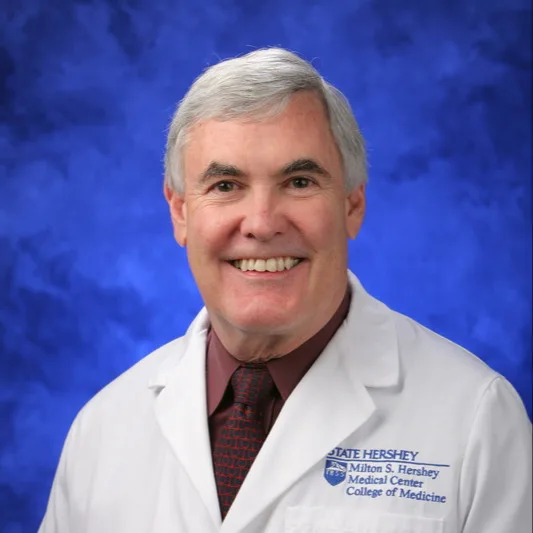
James Broach is a Distinguished Professor and Interim Chair of the Department of Molecular and Precision Medicine at Penn State College of Medicine. He also serves as Professor in the Department of Otolaryngology - Head and Neck Surgery, Director of the Institute for Personalized Medicine, and Member of the Penn State Cancer Institute's Next-Generation Therapies program. His leadership spans multiple departments and research initiatives focused on genomic medicine and personalized healthcare approaches. Dr. Broach's research interests center on molecular biology and genetics, with particular expertise in yeast Saccharomyces as a model system for studying cellular processes. His laboratory has extensively investigated cell signaling pathways including Ras/protein kinase A and Target of Rapamycin Complex, examining how cells perceive nutritional states and respond metabolically and transcriptionally. More recently, his work has expanded to cellular stress responses using single-cell imaging and genomic sequencing techniques, revealing how genetically identical cells develop heterogeneous responses to environmental stresses. His research has significant implications for understanding population-level survival strategies in uncertain conditions. Through the Institute for Personalized Medicine, Dr. Broach has applied genomic tools to disease onset and treatment across multiple conditions including various cancers, ALS, multiple sclerosis, inflammatory bowel disease, epilepsy, and osteoporosis. His recent publications demonstrate a strong focus on precision medicine applications, cancer biology, and genomic data frameworks that integrate clinical information with genetic profiling. Among his notable scientific achievements are two Career Citation Milestone Awards: the M (1000) Club award in 2017 and the D (500) Club award in 2020, recognizing his substantial research impact. His h-index of 72 with over 18,259 citations reflects significant scholarly influence in his fields. Dr. Broach has secured substantial research funding through multiple grants from prestigious organizations including the National Institutes of Health, National Science Foundation, and National Center for Research Resources. His current projects include the Penn State Biomedical Big Data to Knowledge (B2D2K) Training Program and continued research on Ras and TOR Signaling in Yeast. He collaborates extensively with clinicians at the Milton S. Hershey Medical Center to identify patient cohorts with distinctive disease presentations or treatment responses. The Institute for Personalized Medicine, which Dr. Broach directs, comprises a comprehensive infrastructure including a biorepository for patient samples, a genomics core for advanced sequencing, and a bioinformatics core for correlating genomic data with clinical outcomes. This integrated approach enables groundbreaking research in precision medicine applications across multiple disease areas.
Johanna B. Holm is an Assistant Professor in the Department of Microbiology and Immunology at the University of Maryland School of Medicine, where she also holds appointments as a Member of the Institute for Genome Sciences and the Center for Advanced Microbiome Research and Innovation. Her laboratory integrates computational and experimental approaches to investigate the vaginal microbiome's role in women's reproductive health, with a focus on bacterial vaginosis (BV) and sexually transmitted infections (STIs). Her educational journey began with undergraduate research at Millersville University of Pennsylvania in Dr. Jean Boal's cephalopod laboratory, where she studied learning and communication in marine invertebrates. She earned her Ph.D. in Marine and Environmental Biology from the University of Southern California under Dr. Karla Heidelberg, conducting foundational work on coral-associated microbiomes and hypersaline lake ecology. Her postdoctoral training occurred in the laboratories of Dr. Rebecca Brotman and Dr. Jacques Ravel at the University of Maryland School of Medicine. Dr. Holm's research centers on defining microbial and molecular mechanisms by which cervicovaginal microbiota modulate host susceptibility to pathogens like Chlamydia trachomatis and Trichomonas vaginalis . Her lab develops bioinformatic tools for high-resolution microbiome analysis and employs 3D organotypic models to validate hypotheses. A key objective is replacing symptom-based diagnostics with metagenomic community state types (mgCSTs) that predict infection risk and BV recurrence, aiming to develop antibiotic-sparing interventions. Analysis of her recent publications reveals a strong emphasis on vaginal microbiome characterization through multi-omics integration, with consistent themes including pathogen-microbiome interactions, computational tool development (e.g., VALENCIA classifier), and translational applications for women's health. Her work spans methodological advances in low-biomass sample analysis, cross-population studies of microbiome-disease associations, and mechanistic investigations of host responses. Her scientific achievements have been recognized through: NIAID F32 Postdoctoral Fellowship (AI136400) NIAID K01 Career Development Award (AI163413) Dr. Holm actively mentors trainees in both bioinformatics and wet-lab techniques, emphasizing interdisciplinary skills for microbiome research. Her work is supported by the National Institute of Allergy and Infectious Diseases and focuses on translating discoveries into clinical applications for global reproductive health improvement. Her laboratory operates within the Institute for Genome Sciences at the Health Sciences Facility III, where it combines multi-omics data integration, epidemiological modeling, and in vitro experimental systems to advance understanding of mucosal pathogenesis and develop microbiome-informed diagnostics.
Dr. Matheus de Oliveira Costa is a researcher at Utrecht University's Faculty of Veterinary Medicine , working in the Population Health Sciences department under the Farm Animal Health Care group. His research focuses on host-pathogen-microbiome interactions in veterinary diseases, particularly those affecting swine. 2011: DVM, Federal University of Minas Gerais 2016: PhD, University of Saskatchewan 2021: Diplomate in Swine Health Management, ABVP Dr. Costa's work spans Bacteriology , Internal Medicine , and Host-Pathogen Interactions , with expertise in in vitro disease models and pathophysiology . His recent publications examine porcine β-defensins , Streptococcal infections , and antimicrobial resistance , contributing to the PtS - Future Food Utrecht research theme. He has developed in vitro colon culture methods and studied metabolic responses to infections. His research aligns with One Health principles, connecting animal, human, and environmental health.
Dr. Tomokazu S Sumida is an Assistant Professor of Neurology at Yale University School of Medicine, where he leads the Sumida Lab. His research focuses on understanding the molecular mechanisms that drive T cell dysfunction, particularly regulatory T cells (Tregs), in human diseases. His work utilizes cutting-edge technologies including single-cell multi-omics, ATAC-seq, and CRISPR gene editing/regulation to investigate immune tolerance and dysfunction in autoimmune diseases. Dr. Sumida received his MD from Chiba University School of Medicine in Japan in 2004, completed residency and cardiology fellowship in Japan, and practiced as a cardiologist before obtaining his PhD in 2012 studying the interface between the immune system and cardiovascular disease. He joined Yale in 2015 as a postdoctoral fellow in Dr. David Hafler's lab and was appointed Assistant Professor in 2020. His research interests span Autoimmune Diseases, Cardiovascular System, Immune System, Nervous System, Genetics, Genomics, Epigenetics, and Immunology. The Sumida Lab specifically investigates the factors and mechanisms controlling immune tolerance with emphasis on regulatory T cells, studying how dysregulation of Tregs contributes to immunopathogenesis in conditions like multiple sclerosis. Their work explores the dynamic balance of pro- and anti-inflammatory signals necessary to decipher complex immune responses to genetic and environmental factors. Analysis of Dr. Sumida's recent publications reveals a strong focus on regulatory T cell biology, particularly in multiple sclerosis and other autoimmune conditions. His work frequently employs single-cell technologies to understand immune dysregulation, with significant contributions to understanding how genetic variants affect immune cell function. His research bridges immunology, genetics, and neurology, with particular emphasis on how immune dysfunction contributes to neurological diseases. Harry Weaver Scholar Awards (2023) Race to Erase MS Young Investigator Award (2020) MSD Life Science Foundation Research Fellowship (2016) LEGEND Study Abroad Grant (2015) Uehara Memorial Foundation Research Fellowship (2015) Dr. Sumida has established significant collaborations across Yale, particularly with Dr. David Hafler's lab, where he was a postdoctoral fellow. His research program has received support from multiple sources, including the National Multiple Sclerosis Society. As Principal Investigator of the Sumida Lab, he leads investigations into the molecular mechanisms of immune tolerance and dysfunction, with the goal of developing therapeutic approaches for autoimmune diseases. His work bridges basic immunology with clinical applications, particularly in neuroimmunological disorders. The Sumida Lab focuses on basic human immunobiology and gene regulatory programs causing autoinflammatory disease, especially multiple sclerosis. They study the interaction of genetics and epigenetics to understand pathogenic gene regulatory circuits in human T cells, with particular focus on co-inhibitory receptors and the functional roles of Foxp3+ regulatory T cells in maintaining immune homeostasis.
Dr. Sampriti Mukherjee is an Assistant Professor in the Department of Molecular Genetics and Cell Biology at the University of Chicago. Her research focuses on understanding how bacteria decode and integrate self-generated and environmentally-derived stimuli to control transitions between individual and collective behaviors, particularly in the context of biofilm formation and bacterial pathogenesis. Dr. Mukherjee received her BS and MS in Microbiology from the University of Calcutta (2007 and 2009), followed by a PhD in Microbiology from Indiana University (2014). She completed her postdoctoral training in Molecular Biology at Princeton University in 2020. Her laboratory employs a multidisciplinary approach combining bacterial genetics, molecular biology, biochemistry, microfluidics, fluorescence microscopy, and genome-scale studies to investigate bacterial signal detection, relay, and integration mechanisms. Her research has significant implications for developing strategies to combat antibiotic-resistant infections by targeting bacterial communication systems rather than bacterial growth directly. The work has revealed novel mechanisms of bacterial communication, including the discovery of new quorum-sensing autoinducers and their receptors, the integration of photosensing with quorum sensing, and the regulation of biofilm development through combinatorial control of multiple signaling pathways. Dr. Mukherjee's research has been recognized with several prestigious awards: Searle Scholars Program (2022-2025) NIH Pathway to Independence Award (K99/R00, 2018-2023) Life Sciences Research Foundation Postdoctoral Fellowship (2016-2019) She currently leads multiple NIH-funded research projects as Principal Investigator, including R35GM150803 "Probing the role of sensory cues in the regulation of bacterial biofilm development" (2023-2028) and R00GM129424 "A New Quorum-Sensing Autoinducer Acts with the RhlR Receptor to Control Virulence and Biofilms in Pseudomonas Aeruginosa" (2018-2023), demonstrating her significant contributions to the field of bacterial signal transduction and pathogenesis. Dr. Mukherjee's lab is part of the vibrant research community in the Department of Molecular Genetics and Cell Biology at the University of Chicago, collaborating with researchers studying bacterial pathogenesis, signal transduction, and microbial communities to advance our understanding of bacterial collective behaviors and their implications for human health.
Luis Barreiro is a Professor in the Department of Medicine-Genetic Medicine at the University of Chicago. His research focuses on understanding how natural selection has shaped human immune responses and how past evolutionary events influence present-day disease susceptibility through multidisciplinary approaches combining genomic, immunological, and evolutionary techniques. His educational background includes a Master's in Biotechnological Engineering from Lusófona University (2003), a PhD in Population Genetics from the University of Paris VII (2008), and postdoctoral training in Functional Genomics at the University of Chicago (2011). Dr. Barreiro's research program investigates the genetic basis of immune response variation among individuals and human populations, with particular emphasis on how natural selection has contributed to the evolution of our species. His lab combines cutting-edge genomic techniques with immunological and evolutionary genetic tools to study the phenotypic evolution of immune responses in primates, population variation in transcriptional responses to pathogens, and the mechanisms of innate immune memory. Recent work has examined how historical pandemics like the Black Death have shaped modern immune responses through natural selection. His publication record demonstrates a clear trajectory from foundational work in population genetics toward increasingly sophisticated integrations of multi-omics approaches to study gene-environment interactions in immune responses. Current research heavily focuses on trained immunity, epigenetic regulation of immune responses, and host-pathogen coevolution, with significant contributions to understanding how past selection events impact present-day disease susceptibility. Dr. Barreiro currently serves as Principal Investigator on multiple NIH-funded research projects, including R01AI190301 (2025-2030) on "Unraveling the molecular mechanisms of innate immune memory in humans," R01AI182148 (2025-2029) on "iPSC-derived macrophages as a model to study the genetic basis of inter-individual variation in immune responses to pathogens," and R35GM152227 (2024-2029) on "Characterizing the genetic and evolutionary determinants of population variation in transcriptional responses to pathogens." He leads the Barreiro Lab, which maintains strong collaborations across multiple institutions and disciplines, reflecting the integrative nature of his research program that bridges evolutionary biology, immunology, and genomics to address fundamental questions about human health and disease susceptibility.
Dr. Christiane Hassenrück is a Bioinformatician and Researcher at the Leibniz Institute for Baltic Sea Research Warnemünde (IOW) in Rostock, Germany, where she leads a working group focused on bioinformatics and 'omics data science. Her research integrates molecular ecology, biodiversity assessment, and computational approaches, with emphasis on FAIR data management, multivariate statistics, and environmental genomics. She previously held postdoctoral positions at MARUM (University of Bremen), the University of Copenhagen, the Leibniz Centre for Tropical Marine Research, and the Max Planck Institute for Marine Microbiology. Her work spans marine microbial ecology, biogeochemical cycling, and environmental bioinformatics. Key themes include the dynamics of microbial communities in upwelling systems, deep-sea hydrothermal vents, polar oceans, and polluted habitats (e.g., microplastics). She also develops methodologies for DNA recovery from challenging substrates and contributes to pathogen modeling (e.g., Vibrio vulnificus ) for ecosystem management. Her research leverages omics technologies to explore microbial adaptation, cryptic speciation, and nutrient limitation responses. Hassenrück collaborates on cross-disciplinary initiatives like the 2024 '10 Must-Knows from Biodiversity Research' and co-authors frameworks for research data management in Mecklenburg-Vorpommern. She maintains active profiles on ORCID, Google Scholar, ResearchGate, and GitHub to promote open science.
Margaret Hannah Frank is an Associate Professor with tenure in the Plant Biology Section of Cornell University's School of Integrative Plant Science. Her research investigates plant grafting biology through genetics, genomics, and phenomics to understand graft junction formation and long-distance signaling between grafted organ systems. She aims to develop predictive models for sustainable crop protection solutions against biotic and abiotic stresses. Education: Doctorate, Cornell University (2014) Bachelor of Arts, Barnard College (2007) Research Focus: Dr. Frank's lab pioneers work on graft compatibility mechanisms and plant communication systems , employing cutting-edge genomic sequencing and phenomic imaging to dissect mobile RNA transport and immune responses. Current projects address sustainable agriculture through engineered rootstock solutions and transdisciplinary collaborations with institutions like EMSL and JGI. Publication Trends: Recent work (2023-2025) reveals three dominant themes: 1) Immune-mediated graft incompatibility in Solanaceae, 2) Hydromechanical frameworks for signal transmission, and 3) Critical re-evaluation of mobile mRNA datasets. Her group consistently bridges fundamental plant biology with agricultural applications. Scientific Recognition: NSF CAREER award (2020; $1.3M) for "Harnessing the Plant Mobileome" FICUS award (2024) for identifying long-distance biomass signals Mentorship & Funding: Dr. Frank actively supervises 11+ graduate students including NSF GRFP awardee Samantha Yanders and CALS 3MT winner Michelle Heeney. Her lab secures substantial funding through CROPPS center collaborations and industry partnerships, recently supporting projects like the Tucson CROPPS conference and REU student programs. Research Environment: Based in Cornell's Plant Science Building, the Frank Lab operates within the NSF-funded CROPPS center that solved the "century-old mystery of plant communication" (April 2025). The team combines wet-lab experimentation with computational modeling in a collaborative space hosting weekly journal clubs and interdisciplinary workshops.
Marc Lecuit is a Professor at Institut Pasteur , leading the Biology of Infection Unit (Inserm U1117) . His research focuses on host-pathogen interactions , particularly for Listeria monocytogenes and Chikungunya virus , investigating mechanisms of microbial translocation across mucosal barriers, immune evasion, and age-dependent susceptibility to infections. Research Themes : Host-pathogen interactions, microbial pathogenesis, neuroinvasion, immunology, emerging infectious diseases Affiliations : Institut Pasteur, Inserm, Labex IBEID Projects : ERC-PoC PRESERVE, ERC-CoG INVADIS, Human and ruminant neurolisteriosis study His recent work explores alphavirus transmission via intercellular extensions , virulence heterogeneity in Listeria , and microbiota-driven pathogen dissemination . Publications span high-impact journals like Nature Microbiology , Lancet Infectious Diseases , and Science Immunology . Current advisees include PhD candidates and postdoctoral researchers studying bacterial pathogenesis, viral transmission, and host immune responses. Collaborations span global institutions including Oxford University, Swiss National Science Foundation, and La Réunion Island health authorities.
Gabriel T. LaHue is an Assistant Professor in the Department of Crop and Soil Sciences at Washington State University, based at the Mount Vernon Northwestern Washington Research and Extension Center (NWREC). His integrated research and extension program focuses on soil-plant-water relations, soil physical health, and soil fertility management across various cropping systems in western Washington. Dr. LaHue earned his PhD in Soils and Biogeochemistry from the University of California, Davis in 2018, following an MS in International Agricultural Development from the same institution in 2015. He completed his undergraduate studies with a BS in Plant Science from Cornell University in 2010. His educational background combines soil science, agricultural development, and plant systems expertise. His research program addresses critical questions about managing soils to improve water relations and optimizing water management to enhance soil processes and plant productivity. In western Washington's distinctive climate with wet winters requiring drainage and dry summers requiring irrigation, his work focuses on balancing water management needs throughout the year. His extension program helps farmers make informed decisions about soil moisture, irrigation, soil health, and soil fertility to improve productivity, reduce costs, and promote good stewardship of natural resources. Analysis of Dr. LaHue's publication record reveals a strong focus on water management challenges across multiple cropping systems, particularly in onions, apples, and rice. His work consistently examines the intersection of irrigation practices with disease management, nutrient cycling, and soil physical properties, developing practical solutions for water conservation while maintaining or improving crop yields and quality. Scientific Contributions: Development of irrigation strategies to reduce onion bacterial diseases, water conservation techniques for cider apple production, and water management approaches to reduce heavy metal accumulation in rice Extension Impact: Direct collaboration with farmers through participatory research, field days, and practical recommendations for soil and water management Dr. LaHue actively mentors graduate students in research projects investigating soil-water-plant relationships, with laboratory work spanning from fundamental soil physical processes to applied field studies addressing real-world agricultural challenges in western Washington's diverse landscape.
Dr. Cécile Gautier is a researcher in the Mycology Department at the Pasteur Institute in Paris, France, specializing in medical mycology and antifungal resistance. Her work focuses on Epidemiology of invasive fungal infections Mechanisms of azole resistance Emerging mould pathogens Clinical microbiology diagnostics Recent publication trends highlight her expertise in: Azole Resistance: Genetic mechanisms (KSR1 loss of heterozygosity), drug tolerance, combination therapies Mucormycosis: National surveillance programs, prognostic factors, public health implications Emerging Pathogens: Uncommon fungal species identification, clinical diagnostic challenges Immunodeficiency-Related Infections: STAT3-deficiency complications, host-pathogen interactions Collaborations with the French Mycoses Study Group and contributions to journals like Lancet Regional Health - Europe and Medical Mycology demonstrate her leadership in clinical mycology research.
Dr. Mehran Dastmalchi is an Assistant Professor in the Department of Plant Science at McGill University , located on the Macdonald Campus. His research spans plant molecular genetics, biochemistry, and metabolic engineering , with a focus on isoflavonoid biosynthesis in legumes , plant-microbe interactions , and sustainable agricultural systems . Research Interests: Dr. Dastmalchi's laboratory investigates soil and water sustainability , crop and livestock production systems , and bio-based products and bioenergy . His specialization lies in plant metabolic engineering and synthetic biology , aiming to enhance human health and agricultural productivity. Key areas include abiotic and biotic stress responses , gene-environment interactions , and plant-microbe signaling . His work integrates transcriptomics, proteomics, and biochemical assays to dissect complex metabolic pathways, particularly in soybean and legume species , and to engineer these pathways for improved crop resilience and nutritional value. Scientific Contributions: Dr. Dastmalchi has published extensively in high-impact journals, with over 25 peer-reviewed articles from 2014 to 2025. His research has significantly advanced understanding of isoflavonoid biosynthesis , alkaloid transport , and metabolic flux regulation in plants. Notable findings include the discovery of chalcone isomerase-like proteins that modulate isoflavonoid pathways and the characterization of transporters for specialized metabolites . Contact Information: Email: mehran.dastmalchi@mcgill.ca Office: Raymond Building, R2-021A Phone: 514-398-7858
Karen McLuskey is a Research Associate in the Department of Molecular Biosciences at the University of Glasgow, College of Medical, Veterinary and Life Sciences. Her work focuses on structural biology and enzymology within parasitic organisms. 2010-2014: Wellcome Trust Grant for structural and activity studies of trypanosomatid metacaspases Research Interests: McLuskey's research spans structural biology, parasitology, and cysteine peptidase studies, particularly in trypanosomatid pathogens like Leishmania and Trypanosoma. Her publications demonstrate expertise in protein crystallography, enzymatic activity analysis, and membrane protein purification techniques. Publication Trends: Recent work (2024) examines TORC1 as a nutrient-regulated regulator in Leishmania, while earlier studies focus on metacaspase structures, cysteine peptidases, and high-throughput methodologies for protein analysis. Themes include parasite biology, structural enzymology, and microbiome interactions. Scientific Contributions: Crystal structure determination of key parasitic enzymes Development of high-throughput protein purification protocols Metabolite activity ranking algorithms Labs & Collaborations: McLuskey collaborates closely with Jeremy Mottram's research group, focusing on parasitic disease mechanisms and structural characterization of virulence factors.