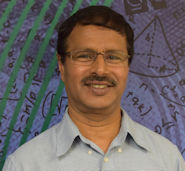
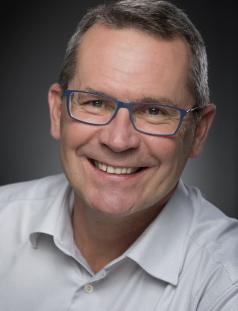
Assoc. Prof. Filipa L. Sousa leads the Genome Evolution and Ecology Group at the University of Vienna’s Faculty of Life Sciences, Department of Functional and Evolutionary Ecology. Her research bridges microbial evolution, bioenergetics, and geobiological processes. Key projects include: Pan-Metabolic Profiling of Archaea (WWTF, 2016–2025), developing genomic tools for metabolic classification. Evolution of Physiology: The Link between Earth and Life (ERC Starting Grant, 2019–2025), exploring energy metabolism evolution in archaea. Her work focuses on archaeal physiology , sulfur metabolism , and metagenomic data analysis , with recent publications in Philosophical Transactions of the Royal Society B and Nature Microbiology . Notable awards include the Vienna Research Groups for Young Investigators (VRG) – Gender Mainstreaming (2017) . She supervises PhD students like Jessica Gomes da Silva and collaborates with institutions such as the Institute of Molecular Evolution at HHU Düsseldorf . Media outlets like BBC Earth and Nature have highlighted her contributions to understanding extremophilic archaea and early life evolution.
Hanbaek Lyu is an Assistant Professor in the Department of Mathematics at the University of Wisconsin-Madison, with an affiliation in the Department of Computer Science and membership in the Institute for Foundations of Data Science. His research spans discrete probability, matrix factorization, and machine learning, focusing on large discrete systems including interacting particle systems, networks, and structured random matrices. His educational background includes: Ph.D. in Mathematics, The Ohio State University (2018); Thesis: "Combinatorial and probabilistic aspects of coupled oscillators" (Advisor: David Sivakoff) B.S. in Mathematics, Seoul National University Lyu's research bridges theoretical probability and practical machine learning, with emphasis on optimization for dependent data and complex systems. His work develops foundational algorithms for matrix/tensor factorization while exploring synchronization phenomena in oscillator networks and phase transitions in particle systems. Recent publications highlight interpretable models for biological data and rigorous convergence guarantees for nonconvex optimization. Analysis of his 15 most recent publications reveals three dominant threads: (1) optimization theory for constrained nonconvex problems applied to dictionary learning, (2) interacting particle systems and random matrix theory with combinatorial aspects, and (3) interpretable latent models for network dynamics and genomics. His work consistently combines probabilistic methods with computational applications. Lyu leads two active NSF grants: DMS-2206296 (2022-2025): "Online Dictionary Learning for Dependent and Multimodal Data Samples: Convergence, Complexity, and Applications" DMS-2010035 (2020-2023): "Combinatorial and Probabilistic Approaches to Oscillator and Clock Synchronization" He currently mentors five doctoral students across Mathematics and Computer Science departments, organizes UW-Madison's probability seminar, and collaborates with over 30 researchers including Janko Gravner, Lionel Levine, and Wenpin Tang on interdisciplinary projects spanning genomics, network science, and statistical physics.
Matthew W. State, MD, PhD is the Oberndorf Family Distinguished Professor and Chair of Psychiatry at the University of California, San Francisco (UCSF) School of Medicine, and Director of the Langley Porter Psychiatric Institute and Hospital. He is also affiliated with the UCSF Weill Institute for Neurosciences, where he leads groundbreaking research at the intersection of child psychiatry and human genetics. Dr. State received his undergraduate and medical degrees from Stanford University, completed his residency in psychiatry and fellowship in child psychiatry at the UCLA Neuropsychiatric Institute, and earned a PhD in genetics from Yale University working in the lab of David C Ward. He was on the faculty at Yale from 2001 to 2013 where he was the Donald J. Cohen Professor of Child Psychiatry, Psychiatry and Genetics and the Co-Founder and Co-Director of the Yale Program on Neurogenetics. Dr. State is a leading child psychiatrist and human geneticist whose research focuses on pediatric neuropsychiatric syndromes, particularly autism spectrum disorders (ASD) and Tourette disorder (TD). His laboratory has played a pivotal role in demonstrating the contribution of rare and de novo genetic variation to these conditions. His work has contributed significantly to the identification of dozens of ASD risk genes and the first high-confidence TD genes. Through systems biological approaches, his research has characterized the spatial and temporal convergence of autism genes in developing human brain, providing crucial insights into disease mechanisms. His lab utilizes diverse methodologies including genomic analysis, functional studies in model systems, and collaborative large-scale sequencing efforts. Analysis of Dr. State's recent publications reveals a strong focus on the molecular and cellular mechanisms underlying autism spectrum disorders. His research increasingly examines the convergence of autism-related proteins, chromatin regulation, and the role of specific cellular structures like cilia in neurodevelopment. There's also a growing emphasis on translating genetic findings into potential therapeutic approaches, with several recent papers addressing treatment development and biomarker identification for autism and related conditions. His work demonstrates a clear trajectory from gene discovery to understanding biological pathways and ultimately to developing novel therapeutic strategies. Yale Graduate School Alumni Association 2020 Wilbur Cross Medal National Academy of Medicine 2017 Rhoda and Bernard Sarnat International Prize in Mental Health National Academy of Medicine 2014 Elected member American Academy of Child and Adolescent Psychiatry 2014 Tarjan Award Brain and Behavior Research Foundation 2012 Ruane Prize Science Magazine 2011 Annual Top 10 Scientific Breakthroughs Science Magazine 2005 Annual Top 10 Scientific Breakthroughs Dr. State plays a leadership role in numerous national and international collaborative genomics studies, including the Simons Simplex Collection Genomics Consortium, the Autism Sequencing Consortium, and the Tourette International Collaboration (TIC) on Genetics. His NIH-funded research portfolio includes multiple principal investigator roles on grants examining the genetic architecture of autism and Tourette disorder, brain development, and the functional consequences of genetic variants. His laboratory has been continuously funded by the National Institutes of Health since 2002, with recent grants totaling millions of dollars supporting cutting-edge research in neurogenetics. His collaborative approach has established him as a central figure in the field of psychiatric genetics. Dr. State directs a vibrant research program that integrates genomic analysis with functional studies to understand the biological basis of neurodevelopmental disorders. His work bridges basic science and clinical applications, with a growing emphasis on identifying potential therapeutic targets based on genetic findings. He collaborates extensively with researchers across multiple institutions and disciplines, fostering a collaborative approach to understanding the complex genetic architecture of autism spectrum disorders and Tourette disorder. His research program includes both human genetic studies and functional validation in model systems, creating a comprehensive pipeline from gene discovery to biological mechanism.
Dr. Somali Chaterji is an Associate Professor in the Department of Agricultural & Biological Engineering at Purdue University, with a courtesy appointment in the Elmore Family School of Electrical and Computer Engineering. Her research bridges data science, digital agriculture, and computational genomics, focusing on machine learning for IoT, edge computing, and scalable genomics analysis. She leads the Innovatory for Cells and Neural Machines (ICAN), developing algorithms for efficient data analytics in resource-constrained environments. Education: PhD in Biomedical Engineering (Purdue University), Postdoctoral Fellowship at University of Texas at Austin. Awards include the NSF CAREER Award (2022), ACM BCB Best Paper (2015), and Purdue Seed-for-Success Award (2016). She founded KeyByte LLC, a cloud computing startup optimizing ML workloads. Research spans IoT edge analytics (e.g., drone surveillance, embedded systems) and genomics (single-cell clustering, error correction in sequencing). She is Co-PI of the NSF CHORUS Center and A2I2 Army Institute. Over 20 students are advised, with active projects on serverless computing, federated learning, and genome engineering. Labs/Teams: ICAN Lab, WHIN project (Lilly Endowment), Purdue ABE Extension. Collaborations with Microsoft, Amazon, and Adobe Research. Active in teaching, including courses on applied ML and computational genomics with innovative pedagogy.
Dr. V. Louise Roth is a Professor of Biology and Professor in the Department of Evolutionary Anthropology at Duke University's Trinity College of Arts & Sciences. She holds a Ph.D. from Yale University (1982). Her research focuses on evolutionary changes in mammalian size, shape, and functional morphology, particularly in cetaceans, elephants, and squirrels. She employs phylogenetic approaches, morphometric analyses, and molecular data to study macroevolutionary patterns and adaptation. Key research areas include the evolution of cetacean skull structures, island dwarfism in mammoths, and the ecological implications of Pleistocene carnivore extinctions. Dr. Roth has secured grants from the National Institutes of Health (NIH) and National Science Foundation (NSF), supporting projects on developmental biology and evolutionary processes. Her work has been featured in prominent outlets like *Proceedings of the National Academy of Sciences* and *Trends in Ecology & Evolution*. Teaching responsibilities include courses on mammalian biology, macroevolution, and research methodologies. Her contributions bridge paleontology, developmental biology, and ecology, advancing our understanding of evolutionary mechanisms across diverse taxa.
Dr. Andrew J. Mongue is an Assistant Professor in the Department of Entomology and Nematology at the University of Florida. His research focuses on using molecular and genomic approaches to study insects, particularly those with unusual reproductive biology or roles as crop pests. He specializes in genomic data integration to explore evolutionary processes, demography, and natural selection in insects like butterflies, moths, and true bugs. Dr. Mongue also emphasizes science outreach to engage the public with entomological research. His work spans diverse topics including genome sequencing of invasive pests, evolutionary trajectories under genomic imprinting, and symbiotic relationships. Recent studies highlight adaptations in Lepidoptera dietary genes and the evolutionary dynamics of B chromosomes in mealybugs. He collaborates on projects addressing agricultural pest genomics and monarch butterfly parasite biology. Publications between 2021-2025 reveal a focus on genomic imprinting, sex chromosome evolution, and the genetic basis of ecological adaptations. While no scientific awards are listed, his contributions to entomological genomics and outreach are notable. No advising or grant details are provided in the text. Dr. Mongue’s lab focuses on molecular ecology and evolutionary genomics, though specific team or lab infrastructure details are not mentioned.
Thomas Harper is an Assistant Teaching Professor in the Department of Anthropology at The Pennsylvania State University (Penn State), where he has been affiliated since 2013. His academic background includes a Ph.D., M.A., and B.A. in Anthropology from SUNY Buffalo and Penn State. He is part of the Human Paleoecology and Isotope Geochemistry Lab and the Capriles Environmental Archaeology Lab. His research focuses on human ecology, settlement patterns, demography, and archaeological chronologies, with a particular emphasis on quantitative methods integrating material culture and ethnohistory. His work spans multidisciplinary projects in the Americas and Eastern Europe, leveraging radiocarbon dating and GIS technologies. Since 2022, he has concentrated on undergraduate teaching, offering courses in anthropology and archaeology such as ANTH 001: Understanding Humans and ANTH 321W: Intellectual Background of Archaeology. Education: Ph.D. in Anthropology, State University of New York at Buffalo (2016) M.A. in Anthropology, State University of New York at Buffalo (2012) B.A. in Anthropology, The Pennsylvania State University (2008) Research Interests: Dr. Harper’s work bridges spatial analysis, human paleoecology, and radiocarbon dating to understand population dynamics and subsistence strategies. His studies often address how environmental and climatic factors influenced settlement patterns and cultural processes. Recent projects include investigating drought impacts on ancient Maya civilizations and analyzing genetic data to trace migration patterns in prehistoric populations. Publications: Harper’s recent articles span topics like avocado domestication in Honduras, radiocarbon dating of Tripolye settlements in Ukraine, and genetic continuity among Indigenous Californian populations. These studies highlight his methodological expertise in combining archaeological, climatic, and genetic data. Labs & Collaborations: He collaborates with the Capriles Environmental Archaeology Lab and the Human Paleoecology and Isotope Geochemistry Lab, advancing interdisciplinary research in environmental archaeology and cultural ecology.
Li Wang is an Associate Professor in Mathematics at the University of Texas at Arlington. She holds a Ph.D. from UC San Diego (2014), M.S. from Xi'an Jiaotong University (2009), and B.S. from China University of Mining and Technology (2006). Her research focuses on optimization, data science, and machine learning. Current research includes polynomial optimization methods, low-rank tensor approximations for big data, and structure learning algorithms. She teaches courses in discrete mathematics, optimization, and data science.
Samantha Petti is an Assistant Professor in both the Department of Mathematics (School of Arts and Sciences) and the Department of Computer Science (School of Engineering) at Tufts University. She is based at 177 College Avenue, Medford, MA. Her research focuses on computational biology, bioinformatics, and machine learning, with particular emphasis on protein structure analysis, genotype-phenotype mapping, and algorithm design for biological sequence analysis. She teaches courses such as Master's Thesis supervision, PhD Thesis guidance, and specialized topics in mathematics and computer science. Her work integrates interdisciplinary approaches, combining statistical methods, deep learning, and probabilistic models to address challenges in genomics, structural biology, and network science. Recent projects include developing end-to-end protein alignment tools and exploring sparse graph models for biological systems. Teaching: Supervises graduate thesis work (Master’s/PhD) and advanced courses in mathematics and computer science at Tufts. Lab/Team: Engages in collaborative research at the intersection of computational methods and biological systems.
Julia Svoboda is an Associate Professor in the Department of Education and holds a secondary appointment in the Department of Biology at Tufts University's School of Arts and Sciences. She earned her PhD in Science Education from the University of California, Davis (2010), MA in Population Biology (2006), and BA in Ecology and Evolutionary Biology from Princeton University (2003). Her research focuses on model-based reasoning in biology education, exploring how students and teachers engage with scientific practices across disciplines. She emphasizes interdisciplinary approaches, integrating philosophy of biology with STEM education to address equity and complex problem-solving. Her work spans K-16 education, including studies on student reasoning in natural selection, computational biology, and ethical uses of AI in teaching. Key themes include fostering scientific literacy, equity in STEM, and leveraging technology to enhance learning. She has secured grants from the National Science Foundation and Davis Educational Foundation for projects like the EMBERS initiative on model-based reasoning in environmental science. Dr. Svoboda teaches courses in science education, research design, and graduate writing. She actively participates in professional organizations, such as the National Association for Research in Science Teaching and the Society for the Advancement of Biology Education Research. Her recent publications highlight innovations in lab instruction, antiracism in genetics education, and the role of emotion in teacher professional development.
Xuefeng Nick Peng is an Assistant Professor at the School of the Earth, Ocean & Environment within the College of Arts and Sciences at the University of South Carolina. His research bridges microbial ecology and geochemistry to study complex interactions between microorganisms and their environments in marine systems. Biogeochemistry Geochemistry Climate Change Coastal Processes Earth Systems Marine Ecology Oceanography Peng employs laboratory techniques (e.g., mass spectrometry, microbial cultivation), field sampling (e.g., oxygen minimum zones, salt marshes), and computational methods (e.g., bioinformatics, numerical modeling) to investigate microbial roles in nutrient cycling and environmental dynamics. His recent work focuses on nitrogen cycling, fungal adaptations in extreme marine environments, and microbial contributions to biogeochemical processes. The 15 most recent publications highlight his contributions to understanding nitrogen transformations in marine sediments, fungal diversity in oxygen minimum zones, and genomic adaptations of anaerobic microbes. Key themes include climate change impacts, biogeochemical feedbacks, and microbial community responses to environmental stressors. Peng’s lab has mentored multiple students, including Margaret Bernish (Master’s thesis), Sydney Staines (Honors thesis), Dylan Lane (Poster Presentation Award), and others who have received scholarships and fellowships. His outreach efforts include collaborations with the Riverbanks Zoo & Garden and field trips at the Baruch Marine Field Lab.
Murat Kantarcioglu is an Ashbel Smith Professor of Computer Science at the University of Texas at Dallas within the Erik Jonsson School of Engineering and Computer Science. He holds visiting appointments at UC Berkeley and Harvard University, focusing on data privacy and security. With a Ph.D. in Computer Science from Purdue University (2005), he has made significant contributions to privacy-preserving data mining, blockchain analytics, and secure machine learning. Education: Ph.D. in Computer Science (Purdue, 2005) Current Roles: Ashbel Smith Professor (2021-present), Visiting Scholar at UC Berkeley (2020-present), Affiliate at Harvard (2013-present) Past Roles: Assistant (2005-2011), Associate (2011-2015), and Full Professor (2015-2021) at UTD His research focuses on data privacy , computer security , and machine learning , particularly addressing challenges in privacy-preserving distributed data mining , blockchain analytics , and adversarial machine learning . He has pioneered techniques for secure federated learning , topological analysis of blockchain networks , and privacy-utility tradeoffs in health data systems. Recent publications reveal a strong emphasis on IoT security , graph neural network vulnerabilities , and blockchain data structures . His work combines theoretical rigor with practical implementations using technologies like Intel SGX and homomorphic encryption. Notable Awards NSF CAREER Award (2009) IEEE Technical Achievement Award (2017) AMIA Homer Warner Best Paper Award (2014) Fellow of IEEE (2022), AAAS (2020), and ACM (2016) Key Projects Privacy-Preserving Genomics Data Sharing Adversarial Learning Frameworks Smart Contract Security Medical Data Protection Systems Labs Director of Data Security and Privacy Lab Collaborations with Vanderbilt, UC Berkeley (RISE Lab), and Harvard (Data Privacy Lab)
Kandethody M. Ramachandran is a Professor in the Department of Mathematics & Statistics at the University of South Florida's College of Arts and Sciences. With a Ph.D. in Applied Mathematics from Brown University (1987), his research spans machine learning, cybersecurity, stochastic systems, and bioinformatics. He has directed numerous doctoral students and secured over $3.4M in research grants. Research interests include: Big data analytics and streaming data processing Game theory applications in cybersecurity and electricity markets Stochastic modeling in bioinformatics and finance Honors include the National Academy of Inventors membership and Teaching Incentive Program Award. Administrative roles include: Director of Graduate Admissions (Statistics, 2003-2015) Associate Director of Statistics Program (2010-2015)
Fahad Ahmad is a Lecturer in the School of Computing within the Faculty of Technology at the University of Portsmouth. He holds affiliations with the Portsmouth AI and Data Science Centre, Centre for Cybercrime and Economic Crime, and Portsmouth Centre for Advanced Materials and Manufacturing. His research focuses on machine learning applications in healthcare, cybersecurity, and quantum computing. He supervises PhD students in topics like quantum machine learning for securing IoT medical devices. Key research areas include: Medical imaging diagnostics using deep learning (e.g., echocardiograms, X-rays) Cybersecurity for financial systems and SDN-NFV networks Quantum key distribution for post-quantum security AI-driven health management systems Recent work emphasizes: Human activity recognition through machine learning Cancer subtype classification using RNA expression data Emotional empathy modeling in intelligent agents His articles span healthcare technology, cybersecurity frameworks, and hybrid AI architectures. He actively contributes to international conferences and journals, with over 60 peer-reviewed publications. Research collaborations include institutions in Pakistan and the UK.
Dr. Istvan Rajcan is a Professor and Graduate Coordinator in the Department of Plant Agriculture at the University of Guelph, Ontario Agricultural College. His research focuses on soybean breeding and genetics, particularly developing high-yielding, disease-resistant cultivars for short- and medium-season environments. He leads efforts to enhance seed quality traits, such as protein and isoflavones, using genomic tools like GWAS and genomic selection. Education: B.Sc. (Agr.) from the University of Novi Sad and Ph.D. in Plant Agriculture from the University of Guelph. Research Interests: Soybean seed quality (nutraceuticals), disease resistance (Sclerotinia, soybean cyst nematode), genomic technologies, and breeding innovation. His work integrates molecular markers, quantitative genetics, and phenotyping to address challenges in soybean production. Collaborative projects include the SoyaGen initiative, advancing genomic resources for breeders. Publications highlight advancements in soybean genetics, remote sensing applications, and sustainable breeding strategies. His contributions span trait dissection, disease management, and the application of machine learning in genomics. Advising and Grants: While specific grants are not detailed, his extensive publication record indicates sustained research funding. He mentors graduate students and collaborates widely with institutions like the Ontario Oil & Protein Seed Crop Committee. Labs/Teams: Research activities are based in the Crop Science Building, with involvement in the SoyaGen project and collaborations on soybean diversity panels.