Dr. Mihajlo Novakovic is a researcher at the Biomolecular NMR Group (Institute of Biochemistry, ETH Zurich). His work focuses on advancing NMR spectroscopy techniques for structural and dynamical studies of labile biological systems, particularly RNA-protein interactions in SARS-CoV-2 and glycan structures. Primary Affiliation: ETH Zurich, Institute of Biochemistry Specialization: Sensitivity-enhanced NMR experiments, biomolecular condensates, and RNA structural biology. Research Highlights : Developed LLPS REDIFINE for characterizing multicomponent condensates without labeling. Optimized Hadamard magnetization transfer for studying labile protons in SARS-CoV-2 RNA. Engineered cross-polarization schemes to improve heteronuclear NMR transfers involving labile protons. Explored glycan flexibility and signal resolution challenges through integrative NMR approaches. Publication Trends : His recent work emphasizes RNA structure , protein-RNA interactions , glycan dynamics , and advanced NMR methodologies , particularly for SARS-CoV-2-related systems.
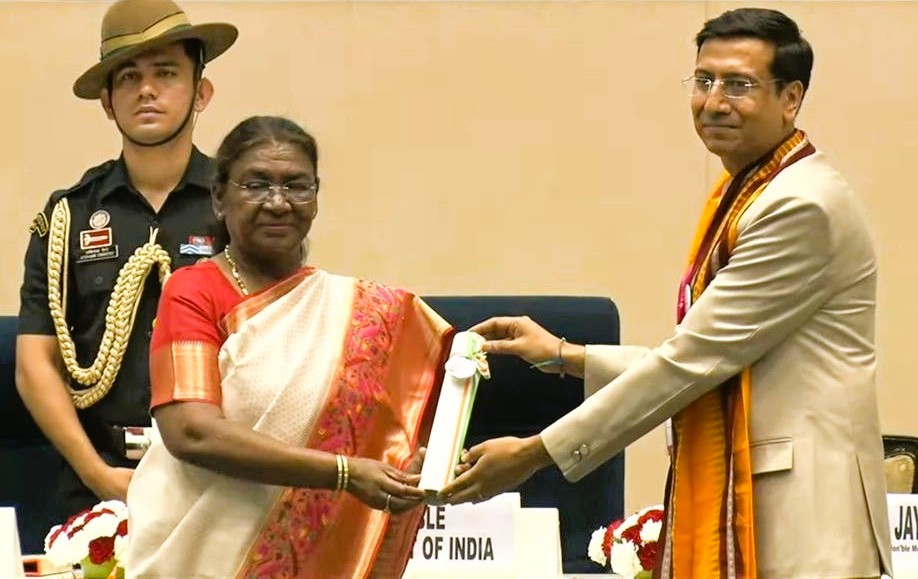
Prof. Kapil Ahuja is a Full Professor in the Department of Computer Science & Engineering at the Indian Institute of Technology Indore (IIT Indore), where he heads the Mathematics of Data Science and Simulation (MODSS) research lab. After completing dual Master's degrees and a Ph.D. from Virginia Tech (USA) followed by postdoctoral work at the Max Planck Institute in Germany, he has held visiting positions at UT Austin, IMT Atlantique, Sandia National Labs, TU Dresden, and TU Braunschweig. His administrative roles include founding Dean of International Affairs and former Head of Computer Science & Engineering at IIT Indore. Education: Ph.D. in Mathematics, Virginia Tech (2011) M.S. in Mathematics, Virginia Tech (2009) M.S. in Computer Science, Virginia Tech (2007) B.Tech. in Mechanical Engineering, IIT (BHU) Varanasi (2001) Research Focus: Prof. Ahuja's work bridges theoretical advances with real-world applications, emphasizing machine learning algorithms for plant/cancer studies, game-theoretic poverty reduction models, exascale climate modeling solvers, and drone trajectory optimization. His interdisciplinary approach integrates numerical linear algebra with network science to solve complex systems problems across healthcare, agriculture, and climate science, supported by 4.85 Crores INR in external funding. Publication Trends: Recent work demonstrates growing emphasis on AI-driven optimization for physical systems (drones, climate models) and biomedical applications (cancer classification). His publications increasingly feature cross-disciplinary collaborations between computer science, biology, and economics, with notable contributions in explainable AI for healthcare and resource allocation algorithms for social networks. Scientific Recognition: National Teacher's Award (2024) from the President of India Five-time recipient of IIT Indore's Best Teacher Award (2013-2023) Best Poster Award at International Workshop on Game Theory & Networks (2019) Steeneck Graduate Research Fellowship (Virginia Tech, 2011) Multiple SIAM travel awards for international conferences Mentorship & Service: Prof. Ahuja has graduated 5 Ph.D. and 4 M.S. (Research) students while mentoring 75 B.Tech. projects. He serves as Associate Editor for Applied Intelligence Journal (Springer Nature) and Knowledge and Information Systems, organizes international conferences, and reviews for 35+ academic sources. His administrative leadership significantly expanded IIT Indore's global partnerships through the Research Park initiative. Research Infrastructure: The MODSS lab maintains active collaborations with Oak Ridge National Lab, Sandia National Labs, and European institutions. Current projects include AI-optimized drone swarms for agricultural monitoring and game-theoretic models for poverty intervention, utilizing high-performance computing resources for large-scale simulations.
Brian Cleary serves as an Assistant Professor in Boston University's Faculty of Computing & Data Sciences (CDS), with cross-appointments in Biology and Biomedical Engineering departments. He is a core faculty member in the Bioinformatics Program and the Biological Design Center at the Rajen Kilachand Center for Integrated Life Sciences & Engineering, conducting interdisciplinary research at the intersection of computer science and biology. His educational trajectory includes dual undergraduate degrees in Biology and Business, Economics, and Management from Caltech, followed by 8 years developing trading algorithms in finance before returning to academia. He completed his PhD in Computational and Systems Biology at MIT in 2019. Cleary's research pioneers computational approaches to decipher spatial gene expression patterns in tissues, focusing on theoretical frameworks that transform cellular and tissue physiology understanding. His lab implements paired computational-experimental methodologies to study organ development (particularly brain and ovary), disease progression mechanisms, and tissue organization principles through machine learning and statistical innovations. Analysis of his recent publications reveals dominant themes in compressed sensing techniques for high-throughput biological interrogation, spatial transcriptomics optimization, and scalable genetic screening methods. His work consistently bridges algorithmic innovation with biological discovery across reproductive biology, cardiovascular disease, and infectious disease diagnostics. Scientific recognition includes: Independent Broad Fellow at the Broad Institute of MIT and Harvard Cleary actively recruits PhD students and postdocs for his Algorithmic Lens on Biology Laboratory, leveraging both computational and wet-lab approaches. His research program emphasizes experimental design informed by statistical learning theory to overcome scalability limitations in biological measurement systems. The Algorithmic Lens on Biology Laboratory operates across two physical locations: the Center for Computing and Data Sciences (15th floor) and the Biological Design Center (6th floor in CILSE), employing random composite experiments and low-dimensional feature learning to study cellular pathways and tissue organization at unprecedented scales.
Seongkyu Yoon is a Professor of Chemical Engineering at the Francis College of Engineering, University of Massachusetts Lowell. He serves as co-Director of the Massachusetts Biomanufacturing Center, UMass Site Director of the NSF/IUCRC Research Center (AMBIC - Advanced Mammalian Bioprocessing Innovation Center), and UMass technical lead for Manufacturing USA in Biomanufacturing (NIIMBL). His academic appointments and leadership roles position him at the forefront of biopharmaceutical manufacturing innovation and workforce development. Dr. Yoon's educational background demonstrates his interdisciplinary expertise: Ph.D. in Chemical Engineering (2001), McMaster University - Hamilton, Canada MBA (2017), Babson College - Wellesley, MA M.S. in Chemical and Biomolecular Engineering (1990), Korea Advanced Institute of Science and Technology - Daejon, Korea B.S. in Chemical Engineering (1988), Yonsei University - Seoul, Korea His research program focuses on systems engineering approaches to life sciences with three primary thrusts: Gene and Cell Therapy, Biomanufacturing Innovation, and Formulation and Drug Delivery. Within Gene and Cell Therapy, his group explores alternative hosts for Adeno-associated Virus production, gene therapy media optimization, CRISPR-CAS9 mediated genome engineering of HEK293 cells, and develops analytical methods for quantification of full, partial, and empty capsids in AAV products. His Biomanufacturing Innovation research includes AI-enabled hyperspectral imaging for cell culture monitoring, metabolic flux analysis of iPS cells, integrated MPC systems for bioprocess engineering, and digital-twin model development. In Formulation and Drug Delivery, his team works on single vial mass flow rate monitoring for pharmaceutical freeze-drying heterogeneity. Analysis of Dr. Yoon's recent publications reveals a strong trend toward advanced biomanufacturing technologies, particularly in viral vector production for gene therapy. His work integrates systems biology, metabolic modeling, and process analytics to address critical challenges in biopharmaceutical manufacturing. A significant portion of his research focuses on CHO cell culture optimization, glycosylation control, and continuous bioprocessing technologies, reflecting industry needs for more efficient and robust manufacturing platforms. Among his notable recognitions: Ward Chaired Professor of Biomedical Material Sciences (2016) NSF/IUCRC: AMBIC, Advanced Mammalian Bioprocessing Innovation Center (2016) Control and estimation of glycosylation profile via media supplementation based on intracellular models in mammalian cell cultures (2017) Data-fusion based platform development of population PKPD modeling and statistical analysis for bioequivalenc (2015) Dr. Yoon has mentored numerous graduate students, with many now working at major pharmaceutical and biotechnology companies including AbbVie, Alexion, BMS, Amgen, Takeda, and Genentech. His research group has received substantial funding from NSF, FDA, and industry partners, supporting an integrated approach to biomanufacturing innovation. He has also developed and led numerous professional training programs in bioprocessing, contributing significantly to workforce development in the biopharmaceutical industry. His research group operates within the Advanced Mammalian Biomanufacturing Innovation Center (AMBIC) and collaborates closely with the Biomanufacturing Innovation Institute. The team includes postdoctoral researchers, graduate students, and research staff working on various aspects of bioprocess engineering, systems biology, and biomanufacturing analytics. They maintain strong industry partnerships that ensure their research addresses real-world challenges in biopharmaceutical manufacturing.
Olivier Lichtarge, M.D., Ph.D. is the Cullen Chair and Professor at Baylor College of Medicine , with appointments in Molecular and Human Genetics, Biochemistry & Molecular Biology, and Pharmacology. He directs the Computational and Integrative Biomedical Research Center and co-directs the Structural & Computational Biology program. Education: BS (McGill), PhD & MD (Stanford), Residency & Fellowships (UCSF) Research: Integrates evolutionary principles with machine learning for multi-scale data analysis in Protein functional site prediction Mutation impact quantification Network diffusion for disease mechanism discovery Cognitive computing applications Key Contributions: Developed Evolutionary Trace and Action Equation methods, network compression schemes for cross-species analysis, and text-mining approaches for automated hypothesis generation. His work spans Alzheimer's disease , autism , cancer , and malaria research. Scientific Recognition: Fellow, AAAS (2019) Michael E. DeBakey Excellence in Research Award (2015) Raymond & Beverley Sackler Fellowship (2005) Basil O’Connor Award (2001) Multiple AHA Fellowships & Awards
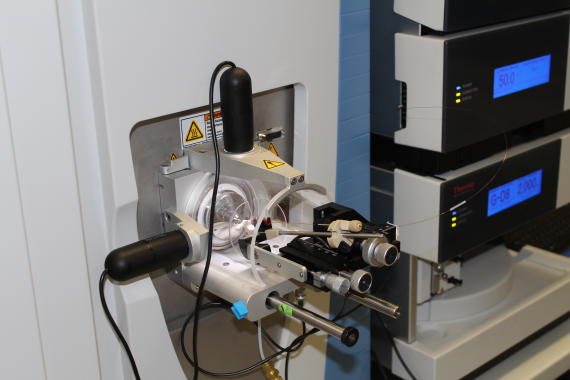
Professor Michael Hippler leads a research group at the Institute of Plant Biology and Biotechnology at the University of Münster, Germany. He also serves as a Special Appointed Professor at Okayama University, Japan, from April 2019 until March 2028 (3 months per year) through the Okayama University RECTOR Program. His research focuses on plant cell responses to environmental stresses and the molecular mechanisms involved in photosynthetic machinery. His primary research interests include adaptation to low iron availability, light-harvesting versus light-dissipation mechanisms, hydrogen metabolism, calcium-dependent protein phosphorylation in plants, photosystem function and regulation, N-glycosylation in algae, and bioinformatics and proteomics. He primarily uses the green alga Chlamydomonas reinhardtii as a model system, combining molecular techniques like reverse genetics and proteomics to study these processes. His recent publications demonstrate a strong focus on N-glycosylation in algae, particularly examining protein modifications and their effects on cellular functions. His work also extensively covers photosystem structure and function, employing techniques like chemical crosslinking, mass spectrometry, single particle electron microscopy, and cryo-electron microscopy. The research has significant implications for understanding photosynthetic regulation and adaptation mechanisms. Professor Hippler leads the Mass Spectrometry-based Proteomics Unit Biology of Plants (MSPUB), which provides large-scale proteomic analyses for research groups at the Institute. The laboratory is equipped with a hybrid linear ion-trap mass spectrometer (Q-Exactive plus-Orbitrap) coupled to an Ultimate Nano liquid chromatography system. He supervises numerous PhD, Master's, and Bachelor's students and has developed several bioinformatics tools including GenomicPeptideFinder (GPF), qTRACE, pyQms, SugarPy, and Crosslinx. His research is funded by various sources including the DFG FOR 5573 "Dynamic Regulation of the Proton Motive Force in Photosynthesis" consortium.
Kana Shimizu is a Professor at Waseda University’s Faculty of Science and Engineering, School of Fundamental Science and Engineering, and a leading authority on privacy-preserving algorithms for genome and biomedical data. Since obtaining her Dr.Eng. from Waseda, she has held positions at AIST and a visiting investigator role at Memorial Sloan-Kettering Cancer Center, advancing to full Professor at Waseda in 2018. Education: Dr.Eng., Waseda University M.Eng., Waseda University (Dept. of Information Science) B.Eng., Waseda University (School of Science and Engineering) Research Interests: Prof. Shimizu integrates cryptography with life-science data analytics, developing homomorphic encryption and secret-sharing protocols that enable secure genome search, private chemical database queries, and privacy-preserving machine learning. She also contributes to computational biology through algorithms for next-generation sequencing, structural bioinformatics, and prediction of intrinsically disordered proteins. Publication Trends: Her recent works (2022-2024) emphasize practical privacy technologies—secure range queries, function secret sharing, and gradient-clipping for synthetic genomes—while earlier high-impact papers established fast similarity search (SlideSort), binding-site databases (PoSSuM), and encrypted genomic search using the Burrows-Wheeler transform, collectively bridging algorithmic innovation and real-world biomedical privacy needs. Scientific Awards: KDDI Foundation Achievement Award 2022 MEXT Commendation for Science and Technology (Research) 2018 Multiple best-paper/demo awards at CSS, IIBMP, and domestic bioinformatics meetings Grants & Advising: She currently leads JSPS KAKENHI (S) on “Compressed Secure Computation for Large-Scale Data” and an AMED project on precise cancer-genome graphs. She serves as advisor/evaluator for JST PRESTO, AMED, NBDC, and the Tokyo High Court, and has supervised numerous bachelor theses at Waseda. Labs & Teams: Prof. Shimizu heads a laboratory within the School of Fundamental Science and Engineering at Waseda, collaborating with national centers (AIST, RIKEN) and international partners (MSKCC, Finland Tekes/AF), focusing on encrypted bioinformatics platforms and high-performance genomic algorithms.
Dr. Rita Hartel serves as a Senior Lecturer and Research Associate in the Department of Databases and Electronic Commerce at the University of Paderborn's Institute of Computer Science, while also fulfilling the critical role of Academic Advisor for the Computer Science Student Office where she guides undergraduate and graduate students. Her research forms two distinct yet complementary pillars: cutting-edge data compression algorithms for bioinformatics (specializing in Burrows-Wheeler Transform optimizations for DNA sequence data) and graph databases (developing grammar-based compression for knowledge graphs), alongside innovative digital humanities work applying OCR and semantic analysis to comics historiography with a focus on German traditions. This interdisciplinary approach bridges computational rigor with cultural scholarship. Dr. Hartel demonstrates consistent research productivity with five publications from 2021-2025 in premier venues including the Data Compression Conference and specialized workshops. Her work reflects strong international collaboration patterns and likely benefits from active grant funding given the technical resources required for bioinformatics compression research. As an Academic Advisor, she provides essential student support while her dual research focus creates unique opportunities for students interested in either computational methods or digital humanities applications.
Altti Ilari Maarala is a Researcher specializing in computational genomics and bioinformatics, with active participation in multiple Academy of Finland-funded cancer research initiatives. His work bridges computer science and genomics through scalable computational methods. Research Focus Altti develops distributed computing solutions for genomic data challenges, including: Pan-genome indexing and compressed data structures for sequence alignment Spark-based frameworks for genome assembly and genotype imputation High-throughput sequencing analytics in population genomics Visualization tools for tumor evolution dynamics Active Projects Key collaborative efforts: DYNAMITE (2025-2028): Targeting transcription factor dynamics in ovarian cancer therapy MULTISTANC (2025-2027): Multi-modal data integration to overcome chemotherapy resistance iCAN Digital Precision Cancer Medicine (2022-2026): Flagship program for data-driven oncology Publication Trends Altti's recent work emphasizes scalable cloud-based genomics, with publications focusing on distributed algorithms for genome assembly (Spark), compressed pan-genome indexing, population-scale data analytics, and cancer evolution visualization. His research consistently integrates high-performance computing with biological data challenges.
Avi Srivastava, Ph.D. is an Assistant Professor in the Genome Regulation and Cell Signaling Program at The Wistar Institute's Ellen and Ronald Caplan Cancer Center. A computational biologist with expertise spanning computer science and biology, Dr. Srivastava leads research focused on understanding how epigenomic regulation influences cellular fate determination, particularly in the context of hematopoiesis and leukemia development. Dr. Srivastava's research interests center on computational approaches to single-cell genomics, epigenomics, and transcriptomics. His work integrates epigenetic, computational, and cancer biology analysis with state-of-the-art multimodal single-cell technologies and sophisticated uncertainty-aware computational models. His lab specifically investigates chromatin dynamics during cell differentiation, with special emphasis on dysregulation in leukemia. Analysis of Dr. Srivastava's publication record reveals a strong focus on developing computational methods for RNA-seq and single-cell analysis. His work spans transcript quantification algorithms , uncertainty-aware Bayesian models for single-cell data, and integrated analyses of epigenomic data to understand hematopoietic malignancies. His contributions address critical challenges in handling gene-ambiguous reads and improving accuracy in gene abundance estimation. Dr. Srivastava's laboratory currently includes Postdoctoral Fellow Rajeev Ramisetti, Ph.D. and Research Assistant Calen Nichols, working together to advance understanding of the molecular mechanisms underlying blood cell development and malignancy.
Professor Michael Schroeder is a Professor in Bioinformatics at the Biotechnology Center (BIOTEC) and Department of Computing at Technische Universität Dresden. He serves as Director of the Biotechnology Center since 2012, with specific periods as Director (2012-2014, 2019-2021), and Director of the Center for Molecular and Cellular Bioengineering (CMCB) from 2022-2023. He is also CSO of Transinsight.com since 2006 and co-founder of PharmAI GmbH since 2019. His research focuses on developing machine learning algorithms exploiting large protein structure and sequence data to improve diagnosis and treatment of disease. Key areas include: Computational drug repositioning using networks, structures, text, and ontologies Pancreas cancer drug and biomarker prediction through AI analysis of blood samples (90%+ accuracy) Antibiotic resistance analysis in wastewater E. coli through genomic variations Development of novel lead compounds for cancer chemotherapy resistance, autoimmune disease, and Chagas disease Prof. Schroeder's publication record demonstrates consistent application of network analysis, structural bioinformatics, and machine learning to solve biomedical problems, with particular emphasis on pancreatic cancer and drug repositioning. His work bridges computational approaches with experimental validation through collaborations with medical researchers. Notable achievements include: Publication of over 230 scientific papers Hirsch index over 45 on Google Scholar Two granted patents Development of PLIP, a widely used open-source tool for analyzing molecular interactions Co-founding pharmAI GmbH, focusing on structure-based drug-target prediction Prof. Schroeder has supervised over 25 PhD students, with 10 receiving distinctions. Eight former group members have become professors or group leaders. His lab is currently funded by multiple projects including Kiwi, Ebira, and Scads.ai from BMBF, as well as EU and DFG grants. The Schroeder Group maintains extensive collaborations worldwide, including Yves Moreau (Leuven) for autoimmune disease research, Gildardo Rivera Sanchez (Reynosa) for Chagas disease, and Christian Pilarsky (Erlangen) for cancer research, demonstrating his strong international network and interdisciplinary approach.
Karl Mechtler has led the Protein Chemistry Facility at the Research Institute of Molecular Pathology (IMP) in Vienna, Austria since 1989. As Head of Facility, he directs research operations focused on advanced mass spectrometry applications in molecular and cellular biology. His facility provides critical infrastructure for proteomic analysis while conducting innovative research in protein chemistry methodologies. Mechtler's core research interests center on: Developing high-sensitivity mass spectrometry techniques Advancing crosslinking approaches for structural proteomics Optimizing single-cell proteomic workflows Analyzing posttranslational modifications Creating bioinformatic solutions for proteome analysis Improving quantitative accuracy in multiplexed proteomics Recent publications demonstrate his lab's focus on pushing technical boundaries in proteomics, with 2024-2025 research featuring innovations in Orbitrap Astral applications, FAIMS technology for peptide coverage, AI-driven data analysis, and novel crosslinking strategies. These methodological advances enable new biological insights into areas ranging from chromatin dynamics to neurological disorders. His research is supported by active grants including: 'Delineating the crossover control networks in plants' (German Research Foundation, ongoing since 2014) 'SFB F3402-B03: Chromosome dynamics' (Austrian Science Fund FWF) Mechtler leads the Protein Chemistry Facility at IMP, which maintains an active web presence detailing its research focus and capabilities. The lab specializes in developing cutting-edge mass spectrometry solutions for challenging biological questions.
Dr. Ray R. Hashemi is a Professor in the Department of Computer Science within Georgia Southern University's College of Engineering and Computing. His academic career spans over 14 years of continuous research output from 2003-2017, with significant contributions as co-editor for four International Conferences on Information Technology and Knowledge Engineering (2005, 2010, 2014, 2017). His research focuses on innovative applications of data mining across diverse domains: Bioinformatics: DNA sequence analysis, organ toxicity prediction, and liver cancer predictive systems Medical Informatics: Bone mineral density analysis using DEXA data and dendrograms Financial Systems: Extraction of essential constituents from S&P500 index Environmental Science: Climate prediction using algae sedimentation patterns Computer Vision: Video mining for theatrical analysis and Android-based OCR for non-flat documents Methodologically, Dr. Hashemi specializes in neighborhood systems analysis, association rule mining, and grid-based approaches for sparse data. His work consistently bridges theoretical data mining concepts with practical applications, developing tools for signature-based prediction, record layout discovery, and intent analysis through web behavior. Recent publications (2015-2017) show increased focus on domain-specific applications in finance and toxicology while maintaining core data mining expertise. His collaborative work includes partnerships with international researchers across multiple continents, demonstrated through conference editorial roles and co-authored publications. Dr. Hashemi's research demonstrates sustained scholarly activity with practical implementations in medical diagnostics, financial analysis, and environmental prediction systems.
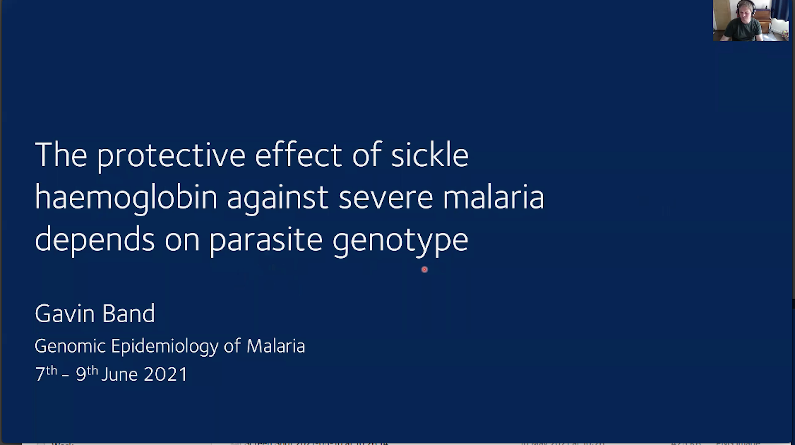
Gavin Band serves as an Associate Professor and Head of Statistical Genomics at the Wellcome Centre for Human Genetics, University of Oxford, where he leads a research group focused on human and pathogen genomics with particular emphasis on Plasmodium falciparum malaria. His position as Group Leader and teaching co-lead for the GMS DPhil Programme demonstrates his significant role within the institution. Band's research interests center on statistical genomics and the complex interplay between human and parasite genetics in malaria infections. He uses advanced genetic approaches to detect and dissect signals of interaction between malaria parasites and host immunity factors, including protective mutations and vaccine interventions. His work aims to unravel the underlying biological functions and evolutionary consequences of these host-pathogen interactions, with significant implications for malaria prevention and treatment strategies. His recent publication record (2023-2025) reveals a strong focus on malaria genetics, particularly examining human genetic variants associated with malaria susceptibility and the co-evolutionary dynamics between human hosts and malaria parasites. His research extends to other infectious diseases including COVID-19, demonstrating methodological expertise applicable across multiple disease contexts. As an educator, Band is deeply involved in computational and statistical genomics training for postgraduate programs. He serves as teaching co-lead for the GMS DPhil Programme and has supervised students including Jia-Yuan Zhang, who contributed significantly to their de novo assembly research, and Annie Forster. Band is a notable contributor to genomic software development, having created several widely-used tools including the BGEN format (a compressed binary format for genotype data), QCTOOL (for quality control and analysis of GWAS datasets), HPTEST (for host-pathogen association testing), LDBIRD (for computing linkage disequilibrium metrics), and BINGWA (for model-based meta-analysis in GWAS studies). These contributions have significantly impacted the field of statistical genetics and genomic analysis.