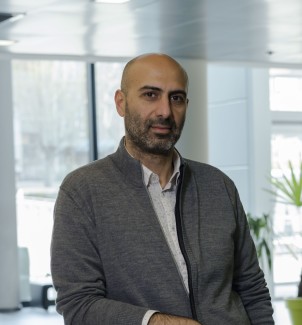
Brian W. TagueView profile
Associate Professor
Brian W. Tague is an Associate Professor in the Department of Biology at Wake Forest University, where he conducts research in plant molecular and cellular biology. His work primarily focuses on the genetic and molecular mechanisms underlying plant development, using model systems such as Arabidopsis thaliana and Barbarea verna . Dr. Tague earned his Sc.B. in Biology and A.B. in American Civilization from Brown University in 1981, followed by a Ph.D. from the University of California, San Diego in 1989. He completed an NSF Post-doctoral Fellowship at the Department of Molecular Biology, Massachusetts General Hospital, Boston. His research centers on plant gene regulation, particularly the functional analysis of zinc finger proteins—transcription factors involved in DNA binding. His lab investigates flowering signal transduction pathways in biennial plants, developing transformation protocols to study gene overexpression effects on precocious flowering. He has contributed significantly to methodologies in plant genetic transformation, including Agrobacterium -mediated techniques and selectable marker systems. The trends in Dr. Tague’s publications from 1995 to 2006 reflect a deep engagement with plant molecular genetics, with recurring themes in gene expression, transgenic technology, auxin regulation, and promoter analysis. His work bridges fundamental molecular biology with applied genetic engineering in plants. Scientific Awards: NSF Post-doctoral Fellowship Dr. Tague has advised research and contributed to multiple peer-reviewed studies, though no formal advisees are listed. His research has been supported through institutional and federal funding, including postdoctoral fellowship support from the NSF. He maintains an active laboratory focused on plant transformation and developmental genetics. His lab has developed key tools for plant genetic research, including transformation protocols for non-model crucifers and marker systems for efficient gene insertion. These resources support broader research in plant biotechnology and developmental biology.