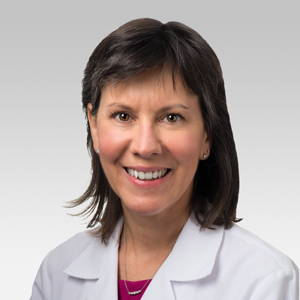
Abdenour SoufiView profile
Senior Lecturer
Abdenour Soufi serves as a Senior Lecturer in the School of Biological Sciences at the University of Edinburgh, leading research within the Centre for Regenerative Medicine and Institute for Regeneration and Repair. His laboratory investigates chromatin structure dynamics and cellular identity mechanisms with focus on developing safe reprogramming technologies for regenerative medicine. Dr. Soufi's research centers on chromatin structure and cellular identity , specifically examining how reprogramming factors (Oct4, Sox2, Klf4, c-Myc) convert fibroblasts to induced pluripotent stem cells. His group discovered that OSKM factors interact differently with fibroblast genomes compared to embryonic stem cells and face barriers accessing critical genomic regions. This foundational work drives their current efforts to engineer synthetic reprogramming factors that avoid tumorigenic risks associated with conventional methods. Analysis of his 12 publications (2014-2024) reveals consistent focus on nucleosome dynamics , transcription factor binding mechanisms , and cellular reprogramming barriers . His 2024 Nature paper demonstrates how nucleosome topology guides enhancer binding, while earlier work established how pioneer factors target partial DNA motifs on nucleosomes. Research spans fundamental chromatin biochemistry to translational applications in cancer and regenerative medicine. Scientific Awards and Recognition: MRC Career Development Award University of Edinburgh Chancellor's Fellowship Darwin Trust of Edinburgh Fellowship Diabetes Research & Wellness Foundation Grant Dr. Soufi actively supervises six PhD students including Katharine Furlong and Michael O'Dwyer, and collaborates extensively with Edinburgh colleagues (Chambers, Kaji, Lowell) and international partners (Buganim, Jauch, Skoultchi). His research receives funding from CRUK, EPSRC, MRC, and BBSRC. The Soufi group maintains strong ties with the Edinburgh Mammalian Synthetic Biology Research Centre and focuses on developing clinically viable reprogramming technologies through interdisciplinary approaches combining biochemistry, genomics, and synthetic biology.