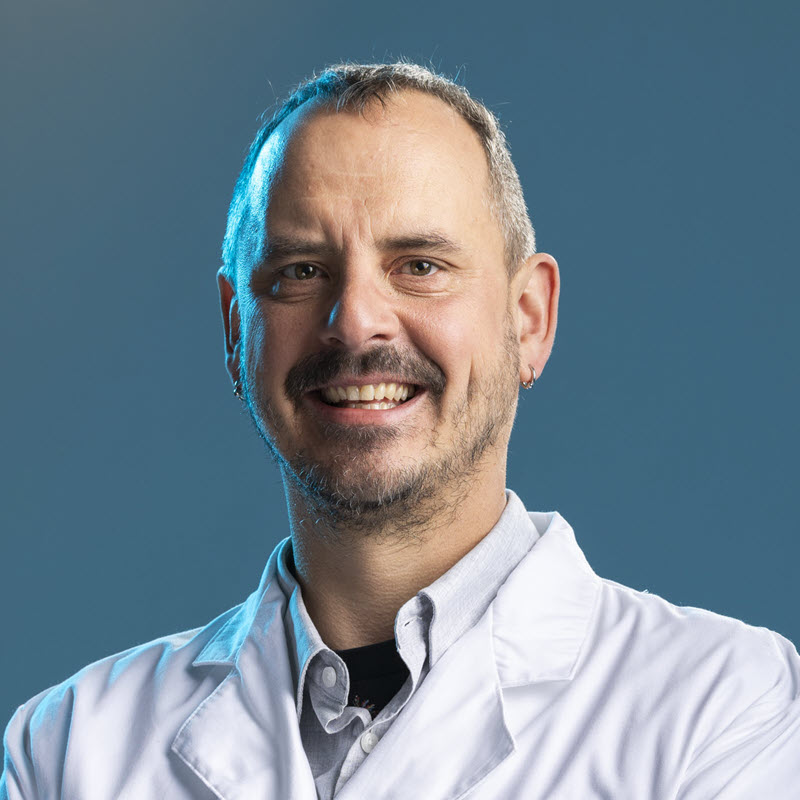
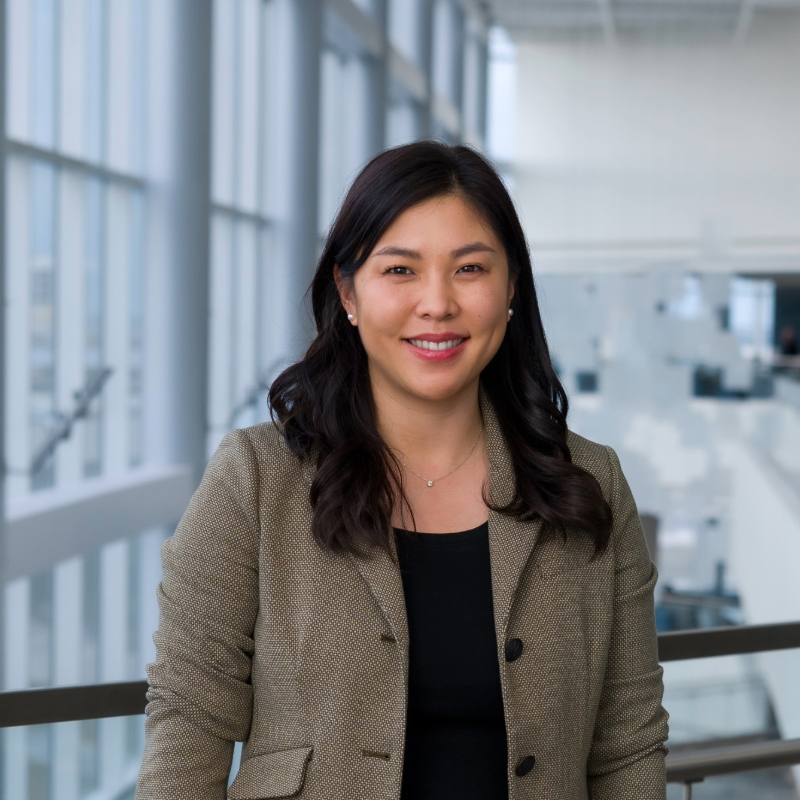
Eduard Post is a Researcher and Practical Course Teacher at the Faculty of Science and Engineering, University of Groningen. His work focuses on liver fibrosis, hepatic stellate cells, and sustained release drug formulations. Key Research Areas: Liver Fibrosis, Hepatic Stellate Cells, PDGF Receptor Targeting, Macrophage Polarization, Drug Delivery Systems, Molecular Pathology His recent publications highlight the role of hepatic stellate cells in fibrogenesis, sustained release strategies for antifibrotic therapies, and macrophage dynamics in inflammatory diseases. Collaborations span institutions studying liver and kidney fibrosis, immune responses, and protein-based pharmaceuticals. Dr. Post’s work contributes to UN Sustainable Development Goal 3 (Good Health and Well-being) through advancing treatments for chronic diseases like fibrosis.
Alexis Demonbreun is a postdoctoral researcher at the University of Chicago, Department of Medicine, specializing in muscular dystrophy and SARS-CoV-2 immunology. Their work bridges cell biology , physiology , and public health with a focus on membrane repair mechanisms and antibody response dynamics. Institution : University of Chicago Department : Medicine Research Interests Primary focus on muscular dystrophy and cardiomyopathy , including genetic modifiers (e.g., annexin A6, LTBP4) and therapeutic strategies like biologics and glucocorticoids. Secondary interests in SARS-CoV-2 epidemiology, antibody durability, and health disparities in pandemic outcomes. Methodologies include mouse models , human clinical studies , and bioimaging (MRI, immunofluorescence). Article Trends : Recent publications (2022–2025) highlight anti-LTBP4 biologics , convalescent immunity , and muscle repair pathways . Over half of their work involves collaborations with co-PIs like Elizabeth McNally and Timothy McDade. Grants & Collaborations : Leading NIH-funded projects (R21TR005472, UH3NS127383) on neuromuscular therapies, and co-investigating NIH grants (R01CA294703, R01HL167813) on cancer cachexia and cardiac fibrosis.
Łukasz Joachimiak, Ph.D. is a faculty researcher at UT Southwestern Medical Center where he leads the Joachimiak Lab within the Center for Alzheimer's and Neurodegenerative Diseases. His work focuses on deciphering the structural and biochemical mechanisms of protein misfolding in neurodegenerative disorders, with particular emphasis on tau protein aggregation in Alzheimer's disease and related tauopathies. Dr. Joachimiak employs innovative hybrid approaches integrating cross-linking mass spectrometry with structural, computational, and biochemical methodologies to uncover fundamental principles of protein conformation and pathological assembly. Dr. Joachimiak's academic background includes: B.S. in Biochemistry from University of Wisconsin-Madison (2000) Ph.D. from University of Washington (2007) under David Baker, developing computational tools for protein-protein interactions Postdoctoral training with Judith Frydman at Stanford University studying eukaryotic chaperonin TRiC/CCT His research program centers on understanding how conformational changes in intrinsically disordered proteins drive pathological aggregation. The lab's landmark discovery of two distinct tau monomer states—an inert form (Mi) and a seed-competent form (Ms)—revolutionized understanding of tau aggregation mechanisms. Current investigations focus on how disease-causing mutations near tau's six-amino acid amyloid motif perturb local structure to promote pathological assembly, and how molecular chaperones like DnaJC7 recognize and regulate these conformational states. The lab employs advanced techniques including XL-MS, NMR, and Rosetta-based computational modeling to characterize protein structural dynamics in neurodegeneration. Analysis of Dr. Joachimiak's publication record reveals consistent contributions to understanding protein misfolding mechanisms, with recent work emphasizing chaperone-substrate interactions, tau conformational states, and structural determinants of amyloid formation. His research bridges fundamental biophysics with translational applications, aiming to develop early detection methods for pathological protein conformations before clinical symptom onset. Dr. Joachimiak mentors a diverse research team comprising postdoctoral researchers (Chad Dashnaw, Klaudia Jaczynska, Ruhar Singh), graduate students (Daniel Kieffer, Simran Rastogi, Paweł Wydorski, Victoria Wiernikouskaja), and research staff (Nabil Morgan). His laboratory operates within UT Southwestern's collaborative research environment dedicated to scientific rigor, creativity, and interdisciplinary approaches to neurodegenerative disease research. The Joachimiak Lab maintains active collaborations across UT Southwestern, particularly with Marc Diamond's group on tau seeding mechanisms and Rui Sousa's laboratory on chaperone biochemistry. Current research directions include developing diagnostic tools targeting conformation-specific tau epitopes, investigating how post-translational modifications regulate aggregation, and exploring therapeutic strategies to stabilize non-pathological protein conformations.
Dr. Luke Brewster is an Associate Professor in the Department of Surgery at Emory University School of Medicine , with joint appointments in the Wallace Coulter Department of Biomedical Engineering (Georgia Tech/Emory) and the Atlanta Clinical & Translational Science Institute . As a surgeon-scientist , he investigates biomechanical mechanisms in peripheral vascular disease and develops regenerative strategies for ischemic tissue. Clinical affiliations: Emory University Hospital, Atlanta VA Healthcare System (Section Chief of Vascular Surgery) Research focus: Pathologic vessel remodeling, atherosclerosis, stem cell therapies, and PAD therapeutics Education: MD (Saint Louis University), PhD (Loyola University), MA (Neiswanger Institute), BA (Benedictine College) His laboratory employs animal models and human arterial tissue to quantify biomechanical forces in vascular disease, revealing critical insights for novel therapeutics. Recent work explores exercise therapy , nanotechnology , and stem cell interventions in PAD, with a focus on diabetes and smoking impacts. Dr. Brewster has secured federal, foundation, and industry grants , contributing to over 150 publications. His collaborations bridge bioengineering and clinical vascular surgery , emphasizing interdisciplinary solutions to arterial disease.
Tingwei Guo is a Researcher and Team Lead at the Center for Craniofacial Molecular Biology within the Herman Ostrow School of Dentistry at the University of Southern California , Los Angeles, CA. Education: B.S. in Stomatology, 2008, Pittsburg State University M.S. in Cell and Molecular Biology, 2011, Pittsburg State University Ph.D. in Cellular, Molecular, and Genetics, 2018, University of Alabama Guo's research focuses on craniofacial development , mesenchymal stem cell regulation , and cell signaling pathways (Wnt, FGF, PDGF, TGF-β) during tissue morphogenesis. His work explores mechanotransduction, neural crest lineage dynamics, and epigenetic control of progenitor cell fate, primarily using rodent models and advanced genomic techniques. Recent publications highlight studies on spatial transcriptomics , cell-cell communication , and genetic determinants of craniofacial disorders. Key collaborations include Yang Chai and Jingjing Feng at USC. Guo's laboratory investigates vascular architecture's role in stem cell heterogeneity and signaling axis (FGF-SHH, Runx2-Twist1) in craniofacial tissue patterning. Contact: tingweig@usc.edu .
Jose Antonio Lagares Rodriguez is an Associate Professor at the Universidad Pablo de Olavide , affiliated with the College of Sports and Information Technology . His academic work focuses on Computer Languages and Systems within the DATAi (Intelligent Data Analysis) research group, though his publication record spans interdisciplinary topics including public health, cardiology, and biomedical engineering . Key Research Themes: Integration of data analysis in healthcare systems Biochemical mechanisms in disease progression Health policy and social program evaluation Innovative applications of information technology in clinical settings Recent Work Trends: His 2015-2014 publications highlight drug development ( CM-352 ), hepatocarcinogenesis mechanisms, and immigrant health screening. Earlier works (2003-2009) cover architectural engineering, thyroid oncology, and infectious disease dynamics. Collaboration Network: He has co-authored studies with medical professionals across disciplines, including endocrinologists, epidemiologists, and materials scientists. His work has been cited 1,544 times on Academia.edu.
Dr. Barbara Ciani is a Senior Lecturer in Biophysical Chemistry at the University of Sheffield's School of Mathematical and Physical Sciences. She serves as the Chemistry Biological Safety Officer and is affiliated with the RSC Biophysical Chemistry Interest Group and EPSRC review college. Research Interests: Protein self-assembly mechanisms, nuclear envelope repair, ESCRT-III complex dynamics, and protein solution physical chemistry. Teaching: Thermodynamics, Biophysical Chemistry, Toxicology, Bioinformatics, and Protein Design across undergraduate and postgraduate modules. Her lab combines biochemistry, cell biology, and protein design to address membrane repair signals and protein formulation optimization with industry partners. Recent publications focus on membrane remodeling, protein-stability relationships, and disease-associated protein interactions. Collaborations span academic and industrial domains, emphasizing biomimetic applications and drug discovery science.
Mike Cheetham is a Professor of Molecular and Cell Biology at the UCL Institute of Ophthalmology, specializing in neurodegenerative disease mechanisms and therapies for inherited retinal dystrophies. His lab pioneered 3D retinal organoid models and developed an antisense therapy for LCA10 now in clinical trials. Education: PhD (University of London, 1991), BSc (University of Wales, Swansea, 1983) Research focuses on proteostasis in the nervous system, using stem cell and animal models to dissect molecular pathways in retinal dystrophies. Recent work includes gene editing for rhodopsin mutations and small molecule interventions for ciliary defects. Publications highlight advancements in CRISPRa-mediated therapies , ABCA4 variant rescue , and light-induced toxicity prevention , aligning with his expertise in molecular biology and ophthalmology. Collaborations: Extensive partnerships in gene therapy, retinal modeling, and neurodegeneration studies
Josh Huang is a Professor of Neurobiology, Cell Biology, and Biomedical Engineering at Duke University School of Medicine , where he leads the Huang Lab. His research focuses on the development and function of cortical circuits underlying motor control and cognitive processing , integrating genetic engineering, single-cell genomics, and behavioral neuroscience to address neuropsychiatric disorders. Education : PhD in Neuroscience, Brandeis University (1995) Research Areas : Huang’s work spans three synergistic domains: (1) cell type genetic tools (e.g., CellREADR for RNA-programmable cell targeting), (2) molecular genetic programs defining neuronal specification, and (3) cell type basis of motor-cognitive circuits . His team employs multi-omics, optogenetics, and naturalistic behavior paradigms to decode cortical architecture. Publications highlight trends in RNA-based neurotechnology , glutamatergic/projection neuron subnetworks , and GABAergic interneuron mapping . Notable contributions include the BRAIN Initiative Cell Census Network (BICCN) and CellREADR innovations. Scientific Awards : Election to the American Academy of Arts & Sciences (2022) NIH Director’s Pioneer High-Risk High-Reward Award Grants from NIMH, NIH BRAIN Initiative, and collaborative programs support his multidisciplinary investigations . The lab trains PhD students and postdoctoral fellows in neuroscience and biomedical engineering.
Thomas G. Jensen serves as Head of the Department of Biomedicine and Professor of Medical Genetics at Aarhus University, while also holding the position of Deputy Chairperson of the Danish Research Ethics Committee. His strategic leadership focuses on establishing the department as an internationally recognized center through impactful research, high-quality graduate education, and strengthening the local life science ecosystem. His research spans Medical Genetics , Gene Therapy , and Molecular Biology , with concentrated efforts on genetic disorders including phenylketonuria and myotonic dystrophy. His work involves developing viral vector delivery systems and investigating molecular disease mechanisms using mouse models and fibroblast cultures. Publication analysis reveals consistent contributions to translational biomedical research, particularly in gene therapy applications for metabolic and neuromuscular disorders. His work demonstrates interdisciplinary collaboration between basic science and clinical applications, with notable focus on optimizing gene delivery techniques and understanding disease pathophysiology. Professor Jensen maintains active public engagement through lectures on genetics, CRISPR technology, and research ethics for diverse audiences including patient organizations, academic institutions, and government bodies like the Danish Ethics Council.
Vivian Lee-Kim is an Assistant Professor in the Department of Pediatrics, Division of Cardiology at The University of Texas Southwestern Medical Center, with a secondary appointment in the Department of Molecular Biology. She is also a member of the Center for Regenerative Science and Medicine. Education B.S. in Biochemistry, University of Washington Ph.D. in Developmental, Regenerative, and Stem Cell Biology, Washington University in St. Louis Postdoctoral Fellow, Brigham and Women's Hospital and Harvard Medical School Research Interests Dr. Lee-Kim's research focuses on the genetic and molecular mechanisms of cardiovascular diseases, particularly thoracic aortic aneurysms and coronary artery disease. She employs genomic approaches, CRISPR-based genome editing, and vascular biology to dissect disease pathways and identify therapeutic targets. Her work bridges basic science with clinical applications in regenerative medicine, investigating coding and noncoding genetic variations that contribute to vascular pathologies. Recent Research Trends Analysis of Dr. Lee-Kim's 13 publications (2012-2024) reveals an evolution from extracellular matrix genetics in aortic aneurysms to cutting-edge multi-omics studies of coronary artery disease. Her recent work (2020-2024) emphasizes endothelial cell programs, CRISPR perturbation screens, and functional genomics to identify novel therapeutic targets, while earlier research (2012-2016) explored mechanisms of aortic dilation and lung injury models. This trajectory demonstrates increasing integration of genomic technologies with vascular pathophysiology. Honors & Awards No specific awards are listed in the available information. Advising and Grants Information regarding student mentorship, grant funding, or research funding sources is not provided in the available text. Labs and Teams Dr. Lee-Kim is an active member of the Center for Regenerative Science and Medicine at UT Southwestern, which fosters interdisciplinary collaboration in tissue engineering, stem cell therapies, and vascular regeneration research.
David J. Anderson is the Seymour Benzer Professor of Biology at the California Institute of Technology (Caltech), serving as Director and Leadership Chair of the Tianqiao and Chrissy Chen Institute for Neuroscience. He is also a long-standing Investigator of the Howard Hughes Medical Institute (HHMI), appointed in 1989. His academic credentials include an A.B. in Biochemical Sciences from Harvard University (1978, summa cum laude) and a Ph.D. in Cell Biology from Rockefeller University (1983), where he trained with Nobel Laureate Günter Blobel. Postdoctoral training followed at Columbia University with Nobel Laureate Richard Axel. Anderson's research centers on the neurobiological basis of emotional behaviors, particularly fear, anxiety, and aggression. His lab employs mice, Drosophila, and the jellyfish Clytia hemisphaerica to dissect neural circuits using optogenetics, chemogenetics, single-cell RNA sequencing, and advanced behavioral analysis. Key discoveries include identifying aggression-controlling neurons in the hypothalamus and fear-processing microcircuits in the amygdala. Recent publications reveal a strong emphasis on decoding aggression circuits through computational modeling of neural dynamics, whole-brain imaging, and cross-species comparisons. His work integrates molecular, cellular, and systems approaches to understand how internal emotional states emerge from neural activity and influence behavior. Major scientific awards include: 2018 Edward M. Scolnick Prize in Neuroscience 2017 New York Academy of Medicine Salmon Award 2016 Perl-UNC Neuroscience Prize 2007 National Academy of Sciences election Multiple named professorships and fellowships As an HHMI Investigator since 1989 and Allen Distinguished Investigator (2010), Anderson has secured substantial research funding. He serves on the Scientific Advisory Board of the Allen Institute for Brain Science and has mentored numerous trainees. His lab develops cutting-edge tools like the Mouse Action Recognition System (MARS) for behavioral analysis. The David Anderson Lab operates as a multidisciplinary hub integrating genetics, neurophysiology, and computational methods. Current collaborations with engineering groups focus on machine vision for behavior quantification, while expanding the Clytia model to investigate primitive internal states in brainless organisms.
Jody Fromm Longo is an Assistant Professor at the Medical University of South Carolina (MUSC) , affiliated with the College of Medicine and Department of Pathology and Laboratory Medicine . Her research focuses on Ras-driven cancers and neurofibromatosis type 1 (NF1) , analyzing tumor suppressor mechanisms, therapeutic target discovery, and isoform-specific protein roles in neurodegenerative disease. Education: PhD in Molecular Biology and Biochemistry from University of Southern California, BS in Chemistry/Biochemistry from Purdue University, Postdoctoral Research at Harvard Medical School in Cancer Biology and Genetics. Her work integrates bioinformatics with in vitro and in vivo models to study genomic and transcriptomic profiles of cancers. Current projects investigate Ras hyperactivation , EGFR family mutations , and isoform-specific roles of NF1 and Ras proteins in central nervous system functions. Recent publications highlight her team's efforts in MPNST research , including HER3 inhibition for therapeutic applications, genetic profiling for target identification, and bioinformatics analysis of tumor suppressor pathways. Collaborative studies explore R-Ras subfamily signaling and LPAR receptor functions in MPNST progression. While specific scientific awards aren't listed, her publications demonstrate consistent contributions to oncology , neurogenetics , and targeted therapy fields. The lab employs genetically engineered mouse models and phosphoproteomic profiling to advance cancer research and therapeutic options.
Davis Seelig is a Professor in the Department of Veterinary Clinical Sciences at the University of Minnesota's College of Veterinary Medicine, with additional affiliation at the Masonic Cancer Center. His research spans veterinary oncology, molecular pathology, and comparative medicine, focusing on translating findings between animal and human cancers. Dr. Seelig's research interests center on veterinary oncology with a particular emphasis on canine cancers including lymphoma and hemangiosarcoma. His work explores molecular subtypes, early detection methods, and comparative approaches to cancer biology. He applies advanced techniques including flow cytometry, molecular profiling, and animal models to investigate cancer mechanisms and potential therapeutic approaches. His research bridges veterinary and human medicine, contributing to the understanding of cancer across species. His publication record shows consistent output with 104 research outputs since 2006, demonstrating expertise across veterinary pathology, cancer biology, and translational medicine. Recent publications focus on machine learning applications in drug delivery, single-cell analysis of immune responses in liver cancer, and precision techniques for tissue preservation. His work demonstrates a strong translational focus, connecting veterinary clinical findings with broader cancer research implications. Dr. Seelig is actively involved in multiple significant research projects, including the Cancer Center Support Grant from the National Cancer Institute, research on canine lymphoma detection and prevention funded by the Morris Animal Foundation, and studies on molecular subtypes in canine hemangiosarcoma. He also contributes to educational initiatives like the Veterinary Summer Scholars in Comparative Medicine program. His collaborative network extends across veterinary medicine, oncology, and biomedical engineering, working with researchers investigating everything from prion diseases to advanced drug delivery systems. His work contributes to Sustainable Development Goals related to good health and well-being through cancer research and improved veterinary medical practices.
J. Geoffrey Pickering is a Professor at the University of Western Ontario, affiliated with the Schulich School of Medicine & Dentistry. He holds appointments in the Departments of Medicine, Biochemistry, and Medical Biophysics. His research focuses on vascular biology, particularly the molecular mechanisms of vascular smooth muscle cell behavior, extracellular matrix interactions, and angiogenesis. Education: M.D. from Queen's University, Ph.D. in Medical Biophysics from University of Western Ontario Certifications: Fellowship in Internal Medicine and Cardiology (FRCP(C)) Key Research Areas: Vascular cell aging, endothelial-mesenchymal transition, therapeutic angiogenesis His lab has pioneered human vascular smooth muscle cell line development and discovered novel genes in vascular remodeling. Scientific accolades include the Heart and Stroke Foundation's Barnett-Ivey Chair and Fellowships from the American Heart Association and American College of Cardiology. Recent Publications (2024): Mitochondrial calcium signaling in vascular disease 2023: Telomere length implications in atherosclerosis 2020: Ischemic vascular regeneration models Dr. Pickering's work has secured major operating grants from the Heart and Stroke Foundation and Canadian Institutes of Health Research. He leads the Robarts Research Institute's vascular biology program and maintains active collaborations in molecular cardiology and regenerative medicine.