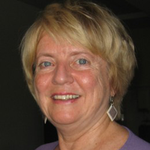
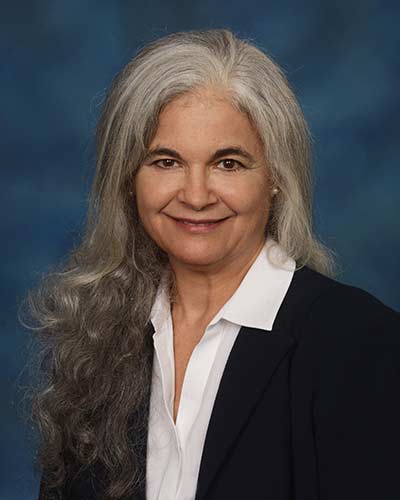
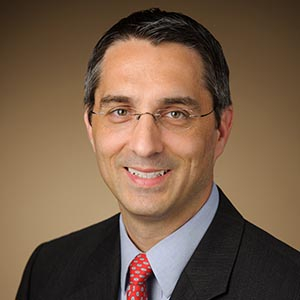
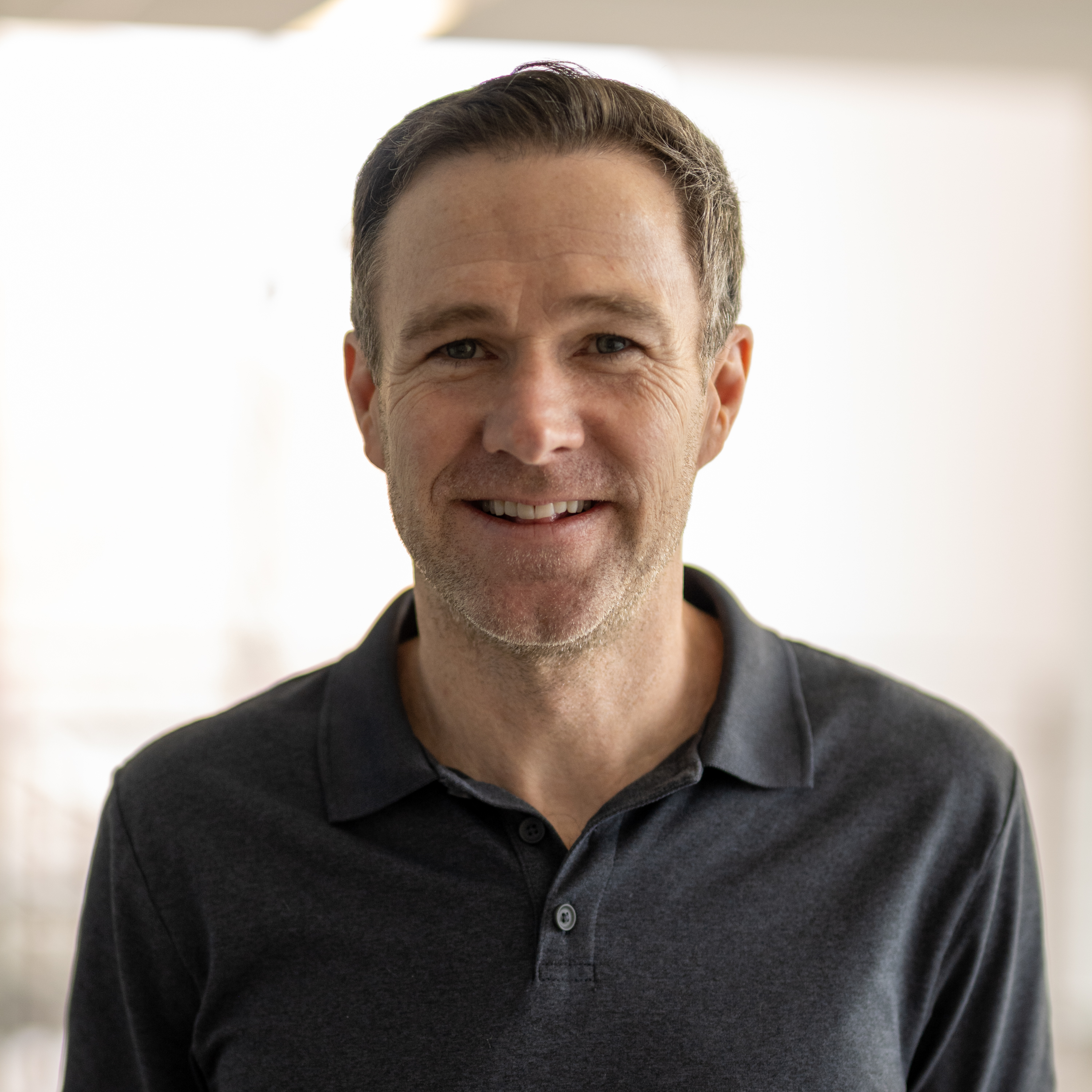
Catherine E. Costello is the William Fairfield Warren Distinguished Professor and Director of the Center for Biomedical Mass Spectrometry Education at Boston University School of Medicine. She holds a PhD and MS from Georgetown University. Her research focuses on biopolymer structural studies and mass spectrometry method development, particularly in glycobiology. Her lab is an NIH-funded Resource Center advancing glycan characterization and structural analysis. Key research interests include carbohydrate conjugate analysis, glycoproteomics, and applications in disease mechanisms like cancer, infection, and immune response. Collaborations span institutions globally, addressing complex biomolecules and their roles in health and disease. Recent publications highlight advancements in glycoproteomic characterization, ion mobility spectrometry, and glycan identification. Awards include the distinguished professor title. Lab members include postdoctoral associates, research staff, and visiting scientists from institutions like MGH and Nutricia Research.
Zhandong Liu is an Associate Professor at Baylor College of Medicine with joint appointments in the Department of Pediatrics and Department of Neurology . He serves as Chief of Computational Sciences at Texas Children's Hospital and co-directs the Quantitative & Computational Biosciences Graduate Program at Baylor. Education: B.S. in Computer Science, Nankai University (2001) M.S. in Computer Science, Wayne State University (2003) Ph.D. in Genomics and Computational Biology, University of Pennsylvania (2010) Dr. Liu's research integrates genomics , machine learning , and bioinformatics to advance understanding of neurological diseases. His work focuses on: Multi-omics data integration for disease mechanism discovery Development of cloud-based CRISPR analysis tools like CRISPRcloud Augmented reality platforms for biomedical data visualization Identification of disease genes through computational models Alternative splicing analysis in cancer and neurodegeneration Single-cell and spatial transcriptomics algorithms His recent publications emphasize Alzheimer's disease , MECP2 syndromes , and computational therapy prediction across multiple domains. Scientific awards include the 2018 Outstanding Service Award from the International Association for Intelligent Biology and Medicine. He has secured major grants from NIH, CPRIT, and NSF for projects including: NSF grant #199977 (2018-2020): Augmented reality therapy platforms CPRIT grant #RP170387 (2016-2019): Network-guided cancer analysis NIH #1R01AG057339 (2017-2022): Alzheimer's disease networks As head of the Liu Lab , he leads teams developing tools like: MARRVEL : Human-model organism gene variant integration CRISPRcloud : Secure CRISPR screen analysis platform CrypSplice : Cryptic splicing detection algorithm
Toni M. Antalis, PhD, is a Professor in the Department of Pharmacology & Physiology at the University of Maryland School of Medicine. She serves as Associate Director of Training and Education for the Marlene and Stewart Greenebaum Comprehensive Cancer Center and Director of the Program in Molecular Medicine. Her research bridges vascular biology and cancer, focusing on membrane-anchored serine proteases and their role in tumor metastasis, inflammation, and coagulation. Doctorate in Biochemistry from Rice University Postdoctoral training in Cell Biology at Baylor College of Medicine Her laboratory investigates how protease-activated receptors (PARs) and the plasminogen activation system influence vascular disease and ovarian cancer progression. Current projects include studying fibrinolysis in thrombus resolution and developing protease-targeted therapies for metastatic ovarian cancer. Recent publications highlight roles of matriptase, testisin, and PAI-2 in tumor dissemination and vascular permeability. Dr. Antalis' research is funded by the National Institutes of Health (NIH), the Department of Defense, and a VA Merit Award. She has previously received support from the Lance Armstrong Foundation and Rivkin Center. She co-directs NIH-funded T32 and PREP programs for cancer training. Mentored numerous PhD students and postdoctoral fellows Developed engineered anthrax toxin prodrugs for ovarian cancer therapy (patents 10,568,929 and 11,013,784)
Claudia Gunsch is the Muriel Theodorsen Williams E'46 Distinguished Professor of Civil and Environmental Engineering at Duke University, with secondary appointments in the Nicholas School of the Environment and Department of Biomedical Engineering. She directs the NSF Engineering Research Center for Precision Microbiome Engineering (PreMiEr) and serves as Associate Director for the Duke Microbiome Center. PhD (2004): University of Texas at Austin MS (2000): Clemson University BS (1998): Purdue University Her research focuses on environmental molecular biotechnology , particularly: investigating ecological impacts of emerging contaminants on microbiomes; developing microbiome engineering approaches for bioremediation; studying microbial evolution from contaminant exposure; and creating innovative water treatment technologies. Current projects apply advanced molecular methods to probe environmental microbial processes in bioremediation, contaminant impact assessment, and environmental microbiome modeling. She has been recognized with numerous awards including: NSF Faculty Early Career Development Award (2009), ASCE Huber Prize (2016), and NAE Frontiers of Engineering Fellowship (2011). Her lab has mentored 28 graduate students, 34 undergraduates, and 8 postdoctoral associates. She leads research initiatives funded by NSF, EPA, NIEHS, and industry partners. Editor-in-Chief, Biodegradation journal Member, npj Clean Water and Industrial Biotechnology editorial boards Active in AEESP and ASCE leadership roles
Bjoern Bauer, PhD is a Professor in the Department of Pharmaceutical Sciences at the University of Kentucky, affiliated with the Sanders-Brown Center on Aging. His research focuses on blood-brain barrier (BBB) biology, Alzheimer’s disease mechanisms, and drug delivery strategies for neurological disorders. Bauer’s work explores how BBB dysfunction contributes to neurodegenerative diseases and cancer, with particular attention to efflux transporters like P-glycoprotein (ABCB1) and their roles in drug resistance and amyloid beta pathology. Key research areas include: 1) BBB leakage and its role in Alzheimer’s disease progression, 2) development of therapeutic strategies to modulate BBB transporters, 3) preclinical models of glioblastoma and neurodegeneration, and 4) biomarker discovery for early disease detection. His lab utilizes advanced in vitro BBB models, transgenic mouse models (e.g., 5xFAD), and imaging techniques to study these processes. Bauer’s contributions span over 40 peer-reviewed publications since 2001, with recent work emphasizing oxidative stress mechanisms, tumor drug resistance, and translational approaches to BBB targeting. Current efforts include investigating S100β as a plasma biomarker and exploring proteasome inhibition as a therapeutic avenue for restoring BBB integrity. He leads the Bauer-Hartz Lab, collaborating extensively with neurologists, oncologists, and pharmacologists to advance CNS drug delivery technologies. He holds a PhD in Pharmacology and has been a faculty member at the University of Kentucky since joining Sanders-Brown in [year not explicitly stated]. His research is supported by grants focusing on BBB biology, Alzheimer’s disease, and cancer pharmacology.
Christopher S. Sullivan is a Professor in the Department of Molecular Biosciences within the College of Natural Sciences at the University of Texas at Austin. He directs an active research laboratory focused on viral non-coding RNA biology and host-pathogen interactions, with continuous funding evidenced by publications spanning 2005-2025. His work bridges molecular virology, immunology, and RNA biology through investigations of tumor viruses and host defense mechanisms. Research interests center on the role of non-coding RNAs in viral infection and host defense pathways, with particular emphasis on viral microRNAs , RNA interference mechanisms , and host-pathogen coevolution . His lab studies diverse virus families including Polyomaviridae, Herpesviridae, Retroviridae, and avipoxviruses, with key discoveries regarding viral miRNA functions in tumorigenesis and immune evasion. Research approaches integrate molecular virology, next-generation sequencing, and computational analysis to dissect RNA-based regulatory networks. Publications reveal consistent focus on viral non-coding RNA functions, particularly how viruses exploit host RNA machinery (notably DUSP11 phosphatase) to modulate immune responses. Recent work (2021-2025) expands into viral shedding dynamics, SARS-CoV-2 diagnostics, and circular RNA biology in polyomaviruses, demonstrating evolving yet cohesive research trajectory in RNA-virus interactions. Scientific contributions include: Pioneering identification of viral microRNAs across multiple virus families Discovery of DUSP11's critical role in RNA triphosphate regulation during infection Mechanistic insights into viral evasion of RNAi and innate immunity Development of novel RNA-based detection methods The Sullivan lab maintains active collaborations through the Center for Systems and Synthetic Biology, John Ring LaMontagne Center for Infectious Disease, and Interdisciplinary Life Sciences Graduate Programs. Lab culture emphasizes collective scientific inquiry with stated mission to 'increase understanding of pathogen-host interactions while enjoying the company of fellow lab members.' Current research directions include viral exploitation of RNA modification pathways and identification of novel host defense mechanisms using viruses as 'molecular divining rods.'
Dr. Angela Poole is an Assistant Professor of Molecular Nutrition in the Division of Nutritional Sciences at Cornell University's College of Human Ecology. She leads a research group focused on precision nutrition, investigating interactions between host genetics, dietary intake, and gut/oral microbiomes to prevent metabolic diseases. Education & Background Ph.D. in Genome Sciences, University of Washington Postdoctoral research at Dr. Ruth Ley's laboratory B.S. in Engineering and Applied Science, Caltech Research Focus Her interdisciplinary work combines genetics, microbiology, and nutrition to develop personalized dietary interventions. Key areas include: Optimizing dietary fiber for diabetes prevention Oral biofilm pathogenesis Host-microbiome-diet interactions in metabolic disorders Publication Trends Her 15 most recent publications (2014-2025) demonstrate consistent focus on microbiome dynamics, genetic influences on nutrition, and metabolic health. Recent work emphasizes oral/gut microbiome responses to dietary components like resistant starch and salivary amylase. Research Group Leads an active lab developing systems biology approaches for precision nutrition applications.
Edward Gunther, MD is a Professor in the Department of Medicine, Division of Hematology and Oncology at Penn State College of Medicine and the Penn State Cancer Institute. His research focuses on breast cancer mechanisms using genetically modified mouse models to uncover molecular and cell biological mechanisms of cancer development and progression. His research interests include: Breast cancer progression and relapse mechanisms Transgenic mouse modeling of mammary tumors Oncogene function in carcinogenesis Tumor cell heterogeneity and subclone cooperation Minimal residual disease and dormancy Dr. Gunther's recent publications reveal how different oncogenes shape premalignant clone progression in breast cancer models, mechanisms of relapse-proficient subclones with collateral sensitivity to oncogene overdose, and carcinogen-specific mutation patterns in Ras-Raf pathway oncogenes. His work demonstrates how reproductive history influences cancer development and how long-lived premalignant clones can evade natural protective mechanisms. His scientific recognition includes: Outstanding Research Publication award (2014) for his Nature paper on tumor heterogeneity Substantial social media and academic engagement for his research (658 Mendeley readers for the Nature paper) Dr. Gunther has received continuous National Cancer Institute funding as Principal or Co-Principal Investigator for multiple projects spanning nearly two decades: Genetic Analysis of Breast Cancer Progression in Mice Using Inducible Transposition (2017-2018) Modeling breast cancer relapse prevention in mice (2010-2016) Preclinical Modeling of Latent Breast Cancer in Mice (2005-2010) BRCA1 FUNCTION USING AN INDUCIBLE TRANSGENE (1999-2005) His laboratory at the Penn State Cancer Institute's Next-Generation Therapies division maintains an active research program investigating the molecular mechanisms of breast cancer progression, dormancy, and relapse using sophisticated genetically engineered mouse models that closely mimic human disease processes.
G. Petur Nielsen, MD is a Professor of Pathology at Harvard Medical School and serves as Subspecialty Head, Bone and Soft Tissue Pathology at Massachusetts General Hospital . With a clinical focus on bone and soft tissue tumors, his expertise spans diagnostic pathology, molecular genetics of neoplasms, and ancillary testing applications. Research interests center on Pathology and biology of bone/soft tissue tumors Molecular genetics of bone and soft tissue neoplasms Chordoma and sarcoma research Epithelioid vascular tumor differentiation Mesenchymal tumors of the female genital tract His work includes landmark studies on tumor misdiagnosis rates, immunohistochemical profiling, and genomic analysis of chordomas. Scientific contributions appear in leading journals like Nature and American Journal of Surgical Pathology , with major emphasis on Molecular tumor classification Mutational signature analysis Translational oncology Diagnostic accuracy improvement Genomic instability mechanisms
Dr. Ype P. de Jong is an Assistant Professor of Medicine at Weill Cornell Medical College of Cornell University and an Attending Physician at New York-Presbyterian Hospital. He completed his medical and doctoral training at the University of Amsterdam, followed by internal medicine and gastroenterology fellowships at Mount Sinai Hospital, New York. His research focuses on hepatitis virus immune evasion, liver disease modeling, and gene therapy applications. Education M.D., University of Amsterdam Faculty of Medicine (2003) Ph.D., University of Amsterdam (2002) Research Interests Dr. de Jong investigates hepatitis virus persistence mechanisms, develops advanced liver disease models, and explores gene therapy applications for hemophilia and liver conditions. His work bridges clinical hepatology with translational research on viral immune evasion and hepatocyte engineering. Scientific Awards Cum Laude (PhD thesis), University of Amsterdam (2002) Hippocrates Prize (Best Medical Thesis in Netherlands), Leiden University (2003) Appointments Assistant Professor of Medicine, Weill Cornell Medical College Attending Physician, New York-Presbyterian Hospital Visiting Clinical Fellow, The Rockefeller University
Dr. Andrew Mackay is Professor of Pharmacology and Pharmaceutical Sciences at USC School of Pharmacy. His research focuses on engineering responsive protein-polymer biomaterials for targeted drug delivery in cancer and ocular diseases. The Mackay Lab develops genetically-engineered nanocarriers that respond to physiological cues like temperature and pH. He holds SB degrees in chemical engineering and biology from MIT, and a PhD in Bioengineering from UC San Francisco/Berkeley. His lab has made significant advancements in intracellular protein microdomain assembly for cellular modulation. Research support includes grants from NIH, US Army, and cancer research foundations. Dr. Mackay teaches graduate courses in drug delivery, pharmacokinetics, and nanoscience. He is a full member of the USC Norris Comprehensive Cancer Center with over 60 peer-reviewed publications.
Associate Professor Brendan McMorran is a faculty member at The John Curtin School of Medical Research (JCSMR), Australian National University (ANU). He leads the McMorran Group focusing on platelet biology and host responses to malaria. His academic roles include Associate Director, HDR (Higher Degree Research) and Group Leader in the Division of Immunology and Infectious Diseases. Education: BSc (Hons) and PhD from University of Otago (New Zealand), followed by postdoctoral research at University of Queensland and Menzies Research Institute. Previously held positions at Macquarie University before joining ANU in 2014. Research interests center on understanding malaria survival mechanisms, particularly platelet-mediated parasite killing, and developing host-directed therapies. Key projects include genetic causes of renal disease in Indigenous Australians and roles of platelets in regulating red blood cell turnover. Notable contributions include identifying platelets' role in killing malaria parasites, discovering defense peptides from Platelet Factor 4, and investigating host genetics in malaria resistance. Supported by NHMRC and ARC funding.
Dr. Jun Wu is an Assistant Professor in the Department of Molecular Biology at UT Southwestern Medical Center. He holds a PhD in Life Science from the University of Tennessee and completed postdoctoral training at the University of Southern California and the Salk Institute. His research focuses on stem cell biology, genome editing, and interspecies chimeras to advance regenerative medicine and developmental biology. Education: Bachelor of Medicine, Shandong University School of Medicine (China) PhD in Life Science, University of Tennessee (2013) Postdoctoral Fellowships: USC (2013-2015) and Salk Institute (2015-2017) Research Interests: Generation of pluripotent stem cells with distinct molecular/phenotypic features Development of interspecies blastocyst complementation systems Modeling peri-implantation human development using stem cell embryo models Study of species-specific developmental barriers and evolutionary biology Application of chimeras to study cancer resistance and organ size determination Lab Activities: The Wu Lab develops stem cell models to study mammalian development and create regenerative therapies. Key projects include: Creation of interspecies chimeras (human-monkey, rat-mouse) Development of blastoids and peri-gastruloids Analysis of species-specific cell competition mechanisms Engineering cross-species organogenesis systems Grant Activities: Focuses on NIH-funded projects related to stem cell biology, interspecies chimerism, and regenerative medicine applications. Collaborates with institutions like Salk Institute and University of California campuses. Lab Team: Includes postdoctoral researchers like Dr. Yi Ding and a multidisciplinary team of molecular biologists, bioengineers, and computational biologists.
Rachel Bailey is a researcher at UT Southwestern with a focus on developing gene therapies for neurological disorders. She holds dual bachelor's degrees in Biology/Bioinformatics and Molecular Biology from Rensselaer Polytechnic Institute, a Ph.D. in Neuroscience from the University of Florida, and completed postdoctoral research at the University of North Carolina Chapel Hill. Education : Dual B.S. from Rensselaer Polytechnic Institute, Ph.D. in Neuroscience Her research spans gene therapy for monogenic and complex neurodegenerative diseases, including SLC13A5 epileptic encephalopathy , Giant Axonal Neuropathy , and tauopathies like Alzheimer’s disease. She employs AAV vector engineering for gene replacement and silencing, with expertise in preclinical development and IND-enabling studies . Recent publications highlight her work on tau protein phosphorylation in Parkinson’s disease, AAV9 gene therapy for GAN, and autonomic dysfunction in neurodegenerative models. Key collaboration networks include institutions like the NIH and Mayo Clinic.
Kathryn E. Dickerson, M.D., M.S.C.S., is an Assistant Professor in the Department of Pediatrics at UT Southwestern Medical Center, specializing in the Division of Hematology and Oncology. She holds dual appointments as a 2015 Translational Research Scholar in the UTSW Center for Translational Medicine and as an NIH KL2 scholar. Her clinical focus is pediatric hematology, emphasizing bone marrow failure disorders, cancer predisposition syndromes, and thalassemia/dyserythropoietic anemias. Her research investigates epigenetic regulation of myeloid malignancies, clonal hematopoiesis in childhood cancer survivors, and molecular mechanisms underlying acute myeloid leukemia (AML), myelodysplastic syndromes (MDS), and myeloproliferative disorders (MPD). Education: Bachelor's in Biochemistry (Indiana University), minor in Spanish Medical degree (Indiana University School of Medicine) Masters of Science in Clinical Sciences (UT Southwestern Center for Translational Medicine) Training: Pediatric residency with research pathway (Ohio State University/Nationwide Children’s Hospital) Pediatric hematology-oncology fellowship (UT Southwestern) Dr. Dickerson’s research bridges basic science and clinical practice, leveraging CRISPR-based epigenetic editing, genomic analysis, and translational studies to understand disease mechanisms. Key projects include interrogating enhancer dysregulation in leukemia, studying metabolic reprogramming in cancers, and evaluating clonal hematopoiesis in survivors of childhood cancers. Her work has advanced understanding of EZH2’s role in AML and identified therapeutic vulnerabilities in myeloid malignancies. Awards: 2015 Translational Research Scholar (UTSW Center for Translational Medicine) NIH KL2 Career Development Award Grants/Initiatives: NIH-funded investigator-initiated study on clonal hematopoiesis Industry/consortia-sponsored trials for bone marrow failure and rare blood disorders She collaborates with the Children’s Research Institute and North American Pediatric Aplastic Anemia Consortium, contributing to clinical trials and translational initiatives. Her lab focuses on developing biomarkers for disease severity (e.g., immature platelet fraction in pediatric COVID-19) and therapeutic strategies targeting epigenetic dependencies in leukemia.